









BLOG
What Must Be Validated Before a 240W USB-C PD 3.1 Adapter Goes Into Production?
QUICK LINKS

Why does 240W USB-C PD 3.1 validation need more than a wattage check?
A 240W USB-C PD 3.1 adapter cannot be validated by wattage alone. At this power level, the adapter is part of a larger USB-C power system that includes the approved cable, device-side USB-C port, PD controller, firmware, battery charging path, internal DC/DC conversion, thermal design, EMI behavior, safety documentation and user instructions. If one part of the system is not ready for EPR operation, the final product may not perform as expected.
For OEMs, startups, engineers and sourcing teams, the validation process should begin before the adapter is locked into production. A 240W adapter may support the required output modes, but the device must safely negotiate the right voltage, accept the correct current, manage heat and respond predictably when lower-power chargers or non-approved cables are used. Production readiness depends on the entire power chain, not just the adapter datasheet.
| Validation Area | Why It Matters for Production | What OEM Teams Should Confirm |
|---|---|---|
| Adapter capability | The adapter must support the required PD 3.1 EPR voltage and current profile. | Output modes, current limits, protections, efficiency, EMI and documentation. |
| Cable readiness | Full-power EPR operation depends on the correct USB-C cable. | EPR cable rating, cable length, markings, approved accessory list and sourcing plan. |
| Device readiness | The product must request, receive and manage the selected voltage safely. | PD controller, firmware, sink capability, protection circuits and input path. |
| System behavior | Production devices must handle real customer use, not only ideal lab conditions. | Fallback behavior, user messages, thermal limits and support documentation. |
Why This Matters
• 240W USB-C PD 3.1 validation must cover the full adapter-to-device power path.
• A product can only use 240W safely when the adapter, cable and device are designed to support the correct EPR profile.
What OEMs Should Do Now
• Build one validation checklist that includes adapter, cable, USB-C port, PD controller, firmware, battery, thermal and compliance requirements.
• Test real operating scenarios, including full load, charging under use, lower-power charger fallback and non-approved cable behavior.
Useful Links
AA240U-59FKEA-R Product Page: www.phihong.com/products/aa240u-59fkea-r-2/
AA240U-59FKEA-R 240W USB-C PD 3.1 Datasheet: www.phihong.com/wp-content/uploads/AA240U-59FKEA-R.pdf
USB Power Delivery Specification: www.usb.org/usb-charger-pd
Related Links
Best Guide to USB-C PD 3.1 EPR: What 240W Power Changes for High-Performance Laptops, Portable Equipment, and USB-C Systems: www.phihong.com/best-guide-to-usb-c-pd-3-1-epr-what-240w-power-changes-for-high-performance-laptops-portable-equipment-and-usb-c-systems/
USB-C PD 3.1 EPR vs PD 3.0: What Does 240W Mean for High-Power Device Design?: www.phihong.com/usb-c-pd-3-1-epr-vs-pd-3-0-what-does-240w-mean-for-high-power-device-design/
Why 28V, 36V, and 48V USB-C PD Outputs Matter for High-Power Devices: www.phihong.com/why-28v-36v-and-48v-usb-c-pd-outputs-matter-for-high-power-devices/
FEATURED PRODUCTS
AM250U-540AP-R
AA240U-200A-R
AA240U-200B-R
AA280U-200B-R
AA240U-59FKEA-R
AA36U-240B-R

What electrical validation should happen before production approval?
Electrical validation should confirm that the adapter, cable and device can negotiate and deliver the required USB-C PD 3.1 EPR power profile under realistic operating conditions. This includes checking supported voltage modes, current limits, voltage regulation, load behavior, startup behavior, transient response, fallback profiles and protection behavior. A 240W adapter may support multiple output levels, but the finished device must request and manage the correct level safely.
For high-power USB-C products, electrical validation should also include lower-power charging scenarios. Customers may use a 100W charger, a 140W charger, a lower-rated USB-C cable, or a third-party adapter. The device should respond predictably without unsafe operation or confusing behavior. OEM teams should document what happens when full 240W power is available and what happens when the product receives less power than expected.
| Electrical Test Area | Why It Matters | What OEM Teams Should Validate |
| EPR negotiation | The device must request the correct power profile. | 28V, 36V, 48V support, PD controller behavior and firmware handling. |
| Load behavior | The system must remain stable under real operating demand. | Full load, peak load, charge-under-use and dynamic workload changes. |
| Fallback charging | Users may connect lower-power chargers or cables. | 100W behavior, 140W behavior, non-EPR cable behavior and system messaging. |
| Protection response | Fault conditions must be handled safely. | Over-voltage, over-current, short circuit, over-temperature and recovery behavior. |
Why This Matters
• Electrical validation proves whether 240W USB-C power works in the actual system, not only on paper.
• Fallback behavior is part of production readiness because customers may use different chargers and cables.
What OEMs Should Do Now
• Test the approved 240W adapter and cable under the product’s highest realistic load conditions.
• Define and validate lower-power charging behavior before customer support teams inherit the issue.
Useful Links
AA240U-59FKEA-R Product Page: www.phihong.com/products/aa240u-59fkea-r-2/
AA240U-59FKEA-R 240W USB-C PD 3.1 Datasheet: www.phihong.com/wp-content/uploads/AA240U-59FKEA-R.pdf
USB Power Delivery Specification: www.usb.org/usb-charger-pd
Related Links
What Can a 240W USB-C PD 3.1 Adapter Power That 100W and 140W Chargers Cannot?: www.phihong.com/what-can-a-240w-usb-c-pd-3-1-adapter-power-that-100w-and-140w-chargers-cannot/
Why 28V, 36V, and 48V USB-C PD Outputs Matter for High-Power Devices: www.phihong.com/why-28v-36v-and-48v-usb-c-pd-outputs-matter-for-high-power-devices/
How 330W GaN Power Adapters Support Gaming Laptops and Mobile Workstations: www.phihong.com/how-330w-gan-power-adapters-support-gaming-laptops-and-mobile-workstations/
Why are cable, connector and firmware validation critical for EPR systems?
Cable, connector and firmware validation are critical because 240W USB-C PD 3.1 depends on negotiation and compatibility. The adapter does not simply force 240W into the device. The system must agree on the correct power profile, the cable must support the required EPR operation and the device firmware must manage the process safely. If the cable, connector, or firmware behavior is not validated, production units can create inconsistent charging behavior.
This is especially important for devices sold into commercial, enterprise, field, or industrial environments where users may replace cables, swap adapters, connect to docks, or use third-party accessories. OEM teams should decide which cables are approved, how the device reports reduced-power operation and how firmware handles unexpected negotiation outcomes. These decisions affect safety, user experience, warranty cost and support tickets.
| Validation Area | Why It Matters for EPR | What OEM Teams Should Confirm |
| EPR cable support | 240W operation requires the correct cable capability. | Cable rating, markings, vendor qualification, length and replacement availability. |
| USB-C connector behavior | Higher power can increase thermal and mechanical stress. | Connector temperature, insertion cycles, retention, layout and strain relief. |
| Firmware negotiation | Device behavior depends on PD controller and firmware logic. | Voltage selection, current limits, fault handling, fallback and system messages. |
| Accessory policy | Users may mix chargers, docks and cables. | Approved accessories, blocked conditions, support notes and packaging language. |
Why This Matters
• 240W USB-C PD 3.1 is a negotiated system, so cable and firmware behavior are central to production readiness.
• Unclear cable and accessory policy can turn a good product design into a customer support problem.
What OEMs Should Do Now
• Qualify the exact EPR cable and USB-C connector configuration intended for production.
• Validate firmware behavior across approved, lower-power and unsupported accessory scenarios.
Useful Links
AA240U-59FKEA-R Product Page: www.phihong.com/products/aa240u-59fkea-r-2/
AA240U-59FKEA-R 240W USB-C PD 3.1 Datasheet: www.phihong.com/wp-content/uploads/AA240U-59FKEA-R.pdf
USB Power Delivery Specification: www.usb.org/usb-charger-pd
Related Links
USB-C PD 3.1 EPR vs PD 3.0: What Does 240W Mean for High-Power Device Design?: www.phihong.com/usb-c-pd-3-1-epr-vs-pd-3-0-what-does-240w-mean-for-high-power-device-design/
What Can a 240W USB-C PD 3.1 Adapter Power That 100W and 140W Chargers Cannot?: www.phihong.com/what-can-a-240w-usb-c-pd-3-1-adapter-power-that-100w-and-140w-chargers-cannot/
Why 65W GaN Power Adapters Are Becoming the New Standard for Commercial Laptops: www.phihong.com/why-65w-gan-power-adapters-are-becoming-the-new-standard-for-commercial-laptops/
CLIENT'S QUOTE
Phihong’s custom OEM power solutions have transformed our product development, boosting performance and reducing overhead. Their expert engineering support has simplified both the design and manufacturing phases.
What thermal, EMI and safety validation should happen before production?
Thermal, EMI and safety validation should happen before production because 240W USB-C PD 3.1 raises the consequences of incomplete testing. A high-power adapter may pass basic electrical review, but the final system still needs to operate safely under real load, real cable conditions, real enclosure temperatures and real customer usage. Heat can build in the adapter, USB-C connector, cable, device input stage and battery charging path, especially during charging under load.
EMI and safety review are also important because the adapter is part of the product’s broader compliance story. The power adapter, cable, device enclosure, board layout, grounding strategy and operating mode can all affect emissions and system behavior. OEM teams should validate the production configuration rather than relying only on ideal lab setups. A strong validation plan should connect thermal testing, EMI expectations, safety documentation and fault response into one production-readiness process.
| Validation Area | Why It Matters for Production | What OEM Teams Should Confirm |
|---|---|---|
| Thermal performance | Higher power can increase heat across the adapter, cable, connector and device. | Full-load operation, charge-under-load, surface temperature, battery temperature and airflow. |
| EMI behavior | Adapter and device emissions depend on the full system configuration. | Cable routing, grounding, enclosure layout, Class B expectations and final test setup. |
| Safety review | Higher voltage and wattage require careful system-level safety planning. | IEC 62368-1 relevance, protection circuits, labeling, user access and documentation. |
| Fault conditions | Production systems must respond predictably to abnormal events. | Over-voltage, over-current, short circuit, over-temperature and recovery behavior. |
Why This Matters
• Thermal, EMI and safety validation help confirm that 240W USB-C power is production-ready, not just technically possible.
• The adapter, cable and device should be tested together under realistic operating conditions.
What OEMs Should Do Now
• Validate full-power operation in the final device configuration, including approved cable, enclosure and expected workload.
• Review EMI, safety documentation, fault response and thermal behavior before final sourcing or certification.
Useful Links
AA240U-59FKEA-R Product Page: www.phihong.com/products/aa240u-59fkea-r-2/
AA240U-59FKEA-R 240W USB-C PD 3.1 Datasheet: www.phihong.com/wp-content/uploads/AA240U-59FKEA-R.pdf
USB Power Delivery Specification: www.usb.org/usb-charger-pd
Related Links
USB-C PD 3.1 EPR vs PD 3.0: What Does 240W Mean for High-Power Device Design?: www.phihong.com/usb-c-pd-3-1-epr-vs-pd-3-0-what-does-240w-mean-for-high-power-device-design/
Why 28V, 36V, and 48V USB-C PD Outputs Matter for High-Power Devices: www.phihong.com/why-28v-36v-and-48v-usb-c-pd-outputs-matter-for-high-power-devices/
Best Guide to GaN Power Adapters: What Modern Devices Need From Compact, High-Density Power: www.phihong.com/best-guide-to-gan-power-adapters-what-modern-devices-need-from-compact-high-density-power/
How Phihong supports 240W USB-C PD 3.1 production validation for OEM systems
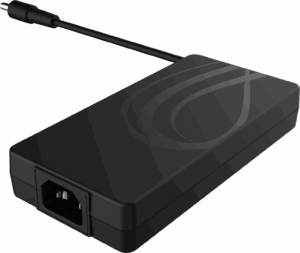
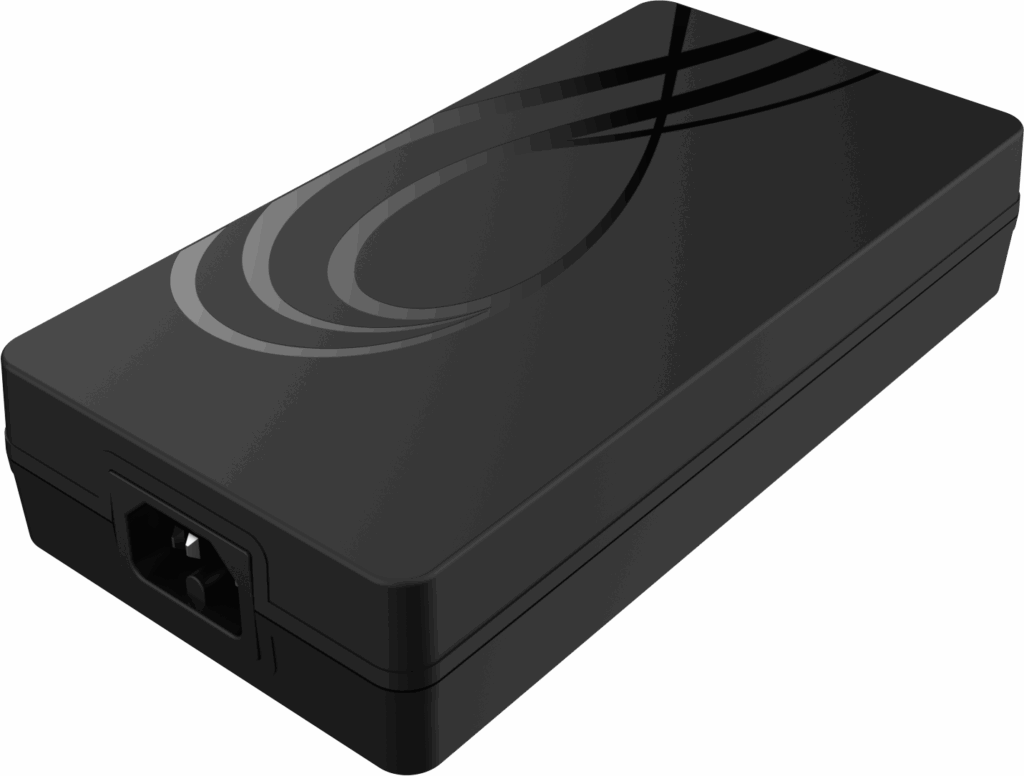
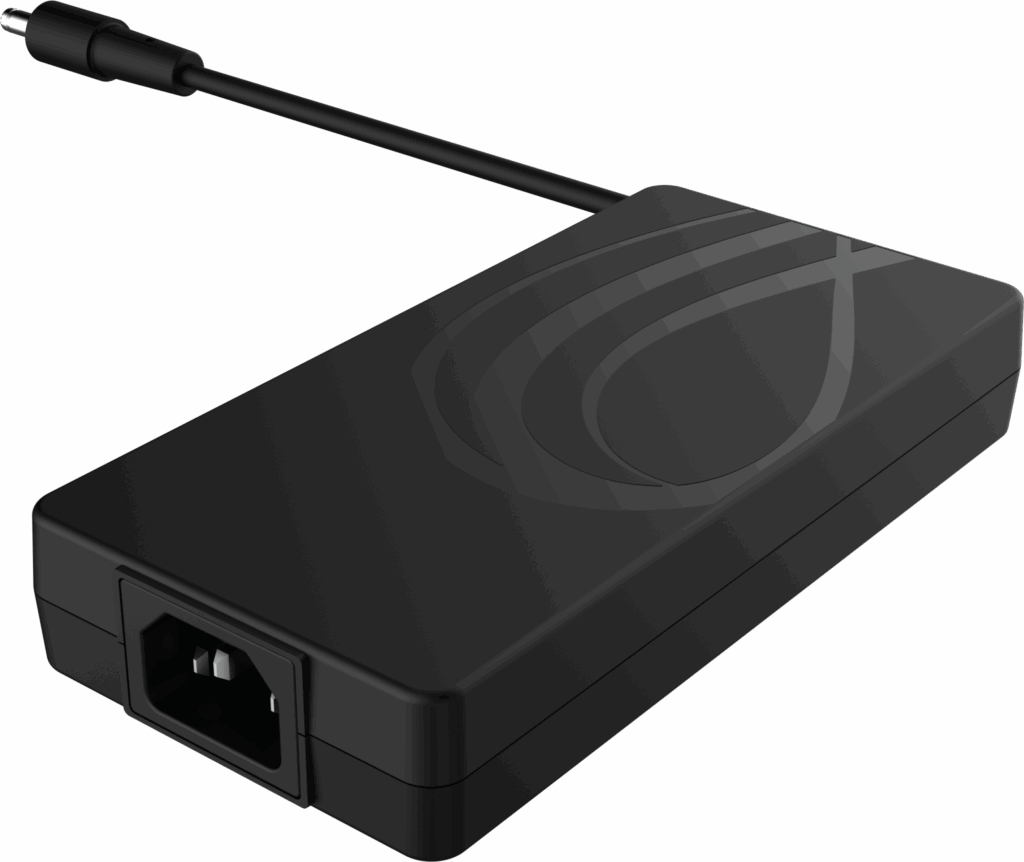
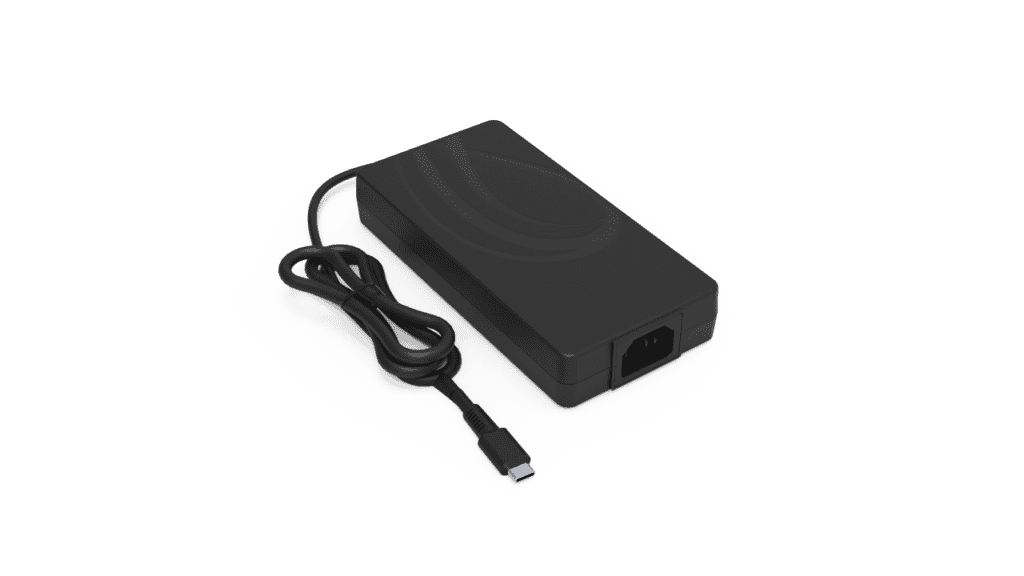
For OEM teams preparing a 240W USB-C PD 3.1 adapter for production, Phihong’s AA240U-59FKEA-R gives engineers and sourcing teams a product-specific reference point. It is positioned as a 240W USB-C Power Delivery 3.1 desktop adapter with multiple output modes, including EPR voltage levels used for high-power USB-C systems. It also includes a C14 inlet, USB-C output plug, protection features, Class B EMI, safety documentation and environmental specifications that help teams evaluate production readiness.
The strongest validation process compares the adapter datasheet against the real product architecture. OEM teams should review supported voltage modes, current limits, EPR cable requirements, controller firmware, thermal behavior, EMI strategy, safety documentation, environmental limits, altitude rating, packaging, accessory policy and customer instructions. When those details are validated together, a 240W USB-C PD 3.1 adapter can move from promising prototype choice to production-ready power solution.
| Phihong Validation Area | Why It Helps OEM Teams | What Teams Should Review |
|---|---|---|
| AA240U-59FKEA-R | Provides a product-specific 240W USB-C PD 3.1 adapter reference. | Output modes, current limits, protections, EMI, safety and environmental specs. |
| EPR voltage support | Helps teams evaluate 28V, 36V and 48V high-power operation. | Device sink capability, cable rating, firmware behavior and fallback modes. |
| Desktop adapter format | Supports high-power external charging with C14 input. | AC cord strategy, adapter placement, service model and user access. |
| Documentation pathway | Gives engineering and sourcing teams a structured validation starting point. | Datasheet, certifications, test reports, supplier records and internal qualification checklist. |
Why This Matters
• Product-specific validation helps OEMs confirm that 240W USB-C PD 3.1 is ready for real production use.
• A 240W adapter should be validated as part of the complete USB-C power system, not only as a standalone charger.
What OEMs Should Do Now
• Start with the AA240U-59FKEA-R datasheet and compare its output modes against the device’s real power profile.
• Validate adapter, approved cable, device firmware, thermal behavior, EMI, safety, packaging and user instructions before production release.
Useful Links
AA240U-59FKEA-R Product Page: www.phihong.com/products/aa240u-59fkea-r-2/
AA240U-59FKEA-R 240W USB-C PD 3.1 Datasheet: www.phihong.com/wp-content/uploads/AA240U-59FKEA-R.pdf
Power Adapter Product Line: www.phihong.com/products/adapters/
Related Links
Best Guide to USB-C PD 3.1 EPR: What 240W Power Changes for High-Performance Laptops, Portable Equipment, and USB-C Systems: www.phihong.com/best-guide-to-usb-c-pd-3-1-epr-what-240w-power-changes-for-high-performance-laptops-portable-equipment-and-usb-c-systems/
USB-C PD 3.1 EPR vs PD 3.0: What Does 240W Mean for High-Power Device Design?: www.phihong.com/usb-c-pd-3-1-epr-vs-pd-3-0-what-does-240w-mean-for-high-power-device-design/
What Can a 240W USB-C PD 3.1 Adapter Power That 100W and 140W Chargers Cannot?: www.phihong.com/what-can-a-240w-usb-c-pd-3-1-adapter-power-that-100w-and-140w-chargers-cannot/
A 240W USB-C PD 3.1 adapter should not go into production until the full power system has been validated. The adapter, EPR cable, USB-C connector, PD controller, firmware, battery path, thermal design, EMI behavior, safety documentation and customer instructions all affect whether the product will perform correctly in the field.
For high-performance laptops, portable workstations, docking systems, field equipment and commercial USB-C platforms, production validation protects both the product and the customer experience. The best OEM teams treat 240W USB-C power as a system design decision, not a charger accessory decision.

CONTACT US TODAY
From concept to production, Phihong delivers custom OEM power solutions tailored to your specifications.
FAQ
What must be validated before using a 240W USB-C PD 3.1 adapter in production?
OEMs should validate the adapter, approved EPR cable, USB-C connector, PD controller, firmware, device power path, battery charging behavior, thermal performance, EMI behavior, safety documentation, fallback charging and user instructions. A 240W adapter only works as intended when the full USB-C power system supports the required EPR profile and behaves predictably under real operating conditions.
Why is cable validation important for 240W USB-C PD 3.1?
Cable validation is critical because full-power 240W operation depends on the correct EPR-capable USB-C cable. A lower-rated cable may limit charging or prevent the system from negotiating the expected power profile. OEMs should qualify the exact cable intended for production, define an approved accessory policy and provide clear customer instructions for replacement cables.
Can a 240W adapter be used with lower-power USB-C devices?
A higher-capability USB-C adapter may charge lower-power devices, but the device will only negotiate the power level it supports. A 100W or 140W device should not receive 240W unless it is designed for that EPR profile. OEMs should validate fallback behavior so the system operates safely and customers understand why different chargers and cables may produce different results.
What thermal tests are needed for a 240W USB-C adapter system?
Thermal testing should include full-load operation, charging under use, adapter surface temperature, cable and connector temperature, battery temperature, enclosure airflow and high ambient conditions. Because 240W power can create heat across multiple parts of the system, OEMs should test the approved adapter and cable with the actual device under realistic workloads before production.
Why does firmware matter in 240W USB-C PD 3.1 validation?
Firmware controls how the device negotiates power, selects voltage profiles, handles fallback charging and responds to faults. If firmware behavior is not validated, the system may charge inconsistently, fail to request the correct EPR profile, or confuse users when different chargers and cables are connected. Firmware validation should include approved, lower-power and unsupported accessory scenarios.
POE technology supports the centralization of power

AC Adapter Guide: Everything You Need to Know
Moreover, PoE technology supports the centralization of power management. By powering devices through a PoE-enabled network …
AC DC Power Chargers and How They Work: A Comprehensive Technical Breakdown
Moreover, PoE technology supports the centralization of power management. By powering devices through a PoE-enabled network …

USB-C Charger: Shaping the Future of the Tech World
Moreover, PoE technology supports the centralization of power management. By powering devices through a PoE-enabled network …

AC Adapter Guide: Everything You Need to Know
Moreover, PoE technology supports the centralization of power management. By powering devices through a PoE-enabled network …

AC DC Power Chargers and How They Work: A Comprehensive Technical Breakdown
Moreover, PoE technology supports the centralization of power management. By powering devices through a PoE-enabled network …

USB-C Charger: Shaping the Future of the Tech World
Moreover, PoE technology supports the centralization of power management. By powering devices through a PoE-enabled network …