







BLOG
How Do Interchangeable Plug Systems Help OEMs Streamline Global Power Adapter Distribution?
QUICK LINKS

Why do OEMs rely on interchangeable plug systems for global product distribution?
For OEMs selling into multiple regions, power adapter compatibility quickly becomes a logistical problem. Every country has different plug shapes, voltage ranges, and compliance standards. Without interchangeable plug systems, manufacturers are forced to create region-specific SKUs, maintain separate inventory lines, and manage higher warehousing costs. Swappable plug adapters solve this by allowing a single power supply body to work across multiple countries simply by changing the plug head.
FEATURED PRODUCTS
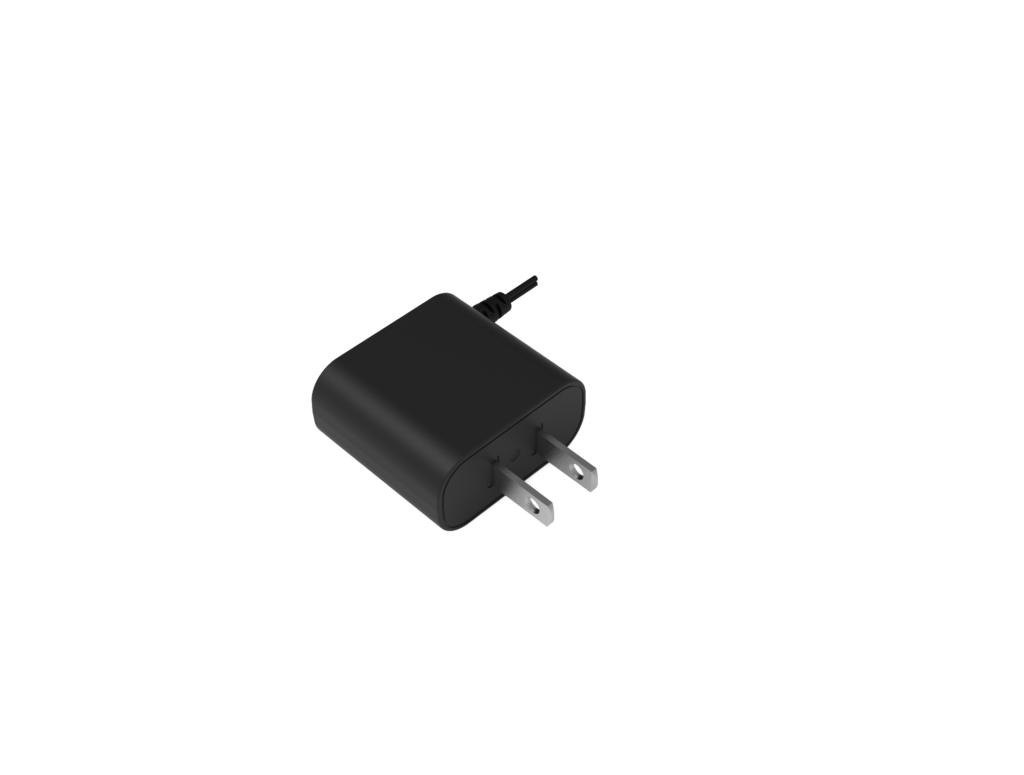
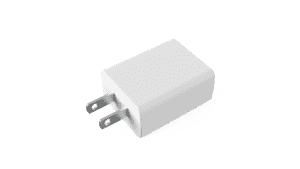
AA03A-075A-R
- Output Power - 2.75W
- Output Volt - 7.5V
- Output Current - 0.366A
- Features - Fixed Blade AC Input, Limited Power Source, Class B EMI, Level VI Efficiency, Standard Barrel Connector
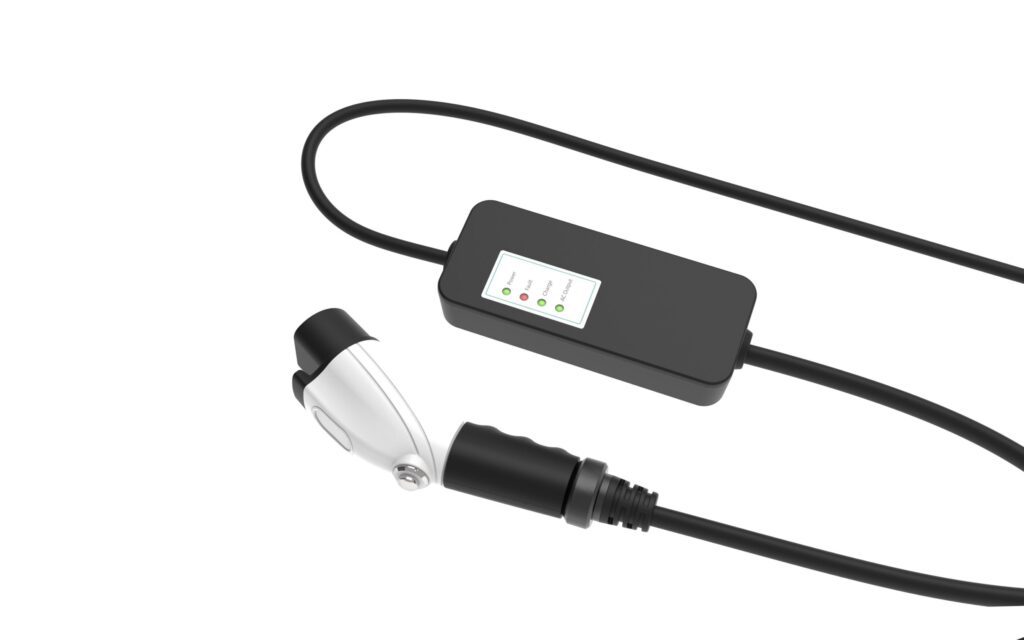
AC Series
- Output Current - 16A
- Features - Mode 2-chargers can use a circuit ranging from 8Amp to 16Amp with a local standard AC input plug installed for operation, Provides overcurrent, over voltage and short circuit protection, Protected against strong jets of water from all directions, Continuously monitors/supervises the ground connection between the AC supply and EV to ensure safe and reliable charging
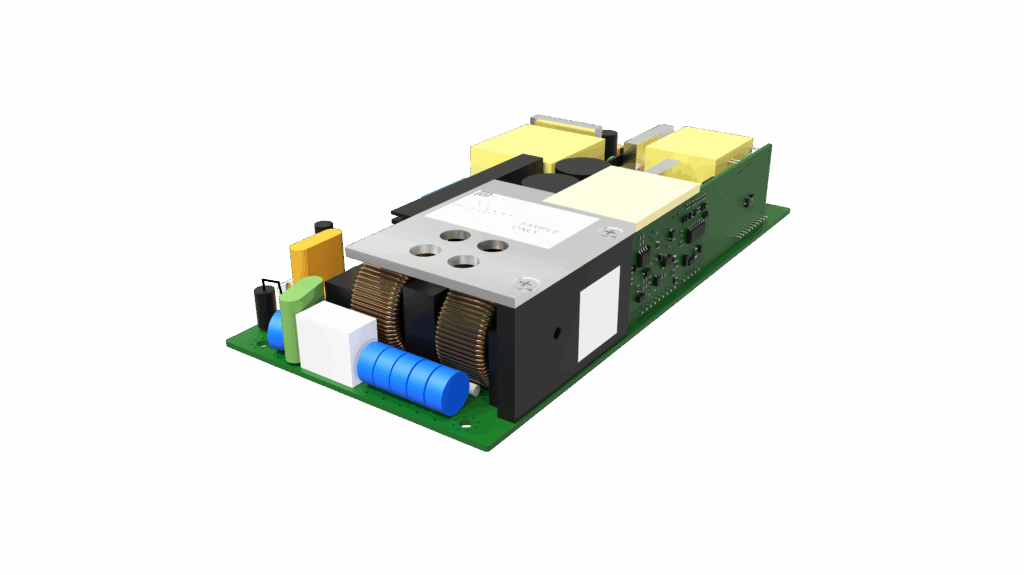
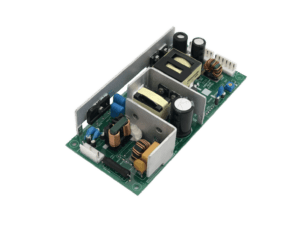
BF550-234A-R
- Output Power - 550W
- Output Volt - 12Vdc / 54.5Vdc
- Features - Universal AC Input range, Class I Design , Class B EMI , High Efficiency Performance , OVP, OCP, SCP, OTP Protections , Operating Altitude: 5,000M
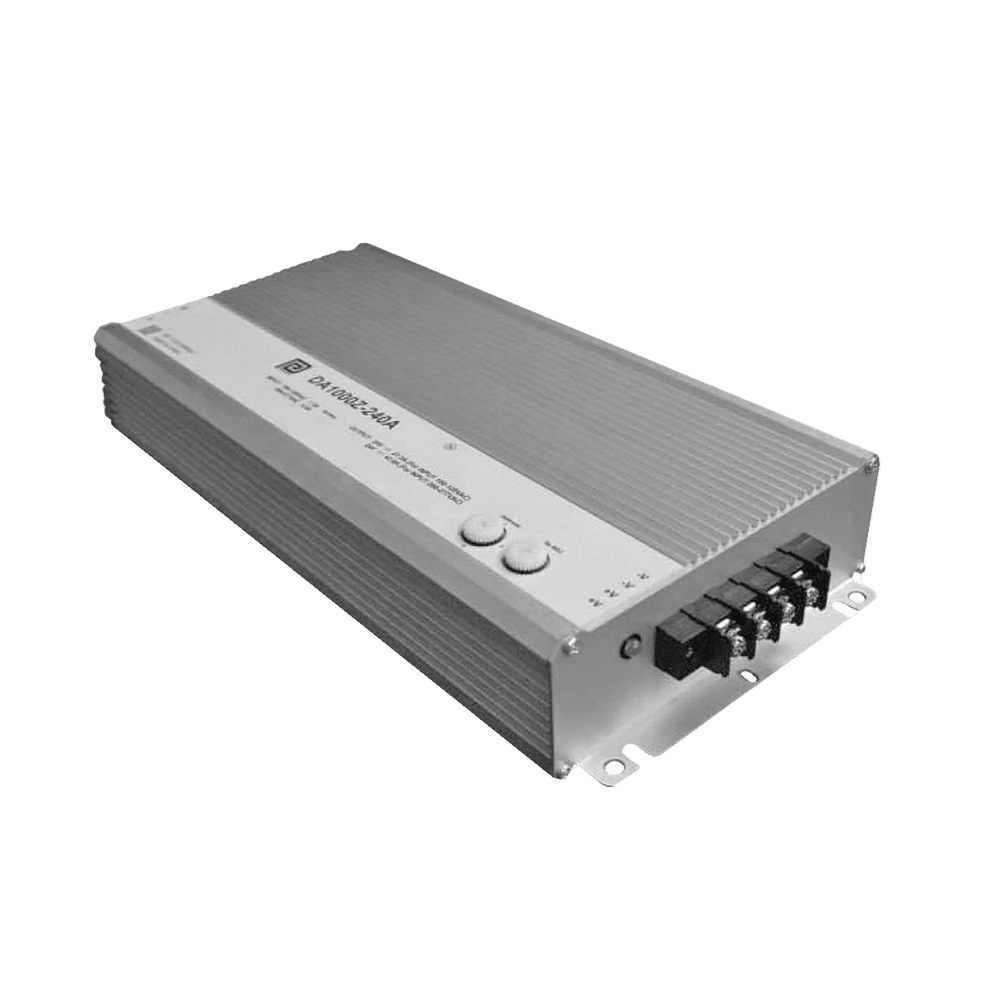
DA1000Z-240AEV-R
- Output Power - 1000W
- Output Volt - 24V
- Output Current - 1000W
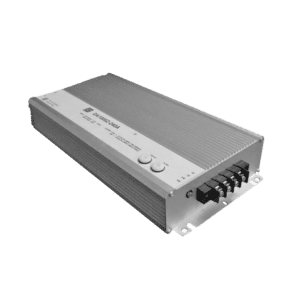
- Features - Extended operating temperature range of -40℃ to 70℃, Fan-less aluminum case filled with heat conductive glue, Able to withstand 10G vibration, Power on LED indicator, Short Circuit, Over Current, Over Voltage, and Over Temperature Protections, & Adjustable output through potentiomete
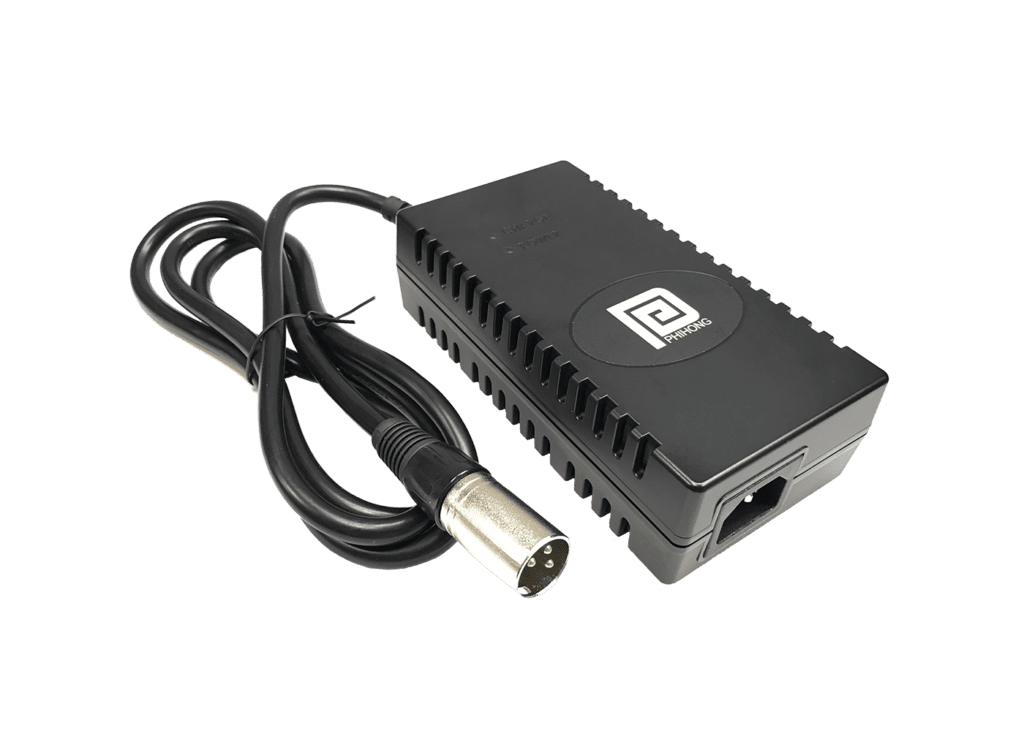
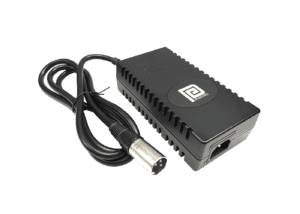
DA60U-240A-R
- Output Power - 60W
- Output Volt - 24V
- Output Current - 2.5A
- # of ports - 1
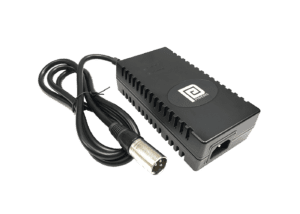
- Features - RESNA Compliant, CEC Compliant, LED Indicators Charge State, OVP, OTP, SCP, Charges AGM Batteries, Max 12hrs Charging Time
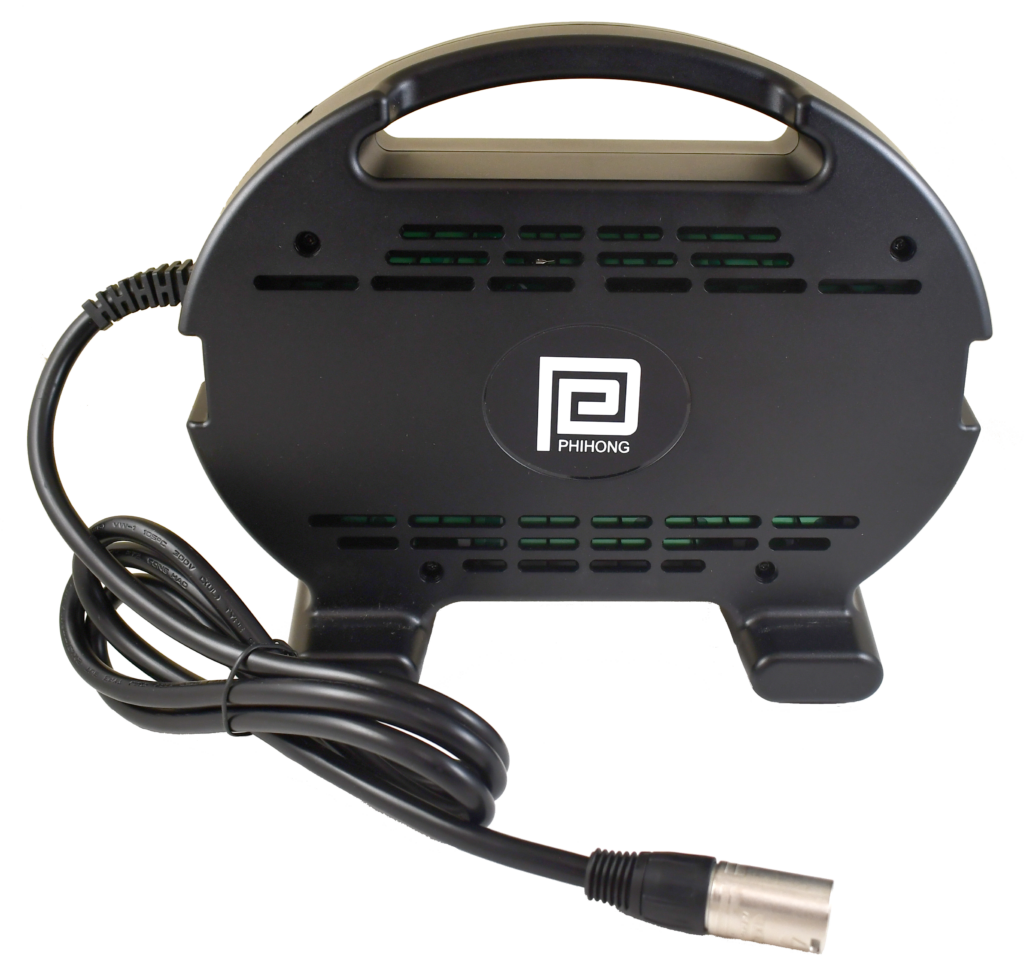
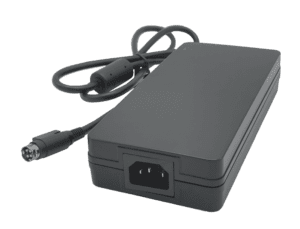
DA200U-250A-R
- Output Power - 200W
- Output Volt - 24V
- Output Current - 8A
- # of ports - 1
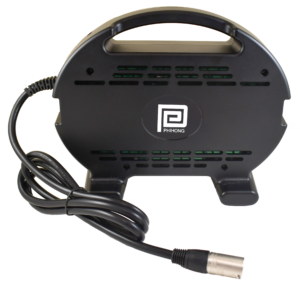
- Features - RESNA Compliant, CEC Compliant, LED Indicators Charge State, OVP, OTP, SCP, Dual-Mode Charger, Charges GEL or AGM batteries, Max 12hrs Charging Time
Interchangeable systems streamline everything from procurement to packaging. Rather than forecasting demand for 12–15 different regional variants, OEMs can manufacture one universal power adapter and pair it with region-specific plugs only when needed. This reduces SKU complexity, minimizes the risk of overstocking the wrong plug type, and speeds up global fulfillment. For OEMs entering new markets or scaling internationally, swappable plugs offer an efficient, cost-effective path forward without redesigning the product.
Top Benefits
-
Reduces SKU explosion and lowers warehouse costs
-
Simplifies forecasting for regional adapters
-
Supports faster expansion into new global markets
Best Practices
-
Partner with manufacturers offering certified global plug kits
-
Maintain documentation for each plug’s local compliance requirements
-
Use modular packaging to bundle plugs by region as needed
Interchangeable plug systems help OEMs streamline operations, reduce waste, and maintain flexibility as product demand shifts across international markets.
(Suggested Links: USB Power Delivery | Internal Power Supply Guide)
What global challenges do interchangeable plug systems help OEMs overcome?
Distributing power adapters globally means navigating diverse electrical grids, compliance standards, and plug geometries. Without interchangeable plugs, an OEM must design, source, and package a different power adapter variant for each region—North America, UK, EU, Australia, Korea, Japan, and more. This not only increases engineering effort, but also complicates regulatory testing because each variant may need individual certification. Interchangeable plug systems solve this challenge by separating the power supply body from the plug interface, reducing the number of uniquely tested components.
They also mitigate shipping constraints. For example, OEMs selling to global e-commerce partners or distributors can ship one universal power supply with multiple plug heads, allowing local partners to attach the right one before retail distribution. This flexibility improves supply chain resilience, especially during regional demand spikes or component shortages.
Top Benefits
-
Simplifies compliance by reducing the number of fully certified units
-
Improves supply chain agility during shifts in regional demand
-
Reduces risk of shipment delays caused by wrong plug types
Best Practices
-
Verify each plug meets regional safety marks (UL, CE, UKCA, PSE)
-
Pre-test plug fitment with final device enclosures
-
Use modular accessory kits for distributors and resellers
By eliminating the need for region-specific adapter bodies, OEMs reduce engineering overhead, increase supply chain resilience, and achieve smoother global distribution.
(Suggested Links: Medical Power Supplies | Open-Frame Power Supplies)
How do interchangeable plug designs reduce SKU complexity for manufacturers?
Managing dozens of regional SKUs is a hidden cost driver for OEMs. Each additional plug variant adds complexity across procurement, inventory, labeling, packaging, and quality control. Interchangeable plug systems reduce SKU counts dramatically by consolidating multiple regional adapters into a single universal model. Instead of manufacturing 100,000 units in ten different plug formats, OEMs can produce one adapter and bundle region-specific plugs only where needed.
This consolidation has downstream benefits. Forecasting becomes more accurate because OEMs no longer need to predict exact regional breakdowns months in advance. Warehousing becomes simpler because inventory managers track fewer product variants. And product recalls (if they ever occur) remain limited to fewer SKUs, reducing cost and customer impact.
Top Benefits
-
Reduces inventory management workload
-
Lowers packaging and labeling costs
-
Simplifies quality control and traceability
Best Practices
-
Implement a universal power adapter body with plug-specific add-ons
-
Track plug kit inventory separately to improve forecasting accuracy
-
Use demand-based “plug pairing” in final packaging stages
SKU reduction through interchangeable plug systems enables manufacturers to streamline operations, cut costs, and respond faster to global shifts in demand.
(Suggested Links: Battery Chargers | PoE Injectors)
CLIENT'S QUOTE
Phihong's Power-Over-Ethernet solutions have transformed our network, boosting efficiency and reducing costs. Their seamless integration has simplified both installation and maintenance.
Standardized plug kits improve global compliance efficiency
Global compliance is one of the biggest challenges OEMs face when distributing power adapters. Each region has its own mandatory certifications—UL for North America, CE for Europe, UKCA for the United Kingdom, PSE for Japan, CCC for China, RCM for Australia, and more. Managing all these independently can create unnecessary delays, especially when each adapter must be tested with its own plug configuration. Interchangeable plug systems simplify this process by allowing the power adapter body to undergo testing once, while individual plug heads carry their respective national approvals.
This separation creates a major advantage for OEMs. Instead of re-engineering or retesting a full adapter for every regional variation, plug kits handle localized compliance while the adapter chassis remains standardized. Documentation becomes more predictable, regulatory submissions are easier to track, and certification renewals require less engineering work. This structure aligns with modern global distribution models, where companies need the flexibility to enter new regions quickly without major design changes.
Top Benefits
-
Reduces duplicated certification testing across multiple markets
-
Simplifies paperwork and regulatory submissions
-
Allows faster expansion into new international regions
Best Practices
-
Maintain a compliance library for each regional plug head
-
Work with manufacturers experienced in multi-region approvals
-
Perform periodic compliance reviews during product lifecycle
Standardized plug kits ease the regulatory burden and give OEMs confidence that their products meet global safety expectations without unnecessary rework.
(Suggested Links: Medical Power Supplies | Internal Power Supply Guide)
Modular plug systems lower packaging, warehousing, and shipping costs
Logistics is one of the largest hidden expenses in consumer electronics manufacturing. When OEMs maintain separate SKUs for each regional plug type, packaging complexity increases dramatically. Different box designs, labels, barcodes, and user manuals must be maintained for each region, which adds labor and creates excess inventory risk. Modular plug systems solve this by enabling a single universal product box to serve multiple markets, with the correct plug included at final packing or by regional distribution centers.
Shipping also becomes more efficient. Universal power adapters with detachable plug kits pack more compactly, reducing freight volume and improving pallet density. This can yield meaningful savings when shipping hundreds of thousands of units annually. Distributors benefit as well because one product can be shipped to multiple locations and finalized with the correct plug locally. This reduces storage redundancy and helps companies respond faster to changes in regional demand.
Top Benefits
-
Lower freight and warehousing costs due to compact packaging
-
One SKU supports multiple regions, reducing packaging variations
-
Greater forecasting accuracy and reduced dead inventory
Best Practices
-
Use unified packaging designs with modular accessory slots
-
Store plug kits separately from main adapter bodies
-
Implement region-based packaging workflows at distribution hubs
Modular plug systems reduce the physical and financial burden of global logistics, helping OEMs ship faster, store smarter, and eliminate unnecessary SKUs across regions.
(Suggested Links: USB Power Delivery | Open-Frame Power Supplies)
Interchangeable plugs improve customer experience and reduce returns
For end-users, especially global travelers or companies deploying products internationally, interchangeable plugs offer simplicity and convenience. Customers receive a single power adapter that works anywhere with the correct regional plug attached. This reduces user frustration, eliminates confusion over compatibility, and lowers the risk of returns caused by receiving the “wrong” plug type. OEMs benefit because satisfied customers mean fewer complaints, fewer replacement requests, and improved brand reputation.
In B2B deployments, interchangeable plugs reduce friction during installation. Distributors, IT teams, and field technicians can deploy products across different countries without waiting for region-specific power supplies. This has become especially important for companies operating multinational retail chains, IoT deployments, and international workforce equipment.
Top Benefits
-
Reduces returns caused by plug mismatch
-
Improves customer satisfaction and global usability
-
Supports multinational deployments with less friction
Best Practices
-
Provide clear instructions on how to attach and remove plug heads
-
Include the most common plug types in standard kits
-
Offer optional plug expansion kits for distributors and enterprise clients
Interchangeable plug systems offer a smoother experience for customers and partners alike, reinforcing OEM brand trust while minimizing avoidable support issues.
(Suggested Links: Battery Chargers | PoE Injectors)

FEATURED RESOURCE
Phihong's Power-Over-Ethernet solutions have transformed our network, boosting efficiency and reducing costs.
How Phihong supports OEMs with global-ready interchangeable plug power solutions
Phihong provides OEMs with globally certified, interchangeable plug adapter systems designed to simplify international distribution and reduce SKU complexity. Their universal power adapter bodies are engineered to meet key global safety standards, including UL, CE, UKCA, and GS, while the detachable plug heads carry region-specific approvals. This separation ensures streamlined compliance, faster market entry, and easier documentation management for OEMs navigating multiple regulatory regions.
Phihong’s interchangeable plug systems also support large-scale logistics operations. By offering modular packaging options, OEMs can ship a single universal power adapter SKU worldwide and pair it with the appropriate plug type at distribution centers. This workflow reduces warehousing costs, forecasting challenges, and packaging variations. Rugged design, high energy efficiency, and consistent quality make Phihong’s solutions ideal for consumer electronics, IoT devices, network hardware, medical equipment, and industrial systems.
Beyond hardware, Phihong offers deep engineering support, documentation libraries, and long-term product roadmaps that help OEMs maintain compliance and reliability. Whether a brand operates in retail, medical, industrial, or global enterprise environments, Phihong delivers a dependable foundation for universal power solutions.
(Suggested Links: USB Power Delivery | Contact Phihong)
FAQ
Why are interchangeable plug systems so important for OEMs distributing globally?
Interchangeable plug systems give OEMs tremendous flexibility in global markets. Instead of designing, certifying, packaging, and managing multiple region-specific power adapters, manufacturers can produce a single universal adapter body and attach the correct plug type depending on the destination market. This dramatically reduces SKU complexity and minimizes the risk of overstocking or shipping wrong plug types.
From a logistics standpoint, interchangeable plug systems reduce packaging variations and improve warehouse efficiency. OEMs no longer need dedicated storage space for each regional model. Instead, they can maintain a single inventory line supplemented with lightweight plug kits. This also improves forecasting accuracy—rather than predicting how many EU, UK, AUS, or US adapters will be needed months in advance, OEMs simply allocate plug types dynamically as orders come in.
Finally, interchangeable plugs simplify compliance, especially when each plug head is certified independently for its regional market. This avoids redundant testing for every adapter variation and speeds up global product launches. For OEMs that scale into new countries often, interchangeable plug systems eliminate friction and keep distribution lean, predictable, and cost-effective.
How do interchangeable plug systems help reduce engineering and certification costs?
One major advantage of interchangeable plug systems is how they simplify testing and certification. Under a traditional model, every regional adapter variation must be individually certified, which means multiple rounds of testing, documentation, and audits. With a universal power adapter body, OEMs certify the main unit once, while each plug—US, EU, UK, AU, KR, JP—carries its own localized certification. This reduces duplication and shortens the certification timeline.
The engineering workload is reduced as well. Teams no longer need to design multiple versions of the same product to accommodate different plug geometries or enclosure requirements. Instead, the universal adapter body remains unchanged, and interchangeable plug heads are engineered as small, independent modules. This greatly simplifies mechanical validation, electrical testing, and reliability assessments.
This model also future-proofs product lines. If a country updates its plug standard or certification requirements, OEMs update only the affected plug head—avoiding a full product redesign. This saves significant time and money while maintaining compliance across global markets.
What should OEMs evaluate when selecting a manufacturer for interchangeable plug adapters?
OEMs should begin by evaluating the manufacturer’s global compliance capabilities. A strong supplier should already have plug heads certified for major regions—UL for North America, CE for the European Union, UKCA for the United Kingdom, PSE for Japan, CCC for China, and RCM for Australia. If these certifications aren’t readily available, the burden shifts to the OEM, delaying launches and increasing engineering costs.
Next, OEMs should consider mechanical robustness and fitment. Plug heads must attach securely and withstand repeated insertions without loosening or breaking. Poor mechanical design can lead to customer complaints or product failures. Electrical safety is equally important: the universal adapter body should include proper isolation, overcurrent protection, thermal safeguards, and EMI control to function safely with interchangeable plugs.
Support services matter as well. Manufacturers who provide detailed documentation, customization options, and ongoing engineering support offer more value over time. OEMs should also review the supplier’s production capacity, long-term roadmap, and track record for delivering consistent, reliable global power solutions.
How do interchangeable plug systems improve customer satisfaction and reduce returns?
End users benefit tremendously from interchangeable plug systems because they eliminate guesswork. Customers no longer need to worry about whether a product will work in their country or whether they received the wrong plug. The ability to attach the correct plug ensures the product is immediately usable upon arrival, improving satisfaction and reducing return rates.
For global travelers, enterprises, and multi-site organizations, interchangeable plug systems allow a single device to be used across regions without purchasing additional accessories. This reduces friction for IT managers, distributors, and installers working with international deployments. Even consumer buyers appreciate products that “just work” without adapters or voltage confusion.
Lower return rates also improve OEM profitability. Many returns in consumer electronics stem from confusion over regional compatibility. With interchangeable plug systems, OEMs eliminate one of the most common sources of user frustration. This translates into better reviews, stronger brand reputation, and reduced customer support overhead.
Why should OEMs consider Phihong when adopting global plug adapter systems?
Phihong offers a complete portfolio of global power solutions designed specifically for OEMs needing worldwide distribution. Their interchangeable plug adapters are engineered to meet international safety standards, reducing regulatory friction and accelerating market readiness. Each plug head is manufactured with region-specific certifications, while the universal power adapter body includes robust protections, high energy efficiency, and widely accepted global approvals.
Phihong’s experience supporting global brands ensures OEMs receive consistent quality, strong technical support, and long-term product availability. Their engineering teams assist with documentation, compliance planning, and custom modifications when needed. This combination makes Phihong an ideal partner for companies scaling internationally and requiring dependable, global-ready power infrastructure.
POE technology supports the centralization of power

AC Adapter Guide: Everything You Need to Know
Moreover, PoE technology supports the centralization of power management. By powering devices through a PoE-enabled network …
AC DC Power Chargers and How They Work: A Comprehensive Technical Breakdown
Moreover, PoE technology supports the centralization of power management. By powering devices through a PoE-enabled network …

USB-C Charger: Shaping the Future of the Tech World
Moreover, PoE technology supports the centralization of power management. By powering devices through a PoE-enabled network …

AC Adapter Guide: Everything You Need to Know
Moreover, PoE technology supports the centralization of power management. By powering devices through a PoE-enabled network …

AC DC Power Chargers and How They Work: A Comprehensive Technical Breakdown
Moreover, PoE technology supports the centralization of power management. By powering devices through a PoE-enabled network …

USB-C Charger: Shaping the Future of the Tech World
Moreover, PoE technology supports the centralization of power management. By powering devices through a PoE-enabled network …