











BLOG
How Does Load Balancing Work for EV Chargers and When Do You Need It?
QUICK LINKS

What Is Load Balancing in EV Charging and How Does It Work?
Load balancing in EV charging is a method used to distribute available electrical power across multiple chargers or vehicles to prevent overloading the site’s electrical infrastructure. Instead of allowing each charger to draw maximum power independently, a load balancing system dynamically allocates power based on total site capacity, active charging sessions, and priority rules.
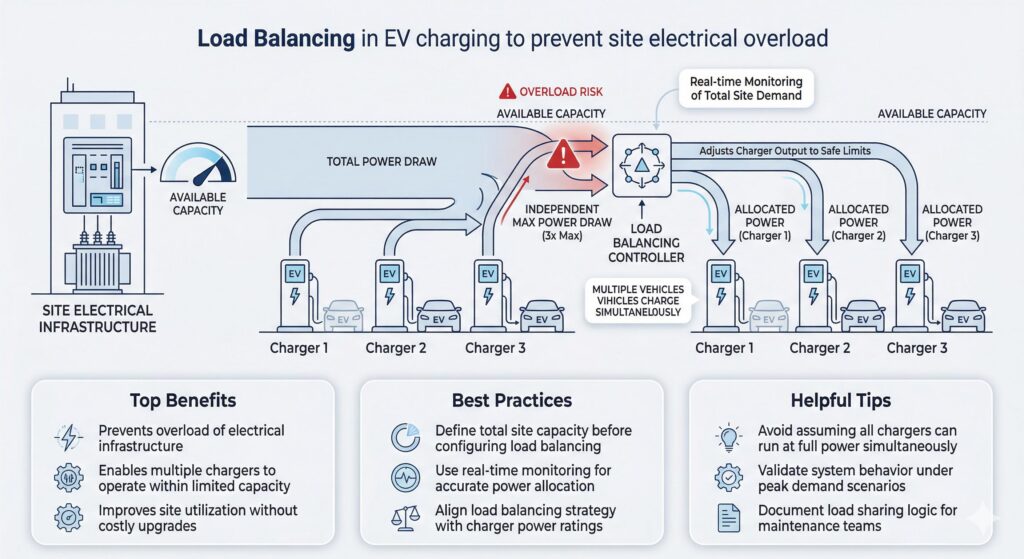
In practice, load balancing monitors real-time power usage at the site level. When multiple vehicles begin charging simultaneously, the system adjusts output levels to keep total demand within safe limits. For example, if a site has limited available capacity, each charger may receive reduced power so that all vehicles can charge without exceeding circuit or transformer limits.
Load balancing can be implemented through local controller logic, networked backend systems, or a combination of both. In modern deployments, it often integrates with OCPP-based management platforms, allowing operators to control and optimize charging behavior remotely.
FEATURED PRODUCTS
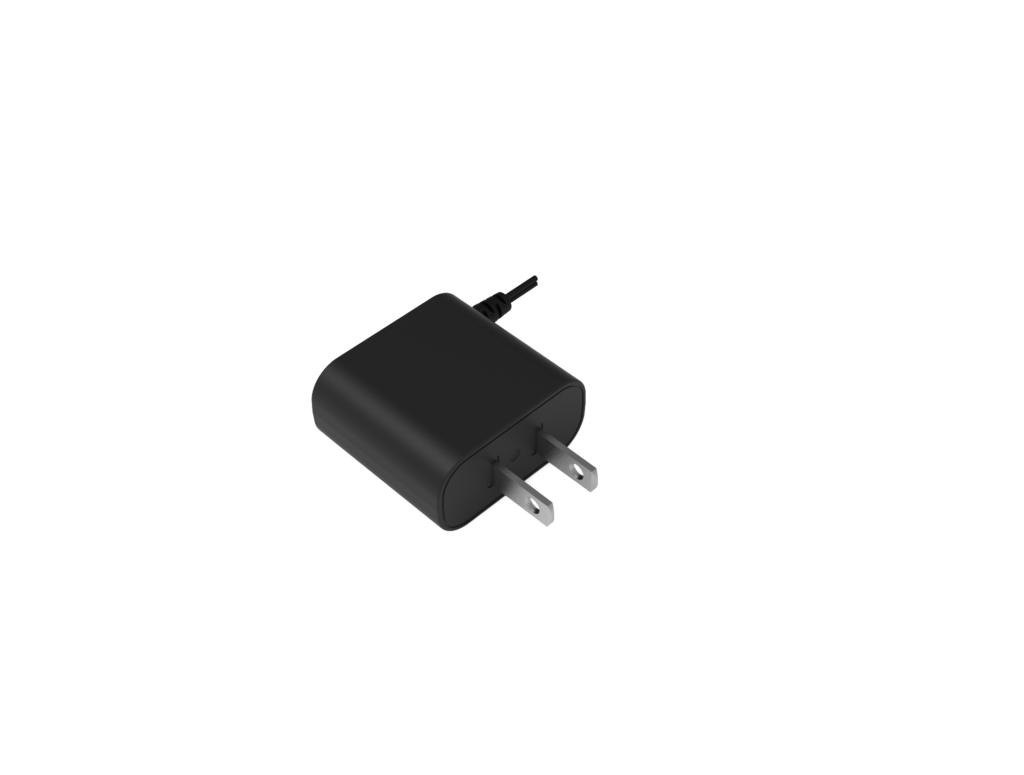
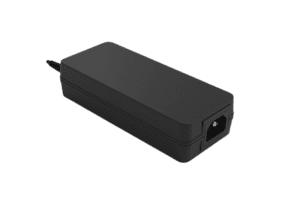
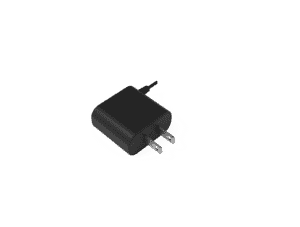
AA03A-075A-R
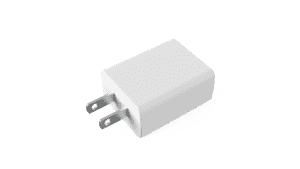
- Output Power - 2.75W
- Output Volt - 7.5V
- Output Current - 0.366A
- Features - Fixed Blade AC Input, Limited Power Source, Class B EMI, Level VI Efficiency, Standard Barrel Connector
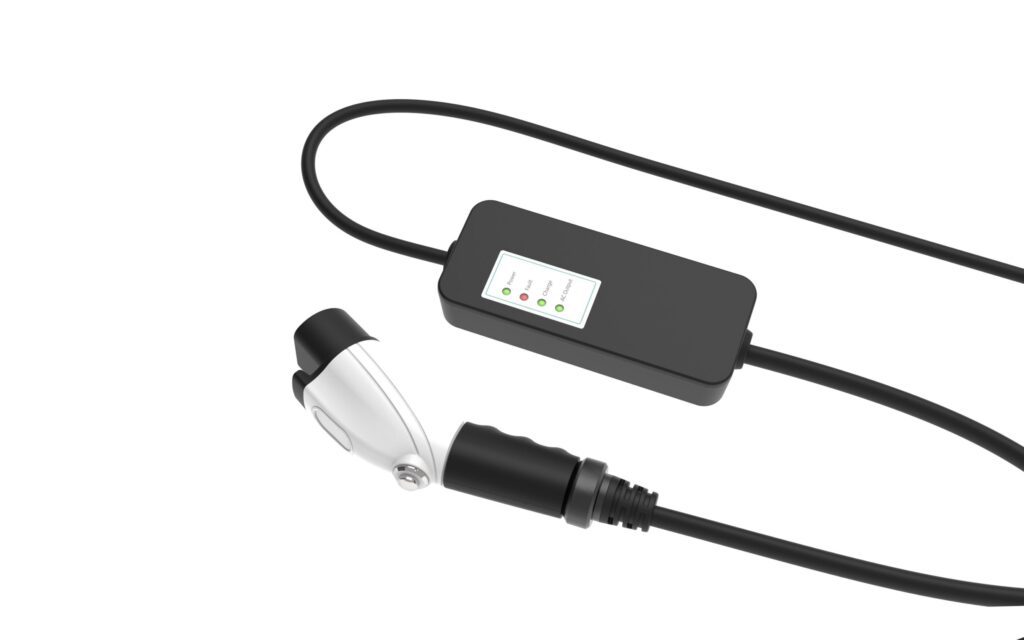
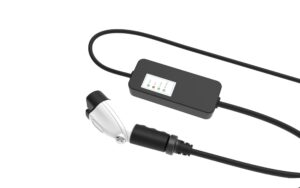
AC Series
- Output Current - 16A
- Features - Mode 2-chargers can use a circuit ranging from 8Amp to 16Amp with a local standard AC input plug installed for operation, Provides overcurrent, over voltage and short circuit protection, Protected against strong jets of water from all directions, Continuously monitors/supervises the ground connection between the AC supply and EV to ensure safe and reliable charging
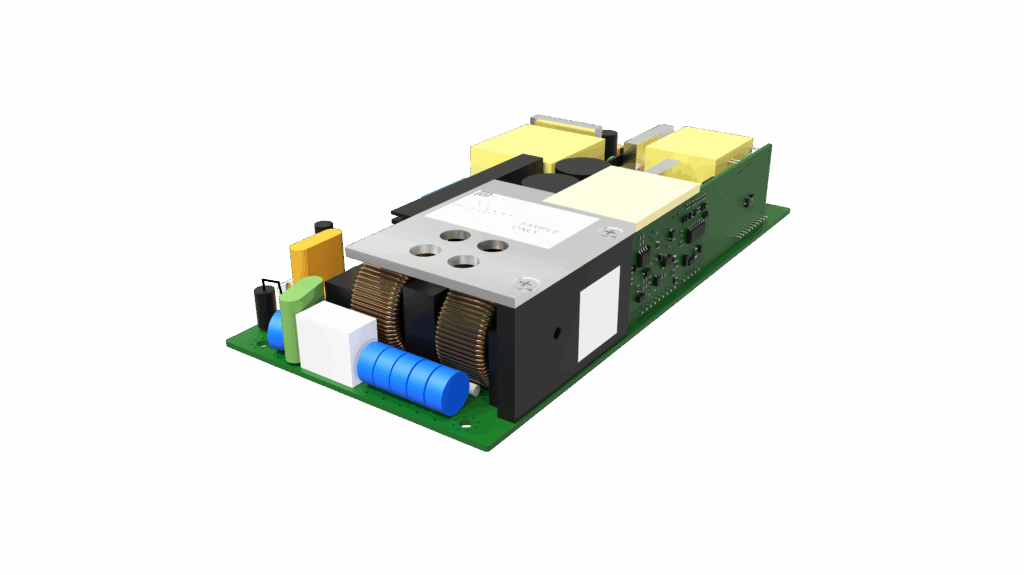
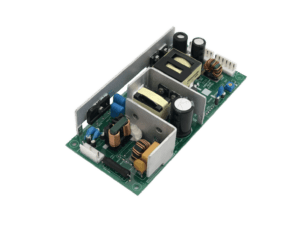
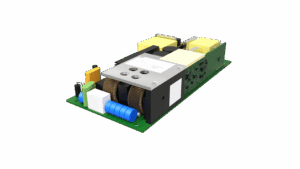
BF550-234B-R
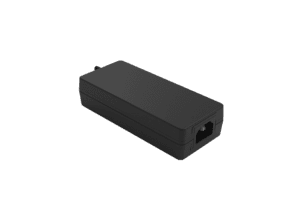
- Output Power - 550W
- Output Volt - 12Vdc / 54.5Vdc
- Features - Universal AC Input range, Class I Design , Class B EMI , High Efficiency Performance , OVP, OCP, SCP, OTP Protections , Operating Altitude: 5,000M
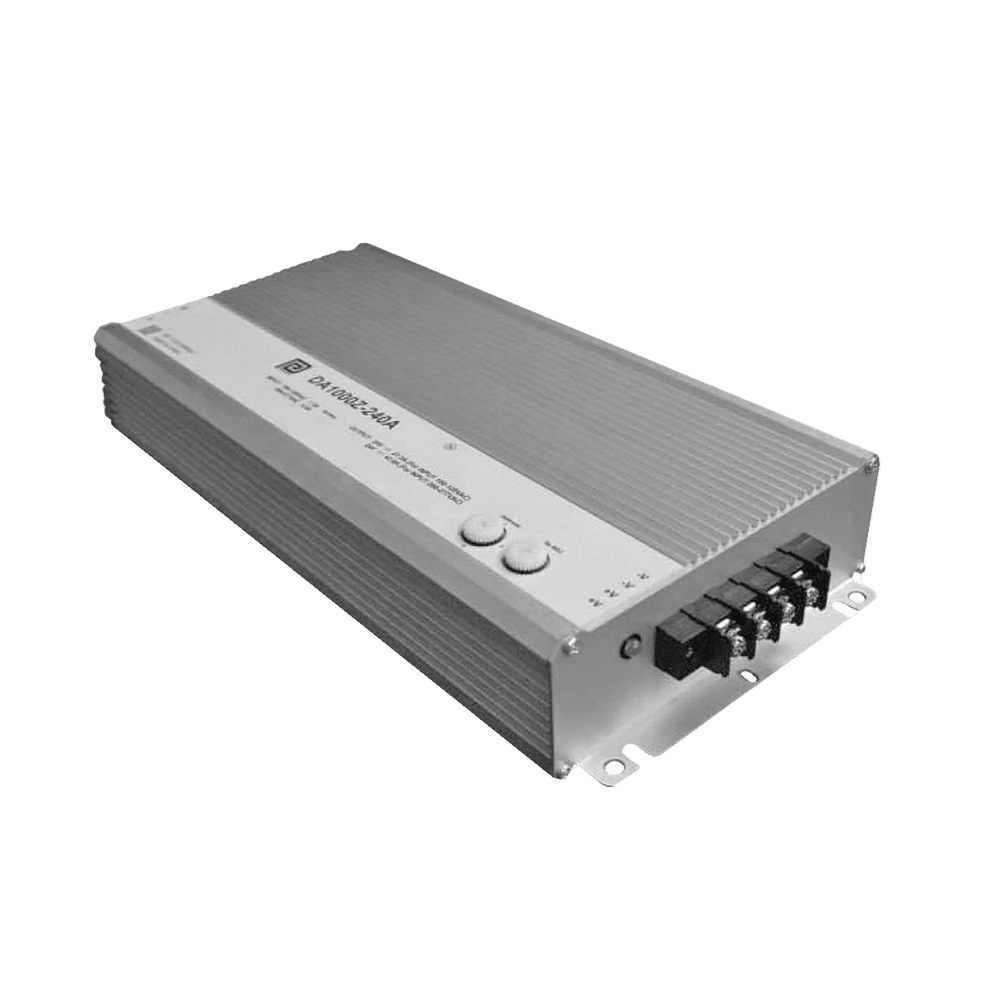
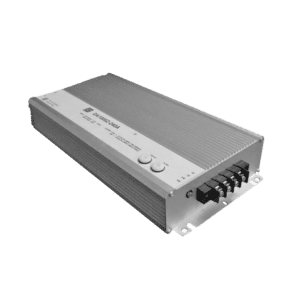
DA1000Z-240AEV-R
- Output Power - 1000W
- Output Volt - 24V
- Output Current - 42A
- Features - Extended operating temperature range of -40℃ to 70℃, Fan-less aluminum case filled with heat conductive glue, Able to withstand 10G vibration, Power on LED indicator, Short Circuit, Over Current, Over Voltage, and Over Temperature Protections, & Adjustable output through potentiomete
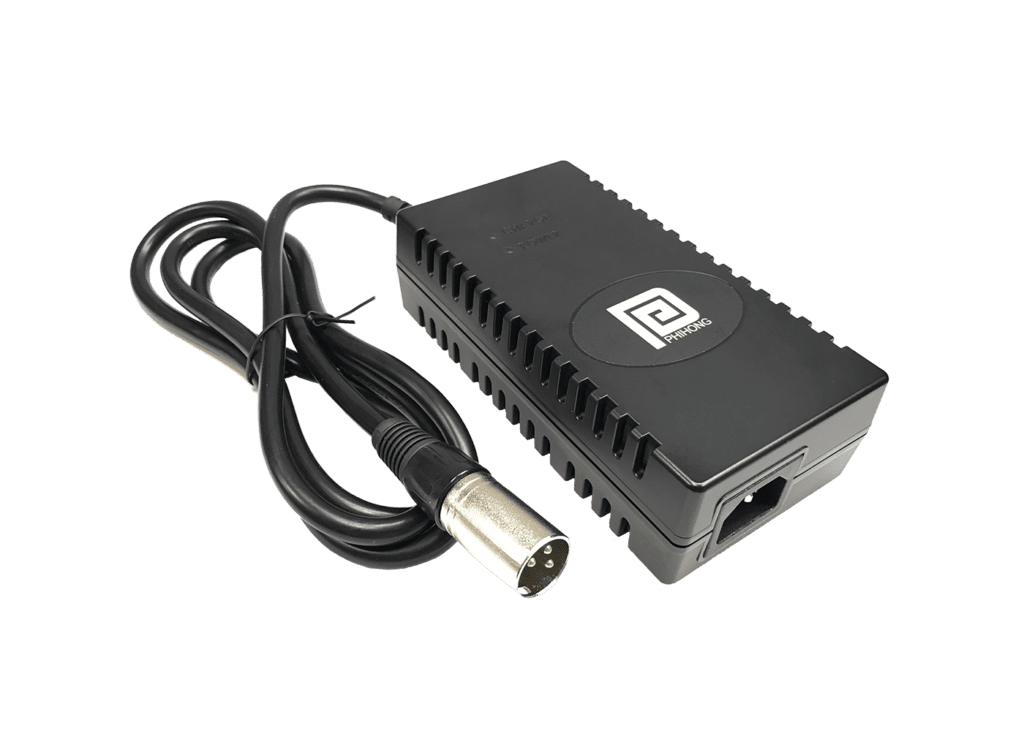
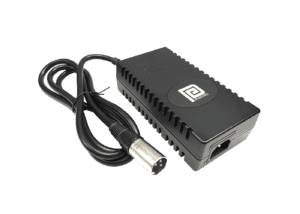
DA60U-240A-R
- Output Power - 60W
- Output Volt - 24V
- Output Current - 2.5A
- # of ports - 1
- Features - RESNA Compliant, CEC Compliant, LED Indicators Charge State, OVP, OTP, SCP, Charges AGM Batteries, Max 12hrs Charging Time
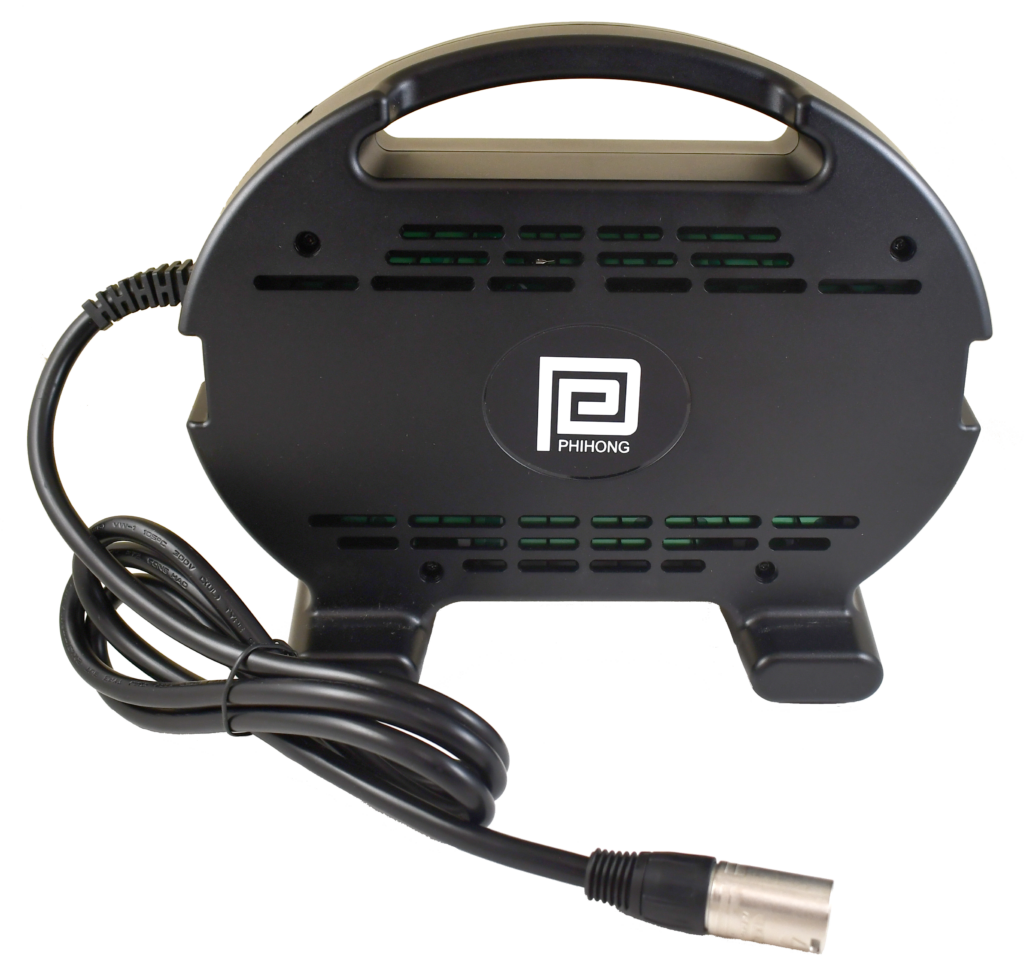
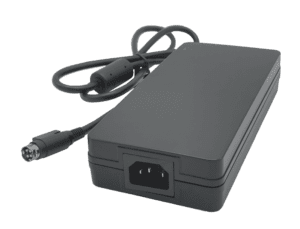
DA200U-250A-R
- Output Power - 200W
- Output Volt - 24V
- Output Current - 8A
- # of ports - 1
- Features - RESNA Compliant, CEC Compliant, LED Indicators Charge State, OVP, OTP, SCP, Dual-Mode Charger, Charges GEL or AGM batteries, Max 12hrs Charging Time
Top Benefits
• Prevents overload of electrical infrastructure
• Enables multiple chargers to operate within limited capacity
• Improves site utilization without costly upgrades
Best Practices
• Define total site capacity before configuring load balancing
• Use real-time monitoring for accurate power allocation
• Align load balancing strategy with charger power ratings
Helpful Tips
• Avoid assuming all chargers can run at full power simultaneously
• Validate system behavior under peak demand scenarios
• Document load sharing logic for maintenance teams
Mini Q&A
Does load balancing reduce charging speed?
Yes, but it allows more vehicles to charge simultaneously.
Is load balancing automatic?
In most modern systems, yes.
Can load balancing prevent infrastructure upgrades?
Often yes, by optimizing available capacity.
Understanding how load balancing works helps operators maximize site performance.
(Suggested Links: EV Charging | EV Chargers – DS60 Series)
When Do EV Charging Sites Need Load Balancing?
EV charging sites need load balancing when total available electrical capacity is lower than the combined maximum demand of all installed chargers. This situation is common in commercial, fleet, and public charging locations where adding infrastructure capacity is expensive or constrained by utility limits.
Sites with multiple DC fast chargers are especially likely to require load balancing. High-power chargers can quickly exceed available capacity when operating simultaneously. Without load balancing, operators must either limit the number of active chargers or risk tripping breakers and damaging equipment.
Load balancing is also important in sites with variable usage patterns. As EV adoption increases, usage becomes less predictable, and peak demand periods become more intense. Load balancing ensures the site can handle these fluctuations without manual intervention.
Top Benefits
• Enables more chargers within limited site capacity
• Prevents overload and system instability
• Supports growing and unpredictable demand
Best Practices
• Evaluate peak demand scenarios during site planning
• Implement load balancing for multi-charger installations
• Coordinate with utility capacity limits
Helpful Tips
• Plan load balancing before adding additional chargers
• Monitor usage patterns to refine allocation strategies
• Avoid waiting for overload events before implementing
Mini Q&A
Do single-charger sites need load balancing?
Usually no, unless capacity is extremely limited.
Is load balancing required for DC fast charging?
Often yes, especially in multi-unit sites.
Can load balancing be added later?
Yes, but early planning is more effective.
Knowing when load balancing is needed helps prevent costly operational issues.
(Suggested Links: EV Charging | Industrial Power Supplies)
What Types of Load Balancing Are Used in EV Charging Systems?
EV charging systems typically use either static or dynamic load balancing, each suited to different deployment scenarios. Static load balancing divides available power evenly or according to fixed rules across chargers. It is simple to implement but does not adapt to real-time conditions, which can limit efficiency.
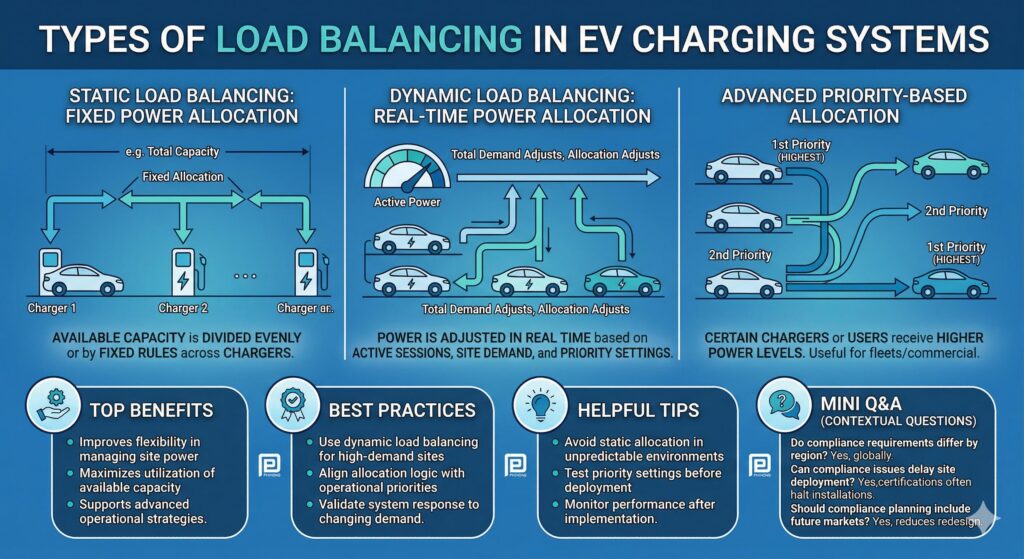
Dynamic load balancing, on the other hand, adjusts power allocation in real time based on active sessions, site demand, and priority settings. This approach allows chargers to use available capacity more efficiently and supports more flexible site operation. Dynamic systems often integrate with backend platforms and can respond to changes in demand instantly.
Advanced implementations may include priority-based allocation, where certain chargers or users receive higher power levels. These systems are useful in fleet or commercial environments where specific vehicles require faster charging.
Top Benefits
• Improves flexibility in managing site power
• Maximizes utilization of available capacity
• Supports advanced operational strategies
Best Practices
• Use dynamic load balancing for high-demand sites
• Align allocation logic with operational priorities
• Validate system response to changing demand
Helpful Tips
• Avoid static allocation in unpredictable environments
• Test priority settings before deployment
• Monitor performance after implementation
Mini Q&A
What is the difference between static and dynamic load balancing?
Static uses fixed rules, dynamic adjusts in real time.
Which is better for DC fast charging?
Dynamic is usually more effective.
Can load balancing prioritize certain users?
Yes, advanced systems support prioritization.
Choosing the right type of load balancing improves efficiency and user experience.
(Suggested Links: EV Chargers – DS60 Series | EV Charging)
CLIENT'S QUOTE
Phihong's Power-Over-Ethernet solutions have transformed our network, boosting efficiency and reducing costs. Their seamless integration has simplified both installation and maintenance.
How Grid Constraints and Demand Charges Influence Load Balancing Strategy
Grid constraints and demand charges are major drivers for implementing load balancing in EV charging sites. Utilities often limit the maximum power that can be drawn at a site, and exceeding these limits can result in penalties or infrastructure upgrades. DC fast chargers, with their high power demand, can quickly approach or exceed these limits when multiple units operate simultaneously.
Demand charges add another layer of complexity. Many commercial electricity tariffs are based on peak power usage, meaning that short periods of high demand can significantly increase operating costs. Load balancing helps control these peaks by distributing power more evenly across chargers and time, reducing financial impact.
OEMs and site operators must therefore align load balancing strategy with both technical constraints and cost considerations. Understanding utility limits, tariff structures, and site demand patterns allows operators to configure load balancing in a way that optimizes both performance and cost.
Top Benefits
• Reduces risk of exceeding grid capacity limits
• Lowers demand charges and operating costs
• Improves predictability of energy usage
Best Practices
• Coordinate load balancing settings with utility capacity limits
• Analyze tariff structures when designing site strategy
• Monitor peak demand and adjust allocation accordingly
Helpful Tips
• Avoid simultaneous full-power charging during peak periods
• Use load balancing to flatten demand spikes
• Engage utilities early in site planning
Mini Q&A
Do utilities limit charging site capacity?
Yes, capacity is often capped based on infrastructure.
Can load balancing reduce electricity costs?
Yes, by controlling peak demand.
Should tariffs influence system design?
Absolutely, they affect long-term operating cost.
Aligning load balancing with grid constraints improves both reliability and economics.
(Suggested Links: EV Charging | Industrial Power Supplies)
How Does OCPP Enable Smart Load Balancing and Remote Control?
OCPP plays a key role in enabling smart load balancing by providing standardized communication between chargers and backend management systems. Through OCPP, operators can monitor real-time charger status, adjust power allocation, and implement load balancing strategies dynamically across multiple sites.
In networked deployments, OCPP allows load balancing to be coordinated centrally rather than relying solely on local controllers. This enables more advanced strategies, such as prioritizing certain chargers, responding to grid signals, or integrating with energy management systems. OCPP also supports remote updates, allowing operators to refine load balancing logic without modifying hardware.
For OEMs, supporting OCPP-based load balancing ensures compatibility with modern charging networks and future operational requirements. This flexibility is critical for scaling charging infrastructure and adapting to evolving grid and user demands.
Top Benefits
• Enables centralized control of load balancing strategies
• Supports real-time adjustment based on demand
• Improves scalability across multiple sites
Best Practices
• Ensure chargers support OCPP integration for load management
• Validate backend compatibility with load balancing features
• Test remote control and update capabilities
Helpful Tips
• Avoid proprietary systems that limit flexibility
• Monitor network performance to ensure reliable control
• Document load balancing configurations
Mini Q&A
Can OCPP control load balancing remotely?
Yes, it enables centralized management.
Is OCPP required for smart charging features?
In most modern deployments, yes.
Can load balancing be updated after deployment?
Yes, through backend configuration.
OCPP integration is essential for advanced and scalable load management.
(Suggested Links: EV Chargers – DS60 Series | EV Charging)
How Should OEMs Plan for Long-Term Load Management and Site Growth?
OEMs must plan load management with long-term growth in mind because EV adoption and charging demand will continue to increase. Sites that are sufficient at launch may become constrained as more vehicles use the chargers or as additional chargers are installed.
Effective planning includes selecting chargers that support dynamic load balancing, designing electrical infrastructure with expansion capacity, and implementing backend systems capable of scaling with demand. OEMs should also consider future integration with renewable energy, battery storage, or smart grid systems, which may influence load management strategies.
By planning for growth early, OEMs can avoid costly infrastructure upgrades and ensure that load balancing remains effective as site requirements evolve.
Top Benefits
• Supports scalable site expansion
• Reduces need for costly infrastructure upgrades
• Improves long-term operational flexibility
Best Practices
• Design sites with expansion capacity in mind
• Select chargers with scalable load management features
• Plan backend systems for future growth
Helpful Tips
• Reserve electrical capacity for additional chargers
• Monitor usage trends to anticipate demand
• Avoid fixed configurations that limit expansion
Mini Q&A
Do charging sites typically expand over time?
Yes, demand often increases significantly.
Can load balancing support future growth?
Yes, when designed for scalability.
Should growth planning be done early?
Absolutely, it reduces long-term cost.
Planning for long-term load management ensures charging sites remain viable as demand grows.
(Suggested Links: EV Charging | EV Chargers – DS60 Series)
How Phihong Supports Smart Load Balancing for Scalable EV Charging Sites
Phihong supports OEMs and site operators by designing EV charging systems that integrate load balancing as a core capability rather than an add-on feature. Chargers are engineered to operate reliably under constrained site power conditions while maintaining predictable performance across multiple active sessions. This enables operators to deploy more chargers without exceeding infrastructure limits.
Phihong’s approach emphasizes dynamic load management integrated with networked communication protocols such as OCPP. This allows real-time monitoring, remote configuration, and adaptive power allocation based on site demand. By combining hardware design with backend integration, Phihong helps operators optimize energy usage while maintaining consistent charging availability.
As a long-term partner, Phihong also supports scalable deployment strategies. Chargers are designed to accommodate future expansion, evolving grid conditions, and integration with energy management systems. This ensures that load balancing remains effective as charging networks grow.
(Suggested Links:
EV Chargers – DS60 Series |

FAQ
What is load balancing in EV charging?
Load balancing is the process of distributing available electrical power across multiple chargers to prevent exceeding site capacity. It allows more vehicles to charge simultaneously while staying within infrastructure limits.
It is essential for efficient multi-charger site operation.
Does load balancing slow down charging?
Yes, in some cases individual charging speed is reduced. However, it allows more vehicles to charge at once, improving overall site throughput.
This tradeoff is often beneficial in high-demand environments.
Is load balancing necessary for all EV charging sites?
Not for single-charger or low-demand sites. It becomes necessary when multiple chargers share limited electrical capacity or when demand is unpredictable.
Most commercial DC fast charging sites require it.
Can load balancing be controlled remotely?
Yes, when integrated with network protocols such as OCPP. Operators can adjust power allocation, prioritize chargers, and update configurations remotely.
This enables flexible and scalable site management.
How does load balancing affect long-term site expansion?
Load balancing allows sites to scale without immediate infrastructure upgrades. It helps manage increasing demand and supports phased expansion.
Planning load balancing early reduces future cost and complexity.
POE technology supports the centralization of power

AC Adapter Guide: Everything You Need to Know
Moreover, PoE technology supports the centralization of power management. By powering devices through a PoE-enabled network …
AC DC Power Chargers and How They Work: A Comprehensive Technical Breakdown
Moreover, PoE technology supports the centralization of power management. By powering devices through a PoE-enabled network …

USB-C Charger: Shaping the Future of the Tech World
Moreover, PoE technology supports the centralization of power management. By powering devices through a PoE-enabled network …

AC Adapter Guide: Everything You Need to Know
Moreover, PoE technology supports the centralization of power management. By powering devices through a PoE-enabled network …

AC DC Power Chargers and How They Work: A Comprehensive Technical Breakdown
Moreover, PoE technology supports the centralization of power management. By powering devices through a PoE-enabled network …

USB-C Charger: Shaping the Future of the Tech World
Moreover, PoE technology supports the centralization of power management. By powering devices through a PoE-enabled network …