






BLOG
How OEMs Should Read an AC/DC Adapter Datasheet: Ripple, Hold-Up Time, and Inrush Current Explained
QUICK LINKS

What key specifications should OEMs focus on when reading an AC/DC adapter datasheet?
For OEMs selecting the right AC/DC power adapter, understanding the datasheet is critical. Datasheets are more than technical paperwork — they serve as the contract between the manufacturer and the device. They outline electrical performance, environmental limits, regulatory compliance, and protection features that determine whether an adapter can support a product reliably in real-world conditions. However, many OEMs overlook the deeper engineering implications behind ripple voltage, hold-up time, inrush current, and load behavior. These parameters directly affect system stability, safety, and longevity.
When reviewing a datasheet, OEMs should evaluate fundamental specifications such as input voltage range, efficiency, output regulation, operating temperature, reliability ratings, and certification marks. But the deeper values — noise performance, load transient response, power factor, EMI behavior, and overload protection — ultimately determine compatibility with sensitive electronics, motor-driven systems, battery chargers, or medical devices. These specifications influence everything from PCB design to thermal management to global compliance.
Top Benefits
-
Ensures proper adapter-to-device compatibility for long-term reliability
-
Reduces risks of system instability caused by poor ripple or weak hold-up
-
Supports safety, compliance, and smooth global market approvals
Best Practices
-
Review certifications (UL, CE, UKCA, PSE) early in design
-
Confirm output tolerance under full load and transient spikes
-
Consult with the manufacturer to match adapter behavior to your application
Reading a datasheet correctly allows OEMs to avoid misalignment, reduce product failures, and ensure that the adapter performs predictably across all conditions.
(Suggested Links: Internal Power Supply Guide | USB Power Delivery)
FEATURED PRODUCTS
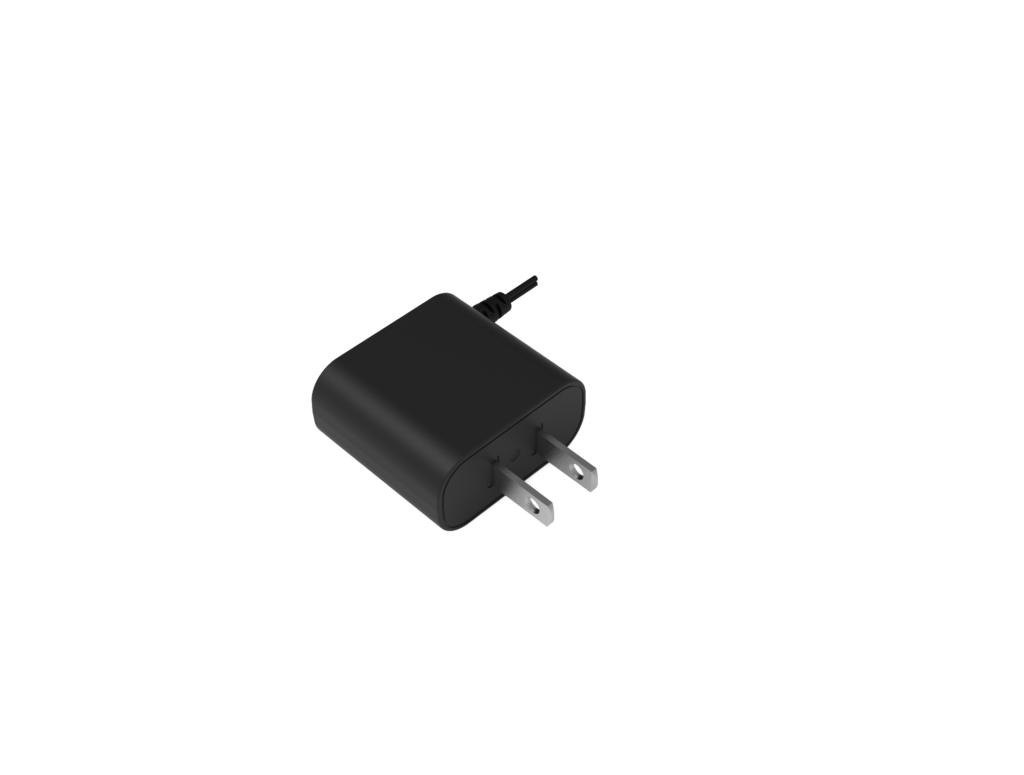
AA03A-075A-R
- Output Power - 2.75W
- Output Volt - 7.5V
- Output Current - 0.366A
- Features - Fixed Blade AC Input, Limited Power Source, Class B EMI, Level VI Efficiency, Standard Barrel Connector
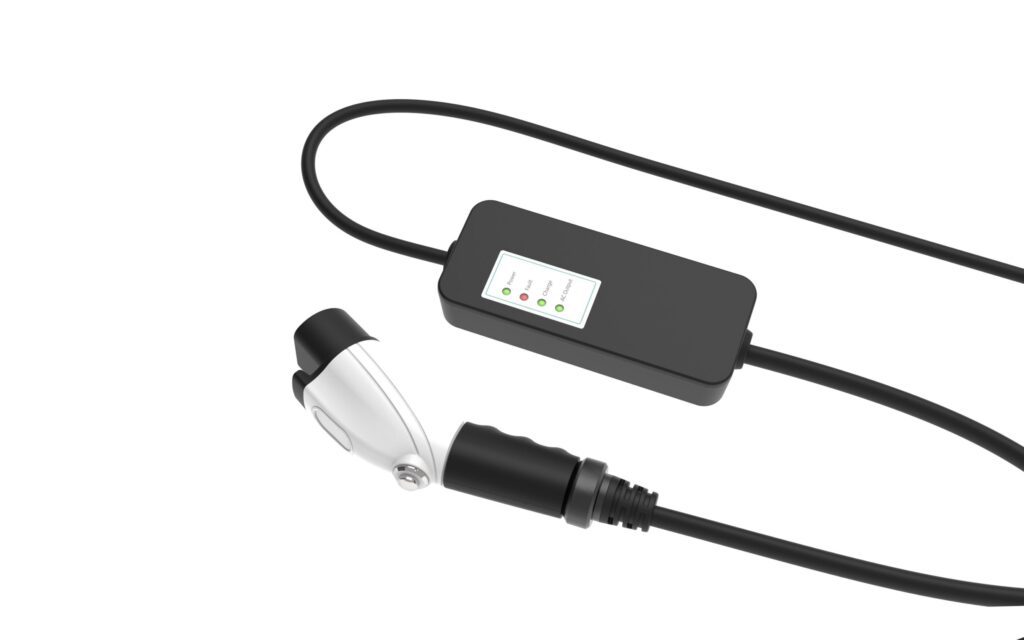
AC Series
- Output Current - 16A
- Features - Mode 2-chargers can use a circuit ranging from 8Amp to 16Amp with a local standard AC input plug installed for operation, Provides overcurrent, over voltage and short circuit protection, Protected against strong jets of water from all directions, Continuously monitors/supervises the ground connection between the AC supply and EV to ensure safe and reliable charging
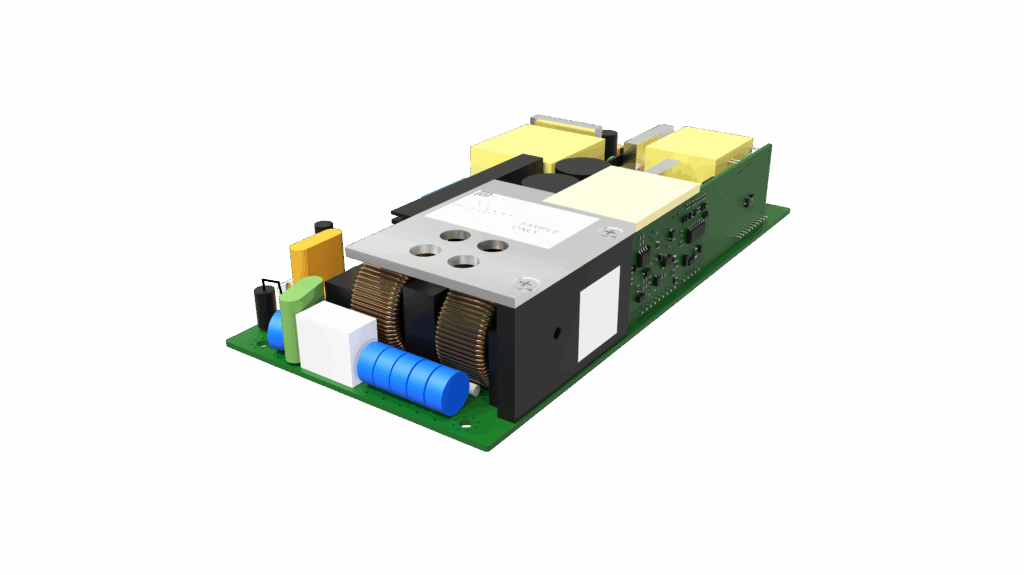
BF550-234A-R
- Output Power - 550W
- Output Volt - 12Vdc / 54.5Vdc
- Features - Universal AC Input range, Class I Design , Class B EMI , High Efficiency Performance , OVP, OCP, SCP, OTP Protections , Operating Altitude: 5,000M
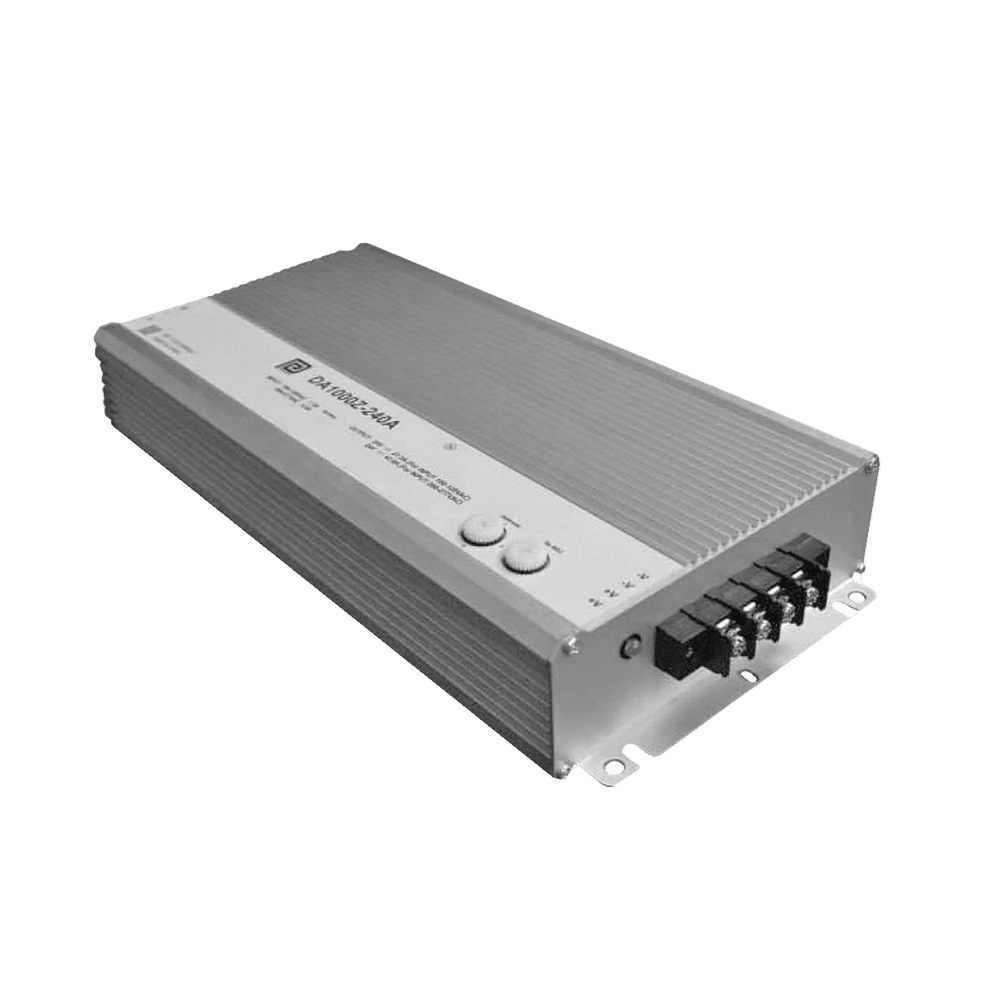
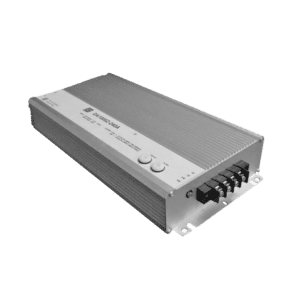
DA1000Z-240AEV-R
- Output Power - 1000W
- Output Volt - 24V
- Output Current - 1000W
- Features - Extended operating temperature range of -40℃ to 70℃, Fan-less aluminum case filled with heat conductive glue, Able to withstand 10G vibration, Power on LED indicator, Short Circuit, Over Current, Over Voltage, and Over Temperature Protections, & Adjustable output through potentiomete
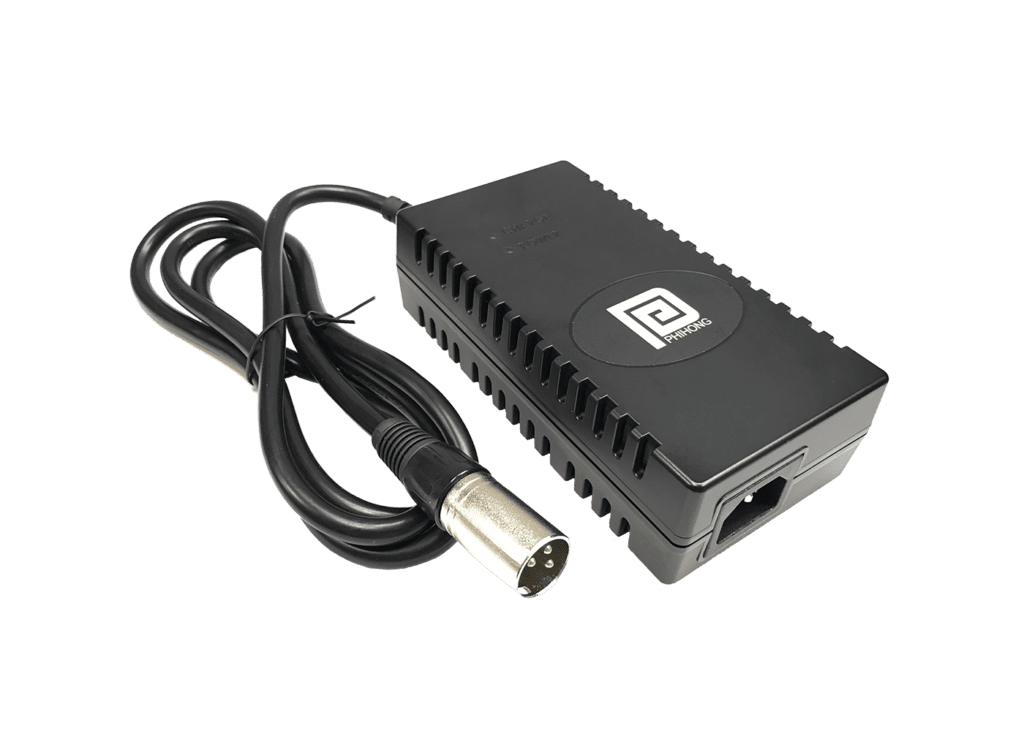
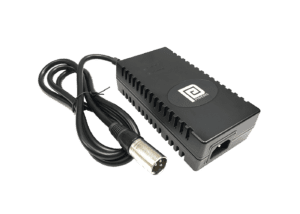
DA60U-240A-R
- Output Power - 60W
- Output Volt - 24V
- Output Current - 2.5A
- # of ports - 1
- Features - RESNA Compliant, CEC Compliant, LED Indicators Charge State, OVP, OTP, SCP, Charges AGM Batteries, Max 12hrs Charging Time
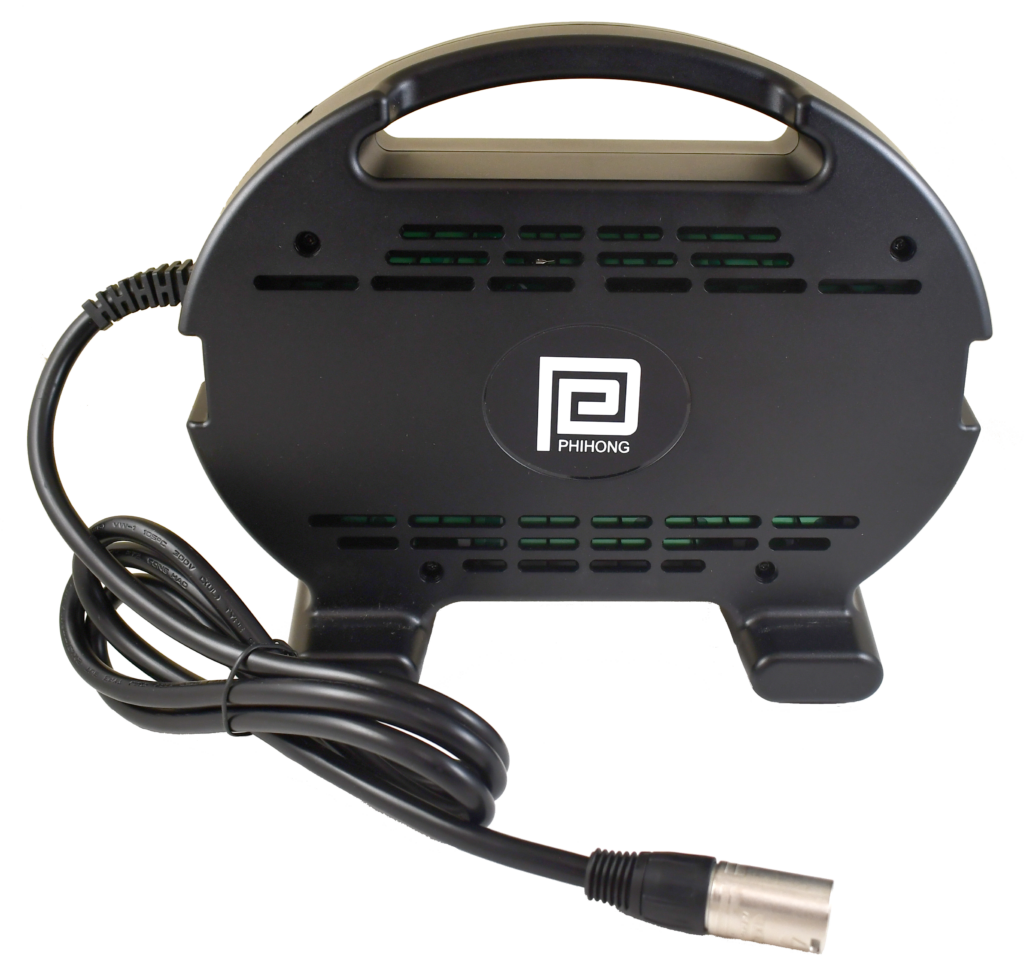
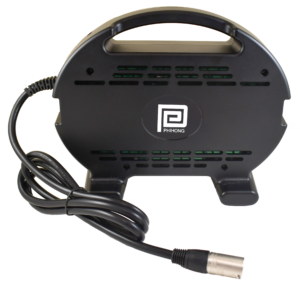
DA200U-250A-R
- Output Power - 200W
- Output Volt - 24V
- Output Current - 8A
- # of ports - 1
- Features - RESNA Compliant, CEC Compliant, LED Indicators Charge State, OVP, OTP, SCP, Dual-Mode Charger, Charges GEL or AGM batteries, Max 12hrs Charging Time
Why is ripple voltage so important for sensitive OEM devices?
Ripple voltage is one of the most misunderstood yet crucial specifications in AC/DC adapter selection. At its core, ripple is the residual AC waveform remaining on the DC output after rectification and filtering. High ripple voltage can cause electrical noise, unstable device behavior, audio interference, data corruption, and premature component wear — especially in applications involving sensors, microcontrollers, communication modules, RF systems, or medical measurement devices.
OEM devices vary widely in sensitivity. For example, medical and imaging systems require extremely low ripple to protect patient safety and ensure signal integrity. Industrial motors may tolerate higher ripple but still depend on predictable performance during surge conditions. IoT, networking, and battery-charging applications sit in the middle, requiring ripple values low enough to protect downstream regulators without over-specifying the design.
Top Benefits
-
Prevents noise interference in medical and communication systems
-
Extends lifespan of components impacted by electrical stress
-
Improves stability of digital and analog circuits during load transitions
Best Practices
-
Match ripple requirements to device sensitivity
-
Choose adapters with high-quality filtering and EMI suppression
-
Verify ripple under dynamic load conditions, not just at nominal load
Ripple voltage is not a small detail — it directly impacts reliability. OEMs who evaluate ripple thoroughly avoid downstream failures and ensure their products meet global performance expectations.
(Suggested Links: Medical Power Supplies | Innovations in Medical Power Design)
How should OEMs evaluate hold-up time when reviewing an AC/DC adapter?
Hold-up time defines how long a power adapter can maintain stable output after input power is lost. For OEMs, this value is critical because real-world power grids experience dips, brownouts, and momentary interruptions. If the adapter’s hold-up time is too short, devices reset unexpectedly, data may be lost, and system reliability degrades. Data centers, medical equipment, industrial controllers, and POS systems are especially sensitive to short hold-up performance.
Hold-up time must match the system’s required ride-through capability. For example, devices with microcontrollers often need enough hold-up to complete essential tasks or save system states. Industrial motor drives require stable transitions during power disturbances. Medical equipment demands uninterrupted operation to protect patient safety. Understanding equipment requirements allows OEMs to match hold-up values to real environmental conditions rather than relying on default datasheet assumptions.
Top Benefits
-
Prevents device resets or failures during power interruptions
-
Supports global power stability where grid fluctuations are common
-
Protects data integrity and ensures predictable operation
Best Practices
-
Align hold-up time with the most demanding scenario in your application
-
Validate performance under minimum-load and maximum-load conditions
-
Request full hold-up curves from manufacturers rather than relying on a single spec line
Evaluating hold-up time properly ensures OEM products remain reliable even under unstable power conditions encountered worldwide. It protects system performance, data integrity, and customer trust.
(Suggested Links: Open-Frame Power Supplies | Battery Chargers)
CLIENT'S QUOTE
Phihong's Power-Over-Ethernet solutions have transformed our network, boosting efficiency and reducing costs. Their seamless integration has simplified both installation and maintenance.
Inrush current determines safe startup behavior in OEM systems
Inrush current is the brief surge of electrical current that flows into an AC/DC adapter when it is first powered on. This surge occurs because internal capacitors charge almost instantly, pulling much higher current than during normal operation. For OEMs, understanding inrush current is essential, especially when integrating adapters into systems that contain switches, relays, breakers, semiconductors, or other components sensitive to high startup loads. If inrush is too high, it can trip circuit protections, damage components, or cause boot failures.
Inrush current also affects design decisions in multi-adapter systems. For example, powering multiple devices simultaneously on a shared line can overload breakers if each adapter generates a high inrush spike. Similarly, devices with delicate electronics, motors, or communication modules may experience instability if inrush is not controlled. Quality AC/DC adapters use NTC thermistors, soft-start circuits, or active inrush limiting to keep startup current within safe boundaries.
Top Benefits
-
Prevents tripped breakers and system startup failures
-
Protects sensitive components from high surge currents
-
Ensures smooth power-on behavior in multi-device environments
Best Practices
-
Check inrush current at both minimum and maximum input voltage
-
Choose adapters with built-in NTC or active inrush limiting
-
Validate startup performance in worst-case real-world scenarios
Understanding inrush current allows OEMs to avoid startup failures and protect system components, ensuring smooth and predictable power-on behavior in all operating environments.
(Suggested Links: Internal Power Supply Guide | PoE Injectors)
Load regulation impacts stability and device reliability
Load regulation measures how well an AC/DC adapter maintains its output voltage as load conditions change. Poor load regulation can cause voltage fluctuations that stress components, affect sensor accuracy, disrupt communication systems, or cause microcontroller resets. OEM devices with mixed analog-digital circuitry, sensitive RF modules, or variable load behavior must use adapters with strong load regulation to maintain stable performance.
Many system-level malfunctions traced back to “mystery resets” or “noise issues” stem from inadequate load regulation rather than device failure. High-quality adapters maintain consistent voltage over sudden changes, such as when motors start, wireless modules transmit, or displays illuminate. For industrial, consumer, and medical applications, stable load regulation ensures both safety and long-term reliability.
Top Benefits
-
Ensures operational stability during sudden load changes
-
Protects sensitive electronics from voltage drift
-
Improves accuracy in sensors, controllers, and communication systems
Best Practices
-
Compare load regulation performance across full load ranges
-
Validate behavior under dynamic load testing, not only static values
-
Use adapters with strong transient response for variable-load devices
Reliable load regulation helps OEMs deliver products that behave consistently, reduce field failures, and meet strict performance expectations in real-world environments.
(Suggested Links: USB Power Delivery | Medical Power Supplies)
Environmental ratings determine real-world performance and durability
Environmental performance is one of the most overlooked sections of an AC/DC adapter datasheet — yet it often determines whether a product succeeds or fails in the field. OEMs must pay close attention to operating temperature range, humidity tolerance, altitude rating, IP protection, vibration resistance, and derating curves. These metrics dictate how well an adapter performs in harsh, outdoor, medical, industrial, or high-density environments.
For example, adapters used in warehouse robotics or outdoor kiosks may require extended temperature ranges. Medical environments demand lower EMI emissions and stable operation in high-reliability settings. Devices deployed in high-altitude regions require derating considerations to prevent overheating. OEMs must also consider whether the adapter will operate in sealed enclosures, which increases internal temperature and affects lifespan.
Top Benefits
-
Ensures safe operation across varied global environments
-
Reduces premature failures caused by heat, moisture, and vibration
-
Supports product deployments in industrial, medical, and outdoor markets
Best Practices
-
Review derating curves to understand performance under thermal load
-
Select adapters with the correct enclosure, IP rating, or insulation class
-
Test in real environmental conditions, not just laboratory specs
Environmental ratings ensure that OEM products perform reliably anywhere in the world — reducing warranty claims, customer complaints, and long-term maintenance costs.
(Suggested Links: Open-Frame Power Supplies | Battery Chargers)
How Phihong supports OEMs with AC/DC adapter selection, datasheet evaluation, and global compliance
Phihong provides OEMs with a full suite of AC/DC power solutions designed to meet strict global performance, safety, and environmental standards. Their adapters are engineered with low ripple, controlled inrush current, stable hold-up time, and robust thermal performance, helping OEMs avoid unexpected field failures and pass compliance testing with ease. Phihong’s datasheets are clear, detailed, and built for engineering teams who need accurate, application-ready specifications.
Phihong also assists OEMs during the early design phase, offering engineering consultation, application notes, compliance guidance, and sample evaluations to help teams correctly match adapter performance to real-world device requirements. Whether an OEM needs ultra-low ripple for medical imaging, long hold-up time for mission-critical controllers, or ruggedized environmental ratings for industrial robotics, Phihong delivers tested solutions backed by decades of manufacturing experience.
By providing globally certified power adapters and dependable technical support, Phihong reduces development risks and accelerates time to market. Their broad product portfolio ensures OEMs can choose adapters optimized for medical, industrial, IT, consumer, IoT, and mobility applications—all with consistent quality and proven reliability.
(Suggested Links: Internal Power Supply Guide | Contact Phihong)

FEATURED RESOURCE
Phihong's Power-Over-Ethernet solutions have transformed our network, boosting efficiency and reducing costs.
FAQ
What datasheet specifications matter most when selecting an AC/DC adapter for an OEM product?
When choosing an AC/DC adapter, OEMs should focus on specifications that directly affect performance, reliability, and compliance. These include ripple voltage, hold-up time, inrush current, load regulation, efficiency, and protection features such as over-voltage, over-current, and short-circuit safeguards. Ripple affects noise-sensitive circuits, while hold-up time impacts behavior during brownouts or grid instability. Inrush current determines whether the product starts safely without tripping breakers or damaging components.
Environmental ratings—such as operating temperature, humidity, altitude, and vibration tolerance—are equally critical. Many products fail early not because of electrical flaws, but because adapters are deployed in conditions beyond their tested limits. Certifications including UL, CE, FCC, and for medical devices IEC 60601-1, must be verified before deployment. OEMs should also consider MTBF values, EMI performance, surge tolerance, and derating curves to understand long-term behavior.
By interpreting these parameters correctly, OEMs avoid mismatches that lead to overheating, noise issues, resets, or premature failures. A careful evaluation ensures that the adapter not only meets electrical requirements but also aligns with environmental, regulatory, and long-term reliability needs.
How does ripple voltage impact sensitive electronics and OEM product reliability?
Ripple voltage affects how clean the DC output is. High ripple introduces electrical noise that travels into downstream circuits, potentially disrupting sensors, microcontrollers, RF modules, audio systems, and medical monitoring equipment. Even small amounts of ripple can distort analog signals, cause communication instability, or lead to inaccurate readings in diagnostic devices. Over time, ripple stresses capacitors and can reduce component lifespan.
OEMs must therefore match ripple values to device sensitivity. A low-cost adapter with high ripple may work for basic consumer products but fail in medical, networking, imaging, or robotics systems that require tight noise control. Ripple also behaves differently under dynamic loads; some adapters meet ripple requirements at nominal load but fail during rapid load transitions. This makes real-world testing essential.
By selecting adapters with strong filtering, proper EMI suppression, and documented low ripple across load ranges, OEMs ensure stable and reliable operation. Ripple evaluation is especially important when designing devices sold globally, as different regional grid qualities can amplify noise issues.
Why is hold-up time essential for OEM products deployed in global markets?
Hold-up time ensures a device continues operating briefly after input power is interrupted. In regions with unstable or noisy power grids, hold-up time becomes a critical reliability factor. If the adapter cannot maintain output during a mains dropout, devices will reset, corrupt data, or behave unpredictably. Applications such as routers, industrial automation controllers, medical equipment, and POS terminals require long enough hold-up time to safely ride through these disturbances.
OEMs should evaluate hold-up time under full load and minimum input voltage—true worst-case conditions. Many datasheets specify hold-up time at nominal voltage, which can be misleading. Devices relying on microcontrollers or communication modules need enough ride-through time to complete processing cycles, save states, or avoid communication interruptions.
Understanding local power conditions in target markets (such as regions with frequent brownouts) helps OEMs choose adapters with hold-up values aligned to real-world needs. Selecting the right specification reduces field failures, improves customer satisfaction, and enhances overall fleet reliability.
What challenges can high inrush current create for OEM products?
High inrush current can cause immediate startup problems such as tripped circuit breakers, reset loops, or failed component initialization. When AC/DC adapters draw too much current during the first milliseconds of startup, upstream components—including relays, MOSFETs, power switches, and fuses—may not be able to handle the surge. This is especially challenging for devices using multiple adapters or sharing a single AC line.
Inrush also shortens component lifespan. Repeated current surges stress capacitors, rectifiers, and switching elements, contributing to long-term degradation. Sensitive electronics, particularly those in IoT devices, industrial controllers, or medical systems, may fail to start reliably if inrush is not controlled.
OEMs should select adapters with active inrush limiting or high-quality NTC thermistors to keep surge current manageable. Testing inrush at different temperatures and voltages helps prevent surprises during deployment. Managing inrush effectively ensures smooth product startup and protects both the adapter and the OEM system.
Why should OEMs rely on Phihong for AC/DC adapter selection and datasheet support?
Phihong is a globally trusted supplier known for engineering AC/DC adapters with low ripple, strong regulation, controlled inrush current, and stable hold-up performance. OEMs rely on Phihong because their products meet international safety certifications and deliver consistent electrical behavior across diverse applications—including robotics, industrial automation, medical devices, consumer electronics, and IoT systems.
Phihong also provides detailed datasheets, engineering documentation, and technical support that help OEM teams interpret performance parameters correctly. Their consultants work closely with design teams to ensure the selected adapter aligns with environmental conditions, system sensitivity, certification needs, and long-term reliability expectations.
With decades of experience and a reputation for high-quality manufacturing, Phihong helps OEMs reduce risk, improve product reliability, and bring devices to market faster. This combination of engineering clarity and dependable hardware makes Phihong an ideal partner for datasheet-driven power supply selection.
POE technology supports the centralization of power

AC Adapter Guide: Everything You Need to Know
Moreover, PoE technology supports the centralization of power management. By powering devices through a PoE-enabled network …
AC DC Power Chargers and How They Work: A Comprehensive Technical Breakdown
Moreover, PoE technology supports the centralization of power management. By powering devices through a PoE-enabled network …

USB-C Charger: Shaping the Future of the Tech World
Moreover, PoE technology supports the centralization of power management. By powering devices through a PoE-enabled network …

AC Adapter Guide: Everything You Need to Know
Moreover, PoE technology supports the centralization of power management. By powering devices through a PoE-enabled network …

AC DC Power Chargers and How They Work: A Comprehensive Technical Breakdown
Moreover, PoE technology supports the centralization of power management. By powering devices through a PoE-enabled network …

USB-C Charger: Shaping the Future of the Tech World
Moreover, PoE technology supports the centralization of power management. By powering devices through a PoE-enabled network …