






BLOG
How USB-C PD 3.1 and 3.2 Are Reshaping the Power Architecture of Modular Robotics and Edge Devices
QUICK LINKS
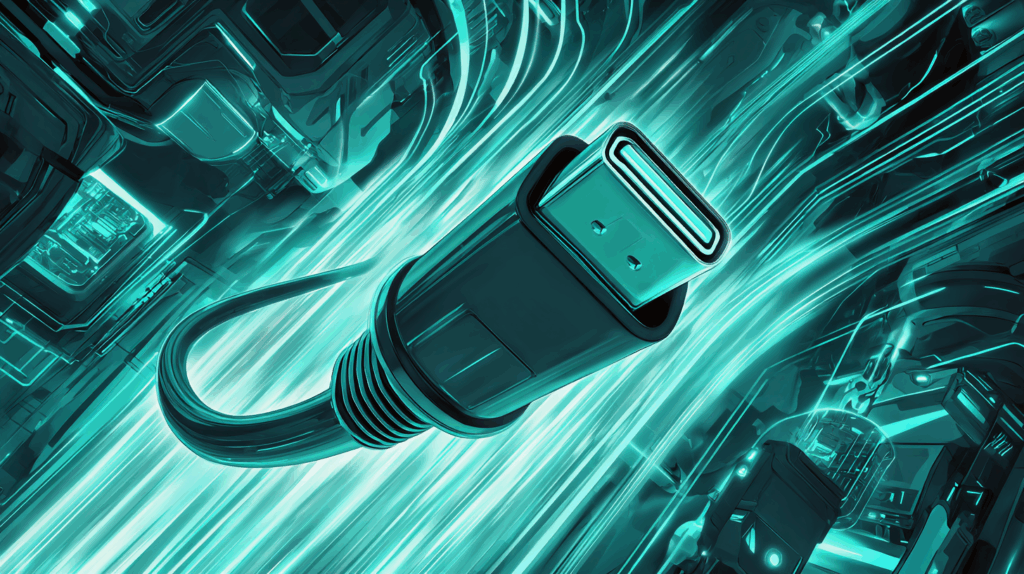
From modular robots in factories to AI-powered edge devices in warehouses and public spaces, the future of autonomous systems is being built on flexible, low-profile hardware—and now, a new power standard is catching up. USB-C Power Delivery (PD) 3.1 and 3.2 are ushering in a shift in how modern robotics and edge platforms manage power, simplify wiring, and enable faster deployment.
Offering up to 240W of power through a compact, reversible connector, USB-C PD 3.1 and 3.2 make it possible to standardize power delivery across robot modules, sensors, compute boards, and even charging docks. For OEMs designing the next generation of field-ready, modular systems, this is more than a convenience—it’s a power architecture breakthrough.
In this article, we explore how USB-C PD 3.1 and 3.2 are reshaping robotics and edge computing, and how Phihong is helping OEMs implement these standards in real-world products.
What Are USB-C PD 3.1 and 3.2?
USB-C PD 3.1 extends the power range of USB-C from the previous 100W maximum (20V/5A) to 240W (48V/5A). It enables Extended Power Range (EPR) profiles suitable for high-performance devices like modular robots, AI edge computers, and industrial sensors.
USB-C PD 3.2 further improves communication and signaling between power sources and sinks, offering enhanced interoperability and efficiency in dynamic environments.
Key Features
- Up to 48V at 5A (240W total
- Programmable Power Supply (PPS) mode for fine-grained voltage control
- Reversible, compact connector form factor
- Smart handshaking for dynamic voltage and current negotiation
- Backward compatibility with PD 2.0/3.0
Why It Matters for Robotics and Edge Devices
- Eliminates bulky DC barrel jacks and proprietary connectors
- Allows hot-swappable modules in mobile and modular robot designs
- Supports both data and power over a single interface
- Reduces development time with widely available cable and connector ecosystems
USB-C PD 3.1/3.2 is not just for laptops—it’s becoming the new backbone of compact power distribution.
How USB-C PD Is Powering Modular Robotics
Modular robotics relies on flexible hardware blocks that can be swapped, stacked, or reconfigured. USB-C PD provides a universal power interface that simplifies design and accelerates prototyping and deployment.
Key Use Cases
- Swappable sensor modules with onboard AI/ML processing
- Actuator blocks powered by local PD controllers
- Base stations or power banks that deliver USB-C PD to multiple robot components
- End-effectors or tooling heads powered via USB-C from the main robot chassis
Benefits for Modular Design
- Standardizes power delivery across third-party modules
- Enables plug-and-play interoperability for OEM ecosystems
- Simplifies robotic arm or drone accessory power
- Supports embedded controllers and cameras without extra voltage regulators
Best Practices
- Use USB-C PD controllers with PPS support for variable voltage regulation
- Include EMI filtering and thermal management near high-current ports
- Validate connectors and cables for EPR compliance (240W-rated hardware)
- Design docking interfaces with USB-C charging input compatibility
Modular robot design becomes simpler, faster, and more scalable with USB-C PD integration.
Edge Devices Get a Boost from USB-C PD 3.1/3.2
AI edge devices, smart sensors, and industrial IoT platforms are also benefiting from compact, high-wattage USB-C power. From GPU-equipped edge computers to remote vision nodes, USB-C enables standardized power input without bulky adapters.
Top Applications
- AI inference computers running on NVIDIA Jetson, Intel NUC, or custom SBCs
- Industrial vision systems with USB-C-powered cameras and lighting
- Environmental sensors and edge servers in harsh or remote locations
- Autonomous kiosks and mobile terminals in transit and retail environments
Benefits
- Powers edge compute units with up to 240W—ideal for GPUs and heavy AI tasks
- Reduces cable sprawl by using USB-C for both data and power
- Enables tool-less setup in pop-up or mobile environments
- Supports fast charging of battery-based edge nodes
Best Practices
- Match power source and sink capabilities using PD 3.1 negotiation profiles
- Choose cables and connectors that are certified for 48V/5A operation
- Shield all high-power USB-C lines to prevent EMI near sensitive equipment
- Consider redundant PD inputs for mission-critical edge applications
For edge computing, USB-C PD brings standardization and simplicity—without sacrificing performance.
CLIENT'S QUOTE
"Phihong’s PoE solutions have made a huge difference for us! Our network runs more efficiently, and we’ve seen real cost savings. We couldn’t be happier!"
Key Considerations When Designing with USB-C PD 3.1 and 3.2
Implementing high-wattage USB-C PD in robotics or edge platforms requires careful power design and compliance with USB-IF and safety standards.
Design Challenges
- Heat dissipation at higher voltages and current
- Cable and connector certification for 240W loads
- Firmware for dynamic voltage negotiation via USB-C PD controllers
- EMC/EMI compliance in fast-switching, high-frequency power environments
Safety and Standards
- Follow UL 62368-1 or IEC 60950-1 for AC-DC adapter certification
- Use USB-IF certified controllers and power ICs
- Ensure thermal shutdown and OVP/UVP protections in PPS mode
- Verify PD negotiation sequences under real-world stress conditions
Best Practices
- Implement smart USB PD controllers with overcurrent and thermal feedback
- Test for cross-compatibility with consumer PD devices and industrial gear
- Include debug interfaces or LEDs to indicate charge state and voltage negotiation
- Protect against miswiring or non-compliant third-party USB-C cables
USB-C PD 3.1/3.2 is powerful—but it demands power-aware, thermally conscious system design.
How Phihong USA Supports USB-C PD Power Solutions for Robotics and Edge Systems
Phihong USA is a leading provider of USB-C PD power modules, smart chargers, and embedded DC systems for OEMs building next-gen robotics and edge platforms.
Our Capabilities
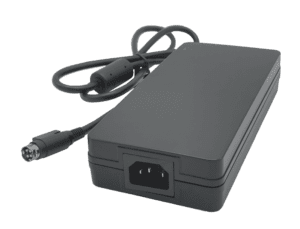
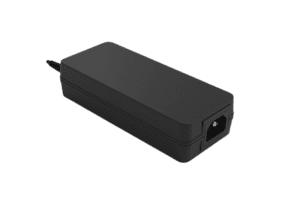
- USB-C PD 3.1 and 3.2-compliant power supplies, up to 240W
- Compact, fanless AC-DC adapters with PPS support
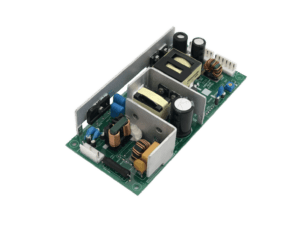
- Embedded DC-DC modules with USB-C PD sink integration
- Engineering support for thermal design, EMI shielding, and firmware tuning
- Power system development for modular robots, drones, and edge AI platforms
Whether you’re building a portable AI node or a modular robot base, Phihong delivers USB-C PD power infrastructure that’s compact, compliant, and performance-optimized.

Contact Our Team Today!
Our dedicated sales team and international partners are prepared to support you with your latest projects and initiatives globally.
Explore More with Phihong USA
As we conclude our exploration of PoE technology, it’s evident how these innovations are streamlining power and data integration across various industries. Phihong USA stands at the forefront of this technological advancement, offering a diverse range of power solutions designed to meet the evolving needs of modern industries.
Phihong USA’s extensive product lineup includes:
- Power over Ethernet (PoE) Solutions: Delivering reliable power and data transmission over a single cable, ideal for simplifying network installations and reducing costs.
- AC/DC Adapters and Power Supplies: From compact adapters to industrial-grade power supplies, Phihong provides solutions that ensure efficiency and reliability in various applications.
- Battery Chargers: Customizable chargers for lithium-ion and lead-acid batteries, supporting a wide range of power requirements for mobility and industrial applications.
- Medical Power Supplies: Specialized power solutions designed to meet the stringent requirements of the healthcare industry, ensuring safety and reliability.
Phihong USA is committed to innovation and excellence, continually developing products that meet the highest standards of performance and reliability. Their global reach and dedication to customer support make them a trusted partner in powering the future.
Here are some useful links to explore Phihong USA’s offerings further and bring in new potential clients:
Visit Phihong USA to discover how their advanced power solutions can support your business needs. Whether you’re looking to upgrade your network, or find reliable power supplies, Phihong USA has you covered.
By choosing Phihong USA, you’re partnering with a leader in power technology, ensuring your operations run smoothly and efficiently with top-tier power solutions. Contact Us today!
FAQ
What is the power range of USB-C PD 3.1 and 3.2?
USB-C PD 3.1 supports up to 48V at 5A, delivering a total of 240W. This is a major increase from previous USB-C PD standards (which maxed out at 100W). USB-C PD 3.2 builds on this with enhanced signaling, stability, and efficiency, improving performance in dynamic or high-speed environments.
Can USB-C PD 3.1 replace traditional robot power connectors?
In many cases, yes. USB-C PD 3.1 enables standardized power input for modular or compact robotic systems, reducing the need for DC barrel jacks, proprietary plugs, or heavy wiring. It’s especially useful for lightweight robots, hot-swappable modules, or low- to mid-power edge devices.
Is USB-C PD reliable for industrial and outdoor use?
Yes—when properly implemented with certified cables, ruggedized connectors, and IP-rated enclosures, USB-C PD can be used in semi-outdoor and industrial settings. For rugged robots or edge devices, manufacturers should use reinforced USB-C ports and locking connectors when possible.
What are the safety concerns with USB-C PD 240W systems?
Key safety concerns includes
- Overheating from poorly designed cables or connectors
- Voltage negotiation failure with incompatible sinks
- EMI/EMC compliance at higher frequencies
Phihong designs PD systems with thermal cutoffs, EMI shielding, and certified components to mitigate these risks.
How does Phihong support USB-C PD integration?
Phihong offers:
- Ready-to-deploy USB-C PD 3.1 chargers and adapters
- Custom OEM power modules with PD sink and source capability
- Integration help for thermal, EMI, and charge negotiation logic
- Power design support for both robot-side and dock-side PD implementation
We help OEMs integrate USB-C PD power safely, intelligently, and at scale.