









BLOG
Replacement Adapters: How Should OEMs Keep the Right Power Supply in Every Service Kit?
QUICK LINKS

A field kit can contain a replacement that looks identical to the approved adapter and has the same printed output voltage, yet belongs to a different regional or electrical variant. A complete kit record identifies the source, cable and supported accessory configuration so the technician can make a reliable replacement decision.
Quick answer. Control the adapter and cable together by exact part number, region and accessory revision. Route substitute parts through engineering review and give service teams a simple way to identify, verify and trace what was installed.
Why This Topic Matters Now
Long-lived equipment can outlast an original source or cable revision. Supply changes often begin in procurement while installation questions surface later in the field. A substitution rule that relies on connector appearance or a generic output rating can lose the evidence that supported the original combination.
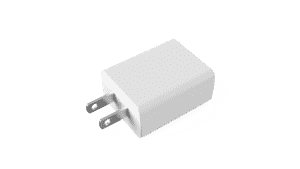
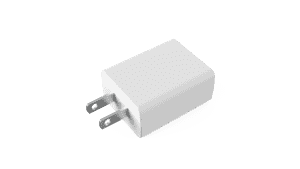
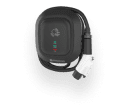
The MQ05A-050BW-H is a white US USB-A adapter with a nominal 5V, 1A output. Its model-specific documentation identifies the exact variants it covers. Treat the part suffix, region and cable identity as fields the kit must preserve.
What information belongs in the service kit BOM?
Use controlled line items for the source and the cable. Add the accessory hardware or serial-number range, firmware dependency if applicable, region, label information and the approved replacement instruction. Keep supplier and internal part numbers together so a warehouse operator can verify a part against both the purchase order and the kit record.
| Field | What to record |
|---|---|
| Adapter | Manufacturer, exact model, input region, output and connector |
| Cable | Approved part, connectors, relevant length and revision |
| Accessory coverage | Model and hardware or serial-number range |
| Service evidence | Installation check and documented approval reference |
| Traceability | Kit lot, source lot and change notification owner |
Where the same adapter family supports several regions, create a clear kit identifier for each approved combination. Avoid relying on packaging color alone. Make the kit label and lookup method usable even when the part is removed from its original carton.
How should proposed substitutes be evaluated?
Start with the reason for the change and identify the differences in part number, documentation, input region, connector, cable and source behavior. Have the responsible team assess electrical operation and the applicable equipment evidence for that combination. Keep the proposed item separate in inventory until the decision is documented.
The approved evidence may require confirming accessory input during startup, charging and active use, along with system safety or EMC review where applicable. A substitute that matches the rated output still needs to support the accessory’s input policy and physical configuration. Store the approval scope and any restrictions in the kit record.
| Proposed change | Check before release |
|---|---|
| Regional variant | Correct source configuration and coverage for the intended market |
| Different cable length or supplier | Device-side voltage, connectors and controlled identification |
| New model in same family | Exact documentation, electrical behavior and approval scope |
| Change in accessory hardware | Compatibility mapping and regression evidence |
What should the warehouse and technician verify?
At kitting, match the adapter and cable against the approved configuration. Retain lot information under the organization’s procedures. In the field, the technician should use the applicable service instruction to confirm the correct replacement and perform the prescribed functional check. If a label is damaged or the kit contents are mixed, use the established exception procedure rather than choosing by visual similarity.
Give technicians a short escalation record. Ask for the exact accessory, source and cable markings, the symptom and the action that triggers it. Where relevant, include battery condition and whether a change occurred after replacement. This lets the engineering team reproduce the reported configuration instead of testing a convenient substitute.
How do OEMs keep field and procurement records synchronized?
Assign owners for the approved part list, kit work instruction, procurement item and technical assessment. Define how a supplier notice updates each record and how affected inventory is identified. If a change is limited to a certain region or revision, carry that restriction into the warehouse and service instructions.
Use field returns to verify the control is working. If returns often lack the original cable, update intake instructions or add a way to record it. If service cases repeatedly involve a similar but unapproved part, improve kit labeling and ordering guidance. The objective is to preserve the qualified combination through normal service operations.
Key Takeaways
Specify the adapter and cable as a controlled pair for each supported accessory and region. Preserve exact identifiers, document approved substitutions and make the field check and escalation record easy to follow.
FAQs
Can a generic 5V replacement be listed in the kit?
The kit should name an approved combination with supporting evidence and an identifiable part.
Should the cable be replaced automatically?
Follow the approved service instruction. The kit record should say when the cable is included and which cable is supported.
What should happen if a supplier changes a suffix?
Treat it as a proposed change until the responsible team confirms applicability and updates the controlled records.
Discuss your design with Phihong. Review the medical usb power product family or contact Phihong with the model, operating conditions and qualification question.