






BLOG
What Is an IP67 Robot Charging Station? How to Choose Waterproof Docks for Outdoor Autonomous Robots
QUICK LINKS

As autonomous robots move beyond controlled indoor settings into outdoor environments—handling deliveries, surveillance, agriculture, and facility inspections—the need for rugged, waterproof charging stations becomes mission-critical. That’s where IP67-rated robot charging stations come into play. Built to withstand water, dust, and rough weather conditions, these docking solutions allow robots to recharge autonomously—rain or shine.
But not all waterproof docks are created equal. IP67 certification isn’t just about sealing an enclosure—it involves engineering the entire system for long-term durability, thermal safety, power reliability, and compatibility with the robot’s charging architecture.
In this blog, we’ll explore what defines an IP67 robot charging station, why it matters, and how to choose the right design for your outdoor autonomous robot fleet.
Understanding IP67 Ratings for Robot Charging Infrastructure
IP67 is a globally recognized Ingress Protection (IP) rating, defined by IEC 60529, that specifies resistance to dust and water. The “6” indicates complete protection against dust ingress, while “7” signifies protection from water immersion up to 1 meter for 30 minutes.
Top Features
- Sealed enclosures with watertight gaskets and corrosion-resistant coatings
- Waterproof connectors and power cables
- Enclosure ventilation using hydrophobic membranes
- IP-rated switches and PCB coatings to prevent moisture damage
Top Benefits
- Allows outdoor robot operation in all weather conditions
- Reduces downtime due to water ingress or corrosion
- Minimizes maintenance costs by eliminating weather-related failures
- Enables autonomous 24/7 operation without human intervention
Best Practices
- Verify IP67 compliance with third-party lab testing
- Avoid hidden seams or screw holes in exposed surfaces
- Use cable glands or waterproof bulkhead connectors for entry points
- Combine IP67 design with UV-resistant and temperature-stable materials
Choosing IP67 isn’t just about waterproofing—it’s about building a fully resilient robotic power ecosystem.
Key Components of a Waterproof Robot Charging Station
A proper IP67 charging station involves much more than a sealed box. Every component—inside and out—must be rated for outdoor performance and robotic compatibility.
Top Features
- Weather-sealed AC input and DC output connectors
- Wide-temperature-rated AC-DC or DC-DC charging modules
- Thermal management systems including fans, vents, and internal insulation
- Overvoltage, overcurrent, and ground fault protection circuits
Top Benefits
- Ensures safe charging in wet, dusty, or dirty environments
- Extends lifespan of internal electronics exposed to outdoor conditions
- Provides high-efficiency power delivery without overheating
- Supports regulatory compliance for public-facing deployments
Best Practices
- Use connectors with IP67 caps for when robots are not docked
- Integrate auto-cleaning or debris-shedding ramps to prevent clogs
- Select components with MTBF >50,000 hours for long-term use
- Shield power modules from condensation using thermal isolation foam
Each component should be selected not just for function—but for long-term resistance to environmental stress.
Power Supply Design for IP67 Docking Stations
The charging module at the heart of every station must deliver steady, safe power—without compromising efficiency or thermal safety.
Top Features
- Wide input range AC-DC modules (90–264V)
- Conformal coating for humidity and corrosion protection
- Power Factor Correction (PFC) to stabilize grid input fluctuations
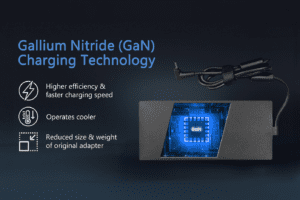
- GaN-based high-frequency switching for compact thermal design
Top Benefits
- Provides fast charging with minimal energy loss
- Prevents thermal shutdown during peak sun or cold nights
- Operates safely under fluctuating grid or battery loads
- Increases overall system energy efficiency for solar-powered docks
Best Practices
- Choose modules rated -40 °C to +85 °C for all-season reliability
- Include surge suppression to protect from lightning strikes
- Ensure BMS compatibility for communication-based charging (CAN, UART)
- Design charger enclosures to pass dielectric strength tests under wet conditions
A waterproof dock is only as good as the power module inside. Never compromise on quality here.
Related articles:
IP67 Robot Charging Station: How to Build Waterproof Docks for Outdoor Delivery Bots
CLIENT'S QUOTE
"Phihong’s PoE solutions have made a huge difference for us! Our network runs more efficiently, and we’ve seen real cost savings. We couldn’t be happier!"
Mechanical Housing and Material Considerations
The external shell must endure heat, frost, dust, and even impact—while protecting the sensitive electronics inside.
Top Features
- Polycarbonate or stainless steel enclosures with weatherproof gaskets
- Anti-UV and anti-corrosion coating
- IP67-rated doors or access hatches with locking mechanisms
- Heat-insulated walls for passive thermal protection
Top Benefits
- Prevents cracking, warping, or seal failure over time
- Protects against UV degradation in full sunlight
- Enables safe maintenance without full disassembly
- Provides a professional, clean appearance in public spaces
Best Practices
- Perform outdoor exposure tests including salt spray and UV aging
- Add drainage channels to eliminate water pooling
- Use tamper-proof screws or RFID access for service panels
- Design for modular part replacement (connectors, fans, heaters)
The enclosure isn’t just aesthetic—it’s a frontline defense against weather, debris, and wear.
Smart Communication and Safety Integration
Outdoor robotic stations must be more than just chargers—they need smart interfaces, communication ports, and onboard safety logic.
Top Features
- CANBus, RS-485, or MQTT protocols for data exchange
- Status LEDs or remote dashboards for charge monitoring
- Wireless OTA updates for firmware and fault response tuning
- Diagnostic logs for voltage, current, temperature, and uptime
Top Benefits
- Reduces need for manual monitoring and maintenance
- Enables predictive maintenance using historical fault logs
- Enhances system scalability across multiple charging sites
- Increases fleet safety and accountability with real-time insights
Best Practices
- Include watchdog timers to reset firmware in case of communication failure
- Ensure charging halts if safety handshake fails with the robot
- Log ambient temperature, water ingress events, and charging metrics
- Integrate remote diagnostics via Wi-Fi, LTE, or edge gateways
A waterproof charger that can’t communicate is just a fancy box. Make it smart, safe, and scalable.
Real-World Applications and Deployment Tips
IP67 charging stations are now used in delivery robots, autonomous lawnmowers, security bots, agricultural platforms, and factory couriers.
Top Features
- Anchored docks for ground-level bots or wall-mounted bays for drones
- Solar integration for off-grid rural deployments
- Smart lockers or gates for security in public zones
- QR-code or RFID-based maintenance access panels
Top Benefits
- Allows deployment in sidewalks, farms, campuses, or parking lots
- Reduces labor needs by enabling self-charging autonomy
- Increases operational uptime in unpredictable weather
- Builds public trust through visible infrastructure investment
Best Practices
- Place docks under partial canopy or sheltered zones when possible
- Use bright LED indicators for nighttime visibility
- Plan for routine cleaning (pollen, snow, leaves, sand, etc.)
- Include redundancy: two docks per zone to support failover
From municipal deployments to private campuses, IP67 stations unlock outdoor autonomy at scale.
How Phihong USA Helps You Build IP67 Robot Charging Stations
Phihong USA provides industry-grade power and charging components specifically designed for rugged, outdoor robotic applications. Our IP67-ready charging modules, waterproof connectors, and wide-temperature power supplies are trusted by OEMs building autonomous delivery robots, security platforms, and agricultural fleets.
We offer full integration support—from system design to thermal testing and compliance consulting—to ensure that your robotic docks pass field testing and certification. Whether you’re building one station or a thousand, Phihong ensures that each system is ready to face the real world.
Ready to make your outdoor robot charging systems future-proof and field-proven? Contact Phihong USA today to discuss your design goals and compliance needs.

Contact Our Team Today!
Our dedicated sales team and international partners are prepared to support you with your latest projects and initiatives globally.
Explore More with Phihong USA
As we conclude our exploration of PoE technology, it’s evident how these innovations are streamlining power and data integration across various industries. Phihong USA stands at the forefront of this technological advancement, offering a diverse range of power solutions designed to meet the evolving needs of modern industries.
Phihong USA’s extensive product lineup includes:
- Power over Ethernet (PoE) Solutions: Delivering reliable power and data transmission over a single cable, ideal for simplifying network installations and reducing costs.
- AC/DC Adapters and Power Supplies: From compact adapters to industrial-grade power supplies, Phihong provides solutions that ensure efficiency and reliability in various applications.
- Battery Chargers: Customizable chargers for lithium-ion and lead-acid batteries, supporting a wide range of power requirements for mobility and industrial applications.
- Medical Power Supplies: Specialized power solutions designed to meet the stringent requirements of the healthcare industry, ensuring safety and reliability.
Phihong USA is committed to innovation and excellence, continually developing products that meet the highest standards of performance and reliability. Their global reach and dedication to customer support make them a trusted partner in powering the future.
Here are some useful links to explore Phihong USA’s offerings further and bring in new potential clients:
Visit Phihong USA to discover how their advanced power solutions can support your business needs. Whether you’re looking to upgrade your network, or find reliable power supplies, Phihong USA has you covered.
By choosing Phihong USA, you’re partnering with a leader in power technology, ensuring your operations run smoothly and efficiently with top-tier power solutions. Contact Us today!
FAQ
What does IP67 mean in a robot charging station?
IP67 is a rating under IEC 60529 indicating that the product is dust-tight (6) and waterproof against immersion up to 1 meter for 30 minutes (7). In robot charging stations, this means the enclosure, connectors, and critical components are sealed against both airborne particulates and temporary submersion. It’s particularly important for outdoor applications where rain, mud, snow, or flooding could affect the charging dock. IP67 ensures uninterrupted robot operations and prevents water from damaging sensitive electronics inside the station. Always look for independent testing or certification to verify true IP67 protection.
Are IP67 charging stations necessary for all outdoor robots?
Not always—but they are strongly recommended for any outdoor deployment where exposure to rain, splashes, dust, or humidity is possible. Delivery robots, security bots, and agricultural platforms all face outdoor environmental risks, and an unprotected charging station can quickly become a failure point. Even if your robot is IP67-rated, the station itself must also meet the same durability to ensure system-wide reliability. In regions with heavy rainfall, snow, or dust, an IP67 dock moves from “nice-to-have” to essential infrastructure for long-term performance.
What materials are used to make IP67 robot charging stations?
Typical materials include polycarbonate or powder-coated aluminum for enclosures, silicone or rubber gaskets for sealing, and IP-rated connectors made of stainless steel or weatherproof plastics. The internal PCB should be conformal coated to protect against condensation and oxidation. Thermal pads or insulation foam may be added to protect against temperature fluctuations. For installations in public areas, materials should also be tamper-resistant and UV-resistant. Using materials that can endure expansion, contraction, and impact ensures long-term IP67 performance in variable conditions.
How do I know if a charging station is truly IP67 compliant?
A product is truly IP67-compliant only if it has been independently tested under IEC 60529 protocols. This involves exposure to dust chambers and immersion tanks that simulate real-world scenarios. Manufacturers should provide test certificates or documentation confirming IP67 compliance. Look for IP-rated markings on the product, along with datasheets that detail protection features. It’s also smart to request field data, case studies, or customer references to see how the station performs in real deployments. Never rely on marketing claims alone—ask for the proof.
Does Phihong offer IP67-compliant power solutions?
Yes. Phihong offers IP67-rated power supplies, connectors, and modules designed for robotic and industrial outdoor applications. Our wide-temperature power modules (-40 °C to +85 °C), sealed enclosures, and ruggedized DC outputs ensure reliable charging in the most demanding conditions. We work with OEMs to build complete IP67 docking solutions—from AC input to DC charging architecture—ensuring that both mechanical and electrical components meet real-world durability requirements. We can also assist with compliance testing, integration, and bulk manufacturing support.