






BLOG
What Should OEMs Know About DOE and CoC Efficiency Standards for External Power Supplies?
QUICK LINKS

Why do DOE and CoC efficiency standards matter for OEMs selecting external power supplies?
For OEMs designing products for global distribution, understanding DOE (U.S. Department of Energy) and CoC (European Code of Conduct) efficiency standards is more than a compliance exercise. These regulations shape how external power supplies are tested, certified, and sold in major markets. DOE Level VI and CoC Tier 2 define strict requirements on no-load power consumption and active-mode efficiency, directly impacting energy use, heat generation, long-term reliability, and overall product sustainability.
For many OEMs, the challenge is that non-compliant power supplies can block market entry, cause failed audits, or require expensive redesigns. These standards ensure that external power adapters minimize wasted energy, meet environmental regulations, and provide consistent performance across AC voltage ranges. Choosing the wrong power supply can lead to higher operational costs, failed certification during product launch, or large-scale recalls if shipped into restricted markets.
Top Benefits
-
Ensures regulatory acceptance in U.S. and EU markets
-
Reduces energy waste and long-term operating expenses
-
Improves thermal performance and device safety
Best Practices
-
Confirm DOE Level VI and CoC Tier 2 marks early in procurement
-
Validate no-load and active efficiency data under real load conditions
-
Use suppliers with documented global energy certification experience
Understanding DOE and CoC requirements gives OEMs a competitive advantage by avoiding compliance risks and ensuring products are ready for global deployment.
(Suggested Links: USB Power Delivery | Internal Power Supply Guide)
FEATURED PRODUCTS
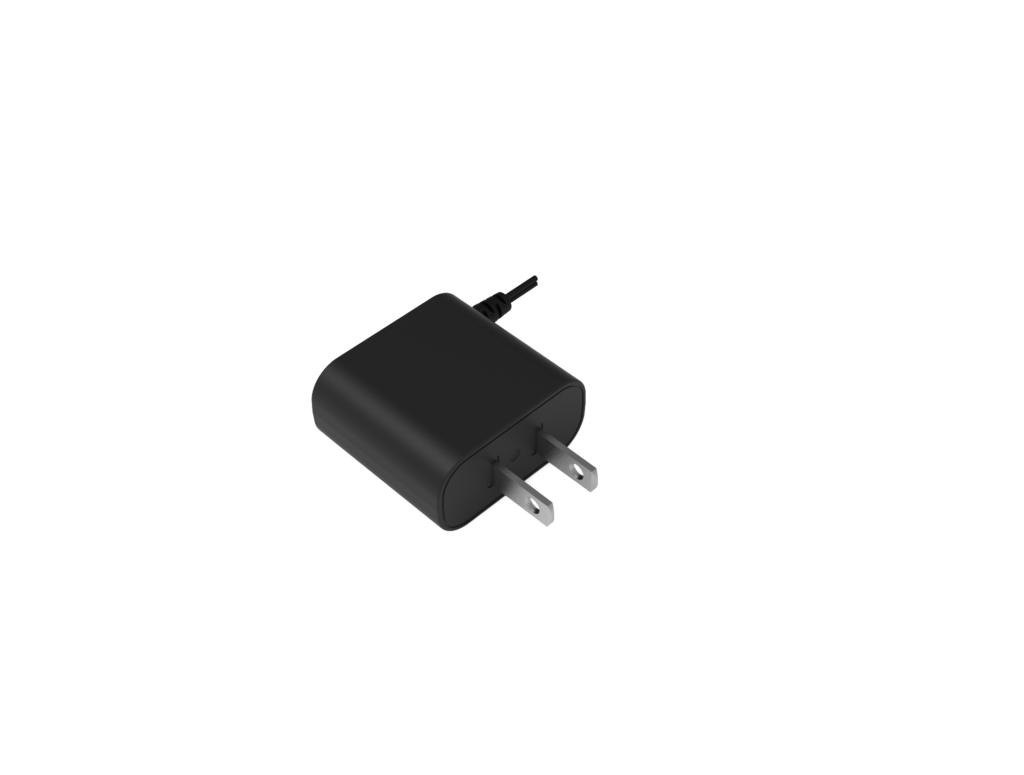
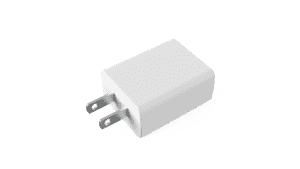
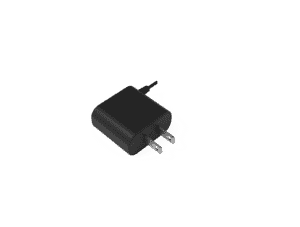
AA03A-075A-R
- Output Power - 2.75W
- Output Volt - 7.5V
- Output Current - 0.366A
- Features - Fixed Blade AC Input, Limited Power Source, Class B EMI, Level VI Efficiency, Standard Barrel Connector
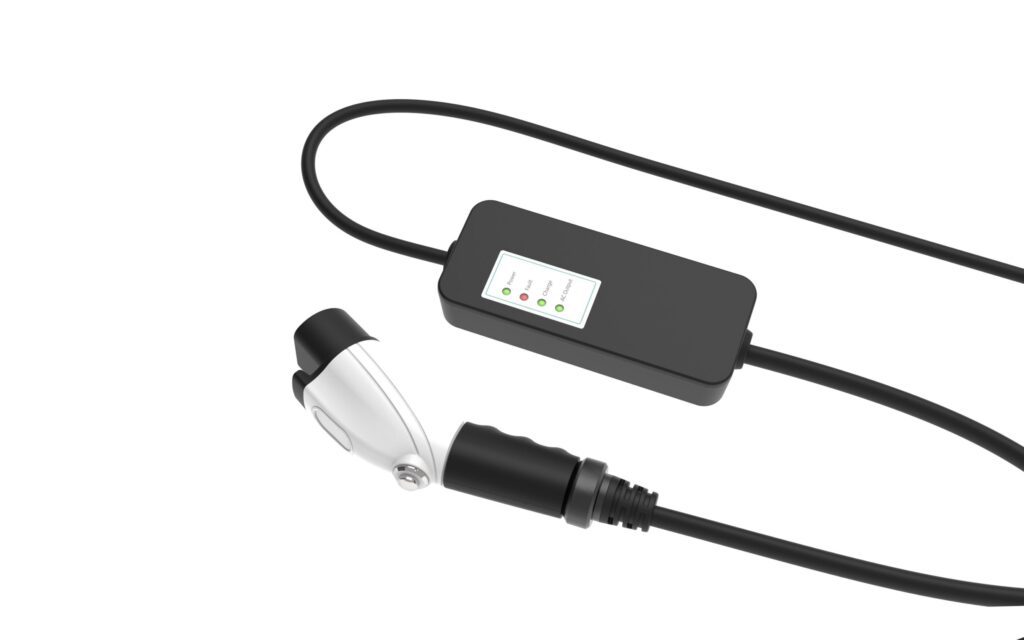
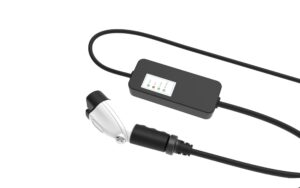
AC Series
- Output Current - 16A
- Features - Mode 2-chargers can use a circuit ranging from 8Amp to 16Amp with a local standard AC input plug installed for operation, Provides overcurrent, over voltage and short circuit protection, Protected against strong jets of water from all directions, Continuously monitors/supervises the ground connection between the AC supply and EV to ensure safe and reliable charging
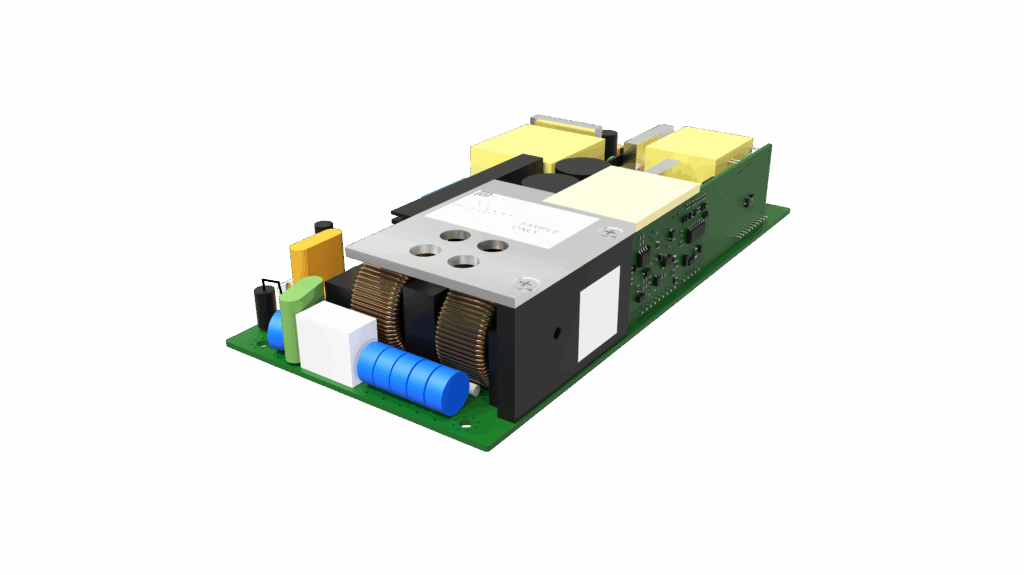
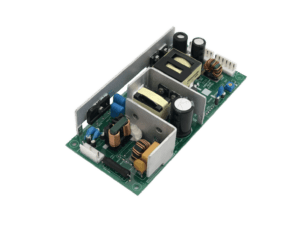
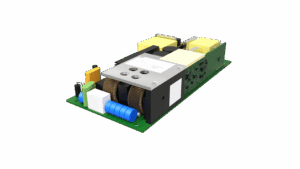
BF550-234A-R
- Output Power - 550W
- Output Volt - 12Vdc / 54.5Vdc
- Features - Universal AC Input range, Class I Design , Class B EMI , High Efficiency Performance , OVP, OCP, SCP, OTP Protections , Operating Altitude: 5,000M
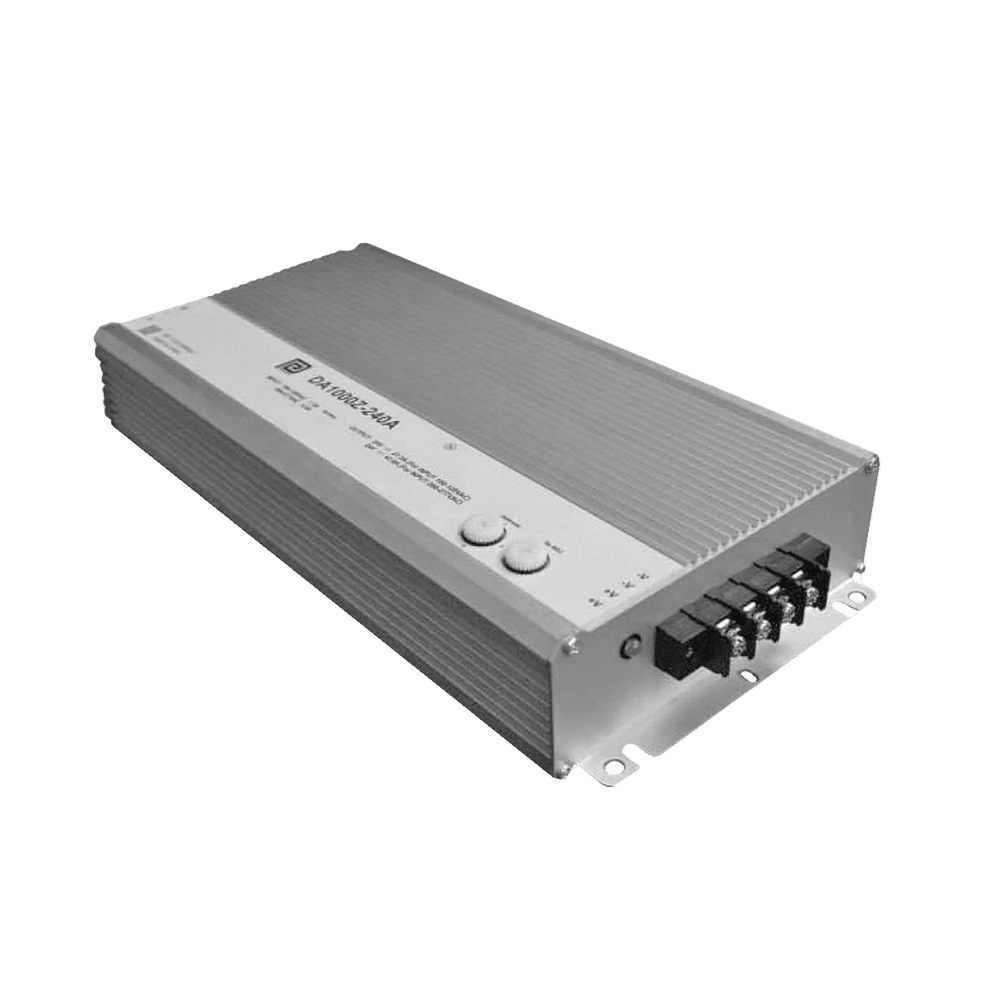
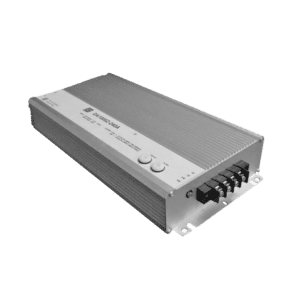
DA1000Z-240AEV-R
- Output Power - 1000W
- Output Volt - 24V
- Output Current - 1000W
- Features - Extended operating temperature range of -40℃ to 70℃, Fan-less aluminum case filled with heat conductive glue, Able to withstand 10G vibration, Power on LED indicator, Short Circuit, Over Current, Over Voltage, and Over Temperature Protections, & Adjustable output through potentiomete
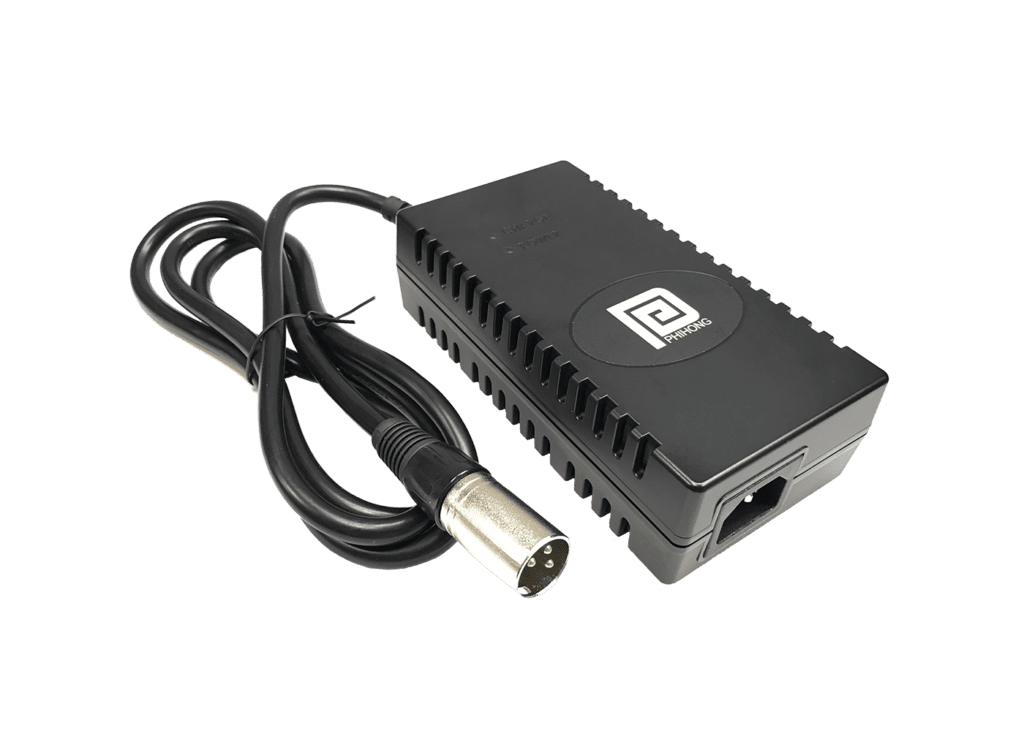
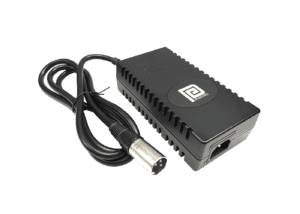
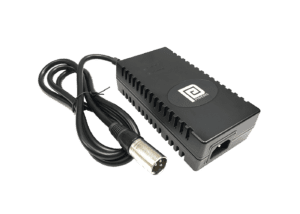
DA60U-240A-R
- Output Power - 60W
- Output Volt - 24V
- Output Current - 2.5A
- # of ports - 1
- Features - RESNA Compliant, CEC Compliant, LED Indicators Charge State, OVP, OTP, SCP, Charges AGM Batteries, Max 12hrs Charging Time
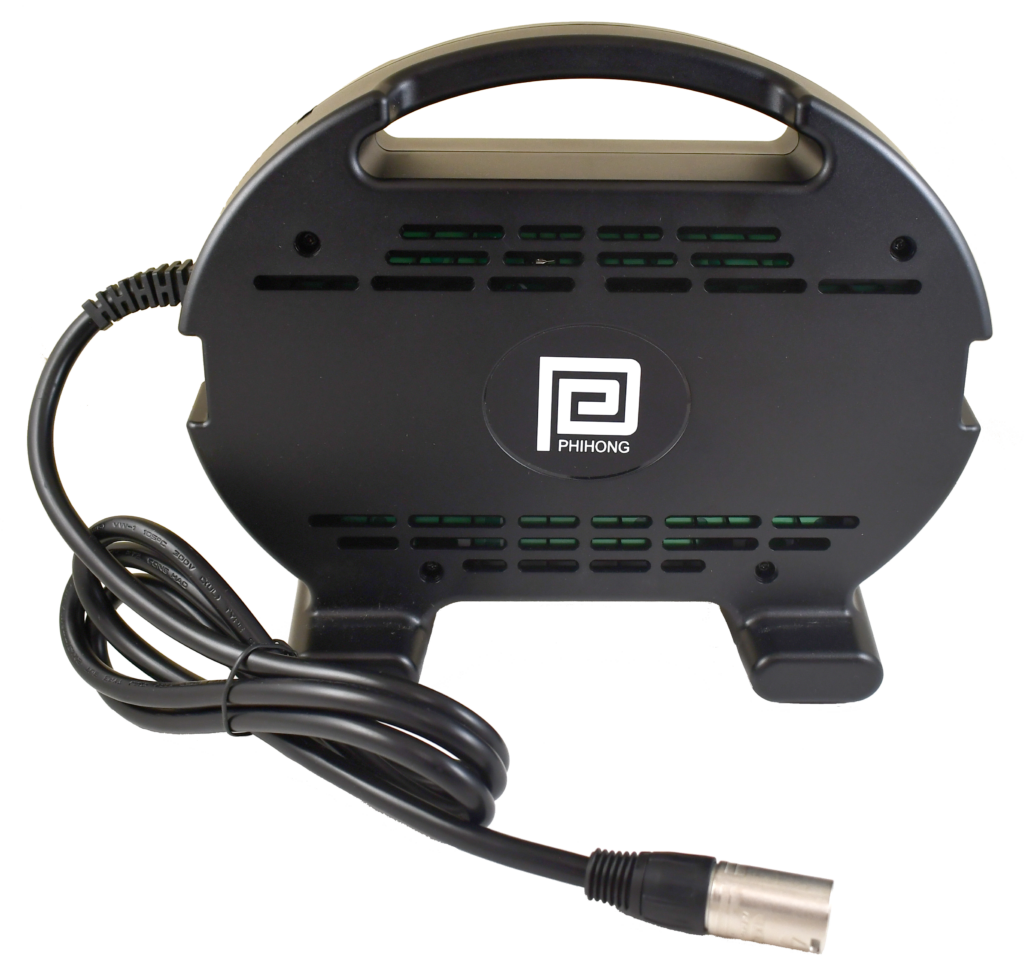
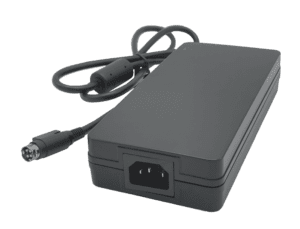
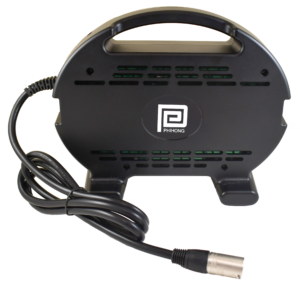
DA200U-250A-R
- Output Power - 200W
- Output Volt - 24V
- Output Current - 8A
- # of ports - 1
- Features - RESNA Compliant, CEC Compliant, LED Indicators Charge State, OVP, OTP, SCP, Dual-Mode Charger, Charges GEL or AGM batteries, Max 12hrs Charging Time
How do DOE Level VI and CoC Tier 2 efficiency rules impact adapter performance?
Efficiency rules influence how a power supply behaves in every operating mode. DOE Level VI and CoC Tier 2 mandate strict thresholds for active efficiency at multiple load points — 25%, 50%, 75%, and 100% — as well as incredibly low no-load consumption, often below 0.1W. These requirements ensure power supplies waste less energy as heat, which directly affects adapter temperature, lifespan, and downstream device stability.
For OEMs, higher efficiency translates into cooler operation, longer component life, and fewer failures in field deployments. Devices running on high-efficiency adapters experience less thermal drift, more stable voltage regulation, and reduced electromagnetic noise. This is especially important for IoT devices, medical electronics, networking gear, and consumer products expected to run continuously for years.
Top Benefits
-
Improves long-term reliability through reduced heat buildup
-
Ensures predictable behavior across global AC inputs
-
Supports sustainability goals with lower standby losses
Best Practices
-
Evaluate efficiency across all listed load points, not just 100%
-
Request full test reports rather than summary metrics
-
Validate thermal performance in enclosed or restricted-airflow applications
Efficiency rules are more than regulatory hurdles — they help OEMs deliver safer, cooler, longer-lasting products across varied environments.
(Suggested Links: Open-Frame Power Supplies | Medical Power Supplies)
What compliance risks do OEMs face when using non-certified power supplies?
Using non-certified or out-of-date power supplies exposes OEMs to major risks. DOE Level VI is mandatory in the U.S., while the EU strongly enforces CoC Tier 2 for market access. External power supplies failing these standards may be rejected at distribution hubs, flagged by customs, or removed from retail channels during energy audits. These failures lead to costly delays, rework, and potential product recalls.
Beyond market access, non-compliant adapters create warranty liabilities and long-term reliability issues. Inefficient designs generate more heat, accelerate component aging, and increase field failure rates — impacts that directly affect customer satisfaction and brand reputation. OEMs selling connected devices, medical equipment, or industrial electronics must therefore treat energy compliance as part of core product quality rather than an afterthought.
Top Benefits
-
Avoids regulatory rejection and costly product re-certification
-
Protects brand reputation and customer confidence
-
Ensures stable performance under global energy standards
Best Practices
-
Maintain a database of certified adapters with region-specific approvals
-
Require third-party test data for every power supply model
-
Audit supplier certifications annually to avoid expired or outdated listings
Choosing certified, compliant power supplies eliminates risk and keeps OEM product launches smooth across all major markets.
(Suggested Links: Battery Chargers | PoE Injectors)
CLIENT'S QUOTE
Phihong's Power-Over-Ethernet solutions have transformed our network, boosting efficiency and reducing costs. Their seamless integration has simplified both installation and maintenance.
Efficient power supplies reduce thermal stress and improve device longevity
Efficiency standards like DOE Level VI and CoC Tier 2 directly impact how much waste heat an external power supply generates. When adapters are inefficient, more input power is converted into heat instead of usable output power. This heat not only shortens the lifespan of the adapter but also affects the downstream device it powers. High internal temperatures accelerate component fatigue, degrade electrolytic capacitors, and increase the likelihood of field failures. OEMs deploying devices in enclosed housings, sealed plastic casings, or restricted airflow environments must consider how adapter efficiency affects thermal buildup.
High-efficiency power supplies typically run cooler, operate more predictably, and support longer product lifetimes. For products like networking gear, IoT devices, home appliances, or medical equipment designed to run 24/7, lower thermal stress is essential. It helps maintain voltage regulation, reduces EMI spikes, and ensures the entire system stays within safe operating limits. In global deployments where climate varies significantly, cooler-running power supplies reduce the risk of thermal shutdowns or intermittent faults caused by overheating.
Top Benefits
-
Reduces thermal stress that leads to premature failures
-
Extends lifespan of both the adapter and connected device
-
Improves reliability in sealed enclosures or high-heat environments
Best Practices
-
Validate adapter temperature rise at maximum load
-
Choose high-efficiency units for devices operating 24/7
-
Test in real-world enclosures, not just bench environments
Efficient power supplies help OEMs deliver longer-lasting, safer products that maintain stable performance across global conditions.
(Suggested Links: USB Power Delivery | Internal Power Supply Guide)
Energy regulations simplify global product planning for OEMs
Compliance with DOE and CoC efficiency standards helps OEMs streamline global product planning. Rather than managing dozens of region-specific adapter variants, modern regulatory harmonization allows manufacturers to use one compliant design across multiple markets. DOE Level VI and CoC Tier 2 set strict energy consumption levels that meet or exceed requirements in most major regions, giving OEMs confidence that a single adapter SKU will be widely accepted.
This simplifies engineering, procurement, and forecasting. OEMs can build product lines knowing their external power supplies will pass energy audits in the U.S., EU, and countries that have adopted similar standards. This reduces the risk of unexpected certification failures or last-minute re-engineering. Products move faster through distribution channels because compliant adapters avoid the scrutiny that non-conforming units trigger during port inspections or retailer compliance checks.
Top Benefits
-
Reduces complexity when planning global launches
-
Minimizes risk of energy-related certification barriers
-
Enables a single, standardized adapter footprint across regions
Best Practices
-
Confirm both DOE and CoC compliance if planning global expansion
-
Maintain updated compliance documentation for audits
-
Align adapter selection with long-term product roadmap goals
Global alignment around DOE and CoC standards allows OEMs to standardize designs, reduce SKU count, and move products into new markets with confidence.
(Suggested Links: Open-Frame Power Supplies | Battery Chargers)
Supplier expertise ensures consistent long-term regulatory compliance
Even though DOE and CoC standards seem straightforward on paper, maintaining compliance across multiple production runs, changing component availability, and evolving global regulations requires strong supplier expertise. OEMs need partners who understand efficiency curves, component tolerances, and how real-world conditions affect certification results. A knowledgeable power supply manufacturer ensures that minor component changes do not cause the adapter to fall out of compliance — a common risk when suppliers lack engineering discipline.
Expert suppliers like Phihong continuously test their products against evolving efficiency criteria, ensuring long-term consistency. They also track changes in global regulations, including emerging standards in Asia-Pacific, South America, and the Middle East. This helps OEMs avoid last-minute redesigns, unexpected distribution delays, or costly product bans. Supplier expertise reduces the burden on OEM engineering teams by providing clear datasheets, traceable certifications, and proven test reports.
Top Benefits
-
Ensures compliance over long production cycles
-
Protects OEMs from supply-chain driven certification failures
-
Provides reliable engineering support for global launches
Best Practices
-
Work with suppliers that proactively update compliance records
-
Request sample testing when production components change
-
Use long-term partners with proven regulatory knowledge
Experienced suppliers protect OEMs from compliance surprises and ensure stable, long-term performance across global markets.
(Suggested Links: Medical Power Supplies | PoE Injectors)
How Phihong supports OEMs with DOE/CoC-compliant external power supplies
Phihong provides OEMs with a complete portfolio of external power supplies designed to meet DOE Level VI and CoC Tier 2 efficiency standards. Every adapter is engineered with low standby power, high active-mode efficiency, and optimized thermal performance, making them ideal for global launches where regulatory compliance and energy savings are essential. Phihong’s designs ensure stable voltage regulation, low ripple, and reduced heat generation — all critical factors in maintaining long-term product reliability across diverse environments.
Phihong also supports OEM engineering teams with clear datasheets, detailed test reports, compliance documentation, and long-term manufacturing consistency. Their global certification experience helps OEMs avoid costly delays when entering U.S., EU, and international markets. Whether an OEM needs a standard 5V adapter for IoT devices, a high-power adapter for industrial hardware, or a medical-grade unit requiring ultra-low leakage, Phihong offers platform-ready solutions that reduce complexity and shorten time-to-market.
By combining strong engineering expertise, global certifications, and scalable production capacity, Phihong simplifies compliance for OEMs and ensures reliable performance from initial design through mass deployment.
(Suggested Links: USB Power Delivery | Contact Phihong)

FEATURED RESOURCE
Phihong's Power-Over-Ethernet solutions have transformed our network, boosting efficiency and reducing costs.
FAQ
What do DOE Level VI and CoC Tier 2 efficiency standards require from external power supplies?
DOE Level VI (in the U.S.) and CoC Tier 2 (in the EU) both impose strict requirements on external power supplies to reduce wasted energy. These rules define efficiency values at multiple load levels — typically 25%, 50%, 75%, and 100% — and also enforce extremely low no-load power consumption. DOE Level VI requires adapters to consume less than 0.1W in standby for many categories, while CoC Tier 2 pushes thresholds even lower in some cases.
For OEMs, this matters because energy efficiency impacts thermal performance, product lifespan, and overall power stability. Non-compliant adapters often run hotter, produce more electrical noise, and degrade faster under continuous use. Efficient adapters improve reliability while meeting environmental regulations in major regions.
The standards also specify compliance testing methods, ensuring that efficiency is measured accurately and consistently. This prevents manufacturers from using misleading test setups or reporting inflated efficiency values. Products failing these tests cannot be sold in regions enforcing DOE or CoC standards, which makes certification essential for OEMs launching globally.
Understanding the exact thresholds and test methods helps OEMs select adapters that pass audits, reduce field failures, and support long-term sustainability goals.
How do DOE and CoC efficiency requirements improve product safety and reliability?
While efficiency standards are primarily energy-focused, they directly influence product reliability. More efficient adapters generate less wasted heat, which reduces thermal stress on internal components such as capacitors, MOSFETs, transformers, and rectifiers. This lower thermal load improves long-term durability and minimizes the risk of overheating or early failure, especially in devices that operate continuously.
Improved efficiency also enhances electrical performance. High-efficiency adapters tend to have better voltage regulation, fewer EMI emissions, and more stable behavior under fluctuating loads. This makes them ideal for IoT devices, communication systems, industrial controllers, and medical hardware that require steady, noise-free power.
OEMs benefit because high-efficiency adapters help maintain performance in enclosed housings, outdoor environments, and thermally challenging installations. A cooler, more stable adapter leads to fewer system resets, fewer warranty claims, and improved customer satisfaction.
By choosing DOE- and CoC-compliant adapters, OEMs ensure safer operation, stronger regulatory acceptance, and reliable product performance in diverse global deployments.
What compliance risks do OEMs face when selecting non-certified power supplies?
Using non-certified adapters exposes OEMs to multiple risks — regulatory, financial, and operational. In the U.S., DOE Level VI is mandatory for external power supplies. In the EU, CoC Tier 2 is widely adopted by major retailers and distribution partners. Non-certified adapters may be stopped at customs, rejected by distributors, or pulled from retail channels after energy audits. OEMs may face fines, forced recalls, or blocked access to key markets.
Non-compliant adapters also pose long-term reliability risks. They often run hotter, age faster, and fail more frequently because they’re not built to the same efficiency and quality standards. These failures can lead to product returns, warranty replacements, and damage to brand reputation.
Compliance issues can also stall product launches. If adapters fail efficiency testing late in the development cycle, OEMs may be forced to re-test or re-engineer units, delaying release timelines and increasing costs.
Choosing certified supplies ensures regulatory acceptance, protects brand integrity, and reduces the risk of costly compliance complications.
How can OEMs verify that a power supply meets DOE/CoC requirements?
OEMs should begin by requesting certification documents, test reports, and efficiency tables directly from the power supply manufacturer. Reputable suppliers provide full data showing active efficiency at all load points and verified no-load measurements. OEMs should also confirm that model numbers listed on the datasheet match official certification listings to avoid discrepancies.
Real-world testing is equally important. Some adapters pass lab tests but struggle in actual installation conditions, especially when placed in sealed housings or subjected to high ambient temperatures. OEMs should run efficiency tests in the same environment where the product will operate, observing thermal behavior and power stability under load transitions.
OEMs deploying globally should maintain a compliance library that includes DOE Level VI, CoC Tier 2, and other regional documentation (UKCA, RCM, CCC, PSE). Verifying compliance early prevents unexpected delays during manufacturing, customs clearance, or retail acceptance.
Working with established suppliers like Phihong significantly reduces verification challenges because their documentation and test procedures are standardized and transparent.
Why should OEMs trust Phihong for DOE/CoC-certified external power supplies?
Phihong has decades of experience manufacturing high-efficiency, globally certified power solutions. Their external power supplies are engineered to meet DOE Level VI, CoC Tier 2, and additional international energy requirements, ensuring OEMs have full market access without redesigning hardware for different regions.
OEMs benefit from Phihong’s strong documentation, detailed efficiency reporting, and consistent manufacturing processes. Their engineering team assists with compliance planning, integration support, and long-term product roadmaps. Phihong prioritizes reliability, low standby consumption, and superior thermal behavior — all essential for OEMs deploying products in demanding environments.
Because Phihong maintains global certifications and robust quality control systems, OEMs avoid risks associated with inconsistent or uncertified suppliers. This makes Phihong a trusted partner for companies needing reliable, energy-efficient power supplies across consumer, industrial, IoT, and medical markets.
DOE/CoC-certified external power supplie

AC Adapter Guide: Everything You Need to Know
Moreover, PoE technology supports the centralization of power management. By powering devices through a PoE-enabled network …
AC DC Power Chargers and How They Work: A Comprehensive Technical Breakdown
Moreover, PoE technology supports the centralization of power management. By powering devices through a PoE-enabled network …

USB-C Charger: Shaping the Future of the Tech World
Moreover, PoE technology supports the centralization of power management. By powering devices through a PoE-enabled network …

AC Adapter Guide: Everything You Need to Know
Moreover, PoE technology supports the centralization of power management. By powering devices through a PoE-enabled network …

AC DC Power Chargers and How They Work: A Comprehensive Technical Breakdown
Moreover, PoE technology supports the centralization of power management. By powering devices through a PoE-enabled network …

USB-C Charger: Shaping the Future of the Tech World
Moreover, PoE technology supports the centralization of power management. By powering devices through a PoE-enabled network …