









BLOG
Best Guide to AI, Connectivity, and Predictive Fleet Charging for Robots – Top Manufacturer
QUICK LINKS

Robotic fleets are growing faster than the infrastructure designed to support them. In warehouses, hospitals, airports, and even on city streets, robots are completing critical tasks every day — but their effectiveness depends entirely on how reliably they can recharge. The old model of manual or static charging simply doesn’t scale. As more robots join fleets, operators need systems that can think, adapt, and predict charging needs before failures occur.
This is where AI, connectivity, and predictive fleet charging play a transformative role. Instead of operating as “dumb plugs,” modern charging stations are turning into intelligent hubs that communicate with robots, manage energy resources, and anticipate downtime. AI-driven charging stations can evaluate battery health, predict maintenance needs, and automatically schedule charging sessions to maximize uptime. Combined with real-time connectivity from 5G and edge computing, these systems give fleets the ability to stay fully operational, even under demanding conditions.
For manufacturers and OEMs, these innovations aren’t just futuristic add-ons — they’re becoming industry standards. Compliance, safety, and performance now depend on smart charging systems that integrate seamlessly with fleet management platforms. For operators, this means improved efficiency, reduced costs, and the ability to scale fleets without creating charging bottlenecks.
In this guide, we’ll explore how AI and predictive technologies are transforming robotic charging infrastructure. We’ll look at the role of AI-powered fleet management, the impact of edge AI, the importance of connectivity, and how manufacturers are using these innovations to improve reliability. Whether you’re an engineer designing next-gen docks or an operator managing hundreds of robots, understanding these technologies will be key to staying competitive in the evolving robotics landscape.
The Rise of AI in Robotic Charging Infrastructure
As robots shift from pilot projects to full-scale deployments, traditional charging solutions often struggle to keep up. A fleet of five delivery bots may function fine with manual docking, but when the fleet grows to 100, the inefficiencies quickly pile up. Robots may spend too long waiting for a dock, batteries may degrade from poor charging cycles, and unexpected failures can cripple operations. AI provides the intelligence needed to solve these scaling problems.
How Does AI Turn Charging Stations Into Smart Infrastructure?
AI transforms charging stations into decision-making assets rather than simple power outlets. By analyzing data from each robot — including energy usage, mission patterns, and battery health — AI can prioritize which robot docks first and how charging is distributed. Instead of wasting energy by charging all devices identically, the station adapts to the unique needs of each machine.
Why Is Predictive Charging Critical for Fleets?
When fleets operate at scale, downtime becomes the most expensive failure point. Predictive AI algorithms help forecast charging demand hours in advance, ensuring no robot is sidelined due to poor scheduling. For example, if an autonomous delivery bot is expected to complete a late-night route, AI ensures it charges earlier while lower-priority robots wait. This scheduling prevents costly disruptions.
What Benefits Do Operators See From AI Charging?
For operators, the results are clear: higher uptime, reduced maintenance costs, and longer battery lifespans. AI also helps align charging with off-peak energy rates, reducing utility expenses while keeping fleets mission-ready. Over time, this creates a compounding ROI that grows as fleets expand.
Top Features
-
AI-driven diagnostics for early fault detection
-
Predictive scheduling to avoid downtime bottlenecks
-
Data integration with fleet management platforms
Top Benefits
-
Longer battery life from optimized charging cycles
-
Higher uptime with predictive planning
-
Cost savings from reduced energy waste and maintenance
Best Practices
-
Deploy AI charging as fleets scale past pilot size
-
Pair predictive charging with real-time monitoring
-
Use data logs to improve long-term maintenance planning
Related Links
-
Why AI-Powered Fleet Management Platforms Are Integrating with Robotic Charging Stations
-
What Is the Role of Edge AI in Autonomous Robot Charging Stations?
-
How Top Manufacturers Use AI-Powered Charging Stations to Improve Fleet Uptime
FAQ
Q: How does AI improve robotic charging?
A: AI optimizes charging schedules, monitors battery health, and predicts maintenance needs.
Q: Is predictive charging only for large fleets?
A: No, even small fleets benefit by reducing downtime and extending battery lifespan.
Q: Does AI charging require special hardware?
A: Yes, smart sensors and integrated software are needed, but most modern docks now include these features.
By making charging stations intelligent, AI ensures robots spend more time working and less time waiting, turning power infrastructure into a competitive advantage.
How AI-Powered Fleet Management Platforms Are Integrating with Charging Stations
Fleet management platforms have always been the backbone of robotic operations. They handle dispatch, route planning, and performance tracking. But as fleets grow, energy usage and charging coordination become just as important as navigation. This has led to a powerful new trend: fleet management systems directly integrating with AI-enabled charging stations.
Why Are Fleet Management Systems Connecting to Charging Infrastructure?
In traditional setups, fleet software and charging docks operate independently. Robots complete missions, then search for available docks with no coordination. This creates congestion and uneven charging patterns. By linking fleet management platforms to AI-powered stations, operators can schedule charging sessions dynamically, ensuring high-priority robots are charged first while lower-demand units wait.
How Does Predictive Maintenance Fit Into the Equation?
AI-enabled fleet platforms now analyze not just route data but also battery health, dock performance, and maintenance history. This predictive insight allows operators to schedule repairs before failures occur. For example, if a floor-scrubbing robot shows unusual charging cycles, the system can flag it for maintenance while reassigning its route to another robot. This reduces downtime and avoids costly service disruptions.
What Role Does Auto-Docking Play in Integration?
Auto-docking eliminates the need for human intervention by enabling robots to align and connect with charging stations independently. When integrated with fleet software, robots can be instructed to return to docks at optimal times. Combined with predictive algorithms, this ensures fleets operate continuously without “dead robots” blocking routes or halting operations.
Top Features
-
Real-time fleet-to-dock communication
-
Predictive maintenance alerts built into fleet dashboards
-
AI-coordinated auto-docking for mission-ready fleets
Top Benefits
-
Seamless coordination between mission planning and charging cycles
-
Fewer unplanned downtimes due to predictive maintenance
-
Autonomous, self-sustaining fleet operations
Best Practices
-
Integrate fleet software with AI stations early in deployment
-
Train operators to monitor predictive analytics dashboards
-
Use auto-docking to reduce labor dependency and increase uptime
Related Links
-
Smart Robot Charging Station Supplier: How to Integrate CANBus Analytics for Predictive Maintenance
-
How Top Manufacturers Use AI-Powered Charging Stations to Improve Fleet Uptime
FAQ
Q: Why connect fleet management to charging stations?
A: Integration ensures smarter scheduling, better uptime, and fewer charging bottlenecks.
Q: How does predictive maintenance work in this setup?
A: AI monitors battery health and charging data, flagging issues before they cause failures.
Q: Do operators need manual oversight with auto-docking?
A: Minimal oversight is required—AI handles scheduling and robots dock themselves.
With AI-driven integration, fleet management platforms turn charging stations into active partners, ensuring robots stay mission-ready with minimal downtime.

What Is the Role of Edge AI in Autonomous Robot Charging Stations?
AI is powerful, but its effectiveness depends on where the data is processed. Cloud-based AI offers scale, but edge AI — AI running directly on local hardware — provides the speed and responsiveness required for real-time decisions. In charging stations, edge AI is emerging as a crucial enabler for predictive maintenance, safe operations, and instant charging adjustments.
Why Does Edge AI Matter for Charging Robots in Real Time?
Autonomous robots often operate in dynamic environments where conditions change rapidly. A delivery bot exposed to sudden rainfall or a factory AGV encountering a high-temperature zone needs immediate charging adjustments. Edge AI allows stations to process sensor data locally and make instant decisions without waiting for cloud input. This ensures safety and reliability in unpredictable conditions.
How Does Edge AI Enhance Safety in Charging Stations?
Charging involves high power transfer, which introduces risks like overheating or electrical surges. Edge AI continuously monitors current flow, connector alignment, and temperature. If anomalies are detected, the system can automatically shut down or adjust the charge in milliseconds — much faster than cloud systems. This local intelligence reduces hazards and protects both robots and infrastructure.
What Applications Benefit Most from Edge AI in Charging?
Industrial robots, security bots, and delivery fleets all benefit from low-latency edge processing. In high-throughput warehouses, hundreds of robots may dock daily. Edge AI ensures safe and efficient power distribution without delay, while still syncing with cloud systems for long-term analytics. This hybrid model — edge for real time, cloud for planning — provides the best of both worlds.
Top Features
-
On-device AI for real-time anomaly detection
-
Millisecond response to overheating or misalignment
-
Hybrid edge-cloud architecture for reliability and scale
Top Benefits
-
Safer operations with instant local decision-making
-
Higher fleet uptime in mission-critical environments
-
Reduced reliance on continuous cloud connectivity
Best Practices
-
Deploy edge AI in high-density or high-risk robot fleets
-
Sync edge systems with cloud analytics for predictive insights
-
Train operators to interpret both real-time and long-term AI data
Related Links
-
What Is the Role of Edge AI in Autonomous Robot Charging Stations?
-
How 5G and Edge Connectivity Are Transforming Smart Docking for Industrial Robots
-
Why AI-Powered Fleet Management Platforms Are Integrating with Robotic Charging Stations
FAQ
Q: What is edge AI in charging stations?
A: Edge AI processes data locally on the dock for faster, safer, real-time decisions.
Q: Why not just use cloud AI?
A: Cloud AI is powerful for planning, but edge AI provides the speed needed for real-time responses.
Q: Which fleets benefit most from edge AI?
A: Industrial, logistics, and security fleets with high activity and safety requirements.
By bringing intelligence to the edge, charging stations gain real-time awareness that keeps fleets safe, efficient, and continuously operational.
How 5G and Edge Connectivity Are Transforming Smart Docking for Industrial Robots
Connectivity is the nervous system of modern robotics, and with the rise of 5G and edge computing, charging stations are becoming more responsive than ever. Traditional Wi-Fi or wired systems often suffer from latency, congestion, or limited scalability in industrial environments. By contrast, 5G networks provide ultra-low latency and high bandwidth, enabling charging stations to sync instantly with robots and fleet management systems.
Why Does 5G Matter for Smart Docking?
Industrial robots often operate in fast-paced, high-density environments where seconds matter. With 5G, charging stations can communicate in near real time with multiple robots simultaneously. This allows stations to direct robots to the right docks, balance energy usage, and adapt quickly to operational changes without delays caused by traditional network limitations.
How Do Edge Networks Enhance Industrial Reliability?
Edge computing brings processing closer to the source, ensuring charging stations can operate even when connectivity to the cloud is intermittent. This is particularly valuable in large manufacturing plants or logistics hubs where downtime is costly. Edge-enabled docks can continue running predictive algorithms and safety checks locally, syncing with the cloud only when needed.
What Are the Practical Benefits for Industrial Operators?
For factories, airports, and distribution centers, the combination of 5G and edge connectivity translates into fewer bottlenecks and smoother fleet operations. Robots no longer queue inefficiently for charging, and stations can dynamically adjust based on task urgency. The result is higher throughput and greater confidence in scaling robotic operations.
Top Features
-
Ultra-low-latency communication with 5G
-
Local edge processing for resilience during outages
-
Real-time coordination across multiple robots
Top Benefits
-
Faster docking and charging with minimal wait times
-
Reliable performance in large industrial environments
-
Improved scalability for high-density robot fleets
Best Practices
-
Implement 5G in environments with high robot activity
-
Pair 5G with edge computing for redundancy
-
Use network slicing to prioritize mission-critical communication
Related Links
How 5G and Edge Connectivity Are Transforming Smart Docking for Industrial Robots
What Is the Role of Edge AI in Autonomous Robot Charging Stations?
Why AI-Powered Fleet Management Platforms Are Integrating with Robotic Charging Stations
FAQ
Q: Why is 5G better than Wi-Fi for robotic charging?
A: 5G offers lower latency, higher reliability, and better scalability for large fleets.
Q: Can charging stations operate if 5G goes down?
A: Yes, with edge processing, stations can still function independently until the connection is restored.
Q: What industries benefit most from 5G-enabled docking?
A: Manufacturing, logistics, and airports where high-density robotic fleets operate continuously.
With 5G and edge connectivity, charging stations gain the speed and reliability needed to keep industrial robots moving without interruption.
CLIENT'S QUOTE
"Phihong’s PoE solutions have made a huge difference for us! Our network runs more efficiently, and we’ve seen real cost savings. We couldn’t be happier!"
How AI-Driven Energy Management Systems Optimize Charging Schedules for Autonomous Fleets
Energy management is one of the most overlooked challenges in robotics. When dozens or hundreds of robots charge at once, power spikes can strain grids, increase utility bills, and shorten battery lifespans. AI-driven energy management systems are solving this by optimizing charging schedules, distributing power intelligently, and reducing waste.
How Does AI Balance Charging Demand Across Fleets?
Instead of charging all robots simultaneously, AI systems stagger charging times based on fleet priorities and energy availability. Robots with urgent tasks are charged first, while others are scheduled during low-demand periods. This prevents overload and ensures critical units always remain mission-ready.
Why Is Grid Integration Important for Operators?
With smart grid integration, AI charging systems can adjust charging rates based on utility signals. For example, during peak demand hours, stations may slow charging to reduce costs, then accelerate charging when energy is cheaper. This not only lowers expenses but also supports sustainability goals by reducing strain on the electrical grid.
What Role Does Predictive Analytics Play in Energy Optimization?
Predictive AI uses historical data to forecast energy demand across fleets. This allows operators to plan energy usage days or even weeks in advance. By anticipating peak periods, operators can schedule charging sessions proactively, avoiding last-minute congestion and reducing operational risk.
Top Features
-
AI-based load balancing across fleets
-
Smart grid integration for cost-efficient energy use
-
Predictive scheduling based on historical data
Top Benefits
-
Lower energy costs by avoiding peak-rate charging
-
Longer battery lifespan through optimized charging cycles
-
Improved sustainability and reduced grid strain
Best Practices
-
Integrate AI energy systems with local utilities for demand-response signals
-
Monitor usage trends to refine predictive models
-
Stagger charging schedules to balance fleet readiness and energy efficiency
Related Links
How AI-Driven Energy Management Systems Will Optimize Charging Schedules for Fleets of Autonomous Devices
Smart Robot Charging Station Supplier: How to Integrate CANBus Analytics for Predictive Maintenance
How Top Manufacturers Use AI-Powered Charging Stations to Improve Fleet Uptime
FAQ
Q: How does AI lower charging costs?
A: By aligning charging with off-peak hours and managing demand across fleets.
Q: Can AI prevent overloading electrical systems?
A: Yes, load balancing distributes power intelligently, reducing strain on the grid.
Q: Does this work for small fleets?
A: Absolutely—optimized charging improves efficiency whether managing five robots or five hundred.
AI-driven energy management ensures fleets charge efficiently, economically, and sustainably while staying fully mission-ready.
Smart Robot Charging Station Supplier Insights: Integrating CANBus Analytics for Predictive Maintenance
Suppliers of smart charging stations are increasingly embedding CANBus analytics into their designs to enhance predictive maintenance. CANBus (Controller Area Network) is a communication system that allows sensors and components to share data in real time. When applied to robot charging stations, it provides suppliers and operators with detailed insights into power transfer, connector health, and battery performance.
How Does CANBus Support Predictive Maintenance?
By monitoring voltage, current, and temperature in real time, CANBus analytics detect irregularities before they become failures. For example, a dock showing unusual heat patterns may indicate a failing connector. Operators can then schedule maintenance proactively, preventing costly downtime.
Why Should Suppliers Integrate CANBus at the Manufacturing Stage?
When CANBus is built into the design, stations become “self-reporting” units that provide diagnostic feedback throughout their lifecycle. This reduces warranty claims for suppliers, improves transparency for operators, and extends the lifespan of robotic fleets.
How Does CANBus Create Value for Operators?
Operators gain the ability to monitor charging health at a granular level. Combined with AI algorithms, CANBus data can predict battery degradation, optimize usage cycles, and guide long-term fleet investments. This transforms charging stations into diagnostic tools that reduce both risk and operating costs.
Top Features
-
Real-time data sharing via CANBus integration
-
Predictive alerts for failing components
-
Detailed reporting for maintenance planning
Top Benefits
-
Reduced downtime from early issue detection
-
Lower maintenance costs for suppliers and operators
-
Extended fleet life through better charging insights
Best Practices
-
Design CANBus integration during OEM manufacturing
-
Pair CANBus data with AI platforms for advanced predictions
-
Train operators to interpret analytics for proactive decision-making
Related Links
Smart Robot Charging Station Supplier: How to Integrate CANBus Analytics for Predictive Maintenance
Why AI-Powered Fleet Management Platforms Are Integrating with Robotic Charging Stations
How AI-Driven Energy Management Systems Will Optimize Charging Schedules for Fleets of Autonomous Devices
FAQ
Q: What is CANBus in charging stations?
A: CANBus is a communication protocol that shares real-time data between sensors and components for diagnostics.
Q: How does CANBus improve predictive maintenance?
A: It detects anomalies early, allowing repairs before failures disrupt operations.
Q: Is CANBus standard in all modern stations?
A: Increasingly yes, as suppliers adopt it to improve reliability and reduce costs.
By embedding CANBus analytics, suppliers transform charging stations into smart diagnostic hubs that prevent downtime and enhance fleet reliability.
How Top Manufacturers Use AI-Powered Charging Stations to Improve Fleet Uptime
Top manufacturers are proving that AI-powered charging stations aren’t just a concept—they’re already a practical tool for improving fleet uptime. By combining AI, predictive analytics, and connectivity, leading companies have shown measurable gains in efficiency, reliability, and operator trust.
How Do Manufacturers Demonstrate Real-World Benefits?
OEMs deploying AI-enabled stations report higher uptime across fleets of delivery, cleaning, and security robots. Charging patterns are optimized, energy costs are reduced, and fleets experience fewer mid-mission failures. These real-world case studies show operators the tangible ROI of upgrading to AI-powered solutions.
Why Is Fleet Uptime the Key Metric for Adoption?
For logistics firms, hospitals, or factories, uptime is directly tied to revenue and performance. Robots that fail mid-shift create service disruptions. Manufacturers address this by ensuring charging stations integrate seamlessly with fleet platforms, AI systems, and edge networks. This alignment keeps fleets online with minimal downtime.
What Does the Future Hold for AI Charging Stations?
Manufacturers are already exploring self-healing docks, grid-interactive energy systems, and even charging-as-a-service models. These innovations promise even greater reliability and scalability for fleets in the years ahead.
Top Features
-
AI-enabled predictive diagnostics
-
Seamless fleet platform integration
-
Scalable designs for multi-robot fleets
Top Benefits
-
Measurable increase in uptime and reliability
-
Lower energy and maintenance costs
-
Greater confidence in scaling robotic deployments
Best Practices
-
Adopt AI charging as fleets expand to avoid scaling bottlenecks
-
Collaborate with OEMs for integrated fleet solutions
-
Stay updated on evolving compliance and safety standards
Related Links
How Top Manufacturers Use AI-Powered Charging Stations to Improve Fleet Uptime
Smart Robot Charging Station Supplier: How to Integrate CANBus Analytics for Predictive Maintenance
How 5G and Edge Connectivity Are Transforming Smart Docking for Industrial Robots
FAQ
Q: How do AI-powered charging stations improve uptime?
A: By optimizing schedules, predicting failures, and coordinating charging intelligently.
Q: Do manufacturers already use AI-powered charging?
A: Yes, many leading OEMs have deployed them in logistics, healthcare, and industrial sectors.
Q: Will AI charging stations replace traditional docks entirely?
A: Over time, yes, as fleets demand more scalable, efficient, and predictive solutions.
With AI-powered charging stations, top manufacturers are unlocking higher fleet uptime, lower costs, and scalable infrastructure for the robotics future.
How Phihong Supports AI-Enabled, Connected, and Predictive Charging Solutions
Phihong has built its reputation as a global leader in power solutions by continuously innovating in areas that matter most to manufacturers and operators. With robotic fleets now demanding smarter charging systems, Phihong is extending its expertise into AI-driven, connected, and predictive-ready charging solutions that combine safety, reliability, and scalability.
For OEMs, Phihong offers a foundation of compliance with international safety standards, including UL, CE, and IEC. Beyond compliance, Phihong designs charging stations that integrate seamlessly with AI platforms, predictive maintenance systems, and fleet management software. This allows operators to gain the benefits of diagnostics, automated scheduling, and real-time fault detection without compromising reliability.
Connectivity is another area where Phihong excels. With solutions designed for edge computing and 5G integration, Phihong enables charging stations to process data locally for faster decisions while maintaining secure cloud connectivity for long-term analysis. This hybrid model delivers the responsiveness that fleets need while supporting predictive insights that keep operations running smoothly.
Phihong also invests heavily in modularity and scalability. Whether a fleet consists of ten robots or hundreds, Phihong charging systems can expand with demand while maintaining consistent performance. Combined with AI-driven energy management capabilities, these systems help operators lower energy costs, reduce battery wear, and align charging schedules with sustainability goals.
By partnering with Phihong, manufacturers and operators gain more than just hardware—they gain a trusted collaborator committed to powering the next generation of robotics infrastructure. With decades of expertise in power engineering and a forward-looking approach to AI and connectivity, Phihong ensures that robotic fleets remain safe, efficient, and scalable as industries evolve.
Phihong’s expertise in power, compliance, AI integration, and connectivity makes it the ideal partner for building the smart charging infrastructure that tomorrow’s robotic fleets demand.

Contact Our Team Today!
Our dedicated sales team and international partners are prepared to support you with your latest projects and initiatives globally.
Explore More with Phihong USA
As we conclude our exploration of PoE technology, it’s evident how these innovations are streamlining power and data integration across various industries. Phihong USA stands at the forefront of this technological advancement, offering a diverse range of power solutions designed to meet the evolving needs of modern industries.
Phihong USA’s extensive product lineup includes:
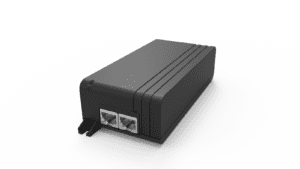
- Power over Ethernet (PoE) Solutions: Delivering reliable power and data transmission over a single cable, ideal for simplifying network installations and reducing costs.
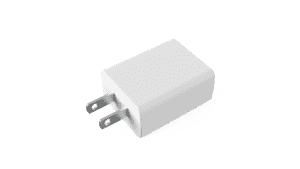
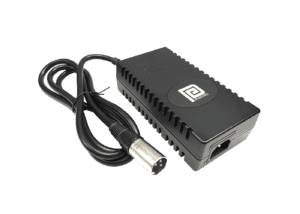
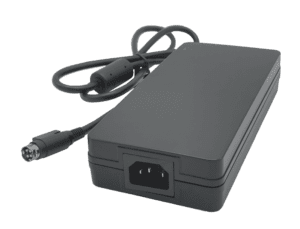
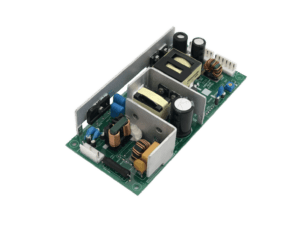
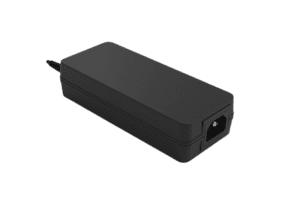
- AC/DC Adapters and Power Supplies: From compact adapters to industrial-grade power supplies, Phihong provides solutions that ensure efficiency and reliability in various applications.
- Battery Chargers: Customizable chargers for lithium-ion and lead-acid batteries, supporting a wide range of power requirements for mobility and industrial applications.
- Medical Power Supplies: Specialized power solutions designed to meet the stringent requirements of the healthcare industry, ensuring safety and reliability.
Phihong USA is committed to innovation and excellence, continually developing products that meet the highest standards of performance and reliability. Their global reach and dedication to customer support make them a trusted partner in powering the future.
Here are some useful links to explore Phihong USA’s offerings further and bring in new potential clients:
Visit Phihong USA to discover how their advanced power solutions can support your business needs. Whether you’re looking to upgrade your network, or find reliable power supplies, Phihong USA has you covered.
By choosing Phihong USA, you’re partnering with a leader in power technology, ensuring your operations run smoothly and efficiently with top-tier power solutions. Contact Us today!
FAQ
NEWSLETTER
Power Up Your Inbox: Get Exclusive Industry Insights, Innovations & B2B Updates from Phihong USA!