Best Guide to Robot Charging Station Safety Standards and Compliance – Top Manufacturer
QUICK LINKS
Robots are no longer confined to controlled environments like factories or labs. Today, they work in shopping malls, hospitals, airports, and city sidewalks — all environments where people and machines share the same space. With this shift, the demand for safe and compliant charging stations has become more critical than ever. A charging dock is not just an accessory; it’s a piece of electrical infrastructure that must meet strict safety standards to protect both the robot and the people around it.
For manufacturers, safety standards such as UL 3100 and UL 2593 are more than checkboxes on a certification sheet. They define the baseline requirements for electrical safety, fire resistance, thermal management, and overall product reliability. When charging stations are installed in public environments, compliance ensures that they won’t overheat, spark, or expose users to unnecessary risks. This becomes even more important when autonomous machines like floor scrubbers, delivery bots, or security robots need to charge unattended in crowded public spaces.
The stakes are high: one faulty charging dock can lead to equipment damage, safety incidents, or regulatory setbacks. Engineers and operators must consider not only regional electrical codes but also the latest international safety benchmarks when designing and deploying these stations. UL standards, for example, are widely adopted in the U.S. and often serve as the foundation for global compliance, ensuring products meet the highest possible safety expectations.
Looking ahead, safety requirements are expected to grow even stricter. As autonomous fleets expand into hospitals, hotels, warehouses, and city centers, regulators will push for more stringent guidelines covering fire safety, power isolation, user protection, and cyber-physical risks. This shift isn’t just about legal compliance — it’s about building public trust in robotic systems that operate side-by-side with humans.
For OEMs and integrators, navigating this compliance landscape can feel complex, but it also offers an opportunity to stand out. By aligning product design with safety-first principles and achieving recognized certifications, manufacturers demonstrate reliability, win operator confidence, and position themselves as leaders in a fast-growing market. In this guide, we’ll explore the key safety standards shaping the industry, what they mean for manufacturers, and how top companies ensure compliance without slowing down innovation.
What Do UL 3100 and UL 2593 Standards Mean for Robot Charging Stations?
How does UL 3100 apply to robotic charging systems?
UL 3100 is a safety standard that governs electrical and battery-powered appliances, particularly focusing on service and consumer robots. For charging stations, UL 3100 outlines the rules for electrical isolation, insulation strength, and protection against fire or overheating. This ensures that when a robot docks, both the station and battery system operate safely under all conditions.
Why is UL 2593 important for floor and service robots?
UL 2593 is tailored for service robot battery chargers, such as those used in floor scrubbers, cleaning robots, and other commercial machines. It ensures safe charging by addressing thermal management, current flow, and protective shutdown mechanisms. OEMs designing for UL 2593 compliance build trust with operators by guaranteeing safe charging in environments where robots work alongside staff or the public.
Top Features
Electrical isolation to prevent short circuits or shocks
Fire-resistant housings with overheat protection
Compliance with global safety benchmarks for robotic applications
Top Benefits
Reduced liability for manufacturers and operators
Higher confidence from customers in public-facing deployments
Long-term trust in robotic fleets that operate autonomously
Best Practices
Design chargers to meet both UL 3100 and UL 2593 where applicable
Perform rigorous testing under simulated real-world conditions
Update documentation and labeling for full compliance visibility
FAQ Q: What is UL 3100? A: It’s a safety certification standard for electrical and battery-powered appliances, widely applied to service and autonomous robots.
Q: What is UL 2593? A: A safety standard for battery chargers used in service robots, ensuring safe and reliable charging.
Q: Do manufacturers need both UL 3100 and UL 2593 certifications? A: It depends on the application, but many OEMs pursue both to cover broader compliance needs.
By aligning with UL 3100 and UL 2593, manufacturers build charging stations that meet global safety benchmarks while earning trust from operators and regulators.
CLIENT'S QUOTE
"Phihong’s PoE solutions have made a huge difference for us! Our network runs more efficiently, and we’ve seen real cost savings. We couldn’t be happier!"
What Do OEMs Need to Know About UL 3100 and Safe Power Design for Autonomous and Service Robots?
As autonomous robots expand into workplaces and public areas, OEMs must take safety into account from the earliest stages of product design. UL 3100 compliance isn’t just about checking off a requirement — it is about integrating safe power architecture into every layer of a robot’s charging system. This includes how chargers connect to batteries, how power is distributed during charging, and how the system responds to overloads or failures.
How does UL 3100 guide safe power system design?
UL 3100 requires strict insulation, protection against overheating, and safeguards to prevent electrical shock. For OEMs, this means designing circuits that can isolate faults, using materials that resist fire, and incorporating automatic shutdown mechanisms.
Why is early integration of safety critical for OEM success?
Retrofitting safety features after development increases costs and delays certification. By planning for UL 3100 requirements from the start, OEMs can streamline approval processes and bring compliant products to market faster.
Top Features
Fault-isolation circuits for protection during overloads
Fire-resistant insulation materials for enhanced safety
Automatic shutdown and reset features to prevent accidents
Top Benefits
Faster certification process with fewer redesigns
Reduced liability for manufacturers and operators
Stronger trust from buyers requiring regulatory compliance
Best Practices
Integrate UL 3100 design requirements early in R&D
Use certified components to simplify compliance testing
Document safety protocols for easier audits and approvals
Related Links
What OEMs Need to Know About UL 3100 and Safe Power Design for Autonomous and Service Robots
UL 3100 & UL 2593 Compliance: What New Safety Standards Mean for Robotic Charging Station Manufacturers
What Safety Standards Top Manufacturers Follow for Modern Robot Charging Stations
FAQ Q: Why is UL 3100 important for OEMs? A: It ensures that products meet global safety expectations, protecting both users and the robots themselves.
Q: Can OEMs speed up certification with UL 3100? A: Yes, by integrating safety features early and using certified components, the process becomes smoother and faster.
Q: What happens if an OEM skips compliance? A: Risks include product recalls, legal liability, and loss of trust in public or enterprise markets.
By embedding UL 3100 safety standards into early design, OEMs can reduce risks, accelerate approvals, and deliver safer robotic charging stations to market.
What Safety Certifications Are Required for Robot Charging Stations in Public Spaces?
When charging stations are deployed in public areas like airports, hospitals, shopping centers, or sidewalks, safety becomes more than a technical issue — it becomes a matter of public trust and liability. Certification ensures these docks don’t pose risks to passersby while supporting robots that must operate unattended in crowded environments.
How do safety certifications differ in public settings?
In public areas, charging stations may require UL, CE, or IEC certifications depending on region. These certifications verify compliance with electrical codes, fire protection requirements, and user safety guidelines.
Why do operators insist on certified docks in public areas?
Without certification, operators risk fines, insurance issues, or accidents. Certified docks reassure facility managers, municipalities, and end users that robots can recharge safely where people live and work.
Top Features
Compliance with UL, CE, or IEC certifications
Safety housings designed for public interaction
Power isolation to protect against accidental contact
Top Benefits
Increased trust from regulators and the public
Reduced liability for operators and municipalities
Smooth integration into airports, hospitals, and retail centers
Best Practices
Verify local electrical and building codes before deployment
Choose multi-certified docks to cover different markets
Install charging stations in monitored or supervised areas for extra safety
FAQ Q: Do public-space charging stations require special certification? A: Yes, they must meet UL, CE, IEC, or local codes to operate safely in crowded environments.
Q: Can uncertified docks be used in private facilities? A: In some cases, yes, but public deployments almost always require full certification.
Q: Why do regulators focus on certification for public areas? A: Because the risk of accidents is higher when people interact with robots and charging stations in shared spaces.
By meeting strict certification standards, charging stations provide safe, compliant infrastructure that earns trust in public environments worldwide.
What Safety Standards Do Top Manufacturers Follow for Modern Robot Charging Stations?
Leading manufacturers understand that safety standards are not just regulatory hurdles but competitive advantages. By meeting UL, CE, and IEC benchmarks, they demonstrate reliability and trustworthiness to OEMs, operators, and regulators. Compliance also ensures that charging stations can be deployed across multiple markets without redesign, saving time and expanding global reach.
How do manufacturers ensure consistent compliance across markets?
Top manufacturers build compliance into their design process. They use globally certified components, run in-house testing that mirrors international standards, and maintain rigorous documentation for audits. This approach ensures every product line remains ready for certification in the U.S., Europe, or Asia.
Why does safety compliance build trust with buyers and operators?
Operators in industries like healthcare, logistics, and public transit need certainty that equipment won’t cause harm or liability. Manufacturers who achieve UL 3100, UL 2593, and IEC compliance earn trust by proving their solutions are safe under real-world conditions.
Top Features
Multi-standard compliance (UL, CE, IEC) for global deployment
Fire-resistant housings and insulated enclosures
Built-in protective shutdown mechanisms
Top Benefits
Easier global market access with fewer design changes
Stronger reputation for reliability and safety
Increased adoption by operators in regulated industries
Best Practices
Partner with certification bodies early in design
Invest in in-house testing labs for rapid validation
Provide operators with clear safety documentation and support
FAQ Q: Why do top manufacturers emphasize safety certifications? A: Certifications provide proof of reliability and open doors to more markets.
Q: How do manufacturers simplify compliance across regions? A: By designing with global standards in mind and using certified components.
Q: Do certifications increase costs for manufacturers? A: Yes initially, but they reduce long-term costs by avoiding recalls, redesigns, and liability risks.
By prioritizing safety standards from the start, top manufacturers create charging stations that meet global benchmarks and inspire operator confidence.
How Phihong Supports Manufacturers with Safety-Compliant Charging Solutions
Phihong has decades of experience delivering reliable, standards-compliant power solutions for industries worldwide. In the world of robotic charging stations, Phihong applies this expertise to ensure products not only meet performance goals but also achieve critical safety certifications such as UL 3100 and UL 2593.
For OEMs and integrators, partnering with Phihong means working with a team that understands the compliance landscape inside and out. From electrical isolation and overheat protection to fire-resistant housings and protective shutdown features, Phihong builds safety-first principles directly into its designs. This allows manufacturers to accelerate certification and reduce the costs associated with re-engineering products after testing.
Phihong’s solutions are also designed for scalability and global deployment. With compliance to UL, CE, and IEC standards, Phihong charging systems can be used in multiple regions without costly redesigns. This global-ready approach is critical for OEMs looking to expand into new markets quickly and reliably.
Beyond compliance, Phihong invests in innovation. Modular designs, smart monitoring, and advanced materials ensure that charging stations are not only safe but also adaptable to the needs of delivery robots, service bots, and autonomous machines operating in public spaces. This balance of compliance and innovation makes Phihong a trusted partner for manufacturers seeking both safety and growth.
With a commitment to compliance, safety, and innovation, Phihong empowers manufacturers to deploy charging stations that meet today’s toughest standards while preparing for tomorrow’s demands.
Contact Our Team Today!
Our dedicated sales team and international partners are prepared to support you with your latest projects and initiatives globally.
As we conclude our exploration of PoE technology, it’s evident how these innovations are streamlining power and data integration across various industries. Phihong USA stands at the forefront of this technological advancement, offering a diverse range of power solutions designed to meet the evolving needs of modern industries.
Phihong USA’s extensive product lineup includes:
Power over Ethernet (PoE) Solutions: Delivering reliable power and data transmission over a single cable, ideal for simplifying network installations and reducing costs.
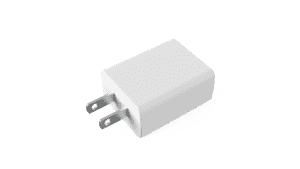
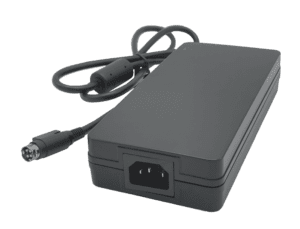
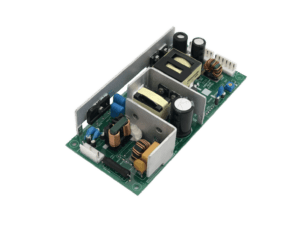
AC/DC Adapters and Power Supplies: From compact adapters to industrial-grade power supplies, Phihong provides solutions that ensure efficiency and reliability in various applications.
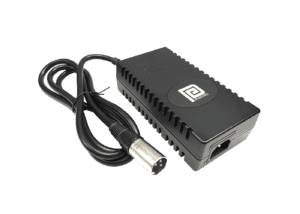
Battery Chargers: Customizable chargers for lithium-ion and lead-acid batteries, supporting a wide range of power requirements for mobility and industrial applications.
Medical Power Supplies: Specialized power solutions designed to meet the stringent requirements of the healthcare industry, ensuring safety and reliability.
Phihong USA is committed to innovation and excellence, continually developing products that meet the highest standards of performance and reliability. Their global reach and dedication to customer support make them a trusted partner in powering the future.
Here are some useful links to explore Phihong USA’s offerings further and bring in new potential clients:
VisitPhihong USA to discover how their advanced power solutions can support your business needs. Whether you’re looking to upgrade your network, or find reliable power supplies, Phihong USA has you covered.
By choosing Phihong USA, you’re partnering with a leader in power technology, ensuring your operations run smoothly and efficiently with top-tier power solutions. Contact Us today!
NEWSLETTER
Power Up Your Inbox: Get Exclusive Industry Insights, Innovations & B2B Updates from Phihong USA!