









BLOG
Best Guide to DC Fast Chargers: How to Choose Reliable, Compliant, Networked EV Charging
QUICK LINKS
What Defines a Reliable DC Fast Charger for OEMs and Site Operators?
Reliability is the primary requirement for DC fast chargers because failures directly affect revenue, user trust, and operational cost. For OEMs and site operators, a reliable DC fast charger is one that performs consistently under high power, frequent usage, and varied environmental conditions without excessive downtime or maintenance intervention. Unlike AC chargers, DC fast chargers operate at significantly higher power levels, making thermal management, component quality, and system integration critical.
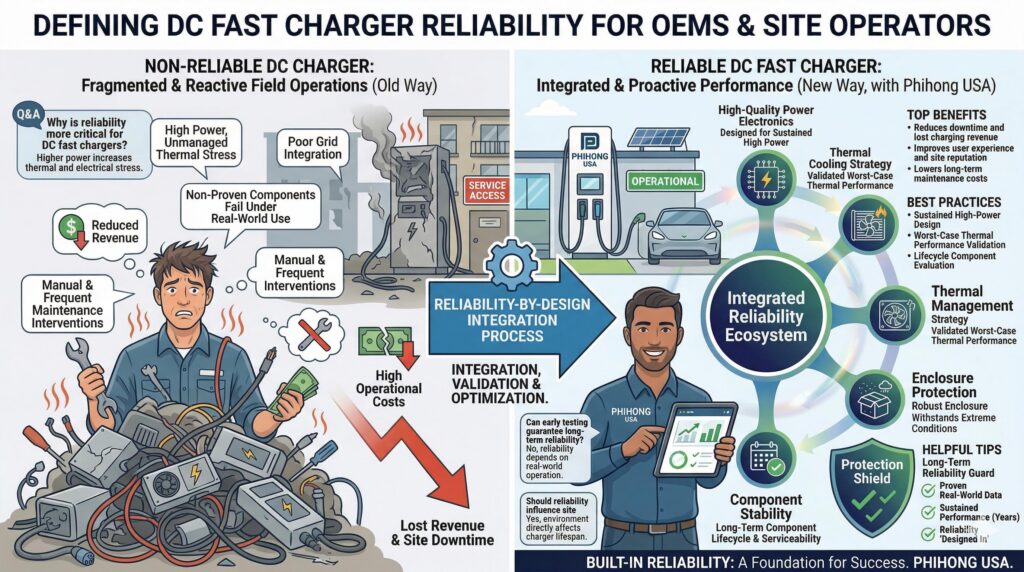
Reliability is not determined by a single specification. It is the result of power electronics design, cooling strategy, enclosure protection, firmware stability, and how well the charger integrates with the electrical grid and backend systems. Chargers deployed in public or commercial locations must withstand continuous operation, temperature extremes, dust, moisture, and user interaction without degradation.
OEMs and operators must also consider long-term reliability. Chargers are expected to remain in service for many years, often longer than consumer electronics lifecycles. Designs that rely on tight margins or unproven components may pass early testing but fail under sustained real-world use. Reliability, therefore, must be designed in from the beginning rather than validated after deployment.
FEATURED PRODUCTS
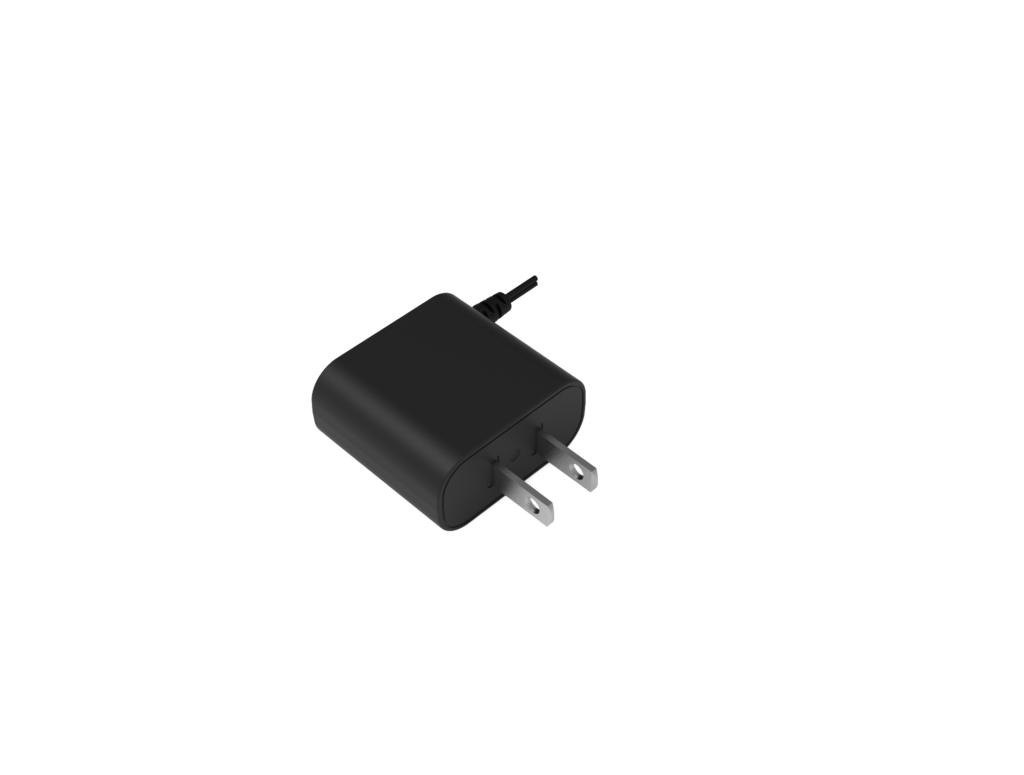
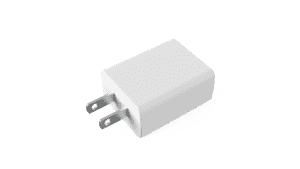
AA03A-075A-R
- Output Power - 2.75W
- Output Volt - 7.5V
- Output Current - 0.366A
- Features - Fixed Blade AC Input, Limited Power Source, Class B EMI, Level VI Efficiency, Standard Barrel Connector
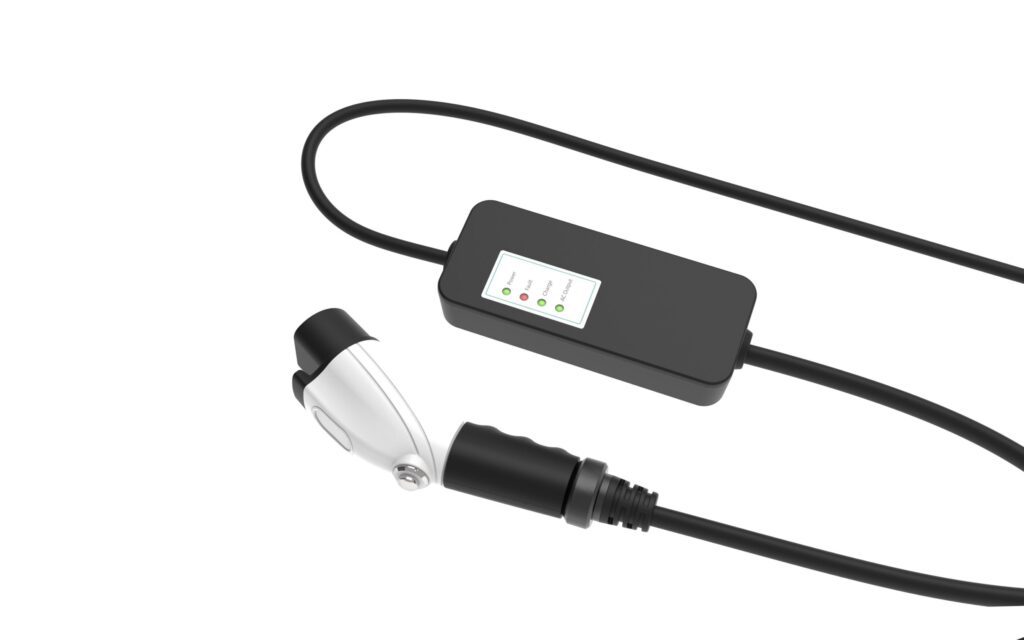
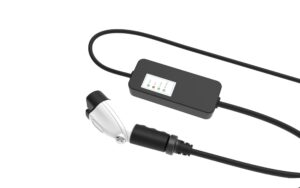
AC Series
- Output Current - 16A
- Features - Mode 2-chargers can use a circuit ranging from 8Amp to 16Amp with a local standard AC input plug installed for operation, Provides overcurrent, over voltage and short circuit protection, Protected against strong jets of water from all directions, Continuously monitors/supervises the ground connection between the AC supply and EV to ensure safe and reliable charging
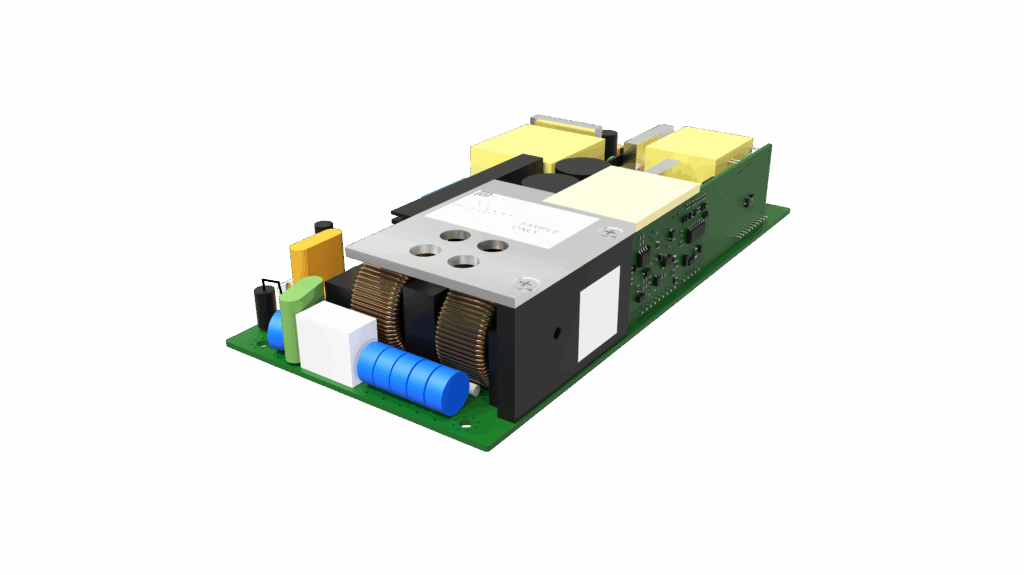
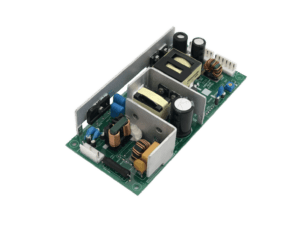
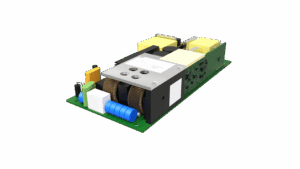
BF550-234B-R
- Output Power - 550W
- Output Volt - 12Vdc / 54.5Vdc
- Features - Universal AC Input range, Class I Design , Class B EMI , High Efficiency Performance , OVP, OCP, SCP, OTP Protections , Operating Altitude: 5,000M
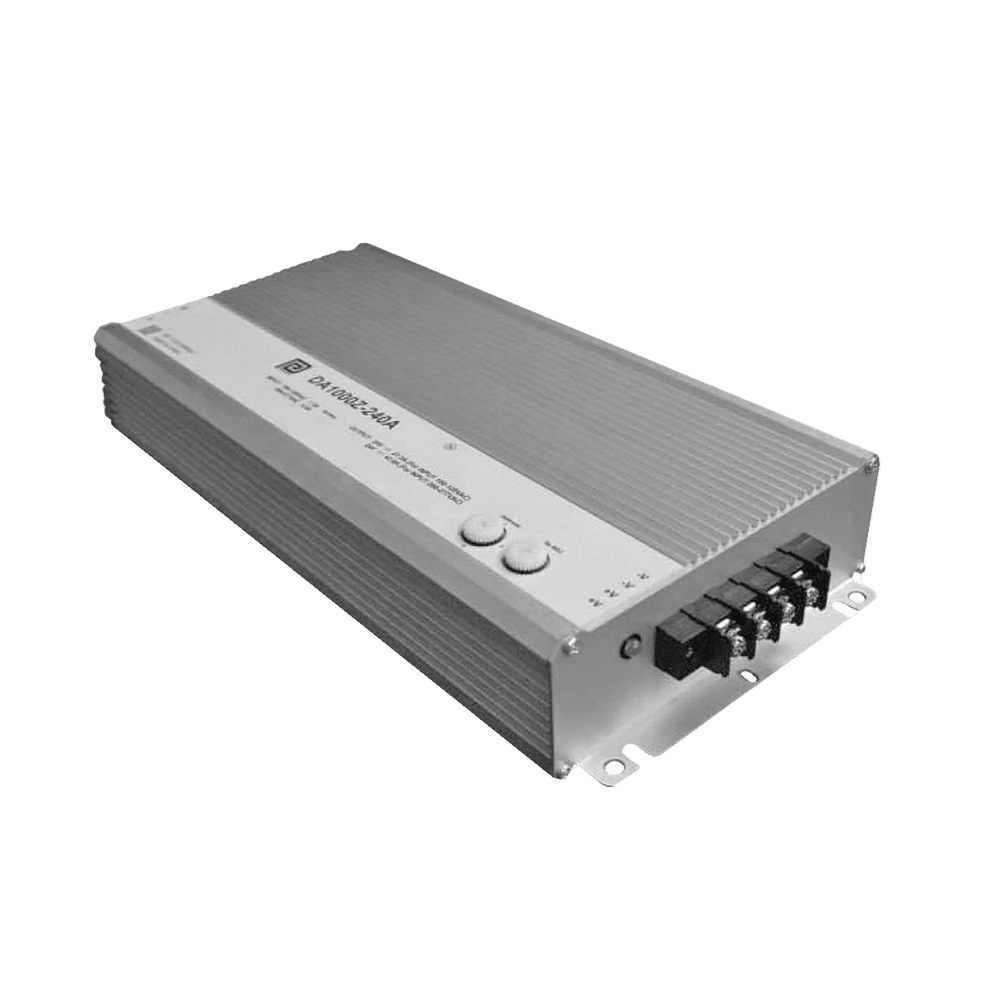
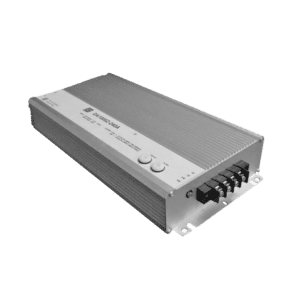
DA1000Z-240AEV-R
- Output Power - 1000W
- Output Volt - 24V
- Output Current - 42A
- Features - Extended operating temperature range of -40℃ to 70℃, Fan-less aluminum case filled with heat conductive glue, Able to withstand 10G vibration, Power on LED indicator, Short Circuit, Over Current, Over Voltage, and Over Temperature Protections, & Adjustable output through potentiomete
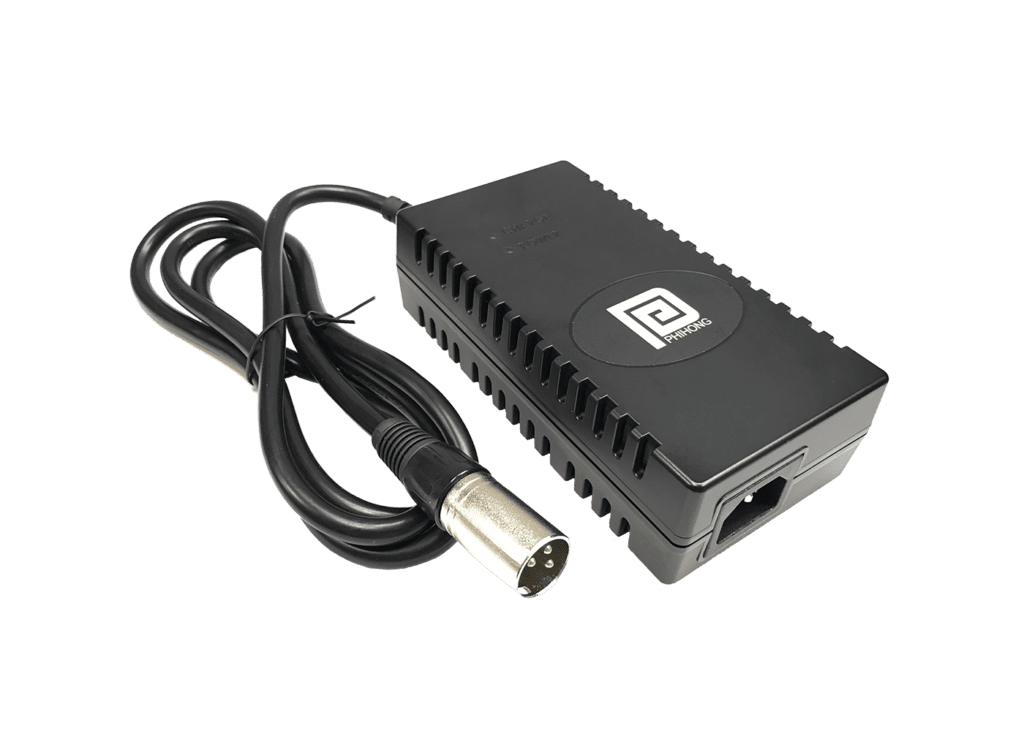
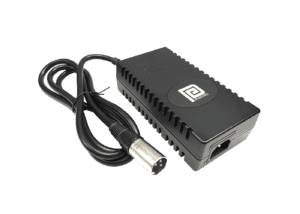
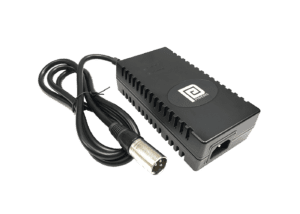
DA60U-240A-R
- Output Power - 60W
- Output Volt - 24V
- Output Current - 2.5A
- # of ports - 1
- Features - RESNA Compliant, CEC Compliant, LED Indicators Charge State, OVP, OTP, SCP, Charges AGM Batteries, Max 12hrs Charging Time
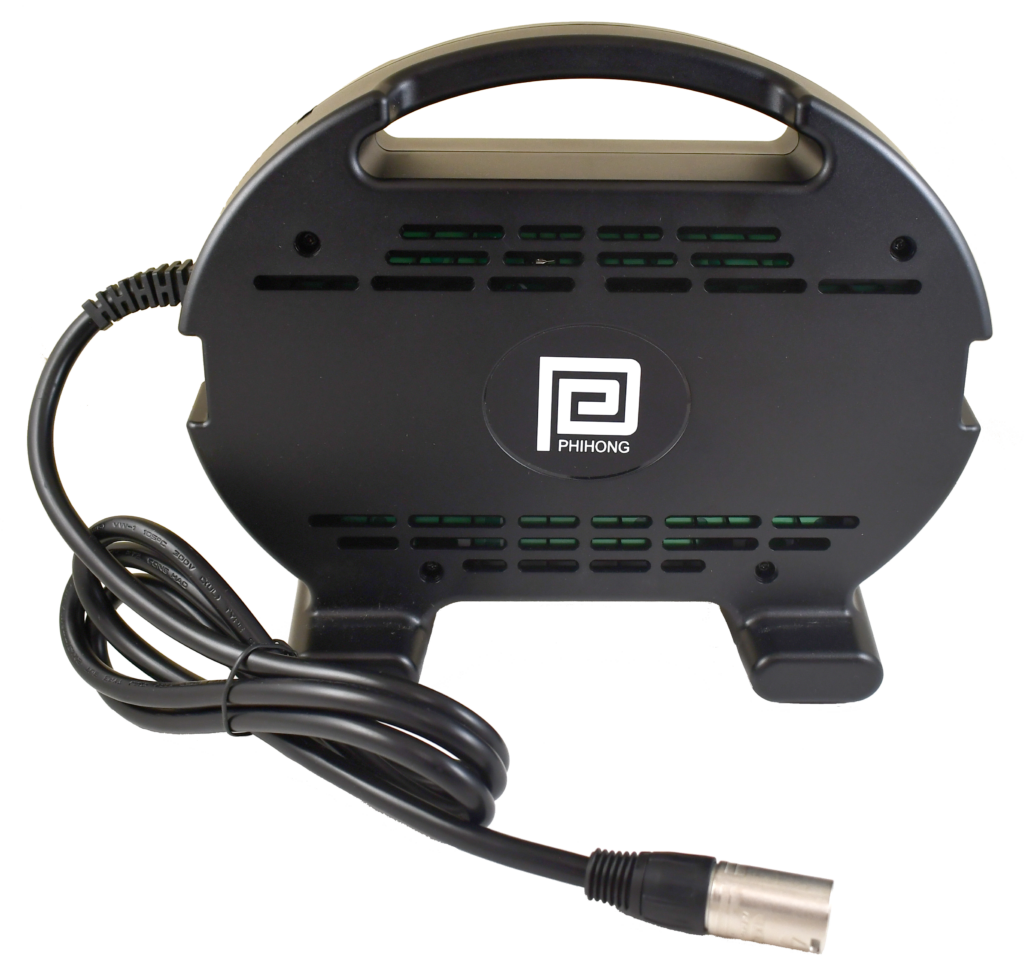
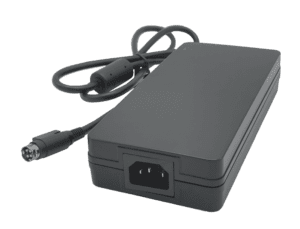
DA200U-250A-R
- Output Power - 200W
- Output Volt - 24V
- Output Current - 8A
- # of ports - 1
- Features - RESNA Compliant, CEC Compliant, LED Indicators Charge State, OVP, OTP, SCP, Dual-Mode Charger, Charges GEL or AGM batteries, Max 12hrs Charging Time
Top Benefits
• Reduces downtime and lost charging revenue
• Improves user experience and site reputation
• Lowers long-term maintenance and service costs
Best Practices
• Select chargers designed for sustained high-power operation
• Validate thermal performance under worst-case site conditions
• Evaluate component quality and lifecycle support
Helpful Tips
• Avoid designs optimized only for peak performance metrics
• Review field deployment data where available
• Consider service access and repair strategy early
Mini Q&A
Why is reliability more critical for DC fast chargers than AC chargers?
Because higher power levels increase thermal and electrical stress.
Can early testing guarantee long-term reliability?
No, reliability depends on sustained real-world operation.
Should reliability influence site layout decisions?
Yes, installation environment directly affects charger lifespan.
Understanding what defines reliability helps OEMs and operators make informed charger decisions.
(Suggested Links: EV Charging | EV Chargers – DS60 Series)
How Do Compliance and Safety Requirements Shape DC Fast Charger Selection?
Compliance and safety requirements play a central role in DC fast charger selection because chargers must meet regional electrical, environmental, and communication standards before they can be deployed. For OEMs, compliance affects design complexity and time to market. For site operators, it determines whether chargers can be installed, insured, and operated legally.
DC fast chargers are subject to multiple layers of compliance, including electrical safety, EMC, grid interconnection, and environmental protection. These requirements vary by region and often evolve over time. Chargers designed without sufficient compliance margin may require redesign or requalification when stand change or when deployed in new markets.
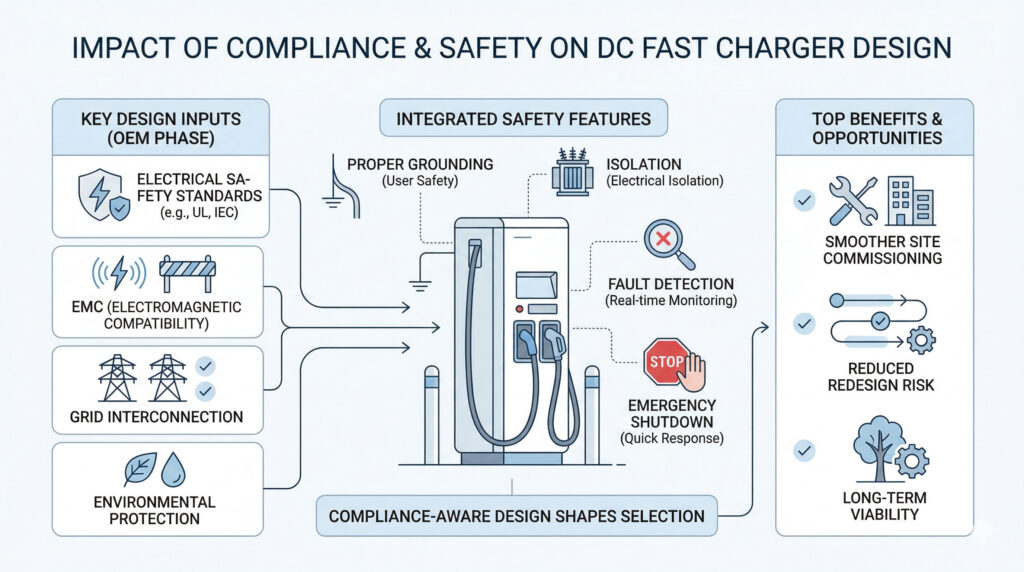
Safety considerations extend beyond certification. Proper grounding, isolation, fault detection, and emergency shutdown behavior are essential for protecting users, vehicles, and infrastructure. Compliance should therefore be treated as a system-level design requirement rather than a final checklist item.
Top Benefits
• Enables faster approvals and smoother site commissioning
• Reduces risk of retrofit or requalification later
• Improves safety for users and maintenance personnel
Best Practices
• Design chargers to meet the strictest applicable standards
• Validate safety behavior at the system and site level
• Maintain clear compliance documentation throughout the lifecycle
Helpful Tips
• Avoid region-specific shortcuts that limit deployment flexibility
• Coordinate compliance planning with site design early
• Monitor regulatory updates that affect EV infrastructure
Mini Q&A
Do compliance requirements differ by region?
Yes, standards and enforcement vary globally.
Can compliance issues delay site deployment?
Yes, failed certifications often halt installations.
Should compliance planning include future markets?
Yes, it reduces redesign when expanding geographically.
Compliance-aware charger selection protects both deployment schedules and long-term viability.
(Suggested Links: EV Charging )
Why Networked Charging Capability Is Essential for Modern DC Fast Charger Deployments
Networked charging capability is essential because DC fast chargers rarely operate as standalone assets. OEMs and site operators rely on connectivity to manage authorization, billing, monitoring, diagnostics, and updates across multiple locations. Without network integration, operational efficiency and scalability are severely limited.
Protocols such as OCPP enable standardized communication between chargers and backend systems. This allows operators to manage charger availability, detect faults remotely, and collect usage data without on-site intervention. For large or geographically distributed sites, networked charging is the foundation of effective operations.
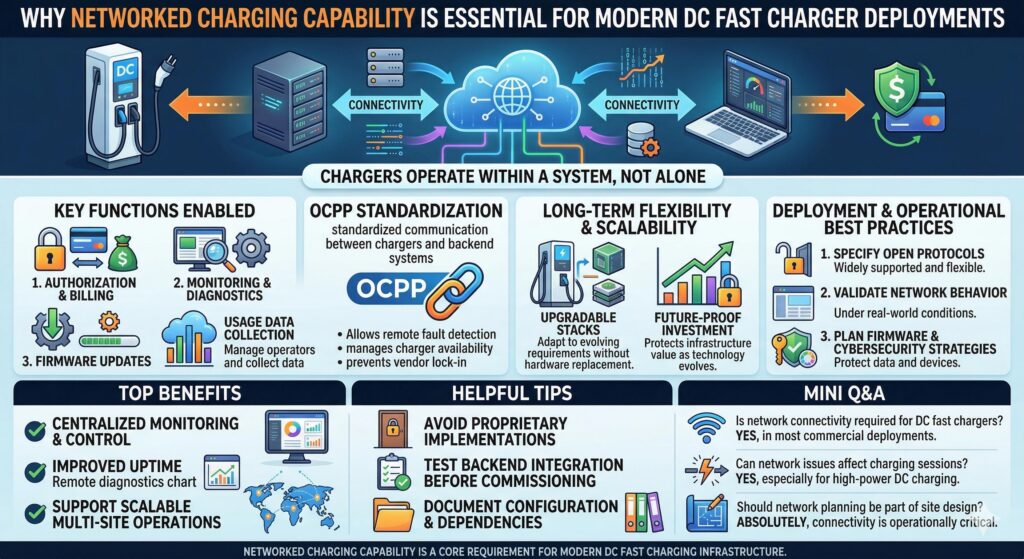
Networked capability also supports long-term flexibility. Chargers designed with upgradeable communication stacks can adapt to evolving backend requirements and protocol versions without hardware replacement. This protects infrastructure investment and simplifies future expansion.
Top Benefits
• Enables centralized monitoring and control
• Improves uptime through remote diagnostics
• Supports scalable, multi-site operations
Best Practices
• Specify open, widely supported communication protocols
• Validate network behavior under real operating conditions
• Plan firmware update and cybersecurity strategies
Helpful Tips
• Avoid proprietary network implementations
• Test backend integration before site commissioning
• Document network configuration and dependencies
Mini Q&A
Is network connectivity required for DC fast chargers?
In most commercial deployments, yes.
Can network issues affect charging sessions?
Yes, especially for high-power DC charging.
Should network planning be part of site design?
Absolutely, connectivity is operationally critical.
Networked charging capability is a core requirement for modern DC fast charging infrastructure.
(Suggested Links: EV Chargers – DS60 Series | EV Charging)
CLIENT'S QUOTE
Implementing Phihong’s networked DC fast chargers has optimized our charging footprint, delivering better grid interaction and lower overhead. The system’s integration makes managing large-scale deployments remarkably simple
How Site Power Infrastructure and Grid Interaction Impact DC Fast Charger Performance
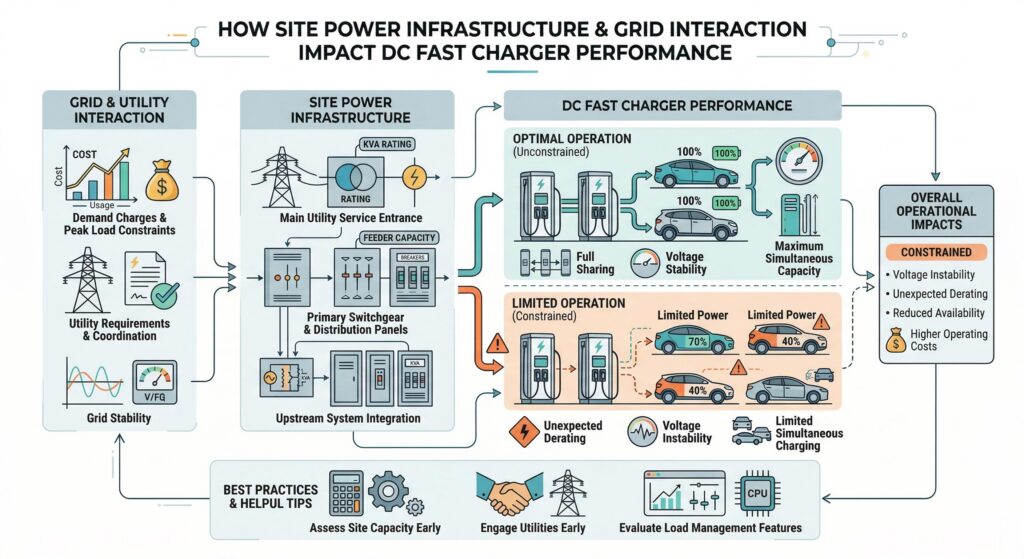
Site power infrastructure directly impacts the performance, reliability, and scalability of DC fast charging deployments. Unlike AC chargers, DC fast chargers place significant demand on upstream electrical systems, including transformers, switchgear, and utility interconnections. Inadequate site power planning can lead to voltage instability, unexpected derating, or limited simultaneous charging capacity.
Grid interaction also affects charger availability. Demand charges, peak load constraints, and utility-imposed limits may restrict how chargers operate during high-usage periods. Chargers that lack intelligent power management or coordination with site infrastructure can create operational bottlenecks or increase operating costs.
OEMs and site operators must evaluate DC fast chargers within the context of total site power architecture. This includes understanding how chargers share available power, respond to grid conditions, and integrate with energy management systems. Early alignment between charger capabilities and site infrastructure reduces costly retrofits and improves long-term site performance.
Top Benefits
• Improves charging performance under real grid conditions
• Reduces unexpected derating and power-related downtime
• Supports efficient use of available site capacity
Best Practices
• Assess site electrical capacity before charger selection
• Validate charger behavior under constrained power scenarios
• Coordinate charger deployment with utility requirements
Helpful Tips
• Plan for future site expansion when sizing infrastructure
• Evaluate demand management and load-sharing features
• Engage utilities early in the site planning process
Mini Q&A
Can site power limit DC fast charger output?
Yes, upstream constraints directly affect available charging power.
Do chargers manage power automatically?
Some do, but capabilities vary by design.
Should power planning happen before hardware selection?
Yes, it prevents costly infrastructure changes later.
Aligning charger capabilities with site power realities is critical for reliable operation.
(Suggested Links: EV Charging | Industrial Power Supplies)
Why Scalability and Future Expansion Must Be Considered from Day One
Scalability is a core consideration for DC fast charging sites because demand rarely remains static. Sites that begin with a small number of chargers often expand as EV adoption increases, fleet contracts are added, or charging behavior changes. Chargers and site infrastructure selected without scalability in mind can quickly become limiting factors.
From an OEM perspective, scalability influences hardware architecture, communication protocols, and power-sharing strategies. From a site operator perspective, it affects capital planning, installation timelines, and operational continuity. Chargers that support modular expansion, dynamic power allocation, and backend-driven configuration changes offer greater flexibility as sites evolve.
Failing to plan for expansion often results in expensive retrofits, additional permitting, or partial site redesigns. By selecting chargers and architectures that anticipate growth, OEMs and operators protect long-term investment and reduce disruption.
Top Benefits
• Supports incremental site expansion without major redesign
• Protects capital investment as demand grows
• Reduces downtime during site upgrades
Best Practices
• Select chargers that support modular and scalable architectures
• Plan electrical infrastructure for future load increases
• Validate backend systems for multi-site and multi-charger growth
Helpful Tips
• Reserve physical and electrical space for additional chargers
• Document expansion assumptions during initial design
• Avoid architectures that require full replacement to scale
Mini Q&A
Do most DC fast charging sites expand over time?
Yes, expansion is common as usage increases.
Can chargers limit future expansion?
Yes, if power or communication capabilities are fixed.
Should scalability affect initial budget decisions?
Yes, it reduces long-term cost and disruption.
Scalable charger selection ensures sites remain viable as EV adoption grows.
(Suggested Links: EV Chargers – DS60 Series | EV Charging)
How Long-Term Operations, Maintenance, and Service Strategy Affect Charger Choice
Long-term operations and maintenance considerations heavily influence the true cost and effectiveness of DC fast charger deployments. Chargers operating in public or commercial environments require routine inspection, software updates, and occasional hardware service. Designs that complicate access or diagnostics increase downtime and service cost over time.
Service strategy also affects uptime. Chargers that support remote diagnostics, predictive fault detection, and controlled firmware updates allow operators to resolve issues without on-site intervention. This capability is especially important for geographically distributed networks where service dispatch is expensive and slow.
OEMs and site operators should evaluate DC fast chargers not only for initial performance but also for how easily they can be supported over many years. Maintenance-friendly designs reduce operational burden and improve overall network reliability.
Top Benefits
• Reduces downtime and service-related operating cost
• Improves charger availability and customer satisfaction
• Supports predictable long-term operations
Best Practices
• Select chargers with strong remote diagnostics and monitoring
• Design sites for safe and efficient service access
• Align maintenance planning with expected charger lifespan
Helpful Tips
• Avoid chargers that require full shutdown for minor service
• Document service procedures and spare part strategy early
• Coordinate firmware update policies with backend systems
Mini Q&A
Does maintenance strategy affect charger uptime?
Yes, service complexity directly impacts availability.
Can remote diagnostics reduce service cost?
Yes, they often prevent unnecessary site visits.
Should service planning be part of procurement?
Absolutely, it affects long-term operating expense.
Considering operations and maintenance early helps ensure DC fast chargers deliver sustained value.
(Suggested Links: EV Charging | EV Chargers – DS60 Series)
How Phihong Supports Reliable, Compliant, and Networked DC Fast Charging Deployments
Phihong supports OEMs and site operators by approaching DC fast chargers as integrated systems rather than standalone hardware. This includes power electronics designed for sustained high-power operation, enclosure and thermal strategies suited for real site conditions, and communication stacks aligned with open standards for networked charging. By focusing on system-level reliability, Phihong helps reduce downtime, simplify compliance, and improve long-term operational outcomes.
Phihong’s DC fast chargers are engineered to integrate cleanly with site power infrastructure and backend management platforms. Emphasis is placed on predictable thermal behavior, robust grid interaction, and stable network communication to ensure consistent charging sessions even under peak demand. Chargers are also designed with firmware upgradability in mind, allowing operators to adapt as protocols and backend requirements evolve.
As a long-term manufacturing partner, Phihong provides lifecycle stability, documentation continuity, and global compliance support. This enables OEMs and operators to deploy DC fast charging infrastructure with confidence, scale sites over time, and maintain reliable service throughout the charger’s operational life.
(Suggested Links: EV Chargers – DS60 Series | EV Charging)

FEATURED RESOURCE
Phihong's Power-Over-Ethernet solutions have transformed our network, boosting efficiency and reducing costs.
FAQ
What should OEMs prioritize when selecting DC fast chargers?
OEMs should prioritize reliability under sustained load, compliance with regional standards, and support for networked operation. Thermal design, component quality, and lifecycle support are critical to long-term performance.
Selecting chargers as part of a system architecture rather than a single component reduces operational risk.
Why is compliance planning so important for DC fast charging sites?
DC fast chargers must meet electrical safety, EMC, grid interconnection, and environmental standards before deployment. Compliance failures can delay site commissioning or force costly redesigns.
Planning for compliance early helps ensure smooth approvals and future flexibility.
How does network connectivity affect DC fast charger performance?
Network connectivity enables authorization, monitoring, diagnostics, and billing. For DC fast charging, unstable connectivity can interrupt sessions or create transaction errors.
Reliable networking and proper OCPP configuration are essential for consistent site operations.
Can DC fast chargers be upgraded as standards evolve?
Many modern chargers support firmware upgrades, allowing protocol and feature updates without hardware replacement. This protects infrastructure investment and supports long-term adaptability.
Operators should confirm upgrade paths during procurement.
What long-term operational factors influence total cost of ownership?
Maintenance access, remote diagnostics, service strategy, and scalability all affect long-term cost. Chargers that are easy to monitor, service, and expand typically deliver lower total cost of ownership.
Evaluating these factors upfront improves long-term site economics.
POE technology supports the centralization of power

AC Adapter Guide: Everything You Need to Know
Moreover, PoE technology supports the centralization of power management. By powering devices through a PoE-enabled network …
AC DC Power Chargers and How They Work: A Comprehensive Technical Breakdown
Moreover, PoE technology supports the centralization of power management. By powering devices through a PoE-enabled network …

USB-C Charger: Shaping the Future of the Tech World
Moreover, PoE technology supports the centralization of power management. By powering devices through a PoE-enabled network …
AC Adapter Guide: Everything You Need to Know
Moreover, PoE technology supports the centralization of power management. By powering devices through a PoE-enabled network …

AC DC Power Chargers and How They Work: A Comprehensive Technical Breakdown
Moreover, PoE technology supports the centralization of power management. By powering devices through a PoE-enabled network …

USB-C Charger: Shaping the Future of the Tech World
Moreover, PoE technology supports the centralization of power management. By powering devices through a PoE-enabled network …