










BLOG
Which EV Fast-Charging Standard Should You Support: CCS, CHAdeMO, or GB/T?
QUICK LINKS

What Are CCS, CHAdeMO, and GB/T and How Do They Differ?
CCS, CHAdeMO, and GB/T are the three primary DC fast-charging standards used globally, each developed for different regional markets and infrastructure ecosystems. CCS (Combined Charging System) is widely adopted in North America and Europe, CHAdeMO originated in Japan, and GB/T is the dominant standard in China. For OEMs and site operators, selecting which standard to support directly affects market access, interoperability, and long-term infrastructure compatibility.
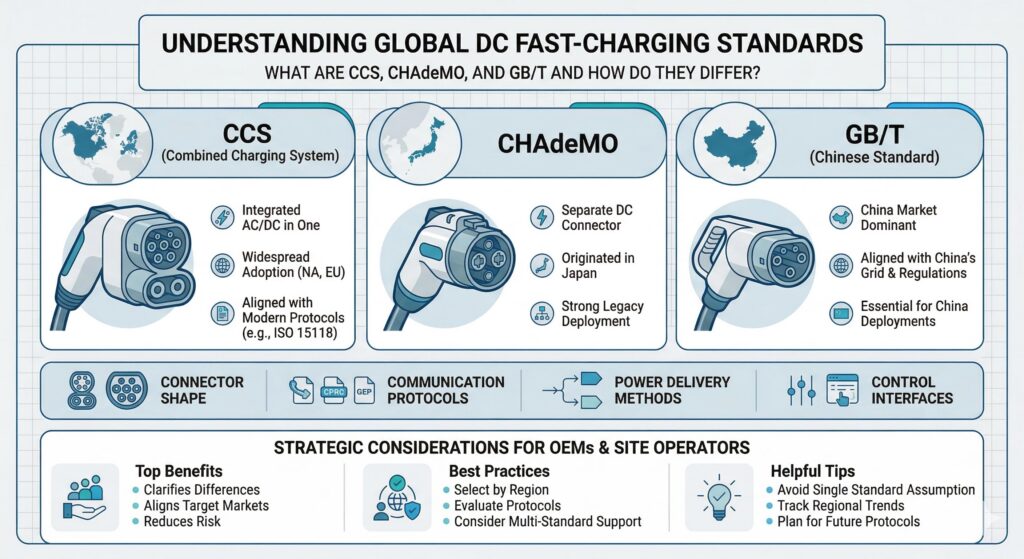
The differences between these standards go beyond connector shape. Each defines communication protocols, power delivery methods, and control interfaces between the charger and the vehicle. CCS integrates both AC and DC charging in a single connector and is increasingly aligned with modern communication protocols. CHAdeMO uses a separate connector and has strong legacy deployment in Japan and early EV markets. GB/T is tightly aligned with China’s regulatory and grid requirements, making it essential for that market.
FEATURED PRODUCTS
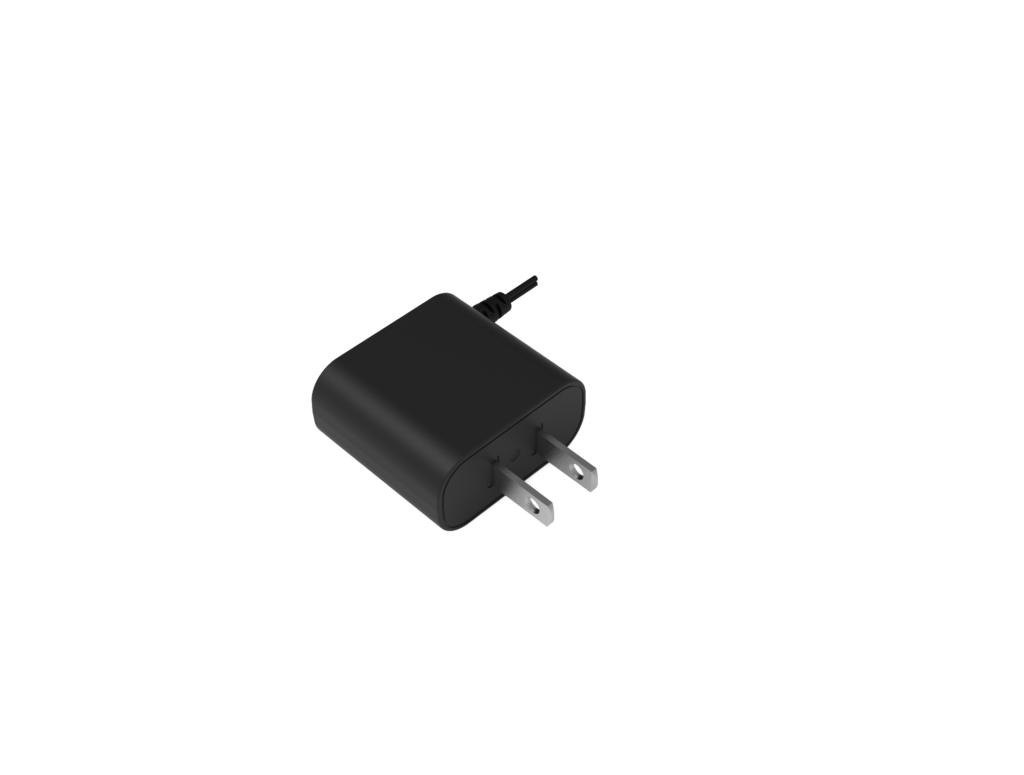
AA03A-075A-R
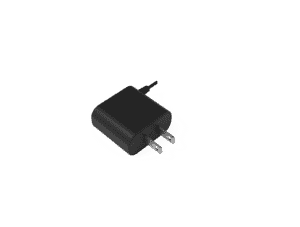
- Output Power - 2.75W
- Output Volt - 7.5V
- Output Current - 0.366A
- Features - Fixed Blade AC Input, Limited Power Source, Class B EMI, Level VI Efficiency, Standard Barrel Connector
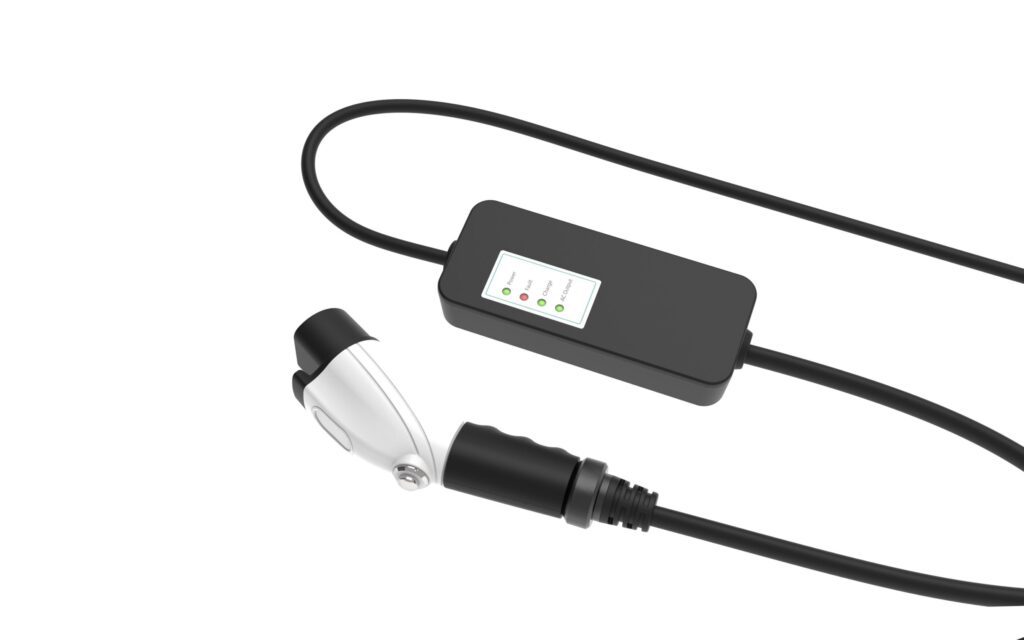
AC Series
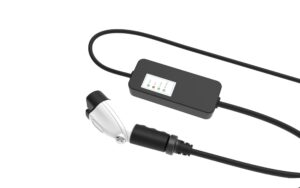
- Output Current - 16A
- Features - Mode 2-chargers can use a circuit ranging from 8Amp to 16Amp with a local standard AC input plug installed for operation, Provides overcurrent, over voltage and short circuit protection, Protected against strong jets of water from all directions, Continuously monitors/supervises the ground connection between the AC supply and EV to ensure safe and reliable charging
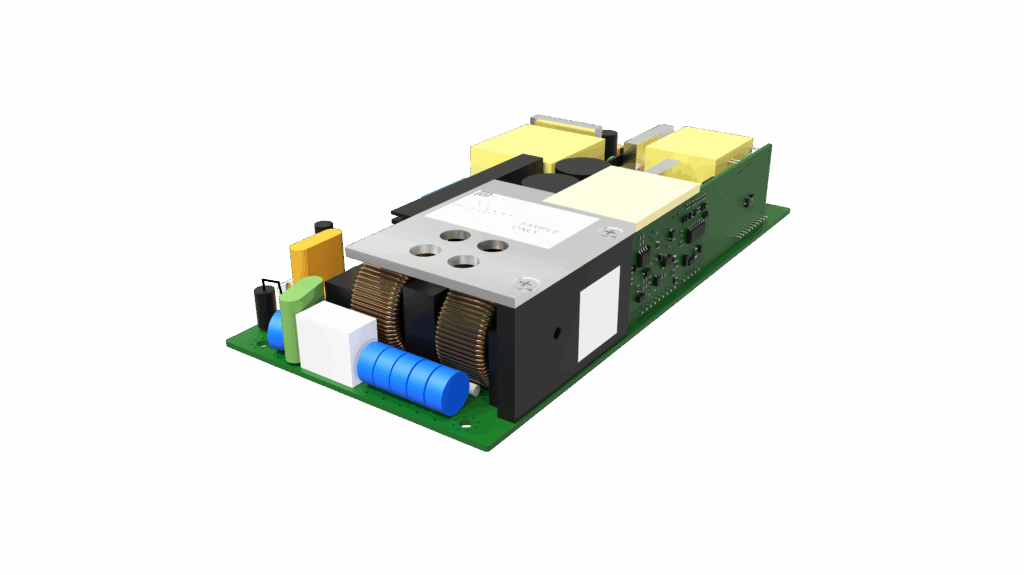
BF550-234B-R
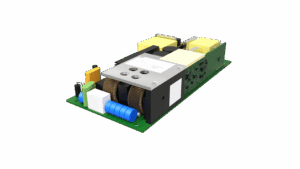
- Output Power - 550W
- Output Volt - 12Vdc / 54.5Vdc
- Features - Universal AC Input range, Class I Design , Class B EMI , High Efficiency Performance , OVP, OCP, SCP, OTP Protections , Operating Altitude: 5,000M
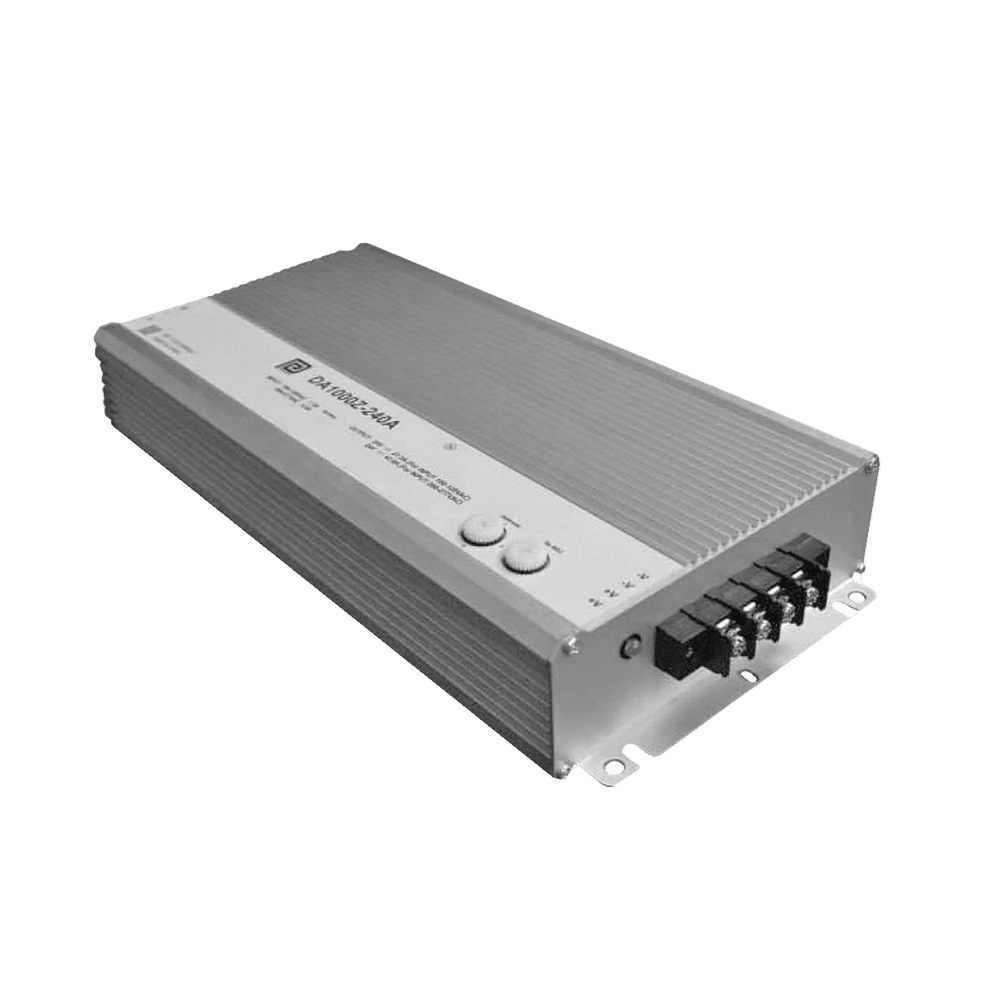
DA1000Z-240AEV-R
- Output Power - 1000W
- Output Volt - 24V
- Output Current - 42A
- Features - Extended operating temperature range of -40℃ to 70℃, Fan-less aluminum case filled with heat conductive glue, Able to withstand 10G vibration, Power on LED indicator, Short Circuit, Over Current, Over Voltage, and Over Temperature Protections, & Adjustable output through potentiomete
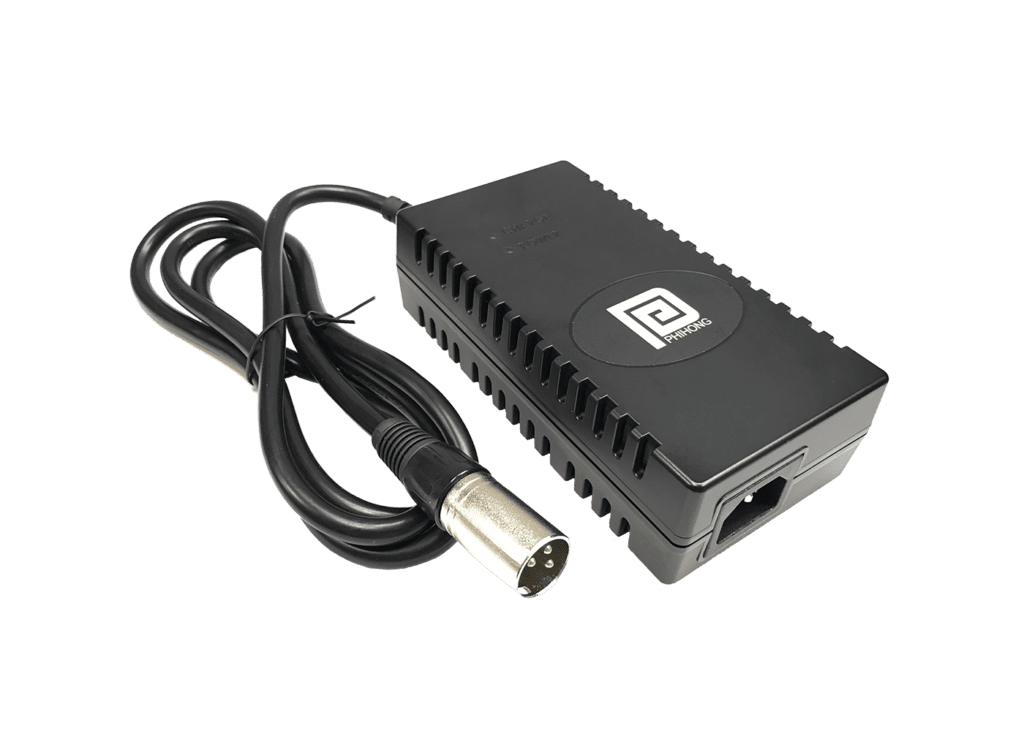
DA60U-240A-R
- Output Power - 60W
- Output Volt - 24V
- Output Current - 2.5A
- # of ports - 1
- Features - RESNA Compliant, CEC Compliant, LED Indicators Charge State, OVP, OTP, SCP, Charges AGM Batteries, Max 12hrs Charging Time
DA200U-250A-R
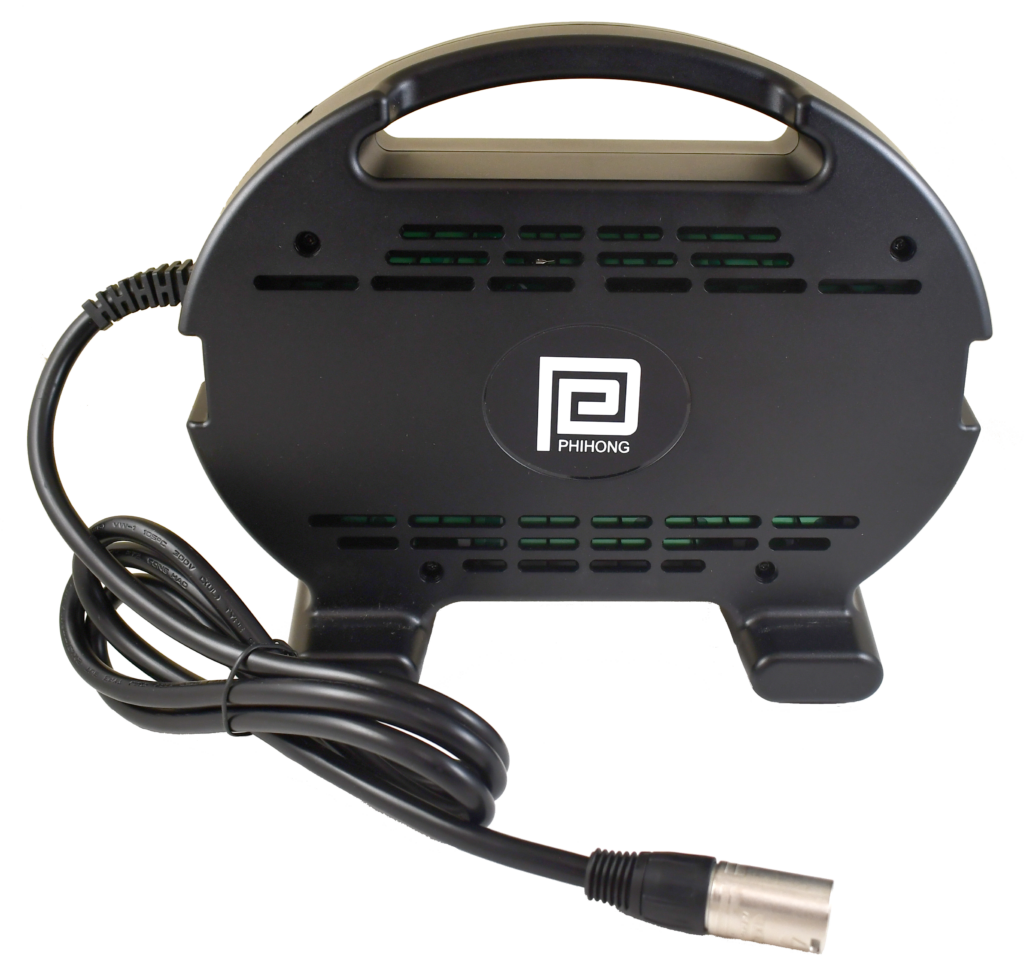
- Output Power - 200W
- Output Volt - 24V
- Output Current - 8A
- # of ports - 1
- Features - RESNA Compliant, CEC Compliant, LED Indicators Charge State, OVP, OTP, SCP, Dual-Mode Charger, Charges GEL or AGM batteries, Max 12hrs Charging Time
Because these standards are region-specific, supporting the wrong one can limit deployment opportunities. OEMs must align charger design with target markets and consider whether multi-standard support is required for flexibility.
Top Benefits
• Clarifies key differences between global DC fast-charging standards
• Helps OEMs align product design with target markets
• Reduces risk of incompatible deployments
Best Practices
• Select standards based on geographic deployment strategy
• Evaluate communication protocol requirements alongside connectors
• Consider multi-standard support for global flexibility
Helpful Tips
• Avoid assuming one global standard applies everywhere
• Track regional adoption trends before finalizing design
• Plan for future protocol evolution
Mini Q&A
Is CCS becoming the global standard?
It is dominant in many regions but not universal.
Is CHAdeMO still relevant?
Yes, especially in Japan and legacy deployments.
Is GB/T only used in China?
Primarily yes, due to regulatory alignment.
Understanding these standards is the foundation for EV fast-charging strategy.
(Suggested Links: EV Charging | EV Chargers – DS60 Series)
How Does Regional Deployment Strategy Influence Charging Standard Selection?
Regional deployment strategy is the most important factor when choosing between CCS, CHAdeMO, and GB/T. Each standard is closely tied to local regulations, vehicle compatibility, and infrastructure investment. OEMs and site operators must align charger design with where the equipment will be installed, not just where it is manufactured.
In North America and Europe, CCS is the preferred standard for most new DC fast-charging installations. Many vehicle manufacturers in these regions support CCS, making it the default choice for public and commercial sites. In Japan, CHAdeMO remains relevant due to existing infrastructure and vehicle compatibility. In China, GB/T is required for compliance with national standards and dominates the market.
For global OEMs, supporting multiple standards may be necessary. This can be achieved through modular connector design or multi-port chargers. However, multi-standard support introduces complexity in hardware, software, and certification, which must be planned early.
Top Benefits
• Aligns charger design with regional market requirements
• Prevents deployment limitations due to incompatibility
• Supports global expansion strategies
Best Practices
• Map charging standards to target deployment regions
• Validate vehicle compatibility for each market
• Plan certification requirements alongside standard selection
Helpful Tips
• Consider phased deployment if entering multiple markets
• Avoid overbuilding for standards not required in target regions
• Monitor regional regulatory changes
Mini Q&A
Can one charger support all regions?
Not typically without multi-standard design.
Is regional compliance mandatory?
Yes, standards are often enforced by regulation.
Should OEMs design for future expansion?
Yes, if entering multiple markets.
Choosing the right standard based on region is critical to successful deployment.
(Suggested Links: EV Charging | Industrial Power Supplies)
What Technical and System-Level Factors Affect Standard Selection?
Technical and system-level factors also influence whether CCS, CHAdeMO, or GB/T is the best fit for a given application. These include communication protocols, power levels, connector design, and integration with backend systems. Each standard has different requirements for signaling, control, and safety interaction between the charger and vehicle.
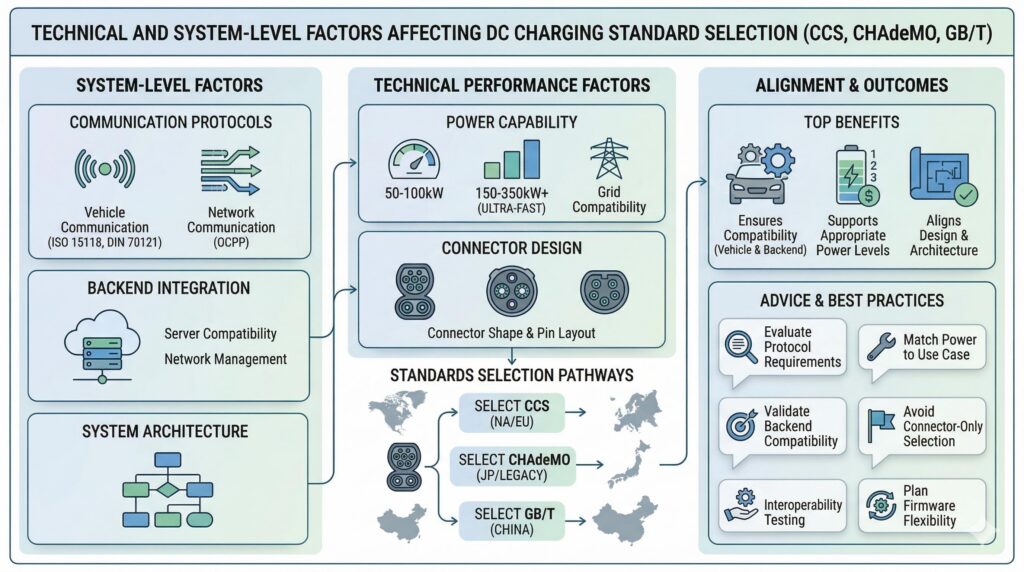
Power capability is another key factor. Modern CCS implementations support higher power levels suitable for ultra-fast charging, making them attractive for high-throughput commercial sites. CHAdeMO has historically supported lower power levels but continues to evolve. GB/T is designed for compatibility with China’s grid and vehicle ecosystem, influencing how chargers are integrated into local infrastructure.
Backend integration and communication standards such as OCPP must also be considered. Chargers must support both the vehicle communication protocol and the network management protocol, requiring careful system design. OEMs should evaluate how each charging standard aligns with their overall architecture.
Top Benefits
• Ensures compatibility with vehicle and backend systems
• Supports appropriate power levels for the application
• Aligns charger design with system architecture
Best Practices
• Evaluate communication protocol requirements for each standard
• Match charger power capability to site use case
• Validate backend compatibility alongside hardware selection
Helpful Tips
• Avoid selecting standards based only on connector type
• Test interoperability with target vehicles
• Plan firmware flexibility for evolving standards
Mini Q&A
Do all standards support the same power levels?
No, capabilities vary by implementation and version.
Is backend integration affected by charging standard?
Yes, communication layers must align.
Can standards evolve after deployment?
Yes, firmware and protocol updates are common.
Technical alignment ensures the chosen standard performs as expected in real deployments.
(Suggested Links: EV Chargers – DS60 Series | EV Charging)
CLIENT'S QUOTE
Phihong's Power-Over-Ethernet solutions have transformed our network, boosting efficiency and reducing costs. Their seamless integration has simplified both installation and maintenance.
Should OEMs Support Multiple Charging Standards or Focus on One?
Deciding whether to support multiple charging standards or focus on a single one is a strategic choice that affects cost, complexity, and market reach. Supporting CCS, CHAdeMO, and GB/T within a single charger platform allows OEMs to address multiple regions and vehicle types, but it introduces additional hardware interfaces, communication layers, and certification requirements.
Multi-standard chargers are often deployed in international or transitional markets where multiple vehicle types coexist. These systems provide flexibility for site operators but require more complex integration, increased maintenance considerations, and higher upfront cost. Each connector type must be validated independently for safety, communication, and interoperability.
Focusing on a single standard simplifies design and reduces cost but limits deployment flexibility. This approach works well for region-specific deployments where one standard clearly dominates. OEMs must weigh flexibility against complexity when defining their product strategy.
Top Benefits
• Expands deployment flexibility across multiple markets
• Supports mixed vehicle ecosystems
• Future-proofs infrastructure in transitional regions
Best Practices
• Align standard support with target market strategy
• Evaluate cost and complexity of multi-standard integration
• Validate interoperability for each supported standard
Helpful Tips
• Avoid unnecessary multi-standard support for single-region deployments
• Consider modular designs for future expansion
• Plan maintenance strategy for multiple connector types
Mini Q&A
Are multi-standard chargers more complex?
Yes, they require additional hardware and validation.
Do all sites need multiple standards?
No, many deployments are region-specific.
Is modular design a good compromise?
Yes, it allows future flexibility.
Balancing flexibility and complexity is key when choosing standard support strategy.
(Suggested Links: EV Charging | EV Chargers – DS60 Series)
How Are CCS, CHAdeMO, and GB/T Evolving and What Does That Mean for OEMs?
Charging standards continue to evolve as EV adoption grows and power requirements increase. CCS is currently advancing toward higher power levels and improved communication capabilities, making it the dominant standard in many global markets. CHAdeMO, while less prevalent in new deployments, continues to evolve and remains important in regions with existing infrastructure. GB/T continues to develop in alignment with China’s regulatory and grid systems.
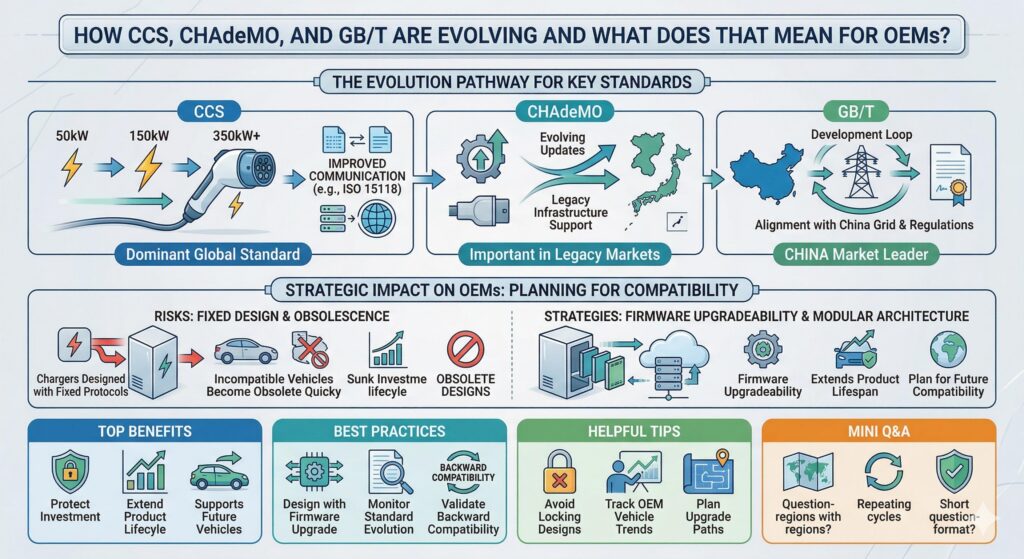
For OEMs, this evolution means that today’s decisions must account for future compatibility. Chargers designed with fixed protocols or limited upgrade capability may become obsolete more quickly. Firmware upgradeability and modular communication architectures help extend product lifespan as standards evolve.
OEMs must also consider how quickly different regions adopt new versions of standards. Infrastructure upgrades often lag behind vehicle capabilities, requiring chargers to support both legacy and newer implementations during transition periods.
Top Benefits
• Protects investment against evolving standards
• Extends product lifecycle through upgradeability
• Supports compatibility with future vehicles
Best Practices
• Design chargers with firmware upgrade capability
• Monitor standard evolution in target markets
• Validate backward compatibility where required
Helpful Tips
• Avoid locking designs to a single protocol version
• Track OEM vehicle trends alongside standards
• Plan upgrade paths during initial product design
Mini Q&A
Will one standard replace all others?
Unlikely in the short term due to regional differences.
Do standards evolve after deployment?
Yes, updates are ongoing.
Should OEMs design for upgradeability?
Yes, it reduces long-term risk.
Understanding standard evolution helps OEMs build future-ready charging solutions.
(Suggested Links: EV Chargers – DS60 Series | EV Charging)
What Operational and Maintenance Factors Influence Charging Standard Choice?
Operational and maintenance considerations play a significant role in selecting charging standards. Each standard introduces different connector designs, cable handling requirements, and service expectations. High-power DC fast chargers experience wear on connectors and cables, making durability and ease of replacement important factors.
Multi-standard systems may increase maintenance complexity, as technicians must support different connector types and communication protocols. Spare parts inventory, training requirements, and service procedures all expand when multiple standards are involved. This can increase operational cost if not managed carefully.
Network management also varies. Backend systems must handle session control, fault reporting, and updates across different standards consistently. OEMs and operators should evaluate how standard choice affects day-to-day operations, not just initial deployment.
Top Benefits
• Improves operational efficiency and uptime
• Reduces maintenance complexity
• Supports predictable service planning
Best Practices
• Evaluate connector durability and service requirements
• Align spare parts strategy with supported standards
• Ensure backend systems handle all supported protocols
Helpful Tips
• Standardize maintenance procedures where possible
• Train service teams on specific connector types
• Monitor wear patterns on high-use connectors
Mini Q&A
Do different standards affect maintenance cost?
Yes, multi-standard systems increase complexity.
Are connectors a common failure point?
Yes, especially in high-use environments.
Should operations influence standard selection?
Absolutely, it impacts long-term cost.
Operational considerations ensure charging standards remain manageable over time.
(Suggested Links: EV Charging)
How Phihong Supports CCS, CHAdeMO, and GB/T DC Fast Charging Deployments
Phihong supports OEMs and site operators by designing DC fast chargers that align with regional standards while maintaining flexibility for evolving requirements. Charger platforms are developed to integrate with CCS, CHAdeMO, or GB/T depending on deployment needs, allowing OEMs to match infrastructure with target markets without compromising reliability or compliance.
Phihong emphasizes system-level performance across power delivery, communication, and site integration. Chargers are validated for sustained high-power operation, stable network communication, and predictable thermal behavior, ensuring reliable operation in real-world environments. Multi-standard and upgrade-ready architectures allow operators to adapt to changing vehicle ecosystems and regulatory requirements.
As a global manufacturer, Phihong also provides lifecycle stability, compliance support, and documentation continuity. This enables OEMs to deploy DC fast charging infrastructure that scales across regions while maintaining consistent performance and serviceability.

FEATURED RESOURCE
Phihong's Power-Over-Ethernet solutions have transformed our network, boosting efficiency and reducing costs.
FAQ
Which EV fast-charging standard is most widely used globally?
CCS is currently the most widely adopted standard in North America and Europe and is expanding globally. However, GB/T dominates in China, and CHAdeMO remains relevant in Japan and legacy deployments.
OEMs must choose based on target markets rather than assuming a single global standard.
Should OEMs support multiple charging standards in one charger?
Supporting multiple standards provides flexibility but increases design complexity, cost, and maintenance requirements. It is often beneficial in mixed or transitional markets.
For single-region deployments, focusing on one standard is usually more efficient.
How does charging standard selection affect site design?
Charging standards influence connector type, communication protocols, and power delivery characteristics. These factors affect cable management, backend integration, and compliance requirements.
Choosing the right standard ensures smoother deployment and operation.
Can DC fast chargers be upgraded to support new standards?
Some chargers support firmware upgrades for protocol evolution, but physical connector standards typically require hardware design consideration. Modular designs can help accommodate future changes.
Planning for upgradeability early protects infrastructure investment.
What is the biggest mistake OEMs make when selecting charging standards?
The most common mistake is selecting a standard without aligning it to the target deployment region or future expansion plans. This can limit usability and require costly redesign later.
Strategic planning reduces long-term risk.
POE technology supports the centralization of power

AC Adapter Guide: Everything You Need to Know
Moreover, PoE technology supports the centralization of power management. By powering devices through a PoE-enabled network …
AC DC Power Chargers and How They Work: A Comprehensive Technical Breakdown
Moreover, PoE technology supports the centralization of power management. By powering devices through a PoE-enabled network …

USB-C Charger: Shaping the Future of the Tech World
Moreover, PoE technology supports the centralization of power management. By powering devices through a PoE-enabled network …

AC Adapter Guide: Everything You Need to Know
Moreover, PoE technology supports the centralization of power management. By powering devices through a PoE-enabled network …

AC DC Power Chargers and How They Work: A Comprehensive Technical Breakdown
Moreover, PoE technology supports the centralization of power management. By powering devices through a PoE-enabled network …

USB-C Charger: Shaping the Future of the Tech World
Moreover, PoE technology supports the centralization of power management. By powering devices through a PoE-enabled network …