






BLOG
Medical Power Supply: How to Choose the Best Solution for Safe, Reliable Medical Devices
QUICK LINKS
Why Are Medical Power Supplies Different from Standard Industrial Power Supplies?
Medical power supplies are fundamentally different because they must meet stricter safety, isolation, and reliability requirements to protect patients and operators. Unlike industrial power systems, medical devices often come into direct or indirect contact with patients, which increases the importance of electrical safety and fault protection.
These power supplies must comply with standards such as IEC 60601, which define limits for leakage current, insulation, and isolation. Even small deviations from these requirements can result in certification failure or unsafe operating conditions. As a result, medical power supplies are designed with additional layers of protection and validation.
Reliability expectations are also higher. Medical devices are often used in critical environments where failure is not acceptable. Power supply performance must remain stable under varying load, temperature, and operational conditions over long lifecycles.
Why This Matters
• Patient safety depends on power supply design
• Compliance requirements are stricter than industrial systems
• Reliability expectations are significantly higher
What’s Driving This Shift
• Increasing regulatory requirements in medical devices
• Growth of connected and portable medical equipment
• Demand for higher safety and reliability standards
What OEMs Should Do Now
• Select power supplies designed for medical compliance standards
• Evaluate safety and isolation requirements early
• Align design with long-term reliability expectations
Mini Q&A
Why are medical power supplies more regulated?
Because they may interact directly with patients.
Can industrial power supplies be used in medical devices?
Not without meeting medical safety standards.
Is reliability more critical in medical applications?
Yes, failure can have serious consequences.
Medical power supply design is driven by safety and compliance, not just performance.
FEATURED PRODUCTS
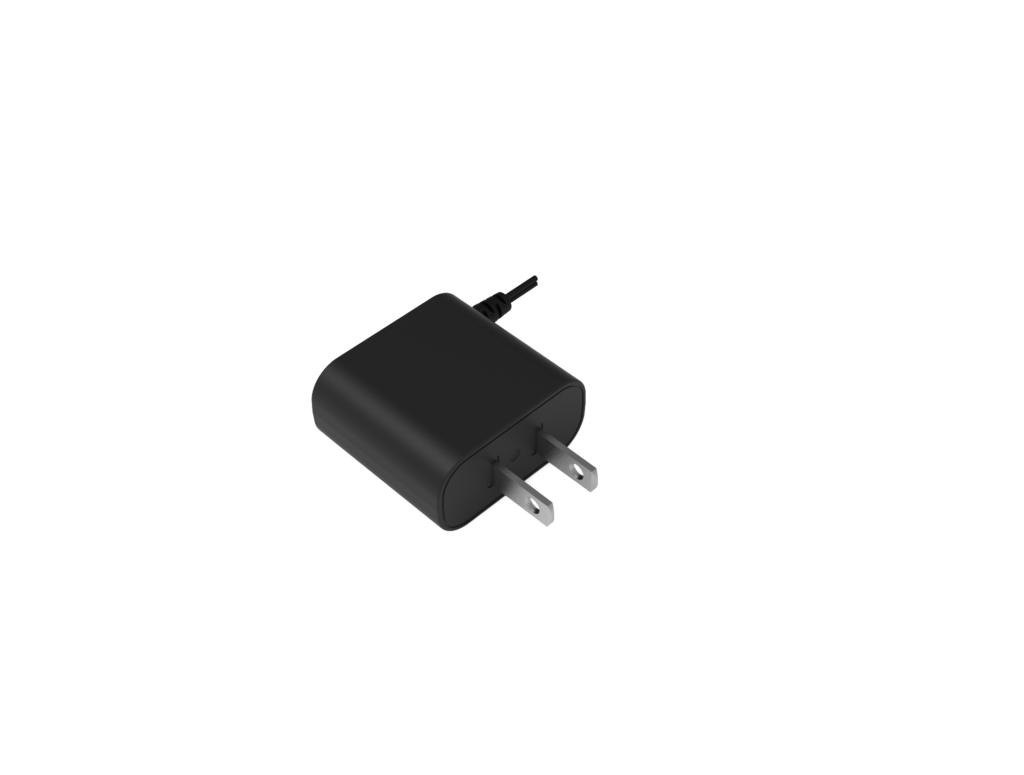
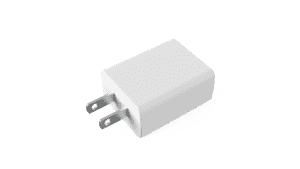
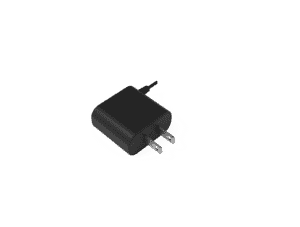
AA03A-075A-R
- Output Power - 2.75W
- Output Volt - 7.5V
- Output Current - 0.366A
- Features - Fixed Blade AC Input, Limited Power Source, Class B EMI, Level VI Efficiency, Standard Barrel Connector
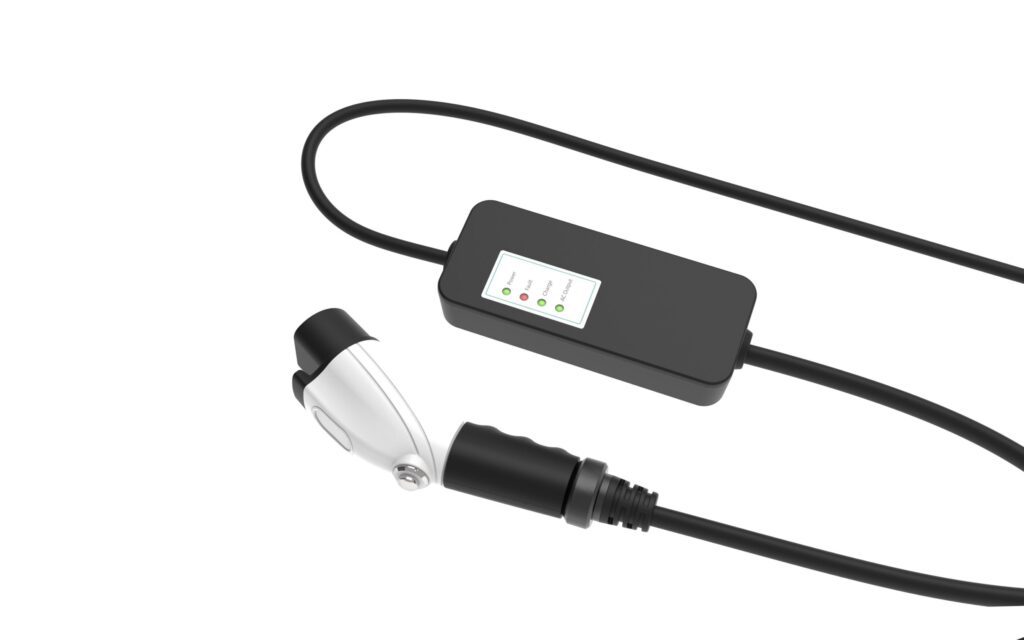
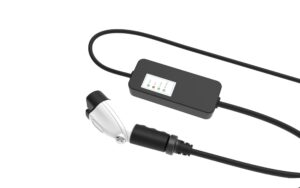
AC Series
- Output Current - 16A
- Features - Mode 2-chargers can use a circuit ranging from 8Amp to 16Amp with a local standard AC input plug installed for operation, Provides overcurrent, over voltage and short circuit protection, Protected against strong jets of water from all directions, Continuously monitors/supervises the ground connection between the AC supply and EV to ensure safe and reliable charging
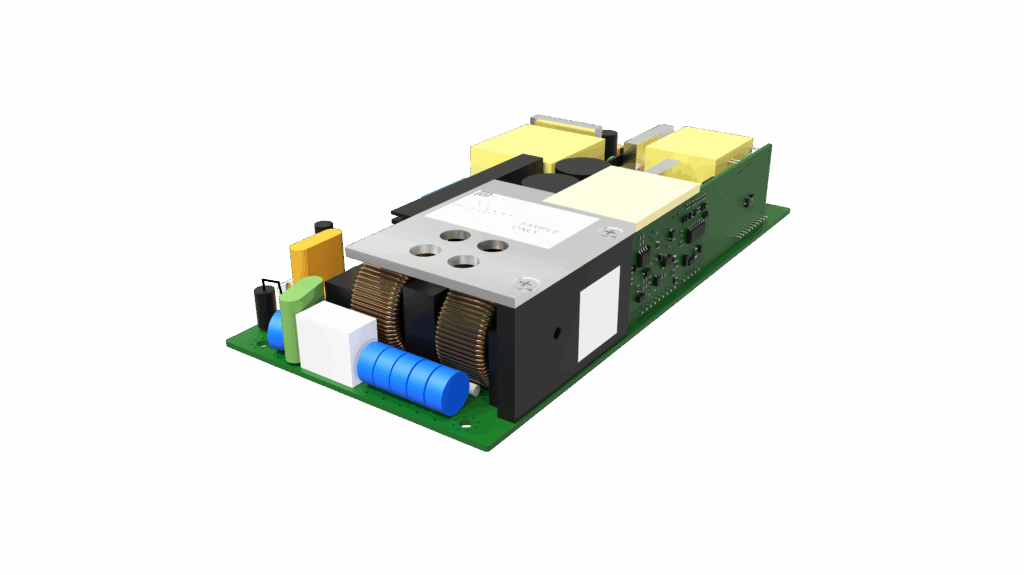
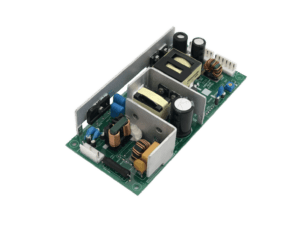
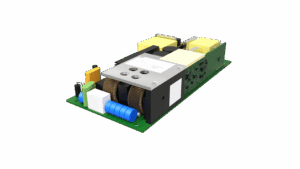
BF550-234A-R
- Output Power - 550W
- Output Volt - 12Vdc / 54.5Vdc
- Features - Universal AC Input range, Class I Design , Class B EMI , High Efficiency Performance , OVP, OCP, SCP, OTP Protections , Operating Altitude: 5,000M
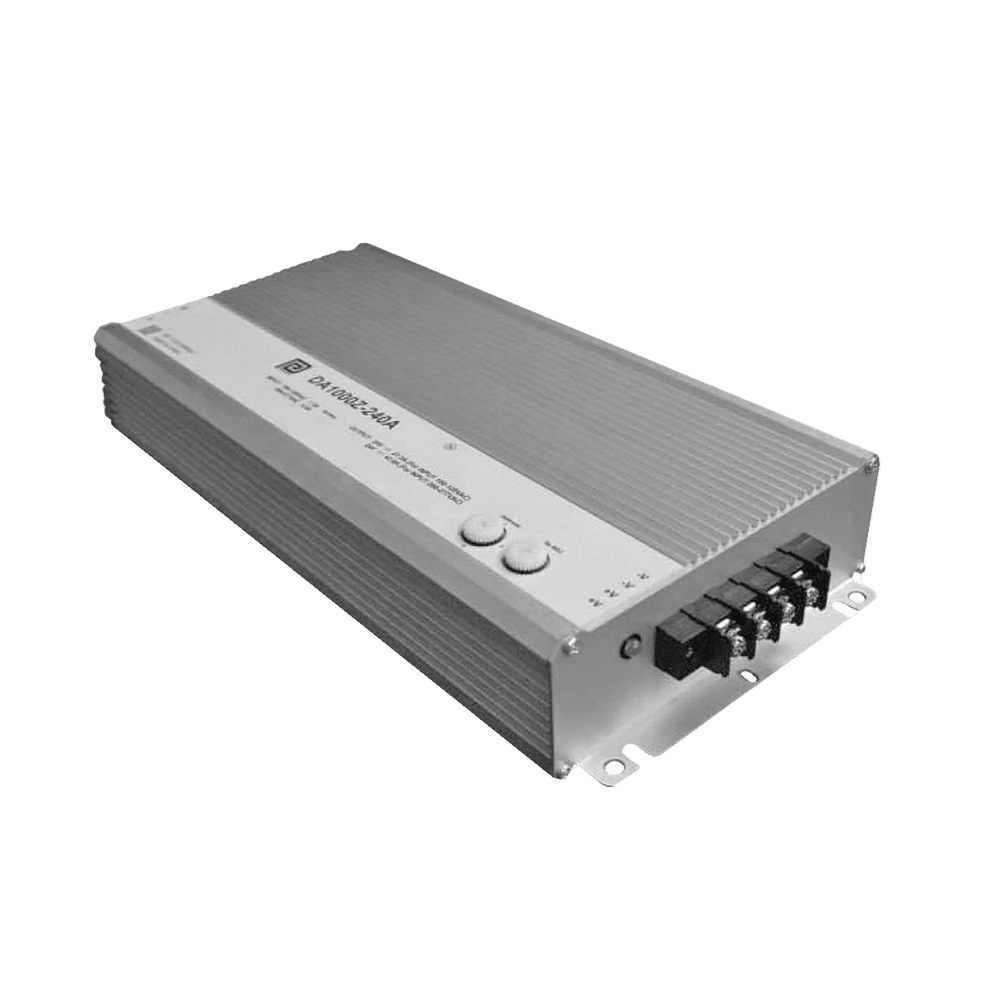
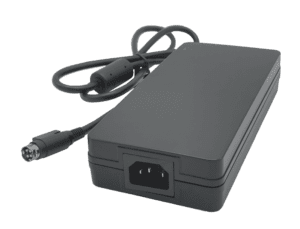
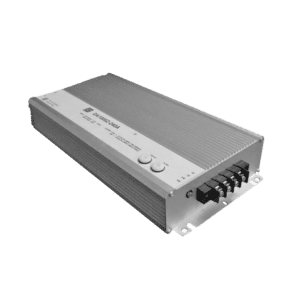
DA1000Z-240AEV-R
- Output Power - 1000W
- Output Volt - 24V
- Output Current - 1000W
- Features - Extended operating temperature range of -40℃ to 70℃, Fan-less aluminum case filled with heat conductive glue, Able to withstand 10G vibration, Power on LED indicator, Short Circuit, Over Current, Over Voltage, and Over Temperature Protections, & Adjustable output through potentiomete
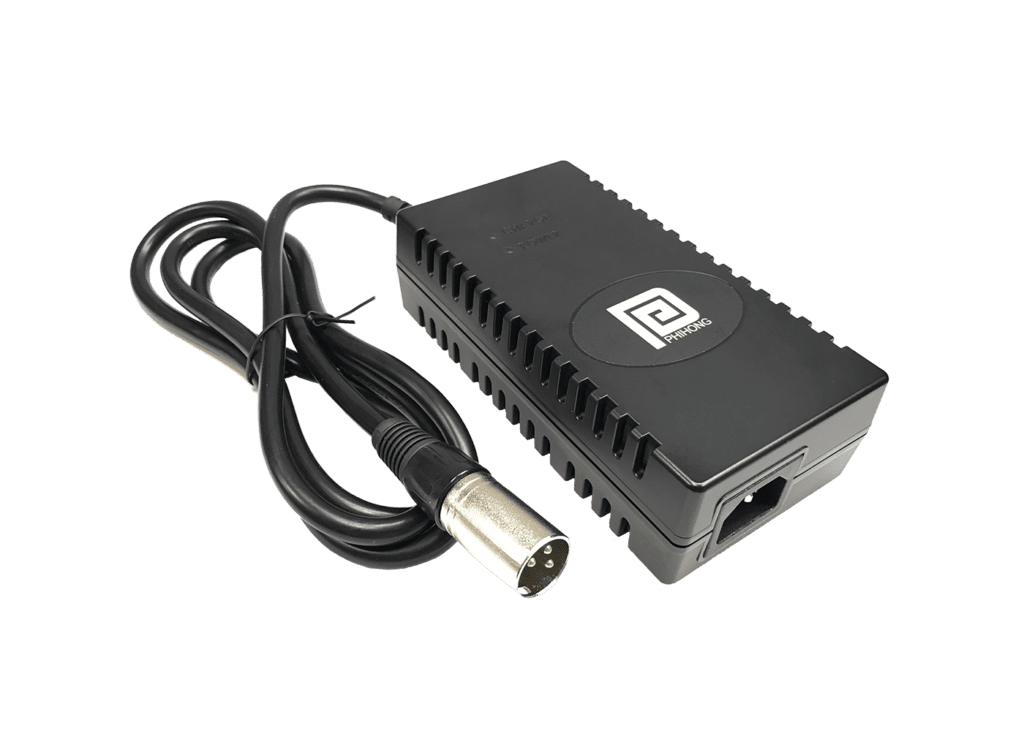
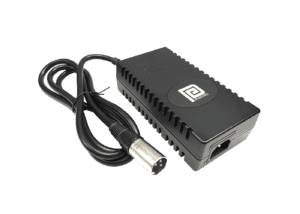
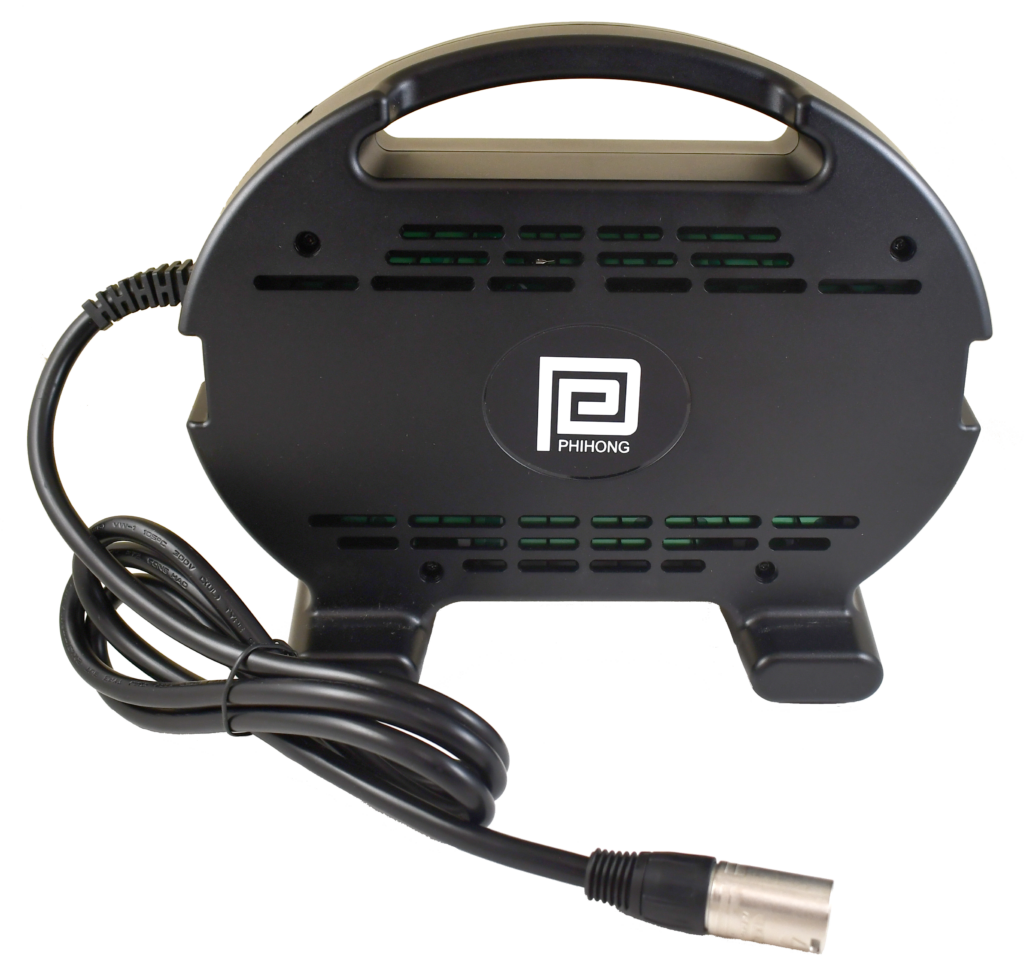
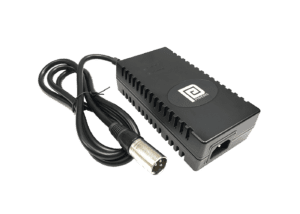
DA60U-240A-R
- Output Power - 60W
- Output Volt - 24V
- Output Current - 2.5A
- # of ports - 1
- Features - RESNA Compliant, CEC Compliant, LED Indicators Charge State, OVP, OTP, SCP, Charges AGM Batteries, Max 12hrs Charging Time
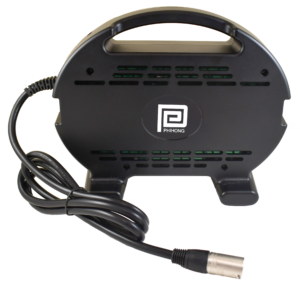
DA200U-250A-R
- Output Power - 200W
- Output Volt - 24V
- Output Current - 8A
- # of ports - 1
- Features - RESNA Compliant, CEC Compliant, LED Indicators Charge State, OVP, OTP, SCP, Dual-Mode Charger, Charges GEL or AGM batteries, Max 12hrs Charging Time
What Safety and Compliance Standards Must Medical Power Supplies Meet?
Medical power supplies must meet strict international standards to ensure safe operation. The most widely recognized is IEC 60601, which defines requirements for electrical safety, isolation, and leakage current. These standards vary depending on the device classification and application.
Leakage current limits are particularly important. Medical power supplies must minimize current that could pass through the patient, especially in devices that have direct contact. Insulation and isolation design must also meet defined requirements to prevent electrical hazards.
Compliance is not a one-time activity. Power supplies must maintain compliance across different configurations, environments, and product updates. This requires careful design and validation at both the component and system level.
Why This Matters
• Ensures patient and operator safety
• Enables regulatory approval and certification
• Reduces risk of product failure or recall
What’s Driving This Shift
• Global adoption of standardized safety regulations
• Increased scrutiny in medical device certification
• Need for consistent compliance across markets
What OEMs Should Do Now
• Identify applicable standards for target markets
• Validate compliance at both component and system levels
• Maintain documentation for certification processes
Mini Q&A
What is IEC 60601?
It is the primary safety standard for medical electrical equipment.
Why is leakage current important?
It affects patient safety directly.
Is compliance required globally?
Yes, though standards may vary by region.
Compliance is a continuous requirement, not just a certification step.
How Do Isolation, Leakage Current, and Patient Protection Influence Design?
Isolation and leakage current are central to medical power supply design because they directly affect patient protection. Medical devices are classified based on how they interact with patients, and this classification determines the required level of protection.
Isolation refers to the separation between input and output circuits, preventing dangerous voltages from reaching the patient. Higher isolation levels are required for devices with direct patient contact. Leakage current must be minimized to meet strict safety limits defined by medical standards.
These requirements influence component selection, layout, and overall architecture. Designers must balance performance, size, and efficiency with safety constraints, making medical power supply design more complex than standard applications.
Why This Matters
• Directly impacts patient safety
• Determines compliance with medical standards
• Influences overall system design
What’s Driving This Shift
• Increasing use of patient-connected devices
• Stricter safety and certification requirements
• Demand for portable and compact medical equipment
What OEMs Should Do Now
• Define patient classification early in design
• Select components that meet isolation requirements
• Validate leakage current under real conditions
Mini Q&A
What is isolation in power supplies?
It prevents dangerous voltage transfer between circuits.
Why is leakage current critical?
It must be minimized to protect patients.
Does device type affect requirements?
Yes, classification determines safety levels.
Patient protection requirements shape every aspect of medical power supply design.
CLIENT'S QUOTE
Phihong’s custom OEM power solutions have transformed our product development, boosting performance and reducing overhead. Their expert engineering support has simplified both the design and manufacturing phases.
How Do Reliability and Lifecycle Requirements Affect Medical Power Supply Selection?
Reliability and lifecycle requirements are critical because medical devices are expected to operate consistently over extended periods, often in continuous-use environments. Power supplies must maintain stable output under varying loads, temperatures, and usage conditions without degradation that could affect device performance.
Lifecycle expectations are also longer in many medical applications compared to consumer products. Devices may remain in service for years, requiring power supplies with long-term component availability and predictable aging behavior. Unexpected failures or component obsolescence can disrupt both production and service.
OEMs must evaluate reliability not just through initial testing but across the full product lifecycle. This includes considering thermal stress, duty cycle, and how the power supply performs over time in real operating conditions.
Why This Matters
• Ensures consistent operation in critical medical environments
• Reduces risk of failure during long-term use
• Supports product lifecycle stability and serviceability
What’s Driving This Shift
• Increasing demand for long-lifecycle medical devices
• Need for consistent performance under continuous operation
• Greater focus on reliability in regulated environments
What OEMs Should Do Now
• Evaluate long-term reliability and component lifecycle
• Validate performance under sustained operating conditions
• Plan for lifecycle support and availability
Mini Q&A
Why is reliability more critical in medical devices?
Because failures can impact patient safety.
Do medical devices require longer lifecycles?
Yes, many operate for extended periods.
Can component aging affect performance?
Yes, it can impact reliability over time.
Reliability must be considered across the entire lifecycle, not just at launch.
How Do Thermal and Enclosure Design Impact Medical Power Supply Performance?
Thermal and enclosure design significantly impact how medical power supplies perform in real applications. Medical devices often have compact form factors, which can limit airflow and increase internal temperatures. This makes thermal management a key factor in maintaining reliability and compliance.
Power supplies must operate within safe temperature ranges to prevent overheating and ensure stable performance. Poor thermal design can lead to derating, reduced efficiency, or premature component failure. Enclosure design must also account for airflow paths, heat dissipation, and environmental conditions.
OEMs must evaluate thermal performance within the final device, not just in open-air testing. Real-world conditions, including other heat-generating components and restricted airflow, can significantly affect performance.
Why This Matters
• Thermal performance directly affects reliability
• Poor enclosure design can cause overheating
• Stable temperature control supports compliance
What’s Driving This Shift
• Increasing miniaturization of medical devices
• Higher power density in compact systems
• Need for consistent performance in varied environments
What OEMs Should Do Now
• Validate thermal performance in final enclosures
• Design airflow paths and heat dissipation early
• Monitor temperature under real operating conditions
Mini Q&A
Do compact designs increase thermal risk?
Yes, limited airflow can raise temperatures.
Is open-air testing sufficient?
No, enclosure testing is essential.
Can thermal issues affect compliance?
Yes, overheating can impact safety and reliability.
Thermal design is a critical factor in ensuring stable medical device operation.
How Should OEMs Choose the Right Medical Power Supply Architecture?
Choosing the right power supply architecture requires balancing safety, performance, size, and compliance requirements. OEMs must consider whether internal, external, or modular power supply designs best fit their application and regulatory needs.
Internal power supplies offer tighter integration but require careful design to meet safety and thermal requirements. External adapters simplify compliance and isolation but may limit flexibility. Modular approaches provide scalability but can introduce additional complexity.
The selection depends on device type, patient interaction level, and deployment environment. OEMs must evaluate architecture choices early to avoid redesign and ensure alignment with regulatory requirements.
Why This Matters
• Architecture choice affects safety and compliance
• Impacts design flexibility and integration
• Influences long-term product performance
What’s Driving This Shift
• Increasing diversity of medical device applications
• Need for flexible and scalable designs
• Growing complexity of compliance requirements
What OEMs Should Do Now
• Evaluate architecture options early in design
• Align selection with regulatory and safety requirements
• Consider integration and lifecycle implications
Mini Q&A
What types of architectures are available?
Internal, external, and modular designs.
Does architecture affect compliance?
Yes, it influences safety and isolation.
Should architecture be decided early?
Yes, late changes are costly.
Selecting the right architecture ensures alignment between design, safety, and performance.
How Phihong Supports OEMs Selecting Medical Power Supplies for Safe and Reliable Devices
Phihong supports OEMs by aligning medical power supply design with safety, compliance, and long-term reliability requirements. Power solutions are developed to meet medical standards such as IEC 60601 while maintaining consistent performance across different applications and environments. This helps OEMs navigate complex regulatory requirements without compromising design flexibility.
Power supplies are engineered with strong isolation, controlled leakage current, and predictable thermal behavior to support patient safety and device stability. Designs also consider lifecycle continuity, enabling OEMs to maintain compliance and performance over extended product lifespans.
Phihong emphasizes transparency and engineering collaboration. By providing documentation, validation support, and consistent manufacturing processes, OEMs can integrate medical power supplies into their devices with greater confidence.
Why This Matters
• Supports compliance with medical safety standards
• Improves reliability in critical applications
• Reduces risk during certification and deployment
What’s Driving This Shift
• Increasing regulatory requirements for medical devices
• Demand for high-reliability power solutions
• Need for long-term lifecycle stability
What OEMs Should Do Now
• Select suppliers with medical compliance expertise
• Align power supply design with safety requirements
• Plan for lifecycle and certification support
Phihong’s approach helps OEMs balance safety, compliance, and performance in medical applications.

CONTACT US TODAY
From concept to production, Phihong delivers custom OEM power solutions tailored to your specifications.
FAQ
What makes a power supply “medical grade”?
A medical-grade power supply meets standards such as IEC 60601, including strict requirements for isolation, leakage current, and safety. These ensure protection for patients and operators.
Compliance defines the classification.
Why is leakage current important in medical devices?
Leakage current must be minimized to prevent electrical risk to patients, especially in devices with direct contact. Medical standards define strict limits.
It is a core safety requirement.
Can standard power supplies be used in medical applications?
Not without meeting medical compliance standards. Using non-compliant power supplies can lead to certification failure and safety risks.
Medical applications require specialized designs.
How does power supply reliability affect medical devices?
Reliable power ensures consistent device operation. Failures can disrupt treatment or monitoring, making reliability critical.
Performance stability is essential.
What should OEMs prioritize when selecting medical power supplies?
OEMs should prioritize safety, compliance, reliability, and lifecycle support. These factors ensure long-term device performance and certification success.
Planning early is key.
POE technology supports the centralization of power

AC Adapter Guide: Everything You Need to Know
Moreover, PoE technology supports the centralization of power management. By powering devices through a PoE-enabled network …
AC DC Power Chargers and How They Work: A Comprehensive Technical Breakdown
Moreover, PoE technology supports the centralization of power management. By powering devices through a PoE-enabled network …

USB-C Charger: Shaping the Future of the Tech World
Moreover, PoE technology supports the centralization of power management. By powering devices through a PoE-enabled network …

AC Adapter Guide: Everything You Need to Know
Moreover, PoE technology supports the centralization of power management. By powering devices through a PoE-enabled network …

AC DC Power Chargers and How They Work: A Comprehensive Technical Breakdown
Moreover, PoE technology supports the centralization of power management. By powering devices through a PoE-enabled network …

USB-C Charger: Shaping the Future of the Tech World
Moreover, PoE technology supports the centralization of power management. By powering devices through a PoE-enabled network …