









BLOG
Medical Power Supply vs Medical Power Adapter: What’s the Difference and Which One Do You Need?
QUICK LINKS

What Is the Difference Between a Medical Power Supply and a Medical Power Adapter?
The difference between a medical power supply and a medical power adapter lies primarily in integration, form factor, and how isolation is implemented. A medical power supply is typically an internal component integrated داخل the device, while a medical power adapter is an external unit that converts power outside the device enclosure.
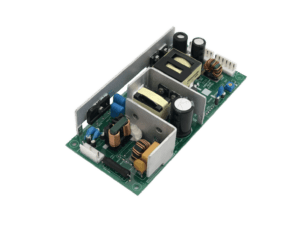
Medical power supplies are designed to be embedded within equipment such as diagnostic systems, imaging devices, or hospital-grade equipment. They require the OEM to manage enclosure design, thermal performance, and system-level safety. Medical power adapters, by contrast, are standalone external units that provide isolation and power conversion before electricity enters the device.
This distinction affects both design and compliance. External adapters often simplify safety requirements by moving high-voltage conversion outside the device, while internal power supplies offer tighter integration but require more complex design and validation.
Why This Matters
• Determines how safety and isolation are implemented
• Affects device design complexity and integration
• Influences compliance strategy
What’s Driving This Shift
• Growth of portable and home healthcare devices
• Need for flexible and scalable power solutions
• Increasing regulatory requirements
What OEMs Should Do Now
• Evaluate whether internal or external power is more suitable
• Align selection with device architecture and use case
• Consider compliance implications early
Mini Q&A
What is a medical power adapter?
An external unit that converts and isolates power.
What is a medical power supply?
An internal power system integrated into the device.
Are they interchangeable?
No, they serve different design purposes.
Understanding this distinction is the first step in selecting the right solution.
FEATURED PRODUCTS
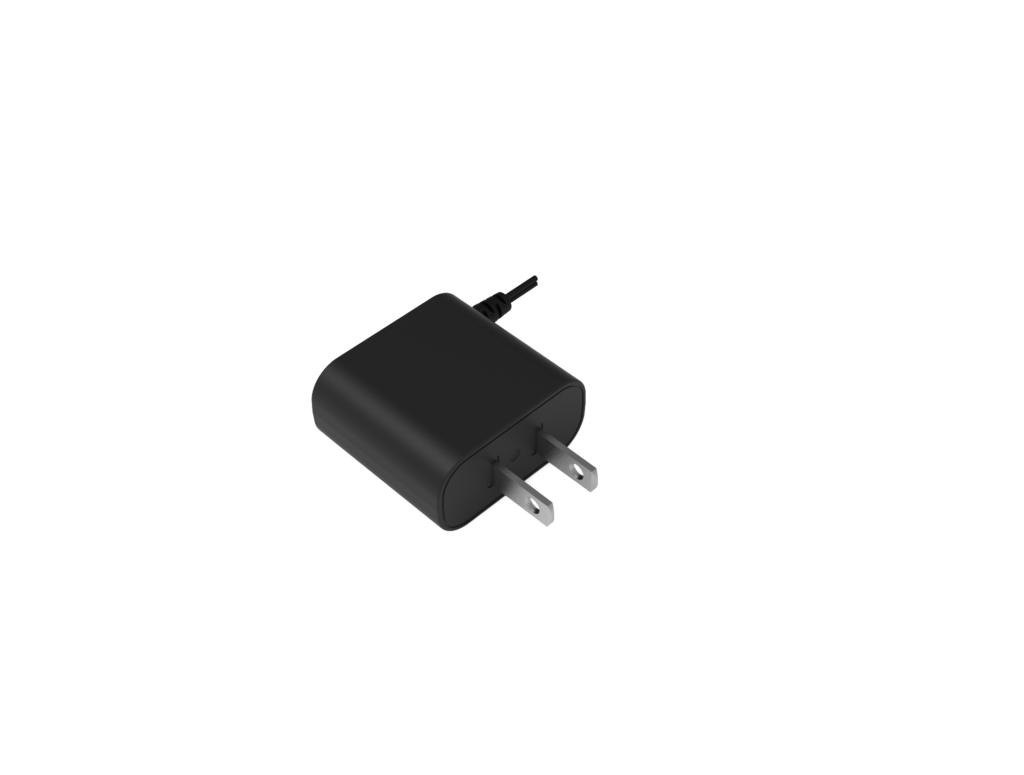
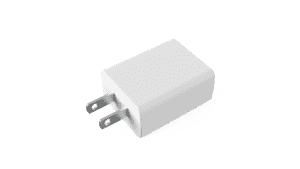
AA03A-075A-R
- Output Power - 2.75W
- Output Volt - 7.5V
- Output Current - 0.366A
- Features - Fixed Blade AC Input, Limited Power Source, Class B EMI, Level VI Efficiency, Standard Barrel Connector
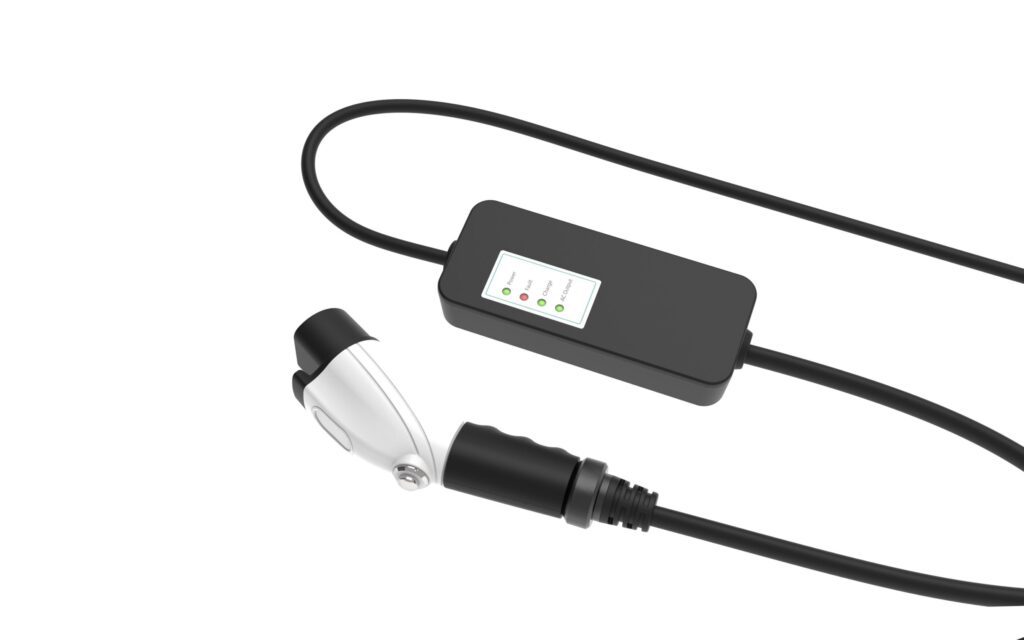
AC Series
- Output Current - 16A
- Features - Mode 2-chargers can use a circuit ranging from 8Amp to 16Amp with a local standard AC input plug installed for operation, Provides overcurrent, over voltage and short circuit protection, Protected against strong jets of water from all directions, Continuously monitors/supervises the ground connection between the AC supply and EV to ensure safe and reliable charging
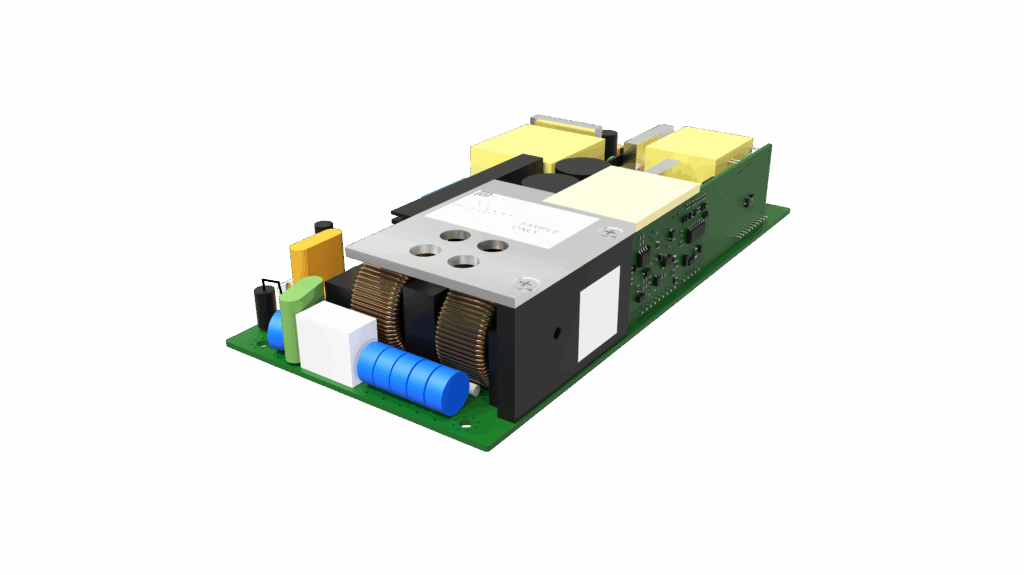
BF550-234B-R
- Output Power - 550W
- Output Volt - 12Vdc / 54.5Vdc
- Features - Universal AC Input range, Class I Design , Class B EMI , High Efficiency Performance , OVP, OCP, SCP, OTP Protections , Operating Altitude: 5,000M
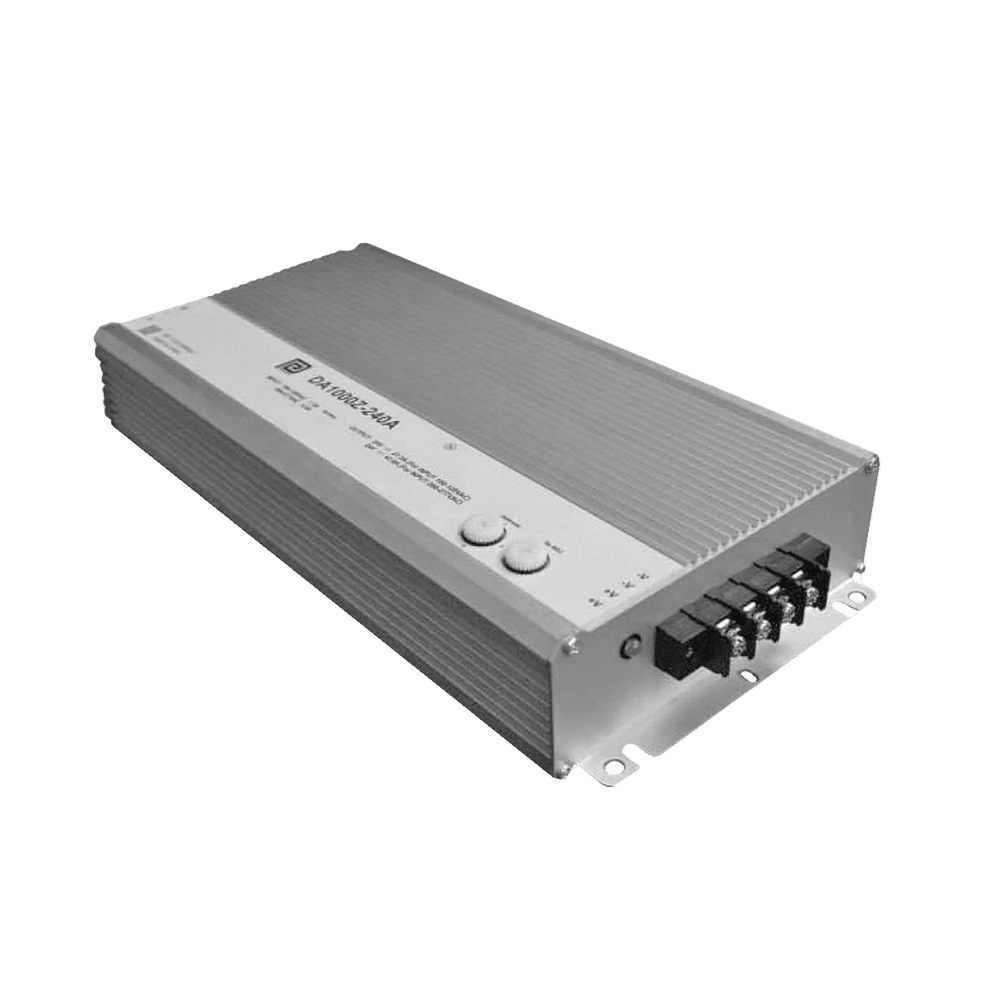
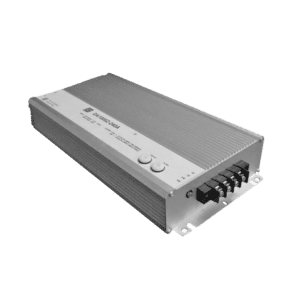
DA1000Z-240AEV-R
- Output Power - 1000W
- Output Volt - 24V
- Output Current - 42A
- Features - Extended operating temperature range of -40℃ to 70℃, Fan-less aluminum case filled with heat conductive glue, Able to withstand 10G vibration, Power on LED indicator, Short Circuit, Over Current, Over Voltage, and Over Temperature Protections, & Adjustable output through potentiomete
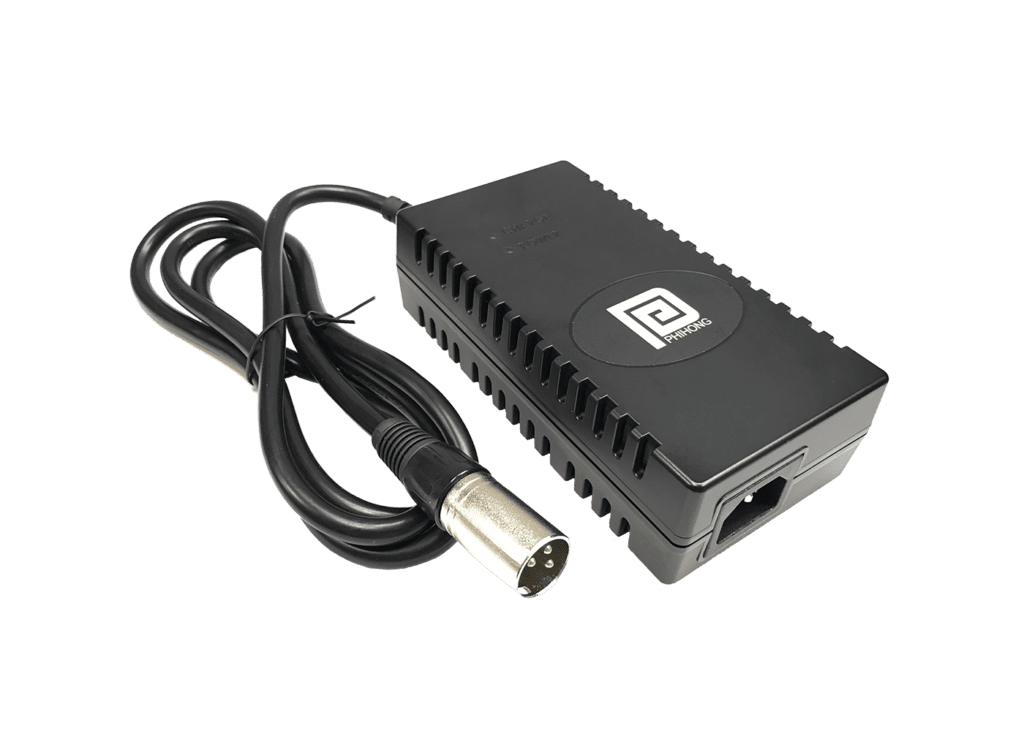
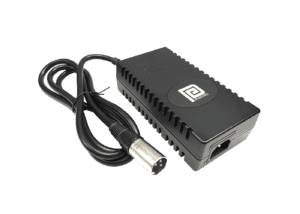
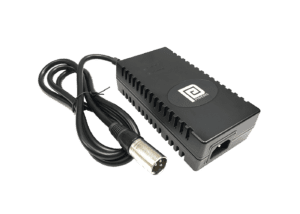
DA60U-240A-R
- Output Power - 60W
- Output Volt - 24V
- Output Current - 2.5A
- # of ports - 1
- Features - RESNA Compliant, CEC Compliant, LED Indicators Charge State, OVP, OTP, SCP, Charges AGM Batteries, Max 12hrs Charging Time
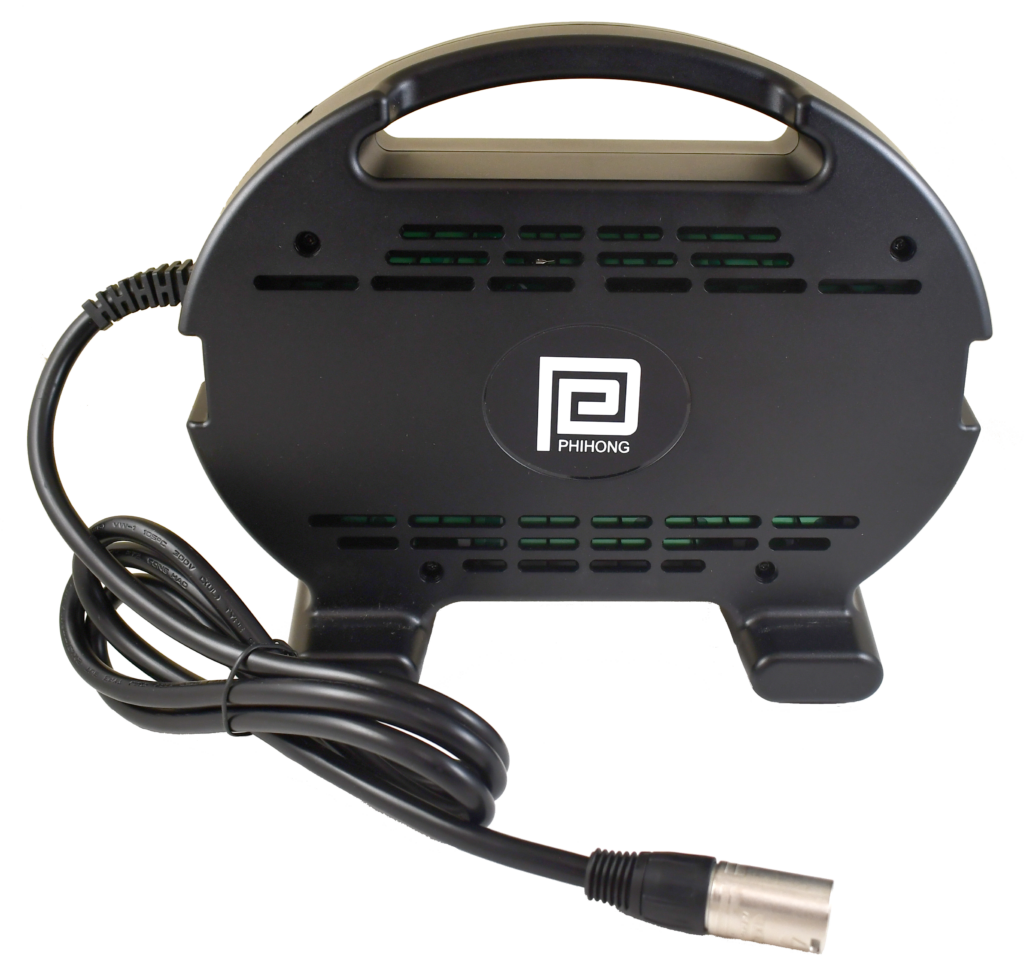
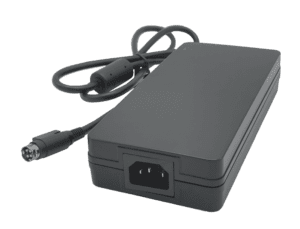
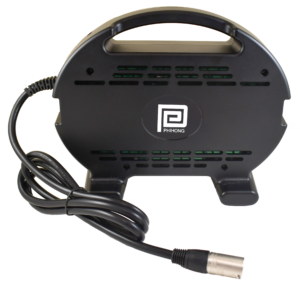
DA200U-250A-R
- Output Power - 200W
- Output Volt - 24V
- Output Current - 8A
- # of ports - 1
- Features - RESNA Compliant, CEC Compliant, LED Indicators Charge State, OVP, OTP, SCP, Dual-Mode Charger, Charges GEL or AGM batteries, Max 12hrs Charging Time
When Should OEMs Use a Medical Power Adapter Instead of an Internal Power Supply?
Medical power adapters are typically used when simplicity, safety, and portability are priorities. By placing power conversion outside the device, adapters reduce the complexity of internal design and help meet safety requirements more easily. This makes them well suited for portable and home healthcare devices.
Adapters are also beneficial when rapid development and certification are important. Since the adapter handles much of the isolation and compliance requirements, the device itself can be designed with fewer constraints related to high-voltage safety.
However, adapters may not be ideal for all applications. Larger systems or devices requiring high power or tight integration may benefit more from internal power supplies.
Why This Matters
• Simplifies safety and compliance for many devices
• Reduces internal design complexity
• Supports portability and ease of use
What’s Driving This Shift
• Expansion of home healthcare and wearable devices
• Demand for faster product development cycles
• Need for simplified compliance pathways
What OEMs Should Do Now
• Consider adapters for portable and patient-connected devices
• Evaluate power requirements and integration needs
• Align adapter selection with device use case
Mini Q&A
Why are adapters used in portable devices?
They simplify design and improve safety.
Do adapters reduce compliance complexity?
Yes, they move isolation outside the device.
Can adapters handle all power needs?
Not always, especially for high-power systems.
Adapters provide a practical solution for many modern medical applications.
When Does an Internal Medical Power Supply Make More Sense?
Internal medical power supplies are more suitable for applications where integration, performance, and system control are priorities. These include larger medical devices such as imaging systems, laboratory equipment, and clinical diagnostic machines.
Internal power supplies allow OEMs to optimize layout, airflow, and power distribution within the device. This can improve efficiency and reduce external components. However, it also requires careful design to meet safety, isolation, and thermal requirements.
Choosing an internal power supply increases design responsibility. OEMs must ensure that all safety and compliance requirements are met within the device, including leakage current limits and isolation barriers.
Why This Matters
• Enables tighter integration and system control
• Supports higher power and complex applications
• Increases design responsibility
What’s Driving This Shift
• Demand for high-performance medical equipment
• Need for integrated system design
• Growth of advanced clinical applications
What OEMs Should Do Now
• Evaluate integration and performance requirements
• Design for safety and compliance early
• Validate thermal and electrical performance
Mini Q&A
When should internal power supplies be used?
For larger or high-performance devices.
Do they increase design complexity?
Yes, significantly.
Are they more efficient than adapters?
Often, depending on design.
Internal power supplies provide flexibility but require careful design and validation.
CLIENT'S QUOTE
Phihong’s custom OEM power solutions have transformed our product development, boosting performance and reducing overhead. Their expert engineering support has simplified both the design and manufacturing phases.
How Do Safety and Leakage Current Differ Between Medical Power Supplies and Adapters?
Safety and leakage current management differ significantly between internal medical power supplies and external medical adapters. External adapters typically provide isolation outside the device, which reduces the complexity of managing leakage current within the product itself. This makes it easier to meet IEC 60601 requirements, especially for patient-connected applications.
Internal power supplies require the OEM to manage leakage current and isolation within the device enclosure. This includes designing appropriate insulation barriers, grounding strategies, and EMI filtering while maintaining leakage within allowable limits. These requirements increase design complexity but allow greater control over system integration.
The choice between the two approaches often depends on how the device interacts with the patient and the level of control needed over the power system.
Why This Matters
• Directly affects patient safety and compliance
• Determines how leakage current is controlled
• Influences complexity of design and validation
What’s Driving This Shift
• Stricter safety requirements in medical devices
• Increased use of patient-connected equipment
• Need for reliable and predictable isolation
What OEMs Should Do Now
• Evaluate leakage current requirements for the application
• Choose architecture that aligns with safety goals
• Validate performance under real operating conditions
Mini Q&A
Are adapters safer than internal supplies?
They simplify isolation, but both can be safe if designed correctly.
Which has lower leakage current?
Adapters often make it easier to control leakage.
Does device type affect the choice?
Yes, patient interaction level is key.
Safety and leakage considerations are central to selecting the right power approach.
How Do Thermal, Size, and Integration Tradeoffs Compare?
Thermal, size, and integration tradeoffs differ between internal power supplies and external adapters. External adapters reduce internal heat generation by moving power conversion outside the device, which simplifies thermal management. This is especially beneficial in compact or portable devices.
Internal power supplies concentrate heat within the device, requiring careful thermal design. This includes managing airflow, component placement, and heat dissipation to ensure reliable operation. However, internal solutions can provide better integration and reduce external components.
Size is another consideration. External adapters increase overall system footprint but reduce internal complexity. Internal supplies enable more compact external design but require more space inside the enclosure.
Why This Matters
• Affects device size and usability
• Influences thermal performance and reliability
• Impacts integration and design complexity
What’s Driving This Shift
• Miniaturization of medical devices
• Demand for portable and home-use equipment
• Increasing power density in compact systems
What OEMs Should Do Now
• Evaluate thermal constraints early in design
• Balance internal integration with external simplicity
• Consider user experience and form factor
Mini Q&A
Do adapters reduce heat inside devices?
Yes, they move heat outside the enclosure.
Are internal supplies more compact?
Externally yes, but require internal space.
Is thermal design more complex for internal supplies?
Yes, significantly.
Thermal and size tradeoffs play a key role in power supply selection.
How Should OEMs Decide Between a Medical Power Supply and Adapter?
OEMs should decide based on application requirements, safety considerations, and integration needs. Portable and home healthcare devices often benefit from external adapters due to simplified safety and thermal management. Larger or high-performance systems may require internal power supplies for better integration and control.
Decision-making should consider device classification, patient interaction level, and regulatory requirements. Early evaluation helps avoid redesign and ensures alignment with compliance standards.
Ultimately, the best choice is the one that balances safety, performance, and design constraints for the specific application.
Why This Matters
• Ensures alignment with device requirements
• Reduces risk of redesign and compliance issues
• Supports reliable and safe operation
What’s Driving This Shift
• Increasing diversity of medical device applications
• Need for tailored power solutions
• Growing complexity of compliance requirements
What OEMs Should Do Now
• Evaluate application-specific requirements early
• Align power solution with safety and compliance needs
• Collaborate across engineering and compliance teams
Mini Q&A
Is there a single best option for all devices?
No, it depends on the application.
Should the decision be made early?
Yes, to avoid redesign.
Do compliance requirements affect the choice?
Yes, significantly.
Choosing the right solution requires balancing multiple design and regulatory factors.
How Phihong Supports OEMs Choosing Between Medical Power Supplies and Adapters
Phihong supports OEMs by aligning power solutions with the specific safety, compliance, and integration needs of medical devices. Whether selecting internal power supplies or external adapters, the focus is on maintaining consistent performance while meeting IEC 60601 requirements for isolation and leakage current.
Power solutions are designed to support different device types, from portable home healthcare equipment to larger clinical systems. By considering application requirements early, OEMs can choose architectures that balance safety, thermal performance, and design complexity without unnecessary tradeoffs.
Phihong also emphasizes lifecycle continuity and engineering collaboration. With structured validation support and consistent manufacturing processes, OEMs can integrate power solutions that remain compliant and reliable over time.
Why This Matters
• Supports safe and compliant medical device design
• Reduces risk during certification and deployment
• Improves long-term reliability
What’s Driving This Shift
• Increasing diversity of medical device applications
• Growing demand for portable healthcare solutions
• Need for flexible power architectures
What OEMs Should Do Now
• Evaluate device requirements before selecting power type
• Align power solution with compliance and safety goals
• Plan for lifecycle support and validation
Phihong’s approach helps OEMs choose the right power solution while maintaining safety and performance.

CONTACT US TODAY
From concept to production, Phihong delivers custom OEM power solutions tailored to your specifications.
FAQ
What is the main difference between a medical power supply and adapter?
A medical power supply is typically internal, while an adapter is external. Adapters move power conversion outside the device, simplifying safety and compliance.
Each serves a different design purpose.
Which is better for portable medical devices?
External adapters are often preferred because they reduce internal heat and simplify isolation requirements.
They support compact and safe designs.
Are internal power supplies more powerful than adapters?
They can support higher power levels and more complex systems, making them suitable for larger medical devices.
Application determines suitability.
Does using an adapter make compliance easier?
Yes, in many cases it simplifies meeting IEC 60601 requirements by handling isolation externally.
It reduces internal design complexity.
Can OEMs switch between supply types late in development?
It is possible but often requires redesign and revalidation. Early selection is recommended.
Planning ahead reduces risk.
POE technology supports the centralization of power

AC Adapter Guide: Everything You Need to Know
Moreover, PoE technology supports the centralization of power management. By powering devices through a PoE-enabled network …
AC DC Power Chargers and How They Work: A Comprehensive Technical Breakdown
Moreover, PoE technology supports the centralization of power management. By powering devices through a PoE-enabled network …

USB-C Charger: Shaping the Future of the Tech World
Moreover, PoE technology supports the centralization of power management. By powering devices through a PoE-enabled network …

AC Adapter Guide: Everything You Need to Know
Moreover, PoE technology supports the centralization of power management. By powering devices through a PoE-enabled network …

AC DC Power Chargers and How They Work: A Comprehensive Technical Breakdown
Moreover, PoE technology supports the centralization of power management. By powering devices through a PoE-enabled network …

USB-C Charger: Shaping the Future of the Tech World
Moreover, PoE technology supports the centralization of power management. By powering devices through a PoE-enabled network …