







BLOG
OCPP 1.6 for DC Fast Charging: What It Enables for Networked Site Management
QUICK LINKS

What Is OCPP 1.6 and Why Is It Still Widely Used in DC Fast Charging?
OCPP 1.6 remains widely used in DC fast charging because it established a practical, interoperable foundation for networked charger management at scale. For charging network operators and site owners, OCPP 1.6 enables standardized communication between DC fast chargers and central management systems without locking deployments into proprietary backends. This interoperability is a key reason OCPP 1.6 continues to be specified in many commercial and municipal projects.
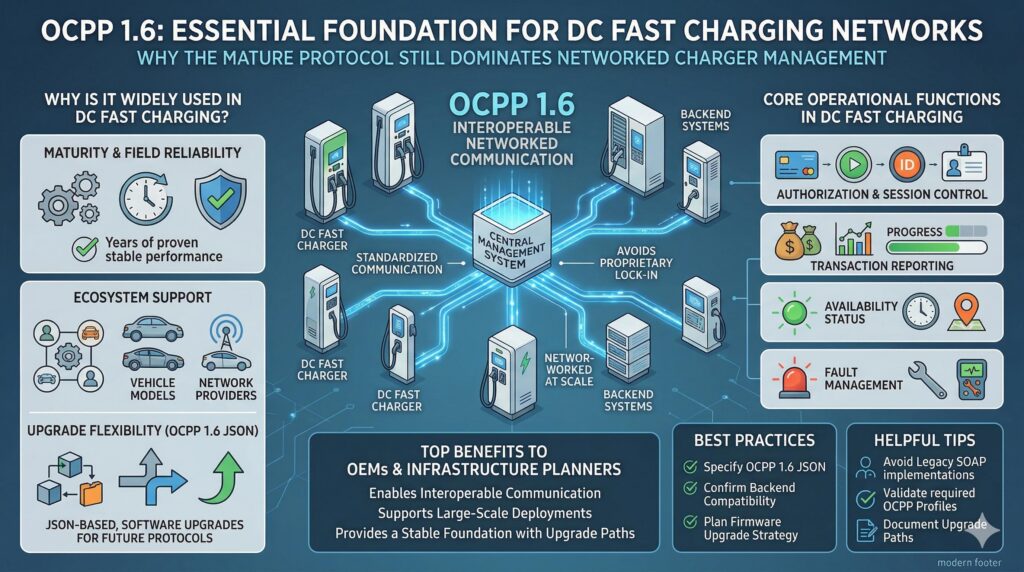
For DC fast charging specifically, OCPP 1.6 supports core operational functions such as charger authorization, session control, transaction reporting, availability status, and fault management. These capabilities allow operators to manage fleets of chargers across multiple locations while maintaining centralized visibility and control. Although newer versions exist, many networks continue to rely on OCPP 1.6 due to its maturity, ecosystem support, and proven field reliability.
Another reason for continued adoption is upgrade flexibility. Many modern DC fast chargers are deployed with OCPP 1.6 JSON and designed to support future protocol upgrades through software. This allows site operators to deploy chargers today while preserving a migration path as backend requirements evolve. For OEMs and infrastructure planners, this balance of stability and forward compatibility is critical.
FEATURED PRODUCTS
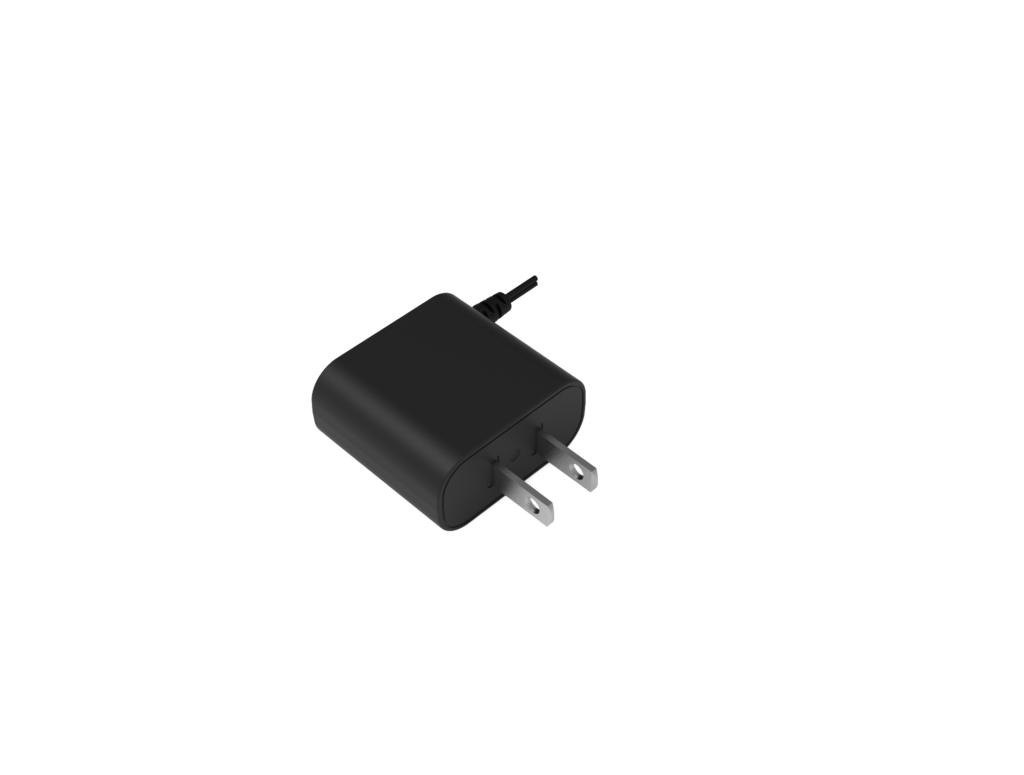
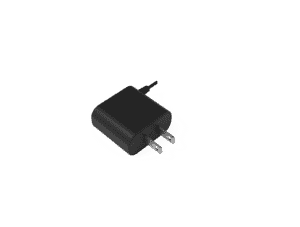
AA03A-075A-R
- Output Power - 2.75W
- Output Volt - 7.5V
- Output Current - 0.366A
- Features - Fixed Blade AC Input, Limited Power Source, Class B EMI, Level VI Efficiency, Standard Barrel Connector
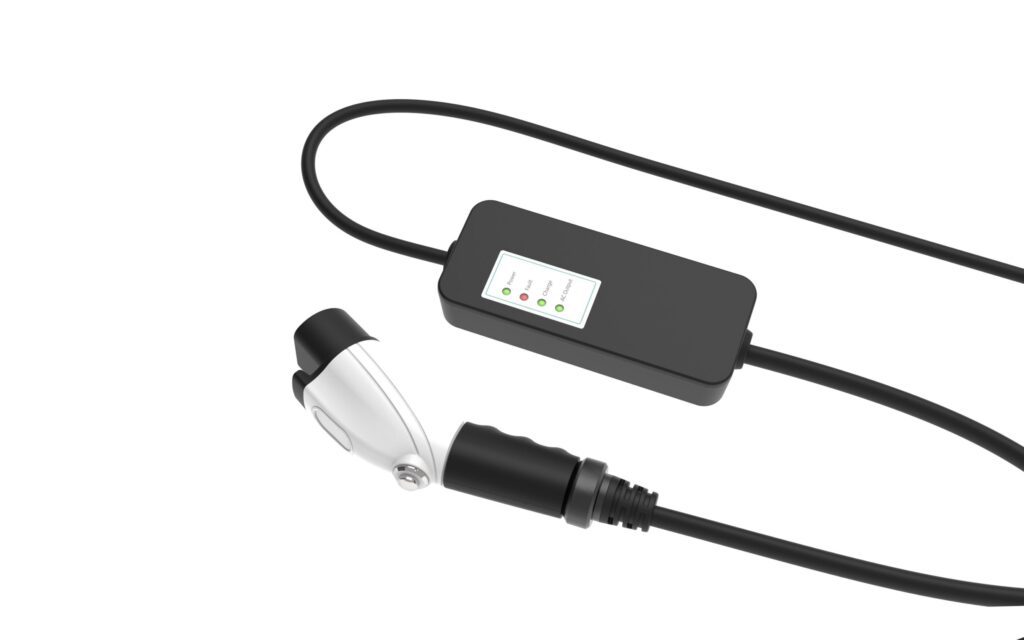
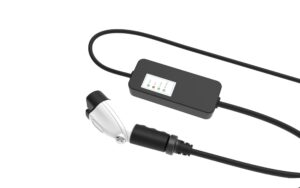
AC Series
- Output Current - 16A
- Features - Mode 2-chargers can use a circuit ranging from 8Amp to 16Amp with a local standard AC input plug installed for operation, Provides overcurrent, over voltage and short circuit protection, Protected against strong jets of water from all directions, Continuously monitors/supervises the ground connection between the AC supply and EV to ensure safe and reliable charging
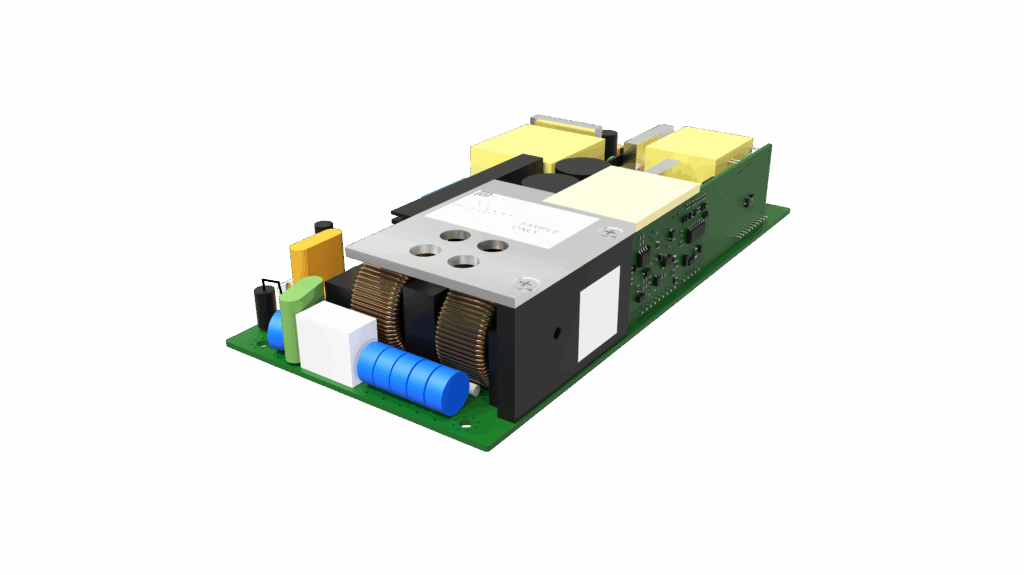
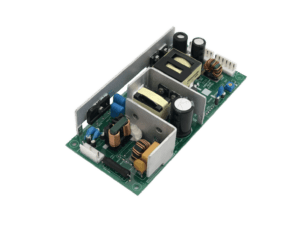
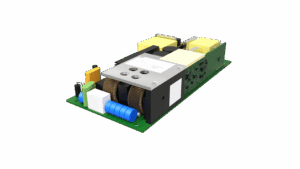
BF550-234A-R
- Output Power - 550W
- Output Volt - 12Vdc / 54.5Vdc
- Features - Universal AC Input range, Class I Design , Class B EMI , High Efficiency Performance , OVP, OCP, SCP, OTP Protections , Operating Altitude: 5,000M
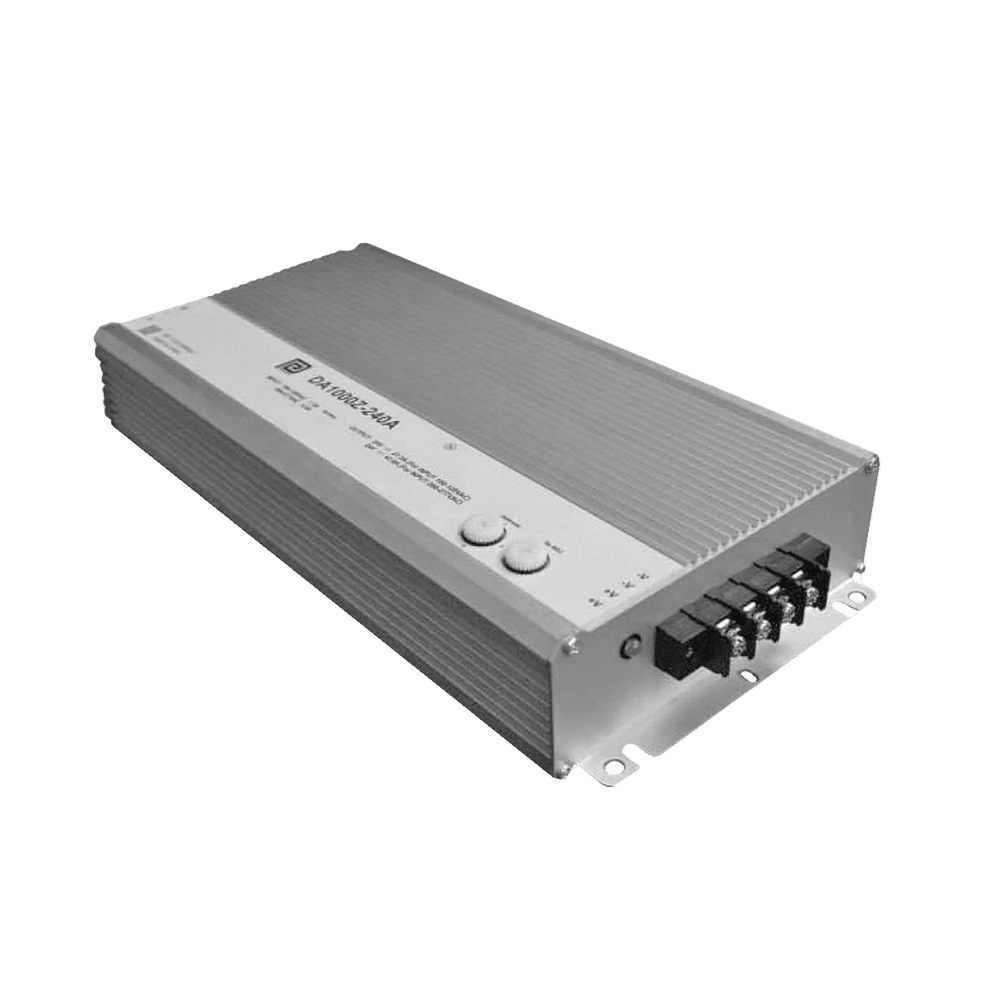
DA1000Z-240AEV-R
- Output Power - 1000W
- Output Volt - 24V
- Output Current - 1000W
- Features - Extended operating temperature range of -40℃ to 70℃, Fan-less aluminum case filled with heat conductive glue, Able to withstand 10G vibration, Power on LED indicator, Short Circuit, Over Current, Over Voltage, and Over Temperature Protections, & Adjustable output through potentiomete
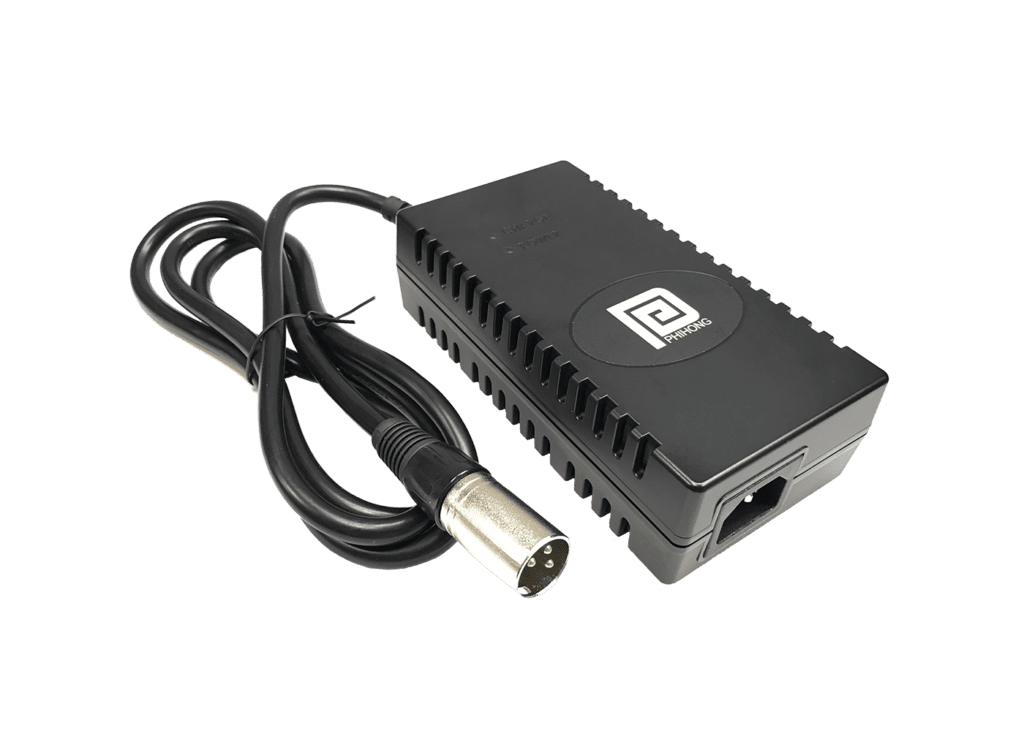
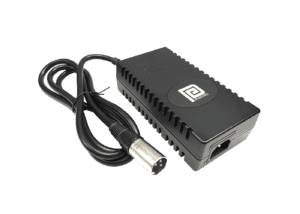
DA60U-240A-R
- Output Power - 60W
- Output Volt - 24V
- Output Current - 2.5A
- # of ports - 1
- Features - RESNA Compliant, CEC Compliant, LED Indicators Charge State, OVP, OTP, SCP, Charges AGM Batteries, Max 12hrs Charging Time
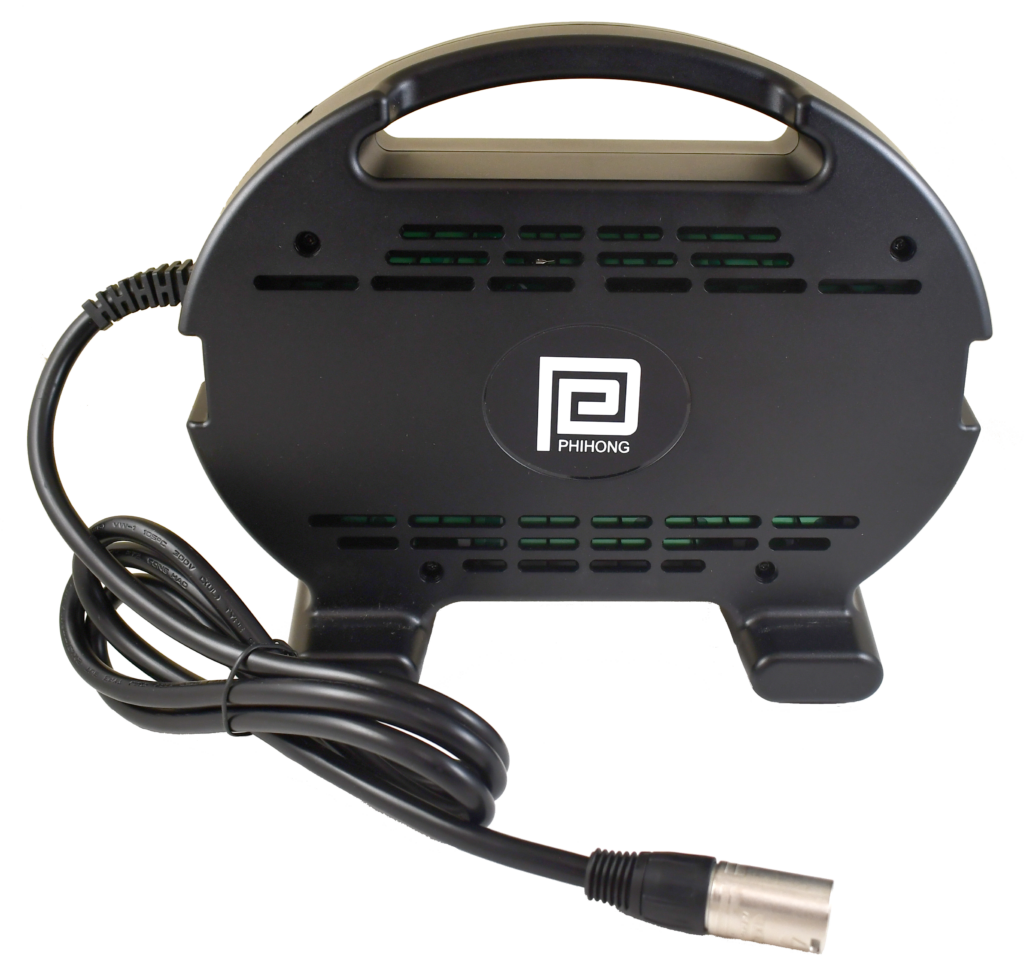
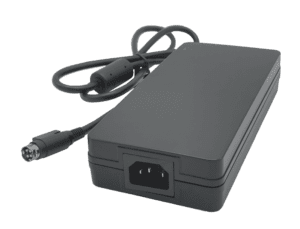
DA200U-250A-R
- Output Power - 200W
- Output Volt - 24V
- Output Current - 8A
- # of ports - 1
- Features - RESNA Compliant, CEC Compliant, LED Indicators Charge State, OVP, OTP, SCP, Dual-Mode Charger, Charges GEL or AGM batteries, Max 12hrs Charging Time
Top Benefits
• Enables interoperable communication between chargers and backend systems
• Supports proven, large-scale DC fast charging deployments
• Provides a stable foundation with upgrade paths for future protocols
Best Practices
• Specify OCPP 1.6 JSON for modern DC fast charging deployments
• Confirm backend compatibility with required OCPP features
• Plan firmware upgrade strategies during charger selection
Helpful Tips
• Avoid legacy SOAP-based implementations for new installs
• Validate OCPP profiles required by the charging network operator
• Document upgrade paths during site planning
Mini Q&A
Is OCPP 1.6 still relevant for DC fast charging?
Yes, it remains widely deployed and supported across networks.
Does OCPP 1.6 support large charging sites?
Yes, it enables centralized management across multiple chargers.
Can OCPP 1.6 chargers be upgraded later?
Often yes, when designed with software upgradability.
Understanding why OCPP 1.6 remains prevalent helps operators plan scalable charging infrastructure.
(Suggested Links: EV Chargers – DS60 Series | EV Charging)
What Networked Site Management Capabilities Does OCPP 1.6 Enable?
OCPP 1.6 enables a broad set of networked site management capabilities that are essential for operating DC fast charging infrastructure reliably. At a site level, the protocol allows chargers to report real-time status, including availability, charging state, and fault conditions. This visibility enables operators to respond quickly to issues and maintain uptime across distributed locations.
From an operational standpoint, OCPP 1.6 supports remote start and stop of charging sessions, user authorization through RFID or backend validation, and transaction data reporting. These functions allow site operators to enforce access control, monitor energy usage, and generate usage reports without manual intervention. For multi-charger sites, this centralized control simplifies daily operations.
OCPP 1.6 also plays a role in maintenance and diagnostics. Fault codes, heartbeat messages, and status notifications allow backend systems to detect abnormal behavior early. This reduces the need for on-site troubleshooting and supports proactive maintenance strategies, which are especially important for high-power DC fast chargers deployed in public or commercial environments.
Top Benefits
• Provides centralized visibility across all chargers at a site
• Enables remote control and diagnostics for faster response
• Supports scalable management of multi-charger installations
Best Practices
• Ensure backend systems fully support OCPP 1.6 feature sets
• Configure heartbeat and status intervals appropriately
• Integrate fault monitoring into maintenance workflows
Helpful Tips
• Use status notifications to track charger availability trends
• Align transaction reporting with billing and analytics needs
• Test remote control functions before site commissioning
Mini Q&A
Can OCPP 1.6 manage multiple chargers at one site?
Yes, it supports centralized control and monitoring across sites.
Does OCPP 1.6 support remote diagnostics?
Yes, through fault codes and status reporting.
Is OCPP required for networked charger operation?
In most commercial deployments, yes.
These management capabilities make OCPP 1.6 a practical backbone for DC fast charging networks.
(Suggested Links: EV Chargers – DS60 Series | EV Charging)
What Are the Key OCPP 1.6 Requirements for DC Fast Chargers?
DC fast chargers must meet several key requirements to operate effectively under OCPP 1.6. First, chargers must implement OCPP 1.6 using the JSON variant, which is the preferred and widely adopted format for modern deployments. JSON offers better performance, easier debugging, and stronger compatibility with contemporary backend systems compared to older SOAP implementations.
Second, DC fast chargers must support reliable network connectivity and session handling. OCPP 1.6 requires stable communication for authorization, transaction updates, and status reporting. For high-power chargers, this reliability is critical to prevent session interruptions, billing discrepancies, or false fault reporting during active charging.
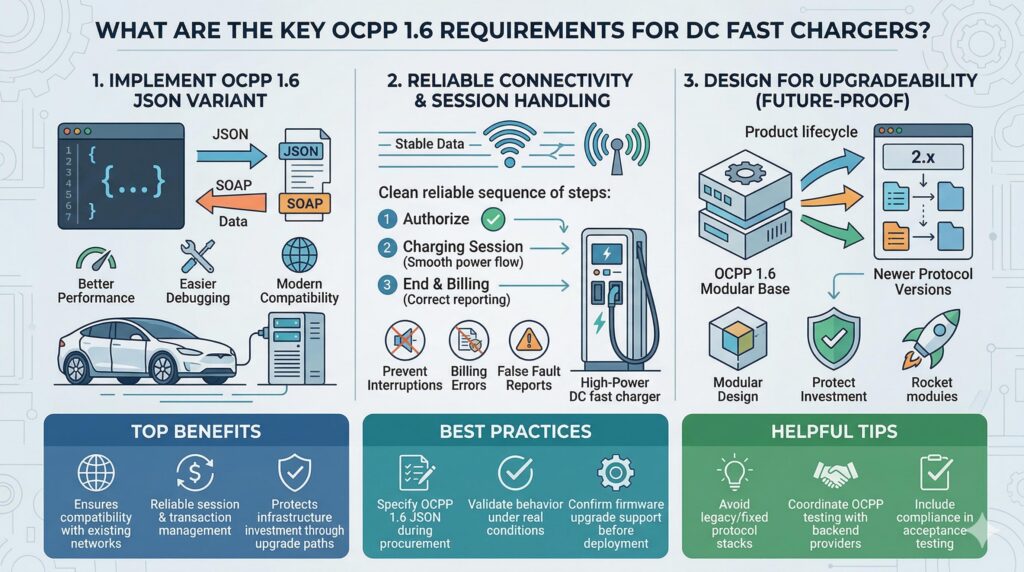
Third, chargers should be designed with upgradeability in mind. While OCPP 1.6 is widely deployed, many network operators are planning transitions toward newer protocol versions. Chargers that support software upgrades allow operators to protect their investment while adapting to future backend requirements without replacing hardware.
Top Benefits
• Ensures compatibility with existing charging networks
• Supports reliable session and transaction management
• Protects infrastructure investment through upgrade paths
Best Practices
• Specify OCPP 1.6 JSON compliance during procurement
• Validate charger behavior under real network conditions
• Confirm firmware upgrade support before deployment
Helpful Tips
• Avoid deploying chargers with fixed or legacy protocol stacks
• Coordinate OCPP testing with backend providers
• Include protocol compliance in acceptance testing
Mini Q&A
Is OCPP 1.6 JSON required for DC fast chargers?
Yes, JSON is the standard for modern deployments.
Can OCPP 1.6 handle high-power charging sessions?
Yes, when properly implemented and tested.
Do chargers need to support future OCPP versions?
Not required immediately, but strongly recommended.
Meeting OCPP 1.6 requirements ensures DC fast chargers integrate smoothly into networked environments.
(Suggested Links: EV Chargers – DS60 Series | EV Charging)
CLIENT'S QUOTE
Phihong’s high-power charging technology has revolutionized our fleet operations, ensuring maximum uptime and superior reliability. The hardware's seamless integration has streamlined our installation process across multiple locations
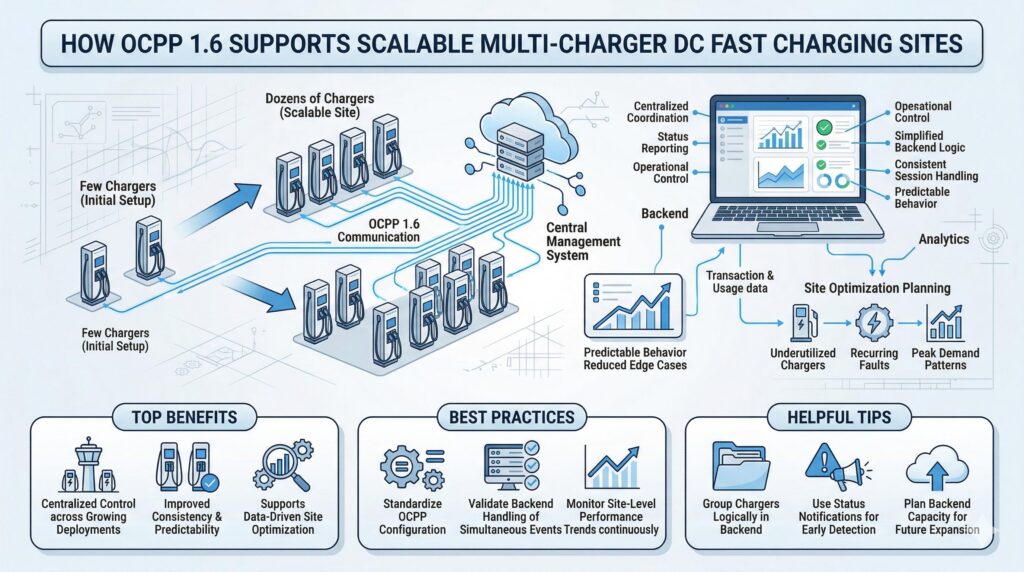
OCPP 1.6 supports scalable multi-charger DC fast charging sites by enabling centralized coordination between chargers and the backend system. As sites grow from a few chargers to dozens, consistent communication becomes critical for availability tracking, fault isolation, and operational control. OCPP 1.6 provides a standardized way for each charger to report status and receive commands, allowing operators to manage growth without introducing proprietary complexity.
At larger sites, operational efficiency depends on predictable behavior across chargers. OCPP 1.6 standardizes session handling, authorization workflows, and status notifications, which simplifies backend logic and reduces edge-case behavior. This consistency is especially important in DC fast charging environments where uptime expectations are high and downtime has immediate revenue and customer satisfaction impact.
OCPP 1.6 also supports site-level analytics by enabling transaction and usage data to flow reliably to the backend. Operators can identify underutilized chargers, recurring faults, or peak demand patterns, which informs site optimization and expansion planning.
Top Benefits
• Enables centralized control across growing charger deployments
• Improves consistency and predictability in multi-charger sites
• Supports data-driven site optimization
Best Practices
• Standardize OCPP configuration across all chargers at a site
• Validate backend handling of simultaneous charger events
• Monitor site-level performance trends continuously
Helpful Tips
• Group chargers logically in the backend for easier management
• Use status notifications to detect site-wide issues early
• Plan backend capacity for future site expansion
Mini Q&A
Can OCPP 1.6 handle large charging sites?
Yes, it is widely used for multi-charger deployments.
Does scaling increase protocol complexity?
Not when configuration and backend handling are consistent.
Is centralized monitoring essential at scale?
Yes, it enables faster response and optimization.
Scalability is a core reason OCPP 1.6 remains widely deployed for DC fast charging sites.
(Suggested Links: EV Chargers – DS60 Series | EV Charging)
Why Reliability and Network Stability Matter More for DC Fast Charging
Reliability and network stability are especially critical for DC fast charging because high-power sessions are more sensitive to communication interruptions. A brief network drop that might be tolerable for AC charging can disrupt an active DC fast charging session, leading to failed transactions, incomplete billing data, or poor user experience.
OCPP 1.6 relies on consistent heartbeat messages, transaction updates, and status notifications to maintain session integrity. In high-traffic environments, unreliable connectivity can overwhelm backends or create inconsistent charger states. Ensuring stable network infrastructure is therefore just as important as selecting a compliant charger.
Operators using OCPP 1.6 benefit from designing sites with redundancy in mind. This includes reliable networking hardware, proper timeout settings, and backend systems capable of handling transient communication issues without misclassifying chargers as offline.
Top Benefits
• Reduces session interruptions and transaction errors
• Improves customer experience at fast charging sites
• Protects revenue and operational accuracy
Best Practices
• Configure heartbeat intervals appropriate for site conditions
• Validate charger behavior during temporary network loss
• Ensure backend systems handle reconnection gracefully
Helpful Tips
• Avoid overly aggressive timeout settings
• Test network resilience during commissioning
• Monitor communication error rates continuously
Mini Q&A
Do DC fast chargers require more stable networks than AC chargers?
Yes, high-power sessions are more sensitive to interruptions.
Can OCPP 1.6 recover from brief network outages?
Yes, when properly configured and implemented.
Should network design be part of charger selection?
Absolutely, it directly affects reliability.
Stable networking is essential to realizing the benefits of OCPP 1.6 in DC fast charging.
(Suggested Links: EV Chargers – DS60 Series | EV Charging)
How OCPP 1.6 Fits Into a Long-Term Protocol Upgrade Strategy
OCPP 1.6 fits into a long-term protocol upgrade strategy by serving as a stable baseline that supports future migration paths. Many network operators deploy chargers with OCPP 1.6 JSON today while planning gradual transitions toward newer protocol versions as backend capabilities evolve. This approach balances immediate interoperability with long-term flexibility.
Chargers designed with firmware upgradability allow operators to adapt without replacing hardware. For OEMs and site owners, this reduces capital risk and avoids stranded assets. Planning for upgrades early also simplifies testing, as operators can validate protocol transitions in controlled stages rather than during emergency replacements.
OCPP 1.6’s broad ecosystem support makes it a practical starting point. Its widespread adoption ensures compatibility with existing management platforms while giving operators time to evaluate new features and requirements introduced in later protocol versions.
Top Benefits
• Protects infrastructure investment through upgrade flexibility
• Reduces risk of premature hardware replacement
• Supports phased protocol transitions
Best Practices
• Confirm firmware upgrade paths during charger procurement
• Coordinate protocol upgrades with backend readiness
• Test upgrades in limited deployments before full rollout
Helpful Tips
• Document current protocol versions and upgrade plans
• Avoid locking chargers to fixed protocol implementations
• Align upgrade strategy with network roadmap
Mini Q&A
Is OCPP 1.6 a dead-end protocol?
No, it is commonly used as a stable baseline.
Can chargers be upgraded beyond OCPP 1.6?
Yes, when designed with software upgradeability.
Should upgrade planning happen early?
Yes, it reduces long-term operational risk.
A thoughtful upgrade strategy ensures OCPP 1.6 deployments remain viable as networks evolve.
(Suggested Links: EV Chargers – DS60 Series | EV Charging)
How Phihong Enables OCPP 1.6–Ready DC Fast Charging for Networked Operations
Phihong supports networked DC fast charging deployments by delivering chargers designed around OCPP 1.6 JSON as a stable, widely supported communication baseline. This enables site operators and network providers to integrate chargers with existing backend platforms while maintaining consistent control over authorization, session management, and fault reporting across distributed locations.
Phihong’s DS series DC fast chargers are designed with software upgradeability in mind, allowing operators to deploy OCPP 1.6 today while preparing for future protocol evolution. This approach reduces infrastructure risk by avoiding hardware lock-in and supports phased backend upgrades without disrupting active sites. For multi-site operators, this balance between stability and flexibility is critical.
By emphasizing reliable network behavior, predictable session handling, and lifecycle-aware firmware strategies, Phihong helps operators manage DC fast charging sites efficiently as networks scale. This system-level focus ensures that OCPP 1.6 delivers practical value beyond basic interoperability.
(Suggested Links: EV Chargers – DS60 Series | EV Charging)

FAQ
What is OCPP 1.6 and why is it still used for DC fast charging?
OCPP 1.6 is an open communication protocol that enables standardized interaction between EV chargers and central management systems. It remains widely used in DC fast charging because it is mature, well supported by backends, and proven in large commercial deployments. Operators value its reliability and broad ecosystem compatibility.
While newer versions exist, OCPP 1.6 continues to serve as a stable foundation for many networks, especially when chargers are designed to support future upgrades through software.
What are the key OCPP 1.6 requirements for DC fast chargers?
DC fast chargers must support OCPP 1.6 using the JSON format, which is the preferred standard for modern deployments. Chargers must reliably handle authorization, transaction updates, status notifications, and fault reporting without interrupting high-power charging sessions.
Stable network connectivity and robust session handling are essential to prevent billing errors or incomplete transactions during fast charging.
How does OCPP 1.6 support networked site management?
OCPP 1.6 enables centralized monitoring and control of chargers across a site or network. Operators can track availability, start or stop sessions remotely, receive fault alerts, and collect usage data. This visibility allows faster response to issues and more efficient site operations.
For multi-charger sites, OCPP 1.6 simplifies backend logic by standardizing how chargers communicate state and events.
Can OCPP 1.6 chargers be upgraded to newer protocol versions?
Many modern DC fast chargers are designed to support firmware upgrades, allowing migration beyond OCPP 1.6 when backend systems are ready. This protects hardware investment and avoids premature replacement.
Operators should confirm upgrade paths and testing procedures during procurement to ensure long-term flexibility.
Why is network reliability critical for OCPP-based DC fast charging?
DC fast charging sessions are sensitive to communication interruptions due to high power levels and real-time transaction requirements. Unstable networks can cause session drops, inconsistent charger states, or billing issues.
Proper network design and OCPP configuration help ensure reliable operation and positive user experience.
POE technology supports the centralization of power

AC Adapter Guide: Everything You Need to Know
Moreover, PoE technology supports the centralization of power management. By powering devices through a PoE-enabled network …
AC DC Power Chargers and How They Work: A Comprehensive Technical Breakdown
Moreover, PoE technology supports the centralization of power management. By powering devices through a PoE-enabled network …

USB-C Charger: Shaping the Future of the Tech World
Moreover, PoE technology supports the centralization of power management. By powering devices through a PoE-enabled network …

AC Adapter Guide: Everything You Need to Know
Moreover, PoE technology supports the centralization of power management. By powering devices through a PoE-enabled network …

AC DC Power Chargers and How They Work: A Comprehensive Technical Breakdown
Moreover, PoE technology supports the centralization of power management. By powering devices through a PoE-enabled network …

USB-C Charger: Shaping the Future of the Tech World
Moreover, PoE technology supports the centralization of power management. By powering devices through a PoE-enabled network …