










BLOG
Top 10 Emerging Trends in Modern Medical Power Supply Design
QUICK LINKS
What Is Changing Fastest in Modern Medical Power Supply Design?
Medical power design is moving well beyond the old goal of simply converting AC to DC safely. OEM teams now have to think about portability, heat, user experience, connected monitoring, home healthcare compliance, and future charging standards much earlier in the design cycle. That shift is changing both the architecture of the power supply and the expectations placed on it inside the finished medical device. Your uploaded draft correctly frames the market around smaller, smarter, and more efficient systems, and that is exactly where the strongest momentum is today.
On Phihong’s current medical content stack, the most recent emphasis is clearly on IEC 60601 readiness, leakage current control, internal power integration, open-frame decision making, and newer device-level architecture choices. Phihong’s April 2026 medical posts also show a strong push toward more application-specific guidance for OEMs instead of broad generic copy, which fits this trend article well.
Useful Links
- What IEC 60601 means for modern medical power design
- How to choose the best medical power supply for safe, reliable devices
- Best guide to medical power supplies for modern medical devices
Related Articles
- How to design internal medical power systems: isolation, EMC, and compliance explained
- How to choose an open-frame medical power supply for embedded healthcare equipment
- How thermal design affects open-frame medical power supply performance
Which Trends Should Medical OEMs Watch Most Closely Right Now?
The biggest trends are the ones that reduce size, simplify integration, strengthen compliance, and improve long-term reliability in real use environments. In practical terms, that means OEMs should be tracking GaN adoption, USB-C Power Delivery, smarter monitoring features, home-use design requirements, silent thermal strategies, and more resilient supply chain planning. Your source document already identifies those shifts as the most influential ones shaping the next generation of medical-grade power solutions.
Phihong’s current and recent content supports several of these directions directly. The company’s newer medical blog articles emphasize IEC 60601, low leakage current, internal power tradeoffs, open-frame integration, and medical adapter selection, while older but still relevant Phihong articles cover USB-C PD and GaN as broader platform technologies. That gives this article a strong internal linking base without sending readers to competitors.
Useful Links
- How low leakage current affects medical power supply selection
- Medical power supply vs. medical power adapter: what’s the difference
- How USB-C PD is better than standard USB-C
Related Articles
- What is IEC 60601 and why it matters for medical power supply design
- Medical power supply: how to choose the best solution for safe, reliable medical devices
- Medical power supply vs. medical power adapter: what’s the difference and which one do you need
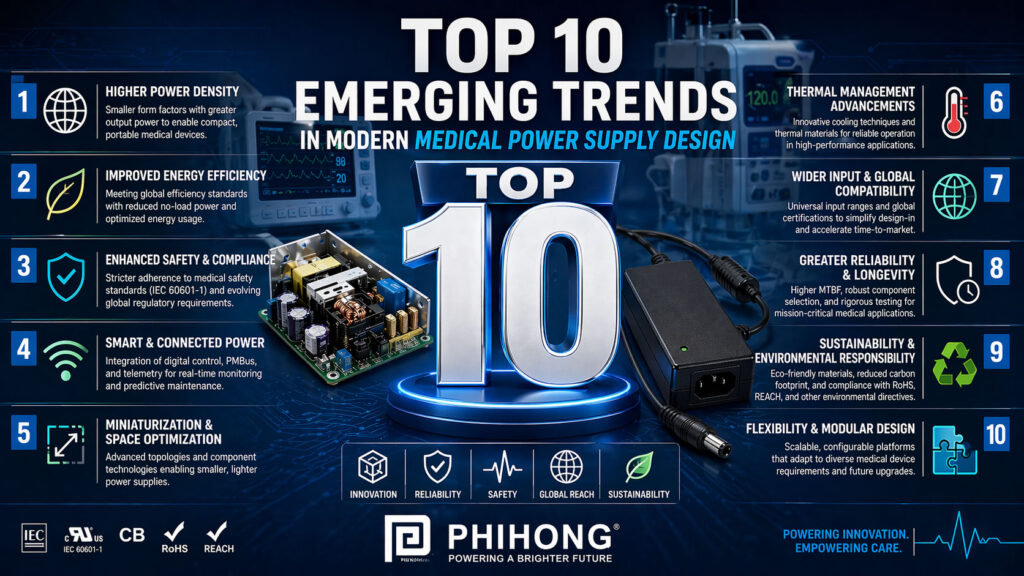
Top 10 Emerging Trends in Modern Medical Power Supply Design
Before getting into the list, these are the ten trends that matter most because they shape how OEMs design for portability, compliance, efficiency, connected monitoring, and future product flexibility. Some are component-level shifts, while others are system-level changes that affect certification, sourcing, and product roadmap planning.
1. Gallium Nitride Is Pushing Medical Power Supplies Toward Smaller, Cooler Designs
GaN continues to attract attention because it improves switching efficiency and reduces heat compared with traditional silicon approaches, which helps designers shrink adapter size and improve power density. In medical products, that matters because portable and space-constrained devices benefit directly from cooler operation and smaller power solutions. Your draft positions GaN as one of the biggest shifts in modern medical power design, especially for compact diagnostic and handheld products.
Phihong’s broader GaN content also reinforces the same direction. Its GaN-focused articles describe the technology as enabling faster switching, lower energy loss, and improved thermal performance for OEM platforms, while USB-C and high-efficiency adapter articles show how compact higher-wattage designs are becoming more practical. Even when those articles are not medical-only, the design logic carries over well to portable healthcare devices.
2. USB-C Power Delivery Is Moving Closer to a Universal Portable Medical Interface
USB-C PD keeps gaining relevance because it allows devices to negotiate voltage and current intelligently while reducing dependence on proprietary connectors. In medical environments, that can simplify accessory strategy, reduce charger sprawl, and create a more modern user experience for portable equipment. Your draft highlights USB-C as both a convenience and a supply chain trend, which is a useful way to frame it for OEM readers.
Phihong’s USB-C content supports this trend from the platform side. The company has published articles on USB-C PD benefits, PD 3.x architecture, and USB-C charger development, all of which underline faster charging, broader compatibility, and more flexible power negotiation. For medical OEMs, the key caution is that a medical USB-C solution still needs medical-grade isolation, leakage, and compliance performance, not just a modern connector.
3. Home Healthcare Requirements Are Influencing More Power Designs Up Front
Medical OEMs increasingly need to design for products that live outside controlled clinical environments. That changes power design priorities because residential settings introduce inconsistent grounding, variable usage habits, fluid exposure risk, and less predictable environmental conditions. Your source draft correctly identifies IEC 60601-1-11 and home-care realities as a major trend rather than a niche edge case.
Phihong’s April 2026 medical content aligns with that direction by emphasizing leakage current control, safety framework decisions under IEC 60601, and careful selection between internal supplies and adapters based on the application. These topics matter more when the device is expected to perform safely in homes rather than only in staffed clinical environments. Home healthcare is no longer a side category. It is a mainstream design input.
4. Smart Power Monitoring Is Becoming More Important in Connected Medical Systems
Power supplies are gradually becoming more than silent background hardware. In connected devices, designers increasingly want visibility into temperature, load behavior, fault signals, and lifecycle status so systems can flag maintenance risk before failure happens. Your draft refers to this as smart power inside the Internet of Medical Things, and that is a strong positioning angle for OEM and system design audiences.
While Phihong’s most recent medical pages focus more on compliance and architecture than on PMBus-heavy language, the broader trend is consistent with connected device development: more intelligence, more predictability, and more service visibility. For hospitals and remote monitoring platforms, this trend can improve uptime planning and reduce surprise replacement events, especially in products where power reliability affects essential performance. That makes smart monitoring a design differentiator, not just an engineering bonus.
5. Higher Efficiency Is Supporting Fanless and Quieter Medical Devices
Efficiency matters for energy savings, but in medical devices it also shapes enclosure design, noise, reliability, and cleanability. The more efficient the power supply, the less heat needs to be removed, and that can reduce or eliminate the need for active cooling. Your draft correctly ties this to silent operation and more reliable sealed designs, especially in patient-facing or home-use equipment.
Phihong’s newer open-frame and internal medical articles fit this trend well because they emphasize thermal behavior as a system-level issue, not a late-stage tweak. The recent thermal design post makes it especially clear that a supply that looks acceptable on paper can still struggle once installed in a sealed medical enclosure. That is why efficiency and thermal design now travel together as one trend in medical power planning.
FEATURED PRODUCTS
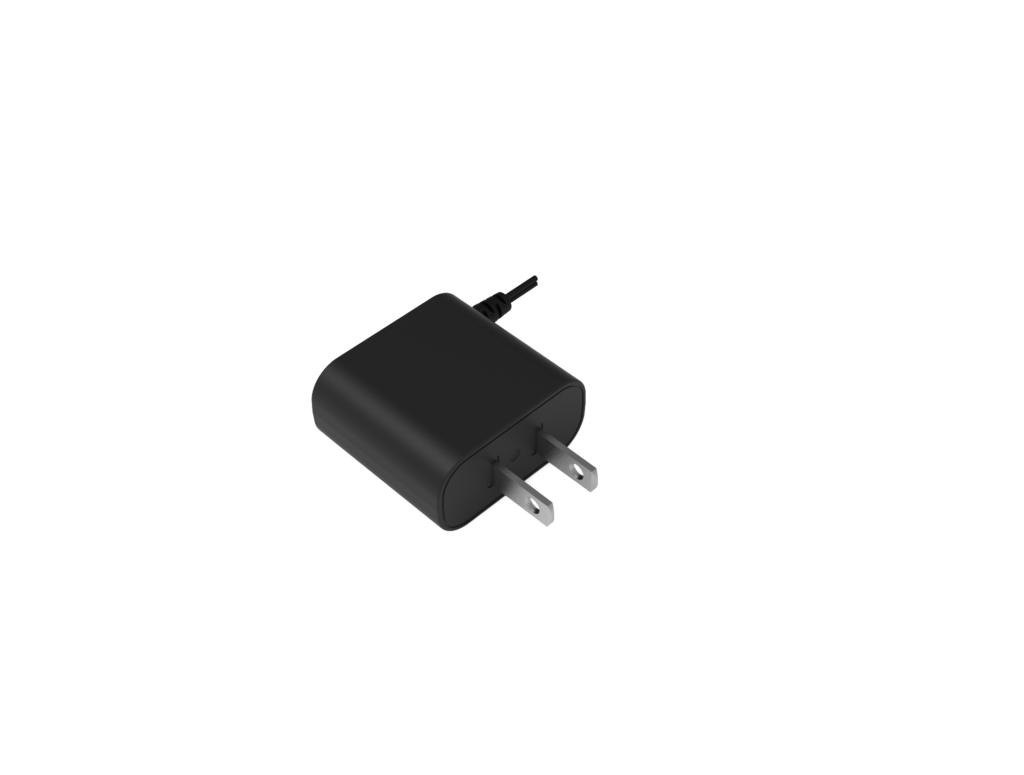
AA03A-075A-R
- Output Power - 2.75W
- Output Volt - 7.5V
- Output Current - 0.366A
- Features - Fixed Blade AC Input, Limited Power Source, Class B EMI, Level VI Efficiency, Standard Barrel Connector
AC Series
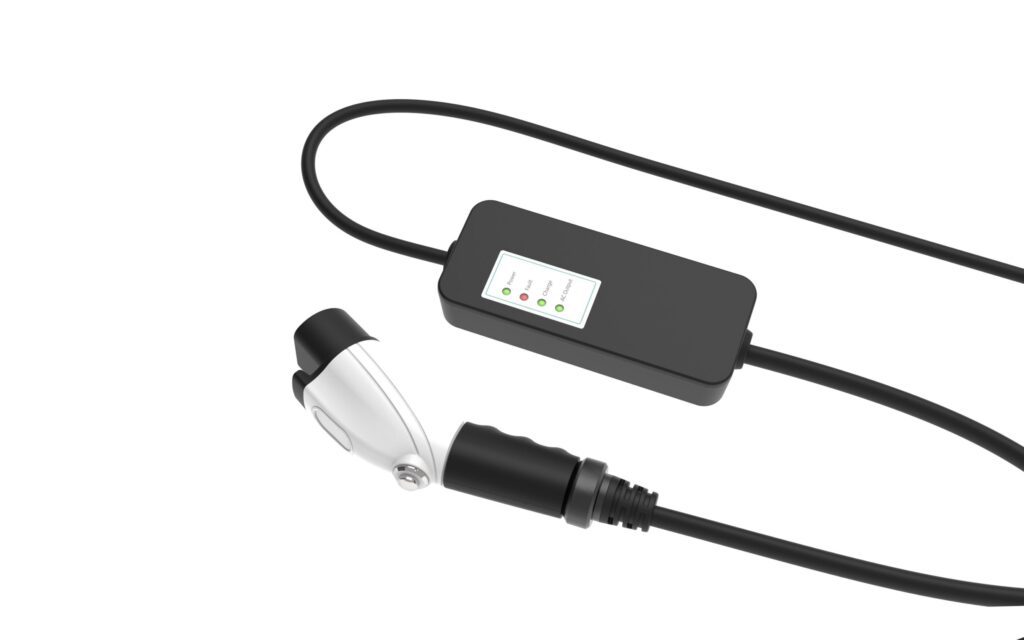
- Output Current - 16A
- Features - Mode 2-chargers can use a circuit ranging from 8Amp to 16Amp with a local standard AC input plug installed for operation, Provides overcurrent, over voltage and short circuit protection, Protected against strong jets of water from all directions, Continuously monitors/supervises the ground connection between the AC supply and EV to ensure safe and reliable charging
BF550-234B-R
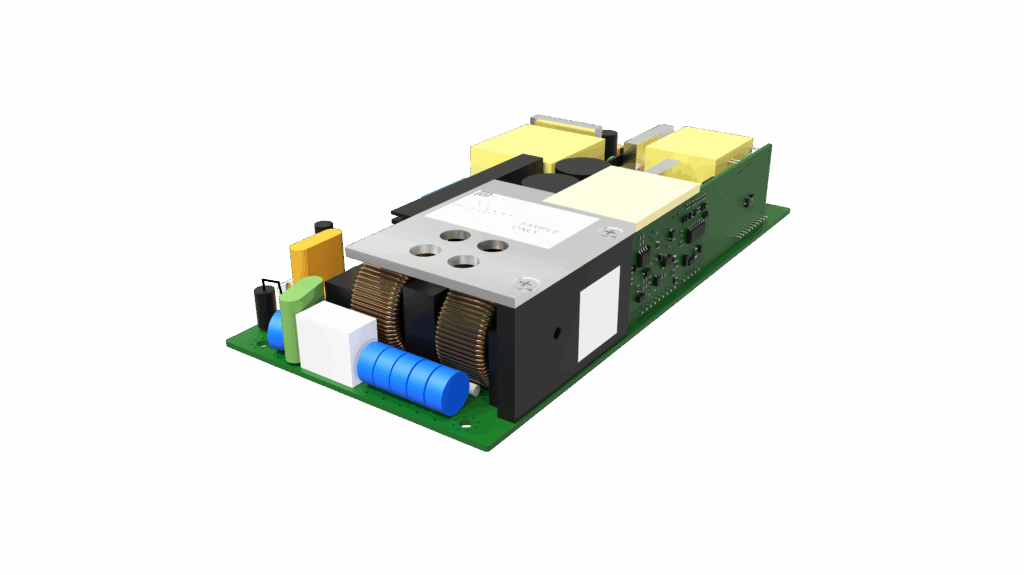
- Output Power - 550W
- Output Volt - 12Vdc / 54.5Vdc
- Features - Universal AC Input range, Class I Design , Class B EMI , High Efficiency Performance , OVP, OCP, SCP, OTP Protections , Operating Altitude: 5,000M
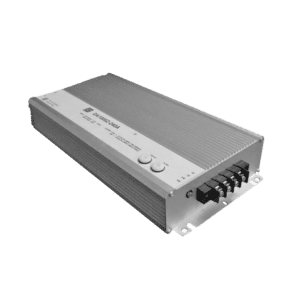
DA1000Z-240AEV-R
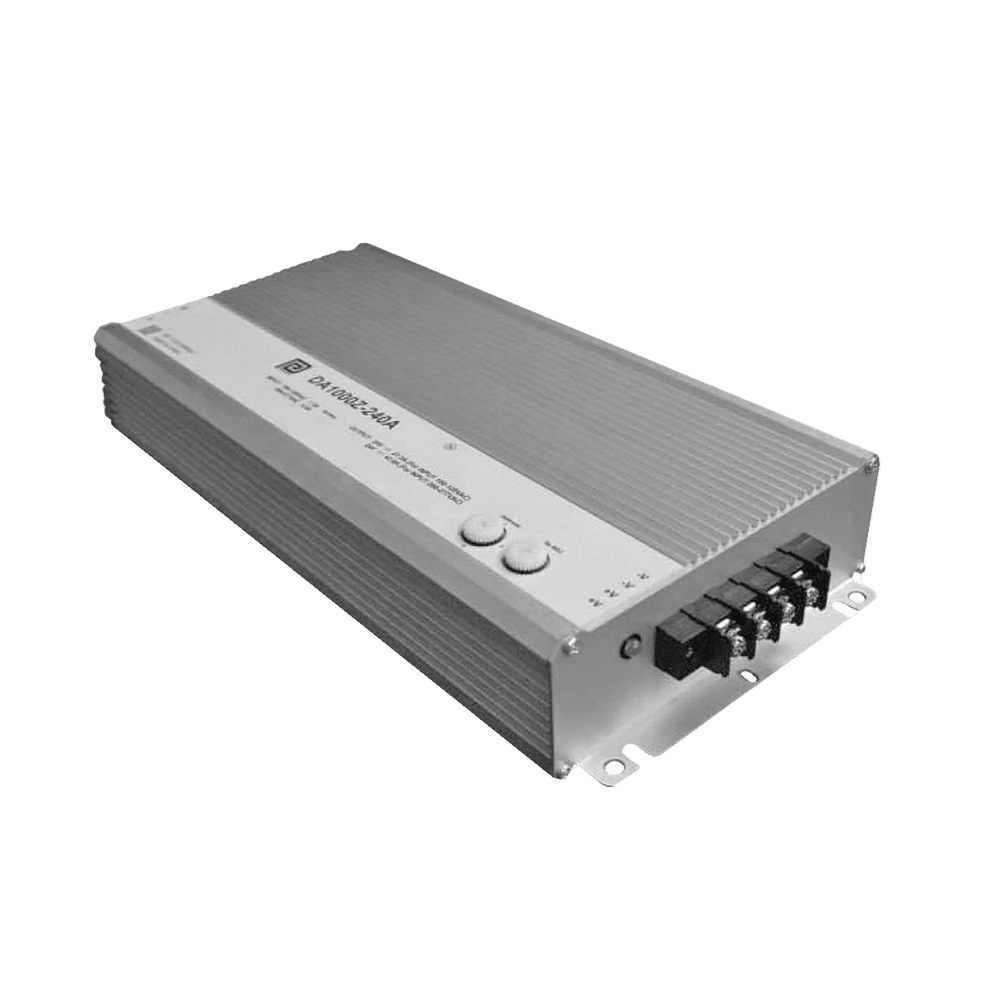
- Output Power - 1000W
- Output Volt - 24V
- Output Current - 42A
- Features - Extended operating temperature range of -40℃ to 70℃, Fan-less aluminum case filled with heat conductive glue, Able to withstand 10G vibration, Power on LED indicator, Short Circuit, Over Current, Over Voltage, and Over Temperature Protections, & Adjustable output through potentiomete
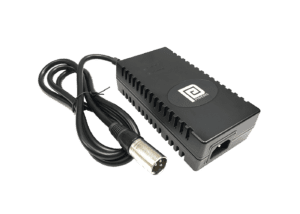
DA60U-240A-R
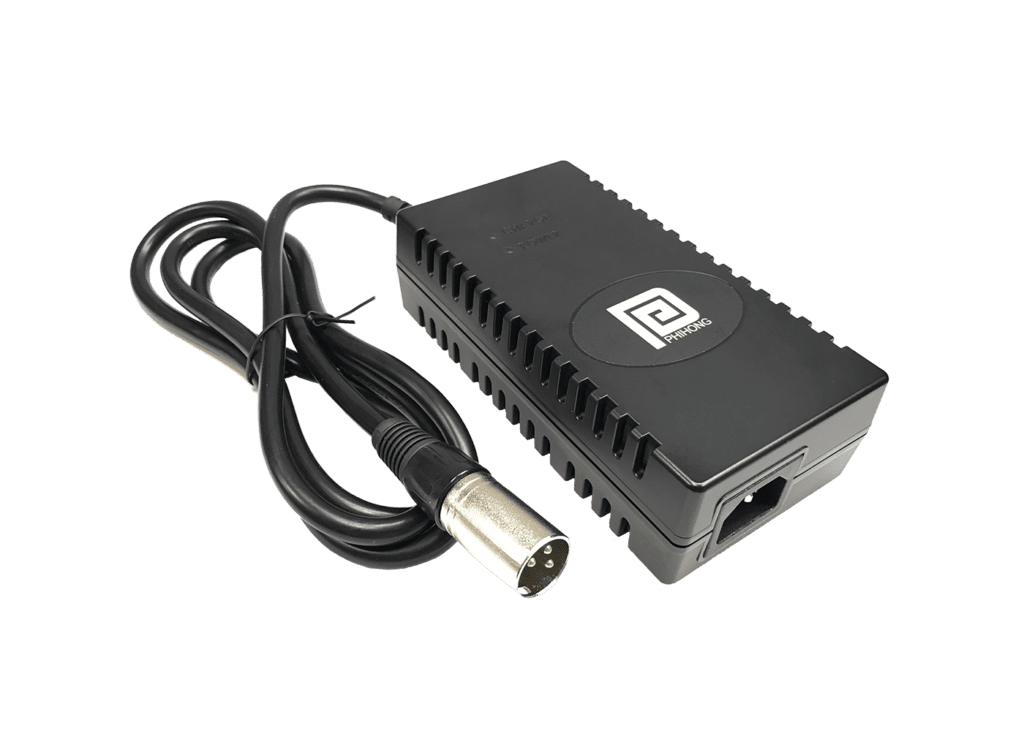
- Output Power - 60W
- Output Volt - 24V
- Output Current - 2.5A
- # of ports - 1
- Features - RESNA Compliant, CEC Compliant, LED Indicators Charge State, OVP, OTP, SCP, Charges AGM Batteries, Max 12hrs Charging Time
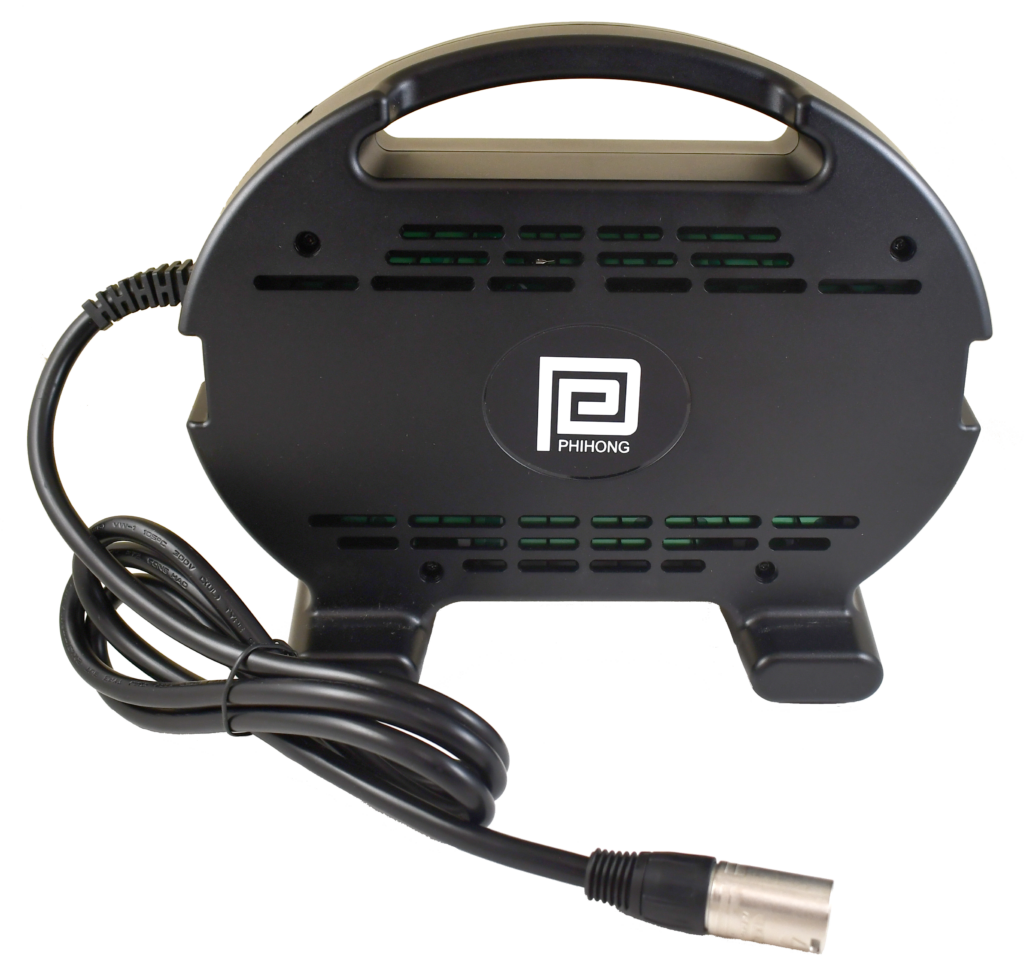
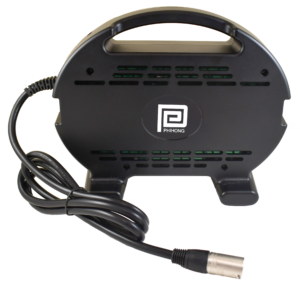
DA200U-250A-R
- Output Power - 200W
- Output Volt - 24V
- Output Current - 8A
- # of ports - 1
- Features - RESNA Compliant, CEC Compliant, LED Indicators Charge State, OVP, OTP, SCP, Dual-Mode Charger, Charges GEL or AGM batteries, Max 12hrs Charging Time
CLIENT'S QUOTE
Phihong’s custom OEM power solutions have transformed our product development, boosting performance and reducing overhead. Their expert engineering support has simplified both the design and manufacturing phases.
6. Modular Internal Power Architectures Are Helping OEMs Move Faster
Another strong trend is the move toward configurable or semi-modular internal power strategies that reduce custom development time. OEMs still want design flexibility, but many no longer want to start from scratch if a qualified power platform can be adapted more quickly. Your source draft positions modular design as a speed-to-market and certification advantage, which is exactly how many engineering teams think about it.
Phihong’s current internal medical content supports that framing indirectly by stressing early architecture decisions, open-frame selection, EMC planning, and thermal integration. In other words, the value of a modular approach is not just electrical reuse. It is the ability to start from a stronger, more predictable compliance and integration baseline. That can reduce redesign risk and shorten the path from prototype to validated device.
7. EMC Expectations Are Rising in More Crowded Wireless Environments
Medical equipment now operates in spaces filled with Wi-Fi, phones, sensors, wireless infrastructure, and increasingly dense digital traffic. That makes EMC resilience more important than ever, especially for products that need to maintain stable essential performance in mixed environments. Your uploaded draft identifies this as enhanced EMC immunity for 5G and related interference-heavy settings.
Phihong’s current medical content repeatedly emphasizes IEC 60601-1-2 readiness, EMC-aware internal design, and low leakage current tradeoffs tied to filtering decisions. For OEMs, the takeaway is that EMC cannot be handled as a separate downstream task. It affects shielding, layout, grounding, and sometimes even the choice between internal and external power architecture. This is becoming more visible, not less, as devices get more connected.
8. Sustainability and Lifecycle Thinking Are Entering Medical Power Decisions
Environmental considerations are becoming more visible in sourcing and procurement, even in technical product categories that used to focus almost entirely on safety and performance. Your draft points to easier recycling, material choices, and broader sustainability alignment as a growing trend. For OEMs, this usually shows up less as marketing language and more as supplier expectations, documentation requests, and lifecycle planning.
This trend is still less represented than safety topics in Phihong’s current medical article stream, but it fits logically with manufacturing quality, change control, and future-proof sourcing. As healthcare procurement becomes more demanding, power suppliers may increasingly be evaluated not just on electrical performance but also on materials, process transparency, and long-term product stewardship. It is not yet the loudest trend in medical power design, but it is steadily becoming part of the conversation.
9. Wireless Power Is Starting to Matter More for Wearables and Specialized Devices
Wireless charging still sits earlier in the maturity curve than GaN or USB-C, but it is becoming more relevant for low-power devices where connector wear, cleaning concerns, and ease of use are significant design issues. Your draft frames this trend around wearables and some implantable-adjacent applications, which is the right way to position it at this stage.
For many OEMs, the value is not just convenience. Wireless transfer can reduce the mechanical weakness of physical ports and improve enclosure sealing opportunities. The main limitation is that not every medical product class is ready for it yet, especially where higher power, strict efficiency targets, or space constraints make wired solutions more practical. Still, it is a real directional trend and worth watching as medical products become smaller, more mobile, and more consumer-like in form factor.
10. Multi-Region Manufacturing Is Now a Design and Sourcing Trend, Not Just an Operations Topic
Supply chain resilience is increasingly part of product strategy. Your draft rightly calls out multi-region manufacturing as an emerging trend because where a power supply is built can influence lead times, regional risk, and sourcing continuity. For medical OEMs, this matters more than ever because production disruptions can affect regulated product timelines and commercial launch planning.
Phihong’s recent manufacturing content supports the broader concern around lead times, delays, and OEM planning, while the company’s site also continues to position itself as a global power supplier. Even when this topic sounds operational, it directly affects design decisions because teams often choose architectures and partners partly based on long-term manufacturability and continuity. In that sense, resilient sourcing is now part of modern power design thinking.
Modern medical power design is clearly moving toward smaller, cooler, more standardized, more connected, and more resilient systems. Some trends, like GaN and USB-C PD, are visible on the surface because users can see the reduction in size and the shift in connector strategy. Others, like smarter monitoring, stronger EMC planning, and multi-region sourcing, operate behind the scenes but may have just as much impact on reliability and speed to market. Your uploaded draft captures that broader shift well.
For OEM teams, the key is not to chase every trend at once. The better move is to identify which trends actually improve the product category you are building, then connect those decisions back to compliance, thermal design, serviceability, and long-term manufacturability. That is where trend awareness becomes practical engineering strategy rather than just future-looking discussion.
Useful Links
- Phihong medical blog archive for current medical articles
- Phihong blog hub
- How Gallium Nitride is powering compact high-efficiency OEM power designs
Related Articles
- What is IEC 60601 and why it matters for medical power supply design
- How low leakage current affects medical power supply selection
- How thermal design affects open-frame medical power supply performance
How Phihong Can Help OEMs Build Around These Medical Power Trends
Phihong’s current medical content and product positioning make it a useful partner for OEMs trying to sort trend from hype. The company’s recent April 2026 medical articles focus on exactly the practical issues that shape real design decisions: IEC 60601 compliance, leakage current, internal versus external architecture, open-frame integration, and thermal performance in finished systems. Those are the topics that usually decide whether a trend can actually be implemented well in a regulated medical product.
For OEM teams exploring smaller adapters, modern connector strategies, internal power design, or more future-ready supply planning, Phihong can support evaluation from both the compliance side and the integration side. The value is not just offering a component. It is helping align the right power approach with safety, thermal behavior, product form factor, and long-term manufacturing needs.
The next generation of medical devices will likely keep pushing toward portability, quieter operation, more intelligent monitoring, and more flexible charging and sourcing models. Power design is becoming part of that user and system experience in a much more visible way. OEMs that plan around these shifts early will be in a better position to build products that feel current at launch and remain viable longer in the market.

CONTACT US TODAY
From concept to production, Phihong delivers custom OEM power solutions tailored to your specifications.
POE technology supports the centralization of power

AC Adapter Guide: Everything You Need to Know
Moreover, PoE technology supports the centralization of power management. By powering devices through a PoE-enabled network …
AC DC Power Chargers and How They Work: A Comprehensive Technical Breakdown
Moreover, PoE technology supports the centralization of power management. By powering devices through a PoE-enabled network …

USB-C Charger: Shaping the Future of the Tech World
Moreover, PoE technology supports the centralization of power management. By powering devices through a PoE-enabled network …

AC Adapter Guide: Everything You Need to Know
Moreover, PoE technology supports the centralization of power management. By powering devices through a PoE-enabled network …

AC DC Power Chargers and How They Work: A Comprehensive Technical Breakdown
Moreover, PoE technology supports the centralization of power management. By powering devices through a PoE-enabled network …

USB-C Charger: Shaping the Future of the Tech World
Moreover, PoE technology supports the centralization of power management. By powering devices through a PoE-enabled network …