










BLOG
260W vs 460W vs 550W vs 950W Open-Frame Power Supplies: Which One Fits Your System?
QUICK LINKS
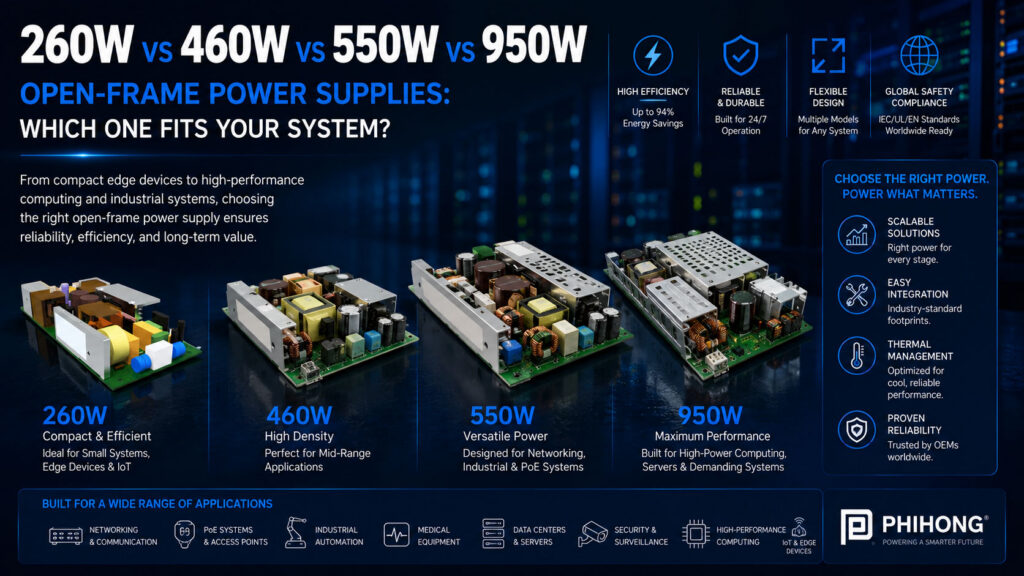
Why does open-frame PSU wattage selection matter for OEM system design?
Open-frame PSU wattage selection matters because the power supply must fit the real system load, not just the highest number available in a product family. For OEMs designing networking equipment, PoE systems, IoT gateways, industrial automation devices, smart building hardware, control systems or high-power embedded platforms, choosing between 260W, 460W, 550W and 950W affects more than output capacity. It affects enclosure size, thermal design, airflow, service access, EMI behavior, safety planning, lifecycle support and total product cost.
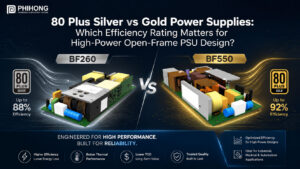
The BF260 / BF460 / BF550 / BF950 product family gives OEM teams a useful way to compare multiple wattage levels around a similar dual-output architecture. The uploaded product map identifies these as dual-output open-frame/internal PSU options with 12V plus 55V or 54.5V outputs. That makes the comparison especially relevant for systems that need one rail for local electronics and another higher-voltage rail for PoE-related power, industrial loads or downstream conversion. The goal is not to choose the largest PSU. The goal is to choose the wattage class that matches the real system load with enough margin for reliable operation.
| Selection Factor | Why It Matters | What OEM Teams Should Review |
|---|---|---|
| Total output power | Determines whether the PSU can support the full system load. | Continuous load, peak load, future margin and load growth. |
| Rail-by-rail demand | Dual-output supplies must support both 12V and 55V / 54.5V needs. | 12V auxiliary load, higher-voltage load, cross-load behavior and balance. |
| Thermal impact | Higher wattage usually increases the need for heat removal. | Enclosure airflow, fan strategy, ambient temperature and hot spots. |
| Product fit | The right PSU must match the product’s mechanical and service design. | Mounting, wiring, access, safety spacing, replacement and documentation. |
Why This Matters
• Choosing the wrong PSU wattage can create underpowering, unnecessary heat, wasted space or avoidable cost.
• A product-family comparison helps OEMs match power level to real system architecture instead of guessing from wattage alone.
What OEMs Should Do Now
• Build a complete load map before choosing between 260W, 460W, 550W and 950W open-frame power supplies.
• Compare wattage, rail loading, enclosure airflow, EMI, safety, thermal margin and product lifecycle needs together.
Useful Links
BF260-234A-R Product Page: www.phihong.com/products/open-frame-internal-psu/bf260-234a-r/
BF460-234A-R Product Page: www.phihong.com/products/open-frame-internal-psu/bf460-234a-r/
Open-Frame / Internal PSU Product Line: www.phihong.com/products/open-frame-internal-psu/
Related Links
Best Guide to Dual-Output Power Supplies for Networking, Industrial Automation, and PoE Systems: www.phihong.com/best-guide-to-dual-output-power-supplies-for-networking-industrial-automation-and-poe-systems/
Why 12V and 54.5V/55V Dual Outputs Matter in PoE and IoT Power Architectures: www.phihong.com/why-12v-and-54-5v-55v-dual-outputs-matter-in-poe-and-iot-power-architectures/
FEATURED PRODUCTS
AM250U-540AP-R
AA240U-200A-R
AA240U-200B-R
AA280U-200B-R
AA240U-59FKEA-R
AA36U-240B-R

When does a 260W or 460W dual-output open-frame PSU make sense?
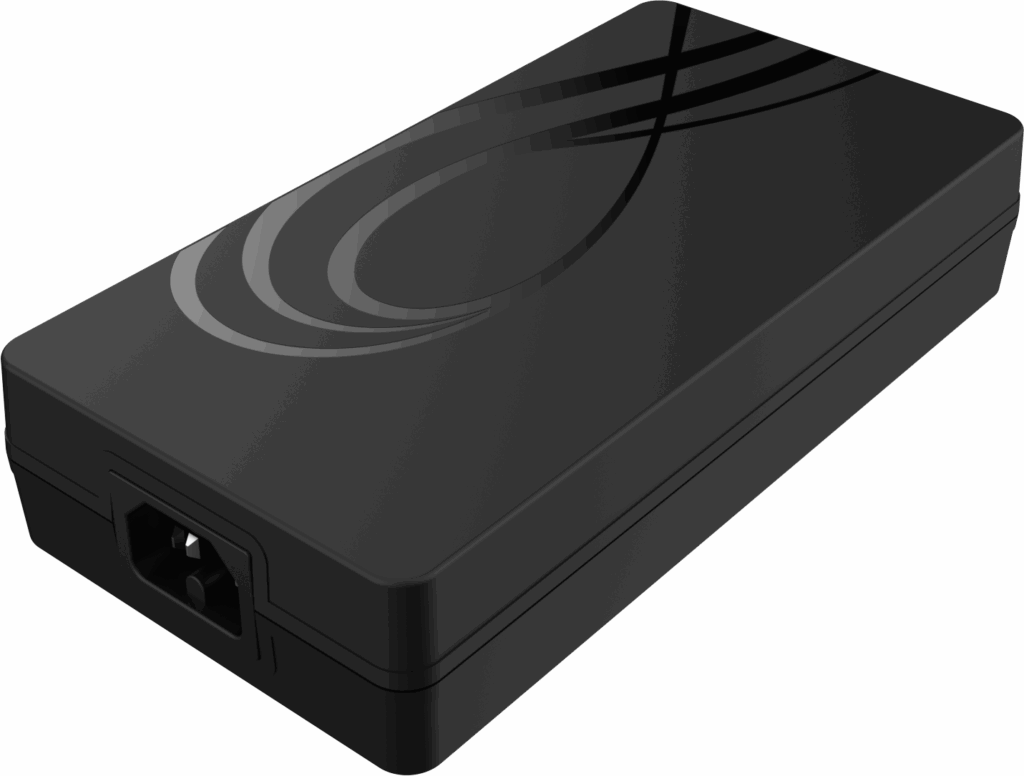
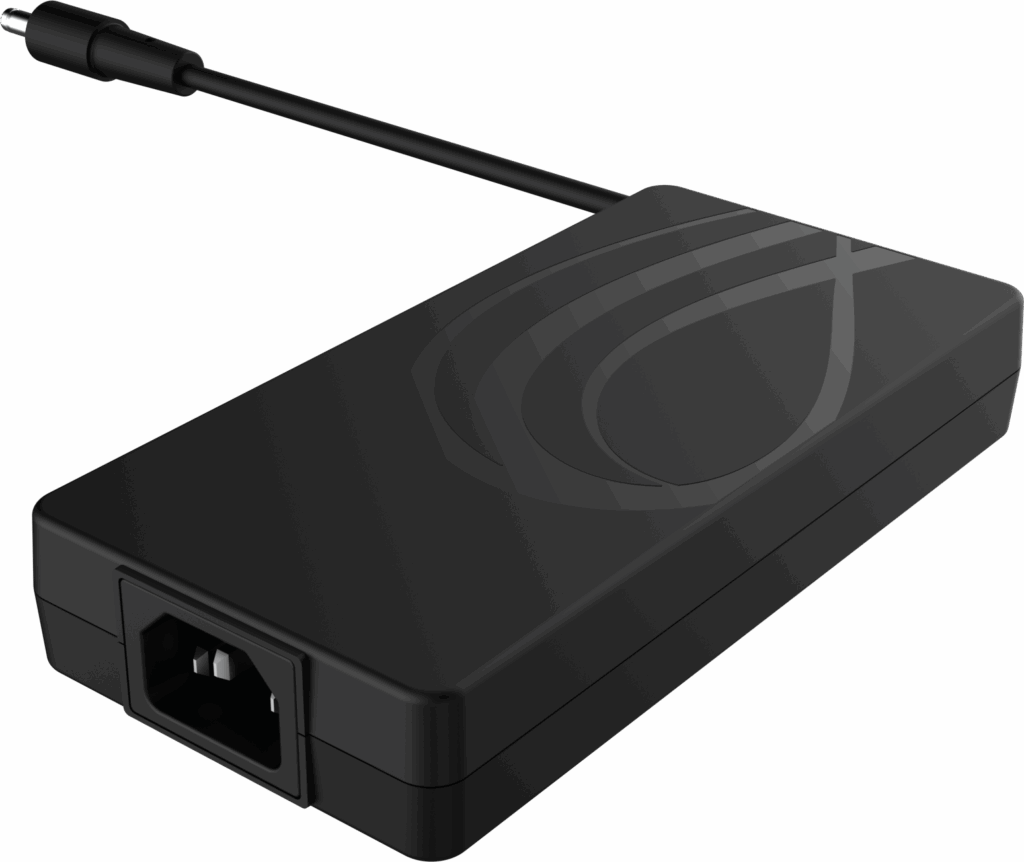
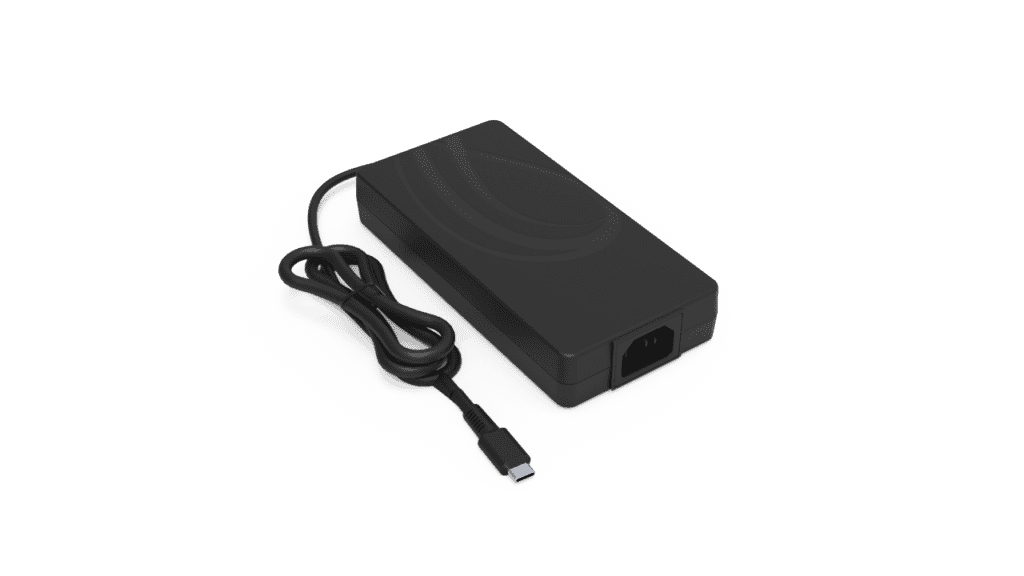
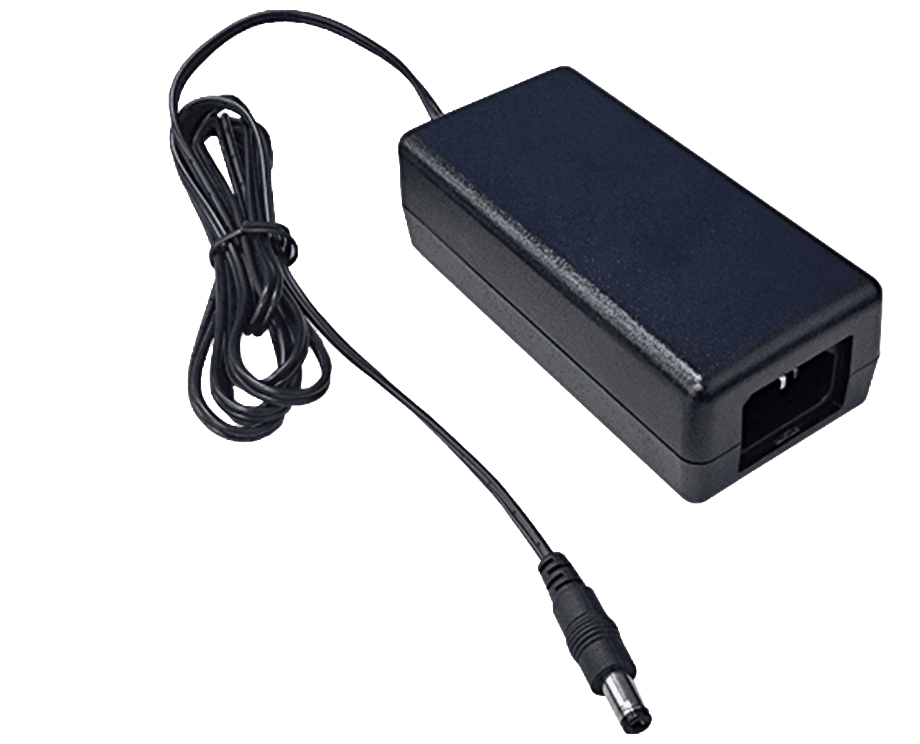
A 260W or 460W dual-output open-frame PSU can make sense when the system needs both 12V and 55V-style power but does not require the higher capacity of a 550W or 950W platform. The uploaded product map identifies the BF260-234A-R as a 260W fanless open-frame PSU with 12V and 55V outputs for PoE and IoT systems. It also identifies the BF460-234A-R as a 460W industrial open-frame PSU with 12V and 55V outputs for industrial equipment requiring simultaneous 12V and 55V rails.
These wattage levels are useful for compact and midrange systems where power architecture matters, but space, cost and thermal simplicity still need control. A smaller IoT gateway, PoE-adjacent controller, networking device or industrial control product may not need 550W or 950W. Choosing the lower appropriate wattage can reduce thermal burden and simplify integration. At the same time, OEMs should avoid under-sizing the PSU. If the system has higher port count, heavier industrial loads, longer duty cycles or expansion requirements, moving from 260W to 460W may provide a more practical margin.
| Wattage Class | Best-Fit Use Case | What OEM Teams Should Review |
| 260W class | Lower-power PoE, IoT, networking or control systems with dual-output needs. | 12V load, 55V load, fanless operation, enclosure airflow and thermal margin. |
| 460W class | Midrange industrial or networking equipment needing more dual-output capacity. | Peak demand, duty cycle, wiring, load balance and cooling approach. |
| Avoid under-sizing | A PSU that is too small can create thermal, reliability or load-margin issues. | Continuous load, surge load, future expansion and abnormal operating conditions. |
| Avoid over-sizing | A PSU that is too large may add cost, space and integration burden. | Mechanical fit, procurement cost, operating efficiency and service needs. |
Why This Matters
• 260W and 460W options can fit compact and midrange products that need dual outputs without excessive capacity.
• The right choice depends on rail-by-rail demand, not only total system wattage.
What OEMs Should Do Now
• Use the 260W class when the system load is controlled and the enclosure can support the required thermal behavior.
• Move toward the 460W class when midrange equipment needs more margin across the 12V and 55V rails.
Useful Links
BF260-234A-R Product Page: www.phihong.com/products/open-frame-internal-psu/bf260-234a-r/
BF460-234A-R Product Page: www.phihong.com/products/open-frame-internal-psu/bf460-234a-r/
BF260-234A-R Datasheet: www.phihong.com/wp-content/uploads/New-datasheet-BF260-234A-R_10072025.pdf
Related Links
Why 12V and 54.5V/55V Dual Outputs Matter in PoE and IoT Power Architectures: www.phihong.com/why-12v-and-54-5v-55v-dual-outputs-matter-in-poe-and-iot-power-architectures/
Best Guide to Open-Frame Internal Power Supplies: How to Choose the Right Internal PSU for Industrial Equipment: www.phihong.com/best-guide-to-open-frame-internal-power-supplies-how-to-choose-the-right-internal-psu-for-industrial-equipment/
When should OEMs move up to 550W or 950W open-frame power supplies?
OEMs should move up to 550W or 950W open-frame power supplies when the system has larger loads, higher port counts, heavier industrial demand, more downstream conversion, longer duty cycles or a need for greater power margin. The uploaded product map identifies the BF550-234A-R as a 550W open-frame PSU with 12V and 54.5V outputs for PoE and IoT systems. It also identifies the BF950-234A-R as a 950W industrial open-frame PSU with 12V and 54.5V outputs for high-power industrial equipment.
These higher wattage classes are not simply “better.” They are better only when the system actually needs them. A 550W supply may fit larger PoE, IoT, networking or automation platforms that exceed midrange demand. A 950W supply may fit high-power industrial equipment where 12V and 54.5V rails must support larger simultaneous loads. OEM teams should review heat removal, mechanical space, wiring, safety spacing, EMI behavior and field service needs carefully because high-power open-frame PSUs place more integration responsibility on the finished product design.
| Wattage Class | Best-Fit Use Case | What OEM Teams Should Review |
| 550W class | Higher-load PoE, IoT, networking or industrial systems needing more margin. | Full-load operation, rail balance, airflow, EMI, duty cycle and efficiency. |
| 950W class | High-power industrial equipment with demanding 12V and 54.5V load requirements. | Maximum load, heat removal, wiring, safety, service access and installation environment. |
| Thermal design | Higher wattage increases the importance of validated airflow and heat removal. | Fan strategy, enclosure vents, inlet temperature, hot spots and thermal derating. |
| System validation | Larger supplies must be tested inside the final product, not only on the bench. | Load profile, cross-load behavior, protections, EMI and final compliance setup. |
Why This Matters
• 550W and 950W open-frame PSUs are better suited for larger systems that need more power headroom across both outputs.
• Higher wattage brings more thermal, mechanical, EMI and validation responsibility for the OEM.
What OEMs Should Do Now
• Move to 550W or 950W only when the load map, duty cycle and expansion needs justify the higher power class.
• Validate cooling, wiring, protection behavior and EMI in the final system before committing to production.
Useful Links
BF550-234A-R Product Page: www.phihong.com/products/open-frame-internal-psu/bf550-234a-r/
BF950-234A-R Product Page: www.phihong.com/products/open-frame-internal-psu/bf950-234a-r-2/
BF550-234A-R Datasheet: www.phihong.com/wp-content/uploads/New-datasheet-BF550-234A-R_10142025.pdf
Related Links
Best Guide to Dual-Output Power Supplies for Networking, Industrial Automation, and PoE Systems: www.phihong.com/best-guide-to-dual-output-power-supplies-for-networking-industrial-automation-and-poe-systems/
How to Validate Thermal Performance of Open-Frame Power Supplies in Real Enclosures: www.phihong.com/how-to-validate-thermal-performance-of-open-frame-power-supplies-in-real-enclosures/
CLIENT'S QUOTE
Phihong’s custom OEM power solutions have transformed our product development, boosting performance and reducing overhead. Their expert engineering support has simplified both the design and manufacturing phases.
How should OEMs avoid under-sizing or over-sizing an open-frame PSU?
OEMs should avoid under-sizing or over-sizing by building a realistic power budget before selecting the PSU wattage class. Under-sizing can create thermal stress, voltage stability problems, nuisance shutdowns, limited expansion margin, or reduced reliability under peak load. Over-sizing can add unnecessary cost, consume more space, complicate enclosure design, increase airflow requirements, and create sourcing inefficiency. The best PSU is not always the highest-wattage option. It is the one that matches the actual system load with appropriate margin.
For dual-output open-frame supplies, this decision is more complex because the total wattage does not tell the whole story. OEM teams need to know how much power is needed on the 12V rail and how much is needed on the 55V or 54.5V rail. A system may have moderate total wattage but heavy demand on one rail. Another system may have high total wattage but more balanced loading. That is why rail-by-rail validation is more useful than comparing only 260W, 460W, 550W and 950W labels.
| Sizing Mistake | What Can Go Wrong | What OEM Teams Should Do |
|---|---|---|
| Under-sizing the PSU | The supply may operate too close to its limit during peak or continuous load. | Add margin for startup, transient load, thermal conditions and future feature growth. |
| Over-sizing the PSU | The product may carry unnecessary cost, space and integration burden. | Match wattage to real load rather than choosing the largest available model. |
| Ignoring rail balance | One output may be overloaded while total wattage appears acceptable. | Validate 12V and 55V / 54.5V rails separately. |
| Ignoring enclosure effects | A PSU that works on the bench may run hotter inside the final product. | Test inside the actual enclosure with final airflow and wiring. |
Why This Matters
• PSU sizing mistakes can affect cost, reliability, thermal performance and production readiness.
• Dual-output supplies should be selected by rail-by-rail loading, not only total wattage.
What OEMs Should Do Now
• Create a power budget that separates 12V loads from higher-voltage loads before choosing the PSU class.
• Validate the selected PSU at realistic continuous load, peak load, high ambient temperature and final enclosure airflow.
Useful Links
BF260-234A-R Product Page: www.phihong.com/products/open-frame-internal-psu/bf260-234a-r/
BF550-234A-R Product Page: www.phihong.com/products/open-frame-internal-psu/bf550-234a-r/
Open-Frame / Internal PSU Product Line: www.phihong.com/products/open-frame-internal-psu/
Related Links
The Power Supply Decisions OEMs Regret Most and Why They’re Hard to Fix Later: www.phihong.com/the-power-supply-decisions-oems-regret-most-and-why-theyre-hard-to-fix-later/
How to Validate Thermal Performance of Open-Frame Power Supplies in Real Enclosures: www.phihong.com/how-to-validate-thermal-performance-of-open-frame-power-supplies-in-real-enclosures/
How Phihong supports 260W, 460W, 550W and 950W open-frame PSU selection
For OEM teams comparing 260W, 460W, 550W and 950W open-frame power supplies, Phihong’s BF260 / BF460 / BF550 / BF950 family gives engineers and sourcing teams a product-led path for wattage selection. These models are especially relevant when a product needs a dual-output architecture with 12V plus 55V or 54.5V rails. That makes the family useful for PoE, IoT, networking, industrial automation and distributed power systems where local electronics and higher-voltage loads must be supported together.
The best fit depends on the real product architecture. BF260 may fit lower-power PoE, IoT or control systems. BF460 can support midrange industrial or networking equipment. BF550 can support higher-load systems that need more power headroom. BF950 is better aligned with high-power industrial equipment or larger dual-output platforms. OEM teams should compare each model against the load map, enclosure design, airflow path, EMI requirements, safety documentation, protection behavior and service model before making the final selection.
| Phihong Product Area | Why It Helps OEM Teams | What Teams Should Review |
|---|---|---|
| BF260-234A-R | Provides a 260W dual-output option for lower-power systems. | 12V and 55V loads, enclosure airflow, thermal margin and compact integration. |
| BF460-234A-R | Supports midrange dual-output equipment. | Peak load, rail balance, cooling strategy and system expansion needs. |
| BF550-234A-R | Supports higher-load systems needing more margin. | Full-load operation, EMI, thermal behavior and duty cycle. |
| BF950-234A-R | Supports high-power dual-output platforms. | Maximum load, heat removal, wiring, safety and service access. |
Why This Matters
• The BF product family helps OEMs compare multiple wattage classes within a related dual-output PSU strategy.
• Product-specific selection can reduce guesswork when choosing between 260W, 460W, 550W and 950W options.
What OEMs Should Do Now
• Start with the system load map, then match the wattage class to the real 12V and 55V / 54.5V requirements.
• Validate the selected BF model inside the final equipment with the intended load, airflow, wiring and operating environment.
Useful Links
BF260-234A-R Product Page: www.phihong.com/products/open-frame-internal-psu/bf260-234a-r/
BF460-234A-R Product Page: www.phihong.com/products/open-frame-internal-psu/bf460-234a-r/
BF550-234A-R Product Page: www.phihong.com/products/open-frame-internal-psu/bf550-234a-r/
BF950-234A-R Product Page: www.phihong.com/products/open-frame-internal-psu/bf950-234a-r-2/
Related Links
Best Guide to Dual-Output Power Supplies for Networking, Industrial Automation, and PoE Systems: www.phihong.com/best-guide-to-dual-output-power-supplies-for-networking-industrial-automation-and-poe-systems/
Why 12V and 54.5V/55V Dual Outputs Matter in PoE and IoT Power Architectures: www.phihong.com/why-12v-and-54-5v-55v-dual-outputs-matter-in-poe-and-iot-power-architectures/
Best Guide to Open-Frame Internal Power Supplies: How to Choose the Right Internal PSU for Industrial Equipment: www.phihong.com/best-guide-to-open-frame-internal-power-supplies-how-to-choose-the-right-internal-psu-for-industrial-equipment/
Choosing between 260W, 460W, 550W and 950W open-frame power supplies is not only a wattage decision. It is a system decision that affects thermal design, enclosure layout, rail balance, wiring, EMI, safety, serviceability and long-term product scalability.
For OEMs working with dual-output 12V plus 55V or 54.5V architectures, the strongest selection process starts with the load profile. Teams should define what each rail powers, how the system behaves at startup, how much power margin is needed and how the PSU performs inside the final enclosure. The right wattage class is the one that supports the product reliably without adding unnecessary complexity.

CONTACT US TODAY
From concept to production, Phihong delivers custom OEM power solutions tailored to your specifications.
FAQ
How do I choose between a 260W, 460W, 550W and 950W open-frame power supply?
Start with the real system load, not the largest available wattage. Calculate the power needed on each output rail, including 12V loads and 55V or 54.5V loads. Then review continuous load, peak load, startup behavior, thermal margin, enclosure airflow, EMI, safety, mechanical fit and future expansion. A smaller product may fit 260W or 460W, while larger PoE, IoT, networking or industrial platforms may need 550W or 950W.
When is a 260W open-frame PSU enough?
A 260W open-frame PSU may be enough when the product has controlled power demand and does not require large margin across both output rails. It may fit compact PoE, IoT, networking or control systems where the 12V and 55V loads are modest. OEMs should still validate startup, peak load, thermal behavior and enclosure airflow before assuming the 260W class is sufficient.
When should OEMs move up to a 550W or 950W PSU?
OEMs should move up to 550W or 950W when the system has higher continuous load, larger port count, heavier industrial demand, more downstream conversion or greater expansion margin. The higher wattage class should be justified by the load map. It also requires more careful review of cooling, wiring, mechanical space, EMI, safety and service access inside the final product.
Why is rail-by-rail load planning important for dual-output PSUs?
Rail-by-rail planning is important because total wattage can hide imbalance between outputs. A system may appear to fit the total PSU rating but overload one rail. For dual-output supplies, OEMs should separately calculate the 12V load and the 55V or 54.5V load. Both outputs should be validated under startup, full-load, peak-load and abnormal-load conditions.
Is a higher-wattage open-frame PSU always better?
No. A higher-wattage PSU may provide more margin, but it can also add cost, size, thermal burden and integration complexity. The best PSU is the one that fits the actual system load with appropriate margin. OEM teams should avoid choosing the largest model only because it seems safer. Over-sizing can create unnecessary design and sourcing challenges.
POE technology supports the centralization of power

AC Adapter Guide: Everything You Need to Know
Moreover, PoE technology supports the centralization of power management. By powering devices through a PoE-enabled network …
AC DC Power Chargers and How They Work: A Comprehensive Technical Breakdown
Moreover, PoE technology supports the centralization of power management. By powering devices through a PoE-enabled network …

USB-C Charger: Shaping the Future of the Tech World
Moreover, PoE technology supports the centralization of power management. By powering devices through a PoE-enabled network …

AC Adapter Guide: Everything You Need to Know
Moreover, PoE technology supports the centralization of power management. By powering devices through a PoE-enabled network …

AC DC Power Chargers and How They Work: A Comprehensive Technical Breakdown
Moreover, PoE technology supports the centralization of power management. By powering devices through a PoE-enabled network …

USB-C Charger: Shaping the Future of the Tech World
Moreover, PoE technology supports the centralization of power management. By powering devices through a PoE-enabled network …