








BLOG
AI in Power Supply Supply Chains: How OEMs Predict Shortages and Reduce Supply Chain Risk
QUICK LINKS

Why Is AI Becoming Essential in Power Supply Supply Chain Strategy?
AI is becoming essential because traditional supply chain management methods can no longer keep up with the speed and complexity of global electronics sourcing. Power supply supply chains involve multiple tiers, global dependencies, and volatile demand patterns driven by industries such as AI infrastructure, EV charging, and industrial automation. Manual forecasting and reactive procurement are increasingly insufficient.
AI enables procurement and operations teams to process large volumes of data in real time. It identifies patterns across lead times, supplier behavior, and market demand that are difficult to detect manually. This allows OEMs to anticipate disruptions earlier and respond before shortages affect production.
For power supplies, where a single constrained component can delay entire systems, this predictive capability is critical. AI is shifting supply chain strategy from reactive to proactive.
FEATURED PRODUCTS
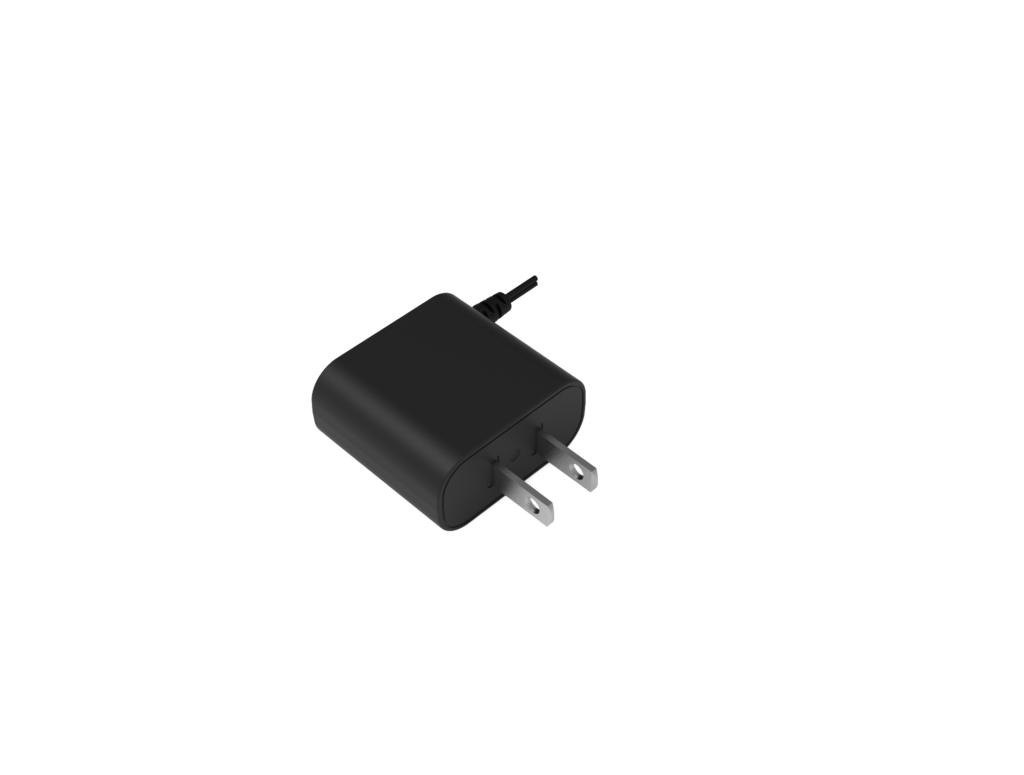
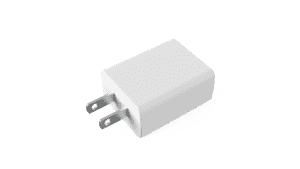
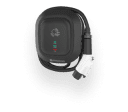
AA03A-075A-R
- Output Power - 2.75W
- Output Volt - 7.5V
- Output Current - 0.366A
- Features - Fixed Blade AC Input, Limited Power Source, Class B EMI, Level VI Efficiency, Standard Barrel Connector
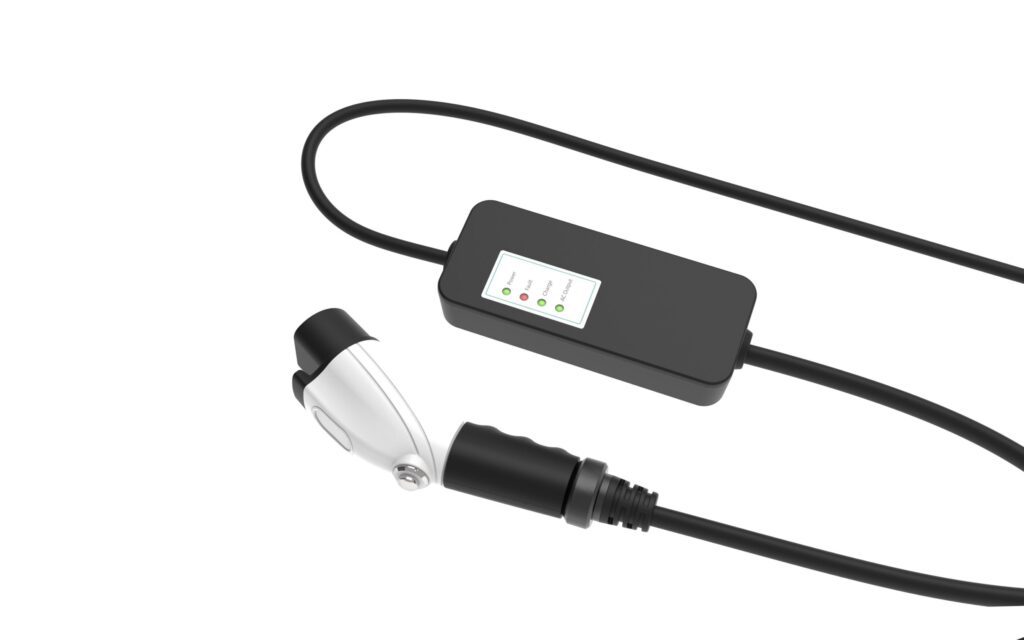
AC Series
- Output Current - 16A
- Features - Mode 2-chargers can use a circuit ranging from 8Amp to 16Amp with a local standard AC input plug installed for operation, Provides overcurrent, over voltage and short circuit protection, Protected against strong jets of water from all directions, Continuously monitors/supervises the ground connection between the AC supply and EV to ensure safe and reliable charging
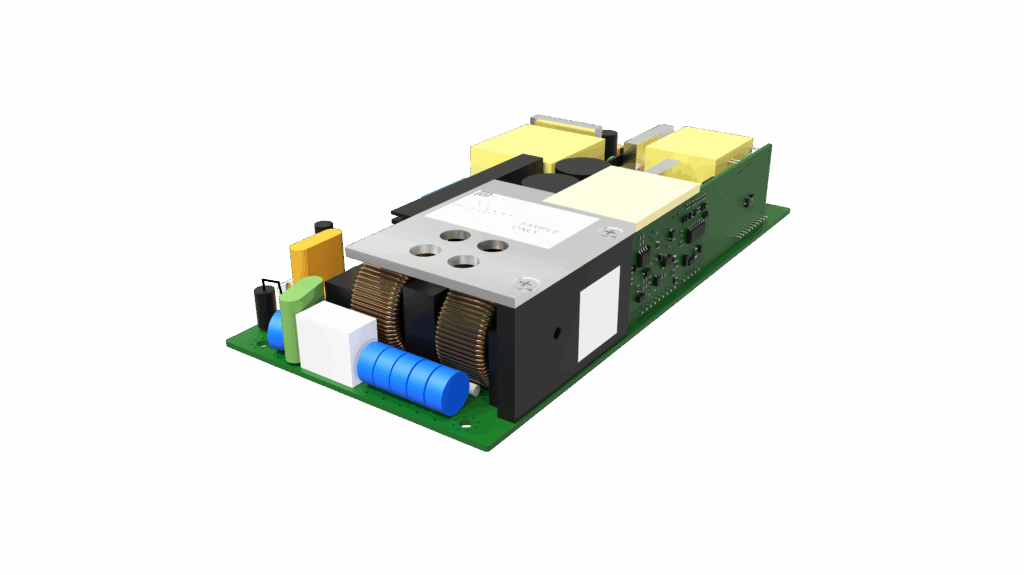
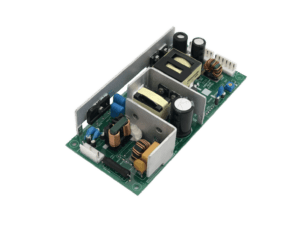
BF550-234A-R
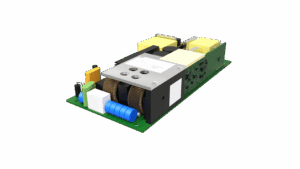
- Output Power - 550W
- Output Volt - 12Vdc / 54.5Vdc
- Features - Universal AC Input range, Class I Design , Class B EMI , High Efficiency Performance , OVP, OCP, SCP, OTP Protections , Operating Altitude: 5,000M
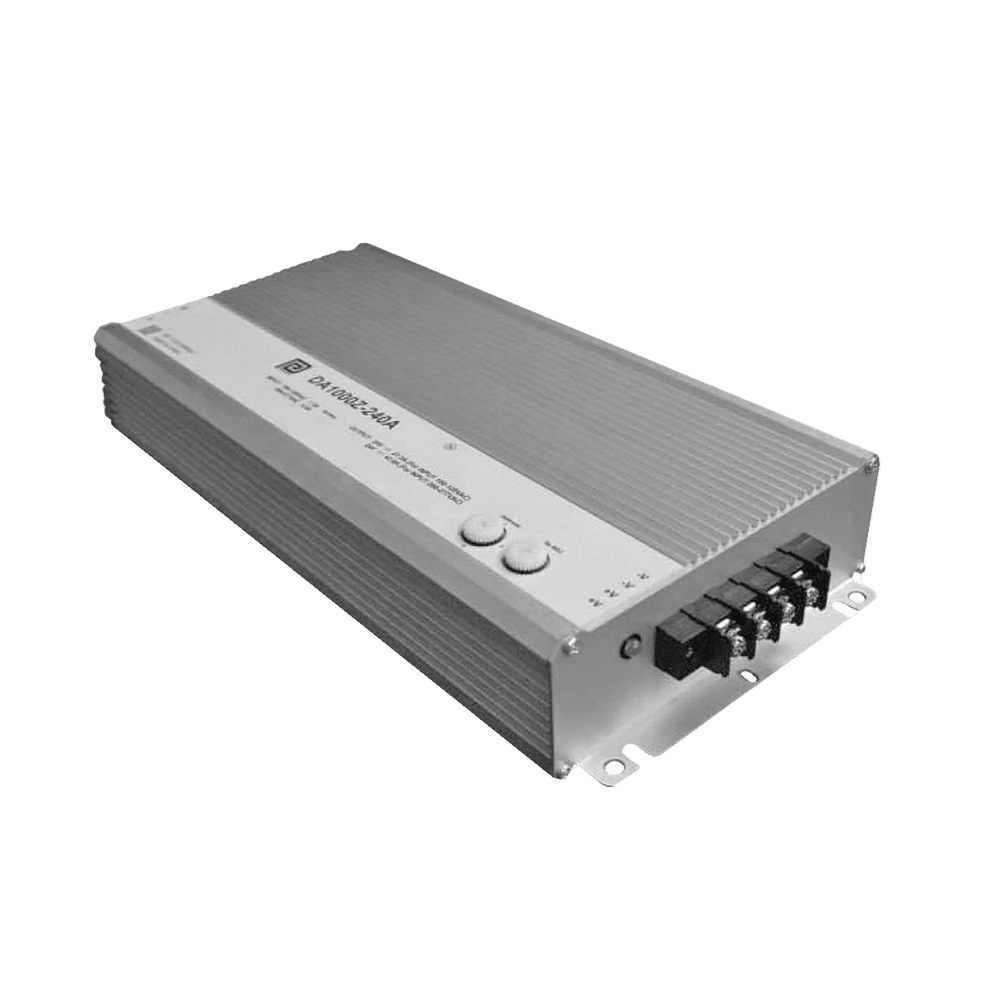
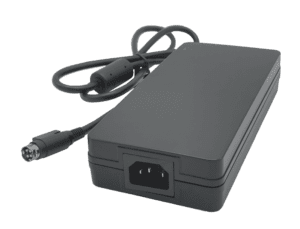
DA1000Z-240AEV-R
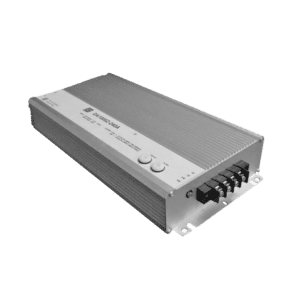
- Output Power - 1000W
- Output Volt - 24V
- Output Current - 1000W
- Features - Extended operating temperature range of -40℃ to 70℃, Fan-less aluminum case filled with heat conductive glue, Able to withstand 10G vibration, Power on LED indicator, Short Circuit, Over Current, Over Voltage, and Over Temperature Protections, & Adjustable output through potentiomete
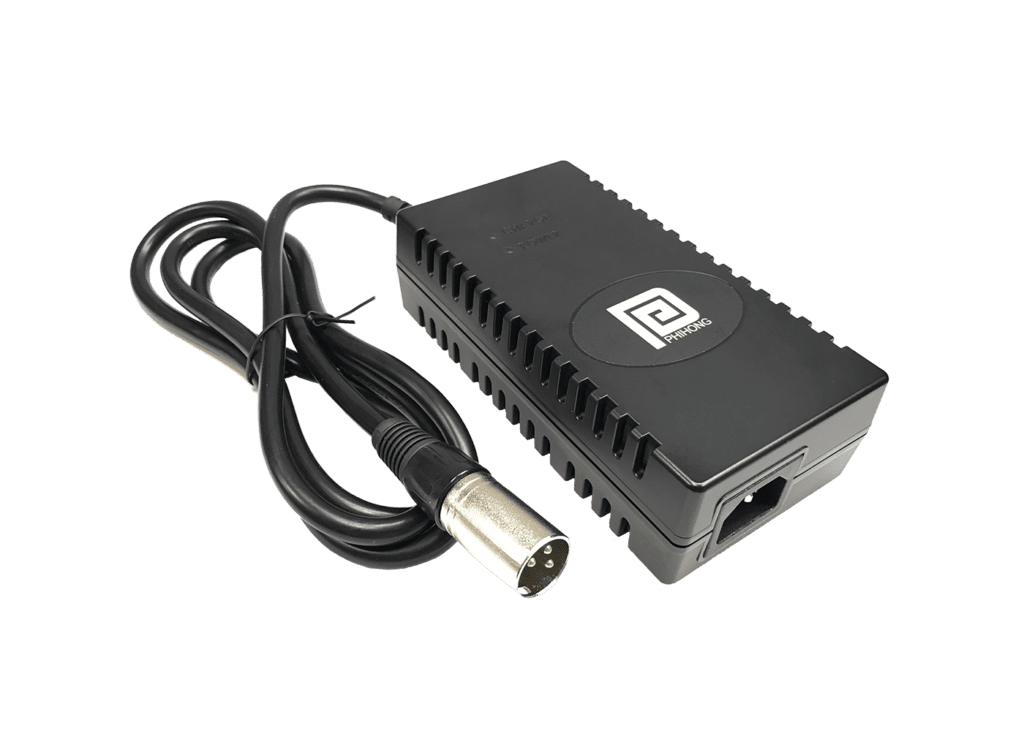
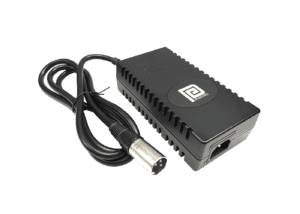
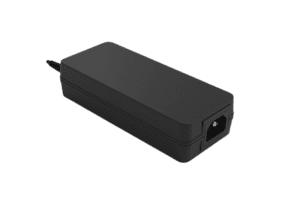
DA60U-240A-R
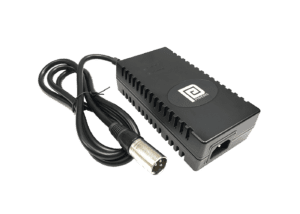
- Output Power - 60W
- Output Volt - 24V
- Output Current - 2.5A
- # of ports - 1
- Features - RESNA Compliant, CEC Compliant, LED Indicators Charge State, OVP, OTP, SCP, Charges AGM Batteries, Max 12hrs Charging Time
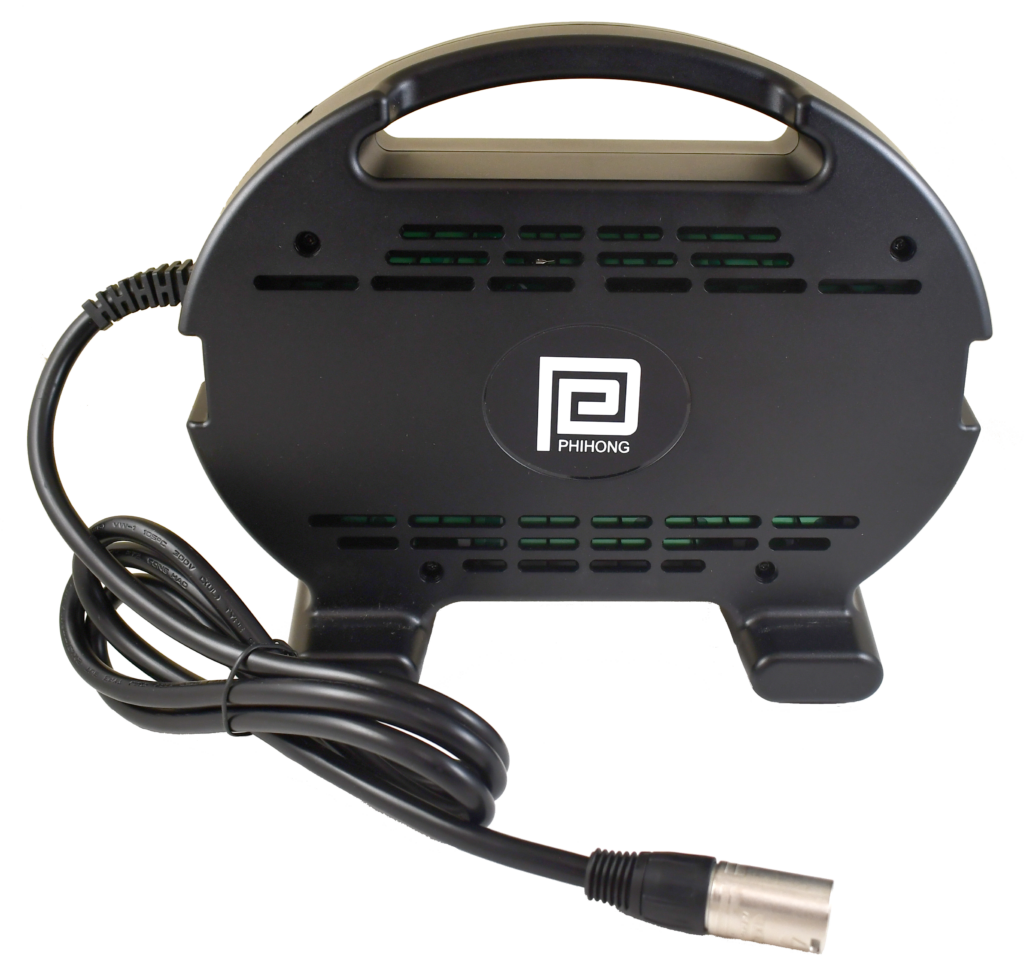
DA200U-250A-R
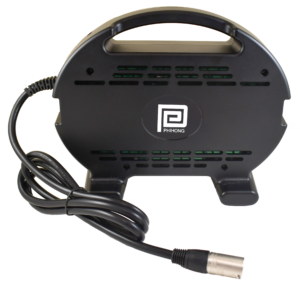
- Output Power - 200W
- Output Volt - 24V
- Output Current - 8A
- # of ports - 1
- Features - RESNA Compliant, CEC Compliant, LED Indicators Charge State, OVP, OTP, SCP, Dual-Mode Charger, Charges GEL or AGM batteries, Max 12hrs Charging Time
Why This Matters
• Enables early detection of supply disruptions
• Reduces dependency on reactive procurement decisions
• Improves visibility across complex multi-tier supply chains
What’s Driving This Shift
• Increasing volatility in global component availability
• Growth of data-driven decision-making tools
• Rising demand from AI, EV, and industrial sectors
What OEMs Should Do Now
• Explore AI-enabled supply chain tools
• Integrate real-time data sources into procurement workflows
• Align supply chain strategy with predictive insights
Mini Q&A
Why is AI important for supply chains now?
Because traditional methods cannot keep up with volatility.
Are power supply chains more complex than others?
Yes, due to multi-tier dependencies and compliance requirements.
Can AI prevent disruptions entirely?
No, but it improves early detection and response.
AI is becoming a foundational capability for modern supply chain strategy.
How Does AI Improve Visibility Across Power Supply Component Networks?
AI improves visibility by connecting fragmented data across suppliers, distributors, and internal systems into a unified view. Power supply supply chains often lack transparency at the sub-tier level, where many risks originate. AI helps bridge this gap by aggregating and analyzing data from multiple sources.
With improved visibility, OEMs can track component availability, monitor supplier performance, and identify bottlenecks earlier. AI can highlight dependencies that may not be obvious, such as shared components across different product lines or exposure to specific regions.
This visibility enables better decision-making. Procurement teams can prioritize actions based on real-time risk rather than assumptions or delayed signals.
Why This Matters
• Improves understanding of full supply chain structure
• Identifies hidden dependencies and risks
• Supports better decision-making
What’s Driving This Shift
• Need for transparency in multi-tier supply chains
• Availability of large-scale data integration tools
• Increasing complexity of global sourcing
What OEMs Should Do Now
• Map supply chains using AI-enabled tools
• Integrate supplier and distributor data sources
• Use visibility insights to guide sourcing decisions
Mini Q&A
What is supply chain visibility?
It is the ability to see and track all parts of the supply chain.
Why is visibility difficult in power supplies?
Because of complex, multi-tier sourcing.
Can AI reveal hidden risks?
Yes, it identifies patterns and dependencies.
Visibility transforms supply chains from opaque systems into manageable networks.
How Can AI Predict Power Supply Component Shortages Before They Occur?
AI predicts shortages by analyzing trends such as lead times, allocation patterns, and demand signals across industries. By comparing current data with historical patterns, AI can identify conditions that typically precede shortages. This allows procurement teams to act before supply becomes constrained.
In power supply sourcing, AI can detect cross-industry demand spikes that affect shared components. For example, increased demand in AI servers or EV systems can strain semiconductor supply before OEMs feel the impact. AI surfaces these signals earlier than traditional methods.
Predictive capability changes how procurement operates. Instead of reacting to confirmed shortages, teams can secure inventory, validate alternates, or adjust sourcing strategies in advance.
Why This Matters
• Enables proactive sourcing decisions
• Extends response time before shortages escalate
• Reduces production disruption risk
What’s Driving This Shift
• Increased demand volatility across industries
• Need for faster response to supply changes
• Growth of predictive analytics tools
What OEMs Should Do Now
• Monitor predictive indicators alongside traditional signals
• Use AI to guide inventory and sourcing decisions
• Align procurement actions with predictive insights
Mini Q&A
How early can AI detect shortages?
Often before supplier alerts are issued.
Does AI rely only on internal data?
No, it uses external market and demand data as well.
Can predictions be wrong?
Yes, but they improve decision timing.
Predictive AI allows OEMs to move from reaction to anticipation.
How Is AI Transforming Procurement Workflows in Power Supply Sourcing?
AI is transforming procurement workflows by automating analysis, prioritizing risk, and enabling faster decision-making. Instead of relying on periodic reviews and manual tracking, procurement teams can now monitor supply conditions continuously and respond in near real time. This is especially important in power supply sourcing, where conditions can change rapidly.
AI integrates into workflows by flagging high-risk components, recommending sourcing actions, and highlighting supply chain anomalies. This allows procurement teams to focus on strategic decisions rather than data gathering. It also reduces reliance on reactive processes that often come too late to prevent disruption.
The result is a shift from static workflows to dynamic, data-driven systems. Procurement becomes more agile, capable of adjusting to changing conditions without waiting for formal supplier updates.
Why This Matters
• Improves speed and accuracy of procurement decisions
• Reduces reliance on manual processes
• Enables continuous monitoring of supply conditions
What’s Driving This Shift
• Need for real-time supply chain visibility
• Growth of automation in business processes
• Increasing complexity of sourcing decisions
What OEMs Should Do Now
• Integrate AI tools into procurement workflows
• Automate monitoring of key supply indicators
• Train teams to interpret and act on AI insights
Mini Q&A
How does AI change daily procurement tasks?
It reduces manual tracking and highlights key risks.
Can AI automate procurement decisions?
Partially, but human oversight is still required.
Does this improve efficiency?
Yes, significantly.
AI is turning procurement into a faster, more responsive function.
CLIENT'S QUOTE
Phihong's Power-Over-Ethernet solutions have transformed our network, boosting efficiency and reducing costs. Their seamless integration has simplified both installation and maintenance.
How Can AI Help Score Supplier Risk in Power Supply Supply Chains?
AI can help score supplier risk by analyzing multiple variables simultaneously, including delivery performance, financial stability, geographic exposure, and component availability. This creates a dynamic risk profile that updates as conditions change, providing a more accurate picture than static evaluations.
In power supply supply chains, supplier risk is not limited to direct vendors. Sub-tier suppliers and shared component sources also influence risk. AI can identify these hidden dependencies and assign risk scores based on their exposure to disruption.
This approach allows OEMs to prioritize suppliers based on risk level rather than treating all suppliers equally. High-risk suppliers can be monitored more closely or supplemented with alternatives, while stable suppliers can be leveraged for consistency.
Why This Matters
• Improves accuracy of supplier risk assessment
• Identifies hidden dependencies in supply chains
• Enables prioritized risk management
What’s Driving This Shift
• Increasing need for granular risk visibility
• Availability of multi-source supply chain data
• Growth of analytics in supplier management
What OEMs Should Do Now
• Implement AI-based supplier risk scoring systems
• Monitor both direct and sub-tier suppliers
• Use risk scores to guide sourcing decisions
Mini Q&A
What factors determine supplier risk?
Delivery, location, financial stability, and sourcing dependencies.
Can AI detect sub-tier risks?
Yes, it can identify hidden dependencies.
Should all suppliers be treated equally?
No, risk levels vary significantly.
AI enables more precise and actionable supplier risk management.
How Does AI Influence Power Supply Design Decisions and Component Selection?
AI is beginning to influence power supply design decisions by providing real-time insight into component availability and risk. Engineering teams can use AI-generated data to select components that are not only technically suitable but also resilient from a sourcing perspective.
This integration helps prevent designs that rely on high-risk components. By identifying potential shortages early, AI allows engineers to consider alternatives during the design phase rather than after problems arise. This reduces the likelihood of redesign and improves overall product stability.
The result is a shift toward design-for-resilience. Power supply design is no longer isolated from supply chain considerations. Instead, it is informed by data that reflects real-world sourcing conditions.
Why This Matters
• Aligns design decisions with supply chain realities
• Reduces reliance on high-risk components
• Improves long-term product stability
What’s Driving This Shift
• Recognition of supply chain as a design constraint
• Need for early risk mitigation in product development
• Integration of AI across business functions
What OEMs Should Do Now
• Use AI insights during component selection
• Validate alternates early in the design process
• Align engineering with procurement strategy
Mini Q&A
Can AI influence component selection?
Yes, by highlighting availability and risk factors.
Does this reduce redesign risk?
Yes, significantly.
Should design consider supply chain data?
Yes, it is now essential.
AI is bridging the gap between design and supply chain strategy.
How Should OEMs Build AI-Enabled Supply Chain Resilience into Their Organizations?
Building AI-enabled resilience requires OEMs to treat supply chain intelligence as a core capability rather than a tool. This means integrating AI into decision-making processes, aligning teams around shared data, and creating systems that adapt continuously to changing conditions.
Organizations must also invest in data quality and accessibility. AI is only effective when it has accurate, timely, and comprehensive data. Procurement, engineering, and operations must contribute to and rely on shared datasets.
Cultural alignment is equally important. Teams must trust AI insights and incorporate them into workflows. Without this, AI remains underutilized and fails to deliver its full value.
Why This Matters
• Enables consistent and scalable decision-making
• Improves organizational responsiveness to disruption
• Maximizes value from AI investments
What’s Driving This Shift
• Need for integrated, data-driven organizations
• Increasing reliance on real-time decision-making
• Growing role of AI in business strategy
What OEMs Should Do Now
• Integrate AI across procurement and engineering functions
• Improve data quality and accessibility
• Align teams around shared supply chain insights
Mini Q&A
Is AI adoption mainly a technology challenge?
No, it is also an organizational and cultural challenge.
Does data quality affect AI performance?
Yes, it is critical.
Should all teams use AI insights?
Yes, cross-functional alignment is essential.
AI-driven resilience requires both technology and organizational change.
How Will AI Continue to Evolve in Power Supply Supply Chains?
AI will continue to evolve by becoming more predictive, autonomous, and integrated across supply chain functions. Future systems will not only identify risks but also recommend or execute sourcing decisions based on predefined strategies.
In power supply supply chains, this evolution will improve coordination across tiers. AI will connect suppliers, manufacturers, and OEMs more closely, enabling faster response to disruptions and better alignment of supply and demand.
At the same time, AI will support more granular decision-making. Instead of broad strategies, OEMs will be able to optimize sourcing at the component level, adjusting dynamically as conditions change.
Why This Matters
• Enhances long-term supply chain adaptability
• Improves coordination across global networks
• Supports more precise decision-making
What’s Driving This Shift
• Advances in machine learning and data processing
• Increasing availability of supply chain data
• Demand for faster and more accurate decisions
What OEMs Should Do Now
• Monitor advancements in AI supply chain tools
• Prepare systems for increased automation
• Align strategy with future AI capabilities
Mini Q&A
Will AI fully automate supply chains?
Not entirely, but automation will increase.
Will AI replace human roles?
No, it will augment decision-making.
Is AI evolution ongoing?
Yes, rapidly.
AI will continue to reshape supply chains in increasingly sophisticated ways.
What Risks Do OEMs Face When Adopting AI in Procurement?
While AI offers significant benefits, OEMs must also consider associated risks. Over-reliance on automated insights without proper validation can lead to incorrect decisions. AI models are only as good as the data they use, and incomplete or biased data can produce misleading results.
Integration challenges also exist. Implementing AI across existing systems requires coordination, investment, and change management. Without proper alignment, AI tools may not integrate effectively into workflows.
OEMs must balance innovation with caution. AI should be implemented with clear governance, validation processes, and human oversight to ensure reliable outcomes.
Why This Matters
• Prevents over-reliance on automated decisions
• Highlights importance of data quality and validation
• Supports responsible AI adoption
What’s Driving This Shift
• Rapid adoption of AI tools across industries
• Need to balance innovation with risk management
• Increasing reliance on data-driven systems
What OEMs Should Do Now
• Establish governance for AI decision-making
• Validate AI outputs before acting
• Ensure strong data management practices
Mini Q&A
Can AI make incorrect predictions?
Yes, especially with incomplete data.
Is human oversight still needed?
Yes, it remains critical.
Are AI risks manageable?
Yes, with proper processes.
Responsible AI adoption is essential for long-term success.
Why AI Is Becoming a Strategic Advantage in Power Supply Supply Chains
AI is becoming a strategic advantage because it enables OEMs to anticipate change, respond faster, and operate with greater confidence in uncertain environments. Companies that effectively integrate AI into their supply chain strategies gain improved visibility, flexibility, and decision-making capability.
In power supply sourcing, where complexity and risk are high, this advantage is particularly significant. AI allows OEMs to move ahead of disruptions rather than react to them, reducing both operational risk and cost.
Over time, the gap between organizations that use AI effectively and those that do not will widen. AI is not just a tool for efficiency. It is becoming a core element of competitive strategy.
Why This Matters
• Differentiates OEMs in competitive markets
• Improves resilience and operational performance
• Supports long-term strategic positioning
What’s Driving This Shift
• Increasing adoption of AI across industries
• Growing importance of proactive decision-making
• Need for competitive advantage in volatile markets
What OEMs Should Do Now
• Invest in AI capabilities as part of supply chain strategy
• Align AI adoption with business objectives
• Build long-term capability rather than short-term solutions
Mini Q&A
Is AI a competitive advantage?
Yes, especially in complex supply chains.
Can OEMs ignore AI adoption?
They risk falling behind competitors.
Is AI only about efficiency?
No, it is about strategic advantage.
AI is becoming a defining factor in modern supply chain success.

FEATURED RESOURCE
Phihong's Power-Over-Ethernet solutions have transformed our network, boosting efficiency and reducing costs.
FAQ
How does AI help predict power supply shortages?
AI transforms reactive procurement into a proactive strategy by processing vast datasets that human teams simply cannot monitor in real-time. It analyzes historical lead times, fluctuating demand patterns, and even external variables like geopolitical shifts, weather disruptions, or factory strikes. By utilizing machine learning algorithms, AI identifies “early warning signals”—subtle anomalies in supplier behavior or logistics delays that often precede a full-blown shortage.
For power supply components, which are often subject to cyclical volatility, AI can correlate tier-2 and tier-3 supplier data to spot bottlenecks deep in the sub-tier network. This predictive capability allows procurement teams to secure inventory, qualify alternative components, or adjust production schedules weeks before a disruption hits the assembly line. Ultimately, it shifts the focus from “putting out fires” to strategic risk mitigation, ensuring that OEMs maintain a competitive edge through continuous availability.
Is AI necessary for all OEM procurement teams?
While not strictly mandatory for every organization, AI is becoming a baseline requirement for any OEM operating within complex, high-mix, or global supply chains. For smaller operations with localized sourcing and a limited bill of materials (BOM), traditional manual tracking may suffice. However, as soon as an OEM deals with hundreds of components and a multi-continental supplier base, the “information overhead” becomes too great for spreadsheets alone.
In the modern landscape, where market conditions change in hours rather than months, AI provides the necessary visibility and decision speed to keep up. Without these tools, teams often find themselves trapped in a cycle of manual data entry and reactive communication. For OEMs aiming for scale, AI is less of a luxury and more of a foundational infrastructure that allows their procurement professionals to focus on high-value negotiation and relationship building rather than tedious data aggregation.
Can AI replace traditional procurement methods?
The idea that AI will replace human procurement professionals is a common misconception; rather, it acts as a powerful force multiplier. A hybrid approach—often called “Augmented Procurement”—is the most effective model. Traditional methods rely heavily on human intuition, established supplier relationships, and nuanced negotiation skills that AI cannot replicate. AI cannot understand the “soft” side of a partnership or the long-term strategic value of a specific supplier alliance.
Instead, AI complements these methods by handling the heavy lifting of data analysis, price forecasting, and risk modeling. It provides the evidence-based insights that allow human buyers to make better, faster decisions. While the AI might flag a 20% risk of a capacitor shortage, it is the human professional who decides whether to pivot to a new vendor or double down on a current partner. The future of procurement is a synergy where technology handles the complexity and humans handle the strategy.
What is the biggest benefit of AI in supply chains?
The most significant advantage of AI is the radical improvement in “Time-to-Insight.” In a traditional supply chain, by the time a manager realizes a component is missing, the production line has already stopped, leading to massive financial losses. AI provides early detection of risk, often identifying potential failures before they manifest physically. This foresight grants an organization the gift of time—the most precious commodity in supply chain management.
Beyond just risk, AI enables superior decision-making speed. When a crisis occurs, AI can instantly simulate multiple “what-if” scenarios, showing the cost and timeline implications of various recovery plans. This allows leadership to act with confidence rather than guessing. By reducing the noise and highlighting the most critical issues, AI ensures that resources are always directed toward the most impactful threats, maximizing both operational resilience and bottom-line profitability.
How should OEMs start adopting AI?
The journey toward AI-enabled procurement should be treated as a marathon, not a sprint. The first and most critical step is Data Integration. AI is only as good as the data it consumes; therefore, OEMs must break down silos between ERP, PLM, and CRM systems to create a “single source of truth.” Without clean, centralized data, even the most advanced AI will produce unreliable results.
Once the data foundation is laid, OEMs should move to Pilot Tools. Rather than attempting a full-scale overhaul, select a specific pain point—such as lead-time prediction for a high-risk product line—and run a pilot program. This allows the team to prove ROI and build internal trust. Finally, Cross-Functional Alignment is essential. Procurement, Engineering, and Finance must all be aligned on how AI insights will be used to change workflows. By starting small and scaling based on success, organizations can transform their culture alongside their technology.
POE technology supports the centralization of power

AC Adapter Guide: Everything You Need to Know
Moreover, PoE technology supports the centralization of power management. By powering devices through a PoE-enabled network …
AC DC Power Chargers and How They Work: A Comprehensive Technical Breakdown
Moreover, PoE technology supports the centralization of power management. By powering devices through a PoE-enabled network …

USB-C Charger: Shaping the Future of the Tech World
Moreover, PoE technology supports the centralization of power management. By powering devices through a PoE-enabled network …

AC Adapter Guide: Everything You Need to Know
Moreover, PoE technology supports the centralization of power management. By powering devices through a PoE-enabled network …

AC DC Power Chargers and How They Work: A Comprehensive Technical Breakdown
Moreover, PoE technology supports the centralization of power management. By powering devices through a PoE-enabled network …
USB-C Charger: Shaping the Future of the Tech World
Moreover, PoE technology supports the centralization of power management. By powering devices through a PoE-enabled network …