








BLOG
How to Find Alternate Power Supply Components When Parts Go Out of Stock
QUICK LINKS
Why Do Power Supply Components Go Out of Stock So Frequently?
Power supply components go out of stock frequently because they are shared across multiple high-growth industries and rely on tightly constrained supply chains. Components such as control ICs, MOSFETs, magnetics, and capacitors are often used in AI servers, EV systems, industrial equipment, and consumer electronics simultaneously. When demand spikes in one sector, availability can shift rapidly across all others.
Unlike general-purpose components, many power supply parts are highly specific to performance and design requirements. This limits interchangeability and makes it harder to substitute parts without validation. When a key component becomes constrained, it creates a bottleneck that affects the entire power supply.
Supplier allocation practices further amplify the issue. Manufacturers often prioritize larger or long-term customers, leaving smaller or less predictable orders exposed to delays or stockouts.
FEATURED PRODUCTS
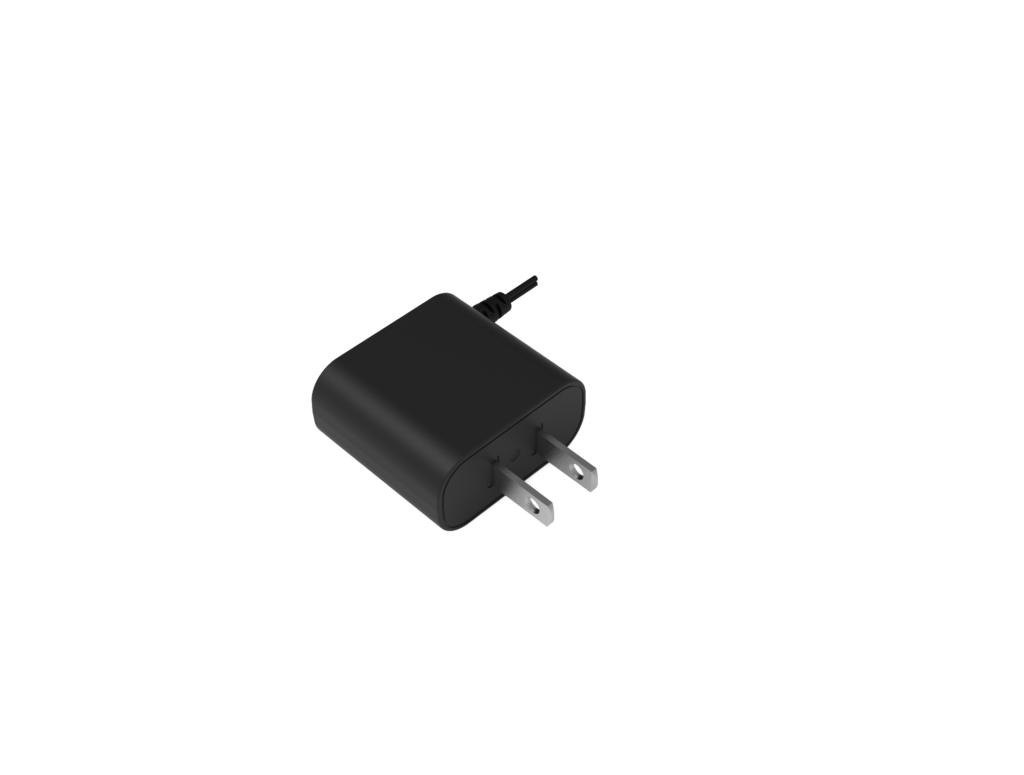
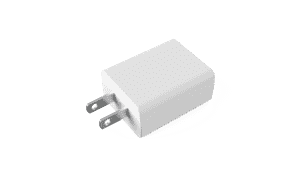
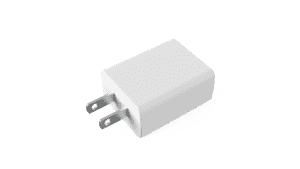
AA03A-075A-R
- Output Power - 2.75W
- Output Volt - 7.5V
- Output Current - 0.366A
- Features - Fixed Blade AC Input, Limited Power Source, Class B EMI, Level VI Efficiency, Standard Barrel Connector
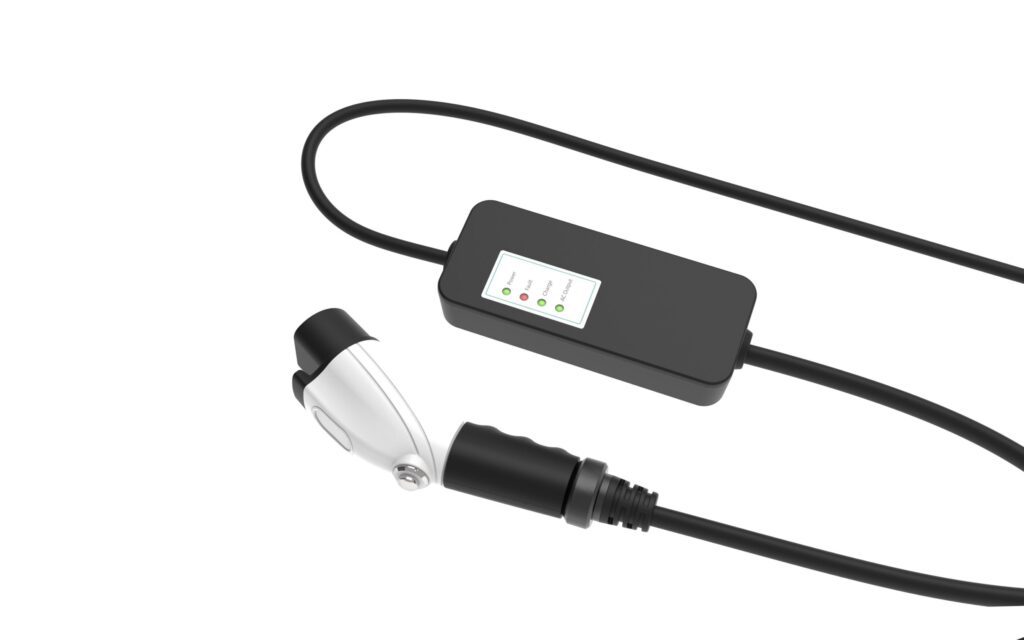
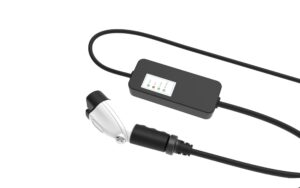
AC Series
- Output Current - 16A
- Features - Mode 2-chargers can use a circuit ranging from 8Amp to 16Amp with a local standard AC input plug installed for operation, Provides overcurrent, over voltage and short circuit protection, Protected against strong jets of water from all directions, Continuously monitors/supervises the ground connection between the AC supply and EV to ensure safe and reliable charging
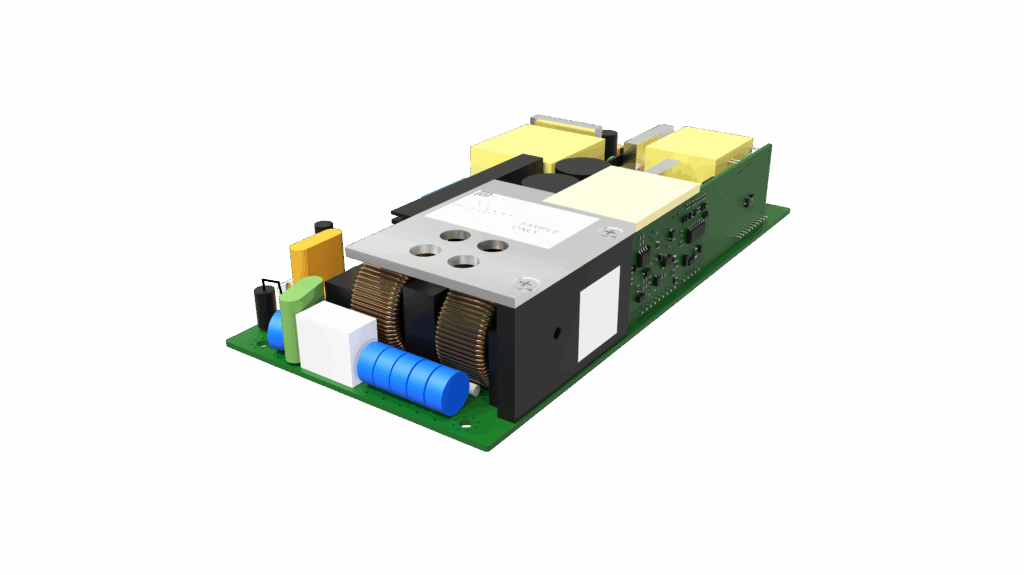
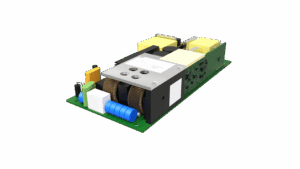
BF550-234B-R
- Output Power - 550W
- Output Volt - 12Vdc / 54.5Vdc
- Features - Universal AC Input range, Class I Design , Class B EMI , High Efficiency Performance , OVP, OCP, SCP, OTP Protections , Operating Altitude: 5,000M
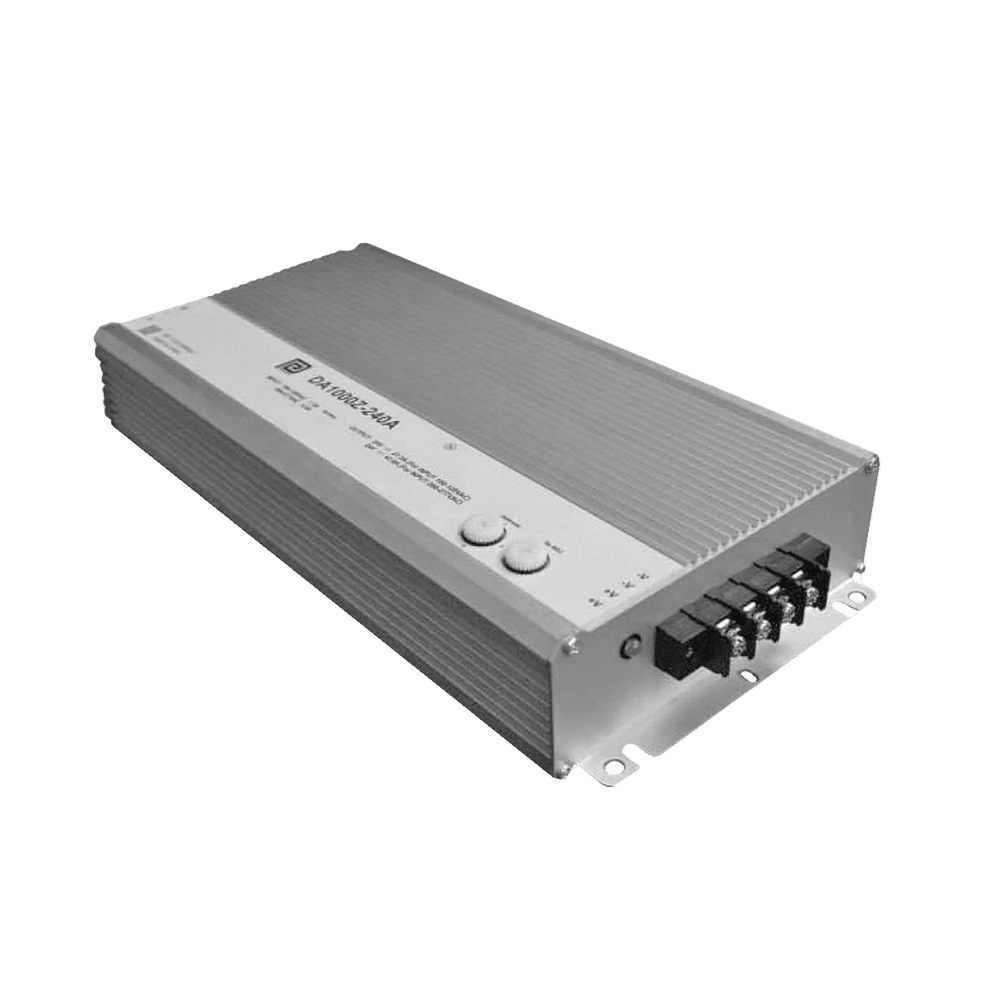
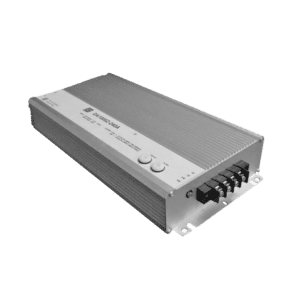
DA1000Z-240AEV-R
- Output Power - 1000W
- Output Volt - 24V
- Output Current - 42A
- Features - Extended operating temperature range of -40℃ to 70℃, Fan-less aluminum case filled with heat conductive glue, Able to withstand 10G vibration, Power on LED indicator, Short Circuit, Over Current, Over Voltage, and Over Temperature Protections, & Adjustable output through potentiomete
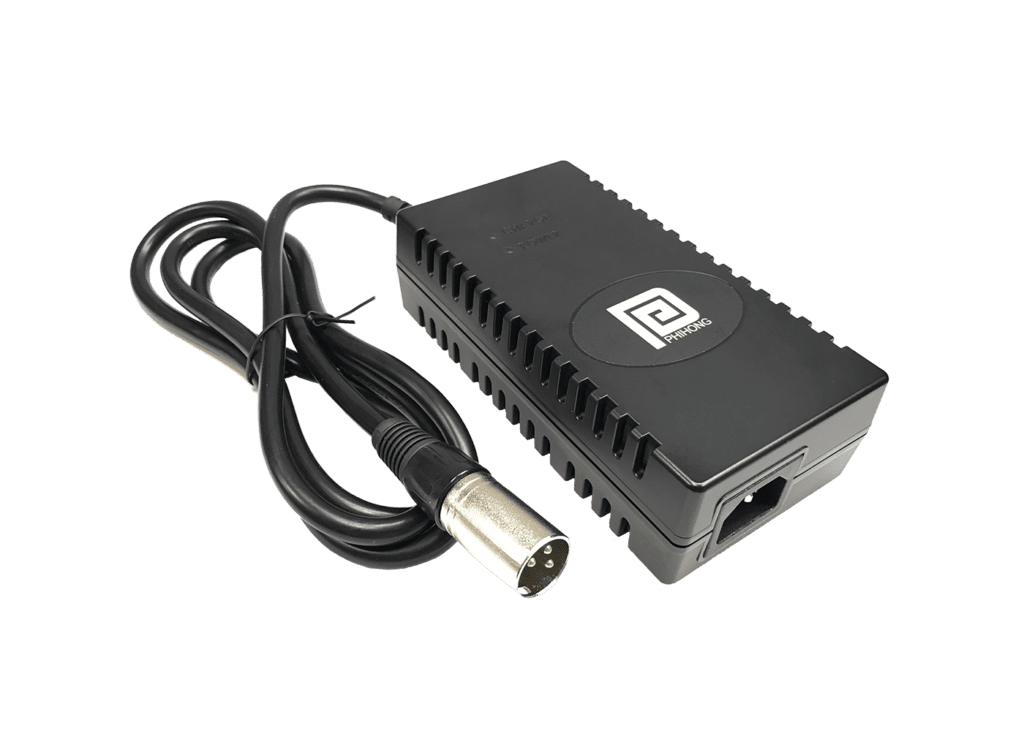
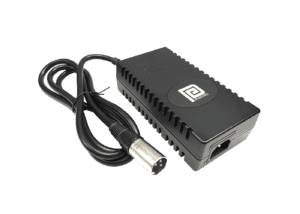
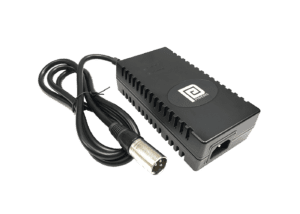
DA60U-240A-R
- Output Power - 60W
- Output Volt - 24V
- Output Current - 2.5A
- # of ports - 1
- Features - RESNA Compliant, CEC Compliant, LED Indicators Charge State, OVP, OTP, SCP, Charges AGM Batteries, Max 12hrs Charging Time
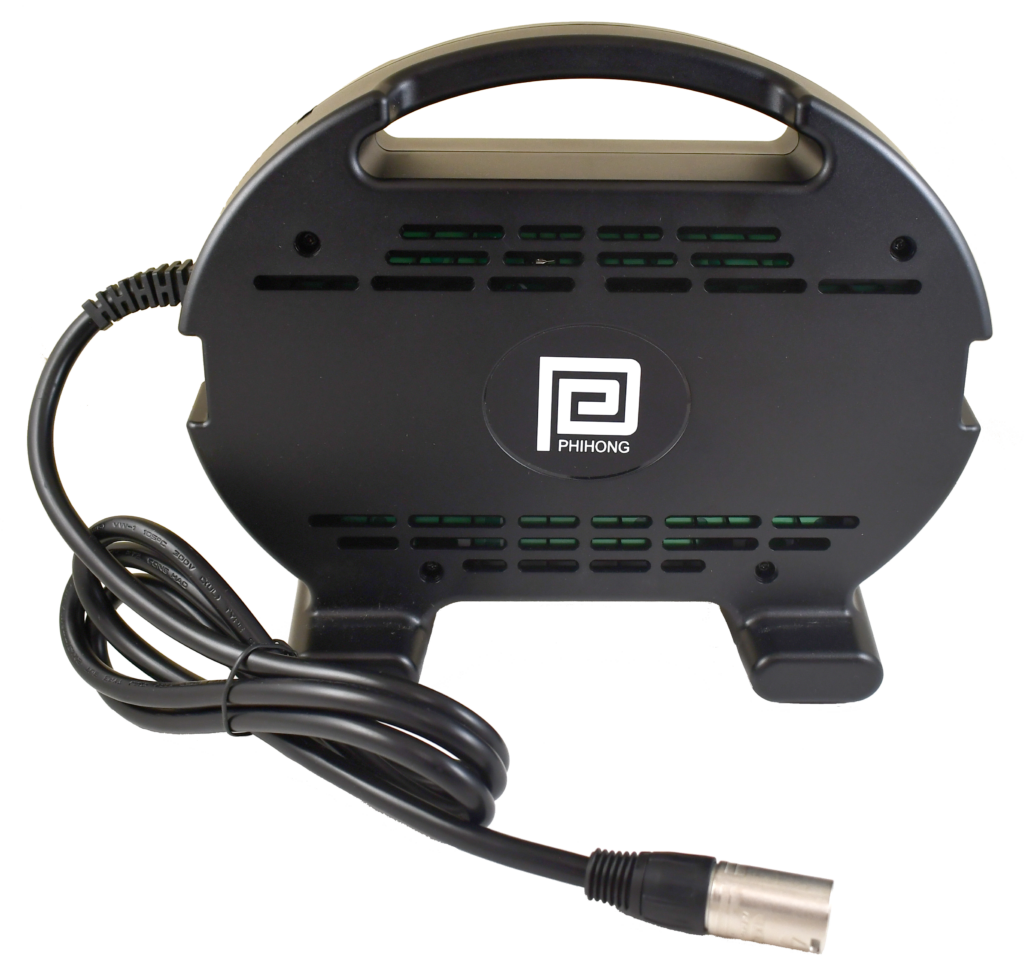
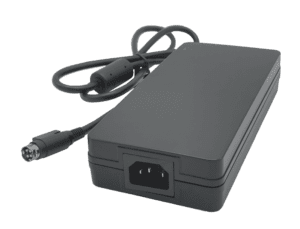
DA200U-250A-R
- Output Power - 200W
- Output Volt - 24V
- Output Current - 8A
- # of ports - 1
- Features - RESNA Compliant, CEC Compliant, LED Indicators Charge State, OVP, OTP, SCP, Dual-Mode Charger, Charges GEL or AGM batteries, Max 12hrs Charging Time
Why This Matters
• Component shortages can halt power supply production
• Limited interchangeability increases dependency risk
• Cross-industry demand amplifies availability issues
What’s Driving This Shift
• Growth in AI, EV, and industrial demand
• Limited supply of specialized components
• Supplier allocation and prioritization
What OEMs Should Do Now
• Identify components with high dependency risk
• Monitor demand trends across industries
• Plan for alternate sourcing early
Mini Q&A
Why do shortages happen so quickly?
Because demand shifts across industries affect shared components.
Are power supply components harder to replace?
Yes, many are design-specific.
Do suppliers treat all customers equally?
No, allocation often prioritizes larger buyers.
Component shortages are driven by systemic demand and supply constraints, not isolated events.
What Makes a Good Alternate Component in Power Supply Design?
A good alternate component must meet electrical, thermal, and compliance requirements without introducing instability or requiring major redesign. Simply matching part numbers or basic specifications is not enough. OEMs must evaluate how the alternate behaves within the full power supply circuit.
Electrical compatibility includes parameters such as voltage rating, current capacity, switching characteristics, and efficiency. Thermal performance must also be considered, as even small differences can affect heat dissipation and long-term reliability. Compliance is another factor, as changes may impact EMI, safety, or certification requirements.
The best alternates are those validated early in the design process. Waiting until a shortage occurs limits options and increases risk, as validation must be done under time pressure.
Why This Matters
• Ensures alternates do not compromise performance
• Reduces risk of redesign or failure
• Supports faster response during shortages
What’s Driving This Shift
• Increasing need for flexible sourcing strategies
• Complexity of power supply design requirements
• Growing importance of compliance alignment
What OEMs Should Do Now
• Define criteria for acceptable alternates early
• Validate alternates during development
• Document approved substitutes
Mini Q&A
Can any similar component be used as an alternate?
No, compatibility must be validated.
Does thermal behavior matter for alternates?
Yes, it affects reliability.
Should alternates be tested early?
Yes, before shortages occur.
Selecting the right alternate requires full-system evaluation, not just spec matching.
How Can Engineers and Procurement Teams Work Together to Find Alternates Faster?
Engineers and procurement teams must collaborate closely to identify alternates efficiently. Engineering provides technical validation, while procurement provides visibility into supplier availability and sourcing options. When these functions operate independently, alternate identification is slower and less effective.
Early collaboration allows procurement to inform engineering about high-risk components and availability trends. Engineering can then design with flexibility in mind, selecting components that support alternate sourcing. This reduces dependency on specific parts and improves response time during shortages.
Communication is key. Shared data, regular reviews, and aligned priorities ensure that both teams can act quickly when supply conditions change.
Why This Matters
• Improves speed of alternate identification
• Reduces risk of misalignment between teams
• Enhances sourcing flexibility
What’s Driving This Shift
• Increasing need for cross-functional collaboration
• Recognition of design as a sourcing constraint
• Complexity of modern supply chains
What OEMs Should Do Now
• Establish joint processes for alternate identification
• Share data between engineering and procurement
• Align priorities around supply chain resilience
Mini Q&A
Who should lead alternate component selection?
Both engineering and procurement together.
Can procurement identify alternates alone?
No, technical validation is required.
Does collaboration improve speed?
Yes, significantly.
Strong collaboration enables faster and more effective response to shortages.
CLIENT'S QUOTE
Phihong’s custom OEM power solutions have transformed our product development, boosting performance and reducing overhead. Their expert engineering support has simplified both the design and manufacturing phases.
How Can AI and Search Tools Help Find Alternate Components Faster?
AI and advanced search tools are accelerating how OEMs find alternate components by analyzing large datasets across suppliers, distributors, and historical part relationships. Instead of manually searching datasheets and catalogs, teams can use AI to identify compatible components based on electrical parameters, availability, and usage patterns.
For power supply components, AI can highlight potential substitutes that match performance criteria while also considering sourcing risk. It can also surface parts used in similar designs across industries, providing additional options that may not be immediately obvious.
These tools reduce the time required to identify candidates, but validation remains essential. AI helps narrow the field, allowing engineering teams to focus on evaluating the most viable options.
Why This Matters
• Speeds up alternate component identification
• Expands visibility beyond known supplier options
• Improves response time during shortages
What’s Driving This Shift
• Growth of AI-powered component databases
• Increasing complexity of part selection
• Need for faster sourcing decisions
What OEMs Should Do Now
• Use AI tools to identify alternate candidates
• Combine search results with engineering validation
• Integrate AI insights into sourcing workflows
Mini Q&A
Can AI replace manual component searches?
It reduces effort but does not eliminate validation.
Does AI find better alternates?
It finds more options faster.
Should AI results be trusted immediately?
No, they must be verified.
AI improves speed, but engineering judgment ensures correctness.
What Practical Strategies Help OEMs Secure Alternate Components in Time?
OEMs can secure alternate components more effectively by combining early planning with proactive sourcing strategies. Identifying alternates before shortages occur allows teams to avoid reactive decision-making under time pressure. This includes building a list of pre-qualified substitutes for critical components.
Supplier engagement is another key strategy. Maintaining relationships with multiple distributors and manufacturers provides access to broader inventory and better insight into availability. OEMs that rely on a single supplier often face limited options during shortages.
Strategic inventory can also play a role. Holding buffer stock for high-risk components provides additional time to transition to alternates without disrupting production.
Why This Matters
• Improves ability to respond quickly to shortages
• Reduces reliance on single sourcing paths
• Supports production continuity
What’s Driving This Shift
• Increasing frequency of component shortages
• Need for proactive sourcing strategies
• Importance of supplier relationships
What OEMs Should Do Now
• Pre-qualify alternates for critical components
• Build relationships with multiple suppliers
• Maintain buffer inventory where necessary
Mini Q&A
Is pre-qualification necessary?
Yes, it saves time during shortages.
Do multiple suppliers improve availability?
Yes, they increase sourcing options.
Should OEMs hold inventory buffers?
Yes, for high-risk components.
Proactive strategies reduce the impact of supply disruptions.
How Should OEMs Build Long-Term Flexibility into Power Supply Component Sourcing?
Long-term flexibility requires OEMs to design and source with adaptability in mind. Power supply architectures should support interchangeable components and multiple sourcing paths. This reduces dependency on specific parts and allows production to continue even when conditions change.
Flexibility also involves lifecycle planning. OEMs must consider how component availability will evolve over time and ensure that designs can accommodate changes without major redesign. This includes tracking component lifecycle status and preparing for end-of-life transitions.
Continuous monitoring is essential. Supply conditions change, and OEMs must regularly reassess risk and update strategies. Flexibility is not a one-time decision but an ongoing process.
Why This Matters
• Reduces long-term exposure to shortages
• Improves adaptability across changing conditions
• Supports stable production over product lifecycle
What’s Driving This Shift
• Increasing volatility in component availability
• Need for long-term resilience
• Integration of design and supply chain strategy
What OEMs Should Do Now
• Design for component interchangeability
• Monitor lifecycle status continuously
• Update sourcing strategies regularly
Mini Q&A
Can flexibility eliminate shortages?
No, but it reduces impact.
Is lifecycle planning important for sourcing?
Yes, it helps anticipate changes.
Should strategies be updated regularly?
Yes, continuous monitoring is required.
Flexibility transforms sourcing from reactive to adaptive.
How Phihong Supports OEMs Managing Alternate Component Strategies in Power Supplies
Phihong supports OEMs by aligning power supply design and manufacturing with flexible component sourcing strategies. By incorporating alternate component validation and multi-region production capability into its approach, Phihong enables OEMs to adapt to changing availability conditions without disrupting product performance or compliance.
Power supply designs are developed with interchangeability and lifecycle continuity in mind. This allows OEMs to transition between components when supply constraints arise while maintaining consistent electrical, thermal, and regulatory performance. Validation across production environments ensures that alternates can be implemented without requiring redesign.
Phihong also emphasizes transparency and collaboration. By providing visibility into sourcing conditions and maintaining consistent documentation, OEMs can integrate alternate component strategies into both design and procurement workflows.
Why This Matters
• Reduces disruption from component shortages
• Improves flexibility in sourcing decisions
• Supports stable production across changing conditions
What’s Driving This Shift
• Increasing volatility in component availability
• OEM demand for adaptable sourcing strategies
• Need for alignment between design and procurement
What OEMs Should Do Now
• Prioritize suppliers that support alternate component strategies
• Align power supply design with sourcing flexibility
• Integrate alternate validation into development processes
Phihong’s approach helps OEMs manage component shortages while maintaining performance and continuity.

CONTACT US TODAY
From concept to production, Phihong delivers custom OEM power solutions tailored to your specifications.
FAQ
How do OEMs find alternate power supply components quickly?
OEMs use a combination of AI tools, supplier networks, and internal databases to identify potential substitutes. Engineering validation ensures compatibility before implementation.
Speed comes from preparation and access to data.
Can alternate components affect power supply performance?
Yes, differences in electrical and thermal characteristics can impact performance. Proper validation is required to ensure stability and compliance.
Testing is essential before substitution.
What is the biggest risk when switching components?
The biggest risk is introducing instability or failing compliance requirements. Without validation, substitutions can create new issues.
Controlled processes reduce this risk.
Should OEMs always have alternate components ready?
For critical components, yes. Pre-qualified alternates improve response time and reduce disruption during shortages.
Preparation improves resilience.
How often should alternate component strategies be reviewed?
Regularly, as supply conditions and component availability change over time. Continuous monitoring ensures strategies remain effective.
Adaptation is ongoing.
POE technology supports the centralization of power

AC Adapter Guide: Everything You Need to Know
Moreover, PoE technology supports the centralization of power management. By powering devices through a PoE-enabled network …
AC DC Power Chargers and How They Work: A Comprehensive Technical Breakdown
Moreover, PoE technology supports the centralization of power management. By powering devices through a PoE-enabled network …

USB-C Charger: Shaping the Future of the Tech World
Moreover, PoE technology supports the centralization of power management. By powering devices through a PoE-enabled network …

AC Adapter Guide: Everything You Need to Know
Moreover, PoE technology supports the centralization of power management. By powering devices through a PoE-enabled network …

AC DC Power Chargers and How They Work: A Comprehensive Technical Breakdown
Moreover, PoE technology supports the centralization of power management. By powering devices through a PoE-enabled network …

USB-C Charger: Shaping the Future of the Tech World
Moreover, PoE technology supports the centralization of power management. By powering devices through a PoE-enabled network …