













BLOG
Navigating Power Supply Manufacturing Lead Times & Delays: A 2026 Guide for OEMs
QUICK LINKS

Why Are Power Supply Lead Times Still Unpredictable in 2026?
Power supply lead times remain unpredictable because supply chains have not fully stabilized despite improvements since earlier disruptions. Instead of returning to consistent patterns, lead times now fluctuate based on demand spikes, regional constraints, and supplier prioritization. This variability makes it difficult for OEMs to rely on traditional planning cycles.
Power supplies are especially affected because they depend on critical components such as semiconductors, magnetics, and capacitors that are shared across multiple industries. When demand increases in sectors like AI servers, EV charging, or industrial automation, these shared components can quickly become constrained.
The unpredictability is not caused by a single factor but by overlapping conditions. Lead times can change rapidly, even within weeks, making static forecasts unreliable and increasing the need for dynamic planning.
FEATURED PRODUCTS
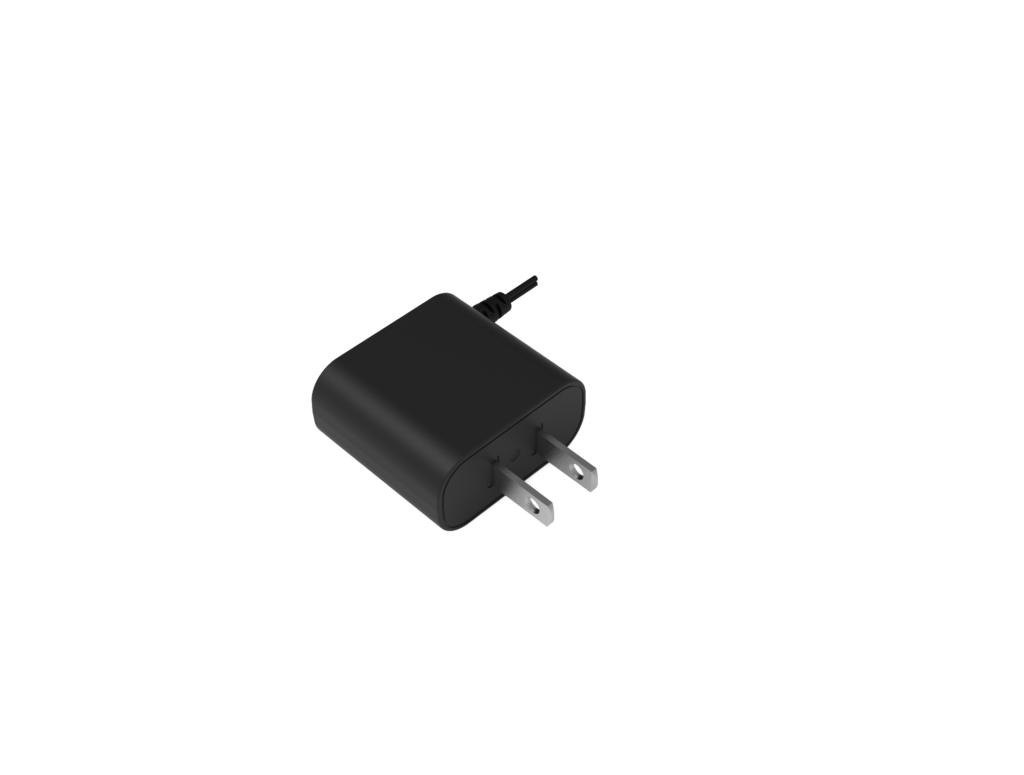
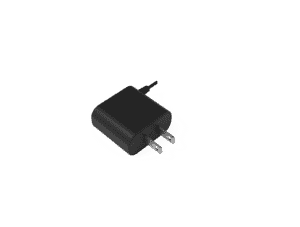
AA03A-075A-R
- Output Power - 2.75W
- Output Volt - 7.5V
- Output Current - 0.366A
- Features - Fixed Blade AC Input, Limited Power Source, Class B EMI, Level VI Efficiency, Standard Barrel Connector
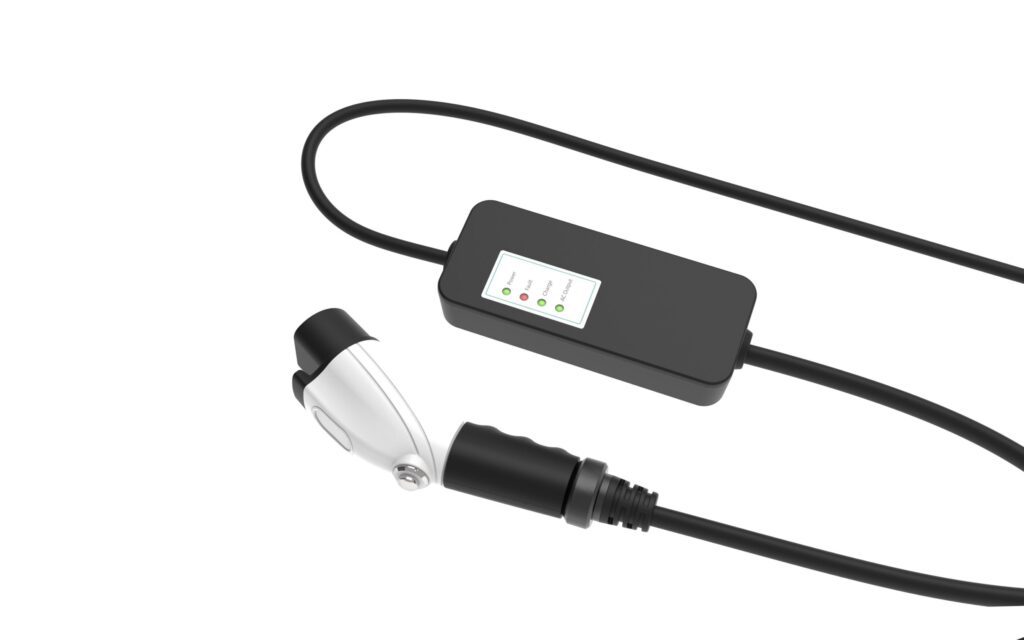
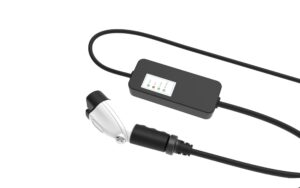
AC Series
- Output Current - 16A
- Features - Mode 2-chargers can use a circuit ranging from 8Amp to 16Amp with a local standard AC input plug installed for operation, Provides overcurrent, over voltage and short circuit protection, Protected against strong jets of water from all directions, Continuously monitors/supervises the ground connection between the AC supply and EV to ensure safe and reliable charging
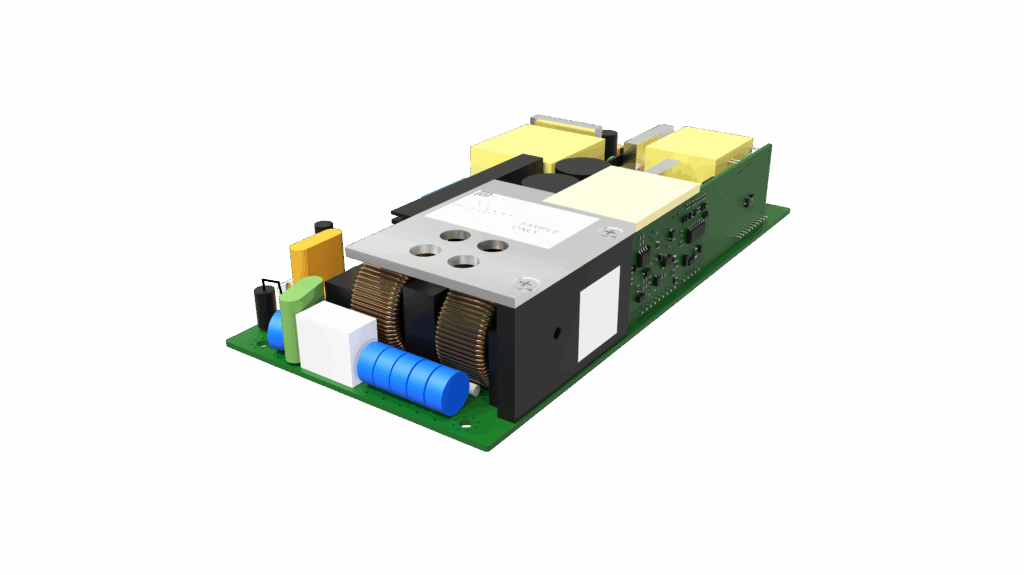
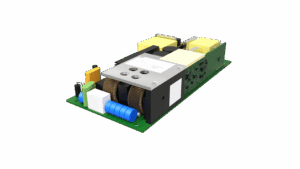
BF550-234B-R
- Output Power - 550W
- Output Volt - 12Vdc / 54.5Vdc
- Features - Universal AC Input range, Class I Design , Class B EMI , High Efficiency Performance , OVP, OCP, SCP, OTP Protections , Operating Altitude: 5,000M
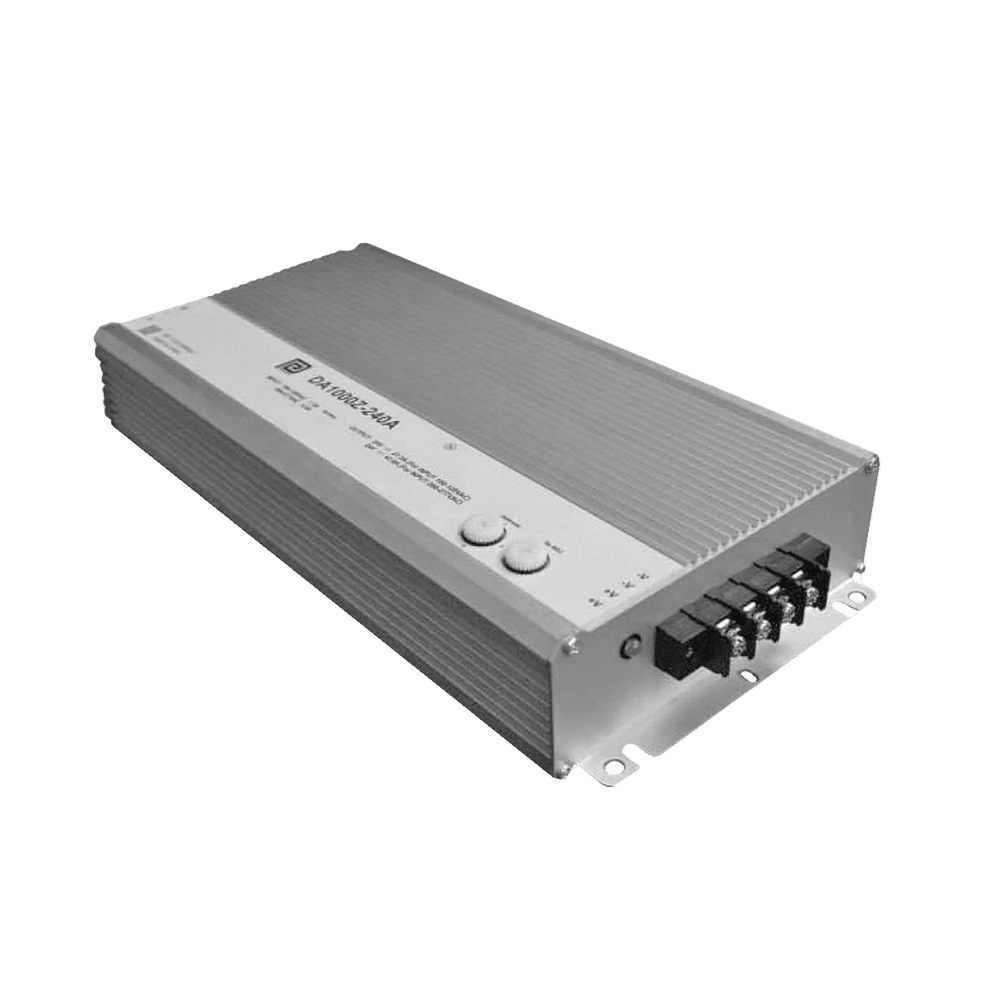
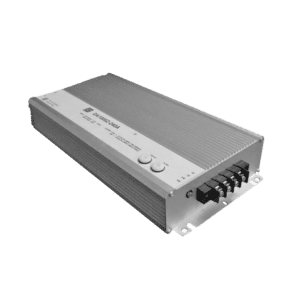
DA1000Z-240AEV-R
- Output Power - 1000W
- Output Volt - 24V
- Output Current - 42A
- Features - Extended operating temperature range of -40℃ to 70℃, Fan-less aluminum case filled with heat conductive glue, Able to withstand 10G vibration, Power on LED indicator, Short Circuit, Over Current, Over Voltage, and Over Temperature Protections, & Adjustable output through potentiomete
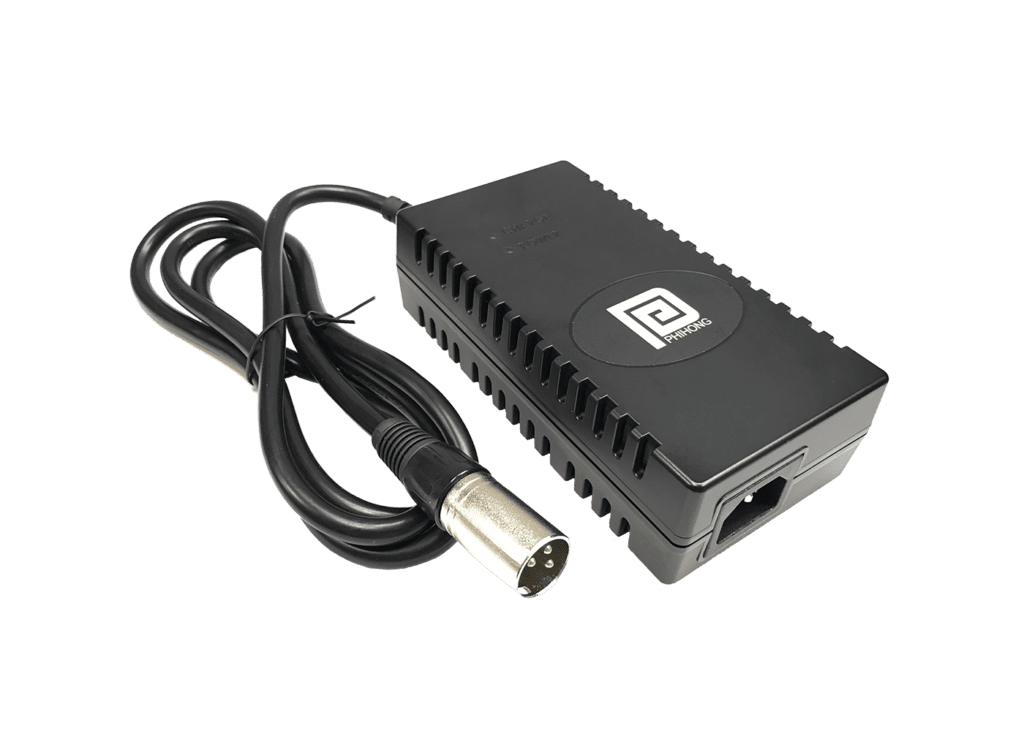
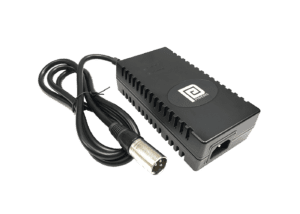
DA60U-240A-R
- Output Power - 60W
- Output Volt - 24V
- Output Current - 2.5A
- # of ports - 1
- Features - RESNA Compliant, CEC Compliant, LED Indicators Charge State, OVP, OTP, SCP, Charges AGM Batteries, Max 12hrs Charging Time
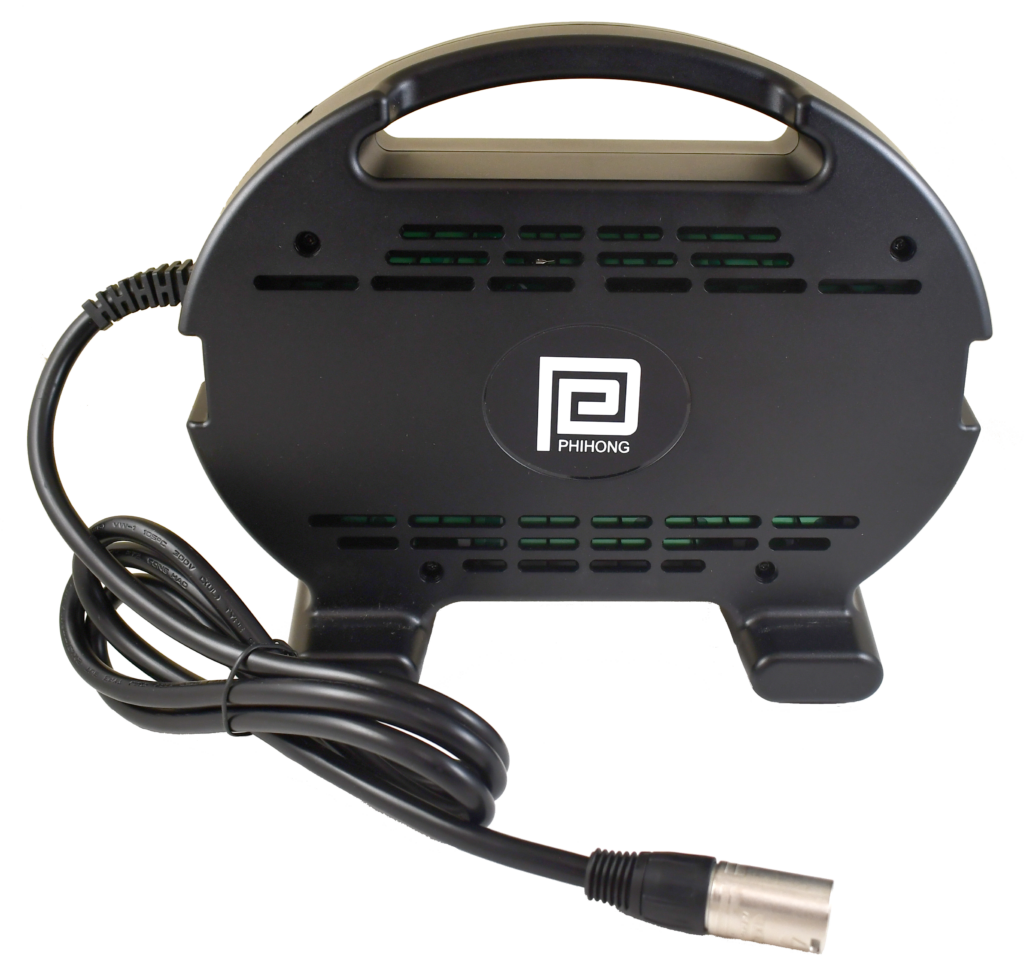
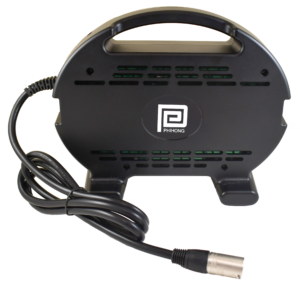
DA200U-250A-R
- Output Power - 200W
- Output Volt - 24V
- Output Current - 8A
- # of ports - 1
- Features - RESNA Compliant, CEC Compliant, LED Indicators Charge State, OVP, OTP, SCP, Dual-Mode Charger, Charges GEL or AGM batteries, Max 12hrs Charging Time
Why This Matters
• Lead time volatility disrupts production schedules
• Unpredictability increases inventory and planning risk
• OEMs lose visibility into delivery timelines
What’s Driving This Shift
• Demand spikes from AI, EV, and industrial markets
• Supplier allocation and prioritization practices
• Ongoing instability in global component supply
What OEMs Should Do Now
• Monitor lead time trends continuously rather than periodically
• Identify components with historically volatile availability
• Align planning cycles with real-time supply conditions
Mini Q&A
Why are lead times still unstable in 2026?
Because demand and supply conditions are constantly shifting.
Are power supplies more affected than other components?
Yes, due to shared dependencies across industries.
Can lead times change quickly?
Yes, often within short timeframes.
Lead time unpredictability is now a baseline condition, not an exception.
What Factors Most Commonly Cause Power Supply Lead Time Delays?
Lead time delays are typically caused by a combination of component constraints, supplier prioritization, and demand concentration. For power supplies, these factors often overlap, amplifying their impact. A delay in a single critical component can extend the lead time for the entire unit.
Supplier allocation plays a major role. When demand exceeds supply, manufacturers prioritize larger or long-term customers, which can extend lead times for smaller or less predictable orders. This creates uneven availability across the market.
Another key factor is supply chain dependency. Many power supply components rely on sub-tier suppliers, meaning that delays may originate several layers upstream. OEMs often only see the impact once it reaches their direct supplier.
Why This Matters
• Delays can originate beyond direct supplier visibility
• Allocation practices create uneven access to supply
• Single-component constraints can halt production
What’s Driving This Shift
• Increased competition for shared components
• Supplier prioritization based on volume and contracts
• Complexity of multi-tier supply chains
What OEMs Should Do Now
• Identify components with high dependency risk
• Engage suppliers to understand allocation dynamics
• Monitor upstream supply chain signals
Mini Q&A
What is the main cause of lead time delays?
Component shortages and supplier allocation.
Can delays come from sub-tier suppliers?
Yes, often several layers upstream.
Do all customers experience the same delays?
No, allocation can vary by customer.
Understanding root causes helps OEMs anticipate and manage delays more effectively.
Why Do Traditional Forecasting Methods Fail to Predict Lead Time Changes?
Traditional forecasting methods fail because they rely on historical patterns that no longer reflect current supply chain behavior. In stable environments, past trends were useful predictors. In today’s volatile conditions, those patterns change too quickly to provide reliable guidance.
These methods also lack real-time data integration. They typically rely on periodic updates rather than continuous monitoring, which creates a delay between when conditions change and when those changes are reflected in forecasts.
Additionally, traditional forecasting does not account for external factors such as cross-industry demand shifts or geopolitical changes. These factors now play a significant role in lead time variability, making static models less effective.
Why This Matters
• Forecasting inaccuracies increase planning risk
• Delayed insights reduce response time
• Static models fail in dynamic environments
What’s Driving This Shift
• Increased volatility in supply and demand
• Lack of real-time data in traditional systems
• Influence of external market factors
What OEMs Should Do Now
• Move toward real-time monitoring and dynamic forecasting
• Incorporate external data into planning models
• Reevaluate reliance on historical trends
Mini Q&A
Why don’t historical trends work anymore?
Because conditions change too quickly.
Is forecasting still useful?
Yes, but it must evolve.
Do external factors affect lead times?
Yes, significantly.
Forecasting must evolve to reflect the reality of modern supply chains.
CLIENT'S QUOTE
Phihong’s custom OEM power solutions have transformed our product development, boosting performance and reducing overhead. Their expert engineering support has simplified both the design and manufacturing phases.
How Can OEMs Forecast Power Supply Lead Time Delays More Accurately?
OEMs can forecast lead time delays more accurately by shifting from static planning to dynamic, data-driven monitoring. Instead of relying solely on supplier quotes or periodic updates, teams are increasingly using real-time signals such as lead time trends, allocation notices, and distributor inventory changes to anticipate disruptions earlier.
Forecasting accuracy improves when multiple data sources are combined. This includes supplier communication, distributor insights, and broader market demand indicators. By analyzing these inputs together, OEMs can identify patterns that signal potential delays before they become critical.
The goal is not perfect prediction but earlier awareness. Even a small improvement in timing can give procurement teams enough lead time to secure inventory, validate alternates, or adjust production plans.
Why This Matters
• Improves visibility into potential delays before they occur
• Extends response time for procurement teams
• Reduces reliance on reactive decision-making
What’s Driving This Shift
• Need for faster response to supply changes
• Availability of more real-time supply chain data
• Limitations of traditional forecasting methods
What OEMs Should Do Now
• Combine multiple data sources for forecasting
• Monitor lead time trends continuously
• Use early signals to trigger sourcing actions
Mini Q&A
Can OEMs predict delays with certainty?
No, but they can improve timing and awareness.
What data is most useful for forecasting?
Lead times, allocation signals, and demand trends.
Is supplier data enough on its own?
No, broader market data is also needed.
Better forecasting comes from combining data, not relying on a single source.
What Early Warning Signals Indicate Power Supply Lead Time Disruptions?
Early warning signals often appear before formal delays are announced. One of the most common indicators is gradual lead time extension, even by small increments. These changes often signal tightening supply conditions before shortages are officially recognized.
Allocation notices and reduced order flexibility are also key signals. When suppliers begin limiting order quantities or prioritizing certain customers, it indicates that demand is exceeding available supply. Distributor inventory trends can provide additional insight, especially when stock levels decline across multiple sources.
Cross-industry demand shifts are another important signal. Increased activity in sectors such as AI or EV can indirectly affect power supply components, creating pressure before OEMs feel the impact directly.
Why This Matters
• Enables earlier detection of supply constraints
• Provides more time to respond before disruption
• Improves decision-making under uncertainty
What’s Driving This Shift
• Increased competition for shared components
• Supplier prioritization during high demand
• Interconnected demand across industries
What OEMs Should Do Now
• Track lead time changes as early indicators
• Monitor allocation and order restrictions
• Watch demand trends in adjacent industries
Mini Q&A
What is the earliest sign of a disruption?
Gradual increases in lead times.
Do allocation notices signal shortages?
Yes, they often indicate supply pressure.
Can other industries affect supply?
Yes, shared components create cross-industry impact.
Early signals provide the best opportunity to act before delays escalate.
How Can OEMs Reduce the Impact of Lead Time Volatility on Production?
OEMs can reduce the impact of lead time volatility by combining forecasting, flexible design, and strategic sourcing. Instead of relying on a single approach, resilient organizations use multiple strategies to manage uncertainty and maintain production continuity.
Flexible design is a key factor. Power supplies that support alternate components or suppliers allow OEMs to adapt more quickly when delays occur. Strategic inventory, applied selectively to high-risk components, provides an additional buffer against disruption.
Coordination across teams is also essential. Engineering, procurement, and operations must align on priorities and response strategies to ensure that decisions are made quickly and effectively when conditions change.
Why This Matters
• Reduces production disruption from delays
• Improves ability to adapt to changing conditions
• Supports more stable operations
What’s Driving This Shift
• Ongoing volatility in component availability
• Need for faster response to disruptions
• Increasing importance of cross-functional alignment
What OEMs Should Do Now
• Design for component flexibility and alternates
• Maintain buffer inventory for critical components
• Align teams on response strategies
Mini Q&A
Can volatility be eliminated completely?
No, but its impact can be reduced.
Is inventory the only solution?
No, design and forecasting are equally important.
Should teams coordinate during disruptions?
Yes, alignment improves response speed.
Managing volatility requires a combination of strategies rather than a single solution.
How Phihong Supports OEMs Managing Power Supply Lead Time Volatility
Phihong supports OEMs by aligning power supply design and manufacturing with the realities of lead time variability. By maintaining diversified sourcing and multi-region production capabilities, Phihong enables OEMs to respond to changing supply conditions without compromising performance or compliance.
Power supply designs are developed with flexibility in mind, allowing for alternate component sourcing and consistent production across different environments. This reduces dependency on single components or regions and helps OEMs maintain continuity when lead times fluctuate.
Phihong also emphasizes transparency and collaboration. By providing visibility into supply chain conditions and maintaining consistent documentation, OEMs can integrate forecasting insights into decision-making and respond proactively to potential delays.
Why This Matters
• Improves production continuity during lead time fluctuations
• Reduces dependency on single sourcing paths
• Supports proactive supply chain management
What’s Driving This Shift
• OEM demand for flexible and resilient supply strategies
• Increasing variability in component lead times
• Need for better visibility into supply conditions
What OEMs Should Do Now
• Align sourcing strategy with flexible power supply design
• Work with suppliers that support multi-region production
• Integrate forecasting insights into procurement decisions
Phihong’s approach helps OEMs manage uncertainty while maintaining stable production.

CONTACT US TODAY
From concept to production, Phihong delivers custom OEM power solutions tailored to your specifications.
FAQ
Why are power supply lead times still unpredictable in 2026?
Lead times remain unpredictable due to fluctuating demand, supplier allocation, and ongoing supply chain instability. Multiple industries compete for the same components, increasing volatility.
This creates constant shifts in availability.
What is the biggest factor affecting lead time variability?
Component shortages and supplier prioritization are the primary factors. Allocation decisions can vary based on customer relationships and demand levels.
These factors are often outside OEM control.
Can OEMs forecast lead time delays accurately?
OEMs can improve forecasting by using real-time data and monitoring trends, but perfect accuracy is not possible. The goal is earlier awareness rather than certainty.
Better timing improves response.
How can OEMs reduce the impact of lead time delays?
By combining forecasting, flexible design, and strategic sourcing. Using alternates and buffer inventory for critical components helps maintain production continuity.
A multi-layered approach is most effective.
Should lead time planning be part of product design?
Yes. Designing for flexibility and alternate sourcing reduces the impact of future delays and improves resilience.
Design decisions influence sourcing outcomes.
POE technology supports the centralization of power

AC Adapter Guide: Everything You Need to Know
Moreover, PoE technology supports the centralization of power management. By powering devices through a PoE-enabled network …
AC DC Power Chargers and How They Work: A Comprehensive Technical Breakdown
Moreover, PoE technology supports the centralization of power management. By powering devices through a PoE-enabled network …

USB-C Charger: Shaping the Future of the Tech World
Moreover, PoE technology supports the centralization of power management. By powering devices through a PoE-enabled network …

AC Adapter Guide: Everything You Need to Know
Moreover, PoE technology supports the centralization of power management. By powering devices through a PoE-enabled network …

AC DC Power Chargers and How They Work: A Comprehensive Technical Breakdown
Moreover, PoE technology supports the centralization of power management. By powering devices through a PoE-enabled network …

USB-C Charger: Shaping the Future of the Tech World
Moreover, PoE technology supports the centralization of power management. By powering devices through a PoE-enabled network …