










BLOG
Best Guide to Medical Power Supplies for Modern Medical Devices
QUICK LINKS
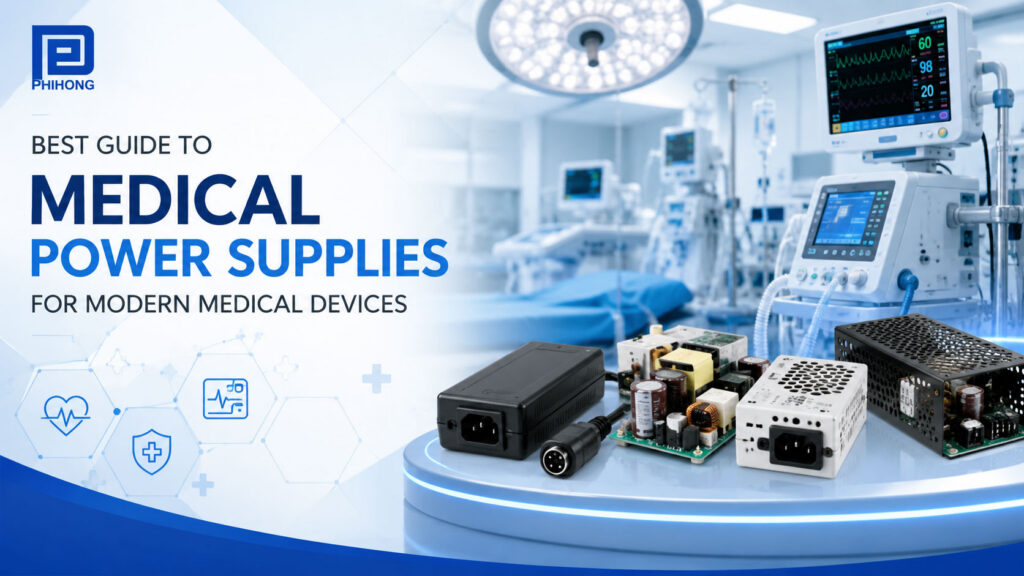
Why Do Modern Medical Devices Require Specialized Power Supply Design?
Modern medical devices require specialized power supply design because they operate in environments where safety, reliability, and compliance are critical. Unlike general-purpose electronics, medical devices may interact directly with patients or operate in regulated clinical settings, which introduces stricter design requirements.
Power supplies must ensure consistent performance while minimizing electrical risk. This includes managing leakage current, maintaining isolation, and ensuring stable output under varying load and environmental conditions. As devices become more compact and portable, these requirements must be met within increasingly constrained form factors.
The complexity of modern healthcare applications also drives this need. Devices used in home healthcare, diagnostics, and monitoring must perform reliably across diverse environments, making power supply design a foundational consideration.
FEATURED PRODUCTS
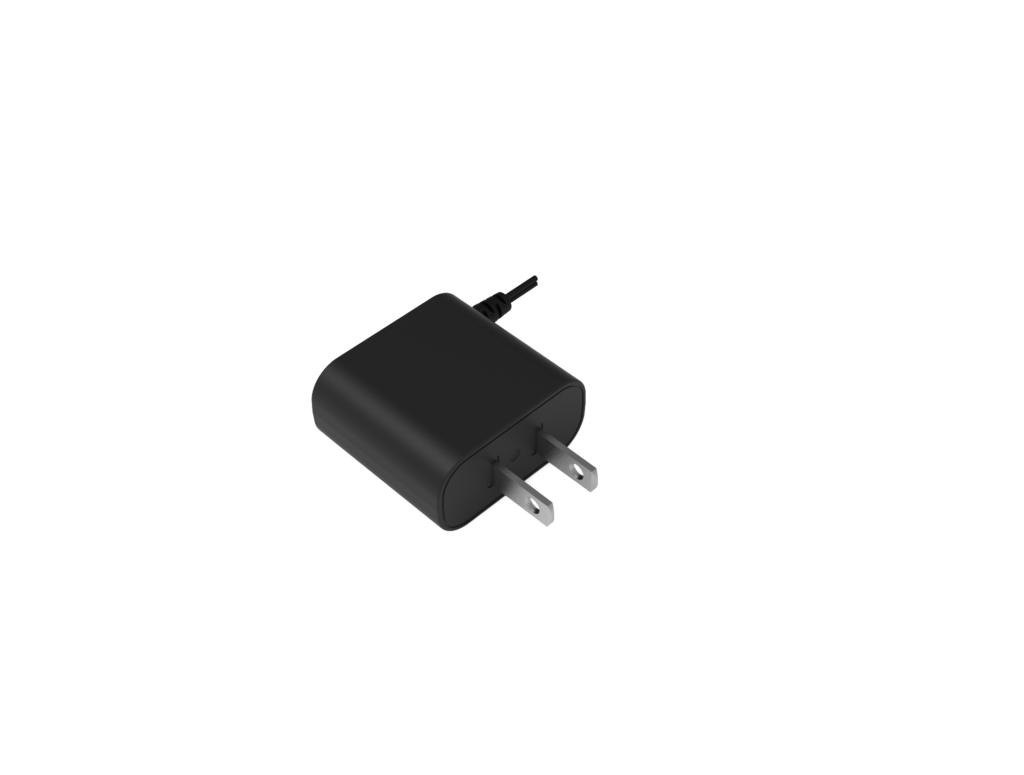
AA03A-075A-R
- Output Power - 2.75W
- Output Volt - 7.5V
- Output Current - 0.366A
- Features - Fixed Blade AC Input, Limited Power Source, Class B EMI, Level VI Efficiency, Standard Barrel Connector
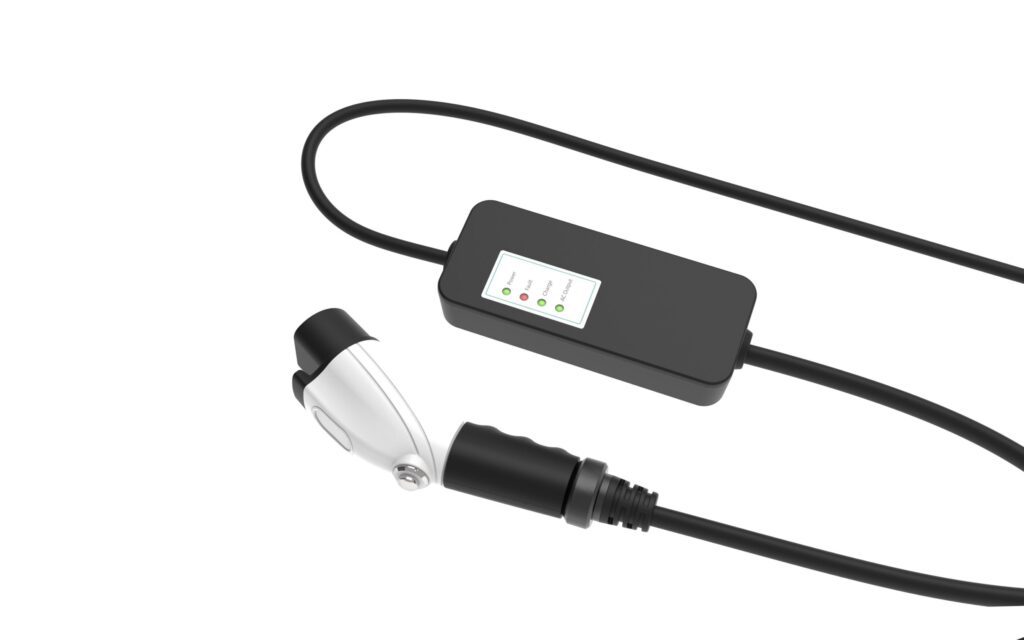
AC Series
- Output Current - 16A
- Features - Mode 2-chargers can use a circuit ranging from 8Amp to 16Amp with a local standard AC input plug installed for operation, Provides overcurrent, over voltage and short circuit protection, Protected against strong jets of water from all directions, Continuously monitors/supervises the ground connection between the AC supply and EV to ensure safe and reliable charging
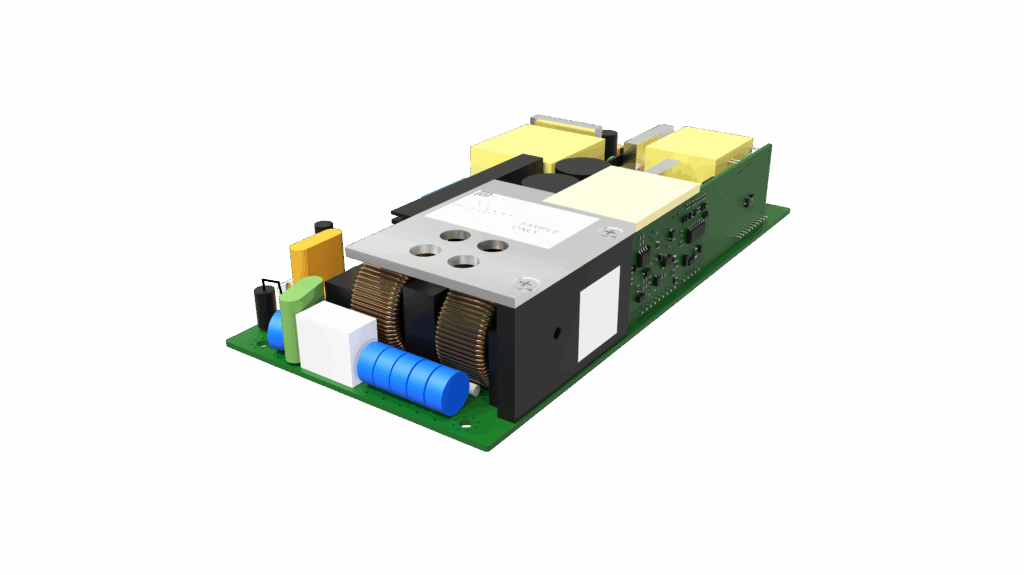
BF550-234B-R
- Output Power - 550W
- Output Volt - 12Vdc / 54.5Vdc
- Features - Universal AC Input range, Class I Design , Class B EMI , High Efficiency Performance , OVP, OCP, SCP, OTP Protections , Operating Altitude: 5,000M
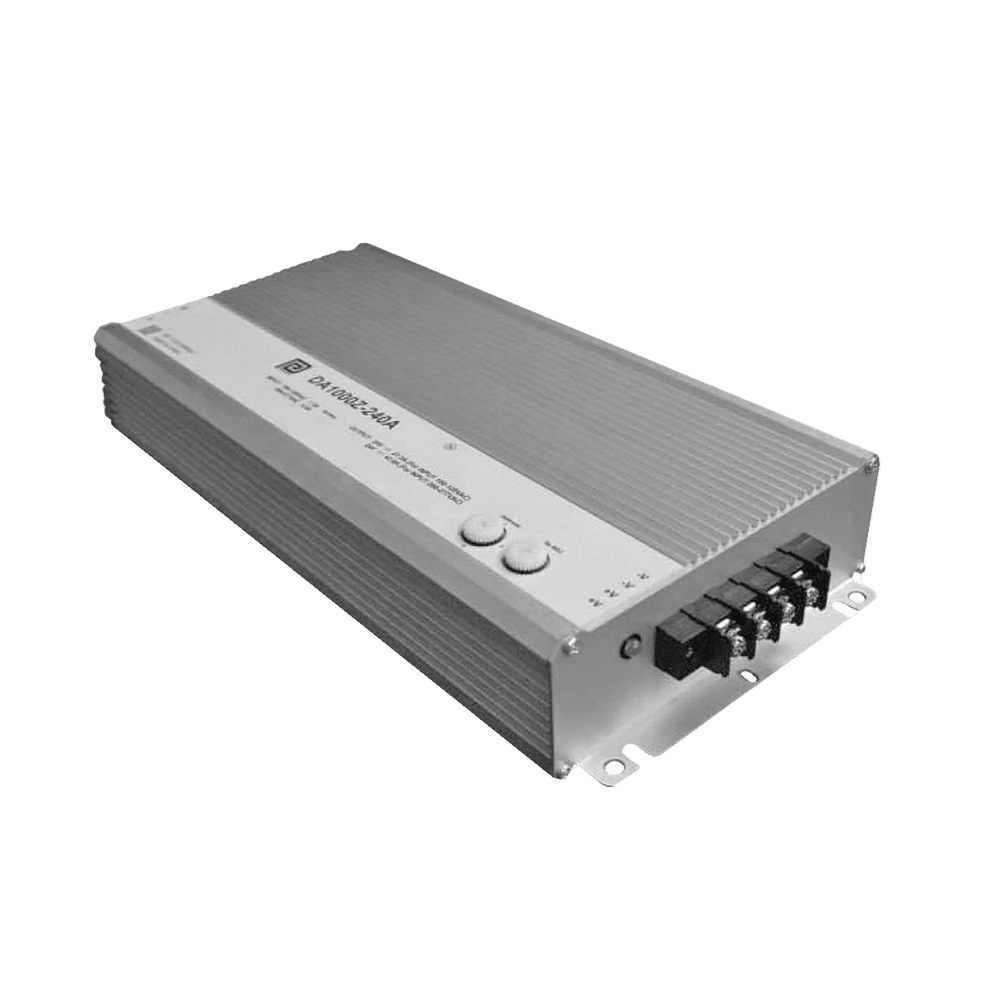
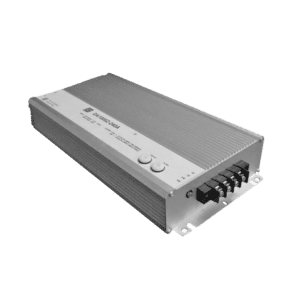
DA1000Z-240AEV-R
- Output Power - 1000W
- Output Volt - 24V
- Output Current - 42A
- Features - Extended operating temperature range of -40℃ to 70℃, Fan-less aluminum case filled with heat conductive glue, Able to withstand 10G vibration, Power on LED indicator, Short Circuit, Over Current, Over Voltage, and Over Temperature Protections, & Adjustable output through potentiomete
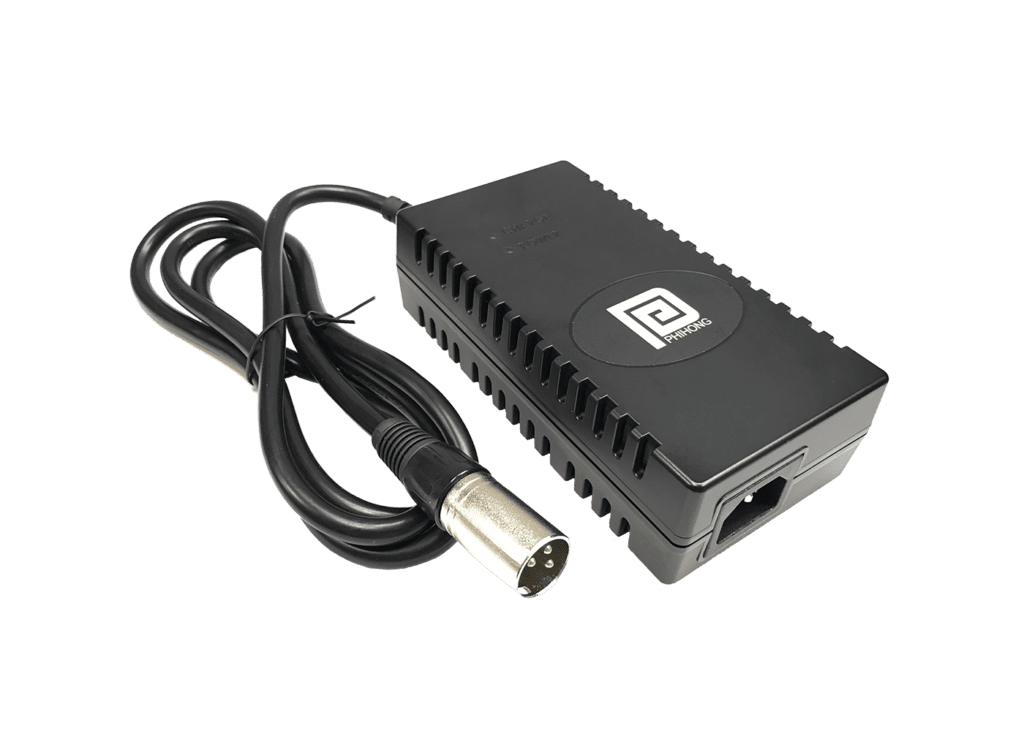
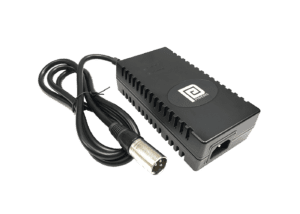
DA60U-240A-R
- Output Power - 60W
- Output Volt - 24V
- Output Current - 2.5A
- # of ports - 1
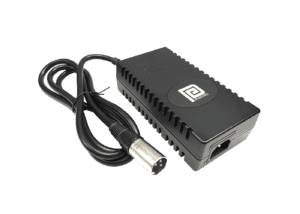
- Features - RESNA Compliant, CEC Compliant, LED Indicators Charge State, OVP, OTP, SCP, Charges AGM Batteries, Max 12hrs Charging Time
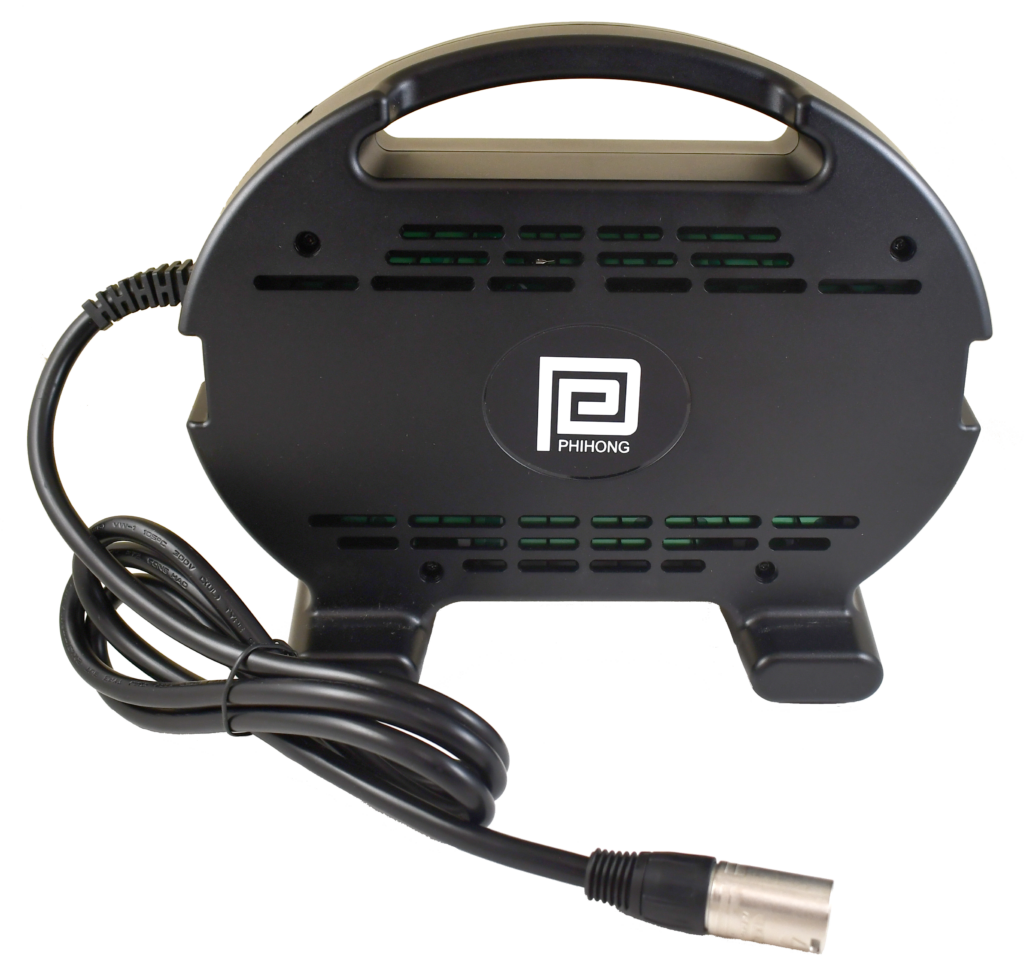
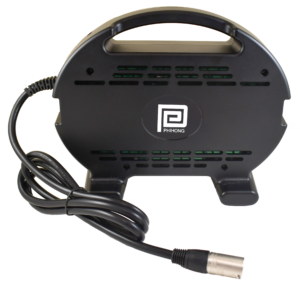
DA200U-250A-R
- Output Power - 200W
- Output Volt - 24V
- Output Current - 8A
- # of ports - 1
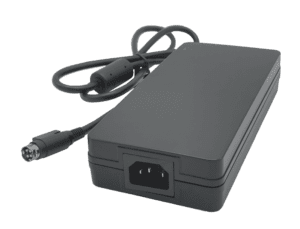
- Features - RESNA Compliant, CEC Compliant, LED Indicators Charge State, OVP, OTP, SCP, Dual-Mode Charger, Charges GEL or AGM batteries, Max 12hrs Charging Time
Why This Matters
• Patient safety depends on power supply design
• Compliance requirements are stricter than standard electronics
• Reliability is critical across diverse environments
What’s Driving This Shift
• Growth of portable and home healthcare devices
• Increasing regulatory requirements
• Higher expectations for device reliability
What OEMs Should Do Now
• Prioritize safety and compliance in power supply selection
• Align design with application-specific requirements
• Evaluate performance across real operating conditions
Mini Q&A
Why are medical power supplies different?
Because they must meet strict safety and compliance standards.
Do portable devices have different requirements?
Yes, they require compact and efficient designs.
Is reliability more important in medical devices?
Yes, due to critical use cases.
Specialized design ensures medical devices operate safely and reliably.
How Does IEC 60601 Define Safety and Leakage Current Requirements?
IEC 60601 defines the safety framework for medical electrical equipment, including limits on leakage current, insulation, and isolation. Leakage current is one of the most critical parameters because it determines how much unintended current can flow through the patient or operator.
Medical power supplies must meet strict leakage current limits that vary depending on device classification and application. Devices with direct patient contact require even lower limits, which influences component selection and circuit design. Isolation barriers must also meet defined requirements to prevent hazardous voltage transfer.
Compliance with IEC 60601 is essential for certification and market approval. Power supplies must maintain compliance across different configurations and conditions, making validation a continuous process rather than a one-time event.
Why This Matters
• Ensures patient and operator safety
• Enables regulatory approval
• Defines core design requirements
What’s Driving This Shift
• Global adoption of IEC 60601 standards
• Increased scrutiny in medical device certification
• Need for consistent safety across applications
What OEMs Should Do Now
• Understand applicable IEC 60601 requirements
• Validate leakage current and isolation early
• Maintain documentation for certification
Mini Q&A
What is leakage current?
Unintended current that can flow through the patient.
Why is IEC 60601 important?
It defines safety requirements for medical devices.
Do all devices have the same limits?
No, limits vary by classification.
IEC 60601 is the foundation for safe medical power supply design.
How Do Medical and Industrial Power Supplies Differ in Design and Application?
Medical and industrial power supplies differ primarily in safety requirements, compliance standards, and application environments. While industrial power supplies focus on durability and performance, medical power supplies prioritize patient safety and regulatory compliance.
Medical power supplies require stricter limits on leakage current and higher levels of isolation. They must also meet specific certification standards such as IEC 60601, which are not required for most industrial applications. This leads to differences in component selection, layout, and validation processes.
Application environments also differ. Industrial systems may operate in harsh conditions but do not typically involve patient interaction. Medical devices must perform reliably in both clinical and home environments while maintaining safety under all conditions.
Why This Matters
• Highlights key differences in safety and compliance
• Prevents incorrect PSU selection
• Ensures appropriate design for application
What’s Driving This Shift
• Increased specialization in power supply design
• Regulatory requirements for medical devices
• Growing diversity of device applications
What OEMs Should Do Now
• Avoid using industrial PSUs in medical applications without validation
• Align PSU selection with application requirements
• Evaluate compliance differences early
Mini Q&A
Can industrial PSUs be used in medical devices?
Only if they meet medical standards.
What is the biggest difference?
Safety and leakage current requirements.
Are environments different?
Yes, medical environments require stricter control.
Choosing the right PSU type is critical for compliance and safety.
CLIENT'S QUOTE
Phihong’s custom OEM power solutions have transformed our product development, boosting performance and reducing overhead. Their expert engineering support has simplified both the design and manufacturing phases.
How Do Open-Frame and External Adapters Compare for Medical Device Design?
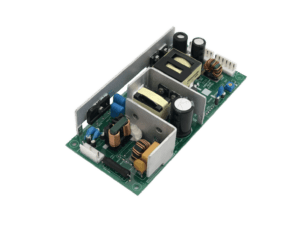
Open-frame and external adapter power supplies serve different roles in medical device design, especially when balancing safety, integration, and portability. Open-frame power supplies are typically integrated داخل the device enclosure, allowing tighter control over system design, airflow, and electrical architecture. External adapters, on the other hand, provide isolation outside the device, simplifying compliance and reducing internal design complexity.
For medical applications, external adapters are often preferred for patient-connected or home-use devices because they shift safety isolation away from the device itself. This can reduce leakage current risk and simplify certification. Open-frame solutions are more common in larger, stationary equipment where enclosure design can safely manage isolation and thermal requirements.
The choice depends on the device use case. Portable devices and home healthcare products often benefit from external adapters, while integrated systems in clinical environments may use open-frame designs.
Why This Matters
• Influences safety, compliance, and integration complexity
• Impacts device size, portability, and usability
• Determines how isolation is managed
What’s Driving This Shift
• Growth of portable and home healthcare devices
• Increasing demand for compact medical equipment
• Need to simplify compliance pathways
What OEMs Should Do Now
• Evaluate application requirements before selecting PSU type
• Consider external adapters for patient-connected devices
• Design enclosure and airflow carefully for open-frame solutions
Mini Q&A
Which is safer: open-frame or external adapter?
External adapters simplify safety in many applications.
Are open-frame PSUs used in medical devices?
Yes, especially in larger equipment.
Do portable devices favor external adapters?
Yes, for simplicity and safety.
Choosing between open-frame and external adapters depends on application and safety requirements.
How Do Thermal and Form Factor Constraints Affect Medical Power Supply Selection?
Thermal and form factor constraints play a major role in medical power supply selection, particularly as devices become smaller and more portable. Limited space reduces airflow and increases the challenge of managing heat, which can affect reliability and compliance.
Power supplies must operate within safe temperature ranges to maintain performance and meet safety standards. Excessive heat can increase leakage current, reduce component lifespan, and compromise device stability. This makes thermal design a critical part of power supply integration.
Form factor also influences design choices. Compact devices require smaller power supplies, which often increases power density and thermal stress. OEMs must balance size, efficiency, and thermal performance to achieve optimal results.
Why This Matters
• Thermal performance affects reliability and safety
• Compact designs increase design complexity
• Form factor impacts usability and integration
What’s Driving This Shift
• Miniaturization of medical devices
• Demand for portable and wearable equipment
• Increasing power density requirements
What OEMs Should Do Now
• Validate thermal performance in final device configurations
• Balance size with heat dissipation capability
• Consider airflow and enclosure design early
Mini Q&A
Do smaller devices create more thermal challenges?
Yes, limited space restricts airflow.
Can heat affect compliance?
Yes, it can impact safety and performance.
Is thermal testing necessary early?
Yes, to avoid redesign later.
Thermal and form factor considerations are critical for reliable medical device operation.
How Should OEMs Select the Best Power Supply Solution for Modern Medical Devices?
Selecting the best power supply solution requires balancing safety, compliance, performance, and application requirements. OEMs must evaluate how the power supply integrates with the device, meets regulatory standards, and supports long-term reliability.
The selection process should consider device type, patient interaction level, and operating environment. Portable and home healthcare devices may prioritize compact size and external adapters, while clinical equipment may focus on integration and performance.
Ultimately, the best solution is one that aligns with both technical requirements and regulatory expectations. Early evaluation and cross-functional collaboration help ensure that the selected power supply supports the overall device design.
Why This Matters
• Ensures alignment between design and compliance
• Supports reliable device performance
• Reduces risk of redesign and certification delays
What’s Driving This Shift
• Increasing complexity of medical device requirements
• Growth of diverse healthcare applications
• Need for integrated design and compliance strategy
What OEMs Should Do Now
• Evaluate power supply options early in design
• Align selection with device classification and use case
• Collaborate across engineering and compliance teams
Mini Q&A
What is the most important factor in PSU selection?
Safety and compliance requirements.
Should selection happen early?
Yes, to avoid redesign.
Does application type affect choice?
Yes, significantly.
Selecting the right power supply ensures safe, reliable, and compliant medical devices.
Top 10 Questions to Ask Your Medical PSU Partner Before Production
1. Can you provide a full IEC 60601-1 3.2 Edition test report?
Compliance is not just a checkbox; it is a complex data set. A reliable partner should provide a comprehensive test report that covers the latest 3.2 edition standards. This ensures the power supply meets the most current global safety requirements for medical electrical equipment. Having this documentation ready from the start prevents costly delays during your own device’s certification process. It also demonstrates that the supplier has a deep understanding of leakage current and isolation barriers.
2. What are the specific MOPP levels for this unit?
In the medical world, “Means of Patient Protection” (MOPP) is the gold standard. You need to know if the PSU offers 1xMOPP or 2xMOPP for both input-to-output and input-to-ground. For devices that come into direct contact with patients, 2xMOPP is often mandatory to ensure safety even in the event of a single failure. Asking this question early ensures the medical adapter or open-frame unit is physically capable of supporting your device’s specific classification.
3. How do you manage and test for leakage current?
Leakage current is the silent killer of medical device certification. Ask your partner for the exact leakage current specifications under both normal and “Single Fault Conditions” (SFC). A high-quality partner like Phihong designs with low-capacitance transformers and specialized filtering to keep these levels well below the strict limits required for CF (Cardiac Flicker) or BF (Body Floating) rated applications. Understanding these figures upfront helps you design your system’s overall grounding strategy more effectively.
4. What is the expected lifecycle and “End of Life” (EOL) policy?
Medical devices often stay in the market for a decade or more. You cannot afford a power supply that goes EOL after only two years. Ask about the component selection and the manufacturer’s history of product longevity. A true medical PSU partner provides a long-term roadmap and guaranteed notification periods for any component changes. This stability is crucial for maintaining your own regulatory filings, as changing a PSU often requires a sub-segment re-certification of the entire medical device.
5. Is the PSU optimized for the thermal constraints of my enclosure?
A power supply might be rated for 60W, but can it handle that in a sealed, fanless plastic enclosure? Ask your partner for “derating curves” and thermal test data. For modern home healthcare devices, compact form factors often lead to heat buildup. Your partner should be able to advise on whether an open-frame or external adapter is better suited to your device’s heat dissipation capabilities to prevent premature component failure.
6. Do you offer customization for DC cord lengths or connector types?
Off-the-shelf solutions are great, but medical devices often require specific DC connectors (like locking barrels or USB-C) or custom cord lengths to meet usability standards. Ask if the partner can modify the output cable or housing without triggering a complete safety re-certification. Flexibility in the “secondary side” of the design allows you to tailor the user experience—such as adding a specialized medical-grade connector—while keeping the core power architecture standardized and safe.
7. How does the PSU handle Electromagnetic Compatibility (EMC) in a clinical environment?
Hospitals are crowded with RF signals from Wi-Fi, MRI machines, and surgical equipment. Ask for the IEC 60601-1-2 4th Edition collateral standard data. This standard specifically addresses EMC and is vital for ensuring your device doesn’t interfere with other life-saving equipment—and isn’t interfered with itself. A partner who proactively tests for high levels of immunity ensures your device remains operational even in the most electrically “noisy” medical environments.
8. What is your Quality Management System (QMS) certification?
Manufacturing medical-grade power supplies requires more than just a standard factory line. Ask if the facility is ISO 13485 certified. This certification ensures that the manufacturer follows strict quality control, traceability, and risk management protocols specifically designed for the medical industry. Knowing that every unit is tracked and tested according to medical-grade standards gives you peace of mind and simplifies your internal audit processes when it comes time for your own quality inspections.
9. Can the power supply support 4th Edition Home Healthcare requirements?
With the boom in portable medical devices, many units are now used in homes where the electrical grounding might be unreliable. Ask if the PSU is “Class II” (double insulated), which does not require a functional earth ground. This is a critical question for devices like nebulizers or CPAP machines. Ensuring the PSU is designed for the 4th Edition “Home Healthcare” environment ensures it will be safe even when used in a residential setting by a non-professional.
10. What level of engineering support do you provide during integration?
The relationship shouldn’t end at the sale. Ask if you will have access to their design engineers for troubleshooting during the integration phase. Sometimes, unexpected “noise” or thermal issues arise only after the PSU is placed inside your prototype. Having a partner like Phihong who offers direct engineering support means you can solve these integration hurdles quickly, rather than waiting weeks for a generic help-desk response.
How Phihong Supports OEMs Selecting Medical Power Supplies for Modern Devices
Phihong supports OEMs by aligning medical power supply solutions with safety, compliance, and long-term reliability requirements. Power supplies are designed to meet medical standards such as IEC 60601 while maintaining consistent performance across different applications and environments. This enables OEMs to address regulatory requirements without compromising design flexibility.
Power solutions are developed with strong isolation, controlled leakage current, and predictable thermal performance. By considering these factors early, OEMs can integrate power supplies into medical devices with greater confidence and reduce risk during certification and deployment.
Phihong also emphasizes lifecycle continuity and engineering collaboration. With structured documentation, consistent manufacturing processes, and support across product lifecycles, OEMs can maintain compliance and performance as devices evolve over time.
Why This Matters
• Supports compliance with medical safety standards
• Improves reliability in critical applications
• Reduces risk during certification and deployment
What’s Driving This Shift
• Increasing regulatory requirements in healthcare
• Demand for reliable and safe medical devices
• Need for long-term lifecycle stability
What OEMs Should Do Now
• Select suppliers with medical compliance expertise
• Align power supply design with safety requirements
• Plan for lifecycle and certification support
Phihong’s approach helps OEMs balance safety, compliance, and performance in modern medical devices.

CONTACT US TODAY
From concept to production, Phihong delivers custom OEM power solutions tailored to your specifications.
FAQ
What is the most important requirement for medical power supplies?
Safety is the most important requirement, including compliance with standards such as IEC 60601. This ensures protection for patients and operators.
All other factors build on this foundation.
Why are external adapters often used in medical devices?
External adapters simplify isolation and reduce leakage current risk by keeping the power conversion outside the device. This can make compliance easier.
They are common in portable and home-use devices.
How does leakage current affect device safety?
Leakage current must be minimized to prevent unintended current flow through the patient. Medical standards define strict limits to ensure safety.
It is a key compliance parameter.
Can one power supply design work for all medical devices?
No. Requirements vary based on device classification, patient interaction, and environment. Each application must be evaluated individually.
Customization is often necessary.
When should OEMs choose open-frame power supplies for medical devices?
Open-frame power supplies are suitable for larger devices where enclosure design can manage safety and thermal requirements. They require careful integration.
They are less common in portable devices.
POE technology supports the centralization of power

AC Adapter Guide: Everything You Need to Know
Moreover, PoE technology supports the centralization of power management. By powering devices through a PoE-enabled network …
AC DC Power Chargers and How They Work: A Comprehensive Technical Breakdown
Moreover, PoE technology supports the centralization of power management. By powering devices through a PoE-enabled network …

USB-C Charger: Shaping the Future of the Tech World
Moreover, PoE technology supports the centralization of power management. By powering devices through a PoE-enabled network …

AC Adapter Guide: Everything You Need to Know
Moreover, PoE technology supports the centralization of power management. By powering devices through a PoE-enabled network …

AC DC Power Chargers and How They Work: A Comprehensive Technical Breakdown
Moreover, PoE technology supports the centralization of power management. By powering devices through a PoE-enabled network …

USB-C Charger: Shaping the Future of the Tech World
Moreover, PoE technology supports the centralization of power management. By powering devices through a PoE-enabled network …