









BLOG
Top 10 Reasons to Choose Interchangeable Medical Adapters for Global Export
QUICK LINKS
Why Are Interchangeable Medical Adapters So Useful for International Device Programs?
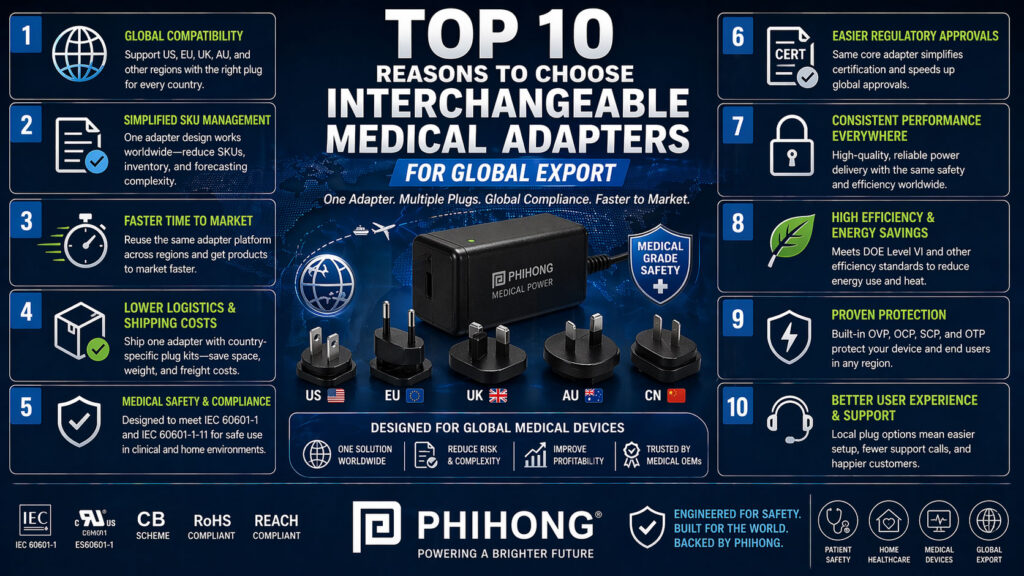
Global medical exports get complicated fast. Different countries use different plug formats, different distributors want different packaging, and support teams have to think about replacement units long after the first shipment leaves the warehouse. That is why interchangeable medical adapters are so appealing to OEMs. Instead of managing a completely different fixed-plug power supply for each market, teams can standardize around a core adapter platform and then match it with the correct regional plug style. Your uploaded draft frames this as a way to reduce last-mile export friction, and that is the right strategic lens for the topic.
Phihong’s current medical catalog supports that positioning. Its live medical product pages and product finder show interchangeable medical adapters in the PMA family alongside region-specific variants, while the broader medical lineup also includes multiple country-specific fixed-plug medical models. That makes interchangeable architecture easy to explain as a practical export and program-management choice rather than just a convenience feature.
Useful Links
- Phihong medical power supplies and adapters catalog
- Phihong product finder for medical adapter families
- Adapters and power supplies catalog
Related Articles
- Medical power supply vs. medical power adapter: what’s the difference and which one do you need
- Medical power supply: how to choose the best solution for safe, reliable medical devices
- What is IEC 60601 and why it matters for medical power supply design
Which Export Challenges Do Interchangeable Adapter Systems Solve Best?
The biggest advantages show up in logistics, regional flexibility, and long-term support. If an OEM is shipping to North America, Europe, the UK, and Australia, fixed-plug designs usually mean more part numbers, more packaging variations, and more opportunities for shipping errors. An interchangeable adapter system reduces that complexity by letting teams work from a more unified platform. Your source draft emphasizes SKU simplification, field flexibility, certification efficiency, and lower support friction, which are exactly the strongest reasons to use this kind of architecture.
Phihong’s catalog also supports the “global platform” angle in practical terms. The medical catalog and product finder show PMA models across multiple outputs and plug-region variants, and the catalog snippet indicates medical interchangeable blade wallmount adapters in the 9W to 18W range. That makes interchangeable medical adapters a strong topic not just for engineers, but also for sourcing and operations teams thinking about market expansion.
Useful Links
- Medical product catalog showing interchangeable medical adapters
- Power supply manufacturer overview and latest article hub
- Why regional manufacturing and multi-region sourcing matter more in power supply planning
Related Articles
- Why supply chain resilience is now a power supply design requirement for OEMs
- Navigating power supply manufacturing lead times and delays: a 2026 guide for OEMs
- How to choose the best power adapter supplier for OEMs
Before getting into the list, the main point is simple: interchangeable medical adapters help OEMs build a more flexible export program without redesigning the device-side power architecture for every region. That makes them as much a business tool as an electrical component.
1. Interchangeable Adapters Simplify SKU Management
One of the clearest benefits is reduced SKU complexity. Fixed-plug adapters often force OEMs to manage separate inventory for US, EU, UK, and AU versions even when the internal electronics are basically serving the same device class. Interchangeable systems reduce that burden by centering the program around a shared adapter body with region-specific plug elements. Your uploaded draft presents this as a major inventory advantage, and it is easy to see why.
Phihong’s current medical catalog supports that argument because it shows multiple PMA-region variants and interchangeable medical models in the same medical family space. That kind of structure helps reduce forecasting headaches and makes it easier for procurement teams to think in terms of platform planning instead of one-off country SKUs.
2. They Make It Easier to Support Multiple Plug Standards Without Reworking the Device
Medical OEMs expanding internationally do not want to change the end device every time they add a new market. Interchangeable adapters help by keeping the device-side power expectations steady while localizing the wall-side interface. That is the core reason they work so well for export.
This is especially helpful when the product is already validated and the company wants to expand into adjacent geographies without touching the main product design. A more modular adapter strategy supports that kind of scaling much better than repeatedly introducing new fixed-plug combinations.
3. They Improve Field Flexibility for Mobile Programs and Cross-Border Deployments
Your draft makes a smart point about field versatility. Some medical devices are moved between countries by rental providers, humanitarian groups, clinical trial teams, or multinational distributors. In those situations, being able to adapt power access without replacing the full adapter can save time and simplify redeployment.
That flexibility is not just operationally convenient. It can reduce downtime when the same product family is used across multiple regions or when equipment needs to be reassigned quickly. For export-minded OEMs, that kind of reuse adds practical value beyond the original sale.
4. Interchangeable Platforms Can Help Speed Up Market Expansion
A standardized adapter strategy often helps teams move faster because the export conversation becomes more modular. Instead of creating a new region-specific power path from scratch, the company can work from an existing family approach and adapt it to the next geography more cleanly.
That aligns well with how Phihong organizes parts in its medical catalog, where related medical models appear within families rather than as isolated one-off products. The easier it is to treat power as a reusable platform, the easier it becomes to scale internationally with less administrative drag.
5. Packaging and Shipping Can Become More Efficient
Your source draft correctly points out that modular adapter systems can also help with packaging efficiency. Fixed plugs often force larger box shapes or country-specific packaging inserts, especially when plug geometry changes from market to market. Interchangeable pieces offer more flexibility in how kits are packed and labeled.
That matters because export costs do not come only from product cost. They also come from packaging complexity, air volume, warehouse organization, and fulfillment mistakes. A more compact modular system can support a cleaner global packaging strategy and reduce friction in distributor channels.
FEATURED PRODUCTS
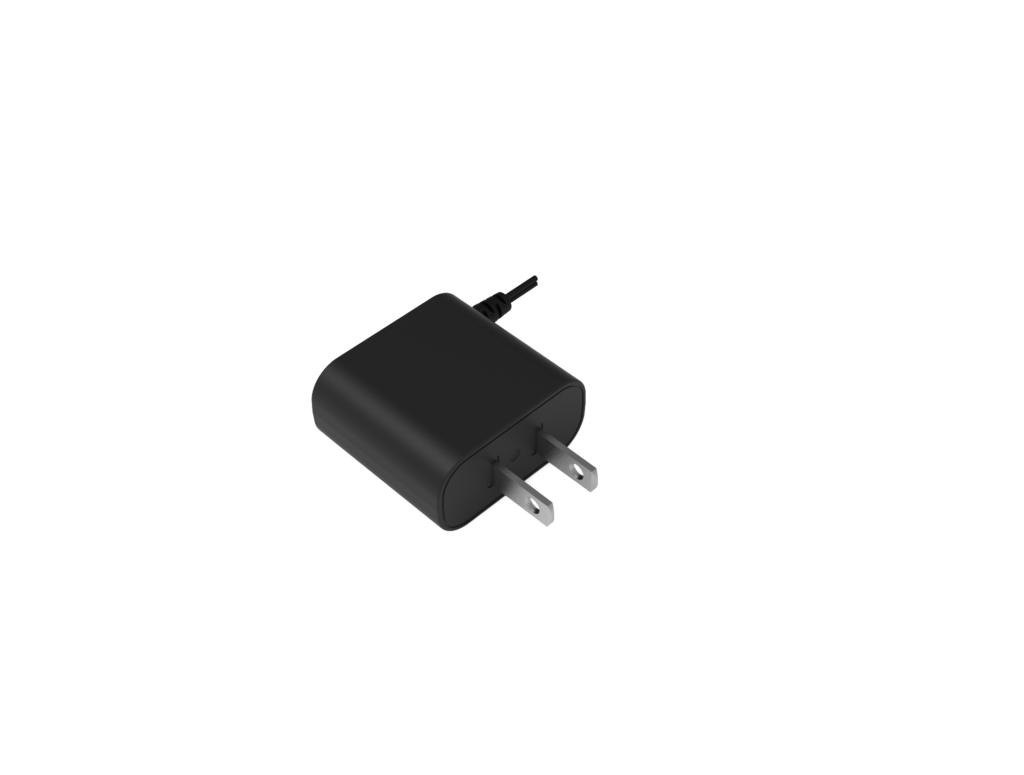
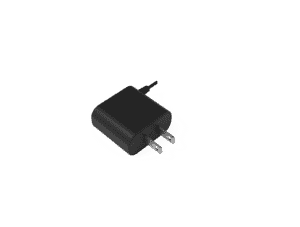
AA03A-075A-R
- Output Power - 2.75W
- Output Volt - 7.5V
- Output Current - 0.366A
- Features - Fixed Blade AC Input, Limited Power Source, Class B EMI, Level VI Efficiency, Standard Barrel Connector
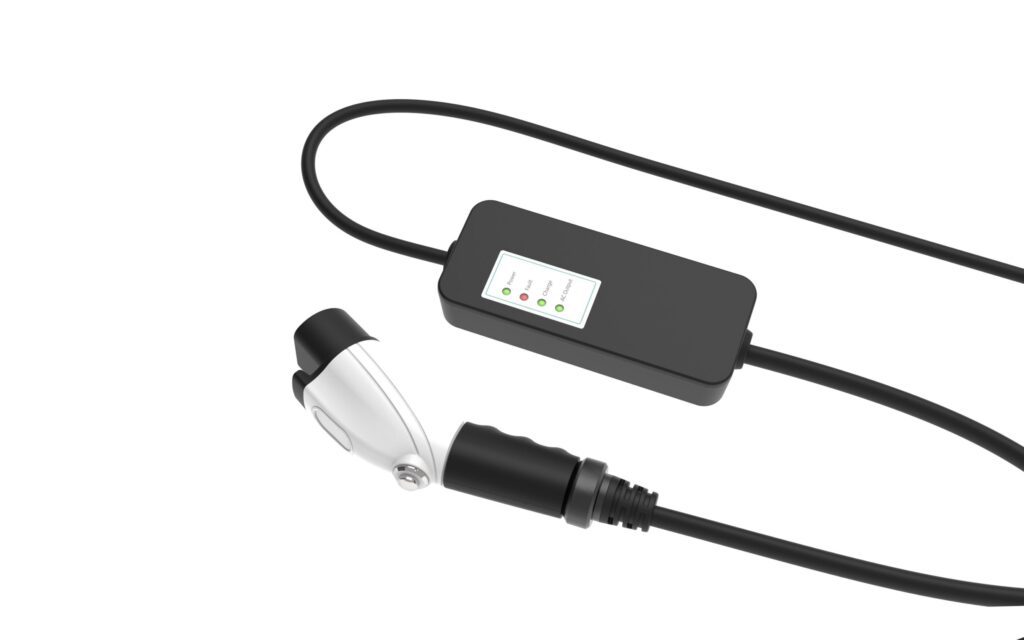
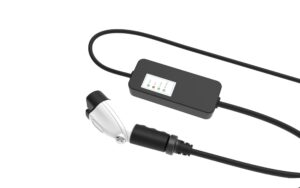
AC Series
- Output Current - 16A
- Features - Mode 2-chargers can use a circuit ranging from 8Amp to 16Amp with a local standard AC input plug installed for operation, Provides overcurrent, over voltage and short circuit protection, Protected against strong jets of water from all directions, Continuously monitors/supervises the ground connection between the AC supply and EV to ensure safe and reliable charging
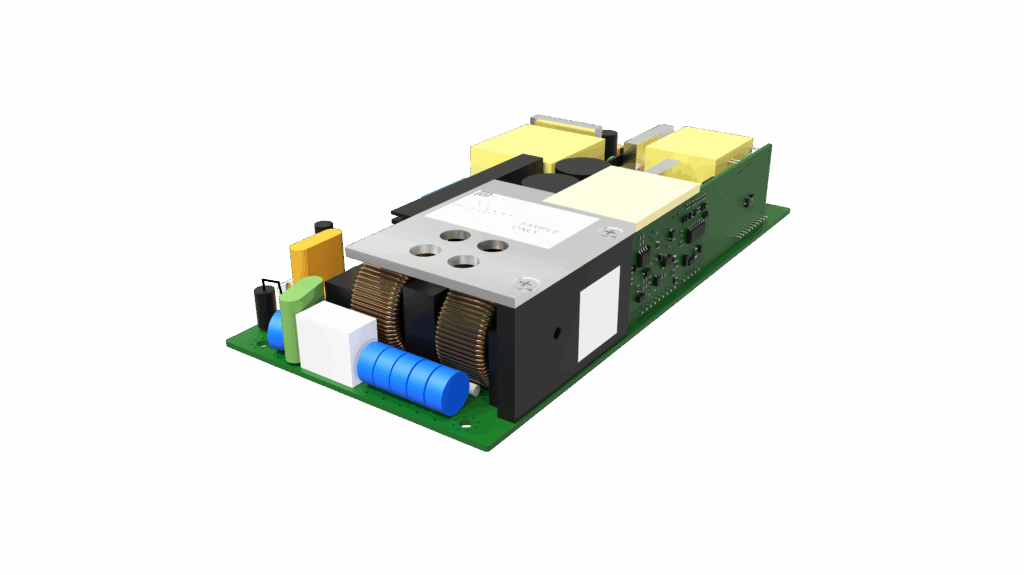
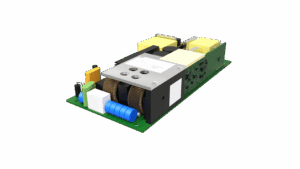
BF550-234B-R
- Output Power - 550W
- Output Volt - 12Vdc / 54.5Vdc
- Features - Universal AC Input range, Class I Design , Class B EMI , High Efficiency Performance , OVP, OCP, SCP, OTP Protections , Operating Altitude: 5,000M
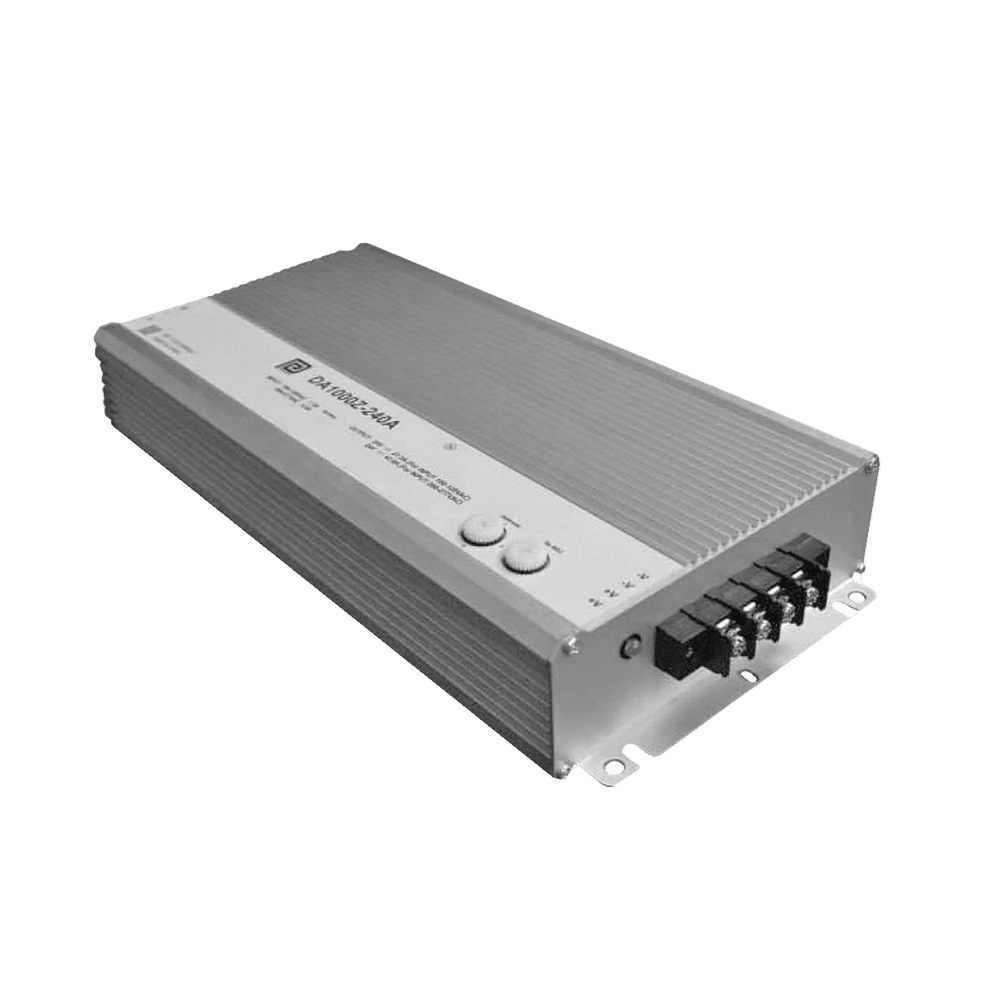
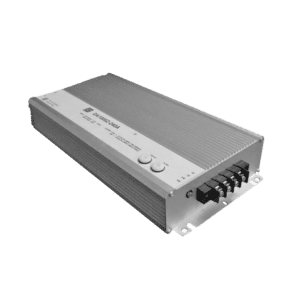
DA1000Z-240AEV-R
- Output Power - 1000W
- Output Volt - 24V
- Output Current - 42A
- Features - Extended operating temperature range of -40℃ to 70℃, Fan-less aluminum case filled with heat conductive glue, Able to withstand 10G vibration, Power on LED indicator, Short Circuit, Over Current, Over Voltage, and Over Temperature Protections, & Adjustable output through potentiomete
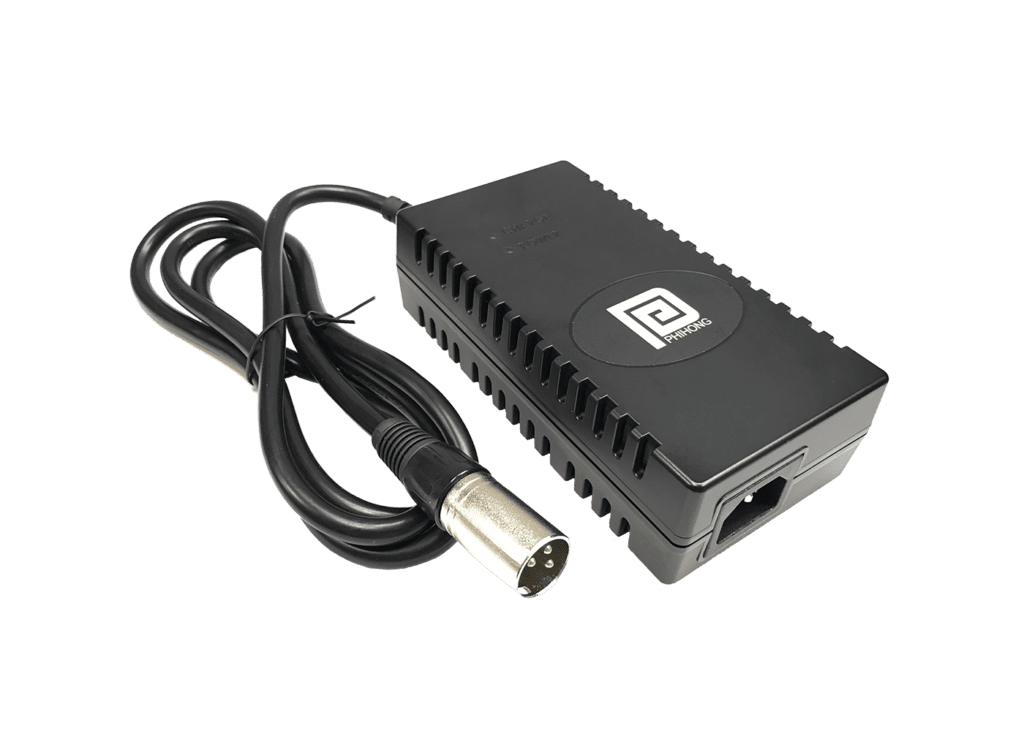
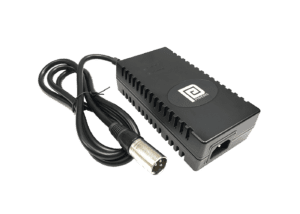
DA60U-240A-R
- Output Power - 60W
- Output Volt - 24V
- Output Current - 2.5A
- # of ports - 1
- Features - RESNA Compliant, CEC Compliant, LED Indicators Charge State, OVP, OTP, SCP, Charges AGM Batteries, Max 12hrs Charging Time
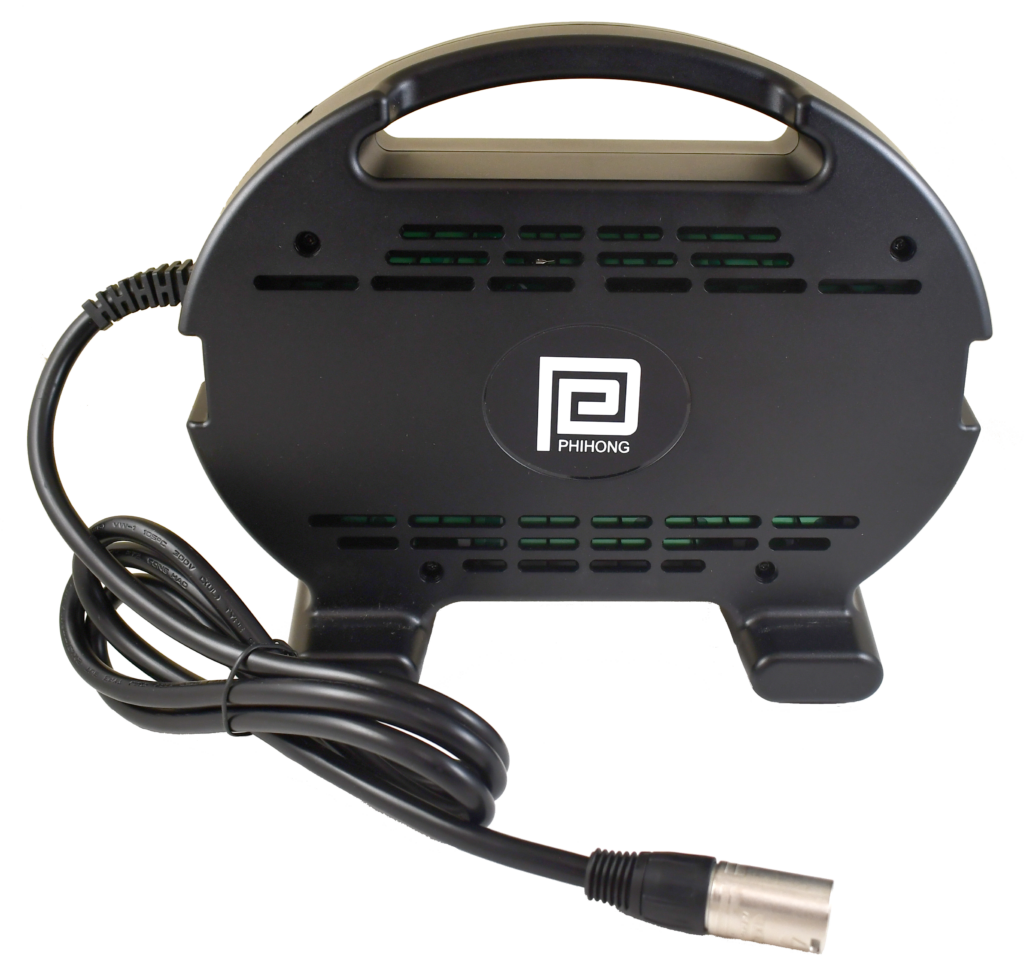
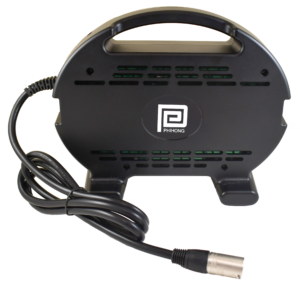
DA200U-250A-R
- Output Power - 200W
- Output Volt - 24V
- Output Current - 8A
- # of ports - 1
- Features - RESNA Compliant, CEC Compliant, LED Indicators Charge State, OVP, OTP, SCP, Dual-Mode Charger, Charges GEL or AGM batteries, Max 12hrs Charging Time
CLIENT'S QUOTE
Phihong’s custom OEM power solutions have transformed our product development, boosting performance and reducing overhead. Their expert engineering support has simplified both the design and manufacturing phases.
6. They Present a More Professional OEM Experience Than Consumer Travel Workarounds
A medical device meant for international use looks more credible when its power solution was clearly designed for global deployment. An interchangeable medical adapter creates a better OEM impression than shipping a region-specific fixed-plug unit plus a loose travel converter or generic aftermarket workaround.
That professionalism matters in clinical and distributor settings. It suggests the company planned for international deployment rather than patching it after the fact. For OEM brands, power presentation can influence overall product trust more than teams sometimes expect.
7. Wide-Input Medical Adapters Support Global Grid Compatibility More Cleanly
Interchangeable architecture is most valuable when paired with wide-input electrical capability. Your draft highlights this correctly, and it aligns with how globally deployable medical adapters are usually positioned. The benefit is not only plug compatibility. It is also the ability to tolerate common international AC ranges without redesigning the core supply.
Phihong’s medical adapter families are cataloged specifically in ways that support international deployment logic, and its broader export-facing content repeatedly emphasizes the importance of regional and multi-region planning. That makes wide-input adaptability part of a bigger export system, not a standalone spec.
8. International Support and Replacement Workflows Become Easier
Interchangeable systems also help after the initial sale. If a unit needs service or replacement abroad, a modular strategy can reduce complexity because the organization is not always forced to match an exact fixed-plug assembly for the region from scratch. Your source draft highlights this in the context of global warranty and replacement simplicity.
For support teams, that can mean faster fulfillment and fewer export-specific errors. For the customer, it can mean less downtime. In medical environments, even small reductions in replacement friction can make a meaningful difference.
9. They Help Future-Proof Expansion into New Regions
One of the most strategic benefits is future flexibility. An OEM may begin with only two or three regions in mind, but successful products often expand far beyond the original plan. Interchangeable adapters help protect against that uncertainty because they support a more adaptable export model from the start.
Your draft calls this future-proofing for emerging markets, and that is a strong way to frame it. If the adapter strategy is already modular, entering another market becomes less about redesign and more about controlled expansion.
10. They Support Consistent Medical Power Quality Across Global Markets
The strongest argument for interchangeable medical adapters is that they help OEMs maintain a more consistent power experience worldwide. Instead of managing many disconnected local solutions, the company can work around a more unified medical adapter platform and then adapt the plug side to the market.
That consistency matters for brand trust, product validation, training, and global program management. Even if local packaging and accessories change, the power strategy feels more coherent. For medical OEMs, that is one of the clearest long-term advantages of choosing an interchangeable architecture.
By standardizing around an interchangeable medical adapter strategy, OEMs can reduce inventory sprawl, improve export flexibility, simplify regional scaling, and create a more polished international product experience. Your uploaded draft captures those benefits well, and Phihong’s current catalog structure gives the topic real product grounding.
The bigger takeaway is that interchangeable adapters are not just a plug-format convenience. They are a way to make global medical programs easier to operate, easier to support, and easier to expand without unnecessary power-related complexity.
Useful Links
- Medical products catalog with PMA family listings
- Adapter and power supplies catalog
- Product finder with PMA series medical adapter entries
Related Articles
- Why regional manufacturing and multi-region sourcing matter more in power supply planning for OEMs
- Why supply chain resilience is now a power supply design requirement for OEMs
- How to choose the best power adapter supplier for OEMs
How Phihong Can Help OEMs Build a Better Global Medical Export Strategy
Phihong is well positioned for this topic because its current medical catalog already shows interchangeable medical adapter options, broader medical adapter families, and a live product ecosystem that spans multiple regional variations. That gives OEMs a real platform basis for thinking about export standardization rather than starting from theory alone.
Phihong’s newer 2026 content also strengthens the business case by connecting power planning to multi-region sourcing, resilience, and export-readiness. For OEMs building global medical products, that combination matters. It means the company can help frame not only the adapter choice itself, but also the larger planning logic around supply continuity and international growth.
As global medical programs keep expanding, interchangeable adapter architecture will remain attractive because it supports flexibility without forcing the device maker to overcomplicate the core product. That is why this topic works well as both an engineering story and an operations story.

CONTACT US TODAY
From concept to production, Phihong delivers custom OEM power solutions tailored to your specifications.
POE technology supports the centralization of power

AC Adapter Guide: Everything You Need to Know
Moreover, PoE technology supports the centralization of power management. By powering devices through a PoE-enabled network …
AC DC Power Chargers and How They Work: A Comprehensive Technical Breakdown
Moreover, PoE technology supports the centralization of power management. By powering devices through a PoE-enabled network …

USB-C Charger: Shaping the Future of the Tech World
Moreover, PoE technology supports the centralization of power management. By powering devices through a PoE-enabled network …

AC Adapter Guide: Everything You Need to Know
Moreover, PoE technology supports the centralization of power management. By powering devices through a PoE-enabled network …

AC DC Power Chargers and How They Work: A Comprehensive Technical Breakdown
Moreover, PoE technology supports the centralization of power management. By powering devices through a PoE-enabled network …

USB-C Charger: Shaping the Future of the Tech World
Moreover, PoE technology supports the centralization of power management. By powering devices through a PoE-enabled network …