











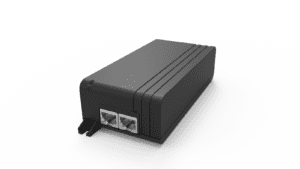
BLOG
Federal Procurement in 2026: What Power Supply and PoE Manufacturers Need to Know
QUICK LINKS

Federal procurement is not static. It evolves with geopolitical shifts, supply chain disruptions, cybersecurity concerns, and changing trade policies. In 2026, power supply and PoE manufacturers are operating in an environment where sourcing transparency, regulatory awareness, and manufacturing diversification have become central to long-term competitiveness.
Power infrastructure sits beneath nearly every government system. Surveillance networks, municipal broadband, transportation signaling, emergency response communications, and data center modernization initiatives all depend on reliable power adapters, PoE injectors, and industrial power supplies. When these systems are procured under federal or federally influenced contracts, sourcing scrutiny extends beyond performance specifications.
Manufacturers are discovering that engineering excellence alone is no longer enough. Procurement teams now evaluate country of origin, supply chain resilience, documentation clarity, and regulatory awareness before approving vendor relationships. For companies with global production footprints, including established manufacturing in Vietnam and other trade agreement countries, this shift presents both opportunity and responsibility.
This article explores how federal procurement dynamics are evolving in 2026 and what power electronics manufacturers should understand to remain competitive in regulated markets.
FEATURED PRODUCTS
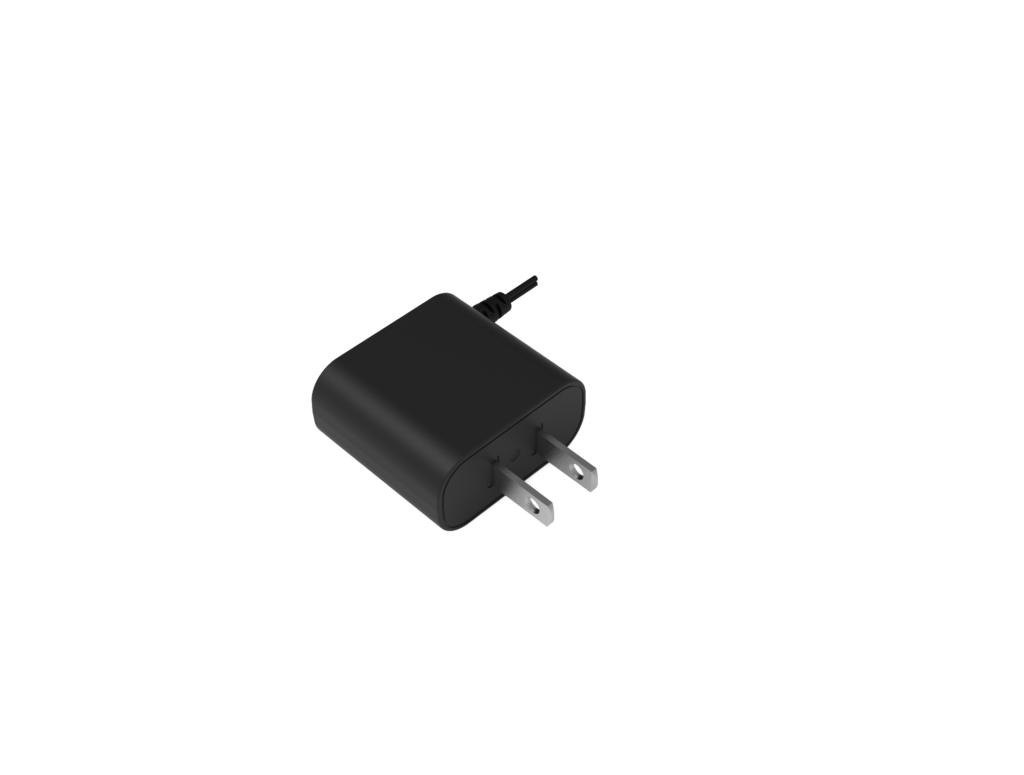
AA03A-075A-R
- Output Power - 2.75W
- Output Volt - 7.5V
- Output Current - 0.366A
- Features - Fixed Blade AC Input, Limited Power Source, Class B EMI, Level VI Efficiency, Standard Barrel Connector
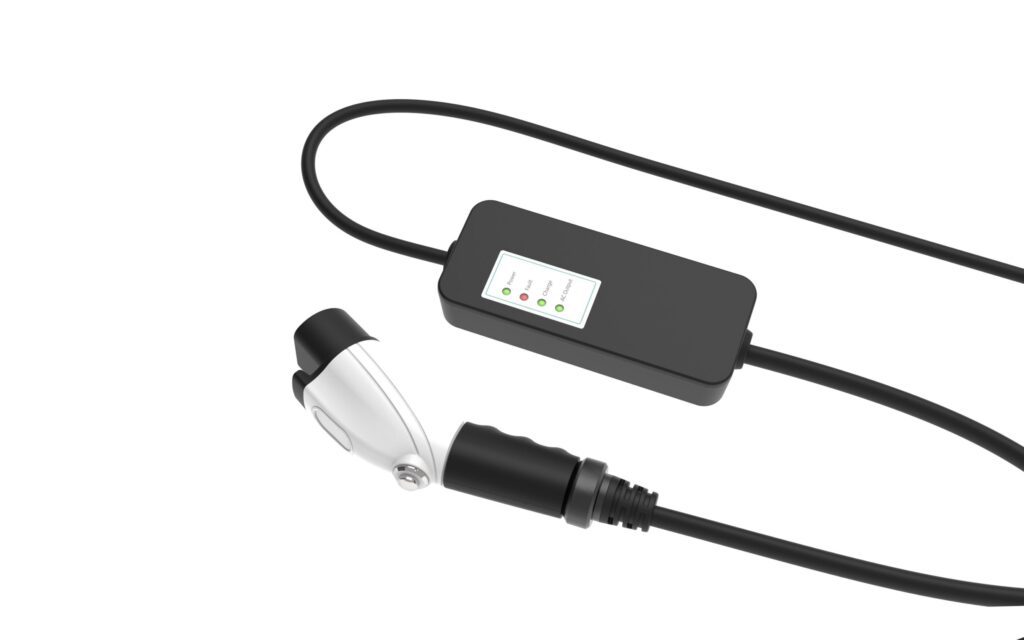
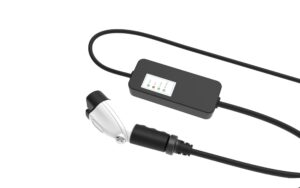
AC Series
- Output Current - 16A
- Features - Mode 2-chargers can use a circuit ranging from 8Amp to 16Amp with a local standard AC input plug installed for operation, Provides overcurrent, over voltage and short circuit protection, Protected against strong jets of water from all directions, Continuously monitors/supervises the ground connection between the AC supply and EV to ensure safe and reliable charging
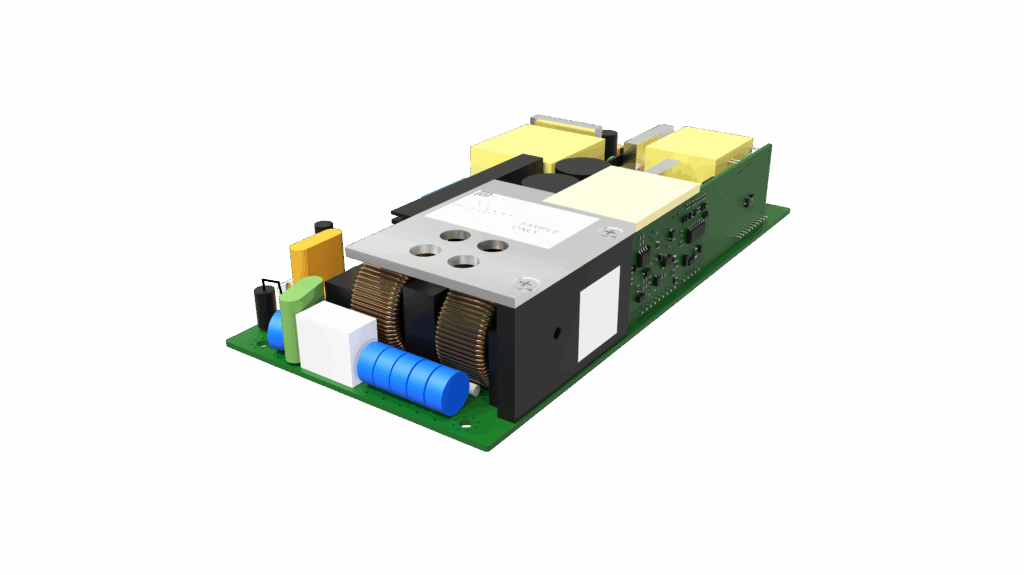
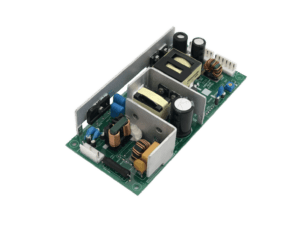
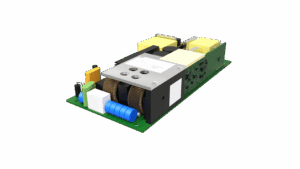
BF550-234B-R
- Output Power - 550W
- Output Volt - 12Vdc / 54.5Vdc
- Features - Universal AC Input range, Class I Design , Class B EMI , High Efficiency Performance , OVP, OCP, SCP, OTP Protections , Operating Altitude: 5,000M
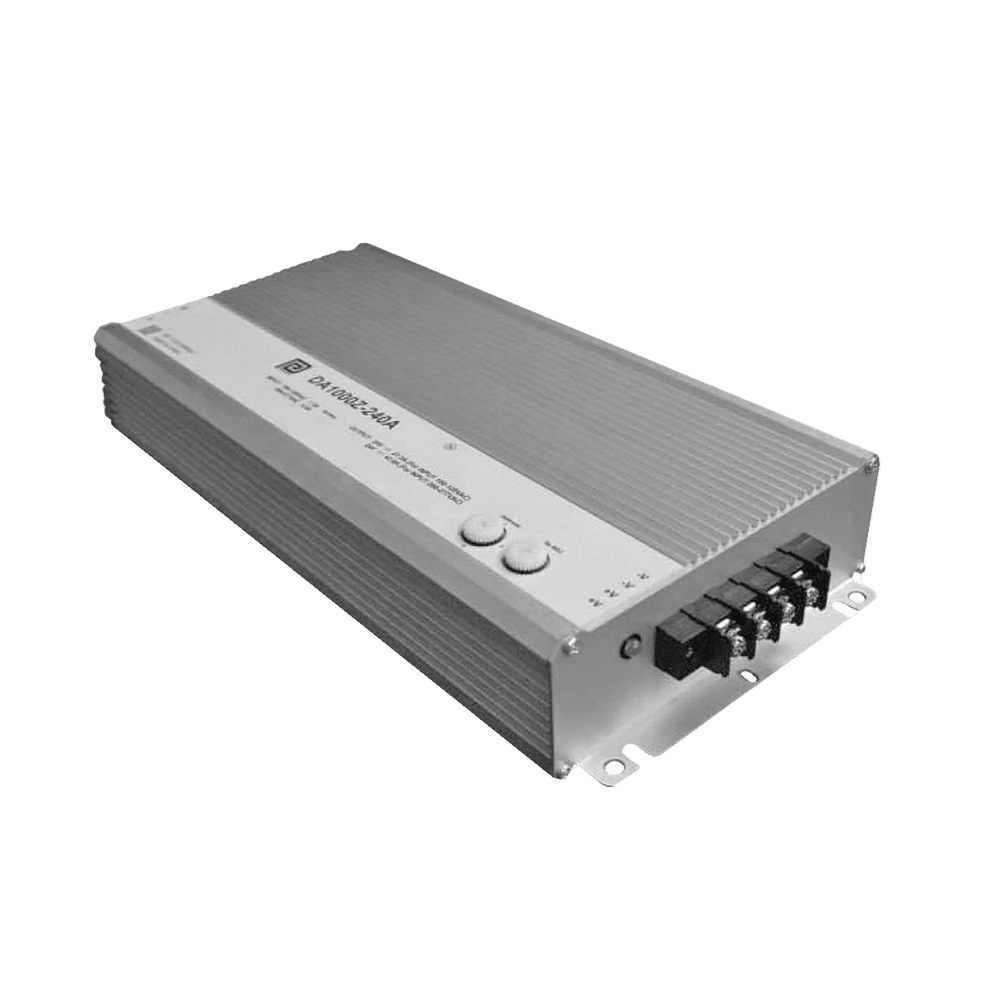
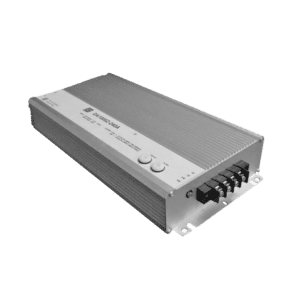
DA1000Z-240AEV-R
- Output Power - 1000W
- Output Volt - 24V
- Output Current - 42A
- Features - Extended operating temperature range of -40℃ to 70℃, Fan-less aluminum case filled with heat conductive glue, Able to withstand 10G vibration, Power on LED indicator, Short Circuit, Over Current, Over Voltage, and Over Temperature Protections, & Adjustable output through potentiomete
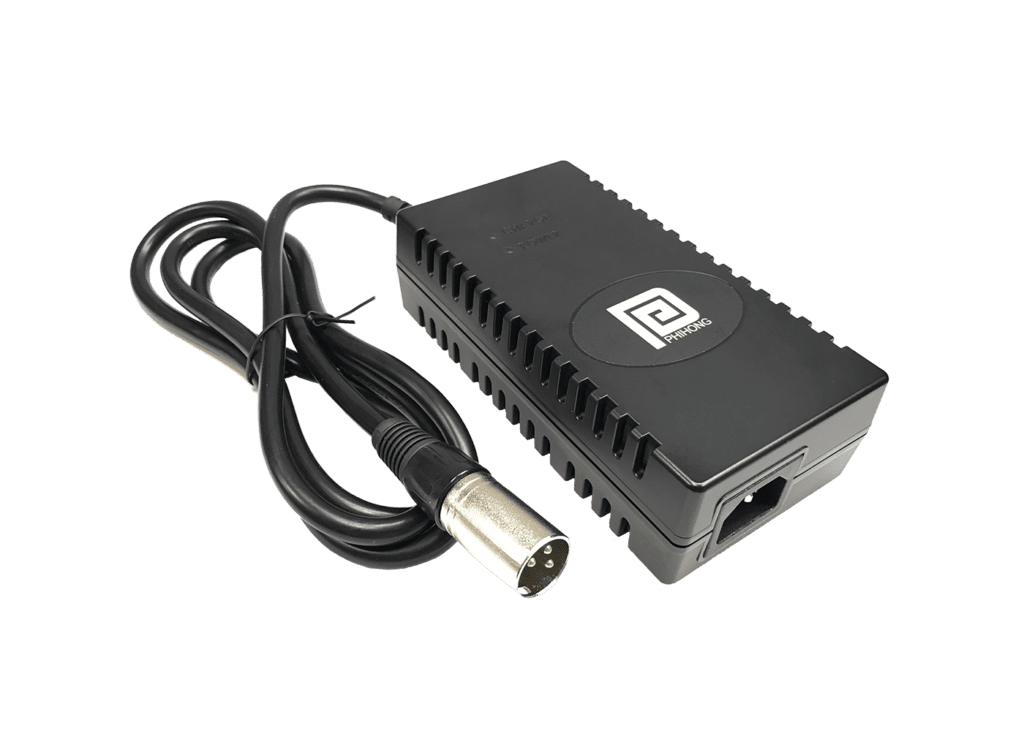
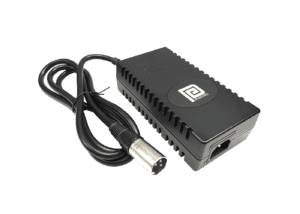
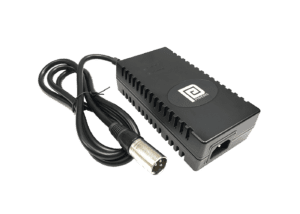
DA60U-240A-R
- Output Power - 60W
- Output Volt - 24V
- Output Current - 2.5A
- # of ports - 1
- Features - RESNA Compliant, CEC Compliant, LED Indicators Charge State, OVP, OTP, SCP, Charges AGM Batteries, Max 12hrs Charging Time
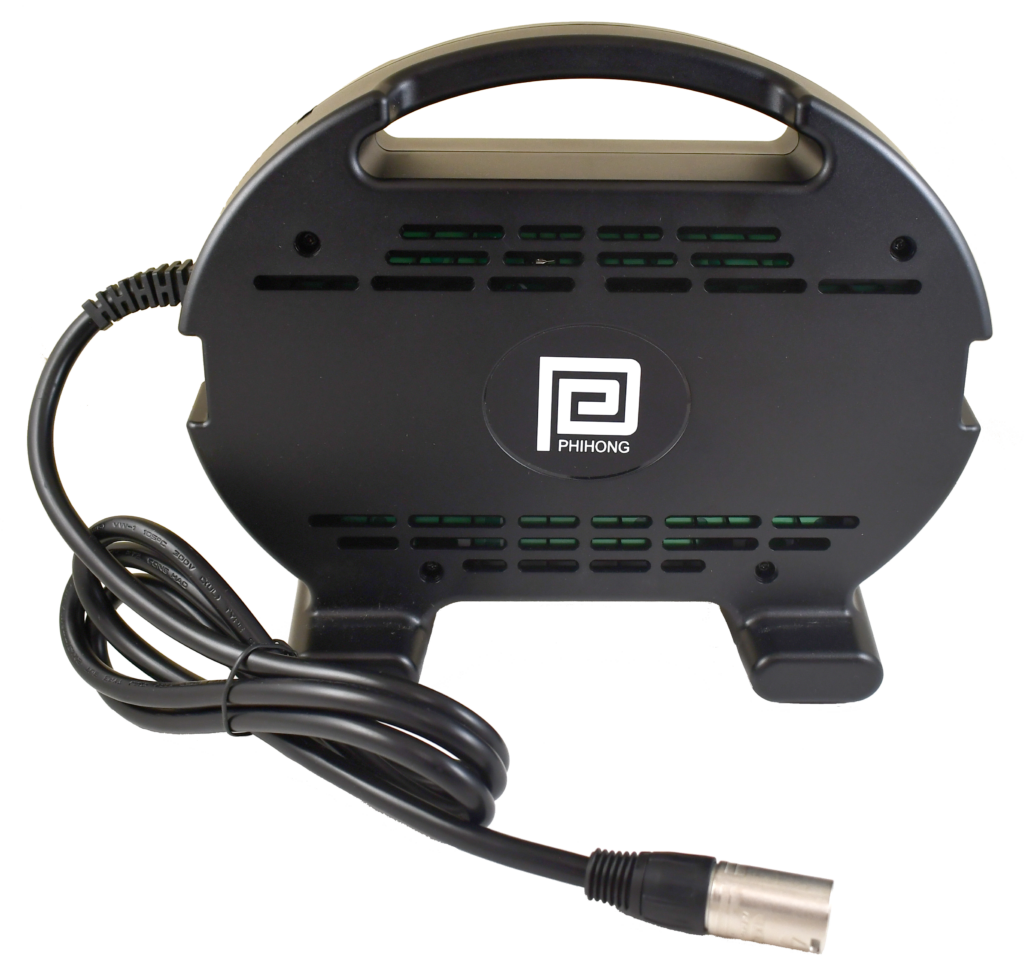
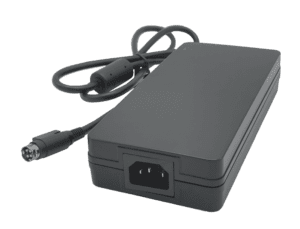
DA200U-250A-R
- Output Power - 200W
- Output Volt - 24V
- Output Current - 8A
- # of ports - 1
- Features - RESNA Compliant, CEC Compliant, LED Indicators Charge State, OVP, OTP, SCP, Dual-Mode Charger, Charges GEL or AGM batteries, Max 12hrs Charging Time
Why Federal Procurement Standards Are Becoming More Structured
Over the past several years, federal procurement has moved toward greater supply chain transparency and documentation discipline. Agencies are placing increased emphasis on traceability, risk mitigation, and long-term sourcing stability. This shift is driven by lessons learned from global supply chain disruptions, geopolitical tensions, and cybersecurity concerns affecting infrastructure systems.
For power supply and PoE manufacturers, this means procurement teams are asking deeper questions. Beyond electrical efficiency and safety certifications, buyers now evaluate where products are manufactured, how supply chains are structured, and whether sourcing strategies align with contract-specific regulatory frameworks.
In 2026, structured procurement review often includes:
• Country of origin verification
• Manufacturing flow transparency
• Component sourcing visibility
• Alignment with federal compliance clauses
This does not mean every project invokes the same regulations. However, the expectation of transparency has increased. Manufacturers with diversified production ecosystems, including facilities in designated trade agreement countries such as Vietnam, are frequently positioned to engage in these sourcing conversations more effectively.
The key shift is not simply regulatory enforcement. It is procurement discipline. Agencies and integrators are prioritizing documentation clarity and supply chain resilience as part of risk management strategy.
Top Features of the 2026 Procurement Environment
• Increased scrutiny of manufacturing geography
• Greater emphasis on supply chain resilience
• Structured documentation expectations
• Heightened awareness of regulatory distinctions
Top Benefits for Prepared Manufacturers
• Stronger positioning in federal bid environments
• Improved trust with integrators and OEM partners
• Reduced friction during procurement review
• Greater long-term contract stability
Best Practices for Power Manufacturers
• Maintain updated manufacturing documentation
• Train sales teams on sourcing transparency
• Align marketing language with procurement reality
• Proactively communicate production capabilities
Manufacturers who understand this structural shift are better positioned to navigate federal markets with confidence and clarity.
The Continued Shift Away From Single-Country Electronics Sourcing
Another defining characteristic of 2026 procurement strategy is diversification. Federal buyers and integrators increasingly seek to avoid concentration risk within a single manufacturing region. This trend has accelerated over the past several years as global trade dynamics and supply disruptions highlighted vulnerabilities in concentrated sourcing models.
For power electronics, diversification is particularly relevant. Adapters, PoE injectors, and industrial power supplies are foundational components in government infrastructure. Delays or sourcing complications at the power level can affect entire deployments.
As a result, manufacturers with established production capabilities in multiple regions, including Vietnam, are frequently evaluated through the lens of supply chain resilience. Vietnam has emerged as a significant electronics manufacturing hub, offering structured production environments and participation in trade agreement frameworks recognized by U.S. procurement policies.
This does not automatically determine compliance status under any specific regulation. However, diversified production footprints can support broader sourcing conversations focused on stability and long-term reliability.
In 2026, procurement discussions are increasingly framed around questions such as:
• How resilient is the manufacturing network?
• Where does final integration occur?
• How adaptable is the supply chain under stress?
• Is production concentrated or diversified?
Manufacturers that can answer these questions clearly are better positioned in competitive federal environments.
Top Features of Diversified Manufacturing Strategy
• Multi-region production capability
• Reduced concentration risk
• Participation in designated trade agreement countries
• Structured production ecosystems
Top Benefits of Diversification
• Improved supply chain resilience
• Stronger positioning in regulated markets
• Greater flexibility during geopolitical shifts
• Increased buyer confidence
Best Practices for Communicating Diversification
• Provide high-level production transparency
• Emphasize long-term supply chain planning
• Avoid overgeneralized compliance claims
• Focus on stability and documentation clarity
Diversification is no longer simply a manufacturing strategy. In 2026, it is a procurement expectation.
Why Compliance Awareness Is Now a Competitive Advantage
In previous years, regulatory awareness was often reactive. Manufacturers addressed compliance requirements when prompted by contract clauses. In 2026, awareness itself has become a competitive differentiator.
Federal procurement teams increasingly expect manufacturers to understand distinctions between TAA, BAA, and NDAA frameworks. Even when specific regulations are not invoked, sourcing transparency and documentation readiness signal operational maturity.
For power supply and PoE manufacturers, this means integrating regulatory literacy into sales, marketing, and engineering conversations. Companies that can explain how country of origin is determined, how manufacturing flow supports traceability, and how production environments are structured often experience smoother procurement interactions.
Manufacturing ecosystems in designated trade agreement countries such as Vietnam are frequently part of these discussions. However, competitive advantage is not built on geography alone. It is built on documented process clarity and disciplined communication.
In 2026, procurement is less about last-minute compliance checks and more about evaluating long-term sourcing partners.
Top Features of Compliance-Aware Manufacturers
• Clear understanding of regulatory distinctions
• Structured documentation readiness
• Transparent production workflows
• Alignment between sales and engineering teams
Top Benefits of Regulatory Awareness
• Reduced procurement friction
• Improved bid competitiveness
• Stronger OEM and integrator relationships
• Greater credibility in regulated markets
Best Practices for Staying Ahead
• Conduct internal compliance training
• Review sourcing language regularly
• Maintain updated origin documentation
• Align procurement messaging with actual production flow
Regulatory awareness, when approached responsibly, strengthens positioning without relying on blanket claims.
CLIENT'S QUOTE
Phihong's Power-Over-Ethernet solutions have transformed our network, boosting efficiency and reducing costs. Their seamless integration has simplified both installation and maintenance.
The Role of Vietnam in 2026 Federal Sourcing Conversations
In 2026, Vietnam is no longer viewed simply as an alternative manufacturing location. It has become a central part of global electronics production strategy, particularly for manufacturers serving regulated markets. As federal procurement teams evaluate sourcing resilience and trade agreement alignment, Vietnam’s role in electronics manufacturing continues to gain attention.
Vietnam participates in trade agreements recognized under U.S. procurement policy frameworks, which places it in conversations surrounding designated country sourcing. For power supply and PoE manufacturers, production capabilities in Vietnam often factor into discussions about country of origin evaluation and supply chain diversification.
Beyond regulatory relevance, Vietnam has expanded its electronics manufacturing infrastructure significantly. PCB assembly, system integration, testing facilities, and quality management systems have matured over the past decade. This development supports structured production workflows required for OEM-grade power adapters, PoE injectors, and industrial power supplies.
However, geography alone does not determine eligibility under any specific federal framework. Instead, procurement conversations increasingly center around how manufacturing is structured, documented, and integrated within broader sourcing strategies.
In 2026, Vietnam’s relevance is tied not only to trade agreement participation but also to its role in supply chain resilience and production scalability.
Top Features of Vietnam’s Growing Role
• Recognized trade agreement participation
• Mature electronics manufacturing ecosystem
• Scalable PCB assembly and integration capacity
• Increasing role in diversified sourcing strategies
Top Benefits for Power Manufacturers
• Reduced concentration risk
• Greater supply chain flexibility
• Stronger positioning in federal discussions
• Improved long-term production planning
Best Practices When Discussing Vietnam Manufacturing
• Focus on documented production processes
• Avoid blanket compliance assumptions
• Emphasize structured quality systems
• Align sourcing transparency with procurement expectations
Vietnam’s growing influence in electronics manufacturing reflects broader global sourcing shifts rather than isolated regulatory trends.
What Federal Buyers Are Asking Power Manufacturers in 2026
Procurement conversations in 2026 are noticeably more structured than in previous years. Federal buyers and integrators are asking targeted questions that go beyond product specifications. These questions often reflect risk management priorities rather than purely regulatory checklists.
For power supply and PoE equipment manufacturers, typical procurement inquiries now include:
• Where does final integration occur?
• How is country of origin documented?
• What happens if a component supplier changes?
• How diversified is the manufacturing footprint?
• How frequently is documentation updated?
These questions signal a shift toward long-term sourcing evaluation. Buyers are assessing not only present eligibility but also future stability. Manufacturers capable of responding clearly, with documented production workflows and traceable processes, are better positioned to move through procurement review efficiently.
The emphasis is no longer solely on compliance status. It is on operational maturity. Federal buyers are evaluating whether a manufacturer demonstrates consistent production discipline and supply chain awareness.
For companies with structured facilities in Vietnam and other global regions, clarity around integration steps and quality control procedures often becomes part of these discussions.
Top Features of Modern Procurement Dialogue
• Focus on traceability and documentation
• Emphasis on supply chain resilience
• Evaluation of production scalability
• Scrutiny of sourcing transparency
Top Benefits for Prepared Manufacturers
• Faster movement through review processes
• Stronger buyer trust
• Reduced contract negotiation friction
• More stable long-term partnerships
Best Practices for Engaging Federal Buyers
• Prepare documented manufacturing summaries
• Anticipate sourcing transparency questions
• Align engineering and sales messaging
• Maintain up-to-date origin documentation
In 2026, procurement success increasingly depends on preparation rather than reaction.
Strategic Risks Power Manufacturers Should Monitor
While 2026 presents opportunities for diversified and transparent manufacturers, it also introduces strategic risks. Rapid shifts in trade policy, evolving compliance interpretations, and geopolitical dynamics can affect sourcing assumptions.
For power electronics manufacturers, risks often fall into three categories:
First, overreliance on a single production region can expose companies to supply disruptions. Diversification strategies, including operations in Vietnam and other trade agreement countries, help mitigate this exposure.
Second, inconsistent documentation practices can create procurement delays. If origin records or manufacturing flow summaries are outdated, procurement teams may hesitate during review.
Third, miscommunication around regulatory terminology can undermine credibility. Using TAA, BAA, and NDAA terminology inaccurately, even unintentionally, introduces avoidable friction.
Manufacturers serving federal-influenced markets must treat regulatory awareness and documentation discipline as continuous processes rather than one-time exercises.
Top Features of Emerging Risks
• Geopolitical trade volatility
• Supply chain concentration exposure
• Regulatory terminology misinterpretation
• Documentation gaps
Top Benefits of Proactive Risk Monitoring
• Greater sourcing stability
• Reduced compliance friction
• Improved market credibility
• Stronger long-term procurement positioning
Best Practices for Risk Mitigation
• Review sourcing strategy annually
• Conduct internal compliance education
• Maintain production documentation updates
• Monitor policy developments impacting trade agreements
Monitoring these strategic risks ensures manufacturers remain adaptable in a shifting federal procurement landscape.
How Phihong Aligns With 2026 Federal Procurement Expectations
As procurement expectations evolve, manufacturers must demonstrate operational maturity, sourcing transparency, and structured production workflows. For power electronics companies, this means aligning manufacturing strategy with documentation discipline and supply chain resilience.
Phihong maintains established production capabilities in Vietnam as part of its global manufacturing network. This infrastructure supports structured PCB assembly, system integration, firmware programming, and final electrical validation processes across multiple power product categories.
While regulatory applicability depends on contract language and product-level evaluation, clear production documentation and traceable manufacturing processes simplify sourcing conversations. In 2026, this level of transparency is often viewed as a baseline expectation rather than an added benefit.
Phihong’s emphasis on consistent manufacturing processes and supply chain visibility supports integrators and OEM partners navigating federal procurement environments.
Organizations evaluating power adapters, PoE injectors, and industrial power supplies for regulated markets are encouraged to engage with Phihong’s team to discuss production workflows and sourcing considerations aligned with specific project requirements.

FEATURED RESOURCE
Phihong's Power-Over-Ethernet solutions have transformed our network, boosting efficiency and reducing costs.
FAQ
Perfect. We continue with Sections 4–7, then FAQ, meta, and a completely different, color-driven 16:9 image concept.
Same discipline:
• 300+ word intros
• Single-space bullets
• Concluding phrase after Best Practices
• No legal claims
• Strategic tone
• Vietnam positioned carefully
The Role of Vietnam in 2026 Federal Sourcing Conversations
In 2026, Vietnam is no longer viewed simply as an alternative manufacturing location. It has become a central part of global electronics production strategy, particularly for manufacturers serving regulated markets. As federal procurement teams evaluate sourcing resilience and trade agreement alignment, Vietnam’s role in electronics manufacturing continues to gain attention.
Vietnam participates in trade agreements recognized under U.S. procurement policy frameworks, which places it in conversations surrounding designated country sourcing. For power supply and PoE manufacturers, production capabilities in Vietnam often factor into discussions about country of origin evaluation and supply chain diversification.
Beyond regulatory relevance, Vietnam has expanded its electronics manufacturing infrastructure significantly. PCB assembly, system integration, testing facilities, and quality management systems have matured over the past decade. This development supports structured production workflows required for OEM-grade power adapters, PoE injectors, and industrial power supplies.
However, geography alone does not determine eligibility under any specific federal framework. Instead, procurement conversations increasingly center around how manufacturing is structured, documented, and integrated within broader sourcing strategies.
In 2026, Vietnam’s relevance is tied not only to trade agreement participation but also to its role in supply chain resilience and production scalability.
Top Features of Vietnam’s Growing Role
• Recognized trade agreement participation
• Mature electronics manufacturing ecosystem
• Scalable PCB assembly and integration capacity
• Increasing role in diversified sourcing strategies
Top Benefits for Power Manufacturers
• Reduced concentration risk
• Greater supply chain flexibility
• Stronger positioning in federal discussions
• Improved long-term production planning
Best Practices When Discussing Vietnam Manufacturing
• Focus on documented production processes
• Avoid blanket compliance assumptions
• Emphasize structured quality systems
• Align sourcing transparency with procurement expectations
Vietnam’s growing influence in electronics manufacturing reflects broader global sourcing shifts rather than isolated regulatory trends.
What Federal Buyers Are Asking Power Manufacturers in 2026
Procurement conversations in 2026 are noticeably more structured than in previous years. Federal buyers and integrators are asking targeted questions that go beyond product specifications. These questions often reflect risk management priorities rather than purely regulatory checklists.
For power supply and PoE equipment manufacturers, typical procurement inquiries now include:
• Where does final integration occur?
• How is country of origin documented?
• What happens if a component supplier changes?
• How diversified is the manufacturing footprint?
• How frequently is documentation updated?
These questions signal a shift toward long-term sourcing evaluation. Buyers are assessing not only present eligibility but also future stability. Manufacturers capable of responding clearly, with documented production workflows and traceable processes, are better positioned to move through procurement review efficiently.
The emphasis is no longer solely on compliance status. It is on operational maturity. Federal buyers are evaluating whether a manufacturer demonstrates consistent production discipline and supply chain awareness.
For companies with structured facilities in Vietnam and other global regions, clarity around integration steps and quality control procedures often becomes part of these discussions.
Top Features of Modern Procurement Dialogue
• Focus on traceability and documentation
• Emphasis on supply chain resilience
• Evaluation of production scalability
• Scrutiny of sourcing transparency
Top Benefits for Prepared Manufacturers
• Faster movement through review processes
• Stronger buyer trust
• Reduced contract negotiation friction
• More stable long-term partnerships
Best Practices for Engaging Federal Buyers
• Prepare documented manufacturing summaries
• Anticipate sourcing transparency questions
• Align engineering and sales messaging
• Maintain up-to-date origin documentation
In 2026, procurement success increasingly depends on preparation rather than reaction.
Strategic Risks Power Manufacturers Should Monitor
While 2026 presents opportunities for diversified and transparent manufacturers, it also introduces strategic risks. Rapid shifts in trade policy, evolving compliance interpretations, and geopolitical dynamics can affect sourcing assumptions.
For power electronics manufacturers, risks often fall into three categories:
First, overreliance on a single production region can expose companies to supply disruptions. Diversification strategies, including operations in Vietnam and other trade agreement countries, help mitigate this exposure.
Second, inconsistent documentation practices can create procurement delays. If origin records or manufacturing flow summaries are outdated, procurement teams may hesitate during review.
Third, miscommunication around regulatory terminology can undermine credibility. Using TAA, BAA, and NDAA terminology inaccurately, even unintentionally, introduces avoidable friction.
Manufacturers serving federal-influenced markets must treat regulatory awareness and documentation discipline as continuous processes rather than one-time exercises.
Top Features of Emerging Risks
• Geopolitical trade volatility
• Supply chain concentration exposure
• Regulatory terminology misinterpretation
• Documentation gaps
Top Benefits of Proactive Risk Monitoring
• Greater sourcing stability
• Reduced compliance friction
• Improved market credibility
• Stronger long-term procurement positioning
Best Practices for Risk Mitigation
• Review sourcing strategy annually
• Conduct internal compliance education
• Maintain production documentation updates
• Monitor policy developments impacting trade agreements
Monitoring these strategic risks ensures manufacturers remain adaptable in a shifting federal procurement landscape.
How Phihong Aligns With 2026 Federal Procurement Expectations
As procurement expectations evolve, manufacturers must demonstrate operational maturity, sourcing transparency, and structured production workflows. For power electronics companies, this means aligning manufacturing strategy with documentation discipline and supply chain resilience.
Phihong maintains established production capabilities in Vietnam as part of its global manufacturing network. This infrastructure supports structured PCB assembly, system integration, firmware programming, and final electrical validation processes across multiple power product categories.
While regulatory applicability depends on contract language and product-level evaluation, clear production documentation and traceable manufacturing processes simplify sourcing conversations. In 2026, this level of transparency is often viewed as a baseline expectation rather than an added benefit.
Phihong’s emphasis on consistent manufacturing processes and supply chain visibility supports integrators and OEM partners navigating federal procurement environments.
Organizations evaluating power adapters, PoE injectors, and industrial power supplies for regulated markets are encouraged to engage with Phihong’s team to discuss production workflows and sourcing considerations aligned with specific project requirements.
Frequently Asked Questions
Why is federal procurement more structured in 2026 than in previous years?
Federal procurement has become more structured due to supply chain disruptions, geopolitical shifts, and increased focus on infrastructure security. Agencies are emphasizing documentation clarity, traceability, and long-term sourcing resilience. Rather than evaluating products solely on performance metrics, procurement teams now examine manufacturing transparency and supply chain diversification. This evolution reflects risk management priorities and the need for consistent sourcing stability in critical infrastructure systems.
How does Vietnam factor into federal sourcing discussions?
Vietnam is recognized under U.S. trade agreements and has become a significant electronics manufacturing hub. For power supply manufacturers, production capabilities in Vietnam often enter discussions around designated country sourcing and diversification strategies. However, geography alone does not determine eligibility. Procurement teams evaluate documented production processes and contract language when assessing sourcing alignment.
Are compliance discussions only relevant when contracts invoke specific regulations?
Not necessarily. Even when specific regulations such as TAA are not invoked, federal buyers often expect sourcing transparency and documentation readiness. Regulatory awareness signals operational maturity. Manufacturers prepared to discuss country of origin determination and production workflows typically move more smoothly through procurement conversations.
What should power manufacturers prioritize to remain competitive in federal markets?
Manufacturers should prioritize documentation discipline, supply chain diversification, regulatory literacy, and production transparency. Aligning sales, engineering, and compliance messaging ensures that sourcing conversations remain consistent and accurate. Preparedness is often as important as product performance in regulated markets.
How can manufacturers prepare for evolving procurement expectations?
Preparation involves reviewing sourcing strategy regularly, maintaining updated origin documentation, monitoring trade policy developments, and training teams on regulatory distinctions. Treating procurement awareness as an ongoing strategic initiative strengthens long-term competitiveness.
POE technology supports the centralization of power

AC Adapter Guide: Everything You Need to Know
Moreover, PoE technology supports the centralization of power management. By powering devices through a PoE-enabled network …
AC DC Power Chargers and How They Work: A Comprehensive Technical Breakdown
Moreover, PoE technology supports the centralization of power management. By powering devices through a PoE-enabled network …

USB-C Charger: Shaping the Future of the Tech World
Moreover, PoE technology supports the centralization of power management. By powering devices through a PoE-enabled network …

AC Adapter Guide: Everything You Need to Know
Moreover, PoE technology supports the centralization of power management. By powering devices through a PoE-enabled network …

AC DC Power Chargers and How They Work: A Comprehensive Technical Breakdown
Moreover, PoE technology supports the centralization of power management. By powering devices through a PoE-enabled network …

USB-C Charger: Shaping the Future of the Tech World
Moreover, PoE technology supports the centralization of power management. By powering devices through a PoE-enabled network …