







BLOG
How to Use AI in Procurement to Predict Power Supply Component Shortages
QUICK LINKS

Why Is AI Becoming Critical in Power Supply Procurement Strategy?
AI is becoming critical in procurement because traditional forecasting methods are no longer sufficient in volatile supply environments. Power supply components are influenced by multiple external factors, including demand surges from AI, EV, and industrial sectors, as well as geopolitical and logistics disruptions. Human-led forecasting often reacts too late to these signals.
AI enables procurement teams to analyze large datasets across suppliers, lead times, pricing trends, and market demand simultaneously. This allows earlier identification of patterns that indicate potential shortages before they are visible through conventional channels.
For power supplies, where a single constrained component can halt production, early detection is a strategic advantage. AI shifts procurement from reactive decision-making to predictive planning.
FEATURED PRODUCTS
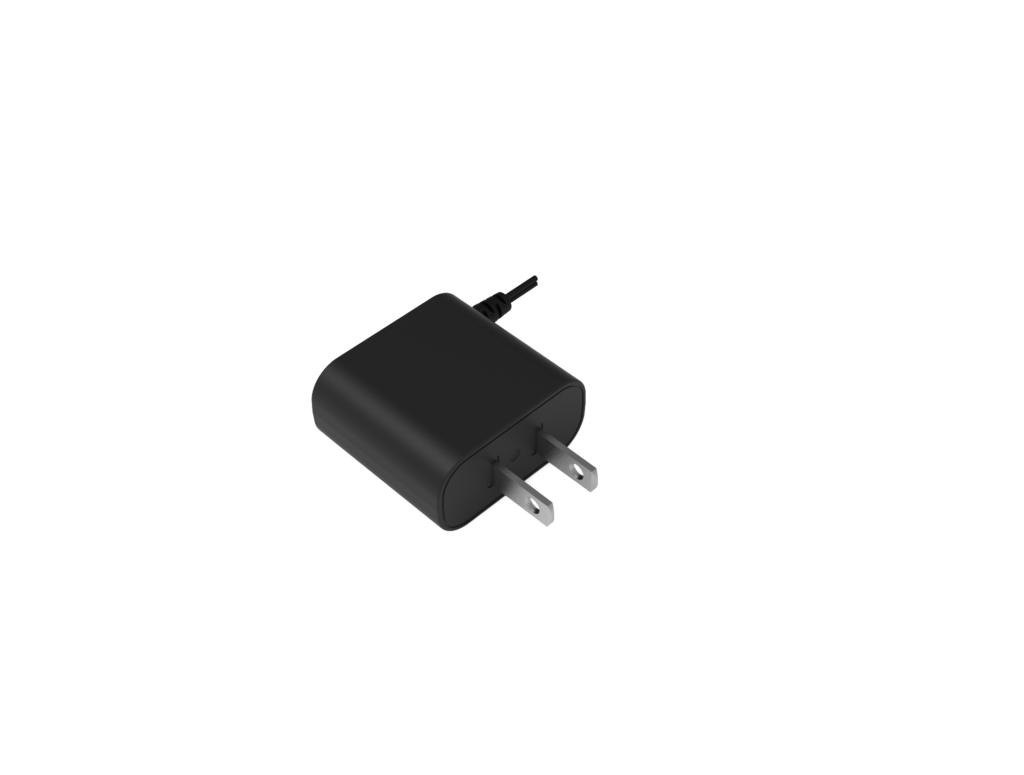
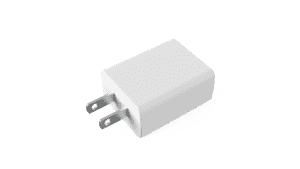
AA03A-075A-R
- Output Power - 2.75W
- Output Volt - 7.5V
- Output Current - 0.366A
- Features - Fixed Blade AC Input, Limited Power Source, Class B EMI, Level VI Efficiency, Standard Barrel Connector
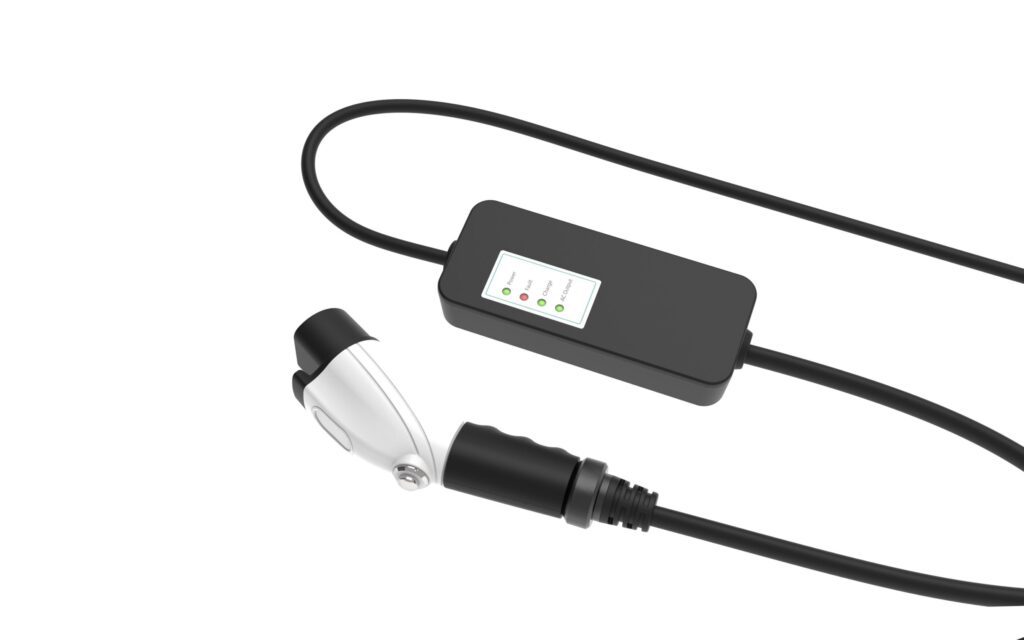
AC Series
- Output Current - 16A
- Features - Mode 2-chargers can use a circuit ranging from 8Amp to 16Amp with a local standard AC input plug installed for operation, Provides overcurrent, over voltage and short circuit protection, Protected against strong jets of water from all directions, Continuously monitors/supervises the ground connection between the AC supply and EV to ensure safe and reliable charging
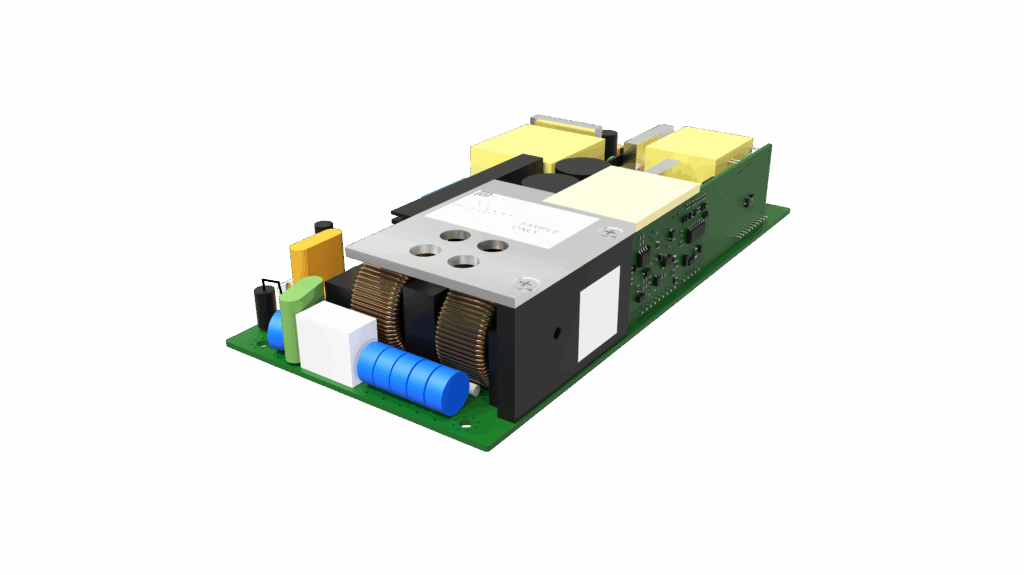
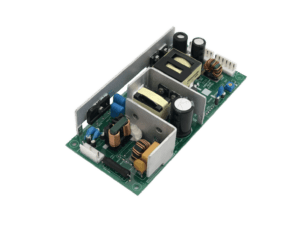
BF550-234A-R
- Output Power - 550W
- Output Volt - 12Vdc / 54.5Vdc
- Features - Universal AC Input range, Class I Design , Class B EMI , High Efficiency Performance , OVP, OCP, SCP, OTP Protections , Operating Altitude: 5,000M
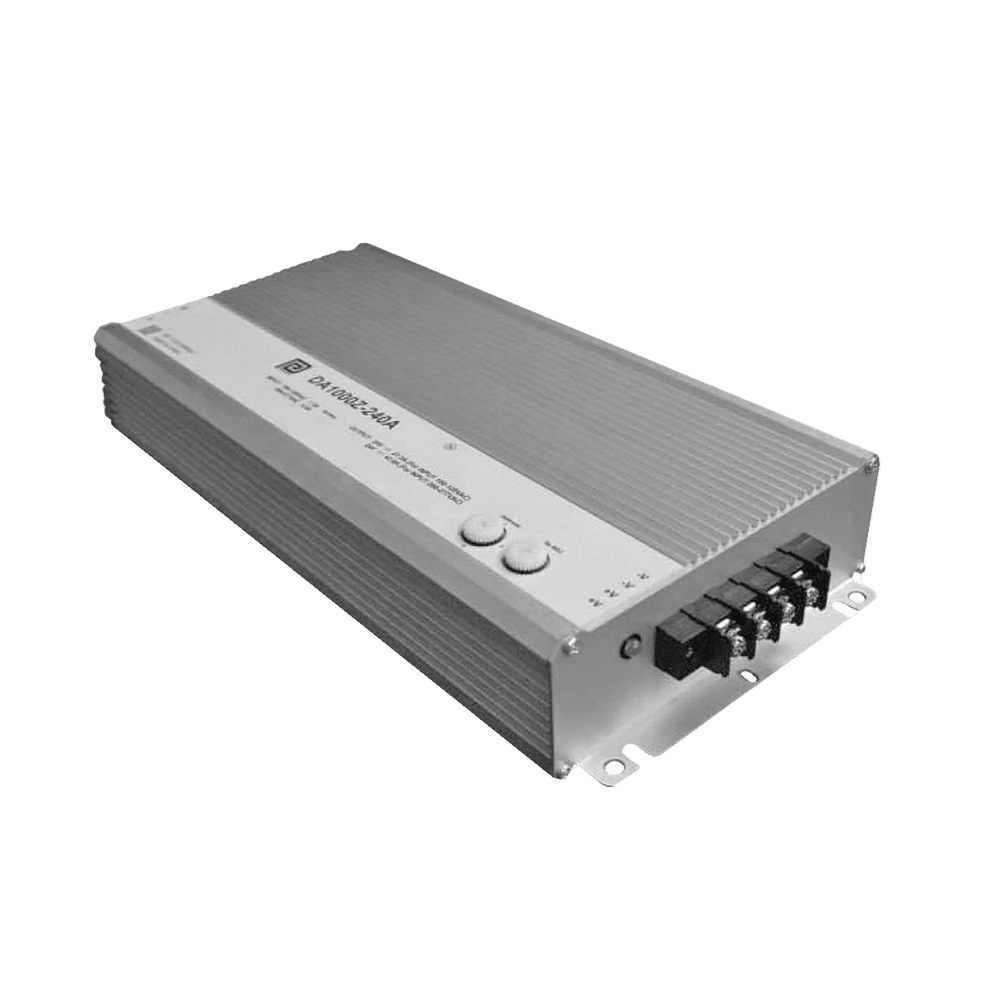
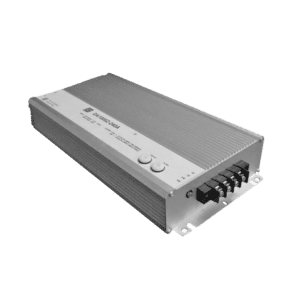
DA1000Z-240AEV-R
- Output Power - 1000W
- Output Volt - 24V
- Output Current - 1000W
- Features - Extended operating temperature range of -40℃ to 70℃, Fan-less aluminum case filled with heat conductive glue, Able to withstand 10G vibration, Power on LED indicator, Short Circuit, Over Current, Over Voltage, and Over Temperature Protections, & Adjustable output through potentiomete
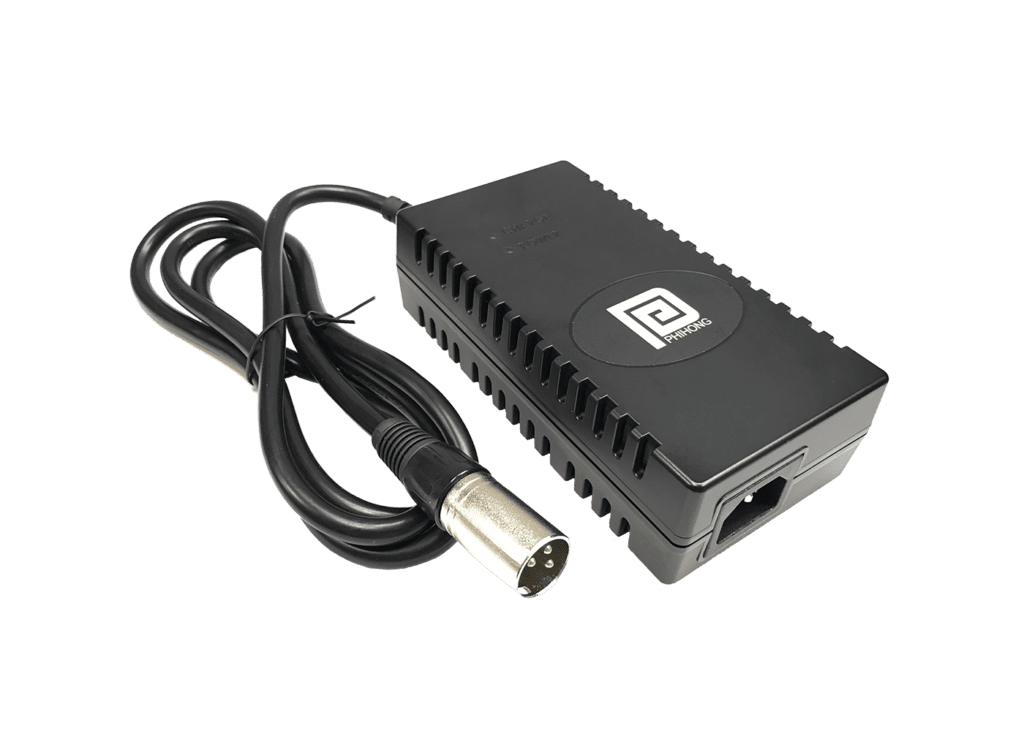
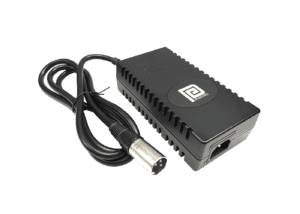
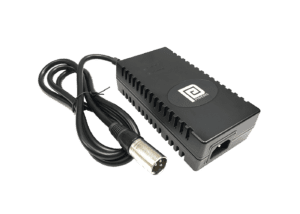
DA60U-240A-R
- Output Power - 60W
- Output Volt - 24V
- Output Current - 2.5A
- # of ports - 1
- Features - RESNA Compliant, CEC Compliant, LED Indicators Charge State, OVP, OTP, SCP, Charges AGM Batteries, Max 12hrs Charging Time
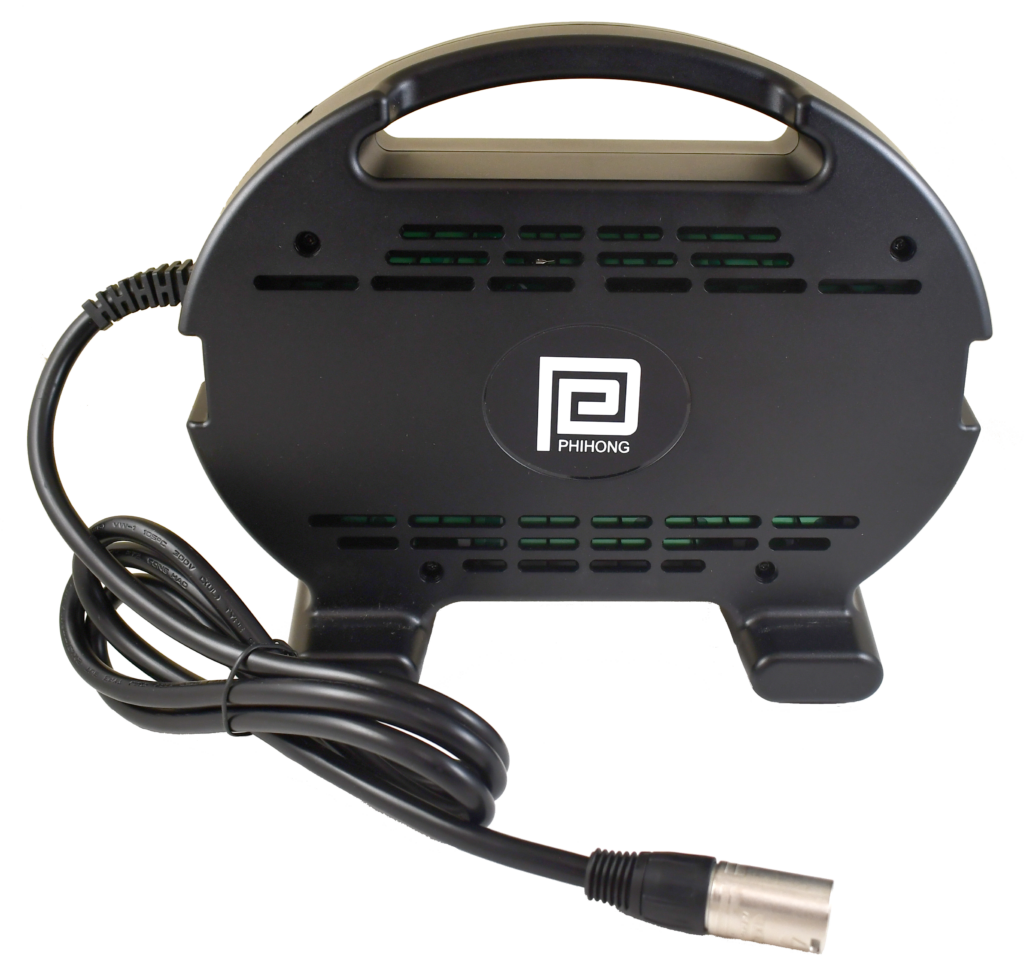
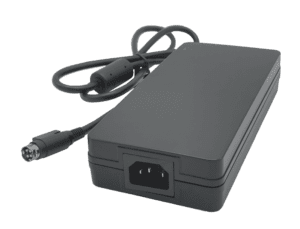
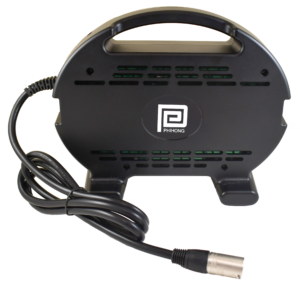
DA200U-250A-R
- Output Power - 200W
- Output Volt - 24V
- Output Current - 8A
- # of ports - 1
- Features - RESNA Compliant, CEC Compliant, LED Indicators Charge State, OVP, OTP, SCP, Dual-Mode Charger, Charges GEL or AGM batteries, Max 12hrs Charging Time
Why This Matters
• Improves early detection of component shortages
• Reduces reliance on reactive sourcing decisions
• Enhances procurement visibility across complex supply chains
What’s Driving This Shift
• Increasing volatility in component availability
• Growth of data-driven decision-making in procurement
• Rising demand for predictive supply chain tools
What OEMs Should Do Now
• Explore AI-enabled procurement platforms
• Integrate data sources across suppliers and distributors
• Align procurement strategy with predictive insights
Mini Q&A
Why is traditional forecasting no longer enough?
Because supply chain disruptions occur faster than manual analysis can track.
Does AI replace procurement teams?
No, it enhances decision-making with better insights.
Are power supplies especially suited for AI forecasting?
Yes, due to their complex and data-rich supply chains.
AI is transforming procurement from a reactive function into a predictive capability.
What Data Signals Can AI Use to Predict Power Supply Component Shortages?
AI systems rely on a wide range of data signals to predict shortages, many of which are difficult to interpret manually. These include lead time trends, supplier allocation patterns, distributor inventory levels, and global demand indicators. When combined, these signals can reveal emerging constraints before they become critical.
For power supply components, signals often originate outside the immediate supply chain. Increased demand from adjacent industries, such as AI infrastructure or EV manufacturing, can strain shared components like semiconductors or magnetics. AI can detect these cross-industry correlations early.
AI also analyzes historical patterns. By comparing current trends to past disruptions, it can identify similar conditions and flag potential risks. This allows procurement teams to act before shortages are confirmed.
Why This Matters
• Expands visibility beyond direct supplier communication
• Identifies early-stage shortage indicators
• Improves accuracy of procurement planning
What’s Driving This Shift
• Availability of large-scale supply chain data
• Increasing interdependence between industries
• Need for earlier and more accurate signals
What OEMs Should Do Now
• Monitor lead time and allocation trends continuously
• Incorporate external market data into procurement analysis
• Use AI tools to correlate multiple data sources
Mini Q&A
What is the earliest sign of a shortage?
Lead time increases and allocation signals.
Can AI detect cross-industry demand impact?
Yes, it can identify correlations across sectors.
Is supplier communication enough for forecasting?
No, broader data is required.
Data-driven insight allows procurement teams to see risk before it becomes visible.
How Does AI Change the Relationship Between Procurement and Engineering?
AI is changing the relationship between procurement and engineering by making supply chain risk a shared, data-driven responsibility. Traditionally, procurement managed sourcing while engineering focused on design. AI brings both functions together by highlighting how design decisions affect sourcing risk in real time.
For power supplies, this integration is especially important. AI can identify components with high risk exposure, prompting engineering teams to consider alternatives earlier in the design process. This reduces dependency on single-source components and improves flexibility.
The result is a more collaborative approach. Procurement provides predictive insights, while engineering adapts designs to support resilience. This alignment reduces the likelihood of late-stage redesign and improves overall product stability.
Why This Matters
• Aligns design decisions with supply chain realities
• Reduces dependency on high-risk components
• Improves cross-functional collaboration
What’s Driving This Shift
• Increased need for real-time supply chain insight
• Recognition of design as a sourcing constraint
• Growing use of AI across business functions
What OEMs Should Do Now
• Integrate AI insights into design reviews
• Align procurement and engineering workflows
• Use predictive data to guide component selection
Mini Q&A
Can AI influence engineering decisions?
Yes, by identifying high-risk components early.
Does this improve product stability?
Yes, it reduces risk of redesign.
Should procurement and engineering work together more closely?
Yes, alignment is critical in modern supply chains.
AI is turning procurement and engineering into a unified decision system.
CLIENT'S QUOTE
Phihong's Power-Over-Ethernet solutions have transformed our network, boosting efficiency and reducing costs. Their seamless integration has simplified both installation and maintenance.
Why This Matters
• Improves early detection of component shortages
• Reduces reliance on reactive sourcing decisions
• Enhances procurement visibility across complex supply chains
What’s Driving This Shift
• Increasing volatility in component availability
• Growth of data-driven decision-making in procurement
• Rising demand for predictive supply chain tools
What OEMs Should Do Now
• Explore AI-enabled procurement platforms
• Integrate data sources across suppliers and distributors
• Align procurement strategy with predictive insights
Mini Q&A
Why is traditional forecasting no longer enough?
Because supply chain disruptions occur faster than manual analysis can track.
Does AI replace procurement teams?
No, it enhances decision-making with better insights.
Are power supplies especially suited for AI forecasting?
Yes, due to their complex and data-rich supply chains.
AI is transforming procurement from a reactive function into a predictive capability.
What Data Signals Can AI Use to Predict Power Supply Component Shortages?
AI systems rely on a wide range of data signals to predict shortages, many of which are difficult to interpret manually. These include lead time trends, supplier allocation patterns, distributor inventory levels, and global demand indicators. When combined, these signals can reveal emerging constraints before they become critical.
For power supply components, signals often originate outside the immediate supply chain. Increased demand from adjacent industries, such as AI infrastructure or EV manufacturing, can strain shared components like semiconductors or magnetics. AI can detect these cross-industry correlations early.
AI also analyzes historical patterns. By comparing current trends to past disruptions, it can identify similar conditions and flag potential risks. This allows procurement teams to act before shortages are confirmed.
Why This Matters
• Expands visibility beyond direct supplier communication
• Identifies early-stage shortage indicators
• Improves accuracy of procurement planning
What’s Driving This Shift
• Availability of large-scale supply chain data
• Increasing interdependence between industries
• Need for earlier and more accurate signals
What OEMs Should Do Now
• Monitor lead time and allocation trends continuously
• Incorporate external market data into procurement analysis
• Use AI tools to correlate multiple data sources
Mini Q&A
What is the earliest sign of a shortage?
Lead time increases and allocation signals.
Can AI detect cross-industry demand impact?
Yes, it can identify correlations across sectors.
Is supplier communication enough for forecasting?
No, broader data is required.
Data-driven insight allows procurement teams to see risk before it becomes visible.
How Does AI Change the Relationship Between Procurement and Engineering?
AI is changing the relationship between procurement and engineering by making supply chain risk a shared, data-driven responsibility. Traditionally, procurement managed sourcing while engineering focused on design. AI brings both functions together by highlighting how design decisions affect sourcing risk in real time.
For power supplies, this integration is especially important. AI can identify components with high risk exposure, prompting engineering teams to consider alternatives earlier in the design process. This reduces dependency on single-source components and improves flexibility.
The result is a more collaborative approach. Procurement provides predictive insights, while engineering adapts designs to support resilience. This alignment reduces the likelihood of late-stage redesign and improves overall product stability.
Why This Matters
• Aligns design decisions with supply chain realities
• Reduces dependency on high-risk components
• Improves cross-functional collaboration
What’s Driving This Shift
• Increased need for real-time supply chain insight
• Recognition of design as a sourcing constraint
• Growing use of AI across business functions
What OEMs Should Do Now
• Integrate AI insights into design reviews
• Align procurement and engineering workflows
• Use predictive data to guide component selection
Mini Q&A
Can AI influence engineering decisions?
Yes, by identifying high-risk components early.
Does this improve product stability?
Yes, it reduces risk of redesign.
Should procurement and engineering work together more closely?
Yes, alignment is critical in modern supply chains.
AI is turning procurement and engineering into a unified decision system.
How Phihong Supports OEMs Using AI-Driven Procurement for Power Supply Resilience
Phihong supports OEMs by aligning power supply design and manufacturing with data-driven procurement strategies. By incorporating supply chain visibility, component lifecycle awareness, and multi-region sourcing into its operations, Phihong enables OEMs to respond proactively to potential shortages rather than react after disruption occurs.
Power supply solutions are developed with sourcing flexibility and lifecycle continuity in mind, allowing procurement teams to leverage predictive insights effectively. This includes validating alternate components, maintaining consistent performance across regions, and supporting controlled substitutions without impacting compliance or reliability.
Phihong also emphasizes collaboration and transparency. By providing OEMs with insight into supply chain structure and manufacturing capability, procurement teams can integrate AI-driven forecasts into decision-making with greater confidence.
Why This Matters
• Enhances effectiveness of AI-driven procurement strategies
• Supports proactive shortage mitigation
• Improves alignment between sourcing and design
What’s Driving This Shift
• OEM demand for predictive supply chain capabilities
• Increasing integration of AI into procurement workflows
• Need for transparency and visibility in sourcing
What OEMs Should Do Now
• Align procurement tools with supplier capabilities
• Integrate AI insights into sourcing decisions
• Build partnerships that support data-driven planning
Phihong’s approach helps OEMs translate predictive insight into actionable sourcing strategy.

FEATURED RESOURCE
Phihong's Power-Over-Ethernet solutions have transformed our network, boosting efficiency and reducing costs.
FAQ
How can AI help prevent power supply component shortages?
AI analyzes trends such as lead times, demand shifts, and supplier behavior to identify early warning signals. This allows procurement teams to act before shortages disrupt production.
It improves timing and decision-making.
Is AI procurement necessary for all OEMs?
Not all OEMs require advanced AI tools, but those operating in complex or volatile supply environments benefit significantly. AI provides an advantage in visibility and speed.
Adoption is increasing across industries.
What data is most useful for predicting shortages?
Lead time trends, allocation signals, distributor inventory, and cross-industry demand patterns are key indicators. Combining multiple data sources improves accuracy.
Data integration is critical.
Can AI replace traditional procurement processes?
No. AI enhances traditional methods but does not replace supplier relationships or human judgment. A hybrid approach is most effective.
Balance is important.
How should OEMs start using AI in procurement?
OEMs should begin by integrating data sources, testing predictive tools, and aligning teams to use insights effectively. Starting small and scaling gradually is often effective.
Implementation should be phased.
POE technology supports the centralization of power

AC Adapter Guide: Everything You Need to Know
Moreover, PoE technology supports the centralization of power management. By powering devices through a PoE-enabled network …
AC DC Power Chargers and How They Work: A Comprehensive Technical Breakdown
Moreover, PoE technology supports the centralization of power management. By powering devices through a PoE-enabled network …

USB-C Charger: Shaping the Future of the Tech World
Moreover, PoE technology supports the centralization of power management. By powering devices through a PoE-enabled network …

AC Adapter Guide: Everything You Need to Know
Moreover, PoE technology supports the centralization of power management. By powering devices through a PoE-enabled network …

AC DC Power Chargers and How They Work: A Comprehensive Technical Breakdown
Moreover, PoE technology supports the centralization of power management. By powering devices through a PoE-enabled network …

USB-C Charger: Shaping the Future of the Tech World
Moreover, PoE technology supports the centralization of power management. By powering devices through a PoE-enabled network …