









BLOG
Just-in-Time vs. Just-in-Case: Sourcing Industrial Power Supplies in a Volatile Market
QUICK LINKS

Why Are OEMs Reconsidering Just-in-Time Sourcing for Power Supplies?
OEMs are reconsidering Just-in-Time (JIT) sourcing because supply volatility has exposed the limits of lean inventory models. JIT was designed to minimize inventory costs and improve cash flow by aligning deliveries closely with production schedules. In stable environments, this approach works efficiently. In volatile markets, however, even minor disruptions can halt production.
Industrial power supplies are especially sensitive to JIT risk due to their dependency on specialized components and multi-tier supply chains. When a single component is delayed, the entire power supply—and therefore the final product—can be affected. This creates a cascading effect across production lines.
FEATURED PRODUCTS
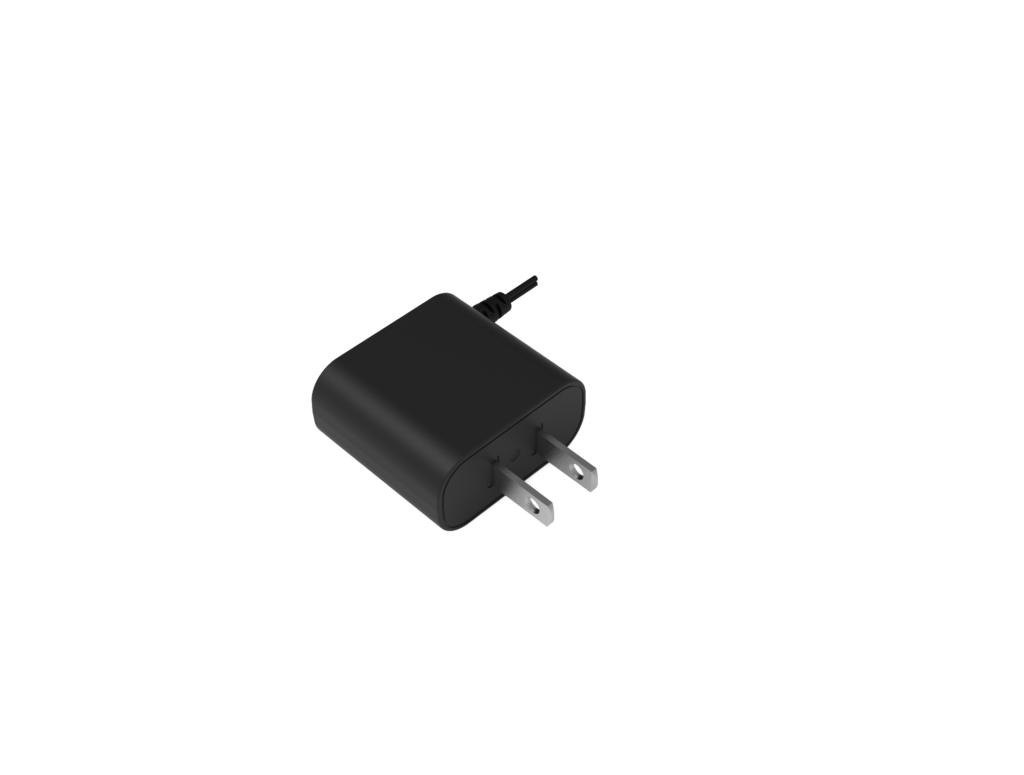
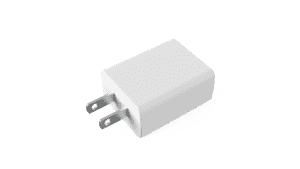
AA03A-075A-R
- Output Power - 2.75W
- Output Volt - 7.5V
- Output Current - 0.366A
- Features - Fixed Blade AC Input, Limited Power Source, Class B EMI, Level VI Efficiency, Standard Barrel Connector
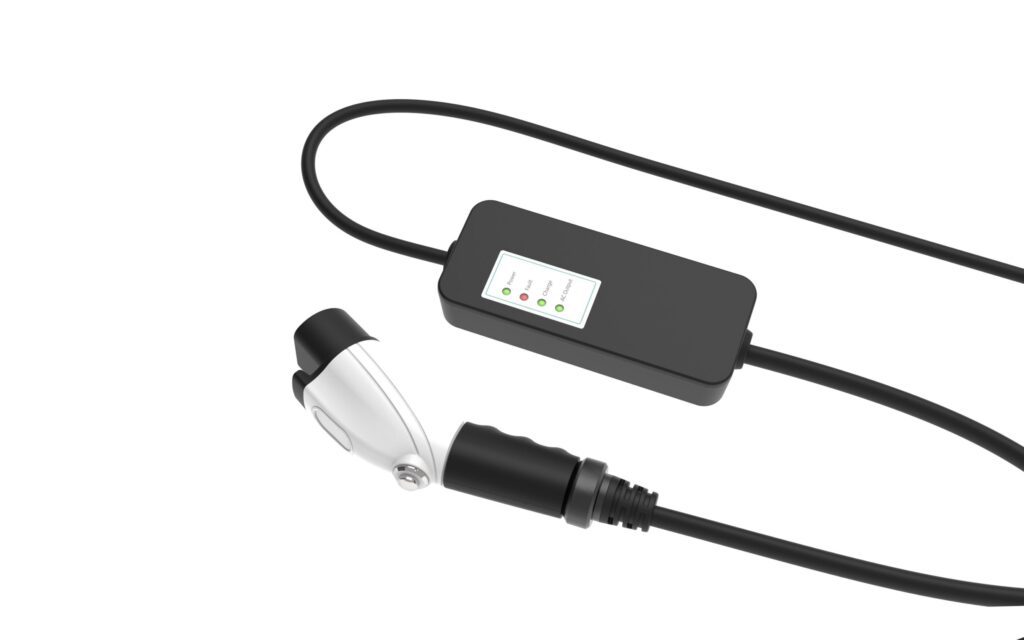
AC Series
- Output Current - 16A
- Features - Mode 2-chargers can use a circuit ranging from 8Amp to 16Amp with a local standard AC input plug installed for operation, Provides overcurrent, over voltage and short circuit protection, Protected against strong jets of water from all directions, Continuously monitors/supervises the ground connection between the AC supply and EV to ensure safe and reliable charging
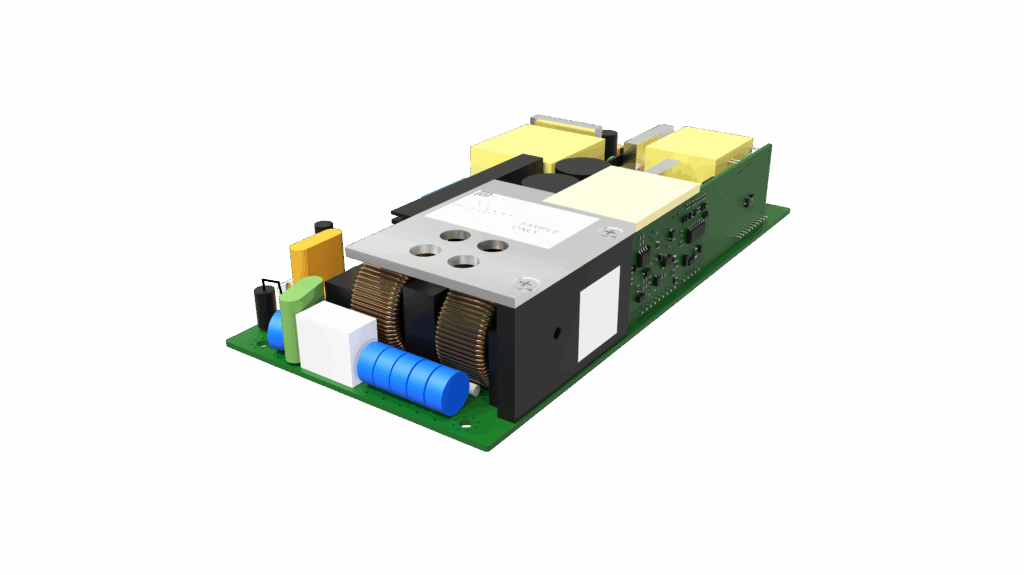
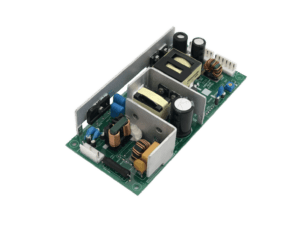
BF550-234B-R
- Output Power - 550W
- Output Volt - 12Vdc / 54.5Vdc
- Features - Universal AC Input range, Class I Design , Class B EMI , High Efficiency Performance , OVP, OCP, SCP, OTP Protections , Operating Altitude: 5,000M
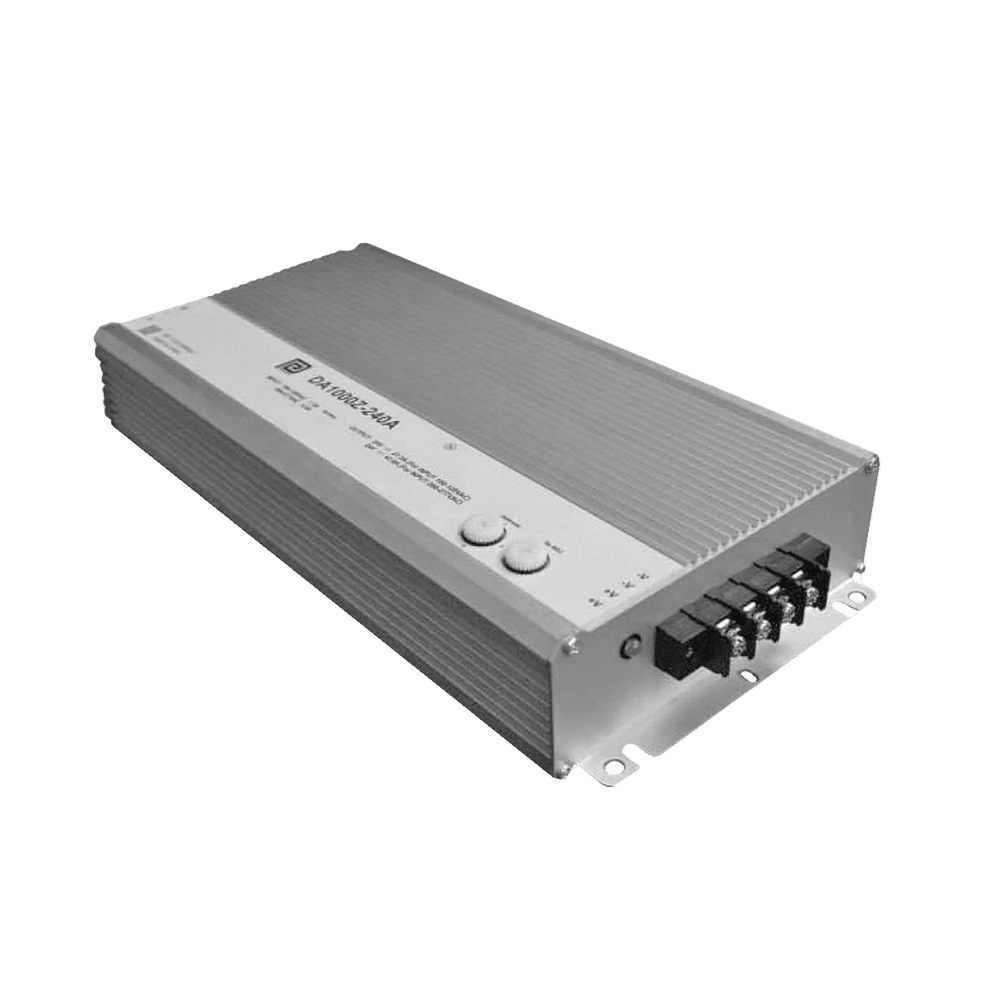
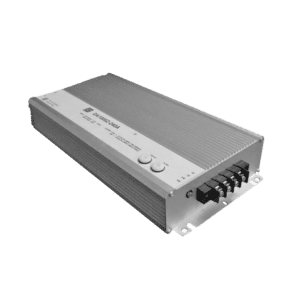
DA1000Z-240AEV-R
- Output Power - 1000W
- Output Volt - 24V
- Output Current - 42A
- Features - Extended operating temperature range of -40℃ to 70℃, Fan-less aluminum case filled with heat conductive glue, Able to withstand 10G vibration, Power on LED indicator, Short Circuit, Over Current, Over Voltage, and Over Temperature Protections, & Adjustable output through potentiomete
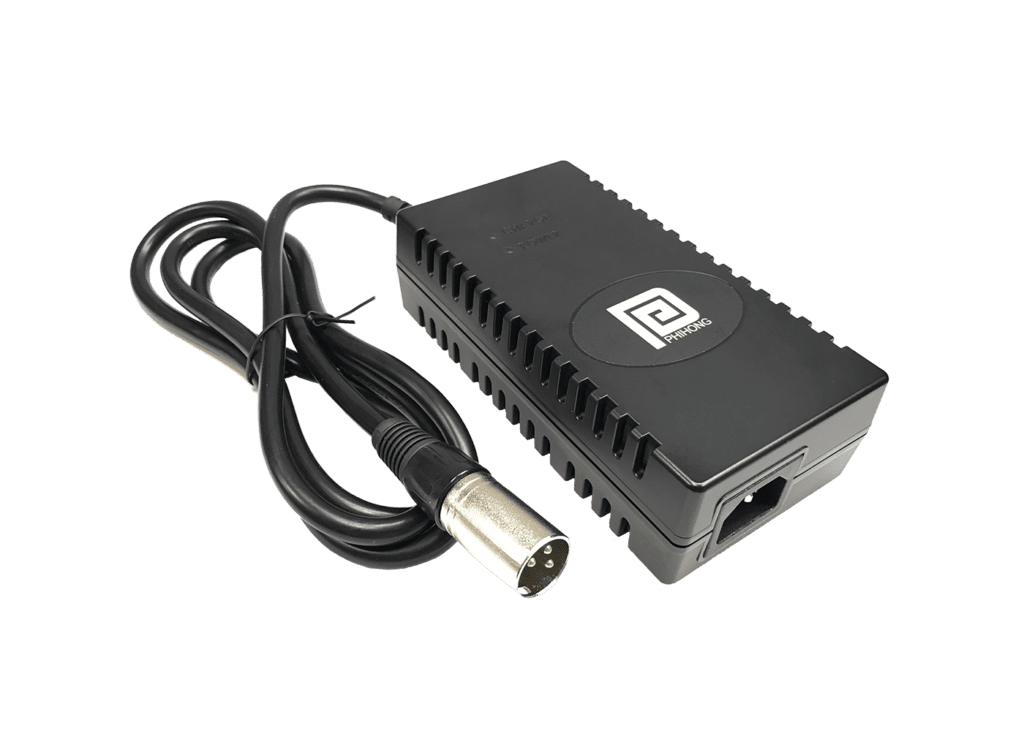
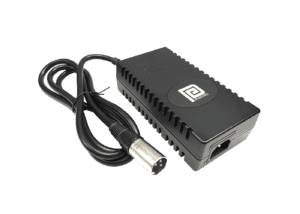
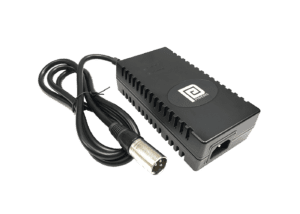
DA60U-240A-R
- Output Power - 60W
- Output Volt - 24V
- Output Current - 2.5A
- # of ports - 1
- Features - RESNA Compliant, CEC Compliant, LED Indicators Charge State, OVP, OTP, SCP, Charges AGM Batteries, Max 12hrs Charging Time
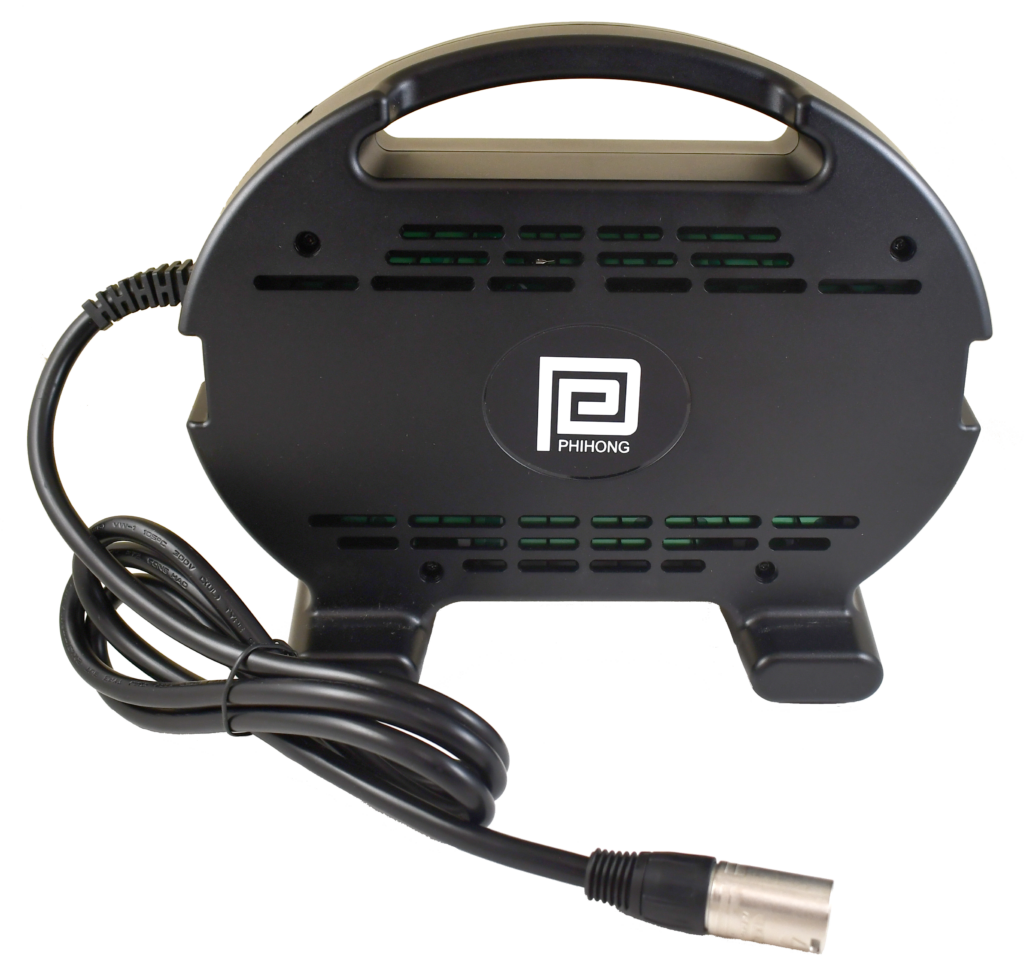
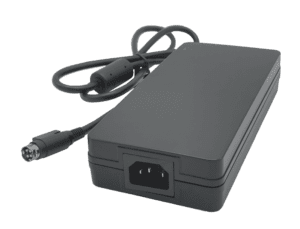
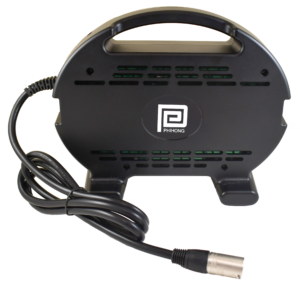
DA200U-250A-R
- Output Power - 200W
- Output Volt - 24V
- Output Current - 8A
- # of ports - 1
- Features - RESNA Compliant, CEC Compliant, LED Indicators Charge State, OVP, OTP, SCP, Dual-Mode Charger, Charges GEL or AGM batteries, Max 12hrs Charging Time
As disruptions become more frequent, OEMs are rebalancing their sourcing strategies. Instead of eliminating inventory, they are reassessing how much buffer is necessary to maintain continuity without overextending working capital.
Why This Matters
• JIT disruptions can stop production entirely
• Power supplies amplify supply chain risk due to complexity
• Inventory strategy directly affects operational stability
What’s Driving This Shift
• Increased supply chain volatility and unpredictability
• Rising frequency of component shortages and delays
• Need to balance cost efficiency with resilience
What OEMs Should Do Now
• Reevaluate reliance on strict JIT models
• Identify components with high disruption impact
• Align sourcing strategy with risk tolerance
Mini Q&A
Is JIT still viable in today’s market?
Yes, but it requires adjustments to account for volatility.
Why are power supplies more affected by JIT risk?
Because they depend on multiple critical components.
Should OEMs abandon JIT entirely?
Not necessarily, but it must be balanced with resilience.
JIT sourcing is evolving from a strict model into a more flexible strategy.
What Is Just-in-Case Sourcing and Why Is It Gaining Attention?
Just-in-Case (JIC) sourcing focuses on maintaining inventory buffers to protect against supply disruptions. Unlike JIT, which minimizes inventory, JIC ensures that critical components are available even when supply chains are unstable. This approach is gaining attention as OEMs seek to avoid production interruptions.
For industrial power supplies, JIC can provide stability by ensuring that key components remain available during shortages. This reduces dependency on real-time deliveries and allows production to continue even when upstream suppliers face constraints.
However, JIC introduces tradeoffs. Higher inventory levels increase carrying costs and require careful management to avoid obsolescence. OEMs must balance these costs against the risk of production downtime.
Why This Matters
• Provides protection against supply disruptions
• Improves production continuity
• Reduces dependence on real-time deliveries
What’s Driving This Shift
• Increased uncertainty in global supply chains
• Cost of downtime outweighing inventory costs
• OEM focus on resilience over pure efficiency
What OEMs Should Do Now
• Identify critical components for buffer inventory
• Balance inventory levels with lifecycle considerations
• Integrate JIC selectively rather than universally
Mini Q&A
Is JIC more expensive than JIT?
Yes, but it reduces risk of costly disruptions.
Should all components be stocked using JIC?
No, only high-risk or critical components.
Can JIC prevent all shortages?
No, but it reduces impact.
JIC is gaining traction as a strategic tool rather than a default approach.
How Do OEMs Decide Between Just-in-Time and Just-in-Case for Power Supplies?
Choosing between JIT and JIC is not a binary decision. OEMs are increasingly adopting hybrid strategies that combine elements of both models. The goal is to maintain efficiency where possible while adding resilience where necessary.
For power supplies, this often means applying JIT to lower-risk components and JIC to critical or long-lead items. OEMs must evaluate factors such as lead time variability, supplier reliability, and the impact of disruption on production.
Decision-making also depends on product lifecycle and market conditions. High-volume, stable products may lean more toward JIT, while volatile or high-risk environments favor JIC. The optimal approach balances cost, risk, and operational requirements.
Why This Matters
• Enables balanced sourcing strategies
• Reduces both cost and risk
• Improves adaptability to changing conditions
What’s Driving This Shift
• Recognition that one model does not fit all scenarios
• Need for flexibility in sourcing decisions
• Increasing complexity in supply chain management
What OEMs Should Do Now
• Segment components based on risk and importance
• Apply hybrid sourcing strategies where appropriate
• Continuously adjust strategy based on market conditions
Mini Q&A
Is hybrid sourcing becoming standard?
Yes, many OEMs are adopting mixed strategies.
How do OEMs choose which model to use?
By evaluating risk, cost, and component criticality.
Can strategies change over time?
Yes, they should adapt to market conditions.
Hybrid sourcing strategies provide a practical path forward in volatile markets.
CLIENT'S QUOTE
Phihong's Power-Over-Ethernet solutions have transformed our network, boosting efficiency and reducing costs. Their seamless integration has simplified both installation and maintenance.
What Tradeoffs Do OEMs Face Between Inventory Cost and Supply Risk?
OEMs must balance inventory cost against the risk of supply disruption when choosing between Just-in-Time and Just-in-Case sourcing. Holding more inventory increases carrying costs, ties up capital, and introduces obsolescence risk. However, insufficient inventory can result in production downtime, missed deliveries, and lost revenue.
For industrial power supplies, this tradeoff is amplified because of long lead times and component specificity. A single missing component can halt production, making the cost of disruption significantly higher than the cost of holding additional inventory.
OEMs are increasingly evaluating this tradeoff through a total cost perspective. Instead of focusing only on inventory cost, they are considering the full impact of supply interruptions on operations and customer commitments.
Why This Matters
• Balances financial efficiency with operational stability
• Highlights hidden costs of production disruption
• Supports more informed sourcing decisions
What’s Driving This Shift
• Rising cost of downtime and missed deliveries
• Increased variability in component availability
• Greater emphasis on total cost of ownership
What OEMs Should Do Now
• Quantify cost of disruption alongside inventory cost
• Identify components where shortages have highest impact
• Adjust inventory strategy based on risk exposure
Mini Q&A
Is inventory cost always the biggest concern?
No, disruption cost can be much higher.
Do all components require the same strategy?
No, risk varies by component.
Can inventory reduce production risk?
Yes, when applied strategically.
Balancing cost and risk is essential for effective sourcing strategy.
How Should Procurement and Engineering Align on Sourcing Strategy?
Procurement and engineering alignment is critical for managing JIT and JIC strategies effectively. Engineering decisions determine component selection, while procurement manages sourcing and availability. When these functions operate independently, sourcing strategies often become misaligned with design constraints.
For power supplies, alignment is especially important because component flexibility directly affects sourcing options. Designs that allow for alternate components or suppliers give procurement teams more flexibility, while rigid designs limit response options during shortages.
Collaboration between teams enables proactive planning. By integrating sourcing considerations into design and validating alternates early, OEMs can reduce the risk of disruption and avoid late-stage redesigns.
Why This Matters
• Improves flexibility in sourcing decisions
• Reduces risk of misalignment between teams
• Enables proactive rather than reactive planning
What’s Driving This Shift
• Increasing complexity of supply chain management
• Need for cross-functional collaboration
• Recognition of supply chain as a design constraint
What OEMs Should Do Now
• Integrate procurement into early design discussions
• Validate alternate components during development
• Establish shared metrics for sourcing and design decisions
Mini Q&A
Why is alignment between teams important?
Because design decisions affect sourcing flexibility.
Can engineering decisions limit procurement options?
Yes, especially with single-source components.
Should procurement be involved early?
Yes, early input improves outcomes.
Strong alignment between procurement and engineering improves resilience.
How Will Sourcing Strategies Continue to Evolve in Volatile Markets?
Sourcing strategies will continue to evolve as volatility becomes a long-term condition rather than a temporary disruption. OEMs are moving toward adaptive models that combine JIT efficiency with JIC resilience, supported by data-driven decision-making and continuous monitoring.
Future strategies are likely to incorporate predictive analytics, multi-region sourcing, and closer supplier collaboration. This allows OEMs to anticipate changes rather than react to them. Power supply sourcing, in particular, will continue to emphasize flexibility and long-term availability.
The shift is not toward a single model but toward dynamic strategies that can adjust based on market conditions. OEMs that embrace this approach will be better positioned to maintain stability and competitiveness.
Why This Matters
• Prepares OEMs for ongoing market volatility
• Supports long-term supply chain resilience
• Aligns sourcing with evolving business needs
What’s Driving This Shift
• Continued unpredictability in global supply chains
• Advances in data and analytics for procurement
• Need for more flexible sourcing models
What OEMs Should Do Now
• Develop adaptive sourcing strategies
• Invest in visibility and analytics tools
• Build long-term supplier relationships
Mini Q&A
Will JIT or JIC dominate in the future?
Neither, hybrid strategies will prevail.
Can sourcing strategies remain static?
No, they must evolve with conditions.
Is flexibility the key to future sourcing?
Yes, adaptability is essential.
Evolving sourcing strategies help OEMs navigate uncertainty and maintain stability.
How Phihong Supports OEMs Balancing JIT and JIC in Power Supply Sourcing
Phihong supports OEMs by designing power supply strategies that balance efficiency with resilience. Rather than forcing a strict Just-in-Time or Just-in-Case approach, Phihong aligns manufacturing, sourcing, and design to support hybrid strategies that adapt to changing conditions. This allows OEMs to maintain production continuity while managing cost and inventory effectively.
Power supply designs are developed with sourcing flexibility in mind, including support for alternate components and multi-region manufacturing. This enables procurement teams to respond to shortages or demand shifts without requiring redesign. Consistent documentation and controlled change processes ensure that substitutions maintain compliance and performance.
Phihong also emphasizes long-term collaboration and visibility. By working closely with OEMs and providing supply chain transparency, Phihong helps teams anticipate risk and adjust sourcing strategies proactively rather than reactively.
Why This Matters
• Supports stable production under volatile conditions
• Enables flexible sourcing without redesign
• Improves balance between cost and resilience
What’s Driving This Shift
• OEM demand for adaptable sourcing strategies
• Increasing supply chain uncertainty
• Need for long-term supplier collaboration
What OEMs Should Do Now
• Align sourcing strategy with flexible power supply design
• Prioritize suppliers with multi-region capabilities
• Integrate procurement and engineering planning
Phihong’s approach enables OEMs to navigate sourcing tradeoffs while maintaining operational stability.

FEATURED RESOURCE
Phihong's Power-Over-Ethernet solutions have transformed our network, boosting efficiency and reducing costs.
FAQ
What is the main difference between Just-in-Time and Just-in-Case sourcing?
Just-in-Time minimizes inventory by aligning deliveries closely with production schedules, while Just-in-Case maintains buffer stock to protect against disruptions. Each approach has tradeoffs between cost and risk.
Most OEMs now use a hybrid strategy.
Why is JIT becoming more risky in power supply sourcing?
JIT relies on stable supply chains, which are increasingly unpredictable. Power supplies depend on critical components that can experience sudden shortages, making JIT more vulnerable to disruption.
Volatility has exposed these risks.
When should OEMs use Just-in-Case sourcing?
JIC is most useful for high-risk or long-lead components where shortages would disrupt production. It provides a buffer that allows operations to continue during supply issues.
It should be applied selectively.
Can OEMs combine JIT and JIC strategies effectively?
Yes, hybrid strategies are becoming the standard. OEMs can use JIT for stable components and JIC for critical or high-risk items.
This balance improves both efficiency and resilience.
How does power supply design affect sourcing strategy?
Design determines whether components can be substituted or sourced from multiple suppliers. Flexible designs support hybrid sourcing, while rigid designs limit options.
Design and procurement must work together.
POE technology supports the centralization of power

AC Adapter Guide: Everything You Need to Know
Moreover, PoE technology supports the centralization of power management. By powering devices through a PoE-enabled network …
AC DC Power Chargers and How They Work: A Comprehensive Technical Breakdown
Moreover, PoE technology supports the centralization of power management. By powering devices through a PoE-enabled network …

USB-C Charger: Shaping the Future of the Tech World
Moreover, PoE technology supports the centralization of power management. By powering devices through a PoE-enabled network …

AC Adapter Guide: Everything You Need to Know
Moreover, PoE technology supports the centralization of power management. By powering devices through a PoE-enabled network …

AC DC Power Chargers and How They Work: A Comprehensive Technical Breakdown
Moreover, PoE technology supports the centralization of power management. By powering devices through a PoE-enabled network …

USB-C Charger: Shaping the Future of the Tech World
Moreover, PoE technology supports the centralization of power management. By powering devices through a PoE-enabled network …