







BLOG
Open-Frame vs External Medical Power: Which One Fits the Medical Product Better
QUICK LINKS

What is the difference between open-frame medical power and external medical adapters?
The first decision many OEM teams face is whether the medical device should use an internal open-frame power supply or an external medical adapter. At a basic level, both perform the same essential function, converting incoming power into a stable output for the device. The difference is where the power system lives, how it interacts with the product enclosure, and how much of the safety, thermal, and integration burden stays inside the medical device itself.
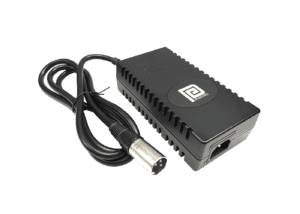
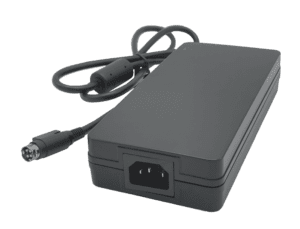
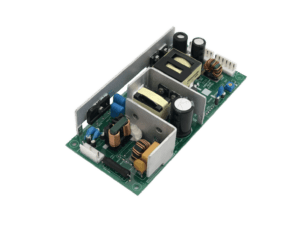
Open-frame medical power supplies are integrated inside the product. That usually gives OEM teams more packaging flexibility, tighter internal integration, and a cleaner external device profile. External medical adapters move the power conversion stage outside the enclosure, which can simplify internal thermal management and isolate more of the power function from the core device. The real choice is less about which format sounds better in theory and more about which one fits the medical product architecture more naturally.
For engineers and sourcing teams, this is not just a packaging decision. It affects leakage current planning, enclosure layout, airflow, serviceability, cable management, and certification strategy. A device that seems like a natural fit for an internal open-frame design may become much harder to validate if thermal or safety assumptions are wrong. Likewise, an external adapter may simplify some parts of compliance but create tradeoffs in usability, portability, or industrial design.
Why This Matters
• Power architecture affects safety planning, thermal design, and overall enclosure strategy.
• Open-frame and external adapter designs solve different integration problems in medical devices.
• Choosing the wrong format early can create redesign work later in compliance, layout, and service planning.
What OEMs Should Do Now
• Compare internal and external architectures before the enclosure design is fully locked.
• Treat the choice as a system-level design decision, not just a sourcing decision.
• Review how the power format affects safety, thermal behavior, and user interaction in the finished device.
Mini Q&A
Is open-frame medical power always better for compact devices?
Not always. It can save space inside the product design, but it also keeps more thermal and safety responsibility inside the enclosure.
Do external medical adapters make compliance easier?
They can simplify parts of isolation and enclosure-level design, but they also introduce tradeoffs in cable handling and product form factor.
Should OEMs compare both options early?
Yes. The architecture decision affects too many downstream design choices to leave it until late in development.
The right format is the one that fits the device architecture, not the one that looks simplest at first glance.
Useful Links
Related Links
- Medical Power Supply vs Medical Power Adapter: What’s the Difference and Which One Do You Need?
- Medical Power Supply: How to Choose the Best Solution for Safe, Reliable Medical Devices
- Best Guide to Medical Power Supplies for Modern Medical Devices
FEATURED PRODUCTS
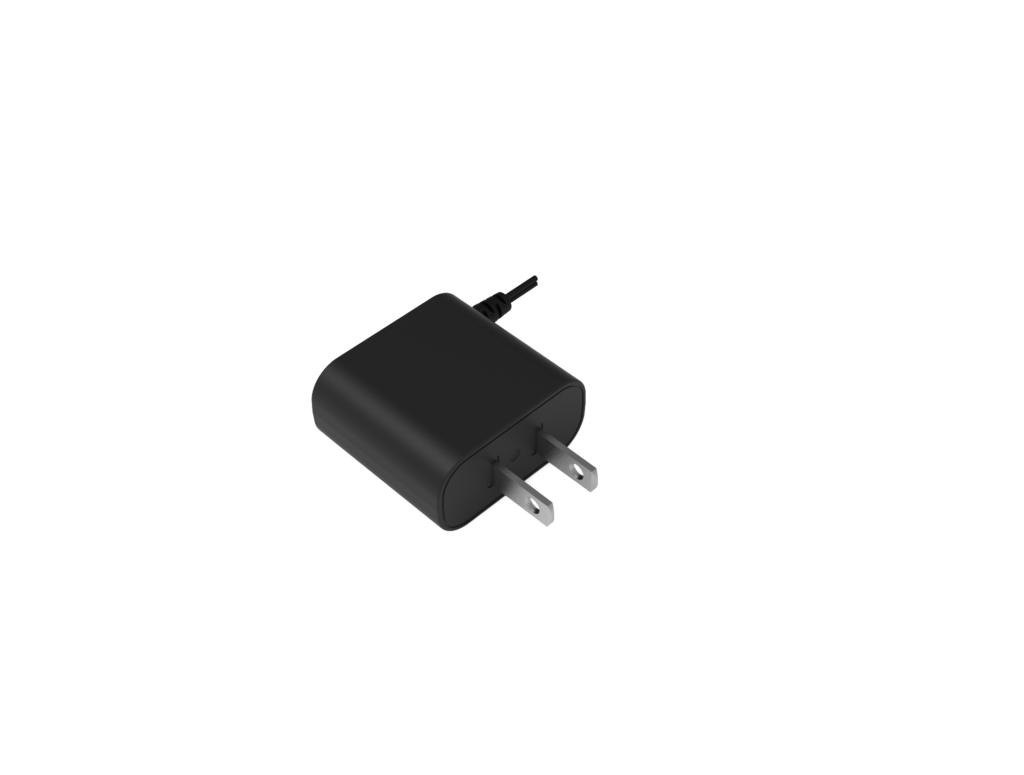
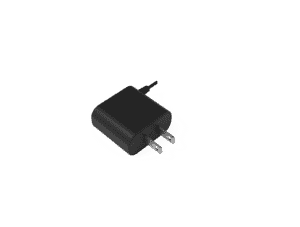
AA03A-075A-R
- Output Power - 2.75W
- Output Volt - 7.5V
- Output Current - 0.366A
- Features - Fixed Blade AC Input, Limited Power Source, Class B EMI, Level VI Efficiency, Standard Barrel Connector
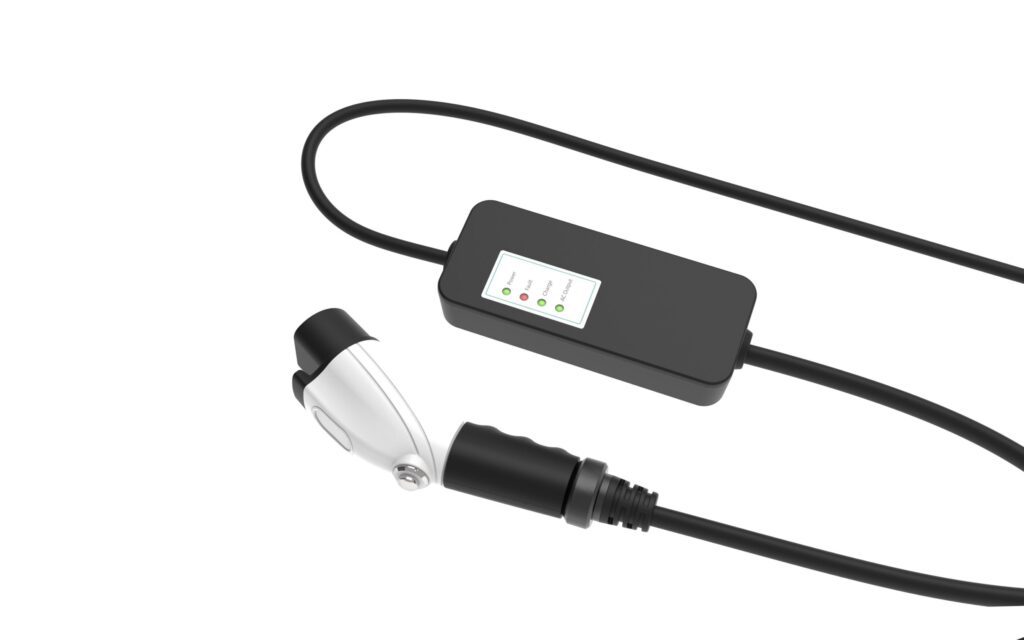
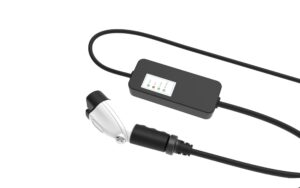
AC Series
- Output Current - 16A
- Features - Mode 2-chargers can use a circuit ranging from 8Amp to 16Amp with a local standard AC input plug installed for operation, Provides overcurrent, over voltage and short circuit protection, Protected against strong jets of water from all directions, Continuously monitors/supervises the ground connection between the AC supply and EV to ensure safe and reliable charging
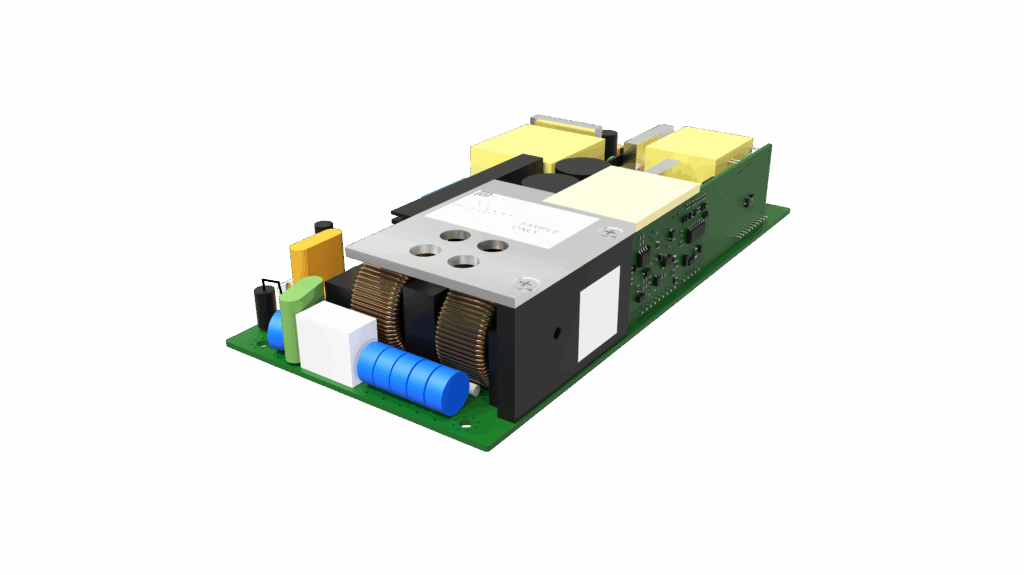
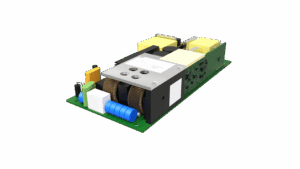
BF550-234A-R
- Output Power - 550W
- Output Volt - 12Vdc / 54.5Vdc
- Features - Universal AC Input range, Class I Design , Class B EMI , High Efficiency Performance , OVP, OCP, SCP, OTP Protections , Operating Altitude: 5,000M
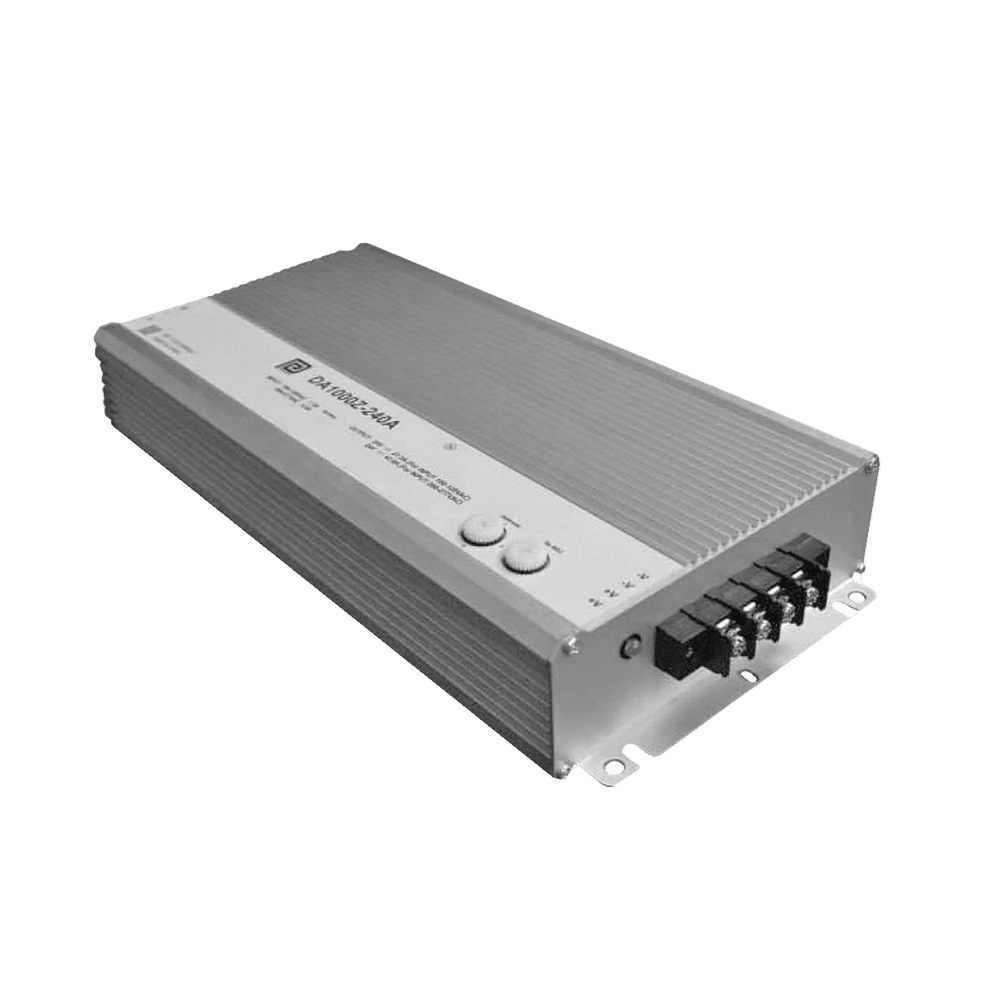
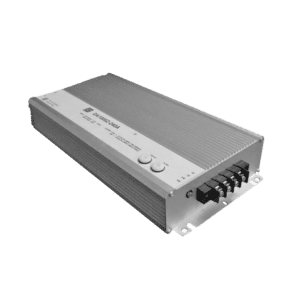
DA1000Z-240AEV-R
- Output Power - 1000W
- Output Volt - 24V
- Output Current - 1000W
- Features - Extended operating temperature range of -40℃ to 70℃, Fan-less aluminum case filled with heat conductive glue, Able to withstand 10G vibration, Power on LED indicator, Short Circuit, Over Current, Over Voltage, and Over Temperature Protections, & Adjustable output through potentiomete
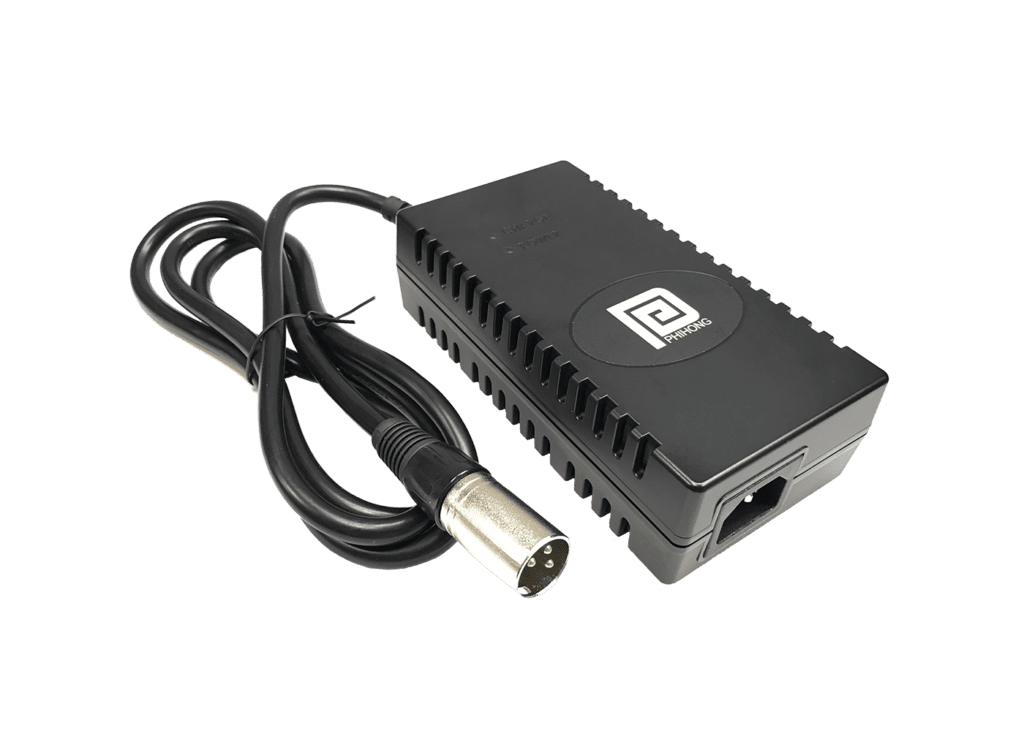
DA60U-240A-R
- Output Power - 60W
- Output Volt - 24V
- Output Current - 2.5A
- # of ports - 1
- Features - RESNA Compliant, CEC Compliant, LED Indicators Charge State, OVP, OTP, SCP, Charges AGM Batteries, Max 12hrs Charging Time
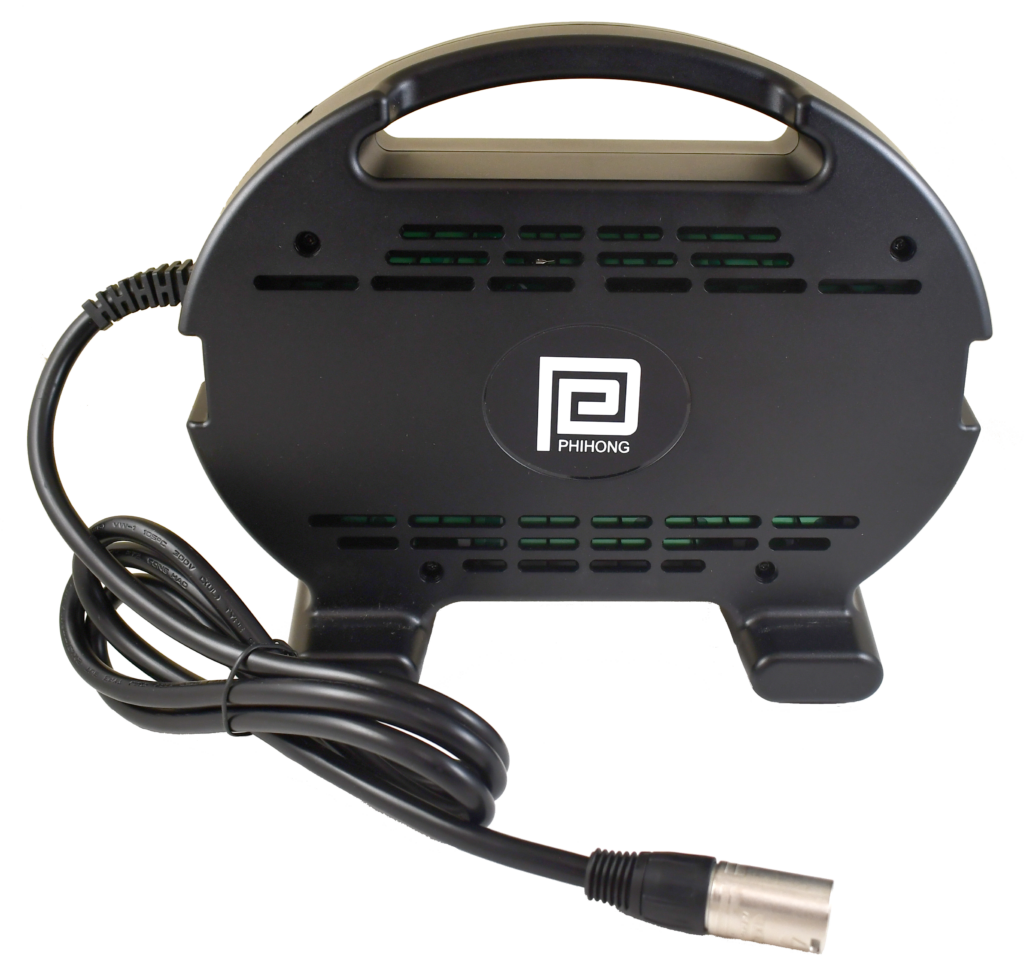
DA200U-250A-R
- Output Power - 200W
- Output Volt - 24V
- Output Current - 8A
- # of ports - 1
- Features - RESNA Compliant, CEC Compliant, LED Indicators Charge State, OVP, OTP, SCP, Dual-Mode Charger, Charges GEL or AGM batteries, Max 12hrs Charging Time
When should a medical device use an open-frame power supply instead of an external adapter?
Open-frame medical power usually makes the most sense when the device needs tighter internal integration and the OEM team wants greater control over packaging, form factor, and internal power routing. In embedded healthcare equipment, this can be especially attractive when the product has strict space goals, a fixed enclosure concept, or subsystem-level power requirements that are easier to manage internally.
That said, open-frame is rarely the simpler option from a design-responsibility standpoint. Once the supply moves inside the enclosure, the OEM owns more of the airflow, thermal validation, creepage and clearance planning, component placement, and overall safety integration work. In medical devices, those issues become even more sensitive because leakage current, insulation, and patient-adjacent safety expectations can affect the entire architecture.
For many OEMs, the strongest reason to choose open-frame is not that it is easier, but that it supports the finished product better. If the external look, internal layout, cable strategy, or multi-board power distribution all benefit from integrated power, open-frame can be the right move. But it should be chosen because it fits the medical product requirements, not simply because it seems more compact on paper.
Why This Matters
• Open-frame power can improve integration, but it increases the design burden inside the product.
• Internal power architecture affects airflow, layout, insulation planning, and service access.
• Compact medical devices often benefit from open-frame only when the enclosure and thermal strategy are already well defined.
What’s Driving This Shift
• Medical devices continue to shrink while adding more electronics and more internal functions.
• OEMs want tighter integration and cleaner product packaging.
• Internal architecture decisions increasingly affect both compliance and user experience.
What OEMs Should Do Now
• Choose open-frame only if the enclosure, airflow path, and safety strategy support it.
• Evaluate internal thermal and isolation demands before treating open-frame as the default compact option.
• Use open-frame when internal integration clearly improves the medical product design, not just the component layout.
Mini Q&A
What is the main benefit of open-frame power in a medical product?
It gives the OEM more control over internal integration, packaging, and enclosure-level power design.
What is the main drawback of open-frame power?
It places more thermal, safety, and mechanical responsibility inside the product design.
Should open-frame be chosen just to save space?
Not by itself. Space savings only matter if the rest of the enclosure and compliance strategy can support the internal design.
Open-frame works best when the product is ready for the responsibility that comes with internal power.
Useful Links
- Open-Frame Internal Power Supplies
- Medical Power Supplies & Adapters
- Internal Power Supply: Everything You Need to Know
Related Links
- Best Guide to Open-Frame Internal Power Supplies: How to Choose the Right Internal PSU for Industrial Equipment
- How to Choose an Open-Frame Medical Power Supply for Embedded Healthcare Equipment
- Medical Power Supply: How to Choose the Best Solution for Safe, Reliable Medical Devices
When is an external medical adapter the better choice for the product?
External medical adapters often make more sense when the OEM wants to keep heat, mains-related power conversion, and some compliance complexity outside the enclosure. For many healthcare products, that can simplify the internal design and reduce the number of power-related variables the team has to manage inside the device itself.
This can be especially attractive for devices where portability, easier servicing, faster enclosure design, or lower internal thermal concentration matter. An external adapter can also make sense when the core device should remain smaller, cooler, or mechanically simpler inside, even if that means accepting an additional external brick or wall-mounted format. In some products, that tradeoff is well worth it because it reduces internal design pressure and shortens the path to a stable architecture.
That does not mean external power is automatically the better answer. It still affects user experience, cable handling, deployment environment, and industrial design. But for many medical products, moving the power stage outside the enclosure can be one of the easiest ways to reduce internal heat concentration and simplify the integration challenge.
Why This Matters
• External adapters can reduce internal heat and simplify enclosure-level power integration.
• Moving power conversion outside the device can reduce internal architecture pressure.
• The tradeoff often shifts from internal engineering complexity to external usability and packaging.
What OEMs Should Do Now
• Consider external adapters when internal heat, isolation, or enclosure simplicity are major concerns.
• Compare user experience and deployment constraints before assuming external power is the easier choice overall.
• Use external power when it improves the full product architecture, not just compliance paperwork.
Mini Q&A
Why do external adapters help with thermal design?
Because the main power conversion stage stays outside the enclosure, reducing internal heat concentration.
Do external adapters always make medical products easier to design?
Not always. They simplify some internal challenges, but they can add tradeoffs in cables, deployment, and user handling.
When is an external adapter a strong fit?
When internal thermal pressure, isolation demands, or enclosure simplicity outweigh the benefits of fully integrated power.
External medical power makes the most sense when moving the power stage outside improves the product more than embedding it would.
Useful Links
Related Links
- Medical Power Supply vs Medical Power Adapter: What’s the Difference and Which One Do You Need?
- Best Guide to Medical Power Supplies for Modern Medical Devices
- Medical Power Supply: How to Choose the Best Solution for Safe, Reliable Medical Devices
CLIENT'S QUOTE
Phihong’s custom OEM power solutions have transformed our product development, boosting performance and reducing overhead. Their expert engineering support has simplified both the design and manufacturing phases.
How do safety, leakage current, and compliance goals affect the open-frame vs external choice?
Safety and compliance goals are often the real reason one power architecture fits a medical product better than another. Open-frame and external medical power can both support compliant medical device design, but they shift responsibility in different ways. With an open-frame supply, more of the power system sits inside the device enclosure, which means the OEM has to think more carefully about isolation, internal layout, creepage and clearance, grounding, and how the PSU interacts with other circuits in the finished product. With an external adapter, some of that power conversion and separation happens outside the enclosure, which can simplify parts of the internal design.
That difference matters when teams are trying to manage leakage current, patient-adjacent design concerns, and overall system architecture. An external medical adapter may reduce the internal burden in some device categories, while an open-frame supply may still be the better fit when full internal integration is required and the OEM has the design control to manage it properly. The key point is that compliance is not only about which power format sounds safer in theory. It is about which one fits the actual device architecture and risk profile more naturally.
For OEMs, this is where architecture and compliance planning need to stay connected. A device that looks simpler with an external adapter may create other challenges in portability or usability. A device that benefits from open-frame integration may still require more internal design discipline to reach the same safety and compliance goals. The right answer depends on how the power path supports the final medical product, not on the assumption that one format is always easier.
Why This Matters
• Power architecture changes how safety and compliance responsibilities are distributed across the product.
• Leakage current and isolation strategy are easier to manage when the format matches the device architecture.
• Medical compliance decisions become harder when the power format is chosen too late.
What OEMs Should Do Now
• Compare the open-frame and external options against the actual safety architecture of the device.
• Review leakage current, isolation, and enclosure-level compliance impact before freezing the design path.
• Choose the format that reduces total system complexity, not just the one that looks simpler at first glance.
Mini Q&A
Does an external adapter always make medical compliance easier?
Not always. It can simplify internal integration, but the best choice still depends on the device use case and total system architecture.
Why does leakage current matter in this comparison?
Because the power format affects where the power conversion stage lives and how the rest of the device manages safety and isolation.
Can open-frame still be the better compliance fit?
Yes. If the product is designed for internal integration and the OEM controls the full safety strategy well, open-frame may still be the right answer.
The best compliance path usually begins with the right architecture, not the easiest assumption.
Useful Links
- Medical Power Supplies & Adapters
- PML065 Series Medical Power Supply
- Open-Frame Internal Power Supplies
Related Links
- What Is IEC 60601 and Why It Matters for Medical Power Supply Design?
- Medical vs Industrial Power Adapters: How Safety Approvals and Leakage Current Affect Device Compliance
- Medical Power Supply: How to Choose the Best Solution for Safe, Reliable Medical Devices
How do thermal design and serviceability change the best power format choice?
Thermal design and serviceability often shift the answer more than teams expect. Open-frame power keeps the conversion stage inside the medical product, which can help with packaging and internal integration, but it also keeps more heat inside the enclosure. That means airflow planning, component placement, and thermal derating become more important. External adapters move that heat outside the device, which can reduce internal thermal pressure and simplify cooling inside the product itself.
Serviceability can also pull the decision in either direction. In some products, an external adapter makes replacement simpler because the power component is outside the enclosure and easier to swap in the field. In other products, that same external brick becomes a usability drawback because it adds one more cable, one more point of wear, or one more deployment issue. Open-frame power may improve the end-user experience by keeping everything integrated, but it can also make service and troubleshooting more dependent on internal access.
For OEM teams, this means the power format should be judged not just on electrical performance, but on how it affects long-term product use. If the device benefits from lower internal heat and easier replacement, external power may be the better fit. If the product benefits more from clean integration and a self-contained design, open-frame may still win. The right choice depends on the total product experience, not only the circuit diagram.
Why This Matters
• Internal open-frame power can increase thermal responsibility inside the enclosure.
• External adapters can simplify replacement and reduce internal heat concentration.
• Serviceability and user experience often matter as much as compliance in the final architecture decision.
What’s Driving This Shift
• Medical products are getting smaller, which increases the thermal cost of internal power conversion.
• OEMs are paying closer attention to maintenance, uptime, and field replacement efficiency.
• Product experience now includes portability, cable management, and ease of support, not just electronics design.
What OEMs Should Do Now
• Compare internal heat load and airflow requirements before choosing open-frame as the default.
• Think about field replacement, cable management, and service workflows when comparing formats.
• Choose the power path that best supports both engineering reliability and product usability.
Mini Q&A
Why does thermal design often favor external adapters?
Because moving the power conversion stage outside the enclosure can reduce internal heat concentration.
Is open-frame worse for serviceability?
Not always, but service access usually depends more on enclosure design and replacement strategy.
Should serviceability be part of power architecture selection?
Yes. It can affect maintenance time, support cost, and how practical the device is in real use.
Power architecture should support long-term use, not just first-pass engineering.
Useful Links
Related Links
- How to Validate Thermal Performance of Open-Frame Power Supplies in Real Enclosures
- Why Do DC-DC Converters Overheat in Compact Designs and How Can Engineers Prevent Failure?
- Medical Power Supply vs Medical Power Adapter: What’s the Difference and Which One Do You Need?
How do product size, portability, and user experience influence the power format decision?
Product size and user experience often decide the power architecture even when the electrical requirements look similar. Open-frame power can help OEM teams build a cleaner, more self-contained device because the power stage is integrated inside the product. That can improve external appearance, reduce cable clutter, and support a more compact deployment format in some use cases. For products that need to feel unified and professional in a clinical setting, that can be a meaningful advantage.
External medical adapters change that equation by moving part of the product experience outside the enclosure. In some devices, this is acceptable or even beneficial because it reduces internal thermal load and simplifies enclosure design. In other products, it creates friction because users now manage an external brick, extra cable routing, or a bulkier setup. Portability can also shift the answer. Some devices are easier to transport or deploy when the main unit stays cooler and simpler, while others benefit more from having fewer external accessories to manage.
For OEM teams, this means the right choice is not just about power electronics. It is also about how the product is handled, installed, maintained, and perceived in real use. The better format is the one that supports the full medical product experience, not just the one that wins a narrow engineering comparison.
Why This Matters
• Power format affects product size, cable strategy, portability, and the overall user experience.
• Open-frame can support a cleaner self-contained product, while external adapters can simplify the enclosure.
• The wrong format can create usability drawbacks even if the electrical performance is acceptable.
What OEMs Should Do Now
• Compare how each power format changes deployment, transport, cable handling, and end-user experience.
• Factor industrial design and service workflow into the power architecture decision early.
• Choose the power format that supports both the product’s technical needs and how people will actually use it.
Mini Q&A
Does open-frame usually create a cleaner product design?
Often yes, because it keeps the power stage inside the enclosure and reduces external accessories.
Can external adapters still be better for portable devices?
Yes. In some products they help by reducing internal heat and simplifying the main device enclosure.
Should user experience really affect PSU selection?
Yes. Power architecture changes how the product is handled, installed, and maintained in the real world.
The best power format supports both the device design and the way the product is actually used.
Useful Links
Related Links
- Medical Power Supply vs Medical Power Adapter: What’s the Difference and Which One Do You Need?
- Internal Power Supply: Everything You Need to Know
- Custom Power Supplies: How to Reduce OEM Time to Market with Custom Power Supply Manufacturing
How Phihong supports the open-frame vs external medical power decision
For OEM teams comparing open-frame and external medical power, Phihong is most useful when viewed as a product path plus a technical education path. The medical power category gives readers a broad entry point into adapter and internal power options, while the open-frame category and supporting technical articles help narrow the discussion based on architecture, compliance, and integration needs. That makes the site more useful for decision support than a simple one-product view would be.
For this topic, the strongest internal path begins with the broader medical category, then branches into internal open-frame products, comparison articles, and adjacent guidance on compliance and architecture tradeoffs. That helps engineers and sourcing teams move from broad comparison into more specific product-fit review without losing context. It also strengthens the internal content ecosystem because this topic naturally connects to thermal design, safety requirements, medical adapter selection, and custom power decisions.
In practical terms, Phihong can support this decision best by helping OEM teams compare formats, understand integration tradeoffs, and identify which product path deserves deeper technical evaluation. That keeps the article useful and grounded while still guiding readers into the most relevant product and knowledge pages on the site.
Why This Matters
• A good internal content path helps OEM teams compare formats before narrowing into exact products.
• Category pages and technical articles support both engineering review and sourcing research.
• Neutral guidance works better when the product format still needs to be matched to the real application.
What OEMs Should Do Now
• Start with broader category pages before narrowing into internal or external product paths.
• Use supporting articles to compare safety, thermal, and service tradeoffs in context.
• Shortlist the power format that best matches how the device will be used, supported, and validated.
Mini Q&A
What is the best first step on the Phihong site for this comparison?
Starting with the medical power category usually makes it easier to compare internal and external options before going deeper.
Should teams go straight to a product page?
Not always. In many cases, it is smarter to start with the category and supporting comparison articles first.
Why do related internal articles matter so much here?
Because the architecture decision depends on more than one factor, and no single product page explains all those tradeoffs well.
A better internal path usually leads to a better architecture decision.
Useful Links
Related Links
- Medical Power Supply vs Medical Power Adapter: What’s the Difference and Which One Do You Need?
- Medical Power Supply: How to Choose the Best Solution for Safe, Reliable Medical Devices
- Custom Power Supplies: How to Reduce OEM Time to Market with Custom Power Supply Manufacturing
Choosing between open-frame and external medical power is not about picking the more familiar format. It is about choosing the power path that best matches the product’s safety strategy, thermal design, service model, and user experience.
As medical devices continue to get smaller, smarter, and more specialized, power format decisions will keep moving earlier in the development process. OEM teams that compare internal and external architectures sooner will be better positioned to reduce redesign risk and make cleaner product decisions.

CONTACT US TODAY
From concept to production, Phihong delivers custom OEM power solutions tailored to your specifications.
FAQ
Is open-frame medical power better than an external adapter?
Not automatically. Open-frame can be the better fit when the device benefits from tighter internal integration, cleaner packaging, and more control over internal power routing. External adapters can be the better fit when the device needs to reduce internal heat, simplify enclosure-level integration, or make servicing easier. The right answer depends on the product’s safety architecture, thermal design, service model, and user experience goals. OEM teams usually get the best result when they compare both options early instead of treating one as the default.
When should a medical device use an external power adapter?
An external adapter often makes sense when internal heat, isolation complexity, or enclosure simplicity are major concerns. Moving the power conversion stage outside the device can reduce thermal pressure inside the enclosure and make the internal architecture easier to manage. It can also make replacement easier in the field. That said, it introduces tradeoffs in cable handling, portability, and industrial design. For many products, external power is strongest when those tradeoffs are acceptable and the internal simplification is worth it.
Why do some OEMs still prefer open-frame power?
Open-frame power gives OEM teams more control over internal integration. It can support a cleaner product form factor, reduce external cable clutter, and make subsystem-level power design easier in some products. For devices where packaging, internal power routing, or overall product appearance matter, open-frame can be a strong choice. The tradeoff is that the OEM must manage more of the thermal, safety, and enclosure-level power burden inside the device. That is why open-frame works best when the full internal design is prepared to support it.
Does one format make medical compliance easier?
Sometimes, but not in a universal way. External adapters can simplify parts of internal isolation and enclosure-level design because some of the power conversion happens outside the device. Open-frame designs can still be the better compliance fit when the product requires full internal integration and the team controls the internal safety architecture carefully. In practice, the easier compliance path is usually the one that matches the real device structure more naturally. That is why power format and compliance should be reviewed together early in the design process.
What matters most in the open-frame vs external decision?
The most important factor is how well the power format fits the full product. That includes safety, leakage current planning, thermal behavior, serviceability, industrial design, cable strategy, and user experience. A format that looks simpler in one area may create compromises somewhere else. The best decision usually comes from comparing the total product impact of each option rather than focusing only on wattage, cost, or habit. OEM teams that make this comparison early usually avoid the most painful redesigns later.
POE technology supports the centralization of power

AC Adapter Guide: Everything You Need to Know
Moreover, PoE technology supports the centralization of power management. By powering devices through a PoE-enabled network …
AC DC Power Chargers and How They Work: A Comprehensive Technical Breakdown
Moreover, PoE technology supports the centralization of power management. By powering devices through a PoE-enabled network …

USB-C Charger: Shaping the Future of the Tech World
Moreover, PoE technology supports the centralization of power management. By powering devices through a PoE-enabled network …

AC Adapter Guide: Everything You Need to Know
Moreover, PoE technology supports the centralization of power management. By powering devices through a PoE-enabled network …

AC DC Power Chargers and How They Work: A Comprehensive Technical Breakdown
Moreover, PoE technology supports the centralization of power management. By powering devices through a PoE-enabled network …

USB-C Charger: Shaping the Future of the Tech World
Moreover, PoE technology supports the centralization of power management. By powering devices through a PoE-enabled network …