









BLOG
TAA vs BAA vs NDAA: Understanding Federal Compliance Requirements for Power Supplies and PoE Equipment
QUICK LINKS

Federal procurement regulations are often grouped together in sourcing discussions, but TAA, BAA, and NDAA serve different purposes and apply under different contract conditions. For manufacturers and OEM buyers in the power electronics industry, misunderstanding these distinctions can create confusion during bid qualification and procurement review.
Power adapters, PoE injectors, and industrial power supplies are frequently embedded in larger infrastructure systems such as surveillance networks, municipal IT deployments, transportation control systems, and public safety communications. When those systems are procured under federal contracts, compliance requirements may extend to the power components that support them.
This article clarifies how the Trade Agreements Act, the Buy American Act, and NDAA restrictions differ, how they apply to power electronics, and how procurement teams can evaluate each regulation responsibly.
FEATURED PRODUCTS
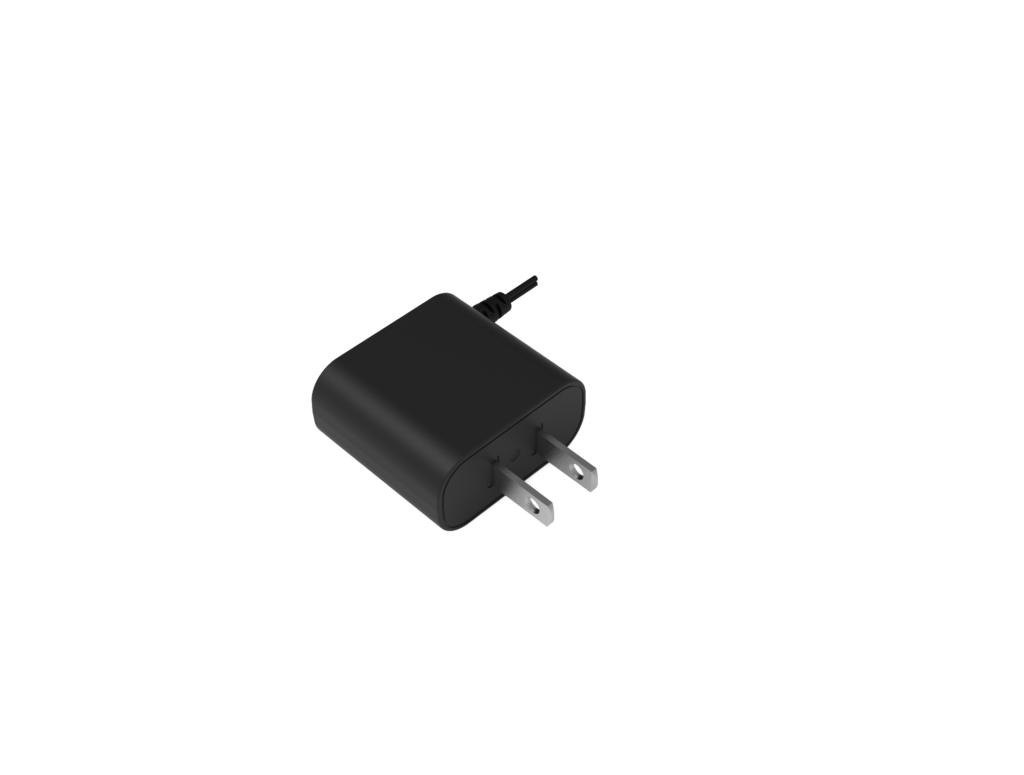
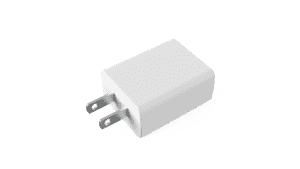
AA03A-075A-R
- Output Power - 2.75W
- Output Volt - 7.5V
- Output Current - 0.366A
- Features - Fixed Blade AC Input, Limited Power Source, Class B EMI, Level VI Efficiency, Standard Barrel Connector
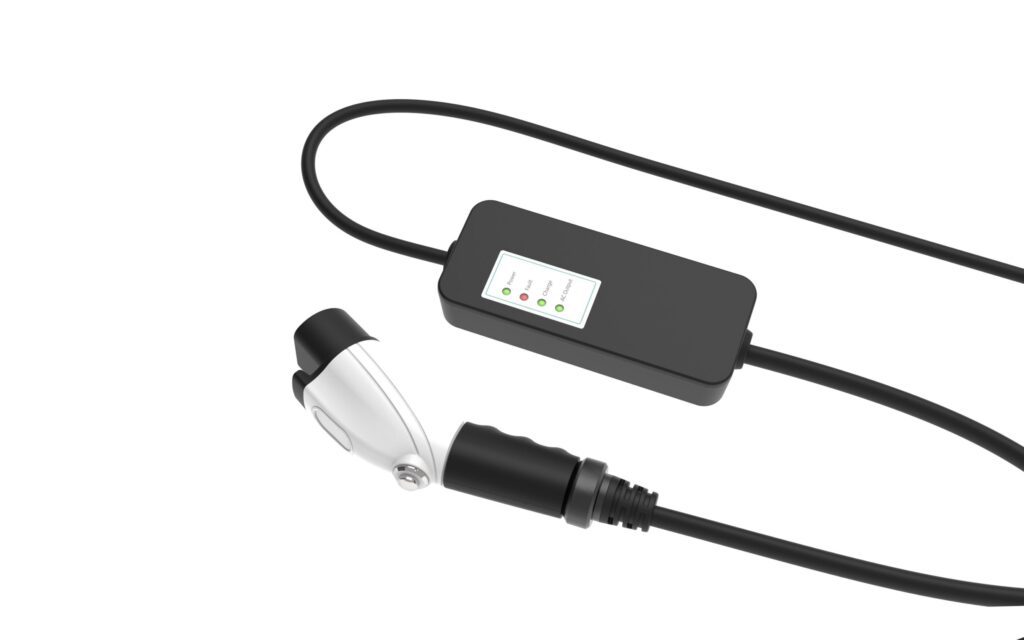
AC Series
- Output Current - 16A
- Features - Mode 2-chargers can use a circuit ranging from 8Amp to 16Amp with a local standard AC input plug installed for operation, Provides overcurrent, over voltage and short circuit protection, Protected against strong jets of water from all directions, Continuously monitors/supervises the ground connection between the AC supply and EV to ensure safe and reliable charging
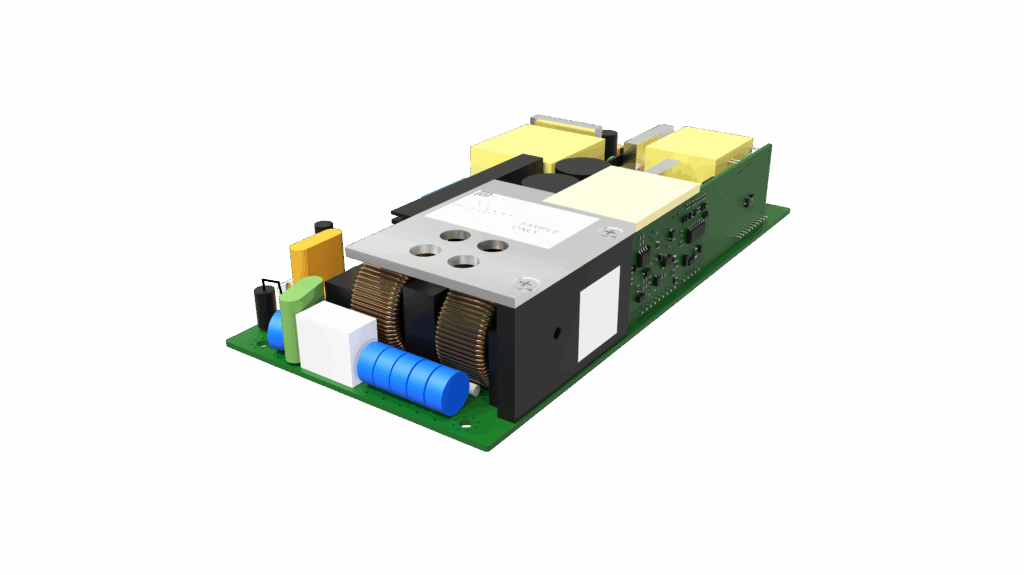
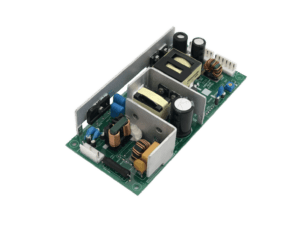
BF550-234B-R
- Output Power - 550W
- Output Volt - 12Vdc / 54.5Vdc
- Features - Universal AC Input range, Class I Design , Class B EMI , High Efficiency Performance , OVP, OCP, SCP, OTP Protections , Operating Altitude: 5,000M
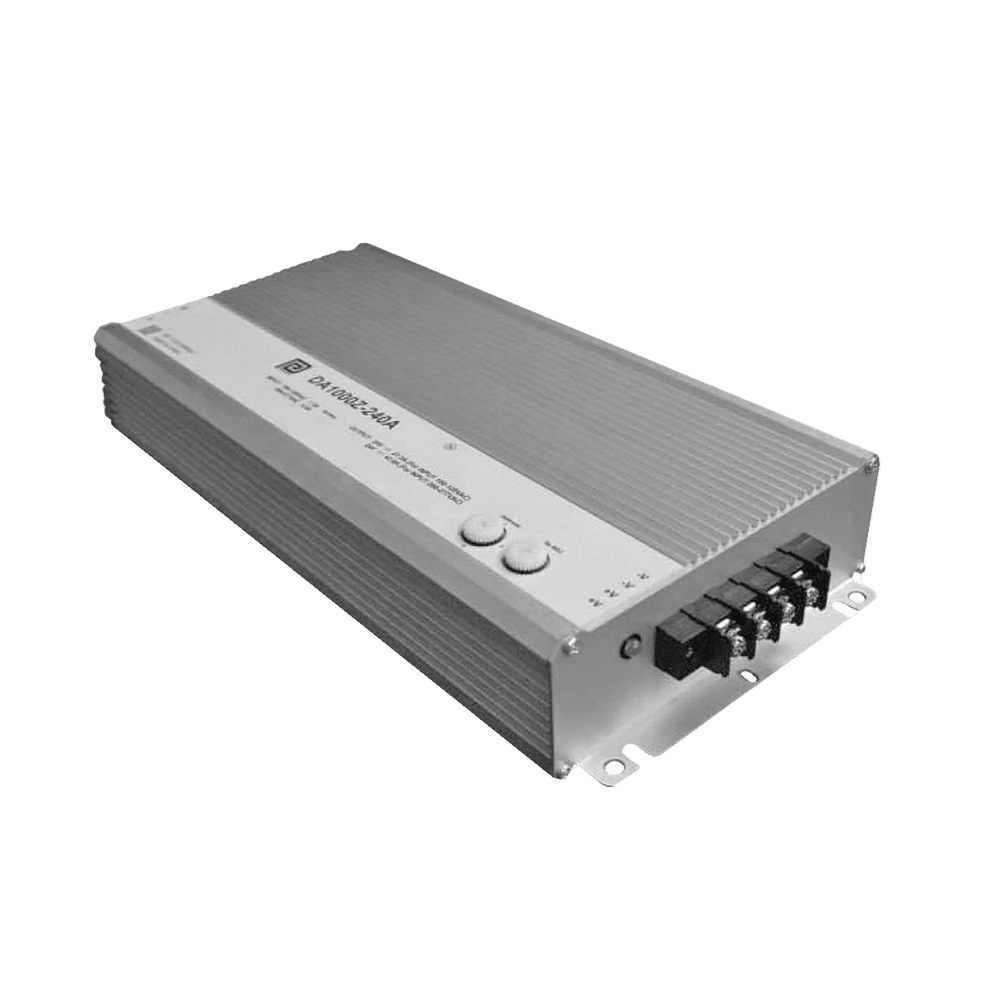
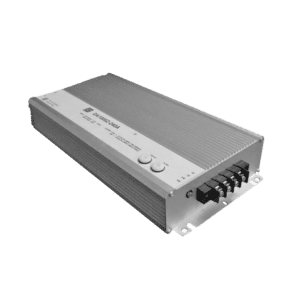
DA1000Z-240AEV-R
- Output Power - 1000W
- Output Volt - 24V
- Output Current - 42A
- Features - Extended operating temperature range of -40℃ to 70℃, Fan-less aluminum case filled with heat conductive glue, Able to withstand 10G vibration, Power on LED indicator, Short Circuit, Over Current, Over Voltage, and Over Temperature Protections, & Adjustable output through potentiomete
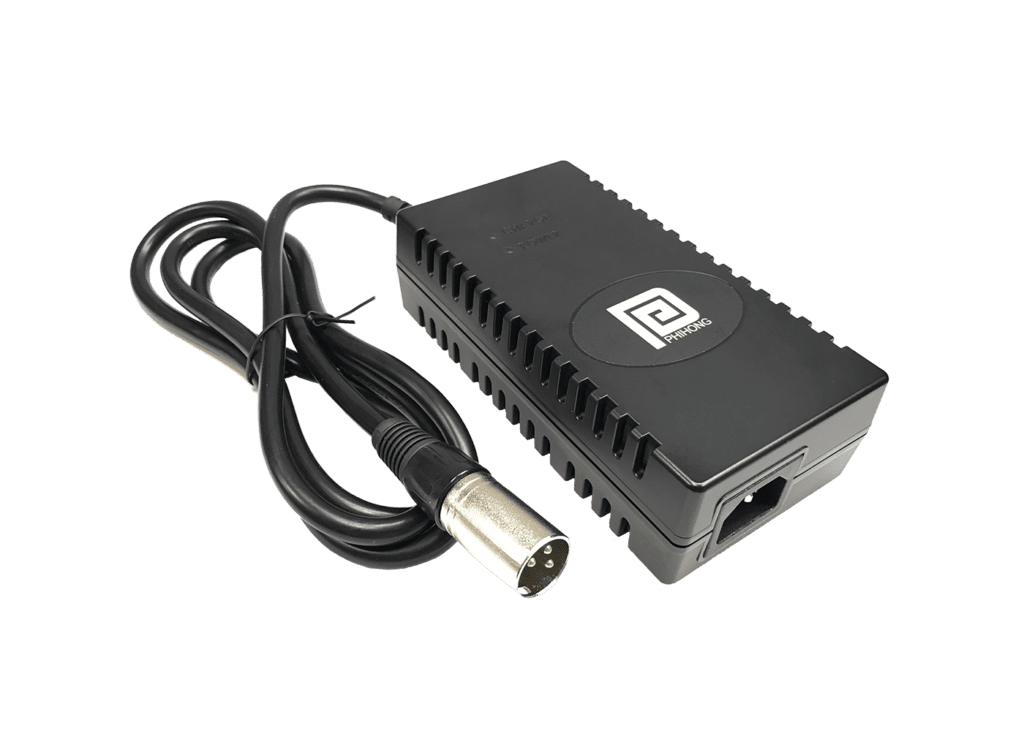
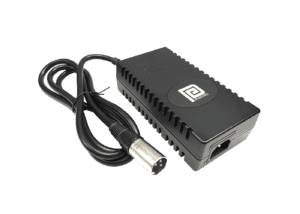
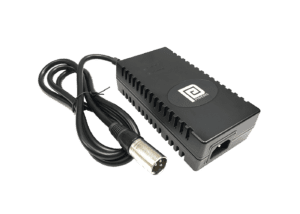
DA60U-240A-R
- Output Power - 60W
- Output Volt - 24V
- Output Current - 2.5A
- # of ports - 1
- Features - RESNA Compliant, CEC Compliant, LED Indicators Charge State, OVP, OTP, SCP, Charges AGM Batteries, Max 12hrs Charging Time
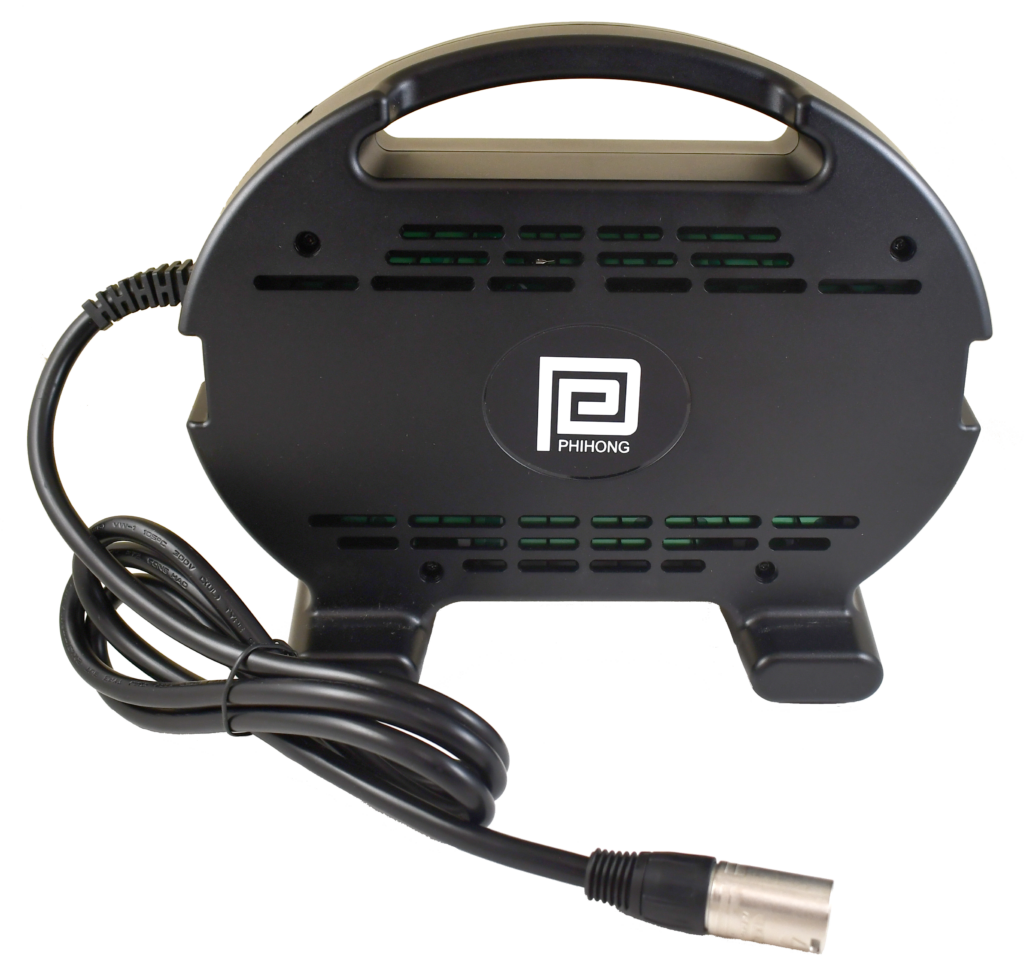
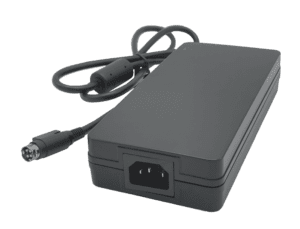
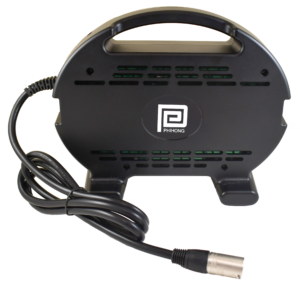
DA200U-250A-R
- Output Power - 200W
- Output Volt - 24V
- Output Current - 8A
- # of ports - 1
- Features - RESNA Compliant, CEC Compliant, LED Indicators Charge State, OVP, OTP, SCP, Dual-Mode Charger, Charges GEL or AGM batteries, Max 12hrs Charging Time
What Is the Trade Agreements Act (TAA) and How Does It Apply to Power Equipment?
The Trade Agreements Act focuses on sourcing requirements tied to international trade agreements. When invoked in a federal contract, TAA requires that products be manufactured or substantially transformed in the United States or in a designated country recognized under U.S. trade agreements.
In the context of power supplies and PoE equipment, TAA analysis centers around country of origin determination. This is typically based on where substantial transformation occurs, meaning where the product becomes a new and distinct article of commerce through meaningful manufacturing processes.
For power electronics, substantial transformation often involves PCB population, firmware programming, system integration, and final testing. Because global supply chains are common, the final integration location becomes an important factor in origin determination. Countries such as Vietnam, recognized as designated countries under U.S. trade agreements, frequently play a role in these sourcing discussions.
However, TAA does not apply automatically to all government projects. It applies only when specified within the contract. That means procurement teams must first determine whether TAA is invoked before evaluating sourcing eligibility.
Top Features of TAA for Power Electronics
• Applies to specific federal and trade agreement contracts
• Focuses on country of origin through substantial transformation
• Evaluated at the individual product level
• Common in GSA-related procurement
Top Benefits of Understanding TAA Requirements
• Reduces confusion during bid qualification
• Supports accurate origin documentation
• Helps avoid disqualification during procurement review
• Encourages transparent manufacturing communication
Best Practices When Evaluating TAA
• Confirm whether the contract invokes TAA explicitly
• Review manufacturing flow documentation
• Separate commercial SKUs from federally targeted products
• Avoid assuming compliance based solely on manufacturing geography
Clear understanding of TAA ensures that sourcing conversations are grounded in contract language rather than assumptions.
What Is the Buy American Act (BAA) and How Is It Different From TAA?
The Buy American Act predates TAA and serves a different procurement objective. Rather than focusing on designated countries under trade agreements, BAA prioritizes domestic end products manufactured in the United States. It often requires a defined percentage of U.S.-origin components to qualify as compliant.
For power electronics manufacturers, BAA evaluation typically involves analyzing domestic content thresholds and final assembly location. A product manufactured in a designated country such as Vietnam may satisfy TAA requirements under certain contracts, but it may not meet BAA domestic content thresholds.
This distinction is critical for power equipment suppliers working across both commercial and federal markets. Because the two regulations operate under different legal frameworks, they cannot be used interchangeably in marketing or procurement discussions.
For example, a PoE injector assembled and substantially transformed in Vietnam may meet TAA eligibility under a trade agreement contract. However, if a contract specifically invokes the Buy American Act, the domestic content calculation becomes the determining factor.
Top Features of BAA in Power Equipment Procurement
• Prioritizes domestic U.S. end products
• Evaluates domestic content percentages
• Focuses on U.S.-based manufacturing
• Separate regulatory framework from TAA
Top Benefits of Distinguishing BAA From TAA
• Prevents misuse of compliance terminology
• Reduces regulatory miscommunication
• Protects against inaccurate sourcing claims
• Improves bid qualification accuracy
Best Practices for Managing BAA Requirements
• Identify whether BAA or TAA governs the contract
• Review domestic content thresholds carefully
• Maintain clear documentation separate from TAA analysis
• Coordinate procurement and compliance teams early
Understanding the structural differences between TAA and BAA protects both manufacturers and buyers from regulatory confusion.
What Is NDAA and Why Does It Matter for Power Supplies and PoE Equipment?
The National Defense Authorization Act includes restrictions that differ significantly from both TAA and BAA. NDAA provisions often prohibit certain entities or technologies from being used in defense or sensitive infrastructure projects. These restrictions may relate to specific manufacturers, telecommunications equipment, or component sourcing from designated countries.
Unlike TAA, which focuses on designated country manufacturing, NDAA can involve restrictions on specific companies or supply chain elements regardless of final assembly location. For power electronics manufacturers, this means compliance evaluation may extend to component sourcing and vendor relationships, not just final product transformation.
For example, a power adapter assembled in a designated country may still require NDAA review if it contains restricted components. Procurement teams evaluating equipment for defense-related or sensitive infrastructure deployments must understand these additional layers of scrutiny.
Because NDAA, TAA, and BAA address different aspects of federal procurement policy, careful differentiation is necessary when discussing compliance in the power electronics sector.
Top Features of NDAA in Power Equipment Context
• Focuses on restricted entities and technologies
• May apply to defense and sensitive infrastructure projects
• Can involve component-level evaluation
• Separate from trade agreement sourcing rules
Top Benefits of Understanding NDAA Distinctions
• Reduces exposure to restricted supplier risk
• Improves supply chain transparency
• Strengthens procurement due diligence
• Protects project eligibility
Best Practices for Addressing NDAA Considerations
• Review supplier and component sourcing disclosures
• Confirm whether NDAA clauses apply to the contract
• Separate NDAA review from TAA and BAA analysis
• Maintain updated compliance documentation
Understanding NDAA ensures that sourcing discussions go beyond country of origin and address broader supply chain considerations.
CLIENT'S QUOTE
Phihong's Power-Over-Ethernet solutions have transformed our network, boosting efficiency and reducing costs. Their seamless integration has simplified both installation and maintenance.
How TAA, BAA, and NDAA Interact in Federal Procurement for Power Equipment
Although TAA, BAA, and NDAA are separate regulatory frameworks, they often intersect within federal procurement processes. A single contract may invoke one regulation while excluding others, or it may include layered compliance clauses that require manufacturers and integrators to evaluate multiple standards simultaneously.
For power supplies and PoE equipment, this intersection can create complexity. A contract tied to international trade agreements may invoke TAA, focusing on designated country manufacturing and substantial transformation. Another contract, particularly at the state or local level with federal funding, may reference Buy American Act thresholds instead. Defense-related or sensitive infrastructure projects may include NDAA restrictions targeting specific manufacturers or components.
The key for procurement teams is understanding that these frameworks do not replace one another. Instead, they operate independently. A product may satisfy TAA requirements under a trade agreement contract yet fail to meet BAA domestic content thresholds. Likewise, a product manufactured in a designated country may still require NDAA review if certain components originate from restricted entities.
For power electronics manufacturers with global production footprints, including operations in Vietnam, the ability to provide transparent documentation becomes essential when navigating layered procurement requirements.
Top Features of Regulatory Interaction
• Contracts may invoke one or multiple frameworks
• TAA focuses on designated country sourcing
• BAA evaluates domestic content percentages
• NDAA may introduce component-level restrictions
Top Benefits of Understanding Regulatory Overlap
• Reduces confusion during bid qualification
• Strengthens communication between procurement and engineering teams
• Minimizes risk of compliance misinterpretation
• Supports structured documentation practices
Best Practices for Managing Multi-Regulation Contracts
• Identify which regulation governs the specific contract
• Avoid assuming one compliance framework satisfies another
• Maintain separate documentation for each requirement
• Coordinate internal sourcing, legal, and sales teams early
Clear regulatory differentiation prevents costly sourcing missteps and improves procurement confidence across federal projects.
Practical Framework for Evaluating Compliance in Power Supply Procurement
When federal compliance requirements are involved, structured evaluation becomes more important than assumptions. Procurement teams sourcing power adapters, PoE injectors, and industrial power supplies should follow a disciplined review process.
The first step is reviewing contract language to determine whether TAA, BAA, NDAA, or another framework applies. Without confirming this, sourcing decisions may be misaligned from the start.
Next, buyers should request detailed manufacturing flow documentation. This includes identifying where PCB population occurs, where firmware is programmed, where final integration and testing are completed, and how traceability is maintained. For manufacturers operating in Vietnam and other designated countries, documented final assembly processes may be relevant under TAA analysis when invoked.
For BAA evaluation, domestic content percentages and U.S.-based manufacturing activities become the focus. NDAA review may extend to component suppliers and restricted entity considerations.
By applying a structured review model, buyers can reduce ambiguity and align sourcing decisions with documented contract requirements.
Top Features of a Structured Compliance Framework
• Contract-specific regulation identification
• Documented manufacturing flow review
• Clear differentiation between sourcing frameworks
• Supplier transparency and traceability
Top Benefits of Systematic Evaluation
• Improved bid qualification accuracy
• Reduced compliance risk
• Enhanced supplier accountability
• Greater procurement confidence
Best Practices for Procurement Teams
• Conduct compliance evaluation before finalizing bids
• Request written origin and production documentation
• Maintain centralized compliance records
• Re-evaluate sourcing if contract terms change
Applying a consistent evaluation process ensures that compliance discussions remain grounded in documentation rather than marketing language.
Common Compliance Mistakes in Power Electronics Manufacturing
Misinterpretation of federal sourcing regulations often stems from oversimplification. One common mistake is assuming that manufacturing in a designated country automatically satisfies all federal compliance requirements. While designated country production may be relevant under TAA when invoked, it does not guarantee alignment with BAA or NDAA provisions.
Another frequent error is using compliance terminology interchangeably. Referring to a product as “Buy American compliant” when only TAA analysis has been performed can create confusion. Each regulation must be evaluated independently.
Manufacturers may also overlook component-level sourcing considerations when reviewing NDAA-related contracts. Even if final assembly occurs in a designated country such as Vietnam, component origin may require separate evaluation in defense-related deployments.
For power electronics suppliers serving both commercial and federal markets, disciplined terminology and documented evaluation processes are critical. Avoiding blanket compliance claims and focusing instead on documented sourcing transparency protects long-term credibility.
Top Features of Responsible Compliance Communication
• Clear separation of TAA, BAA, and NDAA terminology
• Documented origin analysis
• Contract-specific compliance language
• Transparent supply chain communication
Top Benefits of Avoiding Compliance Errors
• Reduced legal and marketing exposure
• Stronger procurement trust
• Improved long-term federal eligibility
• Greater organizational clarity
Best Practices for Manufacturers
• Train sales teams on regulatory distinctions
• Avoid broad compliance claims without contract review
• Maintain updated supplier documentation
• Align marketing language with procurement standards
Precision in compliance communication strengthens credibility in regulated markets.
How Phihong Supports Regulatory Awareness in Power Supply Manufacturing
Navigating federal procurement requirements requires disciplined sourcing practices and structured manufacturing oversight. For power electronics manufacturers, regulatory awareness begins with transparency around production flow and supply chain management.
Phihong operates established manufacturing capabilities in Vietnam, a designated country recognized under U.S. trade agreements. This production environment supports controlled PCB assembly, system integration, firmware configuration, and final testing processes for power adapters, PoE injectors, and industrial power supplies.
While regulatory applicability depends on specific contract language and product-level evaluation, structured documentation and traceability support responsible procurement discussions. For OEM partners and integrators evaluating power components for government-influenced infrastructure, access to manufacturing transparency can simplify internal compliance review.
Phihong’s emphasis on documented production workflows and consistent quality management supports organizations seeking clarity in sourcing conversations without making blanket regulatory claims.
Organizations evaluating power equipment for federally influenced deployments are encouraged to engage directly with Phihong’s team to review manufacturing processes and discuss project-specific sourcing considerations.

FEATURED RESOURCE
Phihong's Power-Over-Ethernet solutions have transformed our network, boosting efficiency and reducing costs.
FAQ
How do I know whether TAA, BAA, or NDAA applies to my project?
The determining factor is contract language. Federal procurement documents typically specify which regulation governs sourcing requirements. TAA may be invoked for contracts tied to trade agreements, BAA for domestic preference procurement, and NDAA for defense or sensitive infrastructure restrictions.
Before evaluating product eligibility, procurement teams should confirm which regulation applies. Reviewing solicitation documents and consulting procurement officers helps ensure accurate sourcing alignment. Each regulation operates independently, so assumptions based on one framework may not apply to another.
Clear contract review at the beginning of the procurement process reduces confusion and prevents compliance misinterpretation later.
Can a product meet TAA requirements but not BAA requirements?
Yes. TAA and BAA evaluate different sourcing criteria. TAA focuses on whether a product is manufactured or substantially transformed in a designated country under U.S. trade agreements. BAA evaluates domestic content percentages and U.S.-based production thresholds.
A power supply assembled and substantially transformed in Vietnam, which is a designated country, may satisfy TAA criteria under certain contracts. However, if a contract invokes BAA, domestic content calculations would determine eligibility.
Understanding the contract framework is critical before drawing conclusions about compliance status.
Does NDAA review focus only on final assembly location?
No. NDAA considerations may extend beyond final assembly location to include specific manufacturers or restricted technologies. In some cases, component sourcing may require review, particularly in defense or sensitive infrastructure environments.
For power electronics manufacturers, this means supply chain transparency is important. Procurement teams may evaluate vendor relationships and component origin in addition to final production location.
Because NDAA provisions vary by contract and project type, contract review and supplier disclosure are essential before making sourcing determinations.
Why are power adapters and PoE injectors evaluated under federal sourcing rules?
Power components are often embedded within larger infrastructure systems that fall under federal procurement regulations. When a contract invokes TAA, BAA, or NDAA requirements, those standards may apply to supporting components within the system.
Although power equipment may not be the primary focus of a project, eligibility can still be reviewed during procurement. That is why integrators frequently request origin documentation for adapters, PoE injectors, and industrial power supplies used in government-related deployments.
Understanding how embedded components are evaluated helps prevent system-level sourcing complications.
What documentation should manufacturers provide to support compliance discussions?
Manufacturers should be prepared to provide manufacturing flow descriptions, country of origin documentation, and supply chain transparency information. For TAA-related discussions, this may include identifying where substantial transformation occurs. For BAA review, domestic content analysis may be relevant. For NDAA evaluation, supplier and component disclosure may be necessary.
Providing structured documentation supports responsible procurement review and reduces ambiguity. Maintaining updated records and transparent communication strengthens long-term supplier relationships in regulated markets.
POE technology supports the centralization of power

AC Adapter Guide: Everything You Need to Know
Moreover, PoE technology supports the centralization of power management. By powering devices through a PoE-enabled network …
AC DC Power Chargers and How They Work: A Comprehensive Technical Breakdown
Moreover, PoE technology supports the centralization of power management. By powering devices through a PoE-enabled network …

USB-C Charger: Shaping the Future of the Tech World
Moreover, PoE technology supports the centralization of power management. By powering devices through a PoE-enabled network …

AC Adapter Guide: Everything You Need to Know
Moreover, PoE technology supports the centralization of power management. By powering devices through a PoE-enabled network …

AC DC Power Chargers and How They Work: A Comprehensive Technical Breakdown
Moreover, PoE technology supports the centralization of power management. By powering devices through a PoE-enabled network …

USB-C Charger: Shaping the Future of the Tech World
Moreover, PoE technology supports the centralization of power management. By powering devices through a PoE-enabled network …