









BLOG
Top 10 Critical Fail Points in Medical Power Supply Compliance
QUICK LINKS
Why Do Medical Power Supplies Fail IEC 60601 Certification So Often?
Reaching the final stages of IEC 60601 certification is where many medical device projects encounter unexpected setbacks. Even well-designed products can fail due to overlooked details in isolation, leakage current, or documentation. These failures are rarely caused by a single mistake. Instead, they are often the result of small issues that compound under testing conditions such as high voltage stress, electromagnetic interference, or simulated fault scenarios.
Medical power compliance is not just about meeting electrical specifications. It requires a complete system-level approach that includes mechanical spacing, component selection, risk management, and traceability. Engineers must design for worst-case conditions, not just normal operation. Certification bodies test products in ways that expose hidden weaknesses, especially in compact designs where spacing and thermal margins are tight.
OEMs that treat compliance as a late-stage checkbox often face costly redesigns. Those that plan for it early can significantly reduce risk and accelerate time to market.
Useful Links
- Phihong medical power solutions
- IEC 60601 overview and safety standards
- FDA medical device compliance guidance
Related Articles
- How to Design Internal Medical Power Systems
- Medical Power Certification Guide
- Thermal Design Considerations for Medical Power
Which Compliance Issues Cause the Most Failures in Medical Power Supplies?
Most compliance failures fall into a predictable set of categories, yet they continue to appear across projects of all sizes. This is because medical standards demand extremely tight control over safety, electrical isolation, and failure behavior. Even experienced engineering teams can overlook how multiple subsystems interact under real test conditions.
For example, improving EMI performance with additional filtering components may unintentionally increase leakage current beyond acceptable limits. Similarly, shrinking a PCB layout to meet industrial design goals can reduce creepage distances and lead to Hi-Pot failures. These tradeoffs highlight why compliance must be treated as a system-level challenge rather than a collection of isolated design tasks.
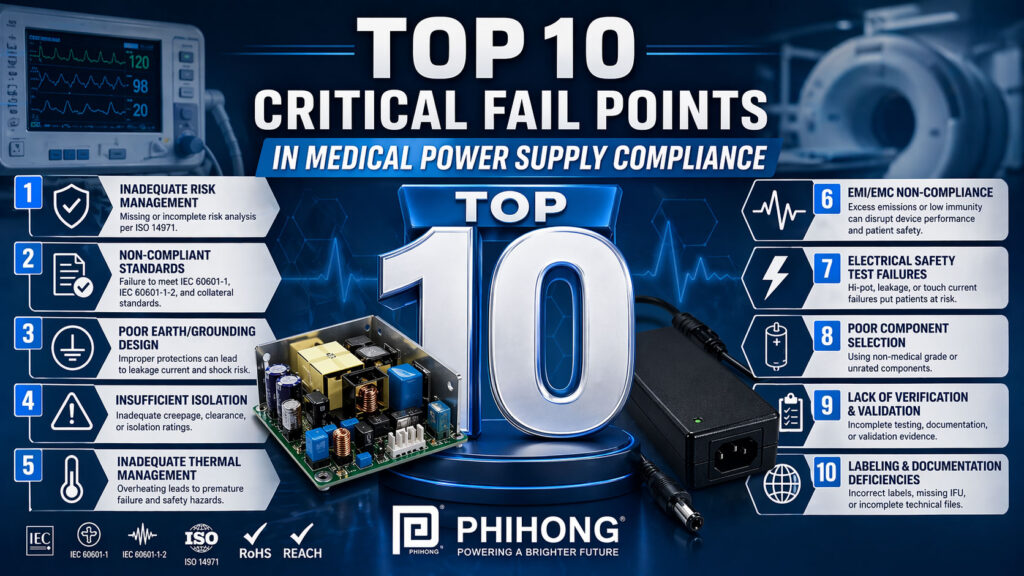
Understanding where failures commonly occur allows OEMs to proactively address risks before formal testing begins. The following ten fail points represent the most frequent causes of rejection in medical power supply compliance audits.
Useful Links
Related Articles
- Understanding Leakage Current in Medical Devices
- Designing for EMI Compliance
- Medical Device Risk Management Best Practices
Before diving into the list, here are the most critical fail points that repeatedly cause delays, redesigns, and certification setbacks for medical OEMs.
Top 10 Critical Fail Points in Medical Power Supply Compliance
1. Insufficient Creepage and Clearance Distances
Creepage and clearance are fundamental to medical electrical safety, yet they are among the most common reasons for compliance failure. These distances define how far electrical paths must be separated to prevent arcing between high-voltage and low-voltage areas. In compact medical devices, engineers often push layouts to save space, which can unintentionally violate 2xMOPP requirements.
Even small deviations can cause failure during Hi-Pot testing, where high voltage is applied to stress the insulation barrier. If spacing is insufficient, arcing can occur instantly, forcing a redesign of the PCB or enclosure. This is particularly problematic late in development when layout changes impact multiple subsystems.
To avoid this, engineers must prioritize spacing early and consider worst-case environmental conditions such as humidity and contamination. Designing with margin, rather than minimum limits, significantly reduces the risk of failure during certification testing.
2. Excessive Touch or Patient Leakage Current
Leakage current is one of the most tightly controlled parameters in medical devices. Even extremely small currents can lead to compliance failure if they exceed limits defined for patient or operator safety. A common issue arises when EMI filtering components, particularly capacitors, introduce unintended leakage paths.
While these components are necessary to meet emission standards, they must be carefully balanced against safety requirements. Many designs pass initial electrical testing but fail when evaluated under full system conditions, where cumulative leakage exceeds thresholds.
This becomes more complex under fault scenarios, where protective paths may change. Engineers must evaluate leakage not just in normal operation but also under simulated failures. Careful component selection and system-level testing are essential to maintaining compliance without sacrificing EMI performance.
3. Inadequate Risk Management Documentation
Compliance is not only about hardware performance but also about documentation. Under ISO 14971 and IEC 60601 requirements, manufacturers must provide a complete risk management file that identifies potential hazards and explains how they are mitigated.
Many products fail audits because this documentation is incomplete or lacks sufficient detail. Even if the hardware is safe, auditors require proof that risks have been systematically evaluated and controlled. Without this, certification cannot proceed.
OEMs must work closely with power supply partners to obtain detailed reliability data, failure analysis, and traceability information. Proper documentation ensures that the product can be evaluated not just for performance, but for predictable behavior under all conditions.
4. EMI and EMC Failures Under Medical Standards
Medical EMC standards are significantly stricter than industrial requirements. Devices must operate reliably without interfering with other equipment, including sensitive monitoring systems. Failures often occur when designs that pass general EMC testing cannot meet the more demanding IEC 60601-1-2 requirements.
Common issues include radiated emissions, electrostatic discharge susceptibility, and conducted noise. Fixing these problems late in development can be expensive, often requiring redesign of shielding or filtering.
The challenge is balancing EMI performance with other requirements such as leakage current and thermal constraints. A well-designed power supply must address all of these factors simultaneously. Pre-tested and compliant designs reduce the likelihood of unexpected failures during certification.
5. Thermal Instability in Real-World Conditions
Thermal performance can differ significantly between lab testing and real-world use. A power supply that performs well on an open bench may overheat when enclosed in a sealed device with limited airflow. This can lead to performance degradation or failure during testing.
Medical devices often operate continuously, making thermal stability critical. If temperatures exceed safe limits, protective circuits may trigger or components may fail prematurely. These issues can surface during compliance testing or in the field.
Designing for worst-case conditions, including maximum load and ambient temperature, is essential. Engineers should validate thermal behavior early and ensure adequate margin to prevent failures that could delay certification or impact reliability.
FEATURED PRODUCTS
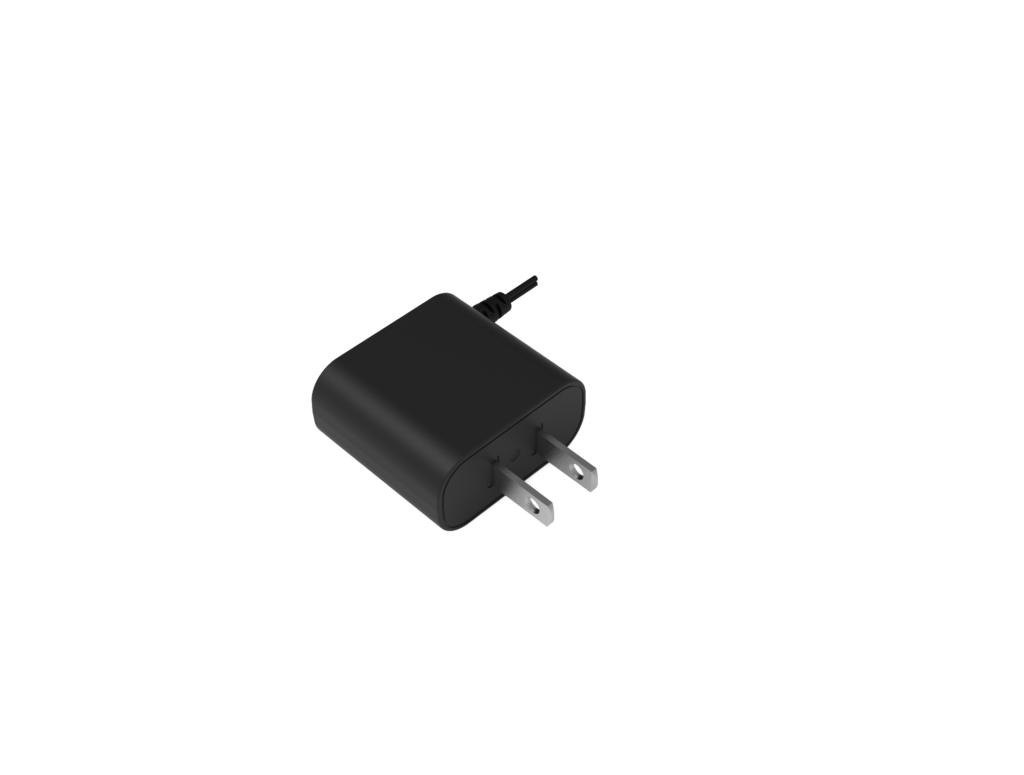
AA03A-075A-R
- Output Power - 2.75W
- Output Volt - 7.5V
- Output Current - 0.366A
- Features - Fixed Blade AC Input, Limited Power Source, Class B EMI, Level VI Efficiency, Standard Barrel Connector
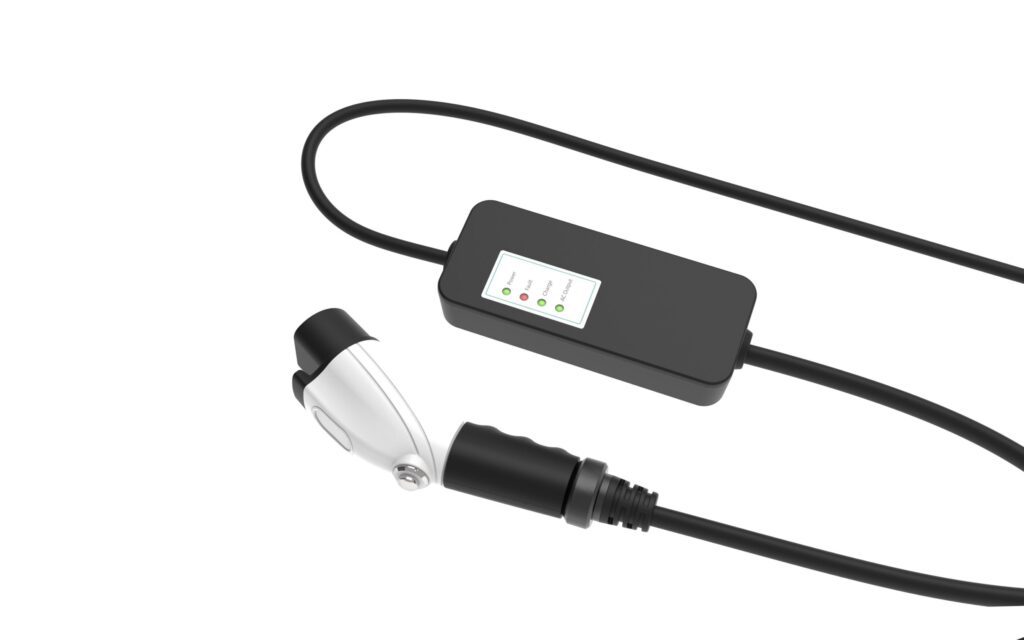
AC Series
- Output Current - 16A
- Features - Mode 2-chargers can use a circuit ranging from 8Amp to 16Amp with a local standard AC input plug installed for operation, Provides overcurrent, over voltage and short circuit protection, Protected against strong jets of water from all directions, Continuously monitors/supervises the ground connection between the AC supply and EV to ensure safe and reliable charging
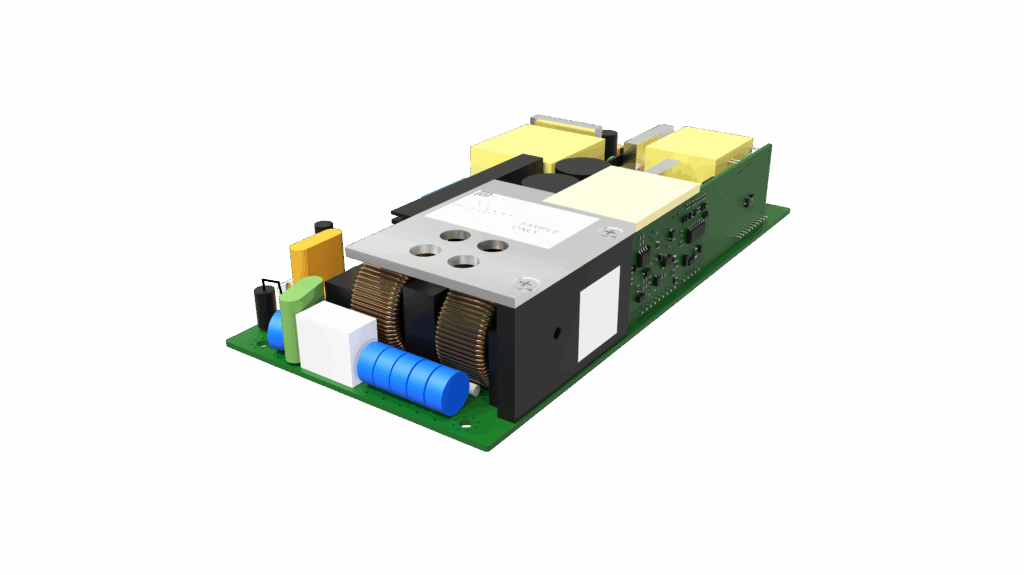
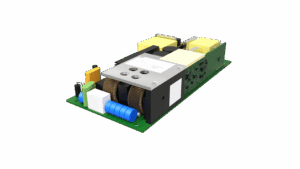
BF550-234A-R
- Output Power - 550W
- Output Volt - 12Vdc / 54.5Vdc
- Features - Universal AC Input range, Class I Design , Class B EMI , High Efficiency Performance , OVP, OCP, SCP, OTP Protections , Operating Altitude: 5,000M
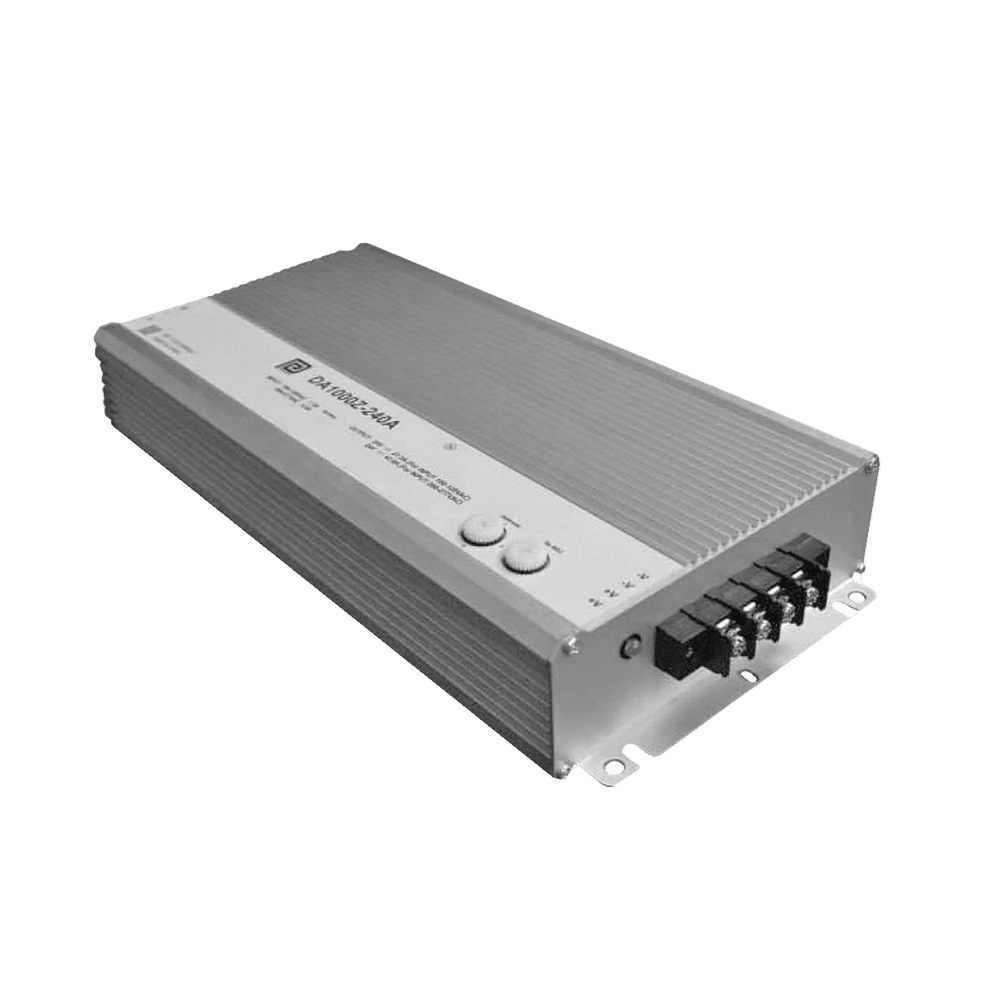
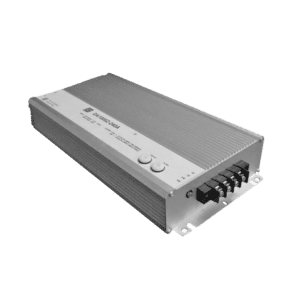
DA1000Z-240AEV-R
- Output Power - 1000W
- Output Volt - 24V
- Output Current - 1000W
- Features - Extended operating temperature range of -40℃ to 70℃, Fan-less aluminum case filled with heat conductive glue, Able to withstand 10G vibration, Power on LED indicator, Short Circuit, Over Current, Over Voltage, and Over Temperature Protections, & Adjustable output through potentiomete
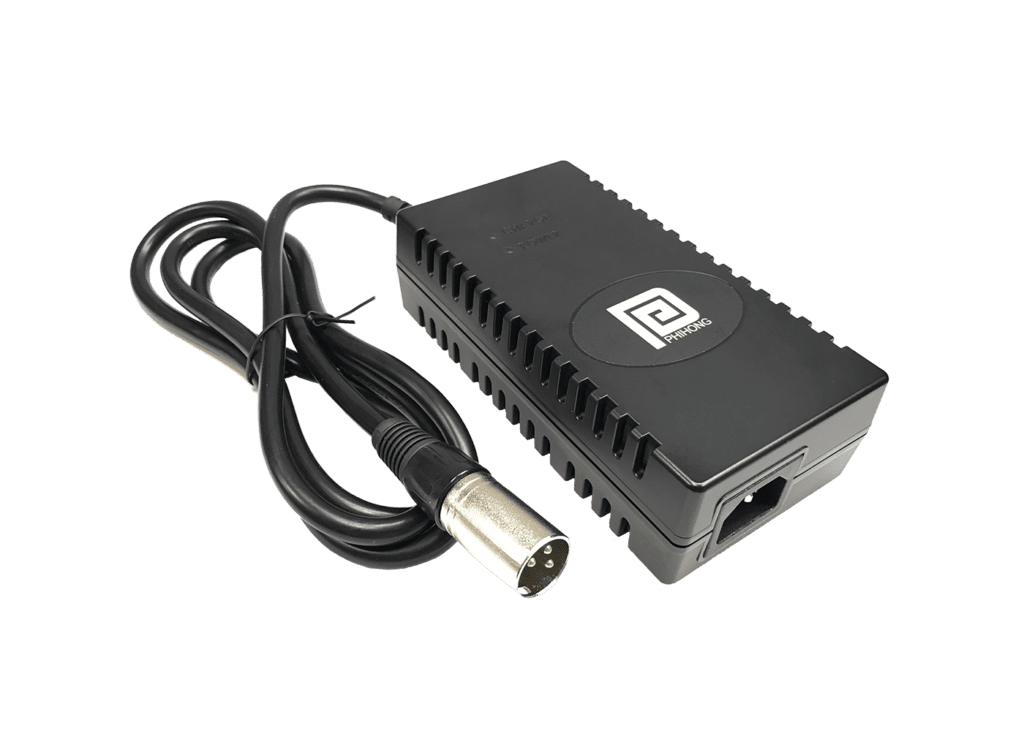
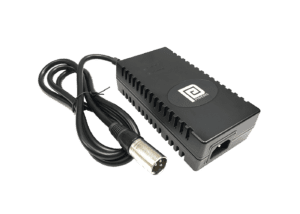
DA60U-240A-R
- Output Power - 60W
- Output Volt - 24V
- Output Current - 2.5A
- # of ports - 1
- Features - RESNA Compliant, CEC Compliant, LED Indicators Charge State, OVP, OTP, SCP, Charges AGM Batteries, Max 12hrs Charging Time
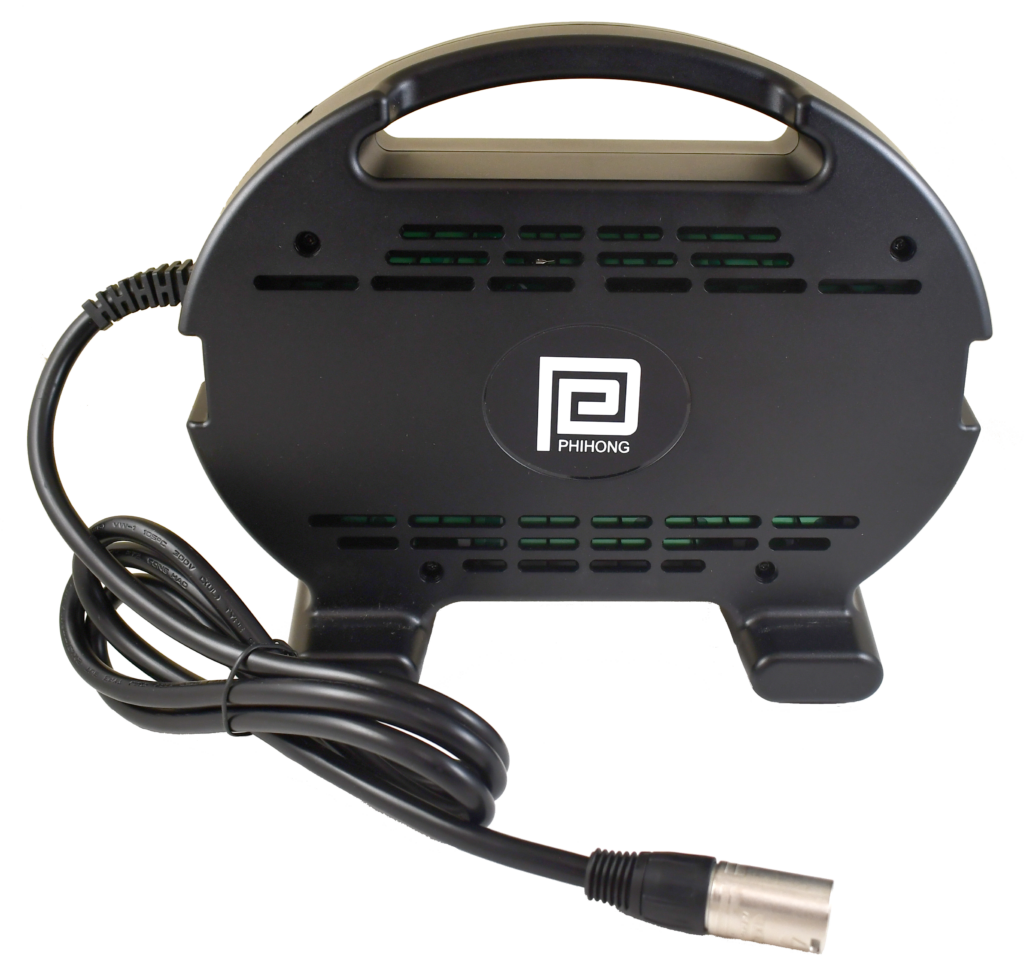
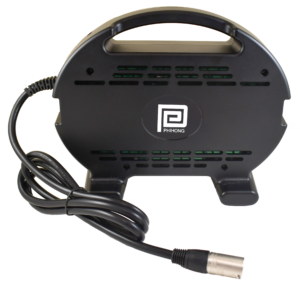
DA200U-250A-R
- Output Power - 200W
- Output Volt - 24V
- Output Current - 8A
- # of ports - 1
- Features - RESNA Compliant, CEC Compliant, LED Indicators Charge State, OVP, OTP, SCP, Dual-Mode Charger, Charges GEL or AGM batteries, Max 12hrs Charging Time
CLIENT'S QUOTE
Phihong’s custom OEM power solutions have transformed our product development, boosting performance and reducing overhead. Their expert engineering support has simplified both the design and manufacturing phases.
6. User Safety and Voltage Exposure
One of the strongest arguments for external adapters is that they keep high-voltage AC power outside the main medical device enclosure. When only low-voltage DC enters the product, the internal safety architecture can often be simpler and easier to manage. This reduces the chance of accidental technician exposure to mains voltage during service and can ease some enclosure material and barrier considerations. For lightweight plastic devices, that separation can be especially helpful.
Open-frame internal supplies bring the mains stage directly into the chassis. That means the OEM must provide proper insulation, protective spacing, secure mounting, shielding where needed, and reliable mechanical design to prevent unsafe access or fault conditions. In medical applications, those requirements are not optional and must be handled with great care. Leakage current and isolation strategy are also central concerns, especially when patient proximity is involved.
This does not mean internal designs are inherently unsafe. Many are used successfully in sophisticated medical systems every day. But it does mean that the engineering team assumes more direct responsibility for how high voltage is contained and controlled within the product. For OEMs that want to minimize that complexity or reduce internal voltage risk, external adapters are often the more straightforward path. In many cases, they provide a cleaner safety story from both a design and service perspective.
7. Moisture and Environmental Protection
Medical environments are not always electrically gentle spaces. Devices may be cleaned frequently, exposed to disinfectants, moved through humid areas, or used near fluids. If the product must meet ingress-related expectations, the power strategy becomes even more important. External adapters are generally easier to protect because they are separate finished units with their own enclosure and sealing design. The main device itself only needs to manage the DC entry point rather than the full mains power conversion stage.
An internal open-frame supply creates additional environmental design challenges. Because the PSU is exposed within the enclosure, the device may require more careful gasket design, isolated airflow strategy, conformal coating, or compartment separation to keep moisture away from critical power components. In products that must tolerate frequent wipe-downs or operate in demanding clinical conditions, this can complicate both mechanical engineering and validation.
External adapters can also be selected or replaced according to region, environment, or use case more easily than an internal mains design can be reworked. That flexibility may matter when the same base device is sold into different care settings with different environmental expectations. For OEMs designing products used in treatment rooms, emergency areas, or home environments where spills and aggressive cleaning are realistic, environmental robustness should be part of the power decision from the beginning, not an afterthought added near production.
8. Manufacturing and Assembly Efficiency
A design that looks elegant in CAD does not always translate to efficiency on the production line. Internal open-frame supplies typically require more assembly steps, including mounting hardware, internal AC wiring, connector management, routing, insulation checks, and more complex test considerations. These steps can add labor time and increase the chance of assembly variation if the process is not tightly controlled. They may also require more detailed work instructions and operator training.
External adapters simplify much of that. Because the power conversion stage is already packaged, tested, and separated from the product, final assembly of the medical device can often follow a more modular, plug-and-play model. The production team has fewer high-voltage handling concerns within the product itself, and the device enclosure may be easier to build consistently. This can improve line speed and reduce assembly risk.
It also affects manufacturing scalability. When demand rises, designs with fewer internal integration complexities may be easier to ramp. If adapter sourcing is stable and the device itself is simpler to assemble, the production organization may achieve better throughput with fewer specialized steps. For OEMs with lean internal manufacturing teams or outsourced production partners, external power can sometimes support a faster and more predictable build process. Internal power is not off the table, but the operational cost of that choice should be weighed alongside the electrical and industrial design benefits.
9. Total Cost of Ownership
It is common for sourcing teams to compare only the unit price of an open-frame supply versus an external adapter, but that narrow comparison can be misleading. An open-frame unit may have a lower component cost on paper, which initially makes it look more economical. However, once the full integration picture is considered, the numbers often become more complicated. Internal mounting, wiring, AC inlets, shielding, airflow provisions, assembly labor, and added compliance effort can all increase the true cost of the solution.
External adapters typically cost more per piece because they include a finished enclosure, cable set, strain relief, and the value of pre-packaged certification work. But those added costs often eliminate secondary expenses elsewhere in the product. Final assembly may be simpler, field replacement may be cheaper, and certification timelines may be more predictable. Over time, that can reduce the total cost of ownership, even if the adapter itself is more expensive at procurement level.
This is especially important for medical OEMs building in moderate volumes where engineering hours, service events, and launch timing have meaningful business impact. A design that is technically cheaper but slower to certify or harder to support can end up costing more overall. The right financial comparison is not just the PSU price. It is the entire system cost across design, production, service, and lifecycle risk.
10. Future-Proofing with USB-C and Standardization
The shift toward more standardized and modern power interfaces is accelerating across many electronic product categories, and medical device developers are paying attention. External adapters are often better positioned to support this trend because they can evolve more easily with interface and charging standards such as USB-C Power Delivery. That means an OEM may be able to modernize the power experience for end users without redesigning the entire internal architecture of the device.
An internal open-frame design is usually more fixed in its voltage structure and mechanical integration. Updating that type of design to support a new standard can require substantial rework at both the electrical and enclosure levels. External power gives teams more flexibility to adapt as market expectations shift toward common charging ecosystems, improved cable availability, and global convenience.
This does not mean every medical product should immediately adopt USB-C or externalized charging models. But for categories where portability, modern user expectations, or accessory compatibility matter, the external path can offer more future flexibility. OEMs that want to reduce redesign risk over the next several product generations should think carefully about how much standardization may matter in their category. In many cases, choosing a flexible external format today can help preserve strategic options tomorrow.
Choosing between open-frame and external adapters is not about picking a universally better technology. It is about understanding which architecture best supports the intended product, the development timeline, and the realities of use in the field. Internal power can deliver a polished integrated look and may suit larger stationary platforms well, but it typically asks more from the engineering team in terms of thermal planning, shielding, safety integration, and compliance management.
External adapters often reduce that burden by moving critical complexity outside the device. That can simplify certification, improve serviceability, reduce thermal stress, and support more flexible product packaging. For many OEMs, especially those designing portable or fast-to-market products, that tradeoff is extremely attractive. The strongest results usually come when this decision is made early and with a full view of design, manufacturing, service, and long-term product strategy.
Useful Links
- Explore Phihong’s power product capabilities
- Review medical power safety guidance
- Learn more about FDA medical device requirements
Related Articles
- How to Choose an Open-Frame Medical Power Supply
- How Thermal Design Affects Open-Frame Medical Power Supply Performance
- How to Design Internal Medical Power Systems
How Phihong Can Help OEMs Choose the Right Power Supply Approach
Phihong supports OEMs that need to evaluate the real tradeoffs between open-frame and external medical power solutions. That includes helping teams align their choice with product size, thermal constraints, certification goals, service expectations, and long-term manufacturing strategy. Rather than treating power as an afterthought, Phihong helps position it as a core part of successful medical device development.
With experience across medical power categories, Phihong can support projects that require efficient open-frame integration as well as those that benefit from globally deployable external adapters. This gives OEMs more flexibility when comparing compact portable products against larger stationary systems. It also helps teams reduce uncertainty when balancing compliance requirements, reliability goals, and user experience expectations.
For device makers looking to avoid redesign risk and move forward with more confidence, choosing the right power partner can make the evaluation process much smoother.
As medical products continue moving toward smaller form factors, cleaner industrial design, and more demanding compliance expectations, the decision between internal and external power will remain a major engineering checkpoint. Making that decision carefully can improve reliability, simplify development, and support a better experience for both OEM teams and end users.

CONTACT US TODAY
From concept to production, Phihong delivers custom OEM power solutions tailored to your specifications.
POE technology supports the centralization of power

AC Adapter Guide: Everything You Need to Know
Moreover, PoE technology supports the centralization of power management. By powering devices through a PoE-enabled network …
AC DC Power Chargers and How They Work: A Comprehensive Technical Breakdown
Moreover, PoE technology supports the centralization of power management. By powering devices through a PoE-enabled network …

USB-C Charger: Shaping the Future of the Tech World
Moreover, PoE technology supports the centralization of power management. By powering devices through a PoE-enabled network …

AC Adapter Guide: Everything You Need to Know
Moreover, PoE technology supports the centralization of power management. By powering devices through a PoE-enabled network …

AC DC Power Chargers and How They Work: A Comprehensive Technical Breakdown
Moreover, PoE technology supports the centralization of power management. By powering devices through a PoE-enabled network …

USB-C Charger: Shaping the Future of the Tech World
Moreover, PoE technology supports the centralization of power management. By powering devices through a PoE-enabled network …