








BLOG
What Do IP55, NEMA 3R, and IK Ratings Mean for Outdoor DC Fast Chargers?
QUICK LINKS
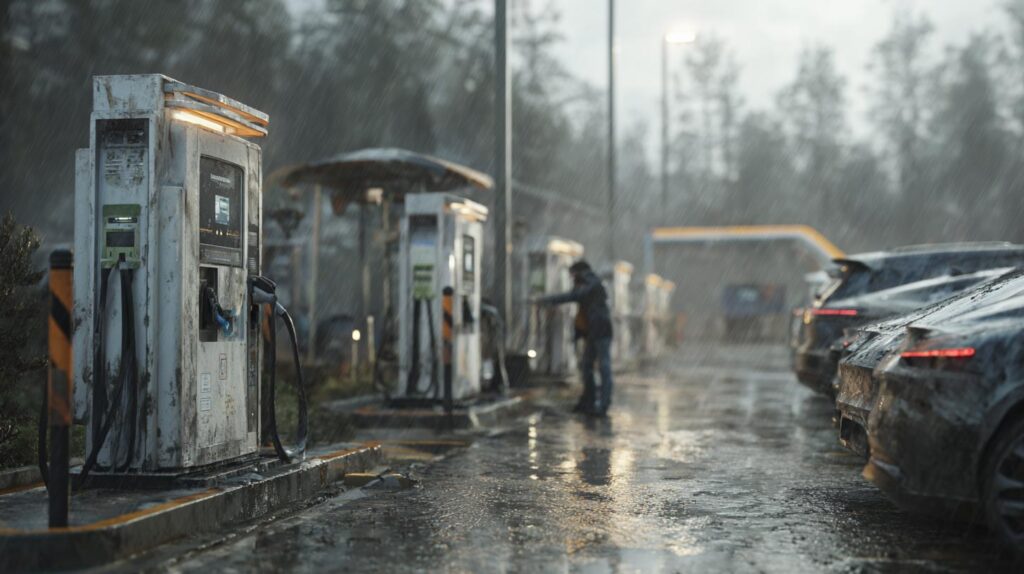
What Do IP55, NEMA 3R, and IK Ratings Actually Measure?
IP, NEMA, and IK ratings define how well outdoor DC fast chargers withstand environmental exposure and physical impact. These ratings are not interchangeable, but together they provide a comprehensive picture of enclosure durability and protection.
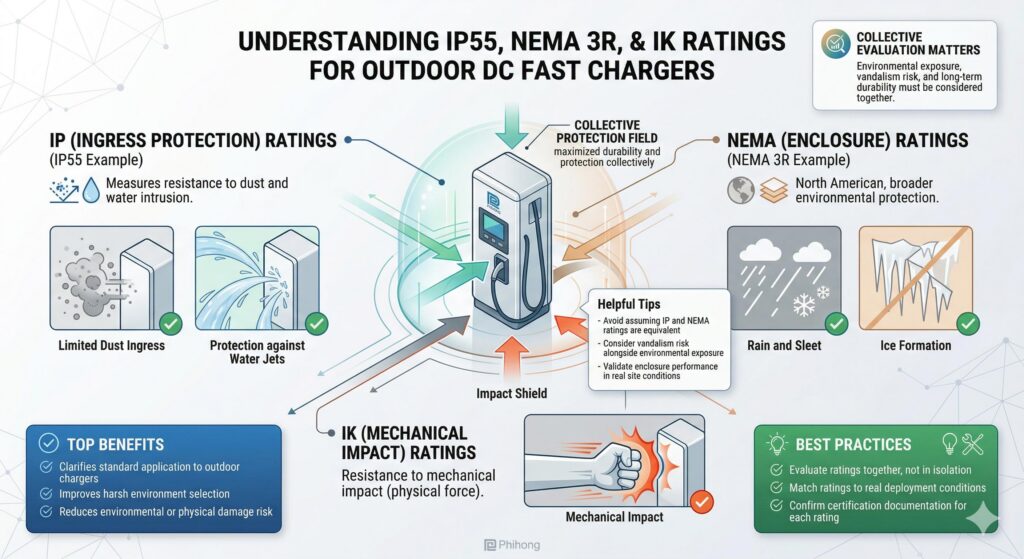
IP (Ingress Protection) ratings measure resistance to dust and water intrusion. For example, IP55 indicates limited dust ingress and protection against water jets from any direction. NEMA ratings, such as NEMA 3R, are used primarily in North America and cover broader environmental conditions including rain, sleet, and external ice formation. IK ratings measure resistance to mechanical impact, indicating how well a charger enclosure can withstand physical force.
For DC fast chargers installed outdoors, all three ratings matter. Environmental exposure, vandalism risk, and long-term durability must be considered together. OEMs and site operators should evaluate these ratings collectively rather than relying on a single specification.
FEATURED PRODUCTS
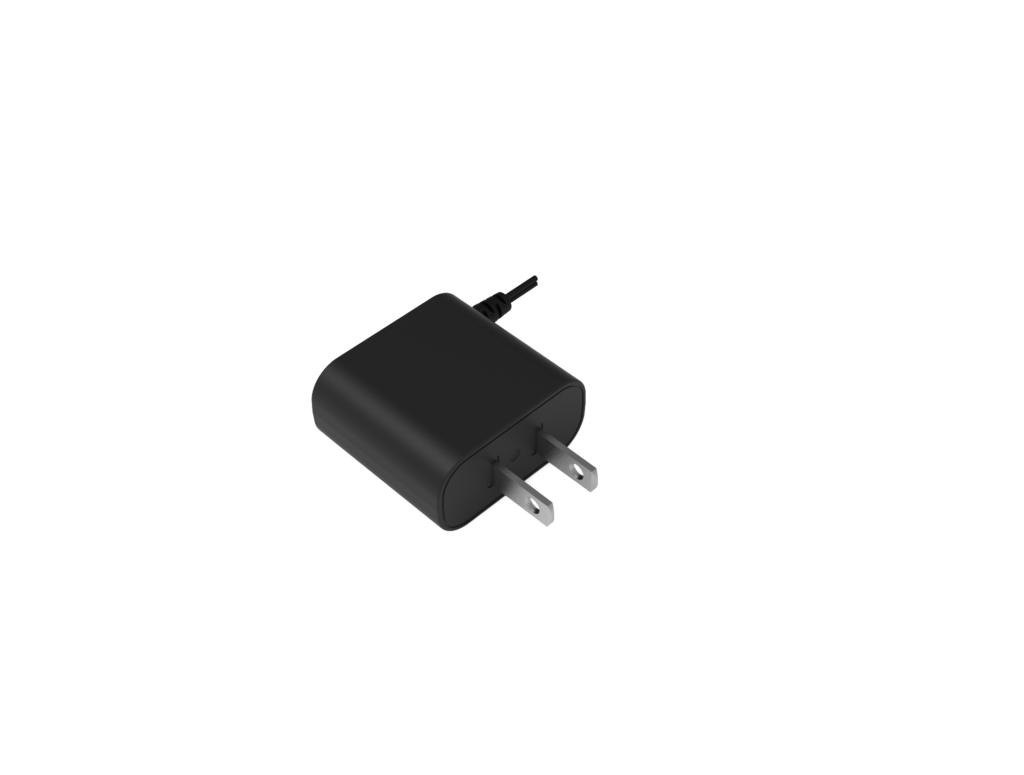
AA03A-075A-R
- Output Power - 2.75W
- Output Volt - 7.5V
- Output Current - 0.366A
- Features - Fixed Blade AC Input, Limited Power Source, Class B EMI, Level VI Efficiency, Standard Barrel Connector
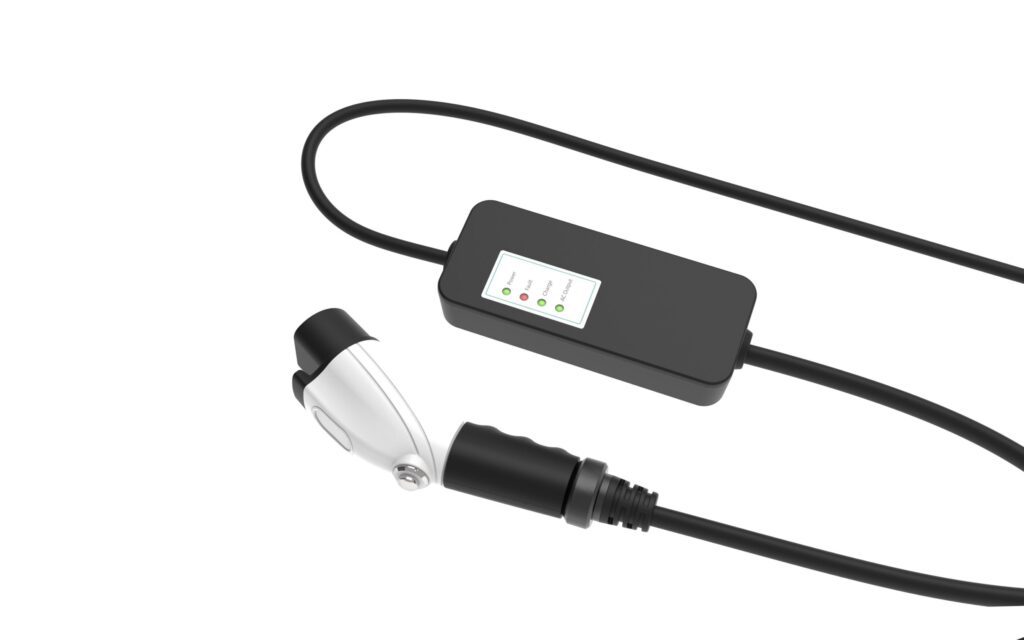
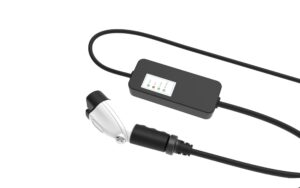
AC Series
- Output Current - 16A
- Features - Mode 2-chargers can use a circuit ranging from 8Amp to 16Amp with a local standard AC input plug installed for operation, Provides overcurrent, over voltage and short circuit protection, Protected against strong jets of water from all directions, Continuously monitors/supervises the ground connection between the AC supply and EV to ensure safe and reliable charging
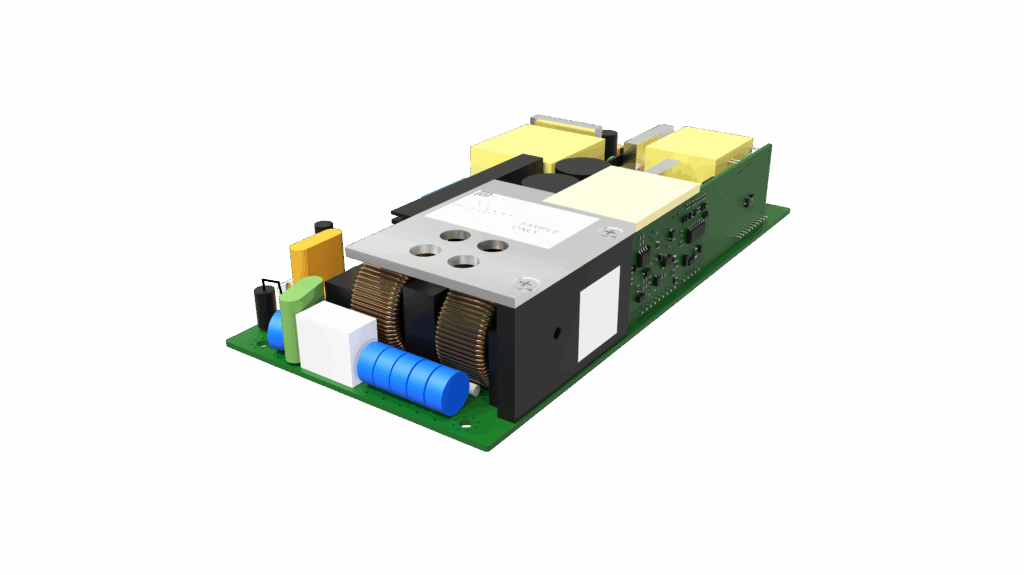
BF550-234B-R
- Output Power - 550W
- Output Volt - 12Vdc / 54.5Vdc
- Features - Universal AC Input range, Class I Design , Class B EMI , High Efficiency Performance , OVP, OCP, SCP, OTP Protections , Operating Altitude: 5,000M
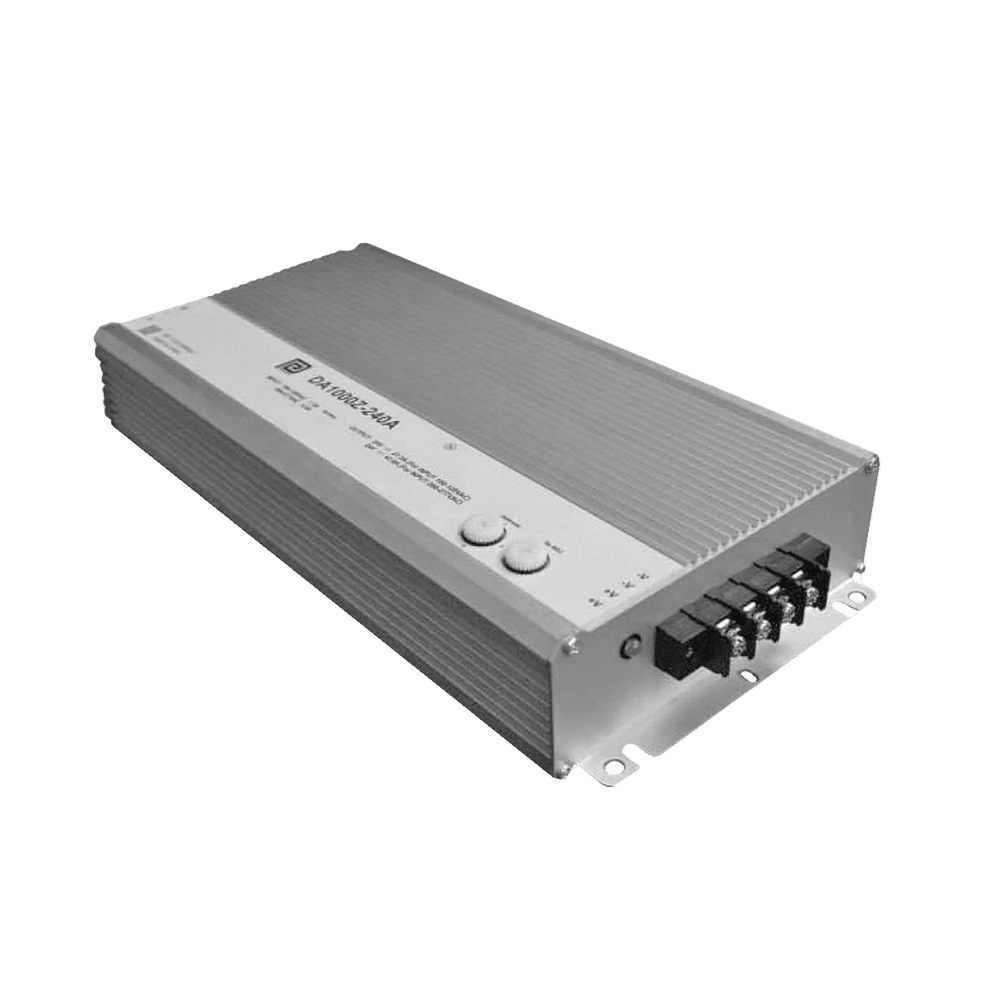
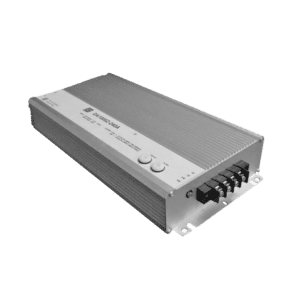
DA1000Z-240AEV-R
- Output Power - 1000W
- Output Volt - 24V
- Output Current - 42A
- Features - Extended operating temperature range of -40℃ to 70℃, Fan-less aluminum case filled with heat conductive glue, Able to withstand 10G vibration, Power on LED indicator, Short Circuit, Over Current, Over Voltage, and Over Temperature Protections, & Adjustable output through potentiomete
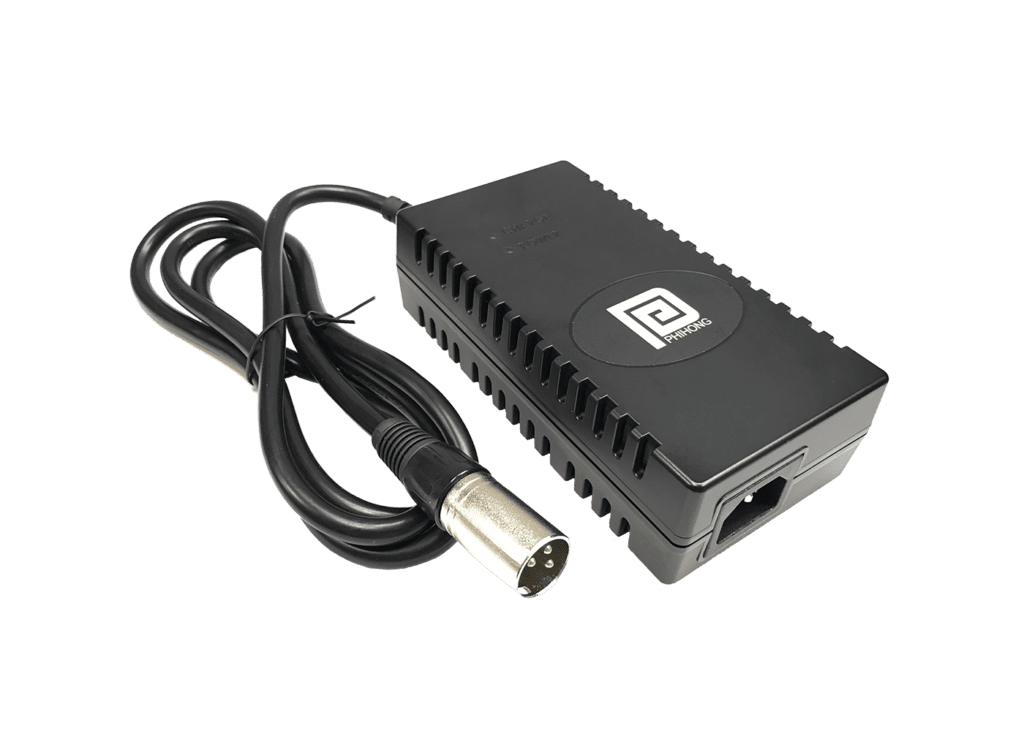
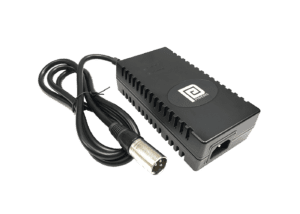
DA60U-240A-R
- Output Power - 60W
- Output Volt - 24V
- Output Current - 2.5A
- # of ports - 1
- Features - RESNA Compliant, CEC Compliant, LED Indicators Charge State, OVP, OTP, SCP, Charges AGM Batteries, Max 12hrs Charging Time
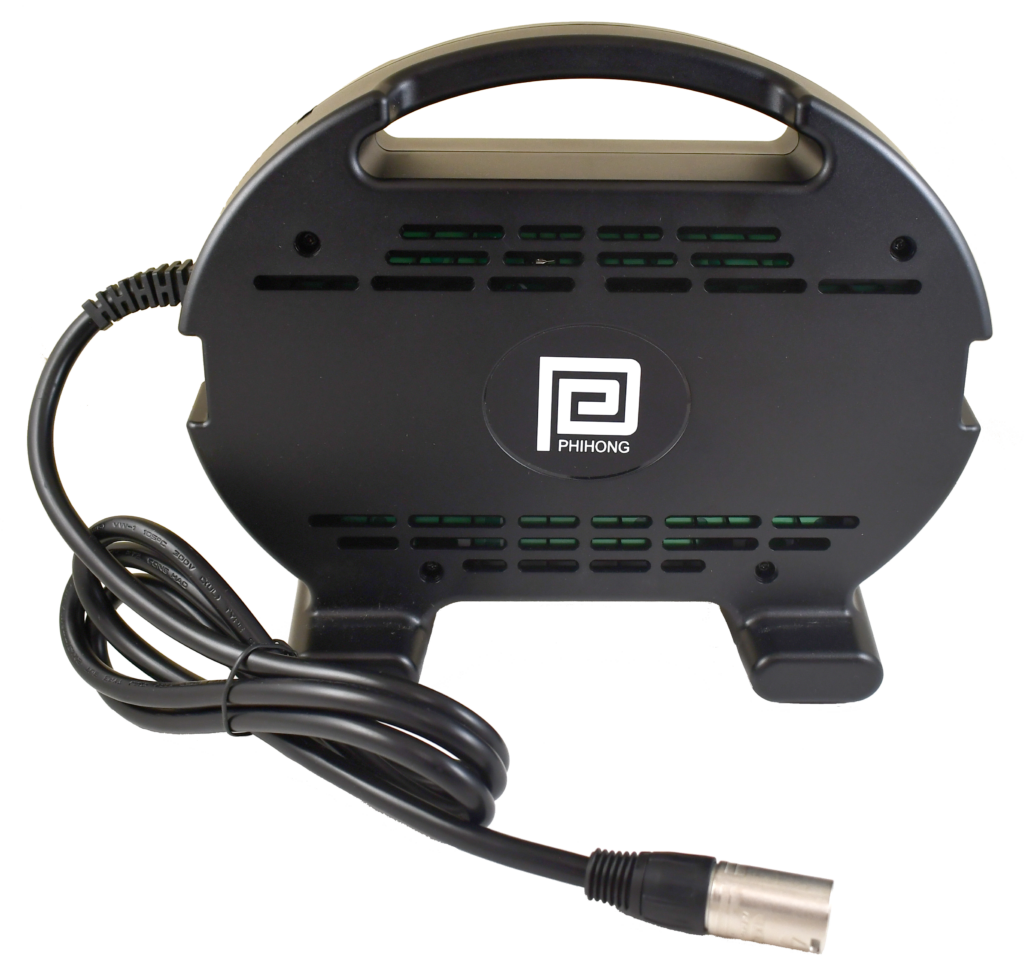
DA200U-250A-R
- Output Power - 200W
- Output Volt - 24V
- Output Current - 8A
- # of ports - 1
- Features - RESNA Compliant, CEC Compliant, LED Indicators Charge State, OVP, OTP, SCP, Dual-Mode Charger, Charges GEL or AGM batteries, Max 12hrs Charging Time
Top Benefits
• Clarifies how different protection standards apply to outdoor chargers
• Improves enclosure selection for harsh environments
• Reduces risk of environmental or physical damage
Best Practices
• Evaluate IP, NEMA, and IK ratings together, not in isolation
• Match ratings to real deployment conditions
• Confirm certification documentation for each rating
Helpful Tips
• Avoid assuming IP and NEMA ratings are equivalent
• Consider vandalism risk alongside environmental exposure
• Validate enclosure performance in real site conditions
Mini Q&A
Do IP and NEMA ratings measure the same thing?
No, they overlap but are defined differently.
Is IK rating required for all outdoor chargers?
Not required, but highly recommended in public environments.
Should all three ratings be considered together?
Yes, for complete protection assessment.
Understanding these ratings helps OEMs choose enclosures that survive real-world conditions.
(Suggested Links: EV Chargers – DS60 Series | EV Charging)
How Does IP55 Protect DC Fast Chargers from Environmental Exposure?
IP55 protection ensures that outdoor DC fast chargers can withstand common environmental conditions such as dust, rain, and water spray. The first digit “5” indicates protection against limited dust ingress, meaning that while some dust may enter, it will not interfere with operation. The second digit “5” indicates protection against water jets from any direction.
For outdoor charging installations, this level of protection is typically sufficient for controlled environments such as parking lots, commercial sites, and covered installations. However, IP55 does not guarantee full protection against heavy flooding, high-pressure washdown, or extreme weather conditions.
OEMs must evaluate whether IP55 is appropriate based on the specific deployment environment. Sites exposed to heavy rain, coastal conditions, or industrial washdown may require higher IP ratings. IP ratings should always be considered alongside enclosure design and installation practices.
Top Benefits
• Provides protection against dust and water spray
• Supports reliable operation in typical outdoor environments
• Reduces maintenance caused by environmental ingress
Best Practices
• Match IP rating to site-specific environmental conditions
• Validate sealing and gasket integrity
• Consider higher IP ratings for harsher environments
Helpful Tips
• Avoid placing chargers in areas prone to standing water
• Inspect seals during maintenance cycles
• Reassess IP needs when site conditions change
Mini Q&A
Is IP55 sufficient for all outdoor chargers?
No, it depends on environmental exposure.
Does IP55 protect against heavy rain?
Yes, but not extreme or high-pressure conditions.
Can installation affect IP performance?
Yes, improper installation can compromise sealing.
Selecting the right IP rating ensures chargers remain operational in outdoor environments.
(Suggested Links: EV Charging | Industrial Power Supplies)
What Does NEMA 3R Add Beyond IP Ratings for Outdoor Installations?
NEMA 3R provides additional environmental protection considerations beyond IP ratings, particularly for North American installations. It ensures protection against rain, sleet, and external ice formation, making it suitable for outdoor electrical equipment exposed to weather conditions.
Unlike IP ratings, NEMA classifications consider broader environmental factors and construction features. NEMA 3R enclosures are designed to prevent water accumulation and allow drainage, which is important in regions with freezing temperatures or heavy precipitation. This makes NEMA 3R a practical requirement for many outdoor DC fast charger deployments in North America.
OEMs must understand that NEMA and IP ratings are not directly equivalent. A charger may meet IP55 but not NEMA 3R requirements depending on enclosure design. For North American projects, NEMA ratings are often specified explicitly and must be validated separately.
Top Benefits
• Provides protection against rain, sleet, and ice
• Aligns with North American regulatory expectations
• Improves durability in cold and wet climates
Best Practices
• Confirm NEMA compliance for North American deployments
• Evaluate drainage and enclosure design features
• Validate performance under freezing conditions
Helpful Tips
• Do not assume IP rating satisfies NEMA requirements
• Consider regional climate when selecting enclosures
• Verify certification with suppliers
Mini Q&A
Is NEMA 3R equivalent to IP55?
No, they address different aspects of protection.
Does NEMA 3R include ice protection?
Yes, it accounts for external ice formation.
Is NEMA required outside North America?
Typically no, but it may still be used as a reference.
Understanding NEMA ratings helps OEMs meet regional deployment requirements.
(Suggested Links: EV Chargers – DS60 Series | EV Charging)
CLIENT'S QUOTE
Phihong's Power-Over-Ethernet solutions have transformed our network, boosting efficiency and reducing costs. Their seamless integration has simplified both installation and maintenance.
What Do IK Ratings Tell You About Physical Durability and Vandal Resistance?
IK ratings measure the ability of an enclosure to withstand mechanical impact, which is critical for outdoor DC fast chargers installed in public or high-traffic environments. Unlike IP and NEMA ratings, which focus on environmental protection, IK ratings quantify resistance to physical force such as accidental collisions, vandalism, or tool impact.
IK ratings range from IK00 to IK10, with higher numbers indicating greater resistance. For example, IK10 represents protection against impacts of up to 20 joules, equivalent to a heavy object strike. In real-world charging deployments, this level of protection is important in locations such as public parking areas, roadside installations, and fleet charging hubs where chargers may be exposed to frequent physical interaction.
OEMs and site operators should treat IK ratings as part of overall risk assessment. Chargers in controlled environments may require lower IK ratings, while public-facing installations benefit from higher impact resistance to reduce maintenance and replacement costs.
Top Benefits
• Improves durability in public and high-traffic environments
• Reduces damage from accidental or intentional impact
• Supports long-term reliability of outdoor installations
Best Practices
• Match IK rating to expected site exposure and usage
• Consider vandalism risk in public deployments
• Validate enclosure robustness during design reviews
Helpful Tips
• Avoid under-specifying IK ratings for urban or roadside sites
• Inspect enclosures for impact damage during maintenance
• Combine IK protection with strong mounting design
Mini Q&A
What does IK10 mean in practical terms?
It indicates resistance to high-energy impacts typical in public environments.
Are IK ratings required for all chargers?
Not always, but strongly recommended outdoors.
Can IK ratings reduce maintenance cost?
Yes, by preventing damage-related failures.
Understanding IK ratings helps OEMs protect chargers from real-world physical stress.
(Suggested Links: EV Chargers – DS60 Series | EV Charging)
How Should OEMs Combine IP, NEMA, and IK Ratings for Real Deployments?
Selecting the right combination of IP, NEMA, and IK ratings requires evaluating environmental exposure, regional requirements, and physical risk together. No single rating provides complete protection. IP ratings address dust and water, NEMA ratings address broader environmental factors, and IK ratings address impact resistance.
OEMs must consider the deployment environment holistically. For example, a roadside charger in a cold climate may require NEMA 3R for ice protection, IP55 or higher for water ingress, and IK10 for impact resistance. In contrast, a controlled commercial parking structure may require lower IK ratings but still need adequate IP protection.
The key is aligning protection levels with real site conditions rather than defaulting to a single specification. Over-specifying can increase cost unnecessarily, while under-specifying can lead to premature failure and maintenance issues.
Top Benefits
• Ensures chargers are protected against combined environmental and physical risks
• Reduces mismatch between design and deployment conditions
• Improves long-term reliability and cost control
Best Practices
• Evaluate site conditions before selecting ratings
• Combine IP, NEMA, and IK based on actual risk factors
• Validate protection levels during design and testing
Helpful Tips
• Use deployment scenarios to guide specification decisions
• Avoid assuming one rating covers all risks
• Reassess requirements for each new site type
Mini Q&A
Can one rating replace the others?
No, each rating addresses different risks.
Should ratings be standardized across all sites?
Not necessarily, requirements vary by environment.
Is over-specifying always safer?
It may increase cost without added benefit.
Combining ratings correctly ensures chargers perform reliably in real-world conditions.
(Suggested Links: EV Charging | Industrial Power Supplies)
What Real-World Deployment Factors Should Influence Rating Selection?
Real-world deployment factors such as climate, usage patterns, and site accessibility should drive rating selection for outdoor DC fast chargers. Environmental exposure varies widely between locations, from controlled commercial sites to harsh roadside or industrial environments. Understanding these differences is critical for choosing appropriate protection levels.
Climate plays a major role. Regions with heavy rainfall, snow, or dust require higher ingress protection and possibly NEMA-rated enclosures. Usage patterns also matter. High-traffic public chargers experience more physical interaction, increasing the need for higher IK ratings. Maintenance accessibility influences how quickly issues can be addressed if protection is insufficient.
OEMs and site operators should also consider lifecycle impact. Chargers are expected to operate reliably for many years, often with minimal intervention. Selecting appropriate ratings at the start reduces long-term maintenance cost and improves user satisfaction.
Top Benefits
• Aligns enclosure protection with actual deployment conditions
• Reduces long-term maintenance and failure rates
• Improves user experience and uptime
Best Practices
• Analyze climate and environmental exposure for each site
• Consider usage intensity and vandalism risk
• Plan for long-term operation and limited maintenance
Helpful Tips
• Review historical site conditions where available
• Avoid deploying identical configurations across different environments
• Include maintenance teams in planning discussions
Mini Q&A
Do all outdoor sites require the same ratings?
No, conditions vary significantly by location.
Can usage patterns affect durability needs?
Yes, high-traffic sites require stronger protection.
Should lifecycle be considered during selection?
Yes, long-term performance depends on initial choices.
Real-world factors ensure rating decisions reflect actual operating conditions.
(Suggested Links: EV Chargers – DS60 Series | EV Charging)
How Phihong Designs Outdoor DC Fast Chargers to Meet IP, NEMA, and IK Requirements
Phihong approaches enclosure protection as a system-level requirement that integrates environmental sealing, structural durability, and long-term reliability. Outdoor DC fast chargers are designed to meet appropriate IP, NEMA, and IK ratings based on real deployment conditions, not just specification targets. This ensures chargers perform reliably across diverse climates, installation types, and usage patterns.
Phihong evaluates enclosure performance under conditions that simulate rain exposure, dust ingress, temperature variation, and physical impact. Designs account for airflow, drainage, and structural reinforcement to maintain protection without compromising thermal performance. This balance is critical for high-power charging systems operating continuously in outdoor environments.
As a global manufacturer, Phihong also supports OEMs and site operators with documentation, compliance alignment, and lifecycle stability. By aligning enclosure design with real-world conditions, Phihong helps reduce maintenance costs, improve uptime, and support long-term infrastructure reliability.

FAQ
What is the difference between IP and NEMA ratings for EV chargers?
IP ratings focus on protection against dust and water ingress, while NEMA ratings cover broader environmental conditions such as rain, ice, and enclosure construction. They are not directly equivalent and must be evaluated separately.
Both are important depending on the deployment region.
Is IP55 sufficient for outdoor DC fast chargers?
IP55 is sufficient for many controlled outdoor environments, but not all. Sites exposed to heavy rain, dust, or harsh conditions may require higher IP ratings.
OEMs should match IP rating to specific deployment conditions.
Why are IK ratings important for public charging stations?
IK ratings measure impact resistance, which is critical in public environments where chargers may be exposed to accidental damage or vandalism. Higher IK ratings reduce maintenance and improve durability.
IK protection is especially important in high-traffic areas.
Can a charger meet IP and NEMA requirements but still fail in the field?
Yes. Real-world performance depends on installation quality, airflow, mounting, and maintenance. Ratings indicate capability but do not guarantee performance if integration is poor.
System-level validation is essential.
How should OEMs select the right combination of IP, NEMA, and IK ratings?
OEMs should evaluate environmental exposure, regional requirements, and physical risk together. The correct combination depends on climate, site usage, and maintenance strategy.
Selecting ratings based on real deployment conditions ensures long-term reliability.
POE technology supports the centralization of power

AC Adapter Guide: Everything You Need to Know
Moreover, PoE technology supports the centralization of power management. By powering devices through a PoE-enabled network …
AC DC Power Chargers and How They Work: A Comprehensive Technical Breakdown
Moreover, PoE technology supports the centralization of power management. By powering devices through a PoE-enabled network …

USB-C Charger: Shaping the Future of the Tech World
Moreover, PoE technology supports the centralization of power management. By powering devices through a PoE-enabled network …

AC Adapter Guide: Everything You Need to Know
Moreover, PoE technology supports the centralization of power management. By powering devices through a PoE-enabled network …

AC DC Power Chargers and How They Work: A Comprehensive Technical Breakdown
Moreover, PoE technology supports the centralization of power management. By powering devices through a PoE-enabled network …

USB-C Charger: Shaping the Future of the Tech World
Moreover, PoE technology supports the centralization of power management. By powering devices through a PoE-enabled network …