






BLOG
What Is Substantial Transformation in Electronics? A Guide for Federal Procurement
QUICK LINKS

Country of origin plays a central role in federal procurement when sourcing regulations such as the Trade Agreements Act are invoked. For manufacturers and OEM buyers in the power electronics industry, understanding how substantial transformation determines origin is critical when evaluating eligibility for federally funded projects.
Power adapters, PoE injectors, and industrial power supplies are commonly manufactured through multi-stage global production processes. Components may originate from multiple countries, subassemblies may be completed in one location, and final integration may occur elsewhere. Despite this complexity, federal sourcing frameworks focus on identifying where a product becomes a new and distinct article of commerce.
That determination hinges on the concept of substantial transformation. This article explains what substantial transformation means in electronics manufacturing, how it affects country of origin designation, and how procurement teams should approach evaluation for power supply products.
FEATURED PRODUCTS
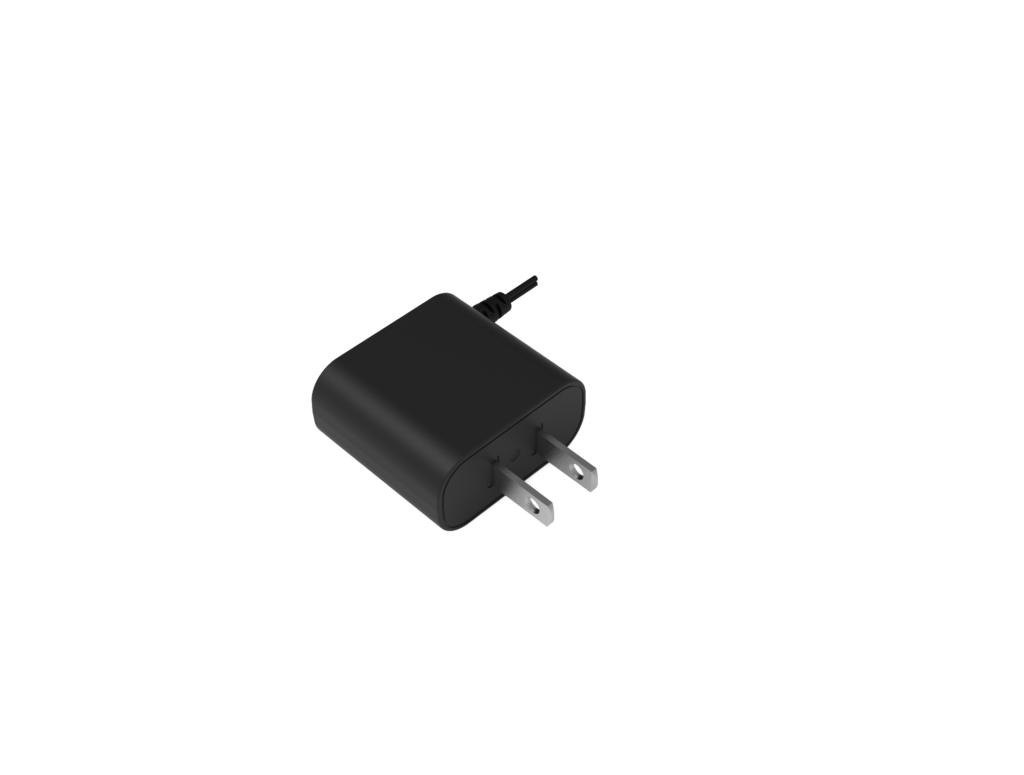
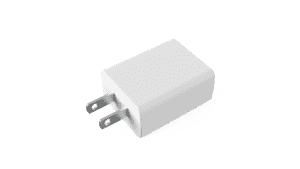
AA03A-075A-R
- Output Power - 2.75W
- Output Volt - 7.5V
- Output Current - 0.366A
- Features - Fixed Blade AC Input, Limited Power Source, Class B EMI, Level VI Efficiency, Standard Barrel Connector
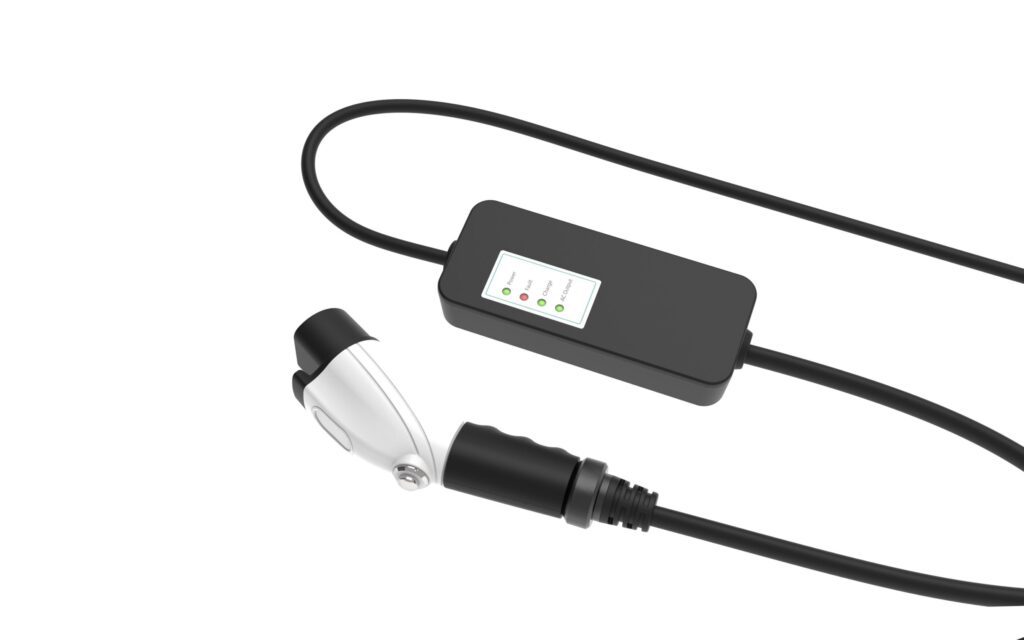
AC Series
- Output Current - 16A
- Features - Mode 2-chargers can use a circuit ranging from 8Amp to 16Amp with a local standard AC input plug installed for operation, Provides overcurrent, over voltage and short circuit protection, Protected against strong jets of water from all directions, Continuously monitors/supervises the ground connection between the AC supply and EV to ensure safe and reliable charging
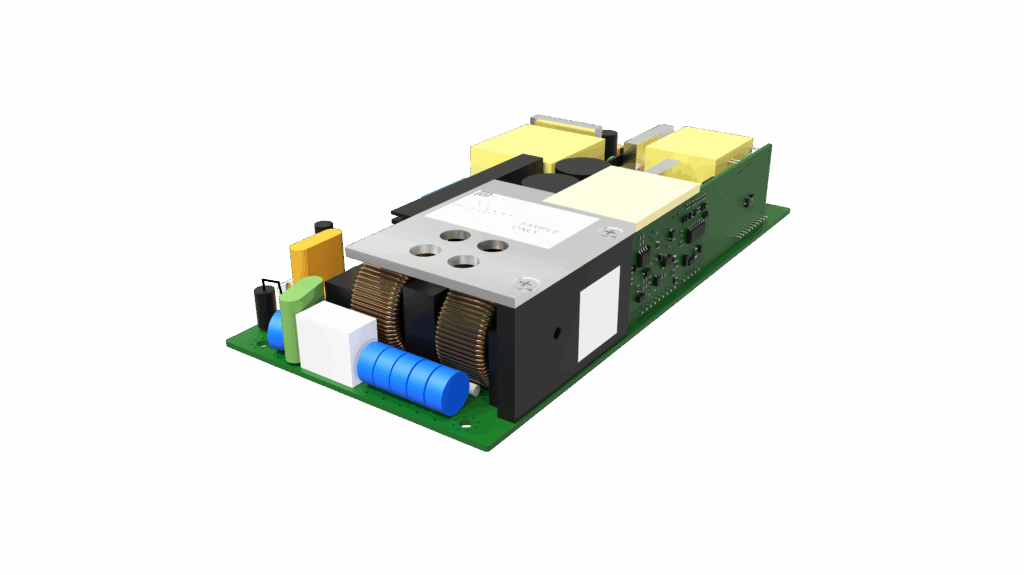
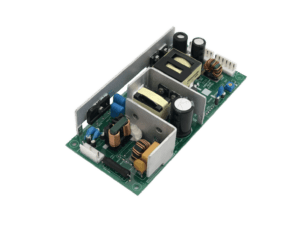
BF550-234A-R
- Output Power - 550W
- Output Volt - 12Vdc / 54.5Vdc
- Features - Universal AC Input range, Class I Design , Class B EMI , High Efficiency Performance , OVP, OCP, SCP, OTP Protections , Operating Altitude: 5,000M
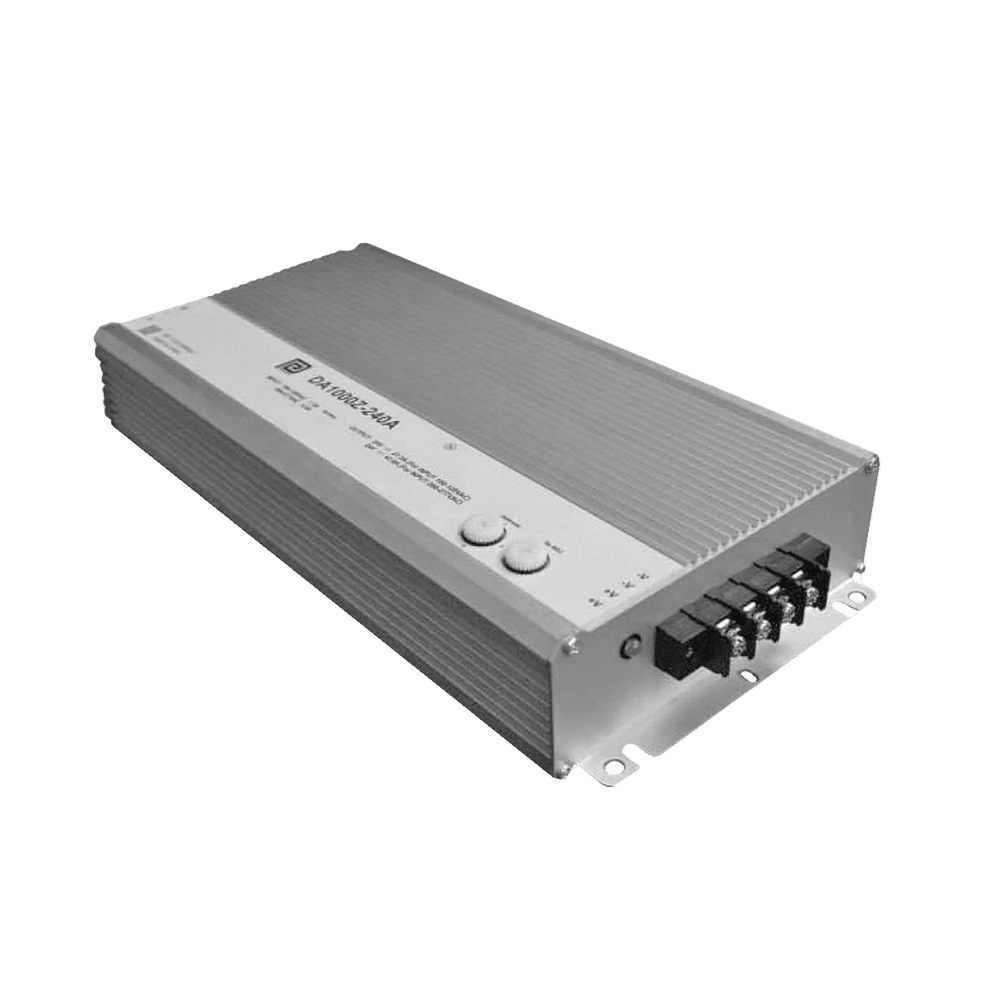
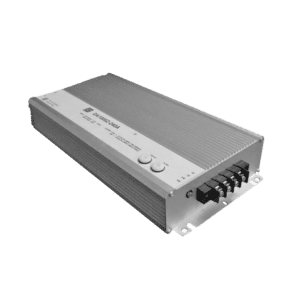
DA1000Z-240AEV-R
- Output Power - 1000W
- Output Volt - 24V
- Output Current - 1000W
- Features - Extended operating temperature range of -40℃ to 70℃, Fan-less aluminum case filled with heat conductive glue, Able to withstand 10G vibration, Power on LED indicator, Short Circuit, Over Current, Over Voltage, and Over Temperature Protections, & Adjustable output through potentiomete
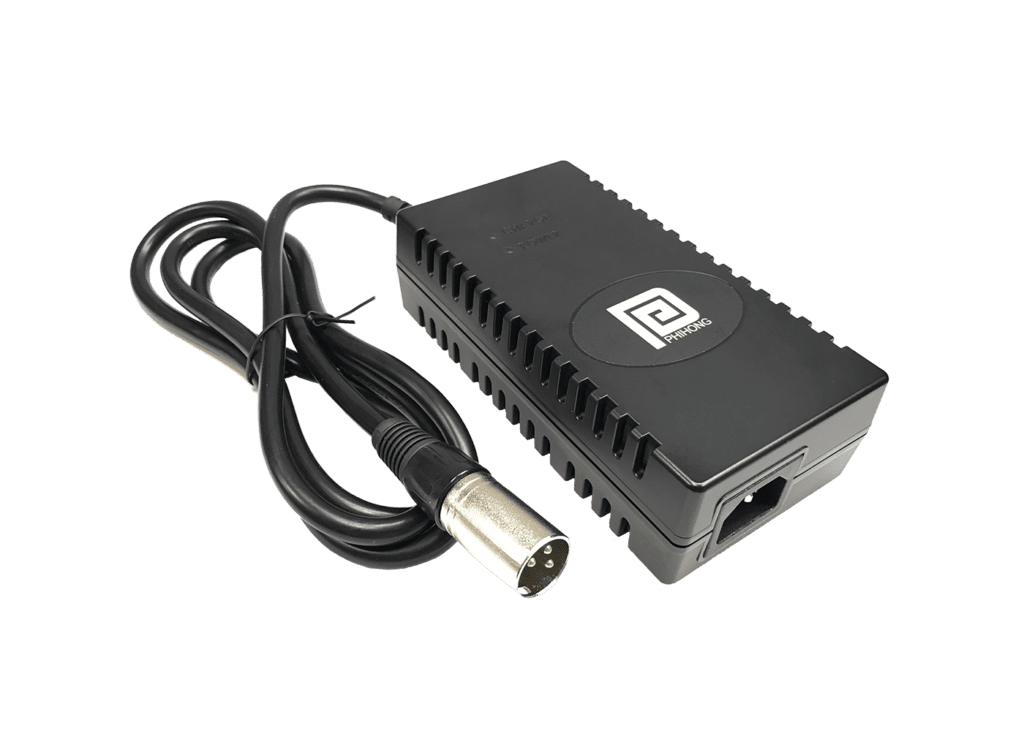
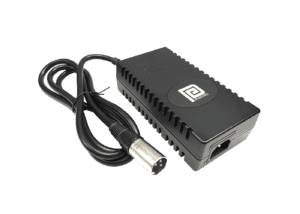
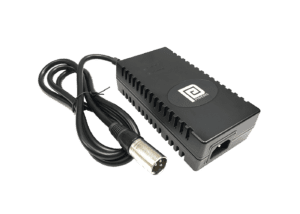
DA60U-240A-R
- Output Power - 60W
- Output Volt - 24V
- Output Current - 2.5A
- # of ports - 1
- Features - RESNA Compliant, CEC Compliant, LED Indicators Charge State, OVP, OTP, SCP, Charges AGM Batteries, Max 12hrs Charging Time
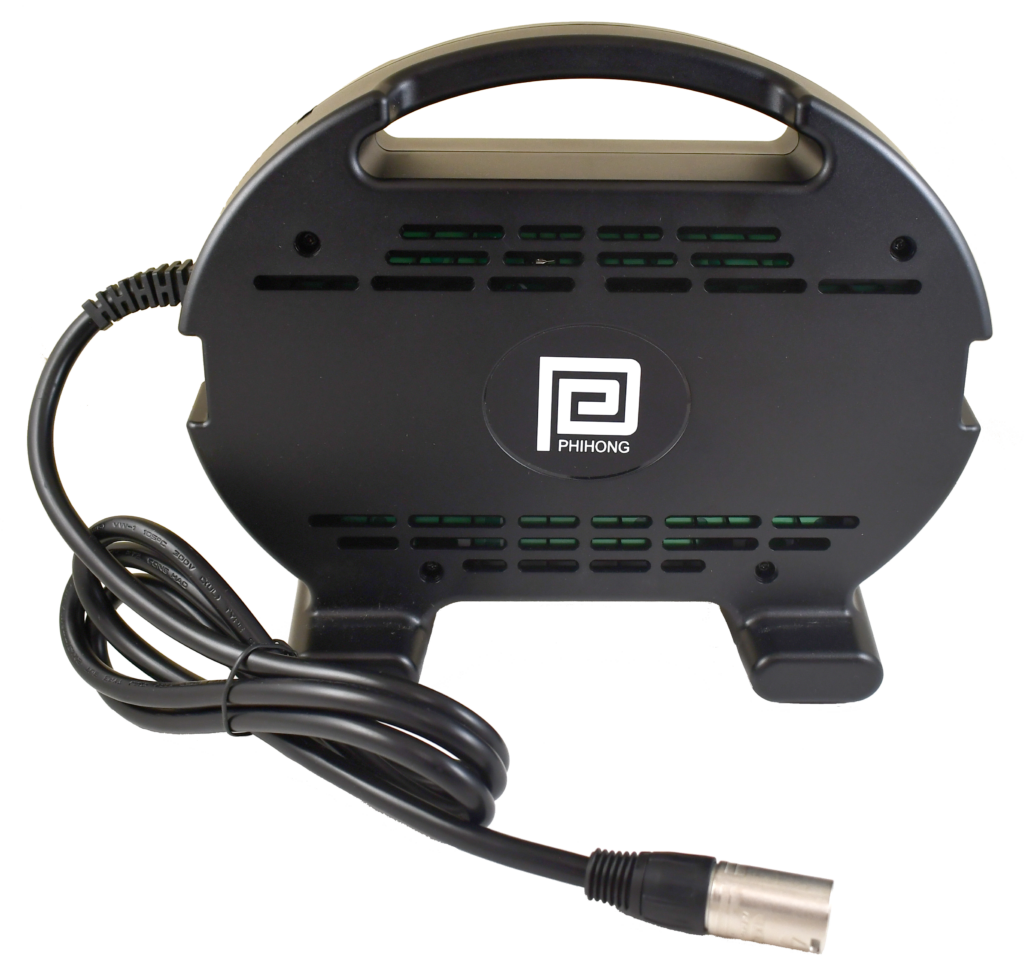
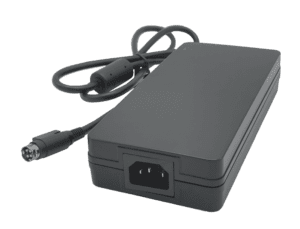
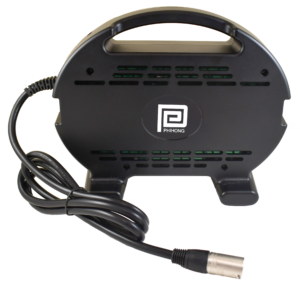
DA200U-250A-R
- Output Power - 200W
- Output Volt - 24V
- Output Current - 8A
- # of ports - 1
- Features - RESNA Compliant, CEC Compliant, LED Indicators Charge State, OVP, OTP, SCP, Dual-Mode Charger, Charges GEL or AGM batteries, Max 12hrs Charging Time
What Is Substantial Transformation in Electronics Manufacturing?
Substantial transformation refers to a manufacturing process that results in a new and distinct product with a different name, character, or use from its components. In federal sourcing discussions, this concept determines where a product is considered to originate for procurement purposes.
In electronics manufacturing, substantial transformation typically occurs during meaningful integration steps. For power supplies and PoE injectors, this may include PCB population, power conversion circuit assembly, firmware programming, calibration, enclosure integration, and final performance testing. These processes collectively give the product its functional identity.
Simply assembling parts, labeling products, or packaging finished goods generally does not meet the threshold of substantial transformation. The focus is on whether the manufacturing process fundamentally changes the nature of the product.
For manufacturers operating production facilities in designated countries such as Vietnam, substantial transformation discussions often center on whether final integration and testing stages occur within that environment. However, evaluation must always be based on documented production flow rather than assumptions.
Because power electronics products are frequently embedded in federally procured systems, clarity around substantial transformation is essential to responsible sourcing conversations.
Top Features of Substantial Transformation in Power Electronics
- Occurs when a product gains new functional identity
• Involves meaningful manufacturing steps beyond simple assembly
• May include PCB population, firmware programming, and integration
• Determined at the individual product level
Top Benefits of Understanding Transformation Principles
- Supports accurate country of origin evaluation
• Reduces confusion during procurement review
• Strengthens manufacturer credibility
• Prevents oversimplified compliance assumptions
Best Practices for Manufacturers and Buyers
- Document where functional integration occurs
• Distinguish between minor assembly and full transformation
• Align transformation analysis with contract language
• Maintain written manufacturing flow records
Clear understanding of substantial transformation ensures that country of origin discussions remain grounded in documented production processes.
How Country of Origin Is Determined for Power Supplies and PoE Equipment
Country of origin is determined by identifying where substantial transformation occurs. For power electronics, this often requires analyzing each stage of the manufacturing process to determine where the product becomes a complete and distinct article of commerce.
For example, components such as semiconductors, connectors, and transformers may be sourced globally. However, if those components are integrated onto a populated circuit board, programmed with firmware, assembled into an enclosure, and tested within a specific country, that location may influence origin determination.
Manufacturing ecosystems in Vietnam have expanded significantly in recent years, particularly in electronics assembly and integration. When final assembly and testing of power adapters or PoE injectors occur in designated countries, procurement teams may evaluate how those steps contribute to transformation under applicable federal sourcing rules.
It is important to note that origin determination is not based on corporate headquarters or sales office location. Nor is it determined solely by where components were originally manufactured. The analysis centers on the location where meaningful integration transforms the components into a finished product.
For federally influenced projects involving surveillance networks, IT infrastructure, or transportation systems, clear country of origin determination can influence eligibility review during procurement.
Top Features of Country of Origin Evaluation
- Based on substantial transformation location
• Focuses on integration and functional completion
• Determined per SKU
• Evaluated in relation to contract requirements
Top Benefits of Clear Origin Determination
- Supports federal procurement documentation
• Reduces sourcing ambiguity
• Strengthens supplier transparency
• Enhances long-term compliance stability
Best Practices for Origin Assessment
- Review detailed manufacturing flow documentation
• Confirm where firmware and final testing occur
• Avoid relying on high-level country labeling
• Re-evaluate origin if production shifts locations
Accurate country of origin determination strengthens procurement confidence and ensures alignment with contract-specific sourcing frameworks.
Why Substantial Transformation Matters in Federal Procurement Eligibility
Federal procurement frameworks such as the Trade Agreements Act rely heavily on country of origin determinations. When contracts invoke trade agreement sourcing requirements, eligibility hinges on whether the product was substantially transformed in a designated country.
For power supply manufacturers and OEM buyers, this means that understanding transformation is not merely an academic exercise. It directly affects whether a product may qualify under certain procurement vehicles.
Because power adapters and PoE injectors are frequently integrated into larger federally funded systems, origin determination can influence broader system eligibility. A sourcing misinterpretation at the component level may introduce delays or require requalification during project review.
Manufacturers with structured production capabilities in designated countries such as Vietnam are often asked to provide clarity around transformation stages when participating in government-related deployments. Clear documentation helps procurement teams evaluate eligibility without relying on assumptions.
However, substantial transformation analysis must always align with contract language. It does not operate independently of regulatory context. Careful review ensures that eligibility evaluation is accurate and contract-specific.
Top Features of Transformation in Procurement Context
- Central to TAA-related eligibility discussions
• Influences system-level procurement decisions
• Requires documented production evidence
• Evaluated alongside contract language
Top Benefits of Early Eligibility Review
- Reduces bid disqualification risk
• Prevents project delays
• Strengthens integrator confidence
• Improves sourcing accuracy
Best Practices for Procurement Teams
- Confirm regulatory applicability before evaluation
• Conduct SKU-level origin analysis
• Maintain clear transformation documentation
• Coordinate sourcing and compliance teams
Understanding substantial transformation in the context of federal procurement ensures that sourcing discussions remain precise, documented, and contract-aligned.
CLIENT'S QUOTE
Phihong's Power-Over-Ethernet solutions have transformed our network, boosting efficiency and reducing costs. Their seamless integration has simplified both installation and maintenance.
Practical Examples of Substantial Transformation in Power Electronics
Understanding substantial transformation becomes easier when applied to real manufacturing scenarios. In power electronics, the key question is whether the production process meaningfully changes components into a new and distinct finished product.
For example, consider a PoE injector composed of semiconductors, transformers, connectors, and a bare printed circuit board. When those components are populated onto a PCB, soldered, configured with firmware, integrated into a housing, and tested for electrical performance, the product gains its final functional identity. That integrated device is no longer simply a collection of parts; it becomes a functioning power conversion system.
If those integration and testing stages occur within a designated country such as Vietnam, procurement teams may evaluate that location as part of substantial transformation analysis when applicable under contract terms. However, each case must be reviewed individually.
By contrast, minor processes such as packaging, relabeling, or simple screwdriver assembly typically do not qualify as substantial transformation. The focus remains on meaningful integration and functional creation.
Top Features of Transformation Examples
• Functional integration of electronic components
• Firmware programming and configuration
• Enclosure assembly and electrical calibration
• Performance validation and testing
Top Benefits of Applying Real-World Examples
• Improves procurement understanding
• Reduces confusion during contract review
• Clarifies production-stage evaluation
• Strengthens sourcing transparency
Best Practices When Reviewing Manufacturing Scenarios
• Identify where functional identity is created
• Separate minor assembly from meaningful integration
• Confirm production documentation supports analysis
• Align evaluation with contract language
Using practical examples helps procurement teams evaluate transformation more accurately and avoid oversimplified conclusions.
Common Misinterpretations of Substantial Transformation in Electronics
Substantial transformation is often misunderstood in global electronics manufacturing. One common misinterpretation is assuming that assembling parts in a designated country automatically qualifies a product under federal sourcing rules. In reality, the nature of the manufacturing steps determines whether transformation occurs.
Another frequent misunderstanding involves component origin. Some assume that if key components originate outside a designated country, the final product cannot qualify. However, origin determination focuses on where the final meaningful transformation takes place, not solely on component sourcing.
There is also confusion between substantial transformation and domestic content calculations under the Buy American Act. These are separate analyses. A product may undergo substantial transformation in a designated country while still not meeting domestic content thresholds under BAA.
For power adapters and PoE injectors embedded within larger federal systems, these misunderstandings can create procurement delays. Clear differentiation between transformation analysis and other regulatory frameworks helps maintain accurate sourcing discussions.
Top Features of Common Misinterpretations
• Confusing minor assembly with transformation
• Overemphasizing component origin alone
• Mixing TAA and BAA terminology
• Assuming portfolio-wide compliance
Top Benefits of Clarifying Misinterpretations
• Prevents sourcing confusion
• Reduces regulatory miscommunication
• Improves bid accuracy
• Strengthens procurement discipline
Best Practices to Avoid Misinterpretation
• Review documented production steps
• Apply contract-specific regulatory analysis
• Separate terminology across compliance frameworks
• Conduct SKU-level evaluation
Clarifying transformation principles reduces risk and supports responsible compliance discussions in power electronics procurement.
How Global Supply Chains Influence Origin Determination
Global supply chains are standard in power electronics manufacturing. Semiconductors, transformers, capacitors, connectors, and other components are often sourced internationally before being integrated into finished products. This complexity does not prevent origin determination, but it does require careful documentation.
In many modern production models, meaningful integration stages such as PCB population, firmware programming, system integration, and final testing occur in centralized facilities. Countries like Vietnam have become major electronics manufacturing hubs where these integration stages are performed within controlled production environments.
When evaluating substantial transformation under federal sourcing rules, procurement teams focus on where the final functional identity of the power adapter or PoE injector is created. Component sourcing may inform supply chain transparency discussions, but origin determination centers on integration and transformation stages.
Because supply chains evolve over time, origin analysis must remain current. Production shifts, facility expansions, or process adjustments can influence documentation requirements. Maintaining updated manufacturing records supports accurate procurement evaluation.
Top Features of Global Supply Chain Evaluation
• Multi-country component sourcing is common
• Final integration location drives transformation analysis
• Documentation must reflect actual production flow
• SKU-level review remains essential
Top Benefits of Supply Chain Transparency
• Strengthens procurement confidence
• Reduces audit exposure
• Supports accurate contract alignment
• Improves long-term sourcing stability
Best Practices for Managing Supply Chain Impact
• Maintain updated production flow documentation
• Communicate facility changes proactively
• Separate component sourcing review from transformation analysis
• Reconfirm origin determination when processes shift
Clear visibility into global supply chains ensures that country of origin discussions remain grounded in documented integration processes.
How Phihong Supports Structured Manufacturing Transparency
Evaluating substantial transformation requires clear insight into production workflows and integration stages. For power electronics manufacturers, transparency in manufacturing processes becomes essential when participating in government-influenced projects.
Phihong operates established manufacturing capabilities in Vietnam, a designated country recognized under U.S. trade agreements. Within these production environments, structured PCB assembly, system integration, firmware configuration, and final testing processes are conducted under defined quality management systems.
While regulatory applicability always depends on contract language and product-level review, access to documented production flow information simplifies procurement discussions. For OEM partners evaluating power adapters, PoE injectors, or industrial power supplies for federally influenced deployments, structured manufacturing transparency supports responsible origin evaluation.
Phihong’s emphasis on documented production practices and supply chain visibility enables sourcing conversations grounded in traceable processes rather than generalized claims.
Organizations evaluating power equipment for federal projects are encouraged to engage directly with Phihong’s team to review manufacturing documentation and discuss project-specific sourcing considerations.

FEATURED RESOURCE
Phihong's Power-Over-Ethernet solutions have transformed our network, boosting efficiency and reducing costs.
FAQ
What qualifies as substantial transformation in power electronics?
Substantial transformation occurs when manufacturing processes result in a new and distinct article of commerce with a different name, character, or use. In power electronics, this typically involves meaningful integration stages such as PCB population, firmware programming, enclosure integration, and final electrical testing.
Minor processes such as labeling or packaging do not generally qualify. The key factor is whether the manufacturing activity creates the functional identity of the finished product. Procurement teams reviewing origin determination should evaluate documented production flow and confirm where integration stages occur before making sourcing decisions.
Does component origin determine country of origin?
Component origin alone does not determine country of origin. In global electronics manufacturing, components are often sourced internationally. Origin determination under substantial transformation analysis focuses on where those components are meaningfully integrated into a finished product.
If PCB population, firmware configuration, and final testing occur in a specific location, that location may influence origin determination. Procurement teams should review documented production steps to understand how integration creates the final product identity.
How does substantial transformation affect TAA eligibility?
When TAA is invoked in a contract, country of origin determined through substantial transformation analysis becomes central to eligibility. If transformation occurs in a designated country under U.S. trade agreements, that location may influence eligibility under the specific contract.
However, TAA applies only when specified in contract language. Procurement teams must confirm applicability before conducting transformation analysis. Clear documentation supports responsible sourcing discussions.
Why is SKU-level evaluation important in transformation analysis?
Manufacturing processes may vary between product lines, even within the same facility. A power adapter and a PoE injector may undergo different integration stages. Because substantial transformation is evaluated at the product level, SKU-specific review ensures accurate origin determination.
Portfolio-wide assumptions can introduce risk. Procurement teams should review production flow documentation for each SKU considered in federal projects.
How often should origin determination be reviewed?
Origin determination should be reviewed whenever production flow changes. Facility expansions, process adjustments, firmware updates, or supplier shifts may influence transformation analysis. Periodic review ensures documentation remains accurate and aligned with actual production practices.
Maintaining updated records supports audit readiness and responsible procurement decision-making.
POE technology supports the centralization of power

AC Adapter Guide: Everything You Need to Know
Moreover, PoE technology supports the centralization of power management. By powering devices through a PoE-enabled network …
AC DC Power Chargers and How They Work: A Comprehensive Technical Breakdown
Moreover, PoE technology supports the centralization of power management. By powering devices through a PoE-enabled network …

USB-C Charger: Shaping the Future of the Tech World
Moreover, PoE technology supports the centralization of power management. By powering devices through a PoE-enabled network …

AC Adapter Guide: Everything You Need to Know
Moreover, PoE technology supports the centralization of power management. By powering devices through a PoE-enabled network …

AC DC Power Chargers and How They Work: A Comprehensive Technical Breakdown
Moreover, PoE technology supports the centralization of power management. By powering devices through a PoE-enabled network …

USB-C Charger: Shaping the Future of the Tech World
Moreover, PoE technology supports the centralization of power management. By powering devices through a PoE-enabled network …