













BLOG
What the 2026 Supply Chain Reset Means for Power Supply Manufacturing and OEM Strategy
QUICK LINKS

Why Is 2026 Being Described as a “Supply Chain Reset” for Power Supply Manufacturing?
The year 2026 is being described as a supply chain reset because multiple structural changes are converging at the same time. Tariff shifts, geopolitical realignment, regional manufacturing expansion, and demand from sectors such as AI and EV are collectively reshaping how power supplies are sourced and produced. These changes are not incremental. They represent a reconfiguration of long-standing supply chain assumptions.
For power supply manufacturing, the impact is amplified. Power supplies depend on tightly coordinated global component networks, including semiconductors, magnetics, and passive components. When these networks shift, the effects cascade across cost, availability, and compliance. OEMs are finding that legacy sourcing models built on stability and scale are no longer sufficient.
FEATURED PRODUCTS
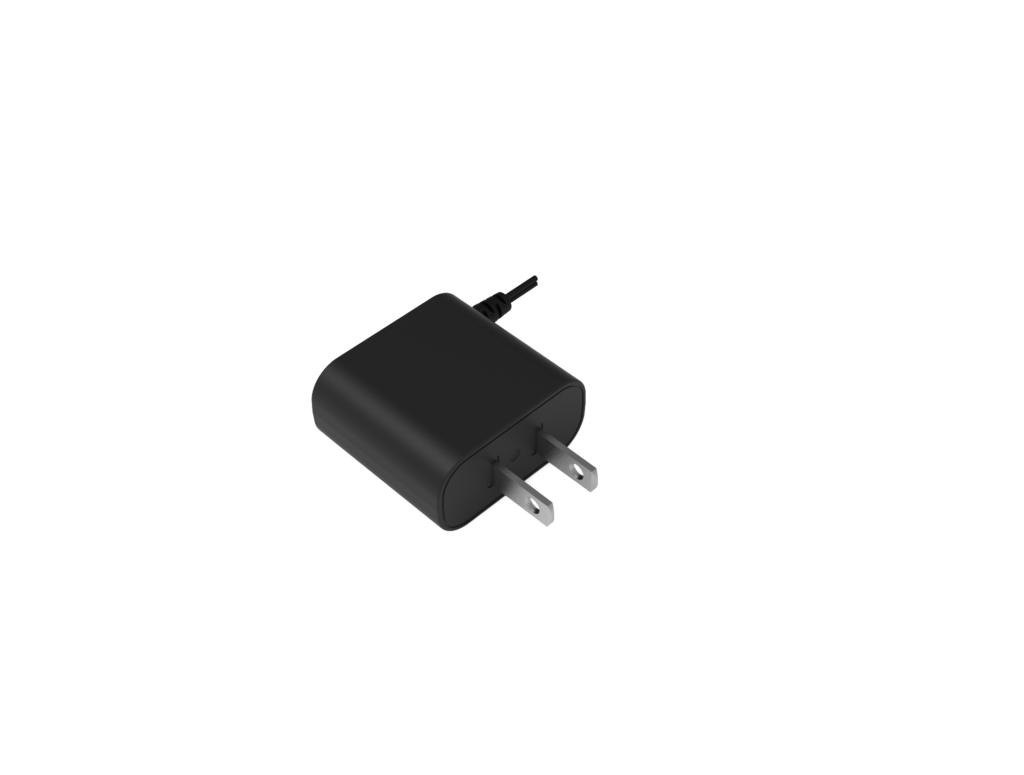
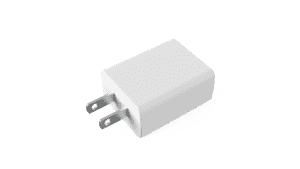
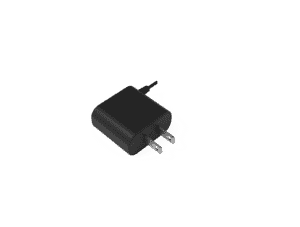
AA03A-075A-R
- Output Power - 2.75W
- Output Volt - 7.5V
- Output Current - 0.366A
- Features - Fixed Blade AC Input, Limited Power Source, Class B EMI, Level VI Efficiency, Standard Barrel Connector
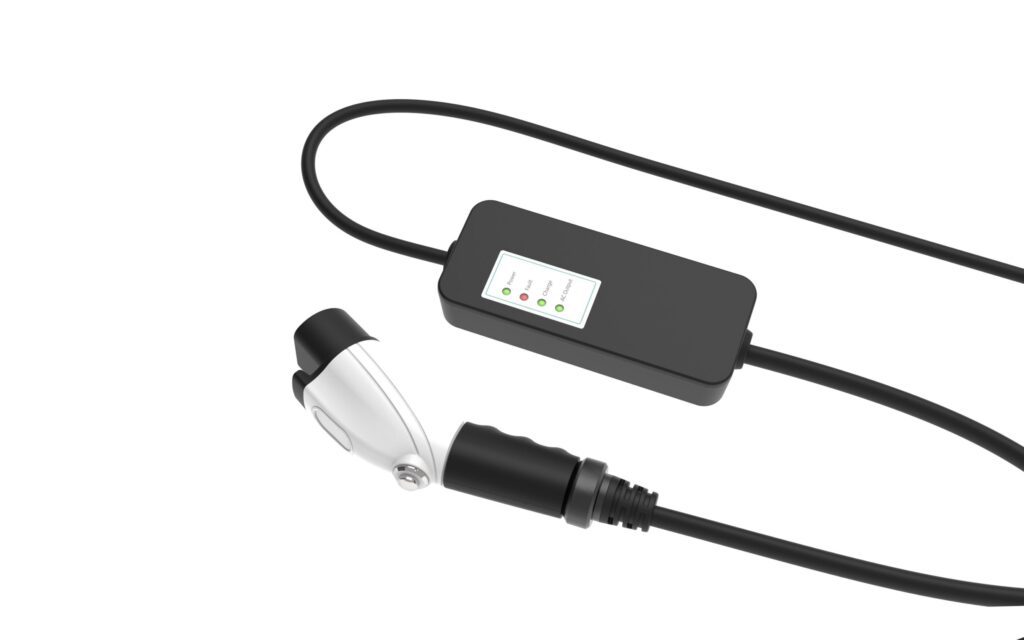
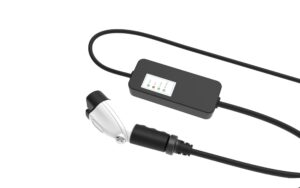
AC Series
- Output Current - 16A
- Features - Mode 2-chargers can use a circuit ranging from 8Amp to 16Amp with a local standard AC input plug installed for operation, Provides overcurrent, over voltage and short circuit protection, Protected against strong jets of water from all directions, Continuously monitors/supervises the ground connection between the AC supply and EV to ensure safe and reliable charging
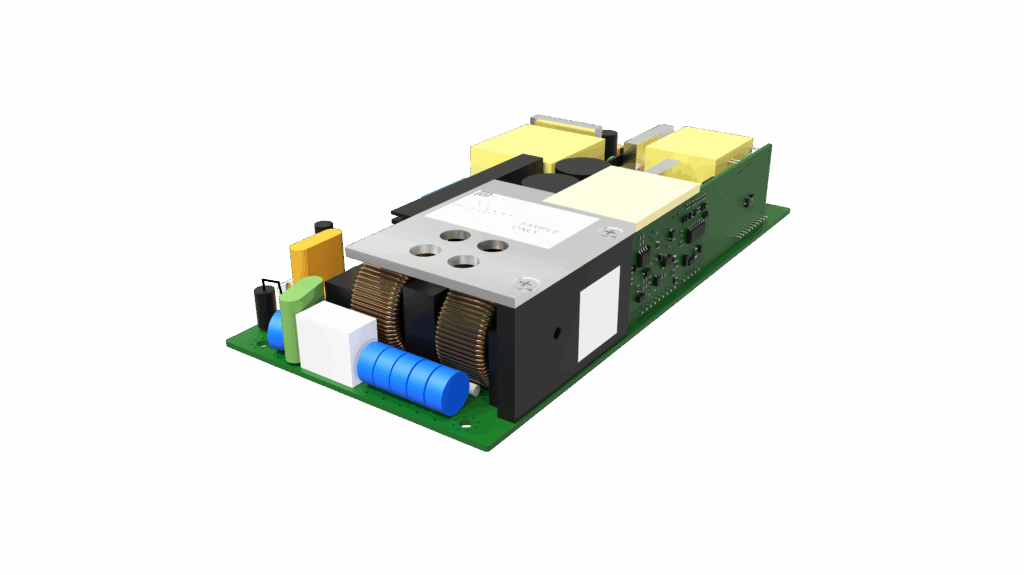
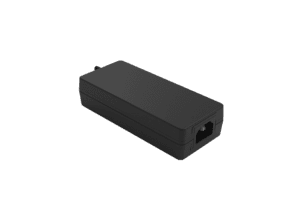
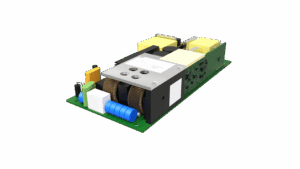
BF550-234B-R
- Output Power - 550W
- Output Volt - 12Vdc / 54.5Vdc
- Features - Universal AC Input range, Class I Design , Class B EMI , High Efficiency Performance , OVP, OCP, SCP, OTP Protections , Operating Altitude: 5,000M
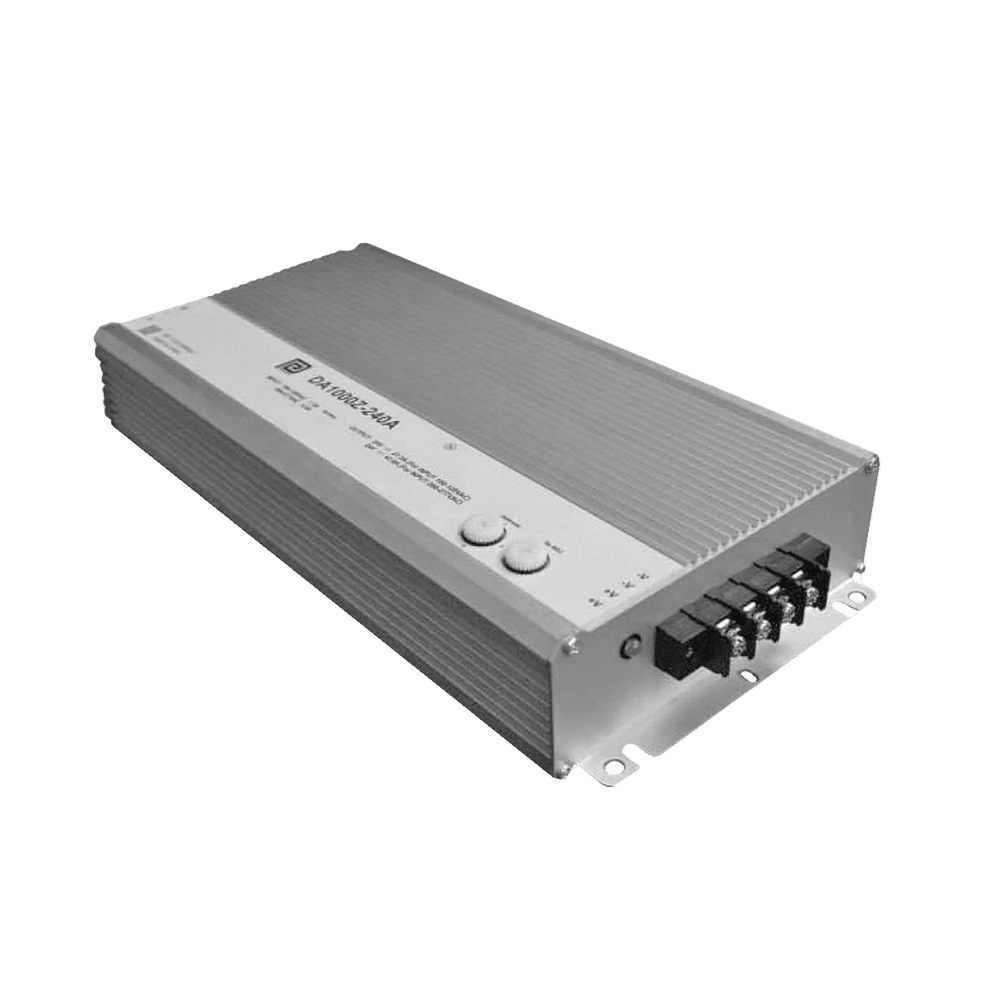
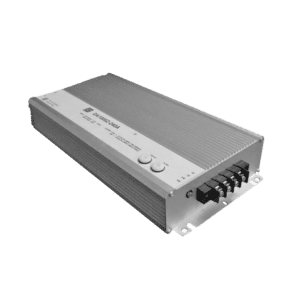
DA1000Z-240AEV-R
- Output Power - 1000W
- Output Volt - 24V
- Output Current - 42A
- Features - Extended operating temperature range of -40℃ to 70℃, Fan-less aluminum case filled with heat conductive glue, Able to withstand 10G vibration, Power on LED indicator, Short Circuit, Over Current, Over Voltage, and Over Temperature Protections, & Adjustable output through potentiomete
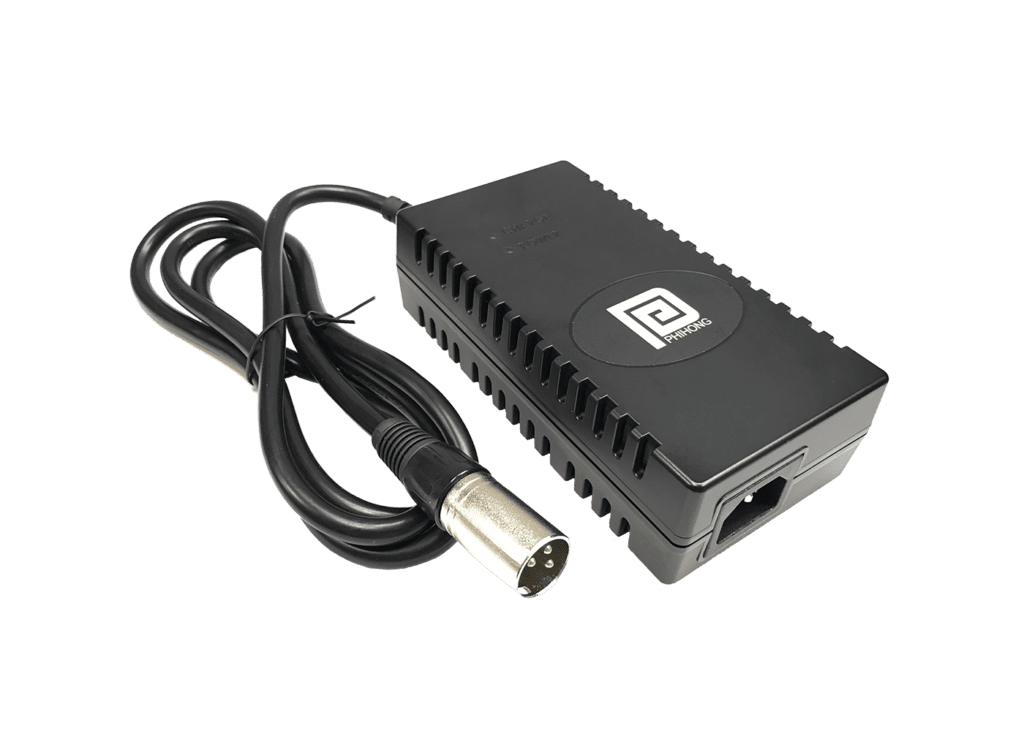
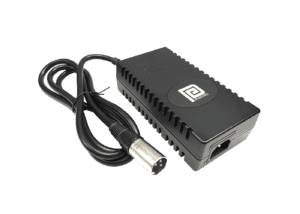
DA60U-240A-R
- Output Power - 60W
- Output Volt - 24V
- Output Current - 2.5A
- # of ports - 1
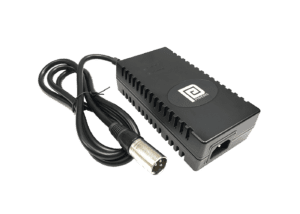
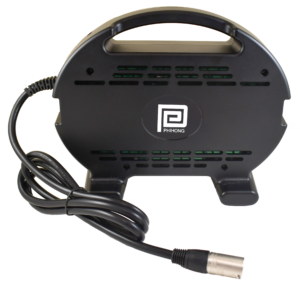
- Features - RESNA Compliant, CEC Compliant, LED Indicators Charge State, OVP, OTP, SCP, Charges AGM Batteries, Max 12hrs Charging Time

DA200U-250A-R
- Output Power - 200W
- Output Volt - 24V
- Output Current - 8A
- # of ports - 1
- Features - RESNA Compliant, CEC Compliant, LED Indicators Charge State, OVP, OTP, SCP, Dual-Mode Charger, Charges GEL or AGM batteries, Max 12hrs Charging Time
The reset is not temporary. It reflects a long-term transition toward distributed manufacturing, higher transparency, and greater emphasis on resilience over efficiency.
Why This Matters
• Existing supply chain assumptions are becoming outdated
• Power supply production is highly sensitive to global shifts
• OEM strategy must adapt to structural change, not short-term disruption
What’s Driving This Shift
• Global tariff realignment and trade policy changes
• Rapid demand growth from AI, EV, and industrial sectors
• Movement toward regionalized and diversified manufacturing
What OEMs Should Do Now
• Reevaluate long-term sourcing and manufacturing assumptions
• Identify dependencies on legacy supply chain structures
• Begin aligning product strategy with evolving global conditions
Mini Q&A
Why is 2026 considered a turning point?
Because multiple global shifts are converging simultaneously.
Is this reset temporary?
No, it reflects long-term structural change.
Are power supplies more affected than other components?
Yes, due to their complex global sourcing dependencies.
The supply chain reset is not an event. It is a shift in how manufacturing decisions are made.
How Is Power Supply Manufacturing Changing as a Result of This Reset?
Power supply manufacturing is moving away from centralized production models toward distributed, multi-region strategies. Instead of relying heavily on a single manufacturing hub, OEMs are expanding into regions such as Vietnam, Mexico, and Southeast Asia to balance risk and maintain flexibility.
This shift is changing how production is structured. Manufacturing is no longer optimized solely for scale and cost, but also for adaptability and continuity. Facilities are being evaluated based on their ability to support multi-region coordination, consistent quality, and compliance across different markets.
OEMs are also redefining supplier expectations. Manufacturers are now expected to provide not only production capacity but also supply chain visibility, lifecycle stability, and the ability to adapt to changing sourcing conditions.
Why This Matters
• Manufacturing models are shifting from centralized to distributed
• Flexibility is becoming as important as efficiency
• Supplier expectations are expanding beyond production
What’s Driving This Shift
• Need to reduce single-region dependency
• Growth of alternative manufacturing ecosystems
• Increasing importance of resilience in sourcing decisions
What OEMs Should Do Now
• Evaluate manufacturing partners across multiple regions
• Align production strategy with long-term flexibility
• Prioritize suppliers with transparent and adaptable operations
Mini Q&A
Is centralized manufacturing still viable?
Yes, but it carries higher risk.
Why are OEMs diversifying production locations?
To reduce dependency and improve resilience.
Do suppliers need to offer more than manufacturing?
Yes, visibility and adaptability are now critical.
Manufacturing is evolving from a location decision into a strategic capability.
What Does This Reset Mean for OEM Decision-Making and Product Strategy?
The supply chain reset is forcing OEMs to integrate sourcing, manufacturing, and design decisions more closely than ever before. Power supply selection is no longer based solely on performance and cost. It now includes considerations such as manufacturing flexibility, component availability, and long-term lifecycle support.
This shift requires cross-functional alignment. Engineering, procurement, and operations must work together to ensure that product designs support evolving supply chain realities. Decisions made early in design now have long-term implications for manufacturing strategy and risk exposure.
OEMs are also moving toward proactive planning. Instead of reacting to disruptions, they are building strategies that anticipate change and allow for adaptation. This approach reduces the likelihood of costly redesigns and production interruptions.
Why This Matters
• Product design is now directly linked to supply chain strategy
• Early decisions have long-term manufacturing impact
• Cross-functional alignment is critical for success
What’s Driving This Shift
• Increased complexity in global supply chains
• Need for proactive rather than reactive planning
• Growing importance of lifecycle and resilience considerations
What OEMs Should Do Now
• Integrate supply chain considerations into product design
• Align engineering and procurement from the start
• Build flexibility into power supply architectures
Mini Q&A
Is product design now influenced by supply chain factors?
Yes, more than ever before.
Do OEM teams need to collaborate more closely?
Yes, cross-functional alignment is essential.
Can proactive planning reduce risk?
Yes, it minimizes disruption and redesign.
OEM strategy is shifting from optimization to adaptability.
CLIENT'S QUOTE
Phihong's Power-Over-Ethernet solutions have transformed our network, boosting efficiency and reducing costs. Their seamless integration has simplified both installation and maintenance.
How Are Tariffs and Regional Shifts Accelerating the Supply Chain Reset?
Tariffs are acting as a catalyst for the supply chain reset by forcing OEMs to reconsider long-standing manufacturing structures. Instead of optimizing for cost within a single region, OEMs are now evaluating how tariffs affect total cost, compliance, and long-term viability. This is accelerating the shift toward diversified manufacturing.
Regional shifts, particularly toward Southeast Asia and North America, are reshaping how power supply manufacturing is distributed. Vietnam and Mexico are becoming key components of this strategy, each offering advantages in trade positioning and logistics. These shifts are not isolated decisions but part of a broader restructuring of global production.
Tariffs also introduce unpredictability. Changes can occur quickly, making it difficult for OEMs to rely on static strategies. This reinforces the need for flexibility and forward planning in manufacturing decisions.
Why This Matters
• Tariffs directly influence manufacturing location and cost
• Regional shifts affect long-term production strategy
• Unpredictability increases the need for flexibility
What’s Driving This Shift
• Ongoing changes in global trade policies
• OEM demand for tariff-resilient supply chains
• Expansion of alternative manufacturing regions
What OEMs Should Do Now
• Incorporate tariff scenarios into manufacturing planning
• Evaluate regional options based on long-term strategy
• Avoid reliance on fixed, single-region models
Mini Q&A
Do tariffs permanently change supply chains?
They often trigger long-term structural shifts.
Are regional shifts driven only by cost?
No, risk and compliance are major factors.
Can OEMs avoid tariff risk entirely?
No, but they can reduce exposure.
Tariffs are reshaping manufacturing strategy faster than traditional planning cycles.
What New Risks Are Emerging in Power Supply Manufacturing After the Reset?
The supply chain reset is introducing new risks even as it mitigates old ones. While diversification reduces dependency on a single region, it also increases operational complexity. Managing multiple manufacturing locations requires coordination across quality, logistics, and compliance processes.
Supplier maturity is another emerging risk. New regions may not yet have the same depth of sub-tier suppliers or infrastructure, which can affect consistency and scalability. OEMs must validate these capabilities rather than assume equivalence.
Visibility remains a challenge. As supply chains become more distributed, tracking components and managing compliance across regions becomes more complex. Without strong processes, OEMs may face new forms of disruption.
Why This Matters
• Diversification introduces operational complexity
• New regions may present capability gaps
• Visibility challenges can create hidden risks
What’s Driving This Shift
• Expansion into emerging manufacturing regions
• Increasing complexity of global supply chains
• Need to balance resilience with operational control
What OEMs Should Do Now
• Strengthen cross-region coordination processes
• Validate supplier capability in new regions
• Invest in supply chain visibility tools
Mini Q&A
Does diversification eliminate risk?
No, it redistributes and changes risk.
Are new regions always equivalent to established ones?
No, capability varies significantly.
Is visibility harder in multi-region supply chains?
Yes, it requires stronger tracking systems.
New strategies reduce some risks while introducing others that must be managed.
How Should OEMs Position Their Power Supply Strategy for the Post-Reset Era?
In the post-reset era, OEMs must position their power supply strategy around adaptability rather than stability. This means designing products and sourcing strategies that can evolve with changing global conditions. Power supply design, manufacturing, and procurement must be aligned from the beginning.
Future-ready strategies emphasize flexibility in both design and production. Power supplies should support multiple manufacturing locations, alternate components, and evolving compliance requirements. This allows OEMs to respond to changes without major disruption.
OEMs must also adopt continuous evaluation. Supply chain conditions will continue to evolve, and strategies must be adjusted accordingly. Those who treat this as an ongoing process will be better positioned to maintain stability and competitiveness.
Why This Matters
• Defines long-term competitiveness in manufacturing
• Reduces impact of future disruptions
• Aligns strategy with evolving global conditions
What’s Driving This Shift
• Continued uncertainty in global trade and supply chains
• Increasing importance of flexibility in design and sourcing
• Rapid evolution of manufacturing ecosystems
What OEMs Should Do Now
• Design power supplies for multi-region production
• Align sourcing strategy with long-term resilience goals
• Establish continuous review and adjustment processes
Mini Q&A
Is stability still achievable in supply chains?
Not fully, adaptability is now more important.
Can OEMs future-proof their strategy?
They can reduce risk but not eliminate it.
Should strategies be static or dynamic?
Dynamic strategies are essential.
The post-reset era rewards OEMs that design for change, not just efficiency.
How Phihong Supports OEMs Navigating the 2026 Supply Chain Reset
Phihong supports OEMs by aligning power supply manufacturing with evolving global supply chain dynamics rather than fixed regional strategies. By maintaining diversified production capabilities and consistent quality systems across regions, Phihong enables OEMs to adapt manufacturing approaches without compromising product performance or compliance.
Power supply designs are developed with flexibility and lifecycle continuity in mind, allowing OEMs to respond to changes in tariffs, sourcing, and regional manufacturing conditions. This includes validation across multiple production environments and support for controlled component substitution without impacting system behavior.
Phihong also emphasizes transparency and long-term collaboration. By providing visibility into manufacturing capabilities, documentation continuity, and engineering support, OEMs can make informed decisions and maintain stability as supply chains continue to evolve.
Why This Matters
• Supports consistent performance across changing manufacturing strategies
• Reduces disruption during supply chain transitions
• Enables OEMs to adapt without redesign
What’s Driving This Shift
• OEM demand for flexible and resilient manufacturing partners
• Increasing complexity of global supply chains
• Need for long-term alignment between design and sourcing
What OEMs Should Do Now
• Prioritize partners with multi-region manufacturing capabilities
• Align power supply design with flexible production strategies
• Build long-term supplier relationships focused on adaptability
Phihong’s approach helps OEMs navigate structural change with stability and confidence.

FEATURED RESOURCE
Phihong's Power-Over-Ethernet solutions have transformed our network, boosting efficiency and reducing costs.
FAQ
What is meant by the “2026 supply chain reset”?
The term refers to a structural shift in global manufacturing driven by tariffs, regionalization, and increased demand from sectors like AI and EV. It represents a long-term change rather than a temporary disruption.
OEMs must adapt strategies accordingly.
Why are power supplies particularly affected by supply chain changes?
Power supplies rely on multi-tier global sourcing and strict compliance requirements. This makes them sensitive to disruptions at any level of the supply chain.
Their complexity increases exposure to change.
How should OEMs respond to the supply chain reset?
OEMs should adopt multi-region manufacturing, design for flexibility, and align procurement with engineering. Proactive planning helps reduce risk.
Waiting to react increases cost and disruption.
Will global supply chains stabilize after 2026?
Stability may improve, but volatility is likely to remain a factor. OEMs should plan for continued change rather than expecting a return to previous conditions.
Adaptability is key.
What is the biggest shift in OEM strategy due to this reset?
The biggest shift is moving from cost optimization to resilience and flexibility. Manufacturing and design decisions are now closely linked to supply chain strategy.
This represents a fundamental change in approach.
POE technology supports the centralization of power

AC Adapter Guide: Everything You Need to Know
Moreover, PoE technology supports the centralization of power management. By powering devices through a PoE-enabled network …
AC DC Power Chargers and How They Work: A Comprehensive Technical Breakdown
Moreover, PoE technology supports the centralization of power management. By powering devices through a PoE-enabled network …

USB-C Charger: Shaping the Future of the Tech World
Moreover, PoE technology supports the centralization of power management. By powering devices through a PoE-enabled network …

AC Adapter Guide: Everything You Need to Know
Moreover, PoE technology supports the centralization of power management. By powering devices through a PoE-enabled network …

AC DC Power Chargers and How They Work: A Comprehensive Technical Breakdown
Moreover, PoE technology supports the centralization of power management. By powering devices through a PoE-enabled network …

USB-C Charger: Shaping the Future of the Tech World
Moreover, PoE technology supports the centralization of power management. By powering devices through a PoE-enabled network …