












BLOG
Why is the Industry Moving Power Supply Manufacturing to Vietnam in 2026?
QUICK LINKS
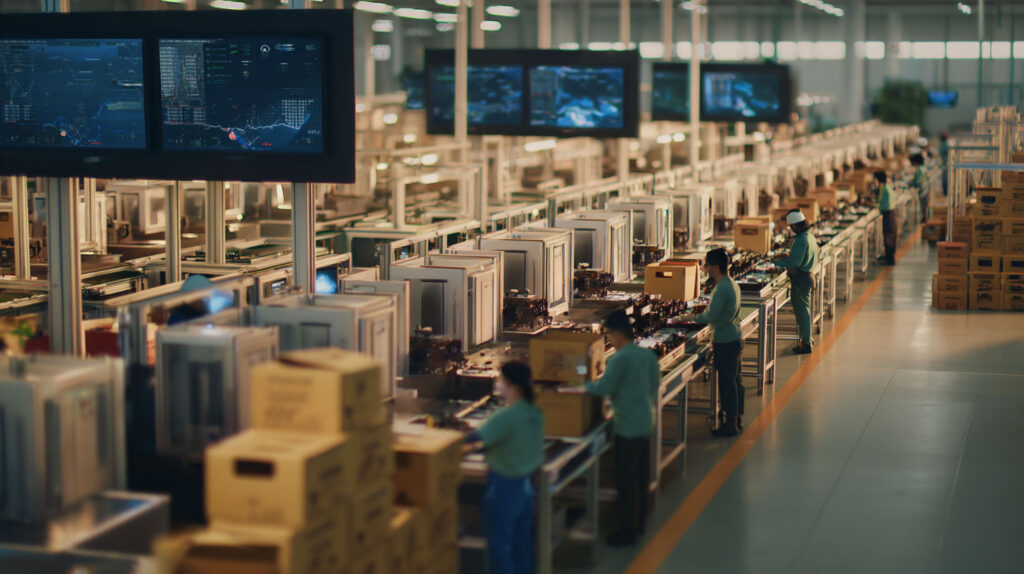
Why Is Power Supply Manufacturing Shifting Away from Traditional Regions?
Power supply manufacturing is shifting away from traditional regions because OEMs are facing increasing pressure from tariffs, geopolitical risk, and supply chain instability. For years, many electronics manufacturers relied heavily on concentrated production hubs, but that model is becoming less viable as trade policies evolve and cost volatility increases.
As tariffs target specific countries and regions, OEMs are being forced to reconsider where their products are built. Power supplies, which depend on multi-tier component sourcing and complex assembly, are especially sensitive to these shifts. Manufacturing concentration now represents a risk rather than an efficiency advantage.
The move is not purely reactive. OEMs are proactively diversifying manufacturing to reduce dependency on any single region and to create more flexible, resilient supply chains that can adapt to future disruptions.
FEATURED PRODUCTS
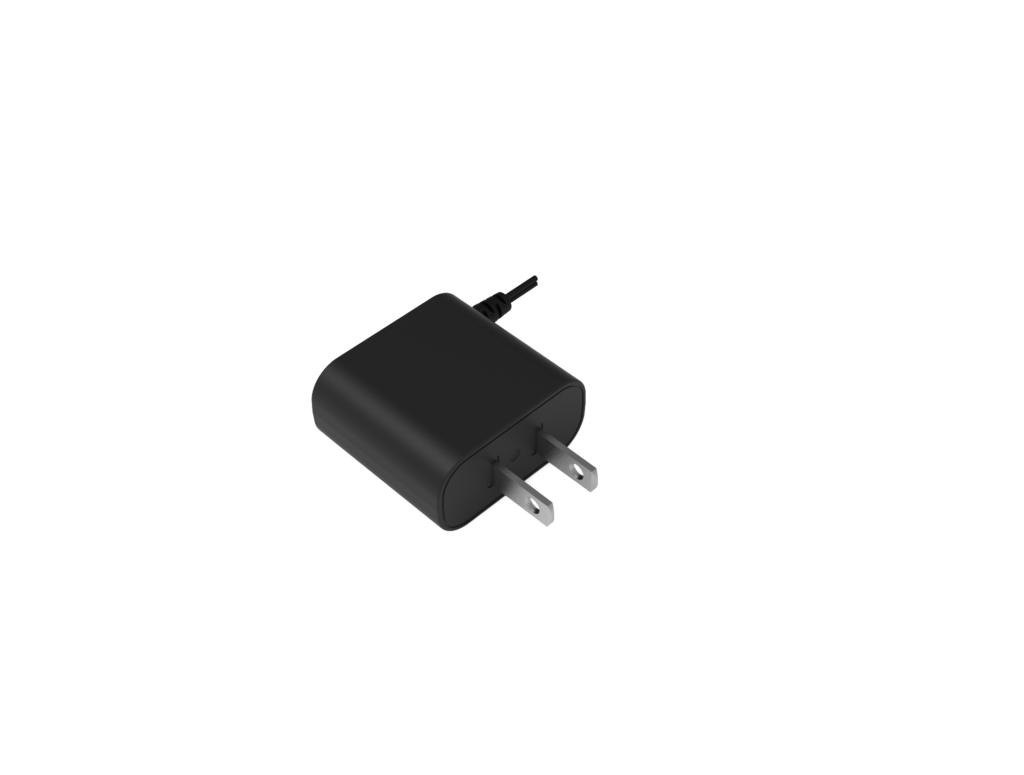
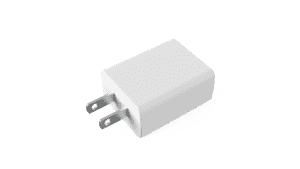
AA03A-075A-R
- Output Power - 2.75W
- Output Volt - 7.5V
- Output Current - 0.366A
- Features - Fixed Blade AC Input, Limited Power Source, Class B EMI, Level VI Efficiency, Standard Barrel Connector
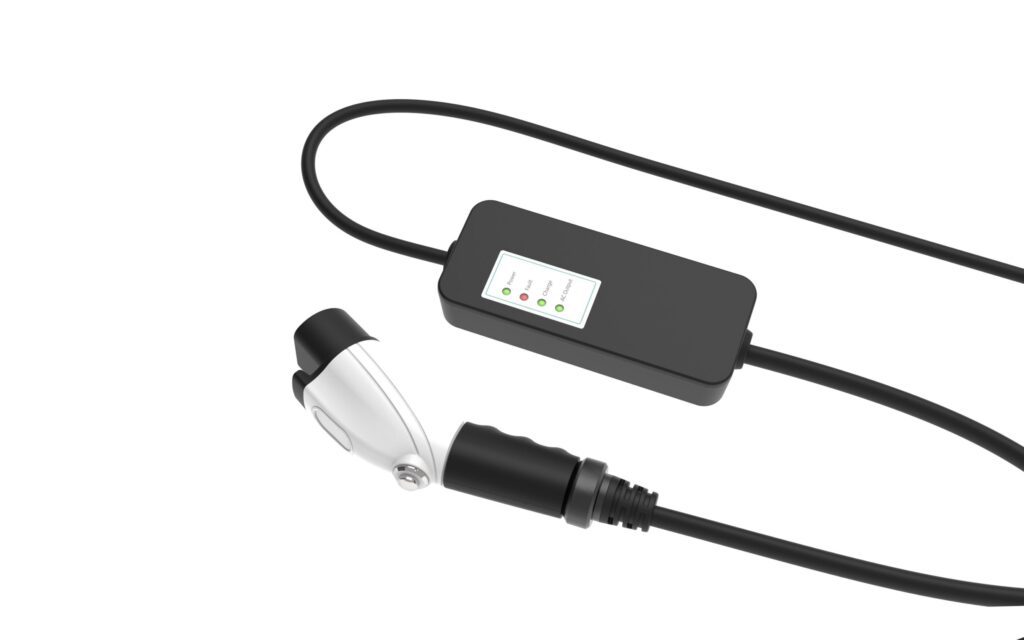
AC Series
- Output Current - 16A
- Features - Mode 2-chargers can use a circuit ranging from 8Amp to 16Amp with a local standard AC input plug installed for operation, Provides overcurrent, over voltage and short circuit protection, Protected against strong jets of water from all directions, Continuously monitors/supervises the ground connection between the AC supply and EV to ensure safe and reliable charging
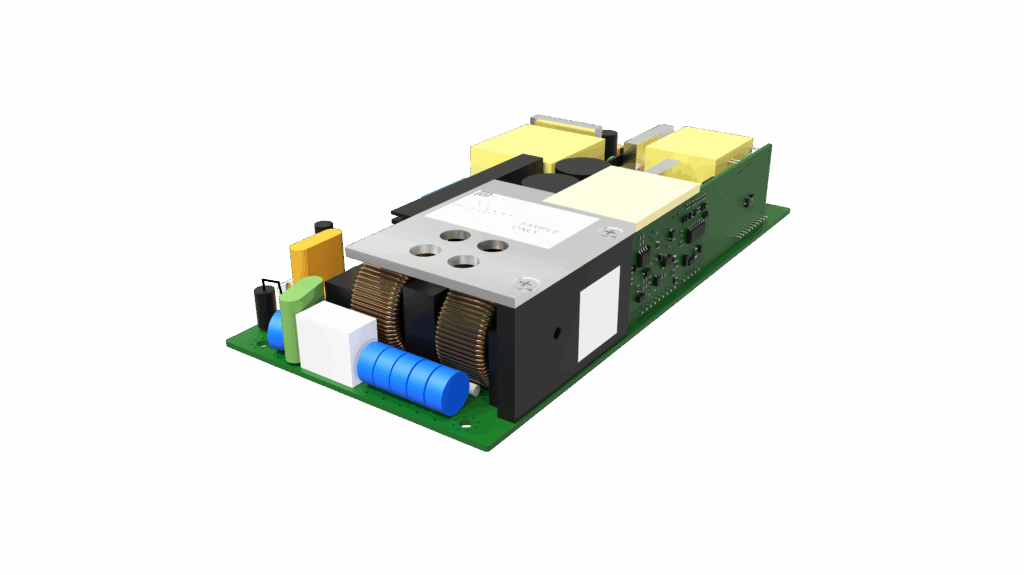
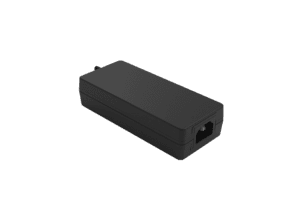
BF550-234B-R
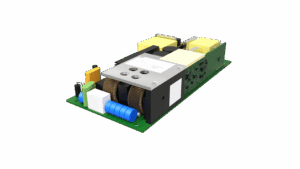
- Output Power - 550W
- Output Volt - 12Vdc / 54.5Vdc
- Features - Universal AC Input range, Class I Design , Class B EMI , High Efficiency Performance , OVP, OCP, SCP, OTP Protections , Operating Altitude: 5,000M
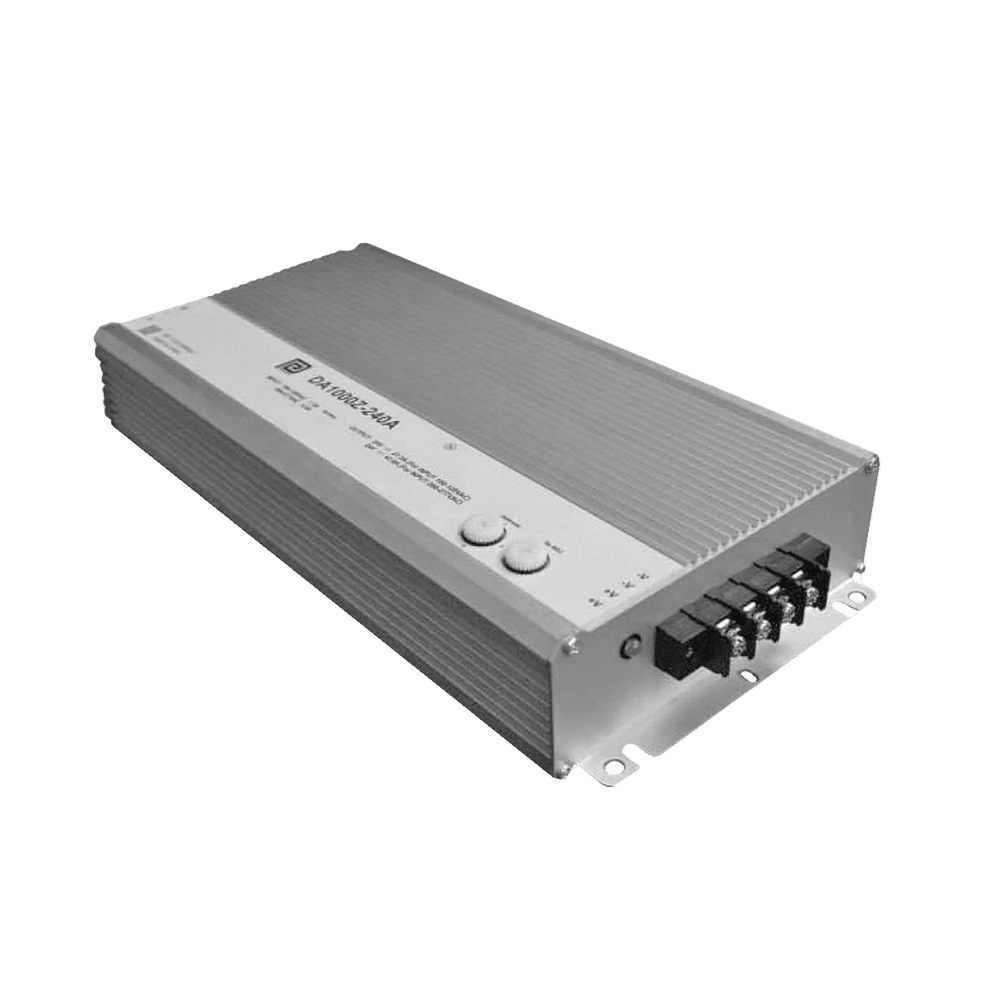
DA1000Z-240AEV-R
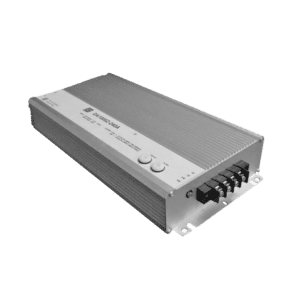
- Output Power - 1000W
- Output Volt - 24V
- Output Current - 42A
- Features - Extended operating temperature range of -40℃ to 70℃, Fan-less aluminum case filled with heat conductive glue, Able to withstand 10G vibration, Power on LED indicator, Short Circuit, Over Current, Over Voltage, and Over Temperature Protections, & Adjustable output through potentiomete
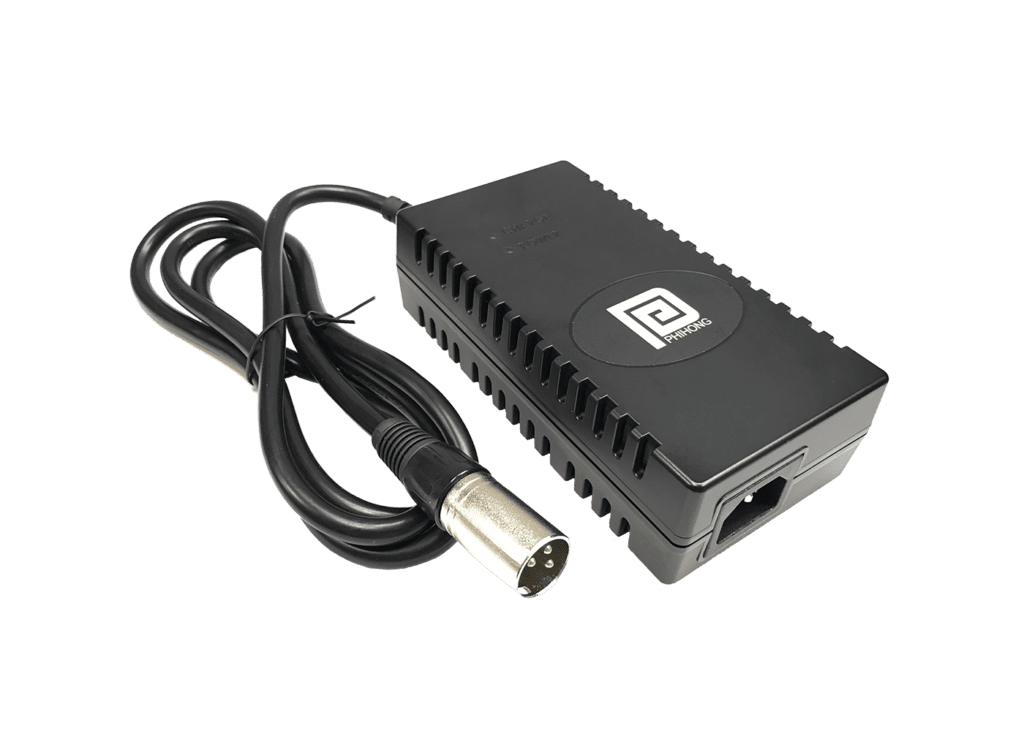
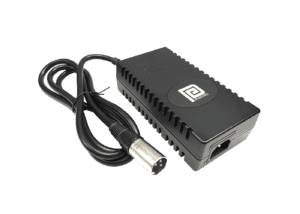
DA60U-240A-R
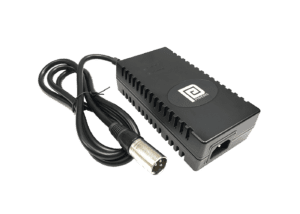
- Output Power - 60W
- Output Volt - 24V
- Output Current - 2.5A
- # of ports - 1
- Features - RESNA Compliant, CEC Compliant, LED Indicators Charge State, OVP, OTP, SCP, Charges AGM Batteries, Max 12hrs Charging Time

DA200U-250A-R
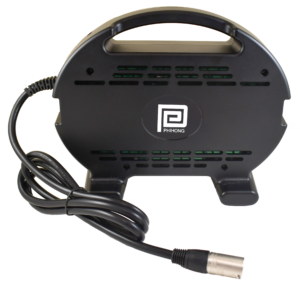
- Output Power - 200W
- Output Volt - 24V
- Output Current - 8A
- # of ports - 1
- Features - RESNA Compliant, CEC Compliant, LED Indicators Charge State, OVP, OTP, SCP, Dual-Mode Charger, Charges GEL or AGM batteries, Max 12hrs Charging Time
Why This Matters
• Reduces exposure to geopolitical and tariff-related disruptions
• Improves long-term supply chain resilience
• Protects production continuity and cost stability
What’s Driving This Shift
• Escalating trade tensions and tariff policies
• Over-reliance on single-region manufacturing ecosystems
• Increasing demand for diversified global supply chains
What OEMs Should Do Now
• Evaluate current geographic manufacturing exposure
• Identify high-risk dependencies in power supply sourcing
• Begin planning multi-region manufacturing strategies
Mini Q&A
Why are manufacturers leaving traditional regions like China?
Because tariffs, geopolitical risks, and rising costs are reducing long-term stability.
Is this shift temporary or long-term?
It is a long-term structural shift toward diversification.
Are power supplies more affected than other components?
Yes, due to their complex multi-tier supply chains.
This shift marks a structural change in how OEMs approach global manufacturing strategy.
Why Is Vietnam Emerging as a Key Manufacturing Hub for Power Supplies?
Vietnam is emerging as a key manufacturing hub because it offers a combination of favorable trade positioning, growing industrial capability, and strong government support for electronics manufacturing. Many OEMs view Vietnam as a strategic alternative that balances cost, stability, and access to global markets.
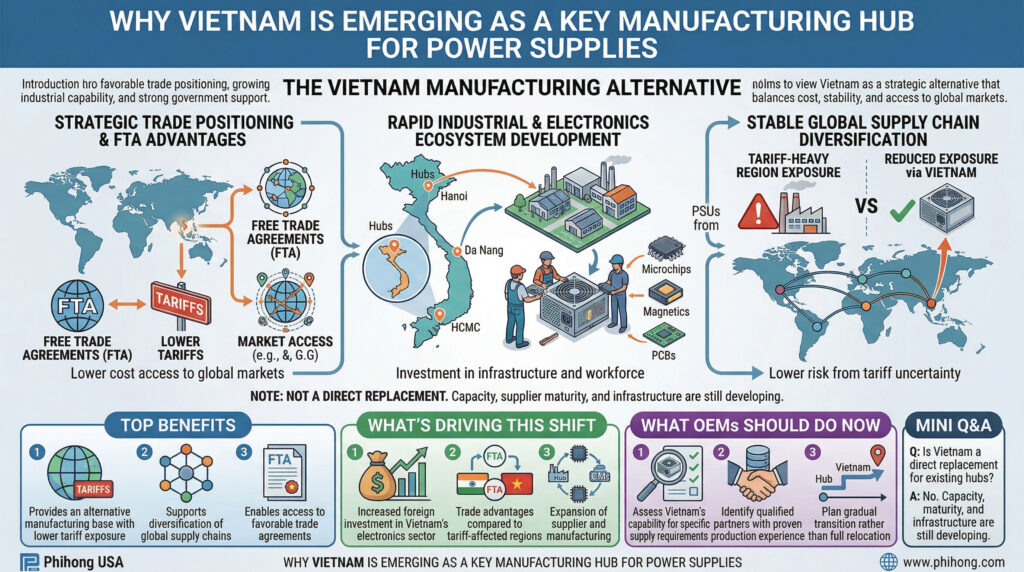
The country has rapidly developed its electronics manufacturing ecosystem, attracting suppliers, contract manufacturers, and infrastructure investment. Trade agreements and tariff advantages further strengthen its appeal, especially for companies seeking to reduce exposure to tariff-heavy regions.
However, Vietnam is not a direct replacement for existing hubs. Capacity, supplier maturity, and infrastructure are still developing. OEMs must carefully evaluate whether Vietnam can support their specific power supply requirements at scale.
Why This Matters
• Provides an alternative manufacturing base with lower tariff exposure
• Supports diversification of global supply chains
• Enables access to favorable trade agreements
What’s Driving This Shift
• Increased foreign investment in Vietnam’s electronics sector
• Trade advantages compared to tariff-affected regions
• Expansion of supplier and manufacturing ecosystems
What OEMs Should Do Now
• Assess Vietnam’s capability for specific power supply requirements
• Identify qualified partners with proven production experience
• Plan gradual transition rather than full relocation
Mini Q&A
Why is Vietnam attractive for power supply manufacturing?
Because it offers lower tariff exposure and growing manufacturing capability.
Is Vietnam ready for large-scale production?
Yes, but capacity and maturity vary by supplier.
Can Vietnam fully replace other regions?
Not entirely, diversification is still necessary.
Vietnam is becoming a strategic part of a broader multi-region manufacturing approach.
What Challenges Do OEMs Face When Moving Power Supply Manufacturing to Vietnam?
While Vietnam offers advantages, OEMs face several challenges when shifting power supply manufacturing. Differences in supplier maturity, workforce skill levels, and infrastructure can affect quality, consistency, and scalability. Power supplies require precise assembly and validation, making these factors especially important.
Supply chain depth is another concern. Many components may still originate from other regions, meaning that relocation does not eliminate all risks. OEMs must ensure that sub-tier suppliers align with their new manufacturing strategy.
Operational coordination also becomes more complex. Managing multiple regions introduces challenges in communication, logistics, and quality control. Without proper planning, these factors can offset the benefits of relocation.
Why This Matters
• Poor execution can introduce new risks despite relocation
• Quality and yield may be affected during transition
• Supply chain complexity can increase instead of decrease
What’s Driving This Shift
• Rapid expansion of new manufacturing regions
• OEM urgency to reduce tariff exposure
• Increasing complexity of global supply chains
What OEMs Should Do Now
• Validate quality systems and production processes thoroughly
• Map full supply chains including sub-tier components
• Establish strong local and cross-region coordination
Mini Q&A
Is moving manufacturing to Vietnam risk-free?
No, it introduces new operational and quality challenges.
Do supply chains fully relocate with manufacturing?
Often no, many components remain globally sourced.
Can poor planning increase risk?
Yes, rushed transitions can create more problems than they solve.
Successful relocation requires careful planning, not just geographic change.
CLIENT'S QUOTE
Phihong's Power-Over-Ethernet solutions have transformed our network, boosting efficiency and reducing costs. Their seamless integration has simplified both installation and maintenance.
How OEMs Are Moving Toward Multi-Region Manufacturing Strategies
OEMs are no longer treating Vietnam as a replacement, but as part of a broader multi-region manufacturing strategy. Instead of shifting entirely from one country to another, companies are distributing production across multiple regions to reduce dependency and improve resilience. This approach allows OEMs to balance cost, risk, and flexibility more effectively.
Power supply manufacturing is particularly suited to this model because it involves multiple subassemblies and components that can be sourced and assembled across regions. By splitting production between locations, OEMs can respond more quickly to tariffs, shortages, or regulatory changes.
This shift also changes how manufacturing decisions are made. Instead of optimizing for cost alone, OEMs are optimizing for adaptability and continuity across uncertain global conditions.
Why This Matters
• Reduces reliance on any single manufacturing region
• Improves ability to respond to supply chain disruptions
• Supports long-term operational flexibility
What’s Driving This Shift
• Increasing unpredictability in global trade policies
• Lessons learned from past supply chain disruptions
• Need for faster response to market and regulatory changes
What OEMs Should Do Now
• Develop multi-region manufacturing roadmaps
• Align supply chain strategy with risk diversification goals
• Evaluate how power supply designs support distributed production
Mini Q&A
Is multi-region manufacturing becoming the new standard?
Yes, many OEMs are adopting it to reduce risk.
Does this increase complexity?
Yes, but it improves resilience and flexibility.
Can power supply design support multi-region production?
Yes, when designed with sourcing flexibility in mind.
Multi-region manufacturing is becoming a core strategy for long-term supply chain stability.
What Role Do Suppliers and Ecosystem Maturity Play in Vietnam’s Growth?
Vietnam’s growth as a manufacturing hub depends heavily on the maturity of its supplier ecosystem. Power supply production requires a network of component suppliers, testing capabilities, and engineering support. As this ecosystem expands, Vietnam becomes more capable of supporting complex OEM requirements.
However, ecosystem maturity is uneven. Some suppliers are highly capable, while others are still developing. OEMs must evaluate not only individual manufacturers but also the supporting network of sub-tier suppliers and logistics infrastructure. Gaps in this ecosystem can introduce delays or quality variability.
The pace of ecosystem development is accelerating as more global manufacturers invest in the region. This creates a feedback loop where increased demand drives capability growth, making Vietnam more viable over time.
Why This Matters
• Supplier maturity directly affects quality and consistency
• Ecosystem gaps can limit production scalability
• Strong supplier networks improve manufacturing reliability
What’s Driving This Shift
• Increased foreign investment in Vietnam’s manufacturing sector
• Expansion of electronics and component supplier networks
• OEM demand for alternative production regions
What OEMs Should Do Now
• Assess full supplier ecosystems, not just primary manufacturers
• Identify gaps in sub-tier sourcing and logistics
• Partner with suppliers that demonstrate long-term capability growth
Mini Q&A
Is Vietnam’s supplier ecosystem fully mature?
Not yet, but it is rapidly improving.
Do sub-tier suppliers matter for power supplies?
Yes, they are critical to quality and continuity.
Can ecosystem gaps impact production timelines?
Yes, they can introduce delays and variability.
Supplier ecosystem strength is a key factor in successful manufacturing relocation.
How Should OEMs Position Their Power Supply Strategy for the Next Decade?
OEMs must position their power supply strategy for long-term adaptability rather than short-term optimization. The shift toward Vietnam is part of a broader transformation in global manufacturing, where flexibility, visibility, and resilience are more valuable than lowest-cost sourcing.
This means designing power supplies that can be produced in multiple regions, tolerate component variation, and adapt to changing supply conditions. It also means aligning engineering, procurement, and manufacturing teams around shared long-term goals rather than isolated decisions.
Looking ahead, OEMs that treat supply chain strategy as part of product design will be better positioned to navigate future disruptions. Those that continue to rely on rigid, region-specific models will face increasing risk.
Why This Matters
• Defines long-term competitiveness in global manufacturing
• Reduces exposure to future disruptions and policy changes
• Aligns product design with evolving supply chain realities
What’s Driving This Shift
• Continued volatility in global trade and supply chains
• Increasing importance of resilience over cost
• Rapid evolution of manufacturing ecosystems
What OEMs Should Do Now
• Integrate supply chain strategy into product design decisions
• Build flexibility into power supply architectures
• Establish long-term partnerships with adaptable manufacturers
Mini Q&A
Is cost still the primary driver in manufacturing decisions?
No, resilience and flexibility are becoming more important.
Can OEMs future-proof their supply chains?
Not completely, but they can significantly reduce risk.
Should supply strategy be part of engineering decisions?
Yes, it is now a critical design factor.
Positioning for the next decade requires a shift from efficiency to adaptability.
How Phihong Supports OEMs Transitioning Power Supply Manufacturing to Vietnam
Phihong supports OEMs navigating manufacturing shifts by combining multi-region production capability with long-term supply chain planning. Instead of treating Vietnam as a single-point solution, Phihong aligns production strategy across regions to maintain flexibility while ensuring consistent quality and compliance.
Manufacturing operations are structured to support controlled transitions, allowing OEMs to shift production without disrupting validation, certification, or lifecycle support. This includes maintaining documentation continuity, validating alternate component sourcing, and ensuring that power supply designs perform consistently across different production environments.
Phihong also emphasizes long-term partnership and visibility. By providing roadmap transparency, engineering support, and regional manufacturing alignment, OEMs can adapt to evolving trade conditions while maintaining stable production and product performance.
Why This Matters
• Enables smoother transition to new manufacturing regions
• Maintains consistency across multi-region production
• Reduces disruption during supply chain shifts
What’s Driving This Shift
• OEM demand for stable and diversified manufacturing partners
• Need for consistent performance across regions
• Increasing importance of long-term supplier collaboration
What OEMs Should Do Now
• Select partners with multi-region manufacturing capabilities
• Align power supply design with production flexibility
• Establish long-term supplier relationships for stability
Phihong’s approach helps OEMs move manufacturing strategically without sacrificing reliability or continuity.

FEATURED RESOURCE
Phihong's Power-Over-Ethernet solutions have transformed our network, boosting efficiency and reducing costs.
FAQ
Why is Vietnam becoming a key manufacturing location for power supplies?
Vietnam offers a combination of lower tariff exposure, growing manufacturing capability, and increasing investment in electronics infrastructure. This makes it an attractive alternative for OEMs looking to diversify supply chains.
However, it is most effective as part of a broader multi-region strategy.
Is moving to Vietnam enough to avoid tariff risk?
No. Many components may still originate from other regions, and tariff exposure depends on full supply chain structure. OEMs must evaluate sub-tier sourcing as well.
Relocation alone does not eliminate risk.
What is the biggest risk when shifting manufacturing to Vietnam?
The biggest risk is assuming equivalent capability without validating supplier maturity and ecosystem support. Differences in quality systems and infrastructure can affect production outcomes.
Careful evaluation is essential before transition.
Should OEMs move all production to Vietnam?
Not necessarily. A diversified approach across multiple regions is typically more resilient than full relocation to a single country.
Balance is key.
How does this shift affect long-term product design?
It pushes OEMs to design for flexibility, allowing production across different regions and adapting to changing supply conditions. This reduces future redesign risk.
Design and supply strategy are now closely linked.
POE technology supports the centralization of power

AC Adapter Guide: Everything You Need to Know
Moreover, PoE technology supports the centralization of power management. By powering devices through a PoE-enabled network …
AC DC Power Chargers and How They Work: A Comprehensive Technical Breakdown
Moreover, PoE technology supports the centralization of power management. By powering devices through a PoE-enabled network …

USB-C Charger: Shaping the Future of the Tech World
Moreover, PoE technology supports the centralization of power management. By powering devices through a PoE-enabled network …

AC Adapter Guide: Everything You Need to Know
Moreover, PoE technology supports the centralization of power management. By powering devices through a PoE-enabled network …

AC DC Power Chargers and How They Work: A Comprehensive Technical Breakdown
Moreover, PoE technology supports the centralization of power management. By powering devices through a PoE-enabled network …

USB-C Charger: Shaping the Future of the Tech World
Moreover, PoE technology supports the centralization of power management. By powering devices through a PoE-enabled network …