












BLOG
Best Guide to High-Wattage Desktop Power Adapters: How Do You Choose a 240W, 250W, or 280W Desktop Power Adapter?
QUICK LINKS
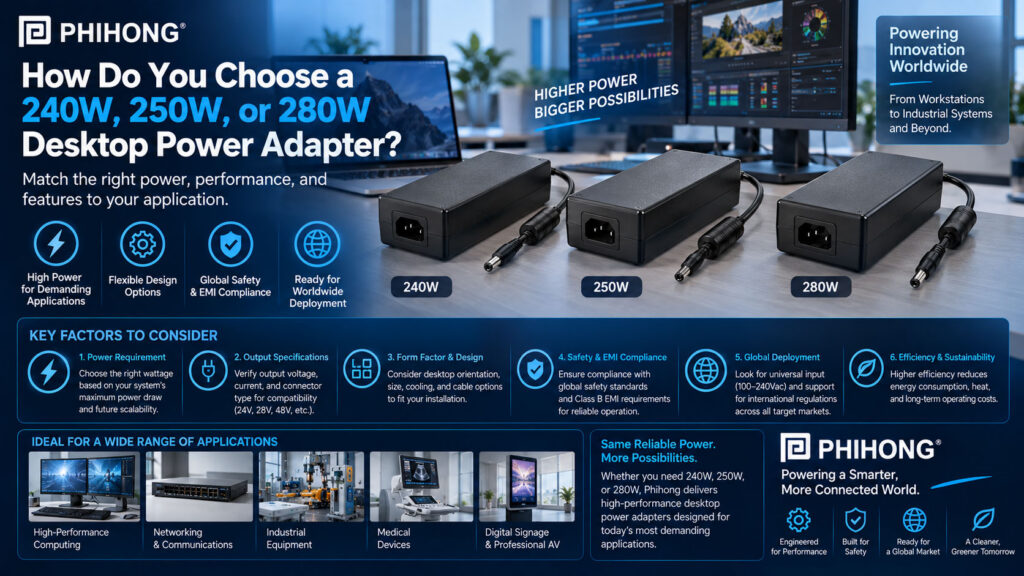
What Is the Real Difference Between 240W, 250W, and 280W Desktop Power Adapters?
The obvious difference is output power, but wattage is only the beginning. A 240W, 250W and 280W desktop adapter may serve very different equipment because output voltage, current, connector, form factor, peak-load behavior and intended application can vary substantially.
Phihong’s current high-wattage desktop options illustrate this clearly. The AA240U-200A-R and AA240U-200B-R provide 240W at 20V, while the AA280U-200B-R provides 280W at 20V and 14A. The AM250U-540AP-R, by contrast, provides 250W at 54V and 4.63A. So a 250W adapter is not simply the midpoint between 240W and 280W. It belongs to a different electrical architecture and can fit a different class of equipment. Phihong
| Phihong Model | Rated Power | Output | Format | Primary Selection Direction |
|---|---|---|---|---|
| AA240U-200A-R | 240W | 20V / 12A | GaN desktop, C14 | High-demand 20V systems |
| AA240U-200B-R | 240W | 20V / 12A | GaN desktop, C14 | Professional, networking and industrial equipment |
| AM250U-540AP-R | 250W | 54V / 4.63A | Desktop C14 | Networking, monitors, notebooks and industrial equipment |
| AA280U-200B-R | 280W | 20V / 14A | GaN desktop, C14 | Higher-current 20V systems |
Why This Matters
- A 10W difference does not necessarily mean two adapters are interchangeable.
- Output voltage and current architecture can matter more than the wattage number alone.
What OEMs Should Do Now
- Start with the device’s required voltage and maximum current before comparing wattage.
- Treat 240W, 250W and 280W as different system options rather than a simple low-middle-high progression.
Relevant Phihong Products
AA240U-200A-R
240W, 20V, 12A GaN desktop C14 adapter.
AA240U-200B-R
240W, 20V, 12A GaN desktop C14 adapter with professional and industrial positioning.
AM250U-540AP-R
250W, 54V, 4.63A C14 desktop adapter.
AA280U-200B-R
280W, 20V, 14A GaN desktop adapter for higher-current systems.
Useful Links
AA240U-200A-R Product Page: www.phihong.com/products/adapters/aa240u-200a-r/
AA240U-200B-R Product Page: www.phihong.com/products/adapters/aa240u-200b-r/
AM250U-540AP-R Product Page: www.phihong.com/products/adapters/am250u-540ap-r/
Power Adapter Product Line: www.phihong.com/products/adapters/
Related Links
Best Guide to 250W Desktop Power Adapters: What Modern Networking, Monitor, Notebook, and Industrial Devices Need: www.phihong.com/best-guide-to-250w-desktop-power-adapters-what-modern-networking-monitor-notebook-and-industrial-devices-need/
The Power Supply Decisions OEMs Regret Most and Why They’re Hard to Fix Later: www.phihong.com/the-power-supply-decisions-oems-regret-most-and-why-theyre-hard-to-fix-later/
FEATURED PRODUCTS
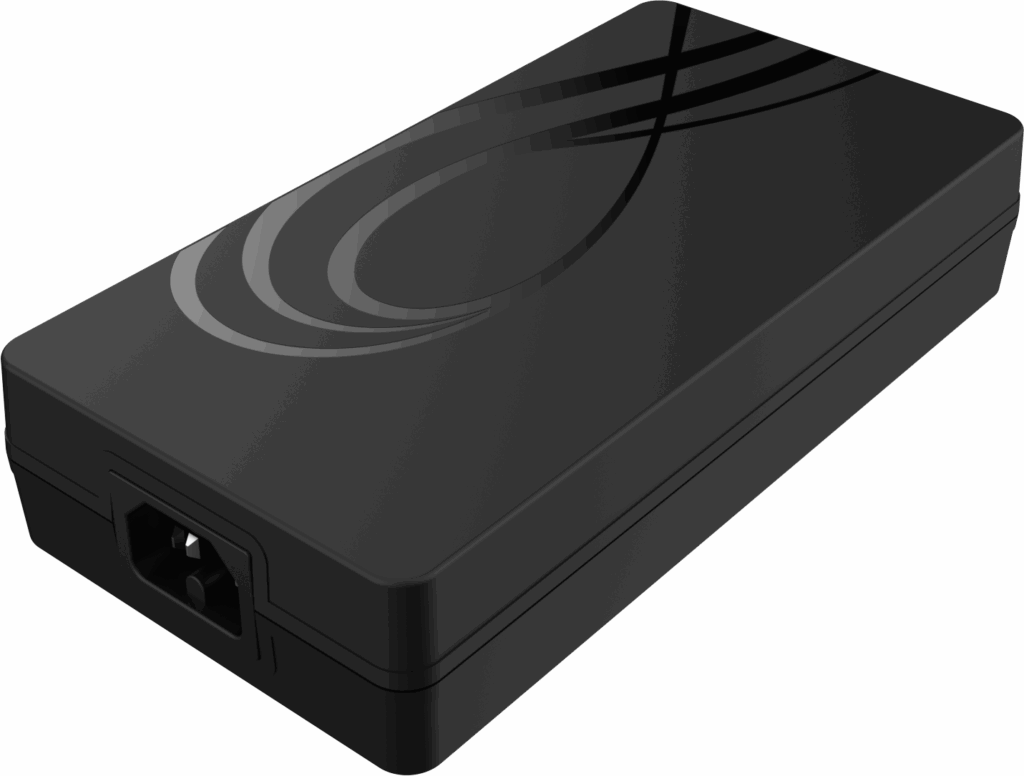
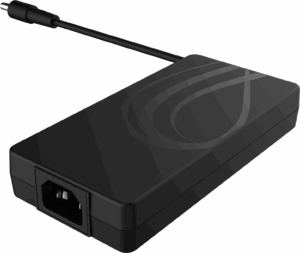
AM250U-540AP-R
- Output Power - 250W
- Output Volt - 54V
- Output Current - 4.63A
- Features - Class B EMI , US DoE Level VI Efficiency compliance, EU CoC Ver 5 Tier 2 Compliance, Over-Voltage, Over-Current, Short Circuit, & Over-Temperature Protection, 5,000 Meters Operating Altitude
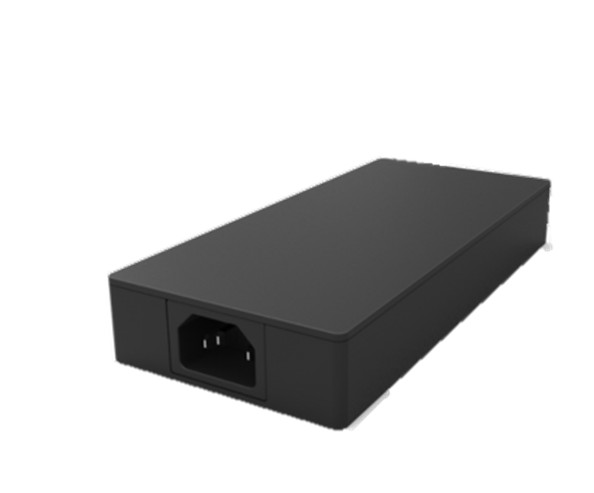
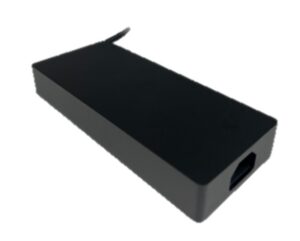
AA240U-200A-R
- Output Power - 240W
- Output Volt - 20V
- Output Current - 12A
- Features - high-efficiency desktop power supply designed for multiple applications, delivering a reliable 240W single output with advanced GaN technology for compact performance. Ideal for powering high-demand gaming systems etc with reduced heat and improved energy conversion.
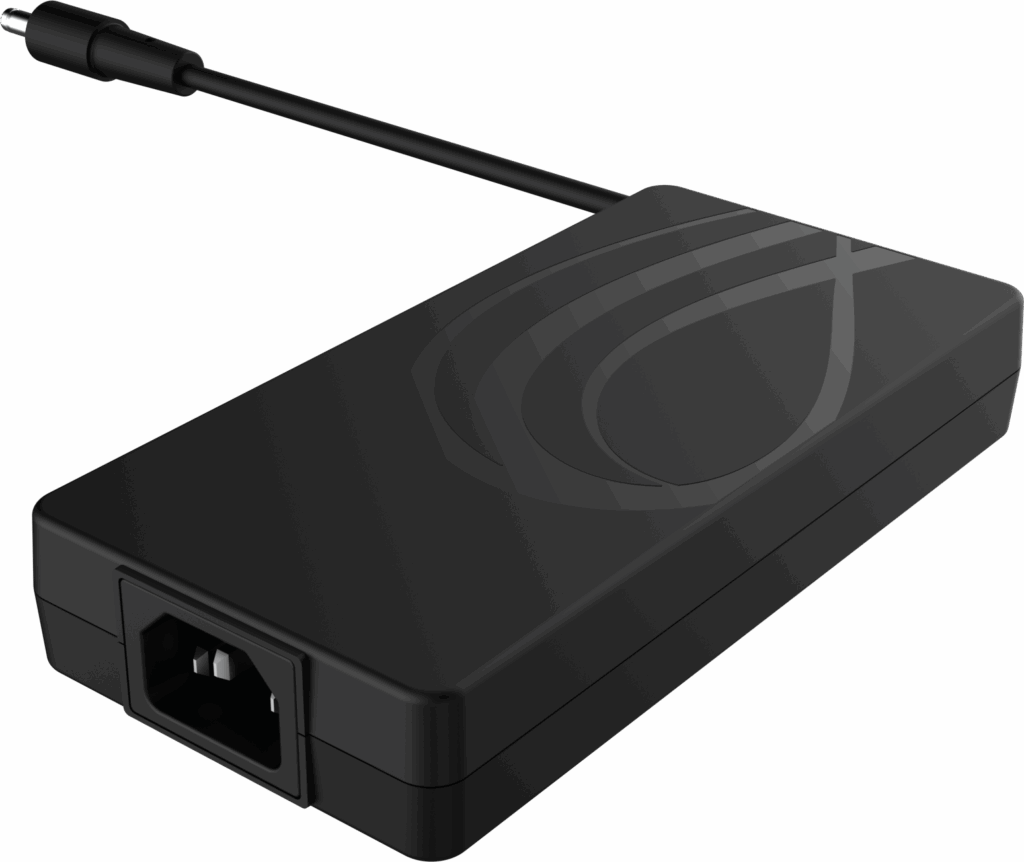
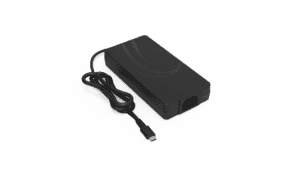
AA240U-200B-R
- Output Power - 240W
- Output Volt - 20V
- Output Current - 12A
- Features - This 240-watt GaN Series Desktop C14 Adapter delivers high power in a compact, efficient design, ideal for demanding professional and industrial applications. Its GaN technology ensures cooler operation, reliability, and space-saving performance.
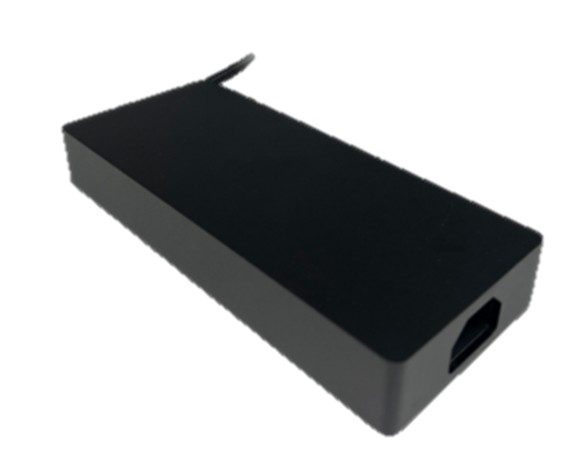
AA280U-200B-R
- Output Power - 280W
- Output Volt - 20V
- Output Current - 14A
- Features - high-efficiency desktop power supply designed for multiple applications, delivering a reliable 240W single output with advanced GaN technology for compact performance. Ideal for powering high-demand gaming systems etc with reduced heat and improved energy conversion.
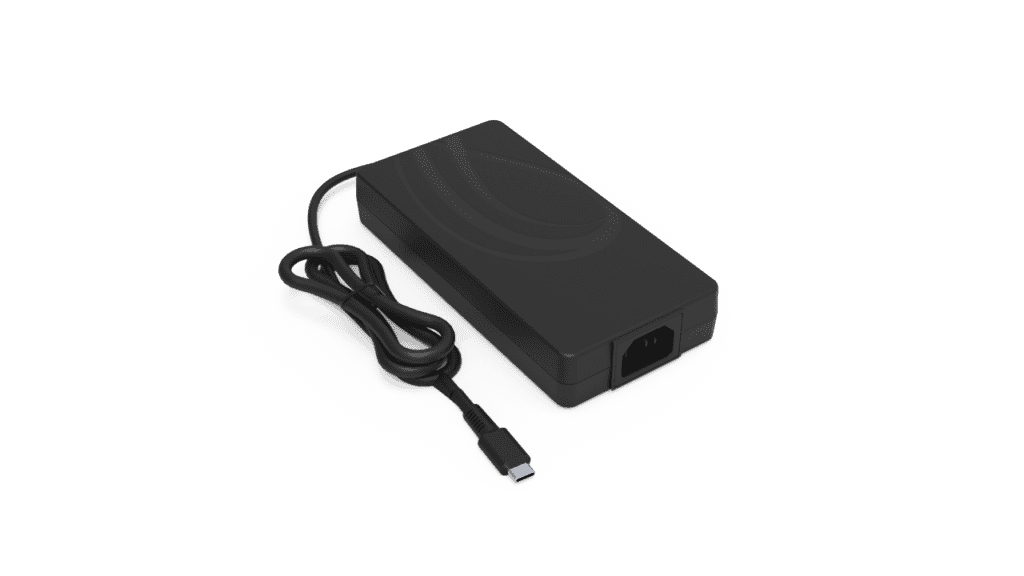
AA240U-59FKEA-R
- Output Power - 240 Watt
- Output Volt - 5Vdc/ 9Vdc/ 15Vdc/ 20Vdc/ 28V/ 36V/ 48V
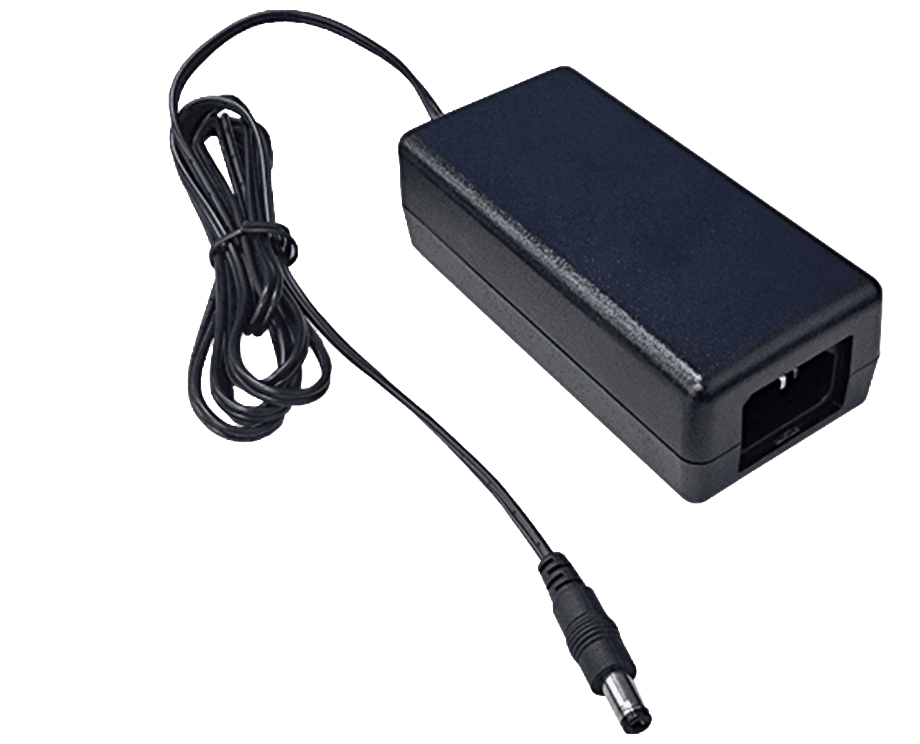
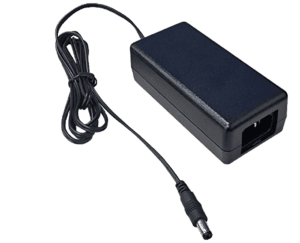
AA36U-240B-R
- Output Power - 36W
- Output Volt - 24V
- Output Current - 1.5A
- Features - C14 Inlet Receptacle, US DoE Level VI & NRCan Compliance, EU Ecodesign 2019/1782 Compliance, CoC V5 Tier 2 Compliance, Operating Altitude to 5,000 Meters, and Protections from Short Circuit, Over-Current and Over-Voltage

How Much Wattage Does a High-Demand Device Actually Need?
The correct wattage depends on the device’s continuous power demand, maximum operating load and short-duration transient behavior. Selecting an adapter only from average power consumption can be misleading. A system that normally operates at 150W may briefly require substantially more during startup, processor or graphics bursts, motor activation, battery charging transitions or other high-load events.
This is especially relevant for Phihong’s 240W and 280W GaN desktop adapters. Phihong’s AA240U-200A-R documentation identifies short-duration peak-load capability of 200% to 225%, while the AA280U-200B-R datasheet defines specific short transient conditions at 200% and 225% of rated current. These figures are transient capabilities, not permission to run the adapter continuously above its rated wattage. Phihong
| Device Power Question | Why It Matters | What OEM Teams Should Measure |
|---|---|---|
| Normal operating load | Shows typical energy demand | Average current and power |
| Maximum continuous load | Determines sustained adapter requirement | Worst-case steady-state operation |
| Startup demand | Some systems draw more power when turning on | Startup current and duration |
| Transient bursts | High-performance electronics can change load quickly | Peak magnitude, duration and repetition |
| Future system expansion | Added hardware can increase power demand | Peripheral and upgrade budget |
A larger adapter is not automatically a better choice. Oversizing may increase physical size, cost and packaging requirements without delivering a meaningful benefit if the system never approaches the extra capacity. Undersizing creates a more serious problem because the adapter may operate too close to its limit or fail to support transient demand reliably.
Why This Matters
- OEMs need to distinguish continuous power from short-duration peak demand.
- Wattage selection should reflect the device’s real operating profile, not a single average-power number.
What OEMs Should Do Now
- Measure the device under startup, idle, normal operation and maximum load.
- Record both sustained demand and short transient events before choosing between 240W, 250W and 280W.
Relevant Phihong Products
AA240U-200A-R / AA240U-200B-R
Useful for systems requiring up to 240W at 20V.
AA280U-200B-R
Adds rated output capacity to 280W at 20V and 14A for systems requiring more continuous current.
AM250U-540AP-R
Should be selected because the device requires a 54V power architecture, not simply because 250W sits numerically between 240W and 280W.
Useful Links
AA240U-200A-R Datasheet: www.phihong.com/wp-content/uploads/New-datasheet-AA240U-200A-R_06262025.pdf
AA240U-200B-R Datasheet: www.phihong.com/wp-content/uploads/New-datasheet-AA240U-200B-R-08252025.pdf
AA280U-200B-R Datasheet: www.phihong.com/wp-content/uploads/New-datasheet-AA280U-200B-R-06262025.pdf
Contact Phihong: www.phihong.com/contact
Related Links
What Makes a 54V 250W Desktop Adapter a Better Fit for Networking and Industrial Equipment: www.phihong.com/what-makes-a-54v-250w-desktop-adapter-a-better-fit-for-networking-and-industrial-equipment/
Why 5,000-Meter Operating Altitude Matters in 250W Desktop Adapter Selection: www.phihong.com/why-5000-meter-operating-altitude-matters-in-250w-desktop-adapter-selection/
Why Do Output Voltage and Current Matter More Than Wattage Alone?
Wattage tells engineers how much total power an adapter can deliver, but it does not tell them whether that power is delivered in the form the device needs. Power depends on both voltage and current, which is why two adapters with nearly identical wattage ratings may be completely incompatible.
The contrast between Phihong’s AA240U / AA280U designs and the AM250U-540AP-R makes this easy to see. The 240W and 280W models operate at 20V, delivering up to 12A and 14A respectively. The AM250U-540AP-R operates at 54V and 4.63A. Both approaches can deliver hundreds of watts, but they support very different system architectures. Phihong
| Electrical Requirement | 240W 20V Adapter | 250W 54V Adapter | 280W 20V Adapter |
|---|---|---|---|
| Rated Power | 240W | 250W | 280W |
| Output Voltage | 20V | 54V | 20V |
| Maximum Current | 12A | 4.63A | 14A |
| Typical Decision | High-current 20V system | Higher-voltage commercial system | Higher-current 20V system |
| Can Wattage Alone Decide? | No | No | No |
A device designed for 54V input cannot simply be connected to a 20V adapter because the wattage is similar. Likewise, a high-current 20V system may require the 12A or 14A capability of the 240W or 280W platform. The required voltage should therefore be one of the first filters in adapter selection.
Why This Matters
- 240W, 250W and 280W are not interchangeable power classes when their output voltages differ.
- Voltage, current and connector requirements should be confirmed before comparing size, GaN technology or mechanical format.
What OEMs Should Do Now
- Make required output voltage the first electrical filter in the selection process.
- After voltage is confirmed, compare current capacity, power margin, peak behavior, thermal performance and mechanical fit.
Relevant Phihong Products
AA240U-200A-R / AA240U-200B-R
20V, 12A platforms for devices built around high-current 20V input.
AA280U-200B-R
20V, 14A platform when the device requires additional continuous power.
AM250U-540AP-R
54V, 4.63A platform for equipment designed around higher-voltage external power.
Useful Links
AA240U-200B-R Product Page: www.phihong.com/products/adapters/aa240u-200b-r/
AM250U-540AP-R Product Page: www.phihong.com/products/adapters/am250u-540ap-r/
AA280U-200B-R Datasheet: www.phihong.com/wp-content/uploads/New-datasheet-AA280U-200B-R-06262025.pdf
Product Finder: www.phihong.com/product-finder/
Related Links
Best Guide to 250W Desktop Power Adapters: What Modern Networking, Monitor, Notebook, and Industrial Devices Need: www.phihong.com/best-guide-to-250w-desktop-power-adapters-what-modern-networking-monitor-notebook-and-industrial-devices-need/
What Makes a 54V 250W Desktop Adapter a Better Fit for Networking and Industrial Equipment: www.phihong.com/what-makes-a-54v-250w-desktop-adapter-a-better-fit-for-networking-and-industrial-equipment/
CLIENT'S QUOTE
Phihong’s custom OEM power solutions have transformed our product development, boosting performance and reducing overhead. Their expert engineering support has simplified both the design and manufacturing phases.
Which Types of Equipment Need 240W, 250W, or 280W Desktop Power Adapters?
The right wattage range depends on the equipment architecture, not simply whether the device is described as a laptop, monitor, networking product, or industrial system. A high-performance 20V device may require substantial current, while a commercial system built around a 54V input can deliver similar total power with much lower current.
Phihong’s product family illustrates these different directions. The AA240U-200A-R and AA240U-200B-R provide 240W at 20V and 12A. The AA280U-200B-R increases the 20V platform to 14A and 280W. The AM250U-540AP-R instead supplies 54V at 4.63A for 250W, making it relevant to equipment designed around a higher-voltage external power architecture.
| Equipment Requirement | Likely Adapter Direction | What OEM Teams Should Verify |
|---|---|---|
| High-current 20V device | 240W or 280W platform | Maximum continuous current and transient demand |
| Higher-voltage networking equipment | 250W / 54V platform | Required input voltage and connector |
| Performance notebook or mobile workstation | High-current 20V platform | Sustained load, charging demand and peak behavior |
| Monitor or commercial display system | Application dependent | Input voltage, peripherals and operating load |
| Industrial equipment | 20V or 54V depending on architecture | Voltage, environment, EMI and installation requirements |
Equipment names alone are not enough. Two commercial monitors, for example, may use completely different input architectures depending on display size, integrated computing, USB-C functionality, peripheral loads, or internal DC conversion. OEM engineers should therefore begin with the electrical specification rather than an application label.
Why This Matters
- Similar-looking equipment can require very different voltage and current architectures.
- Application type should narrow the search, but the actual device specification should determine the adapter.
What OEMs Should Do Now
- Document the device input voltage, continuous current and maximum expected power.
- Include peripheral and future configuration loads when establishing the power budget.
Relevant Phihong Products
AA240U-200A-R / AA240U-200B-R
240W options for high-current 20V equipment.
AA280U-200B-R
280W option when a 20V system needs additional continuous current capacity.
AM250U-540AP-R
250W, 54V option for networking, monitor, notebook and industrial equipment built around a higher-voltage input.
Useful Links
AA240U-200A-R Product Page: www.phihong.com/products/adapters/aa240u-200a-r/
AA240U-200B-R Product Page: www.phihong.com/products/adapters/aa240u-200b-r/
AM250U-540AP-R Product Page: www.phihong.com/products/adapters/am250u-540ap-r/
Power Adapter Product Line: www.phihong.com/products/adapters/
Related Links
Best Guide to 250W Desktop Power Adapters: What Modern Networking, Monitor, Notebook, and Industrial Devices Need: www.phihong.com/best-guide-to-250w-desktop-power-adapters-what-modern-networking-monitor-notebook-and-industrial-devices-need/
What Makes a 54V 250W Desktop Adapter a Better Fit for Networking and Industrial Equipment: www.phihong.com/what-makes-a-54v-250w-desktop-adapter-a-better-fit-for-networking-and-industrial-equipment/
How Do GaN, Efficiency, and Thermal Design Affect High-Wattage Desktop Adapters?
As external adapter power increases, thermal design becomes a larger part of product selection. Every watt lost during AC/DC conversion ultimately contributes to heat. A compact 240W or 280W adapter therefore needs an efficient power architecture, appropriate component selection and effective thermal distribution to keep the design within its intended operating limits.
Phihong’s AA240U-200A-R, AA240U-200B-R and AA280U-200B-R are GaN-based desktop adapter platforms. GaN technology can support higher switching frequencies and compact power conversion designs, but the presence of GaN does not automatically determine the thermal performance of the finished adapter. Efficiency, magnetics, switching devices, PCB layout, enclosure construction and operating environment all remain important.
| High-Wattage Design Area | Why It Matters | What OEM Teams Should Review |
|---|---|---|
| GaN power conversion | Can support compact high-density designs | Complete topology and thermal implementation |
| Conversion efficiency | Lower losses reduce heat generation | Efficiency across expected line and load conditions |
| PCB layout | Determines where heat-producing components are located | Hot spots, spacing and heat paths |
| Magnetics | Inductors and transformers contribute losses | Temperature rise and component margin |
| Enclosure design | Transfers internal heat to the surrounding environment | Surface temperature and adapter placement |
| Ambient conditions | Real installations differ from open-bench tests | Temperature, airflow and nearby equipment |
A higher power rating also means OEMs should test the adapter in the actual installation environment. An adapter placed openly on a desk may experience different temperatures than one positioned behind a monitor, inside furniture, adjacent to other electronics, or in an enclosure with restricted airflow.
Why This Matters
- High-wattage adapter selection includes a thermal decision as well as an electrical one.
- GaN can enable compact designs, but final temperature depends on the entire adapter architecture and installation.
What OEMs Should Do Now
- Compare efficiency and thermal behavior under the expected continuous load.
- Test the production-intent adapter in the location where customers will actually use it.
Relevant Phihong Products
AA240U-200A-R
240W GaN desktop platform.
AA240U-200B-R
Related 240W GaN desktop platform for high-demand commercial applications.
AA280U-200B-R
280W GaN desktop option with higher continuous current capacity.
AM250U-540AP-R
A related high-wattage desktop option using a different 54V electrical architecture.
Useful Links
AA240U-200A-R Product Page: www.phihong.com/products/adapters/aa240u-200a-r/
AA240U-200B-R Product Page: www.phihong.com/products/adapters/aa240u-200b-r/
AM250U-540AP-R Product Page: www.phihong.com/products/adapters/am250u-540ap-r/
Contact Phihong: www.phihong.com/contact
Related Links
Best Guide to GaN Power Adapters: What Modern Devices Need From Compact, High-Density Power: www.phihong.com/best-guide-to-gan-power-adapters-what-modern-devices-need-from-compact-high-density-power/
How 330W GaN Power Adapters Support Gaming Laptops and Mobile Workstations: www.phihong.com/how-330w-gan-power-adapters-support-gaming-laptops-and-mobile-workstations/
How to Validate Thermal Performance of Open-Frame Power Supplies in Real Enclosures: www.phihong.com/how-to-validate-thermal-performance-of-open-frame-power-supplies-in-real-enclosures/
What Compliance and Environmental Specifications Matter in a 240W to 280W Desktop Adapter?
High-wattage adapter selection should also include EMI, safety, efficiency and environmental operating conditions. These requirements can determine whether an adapter is practical for a commercial product even when the voltage and wattage are electrically correct.
For example, Phihong’s AM250U-540AP-R is documented with Class B EMI, IEC 62368-1-related safety compliance, DOE Level VI and EU CoC V5 Tier 2 efficiency positioning, along with operation up to 5,000 meters. These types of specifications matter for networking, monitor, notebook and industrial products because the finished equipment may be deployed across different commercial environments.
| Specification Area | Why OEM Teams Should Care | What to Verify |
|---|---|---|
| EMI | Adapter switching can affect system emissions | Class A or Class B requirement and final-system testing |
| Safety | High-power adapters operate directly from mains AC | Applicable safety standards and documentation |
| Efficiency | Conversion loss affects heat and energy use | Required regional efficiency level |
| Operating altitude | Air density and insulation conditions change with elevation | Maximum rated deployment altitude |
| Temperature | High-load operation can reduce thermal margin | Operating range and any derating |
| Protection | Fault behavior affects equipment integration | OVP, OCP, SCP and OTP where documented |
A datasheet specification should not be treated as a substitute for finished-product validation. Adapter compliance gives OEM engineers an important starting point, but the final equipment, cables, connector configuration and operating environment can affect system-level results.
Why This Matters
- A technically compatible adapter can still be the wrong choice if its compliance or environmental specifications do not fit the product program.
- OEM teams should include regulatory and deployment requirements early rather than treating them as final-stage checks.
What OEMs Should Do Now
- Create a compliance matrix covering every intended launch market.
- Compare EMI, safety, efficiency, altitude and temperature requirements alongside voltage and wattage.
Relevant Phihong Products
AM250U-540AP-R
A particularly useful example for commercial compliance and environmental considerations in a 250W desktop adapter.
AA240U-200A-R / AA240U-200B-R
Related 240W GaN options requiring review against their own current documentation.
AA280U-200B-R
Related 280W GaN option for higher-current 20V systems.
Useful Links
AM250U-540AP-R Product Page: www.phihong.com/products/adapters/am250u-540ap-r/
AA240U-200B-R Product Page: www.phihong.com/products/adapters/aa240u-200b-r/
Power Adapter Product Line: www.phihong.com/products/adapters/
Contact Phihong: www.phihong.com/contact
Related Links
How Class B EMI and IEC 62368-1 Shape 250W Adapter Selection for Commercial Devices: www.phihong.com/how-class-b-emi-and-iec-62368-1-shape-250w-adapter-selection-for-commercial-devices/
Why 5,000-Meter Operating Altitude Matters in 250W Desktop Adapter Selection: www.phihong.com/why-5000-meter-operating-altitude-matters-in-250w-desktop-adapter-selection/
What Compliance Engineers Look for in Internal PSUs: EMI, EMS, and Safety Basics: www.phihong.com/what-compliance-engineers-look-for-in-internal-psus-emi-ems-and-safety-basics/
How Should OEMs Compare 240W, 250W, and 280W Desktop Adapters Before Production?
OEM teams should compare high-wattage desktop adapters using a structured qualification process instead of choosing from wattage alone. The first filter should be output voltage, because a 20V system and a 54V system belong to different electrical architectures even when their total power ratings are similar. After voltage is confirmed, engineers can compare current capacity, thermal performance, transient behavior, connector requirements, compliance and mechanical integration.
Phihong’s product group makes this workflow especially clear. The AA240U-200A-R and AA240U-200B-R are 20V / 12A / 240W platforms. The AA280U-200B-R increases that 20V architecture to 14A / 280W. The AM250U-540AP-R instead provides 54V / 4.63A / 250W for systems designed around higher-voltage external power.
| Qualification Step | 240W / 20V Direction | 250W / 54V Direction | 280W / 20V Direction |
|---|---|---|---|
| Output voltage | 20V | 54V | 20V |
| Rated current | 12A | 4.63A | 14A |
| Primary decision | Fits 20V architecture | Fits 54V architecture | Fits higher-current 20V architecture |
| Thermal review | Required | Required | Required |
| Peak-load review | Important for dynamic loads | Application dependent | Important for dynamic loads |
| Compliance review | Model specific | Model specific | Model specific |
| Mechanical fit | C14 desktop platform | C14 desktop platform | C14 desktop platform |
A good qualification process should also include real device testing. OEM teams should verify startup behavior, full-load operation, cable voltage drop, connector temperature, thermal performance and protection behavior with production-intent hardware. The adapter should be tested under the actual placement conditions expected in the finished product environment.
Why This Matters
- A structured selection process reduces the risk of choosing an adapter that is electrically close but systemically wrong.
- Voltage, current, thermal performance, compliance and mechanical integration should all be resolved before production.
What OEMs Should Do Now
- Build a comparison matrix using the final device requirements rather than marketing categories.
- Validate the preferred adapter with production-intent cables, connectors and device hardware before design freeze.
Relevant Phihong Products
AA240U-200A-R
240W, 20V, 12A GaN desktop option.
AA240U-200B-R
Related 240W, 20V, 12A GaN desktop option for professional and industrial systems.
AM250U-540AP-R
250W, 54V, 4.63A option for equipment requiring a higher-voltage architecture.
AA280U-200B-R
280W, 20V, 14A GaN desktop option for systems requiring additional current.
Useful Links
AA240U-200A-R Product Page: www.phihong.com/products/adapters/aa240u-200a-r/
AA240U-200B-R Product Page: www.phihong.com/products/adapters/aa240u-200b-r/
AM250U-540AP-R Product Page: www.phihong.com/products/adapters/am250u-540ap-r/
Product Finder: www.phihong.com/product-finder/
Related Links
The Power Supply Decisions OEMs Regret Most and Why They’re Hard to Fix Later: www.phihong.com/the-power-supply-decisions-oems-regret-most-and-why-theyre-hard-to-fix-later/
How to Validate Thermal Performance of Open-Frame Power Supplies in Real Enclosures: www.phihong.com/how-to-validate-thermal-performance-of-open-frame-power-supplies-in-real-enclosures/
How Does Phihong Support 240W, 250W, and 280W Desktop Power Adapter Selection?
Phihong’s high-wattage desktop adapter portfolio gives OEM teams several paths for equipment that requires more power than mainstream 65W, 100W, or 140W adapters can provide. The AA240U-200A-R, AA240U-200B-R, AM250U-540AP-R and AA280U-200B-R cover different combinations of wattage, output voltage and current rather than simply creating a linear ladder from 240W to 280W.
That distinction is important for system architects. A 20V mobile workstation or performance device may fit the 240W or 280W family. A networking or industrial system designed around 54V may be better aligned with the AM250U-540AP-R. Phihong’s product range therefore allows teams to begin with the electrical architecture and then compare power margin, GaN implementation, thermal performance, compliance and deployment requirements.
| Phihong Product | Output Architecture | Best Selection Question |
|---|---|---|
| AA240U-200A-R | 240W, 20V, 12A | Does the 20V device fit within a 12A continuous envelope? |
| AA240U-200B-R | 240W, 20V, 12A | Does a professional 20V system need a 240W desktop platform? |
| AM250U-540AP-R | 250W, 54V, 4.63A | Is the equipment designed around a 54V commercial-power architecture? |
| AA280U-200B-R | 280W, 20V, 14A | Does the 20V system require more continuous current than a 240W platform provides? |
Why This Matters
- Phihong’s 240W, 250W and 280W models support different electrical architectures and device requirements.
- The right adapter should be chosen from the system specification, not simply from the nearest wattage rating.
What OEMs Should Do Now
- Start with voltage, current and load profile, then compare thermal, compliance and mechanical requirements.
- Contact Phihong to review which high-wattage desktop platform best matches the intended equipment.
Relevant Phihong Products
AA240U-200A-R
20V / 240W GaN desktop option.
AA240U-200B-R
Related 20V / 240W GaN platform.
AM250U-540AP-R
54V / 250W commercial desktop adapter.
AA280U-200B-R
20V / 280W GaN desktop adapter for higher-current systems.
Useful Links
Power Adapter Product Line: www.phihong.com/products/adapters/
AA240U-200A-R Product Page: www.phihong.com/products/adapters/aa240u-200a-r/
AA240U-200B-R Product Page: www.phihong.com/products/adapters/aa240u-200b-r/
AM250U-540AP-R Product Page: www.phihong.com/products/adapters/am250u-540ap-r/
Contact Phihong: www.phihong.com/contact
Related Links
Best Guide to 250W Desktop Power Adapters: What Modern Networking, Monitor, Notebook, and Industrial Devices Need: www.phihong.com/best-guide-to-250w-desktop-power-adapters-what-modern-networking-monitor-notebook-and-industrial-devices-need/
Best Guide to GaN Power Adapters: What Modern Devices Need From Compact, High-Density Power: www.phihong.com/best-guide-to-gan-power-adapters-what-modern-devices-need-from-compact-high-density-power/
Choosing between a 240W, 250W and 280W desktop power adapter is not really a wattage comparison. The more important questions are what voltage the equipment requires, how much current it draws, whether it creates short-duration peak loads and what thermal, compliance and mechanical conditions define the final installation.
For 20V systems, Phihong’s 240W and 280W GaN platforms provide different continuous-current levels. For 54V equipment, the AM250U-540AP-R addresses a separate commercial-power architecture. OEM teams should therefore begin with the device specification and use wattage as one part of a broader qualification process.
If your team is evaluating a 240W, 250W, or 280W desktop adapter for networking, industrial equipment, monitors, notebooks, mobile workstations, or other high-demand electronics, contact Phihong to discuss your application.

CONTACT US TODAY
From concept to production, Phihong delivers custom OEM power solutions tailored to your specifications.
FAQ
What is the difference between a 240W, 250W, and 280W desktop power adapter?
The difference is not only wattage. Phihong’s 240W and 280W models in this group use 20V output, while the AM250U-540AP-R provides 54V output. The 240W models provide up to 12A at 20V, the 280W model provides 14A at 20V and the 250W model provides 4.63A at 54V. The required device voltage should therefore be confirmed before comparing wattage.
Is a 280W adapter always better than a 240W adapter?
No. A 280W adapter provides more available continuous power, but that does not make it automatically better for every device. If the product operates comfortably within the 240W adapter’s electrical and thermal limits, additional capacity may not provide meaningful value. OEM teams should compare actual load, size, cost, thermal behavior and system requirements.
Can a 250W adapter replace a 240W adapter?
Not simply because the wattage ratings are close. The output voltage must match the device. In this Phihong product group, the 240W adapters operate at 20V while the AM250U-540AP-R operates at 54V. These are different electrical architectures and should not be treated as interchangeable based on wattage alone.
Why are some high-wattage desktop adapters based on GaN?
GaN power devices can support compact, high-density power-conversion designs and higher switching frequencies. This can be useful in high-wattage external adapters where size and thermal management are important. The final adapter performance still depends on topology, efficiency, magnetics, PCB layout, enclosure design and operating conditions.
What does peak-load capability mean in a high-wattage adapter?
Peak-load capability refers to the ability to support short-duration current demands above the normal continuous operating level under specified conditions. It can help equipment handle startup or dynamic load events. Peak capability should not be interpreted as permission to operate continuously above the adapter’s rated power.
Which adapter is better for a 20V high-performance device?
A 20V device should first be compared against the 20V adapter options. Phihong’s 240W models provide up to 12A, while the AA280U-200B-R provides up to 14A. The correct choice depends on the device’s continuous current, peak-load behavior, thermal environment and required power margin.
Which adapter is better for 54V networking or industrial equipment?
Equipment designed around a 54V input should be evaluated against a 54V power platform rather than a 20V adapter with similar wattage. Phihong’s AM250U-540AP-R provides 54V at 4.63A for 250W and is positioned for networking, monitor, notebook and industrial equipment.
What should OEMs test before choosing a 240W to 280W desktop adapter?
OEM teams should test output-voltage compatibility, continuous current, startup and transient loads, connector behavior, cable voltage drop, adapter temperature, full-load operation, EMI, efficiency, protection behavior and environmental conditions. Testing should use production-intent hardware and the expected adapter placement whenever possible.
POE technology supports the centralization of power

AC Adapter Guide: Everything You Need to Know
Moreover, PoE technology supports the centralization of power management. By powering devices through a PoE-enabled network …
AC DC Power Chargers and How They Work: A Comprehensive Technical Breakdown
Moreover, PoE technology supports the centralization of power management. By powering devices through a PoE-enabled network …

USB-C Charger: Shaping the Future of the Tech World
Moreover, PoE technology supports the centralization of power management. By powering devices through a PoE-enabled network …

AC Adapter Guide: Everything You Need to Know
Moreover, PoE technology supports the centralization of power management. By powering devices through a PoE-enabled network …

AC DC Power Chargers and How They Work: A Comprehensive Technical Breakdown
Moreover, PoE technology supports the centralization of power management. By powering devices through a PoE-enabled network …

USB-C Charger: Shaping the Future of the Tech World
Moreover, PoE technology supports the centralization of power management. By powering devices through a PoE-enabled network …