










BLOG
Why 200%-225% Peak Load Capability Matters in High-Wattage Desktop Adapters
QUICK LINKS
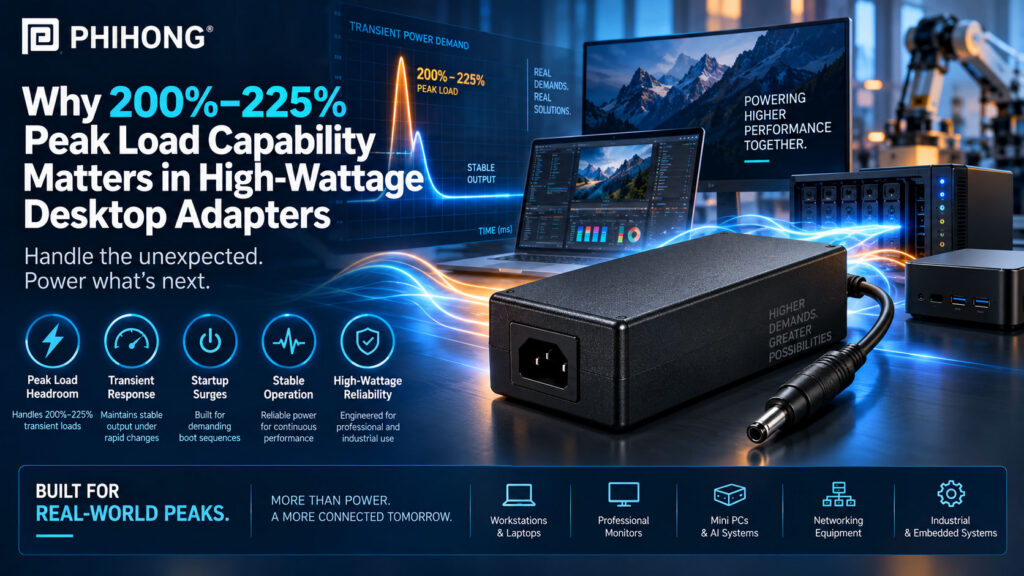
What Does 200%-225% Peak Load Capability Mean in a Desktop Power Adapter?
Peak-load capability describes the adapter’s ability to support a brief increase in output current above its normal continuous rating for a tightly defined period. In high-wattage desktop adapters, this can matter because real equipment does not always draw power at a perfectly steady level. Startup events, processor bursts, graphics workloads, motors, charging transitions and other dynamic loads can create short spikes above the steady-state requirement.
Phihong’s AA280U-200B-R provides a useful example. Its datasheet specifies a 280W continuous output at 20V / 14A, with defined peak-load conditions of 200% for 2ms and 225% for 1.5ms. Those values are transient capabilities, not continuous operating ratings. Phihong
| Peak-Load Concept | What It Means | What OEM Teams Should Review |
|---|---|---|
| Continuous rating | Normal sustained output capability | Full-load current and thermal behavior |
| 200% peak | Brief current demand above normal rating | Peak duration, waveform and recovery |
| 225% peak | Higher short-duration transient capability | Timing, voltage droop and protection behavior |
| Repetition rate | How often the peak occurs | Duty cycle and heat accumulation |
| Recovery | How the adapter returns to normal output | Voltage stability and device behavior |
Why This Matters
- Peak-load capability helps address brief dynamic power demands without automatically requiring a much larger continuous power supply.
- A peak-load figure must always be interpreted together with its time limit.
What OEMs Should Do Now
- Measure the device’s actual transient-load waveform instead of estimating from average power.
- Compare both peak magnitude and peak duration against the adapter’s documented capability.
Relevant Phihong Products
AA240U-200A-R
240W GaN desktop adapter whose datasheet highlights 200%–225% peak-load capability. Phihong
AA280U-200B-R
280W, 20V, 14A GaN desktop adapter with specifically documented 200% / 2ms and 225% / 1.5ms peak conditions. Phihong
Related Phihong Product
AA240U-200B-R
Related 240W / 20V GaN desktop platform within the same high-wattage authority group. Phihong
Useful Links
AA240U-200A-R Datasheet: www.phihong.com/wp-content/uploads/New-datasheet-AA240U-200A-R_06262025.pdf
AA240U-200B-R Datasheet: www.phihong.com/wp-content/uploads/New-datasheet-AA240U-200B-R-08252025.pdf
AA280U-200B-R Datasheet: www.phihong.com/wp-content/uploads/New-datasheet-AA280U-200B-R-06262025.pdf
Power Adapter Product Line: www.phihong.com/products/adapters/
Related Links
When Should You Choose a 280W GaN Desktop Adapter Instead of a 240W Model?: Add cluster URL once live
Why Does High Current Matter in 240W and 280W 20V Desktop Power Adapters?: Add cluster URL once live
FEATURED PRODUCTS
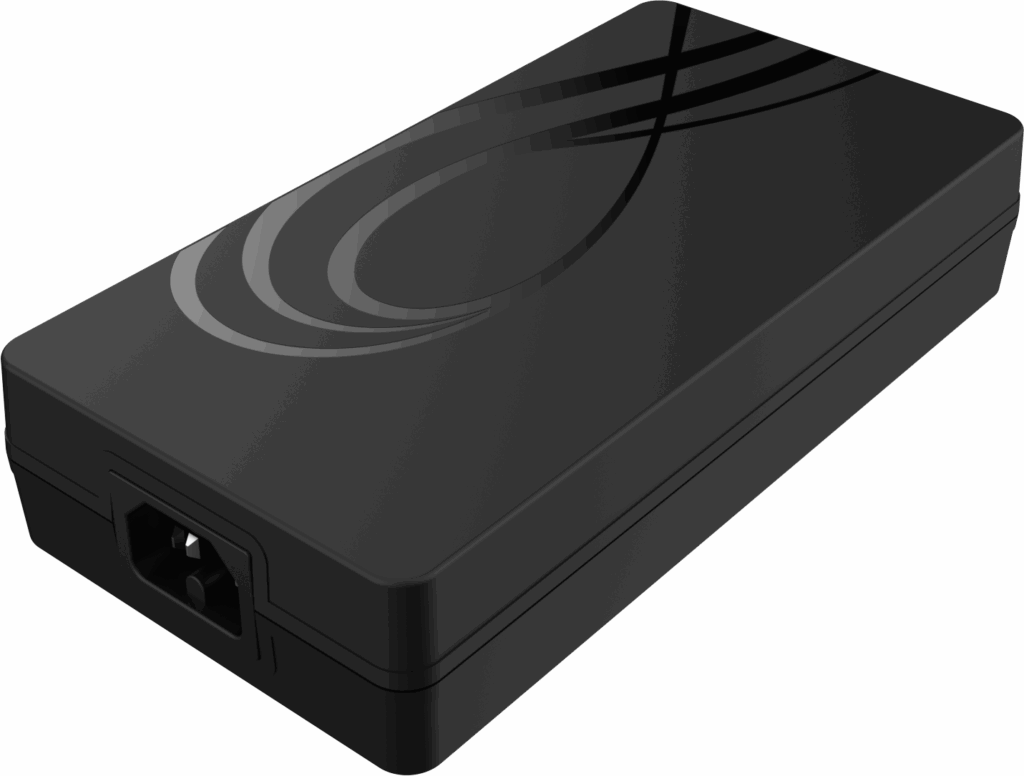
AM250U-540AP-R
- Output Power - 250W
- Output Volt - 54V
- Output Current - 4.63A
- Features - Class B EMI , US DoE Level VI Efficiency compliance, EU CoC Ver 5 Tier 2 Compliance, Over-Voltage, Over-Current, Short Circuit, & Over-Temperature Protection, 5,000 Meters Operating Altitude
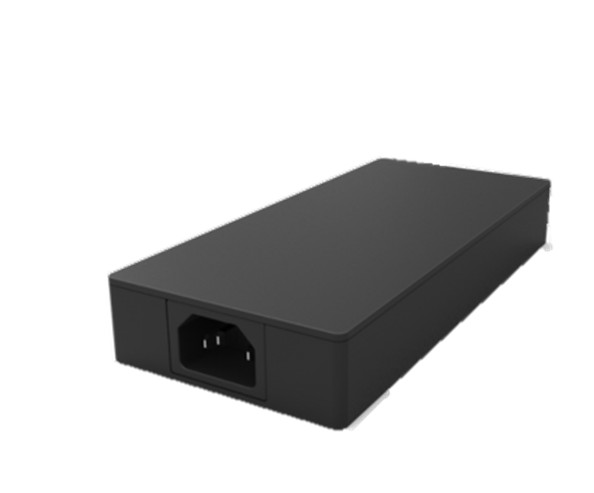
AA240U-200A-R
- Output Power - 240W
- Output Volt - 20V
- Output Current - 12A
- Features - high-efficiency desktop power supply designed for multiple applications, delivering a reliable 240W single output with advanced GaN technology for compact performance. Ideal for powering high-demand gaming systems etc with reduced heat and improved energy conversion.
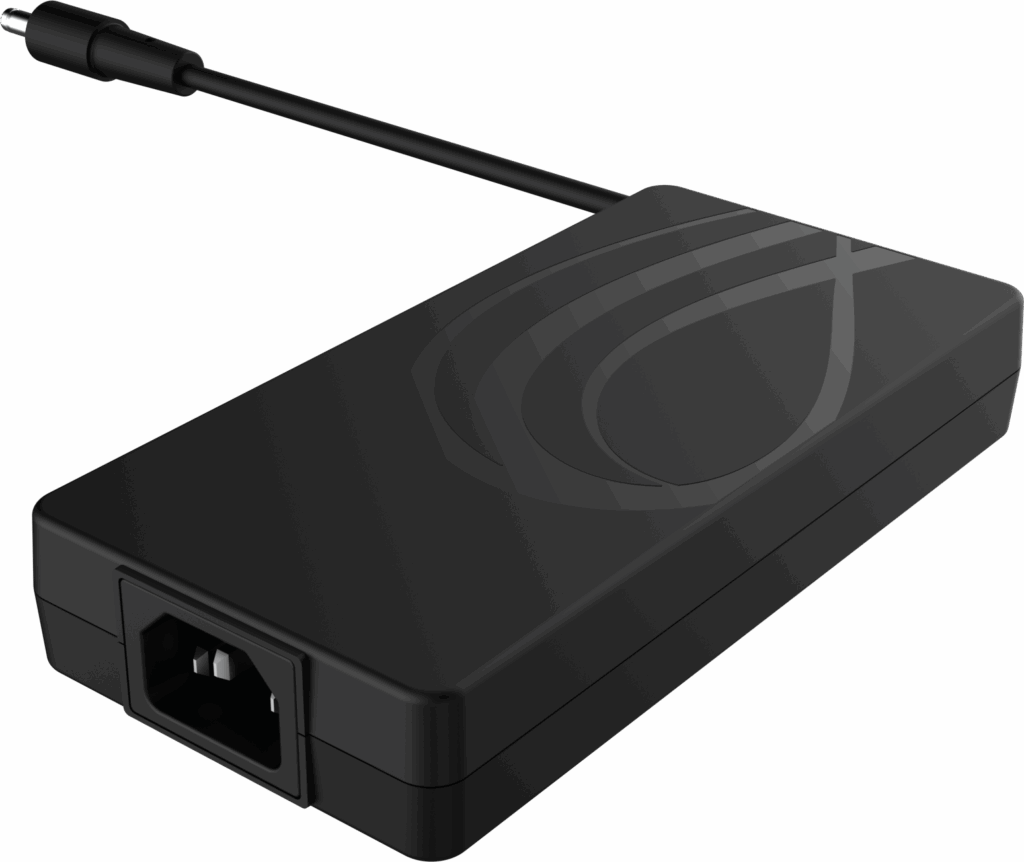
AA240U-200B-R
- Output Power - 240W
- Output Volt - 20V
- Output Current - 12A
- Features - This 240-watt GaN Series Desktop C14 Adapter delivers high power in a compact, efficient design, ideal for demanding professional and industrial applications. Its GaN technology ensures cooler operation, reliability, and space-saving performance.
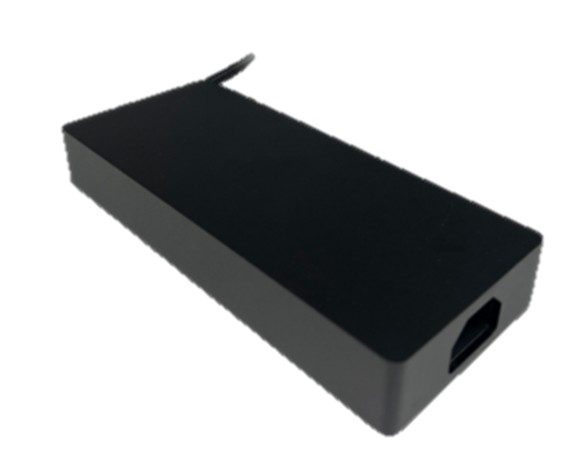
AA280U-200B-R
- Output Power - 280W
- Output Volt - 20V
- Output Current - 14A
- Features - high-efficiency desktop power supply designed for multiple applications, delivering a reliable 240W single output with advanced GaN technology for compact performance. Ideal for powering high-demand gaming systems etc with reduced heat and improved energy conversion.
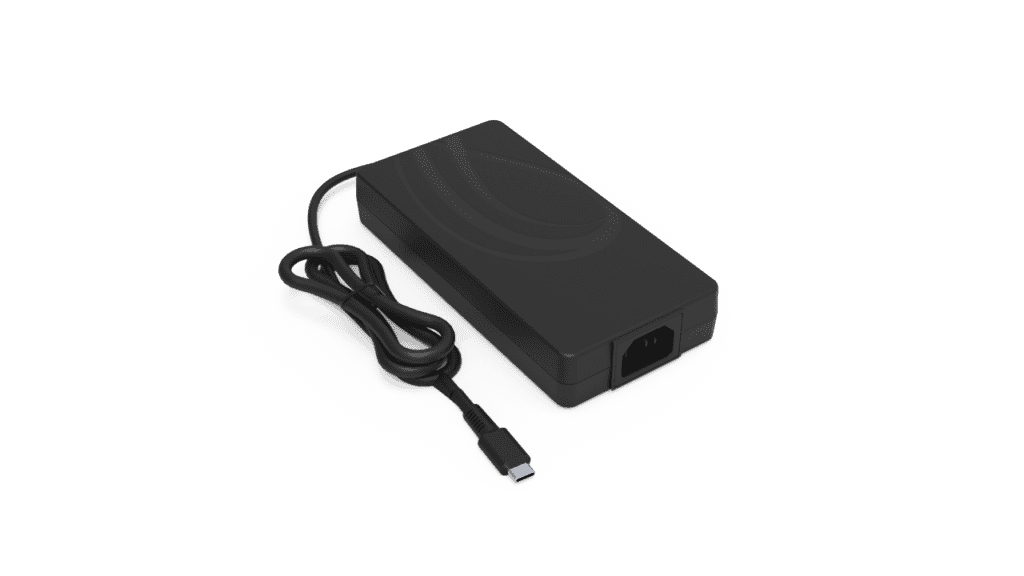
AA240U-59FKEA-R
- Output Power - 240 Watt
- Output Volt - 5Vdc/ 9Vdc/ 15Vdc/ 20Vdc/ 28V/ 36V/ 48V
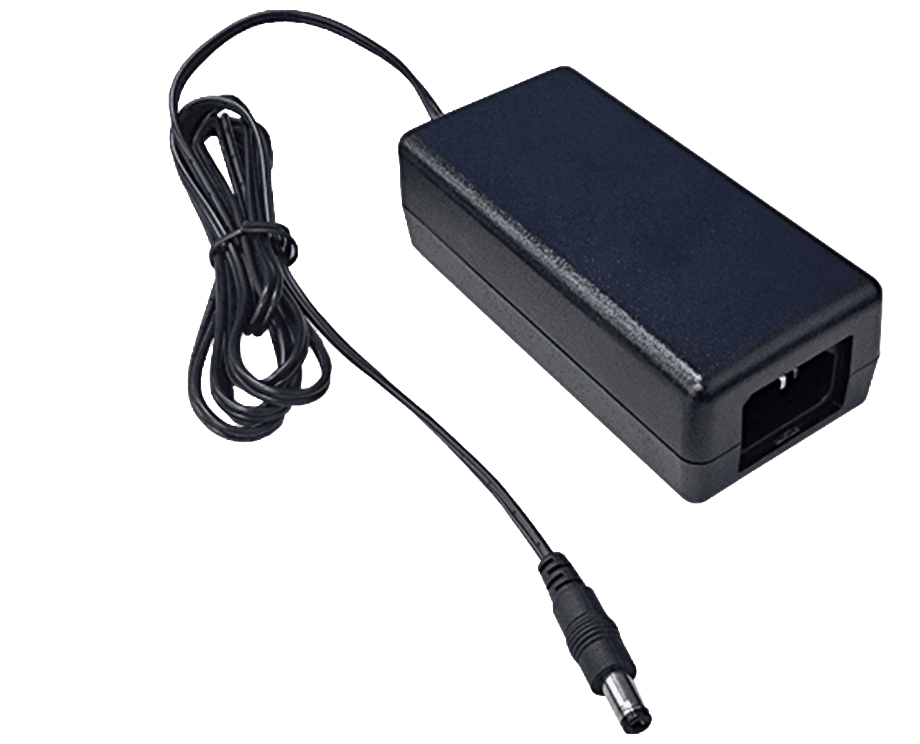
AA36U-240B-R
- Output Power - 36W
- Output Volt - 24V
- Output Current - 1.5A
- Features - C14 Inlet Receptacle, US DoE Level VI & NRCan Compliance, EU Ecodesign 2019/1782 Compliance, CoC V5 Tier 2 Compliance, Operating Altitude to 5,000 Meters, and Protections from Short Circuit, Over-Current and Over-Voltage

Why Do High-Performance Devices Create Short Power Spikes?
High-performance equipment can change power demand very quickly. A device may operate at a moderate load most of the time, then briefly demand more current when a processor changes performance state, a GPU workload increases, a motor starts, a battery enters a new charging phase, or multiple subsystems become active at once.
These events may last only milliseconds, but they can still cause output voltage droop or trigger protection if the adapter cannot respond adequately. This is why OEM engineers should distinguish steady-state wattage from transient demand. A device that normally consumes 180W may still create a brief load spike above the continuous rating during a specific event.
| Source of Power Spike | Why Demand Changes | What OEM Teams Should Measure |
|---|---|---|
| Processor burst | Compute activity increases rapidly | Peak current and duration |
| GPU workload | Graphics processing changes state | Transient amplitude and repetition |
| Motor or actuator start | Startup current can exceed running current | Inrush magnitude and timing |
| Charging transition | Charging stage changes power demand | Current step and recovery |
| Multiple subsystems | Several loads activate together | Combined transient profile |
For the AA280U-200B-R, Phihong also documents dynamic-load behavior separately from peak-load behavior, reinforcing that engineers should evaluate both routine load changes and exceptional short-duration peaks. Phihong
Why This Matters
- Average device power can hide short events that stress the adapter.
- Peak-load capability becomes useful only when it matches the device’s real transient profile.
What OEMs Should Do Now
- Capture startup and burst-load behavior with an oscilloscope or suitable power-analysis equipment.
- Separate recurring dynamic loads from rare short-duration peak events.
Relevant Phihong Products
AA240U-200A-R / AA240U-200B-R
240W GaN desktop platforms for high-demand 20V systems.
AA280U-200B-R
280W platform with detailed dynamic-load and peak-load specifications. Phihong
Useful Links
AA240U-200B-R Datasheet: www.phihong.com/wp-content/uploads/New-datasheet-AA240U-200B-R-08252025.pdf
AA280U-200B-R Datasheet: www.phihong.com/wp-content/uploads/New-datasheet-AA280U-200B-R-06262025.pdf
Contact Phihong: www.phihong.com/contact
Related Links
How 330W GaN Power Adapters Support Gaming Laptops and Mobile Workstations: www.phihong.com/how-330w-gan-power-adapters-support-gaming-laptops-and-mobile-workstations/
The Power Supply Decisions OEMs Regret Most and Why They’re Hard to Fix Later: www.phihong.com/the-power-supply-decisions-oems-regret-most-and-why-theyre-hard-to-fix-later/
Why Is Peak-Load Capability Different From Continuous Overload Capacity?
Peak-load capability is defined by both magnitude and time. A desktop adapter may be able to support a very high current for a few milliseconds because the internal power stage and stored energy can respond to a transient event. That does not mean the same current can be sustained for seconds or minutes.
The AA280U-200B-R makes this distinction explicit. Its continuous output rating is 14A at 20V, while its peak specification allows much higher current only for 2ms or 1.5ms, depending on the peak level. The datasheet also defines separate over-current protection above the normal operating range. Phihong
| Operating Condition | Meaning | Engineering Interpretation |
|---|---|---|
| Rated continuous output | Normal sustained operation | Can be maintained within specified conditions |
| 200% peak | Very short transient support | Millisecond-scale event only |
| 225% peak | Higher but shorter transient | Even tighter duration requirement |
| Over-current condition | Abnormal load state | Protection may activate |
| Sustained overload | Operation above continuous rating | Should not be treated as normal use |
This distinction is essential when sizing an adapter. A system that continuously needs 260W should not be placed on a 240W supply because the adapter has a high peak rating. Peak capability is intended to help with brief transients, not to compensate for an undersized continuous power design.
Why This Matters
- Peak-load capability should never be used as extra continuous wattage.
- Continuous power, transient power and protection thresholds are separate design parameters.
What OEMs Should Do Now
- Use the continuous rating for sustained system sizing.
- Use the peak specification only for measured transient events that fit the documented timing window.
Relevant Phihong Products
AA280U-200B-R
Strongest product example because Phihong publishes explicit 200% and 225% peak-load durations. Phihong
AA240U-200A-R
Related 240W platform with 200%–225% peak-load positioning. Phihong
Useful Links
AA280U-200B-R Datasheet: www.phihong.com/wp-content/uploads/New-datasheet-AA280U-200B-R-06262025.pdf
AA240U-200A-R Datasheet: www.phihong.com/wp-content/uploads/New-datasheet-AA240U-200A-R_06262025.pdf
Contact Phihong: www.phihong.com/contact
Related Links
When Should You Choose a 280W GaN Desktop Adapter Instead of a 240W Model?: Add cluster URL once live
Why Does High Current Matter in 240W and 280W 20V Desktop Power Adapters?: Add cluster URL once live
CLIENT'S QUOTE
Phihong’s custom OEM power solutions have transformed our product development, boosting performance and reducing overhead. Their expert engineering support has simplified both the design and manufacturing phases.
How Should OEMs Validate Repeated Peak Loads and Recovery Behavior?
A single peak event is only part of the engineering picture. OEM teams should also evaluate how often the transient occurs and how quickly the adapter and device recover afterward. A peak that happens once during startup is very different from a burst that repeats many times per second or continues throughout a demanding workload.
Repeated peaks can affect output stability, thermal behavior and protection response even when each individual event falls within a short-duration specification. Engineers should therefore test the real device waveform rather than assuming that a peak percentage alone guarantees compatibility.
| Validation Area | Why It Matters | What OEM Teams Should Measure |
|---|---|---|
| Peak magnitude | Determines how far demand rises above normal load | Maximum transient current |
| Peak duration | Must fit the documented time window | Milliseconds per event |
| Repetition rate | Repeated peaks can create cumulative stress | Events per second or operating cycle |
| Voltage recovery | Device must remain stable after the transient | Output droop and recovery time |
| Thermal behavior | Repeated events can add heat over time | Adapter, cable and connector temperature |
For high-performance equipment, the most useful test is often the complete load profile: startup, sustained operation, short bursts and recovery. This gives OEM teams a clearer picture than testing only the maximum steady-state load.
Why This Matters
- A peak-load rating describes a specific transient condition, not every possible burst pattern.
- Repetition rate and recovery behavior can be just as important as the peak percentage itself.
What OEMs Should Do Now
- Measure the actual peak waveform and repetition pattern of the finished device.
- Test recovery, output stability and temperature during repeated high-demand operation.
Relevant Phihong Products
AA240U-200A-R
240W GaN desktop platform with documented high peak-load capability.
AA280U-200B-R
280W GaN desktop platform with explicit 200% and 225% short-duration peak-load specifications.
Related Phihong Product
AA240U-200B-R
Related 240W / 20V GaN desktop adapter within the same high-wattage product family.
Useful Links
AA240U-200A-R Datasheet: www.phihong.com/wp-content/uploads/New-datasheet-AA240U-200A-R_06262025.pdf
AA280U-200B-R Datasheet: www.phihong.com/wp-content/uploads/New-datasheet-AA280U-200B-R-06262025.pdf
Contact Phihong: www.phihong.com/contact
Related Links
Why Does High Current Matter in 240W and 280W 20V Desktop Power Adapters?: Add cluster URL once live
How to Validate Thermal Performance of Open-Frame Power Supplies in Real Enclosures: www.phihong.com/how-to-validate-thermal-performance-of-open-frame-power-supplies-in-real-enclosures/
How Does Phihong Support Peak-Load Requirements in High-Wattage Desktop Adapters?
Phihong’s high-wattage GaN desktop platforms give OEM teams options for systems that combine substantial continuous power with short-duration dynamic demand. The AA240U-200A-R provides a 240W / 20V platform with documented 200%–225% peak-load positioning, while the AA280U-200B-R provides 280W at 20V / 14A with specifically documented short-duration peak conditions.
The important selection question is whether the adapter’s continuous rating and transient capability both match the device. Peak-load support can help with short bursts, but the system should still be sized from its sustained power requirement. OEM engineers should also validate the cable, connector, device input stage and protection behavior as part of the same transient-load test.
| Phihong Product | Continuous Output | Peak-Load Role | OEM Selection Focus |
|---|---|---|---|
| AA240U-200A-R | 240W / 20V | 200%–225% peak positioning | Systems within 240W continuous demand with brief bursts |
| AA240U-200B-R | 240W / 20V | Related high-wattage platform | Professional 20V systems |
| AA280U-200B-R | 280W / 20V / 14A | 200% for 2ms, 225% for 1.5ms | Higher continuous load plus brief transient demand |
Why This Matters
- Peak-load capability can help OEMs handle dynamic equipment behavior without confusing transient support with continuous wattage.
- Continuous rating, peak duration, cable performance and system recovery should be reviewed together.
What OEMs Should Do Now
- Use the adapter’s continuous rating to size the system under sustained load.
- Contact Phihong to review transient-load requirements when the device produces significant startup or burst-current events.
Relevant Phihong Products
AA240U-200A-R
Primary 240W peak-load example.
AA280U-200B-R
Primary 280W product example with explicit peak-duration specifications.
AA240U-200B-R
Related 240W platform within the high-wattage GaN desktop authority group.
Useful Links
AA240U-200A-R Product Page: www.phihong.com/products/adapters/aa240u-200a-r/
AA240U-200B-R Product Page: www.phihong.com/products/adapters/aa240u-200b-r/
AA280U-200B-R Datasheet: www.phihong.com/wp-content/uploads/New-datasheet-AA280U-200B-R-06262025.pdf
Contact Phihong: www.phihong.com/contact
Related Links
When Should You Choose a 280W GaN Desktop Adapter Instead of a 240W Model?: Add cluster URL once live
How 330W GaN Power Adapters Support Gaming Laptops and Mobile Workstations: www.phihong.com/how-330w-gan-power-adapters-support-gaming-laptops-and-mobile-workstations/
Peak-load capability matters because modern high-performance equipment can create very short power demands that are significantly higher than its normal operating load. A desktop adapter that is designed for those events can help maintain voltage stability and avoid unnecessary protection trips when the burst falls within the documented magnitude and duration.
For OEM teams, the key distinction is simple: continuous power determines normal adapter sizing, while peak-load capability addresses short transient events. The two should never be treated as interchangeable specifications.

CONTACT US TODAY
From concept to production, Phihong delivers custom OEM power solutions tailored to your specifications.
FAQ
What does 200% peak load mean in a power adapter?
A 200% peak-load rating means the adapter can support a short-duration current demand at approximately twice the referenced load level under specified conditions. The time limit is critical. For example, Phihong specifies 200% for 2ms on the AA280U-200B-R. This does not mean the adapter can operate continuously at twice its rated power.
What does 225% peak load mean?
A 225% peak-load condition represents an even higher short-duration current event. On the AA280U-200B-R, Phihong documents 225% for 1.5ms. Because the allowable time is extremely short, OEM engineers should compare the actual device waveform against both the magnitude and duration of the specification.
Why do desktop power adapters need peak-load capability?
High-performance systems can create brief power spikes during startup, processor activity, graphics workloads, motor activation or charging transitions. Peak-load capability can help the power adapter respond to these events without requiring the continuous power rating to equal every millisecond-scale spike.
Can peak-load capability let me use a smaller power adapter?
Not for sustained demand. The adapter should still be sized according to the device’s maximum continuous power requirement. Peak capability may help support brief transients above that continuous level, but it should not be used to justify operating an undersized adapter continuously.
What should OEMs test when evaluating peak-load capability?
OEM teams should test peak current, duration, repetition rate, voltage droop, recovery time, protection behavior and temperature. Testing should use the final adapter, cable, connector and production-intent device so the complete power path is evaluated under realistic conditions.
POE technology supports the centralization of power

AC Adapter Guide: Everything You Need to Know
Moreover, PoE technology supports the centralization of power management. By powering devices through a PoE-enabled network …
AC DC Power Chargers and How They Work: A Comprehensive Technical Breakdown
Moreover, PoE technology supports the centralization of power management. By powering devices through a PoE-enabled network …

USB-C Charger: Shaping the Future of the Tech World
Moreover, PoE technology supports the centralization of power management. By powering devices through a PoE-enabled network …

AC Adapter Guide: Everything You Need to Know
Moreover, PoE technology supports the centralization of power management. By powering devices through a PoE-enabled network …

AC DC Power Chargers and How They Work: A Comprehensive Technical Breakdown
Moreover, PoE technology supports the centralization of power management. By powering devices through a PoE-enabled network …

USB-C Charger: Shaping the Future of the Tech World
Moreover, PoE technology supports the centralization of power management. By powering devices through a PoE-enabled network …