







BLOG
How Do OEMs Manage Thermal Derating and Efficiency in Compact DC/DC Converter Designs?
QUICK LINKS
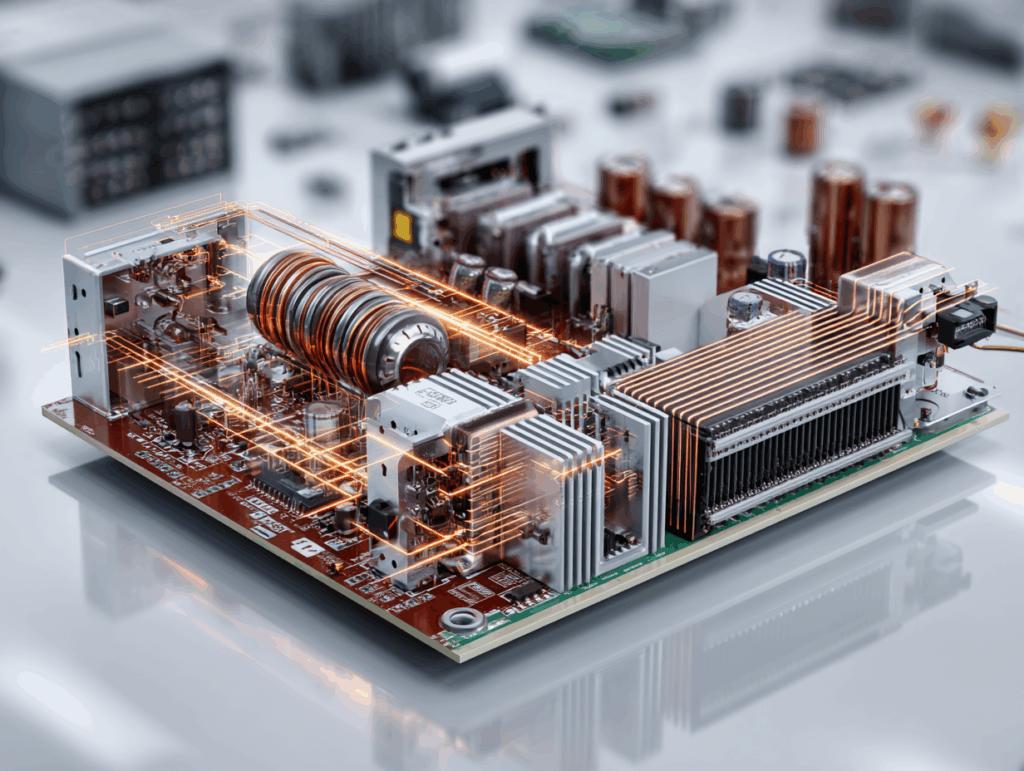
Why does thermal derating become a critical issue in compact DC/DC converter designs?
Thermal derating becomes unavoidable as DC/DC converters shrink in size while delivering higher power densities. Compact modules concentrate switching components, magnetics, and control circuitry into tight spaces, which raises internal temperatures quickly—especially in sealed enclosures or environments with limited airflow. As temperature rises, converters must reduce output power to stay within safe operating limits, a behavior defined by thermal derating curves. OEMs who overlook this reality risk unexpected power loss, system instability, or premature field failures.
In real deployments, ambient conditions often exceed lab assumptions. Industrial control panels, robotics cabinets, outdoor enclosures, and medical carts can all experience elevated temperatures. When converters derate earlier than expected, downstream loads may brown out, reset, or fail intermittently. This is particularly problematic for systems with peak loads, duty cycles, or startup surges that push converters near their thermal limits.
Understanding thermal derating is therefore a system-level responsibility. OEMs must evaluate not only the converter’s datasheet rating at 25°C, but also how it behaves at 40°C, 60°C, or higher inside the final enclosure. Proper derating analysis ensures sufficient power headroom, stable operation, and long-term reliability.
Top Benefits
-
Prevents unexpected power loss under elevated temperatures
-
Improves reliability in sealed or airflow-restricted enclosures
-
Reduces field failures caused by thermal overstress
Best Practices
-
Review derating curves early, not just nominal power ratings
-
Model worst-case ambient and internal temperatures
-
Design with power headroom above peak load demand
Accounting for thermal derating from the start helps OEMs avoid hidden performance limits and ensures compact DC/DC designs remain dependable in real-world conditions.
(Suggested Links: https://www.phihong.com/internal-power-supply/ | https://www.phihong.com/products/open-frame-internal-psu/)
FEATURED PRODUCTS
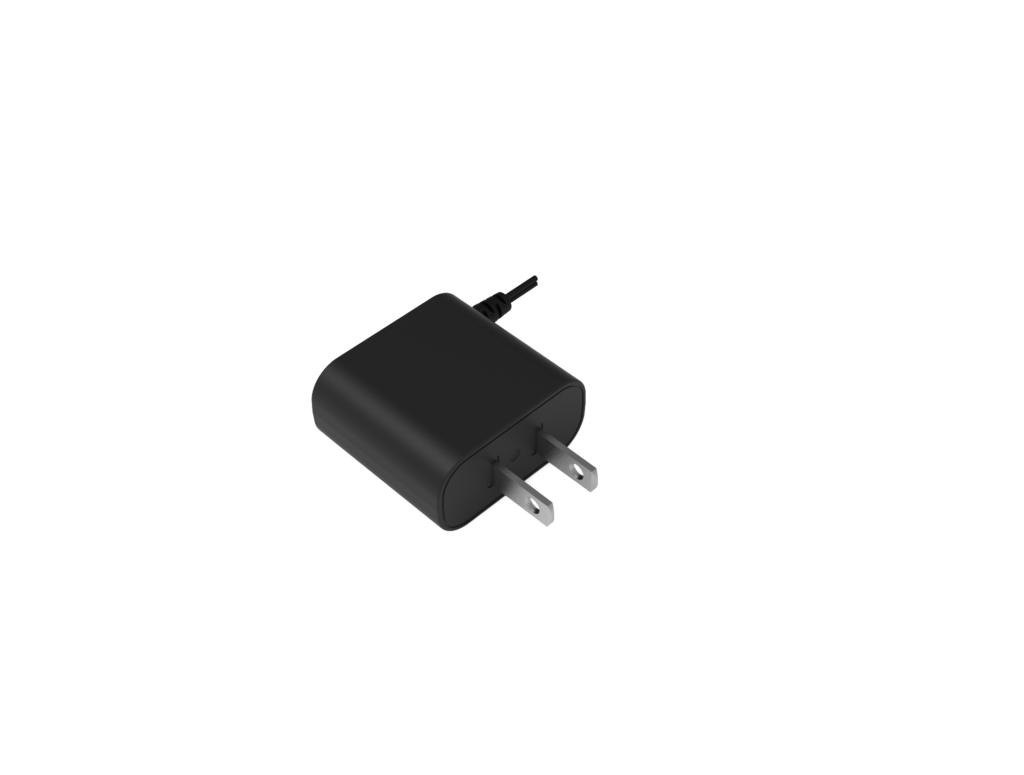
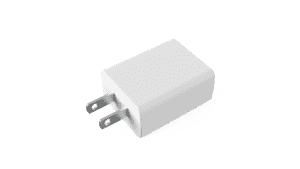
AA03A-075A-R
- Output Power - 2.75W
- Output Volt - 7.5V
- Output Current - 0.366A
- Features - Fixed Blade AC Input, Limited Power Source, Class B EMI, Level VI Efficiency, Standard Barrel Connector
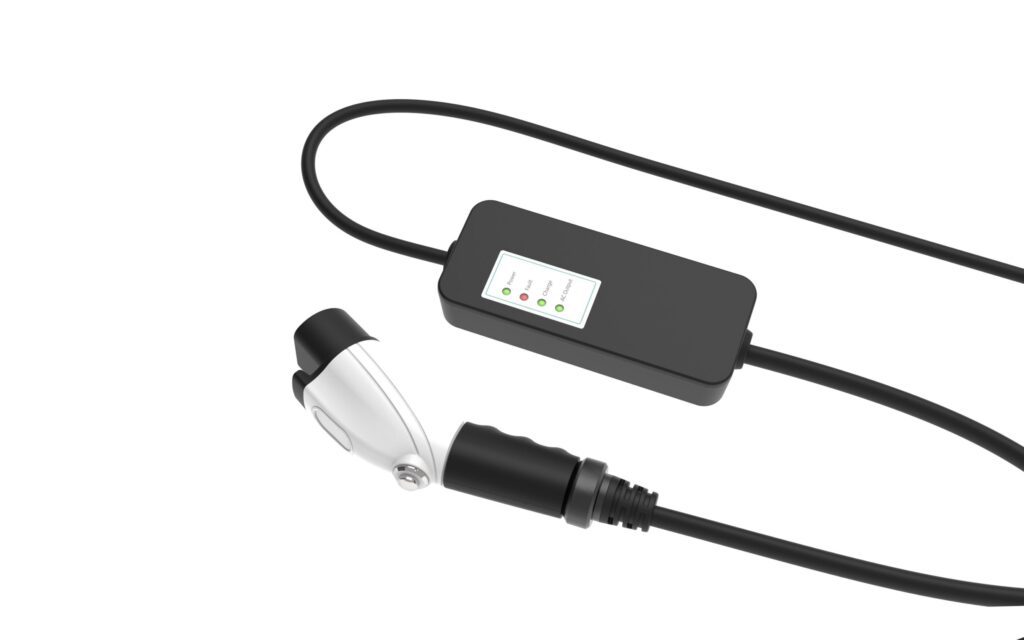
AC Series
- Output Current - 16A
- Features - Mode 2-chargers can use a circuit ranging from 8Amp to 16Amp with a local standard AC input plug installed for operation, Provides overcurrent, over voltage and short circuit protection, Protected against strong jets of water from all directions, Continuously monitors/supervises the ground connection between the AC supply and EV to ensure safe and reliable charging
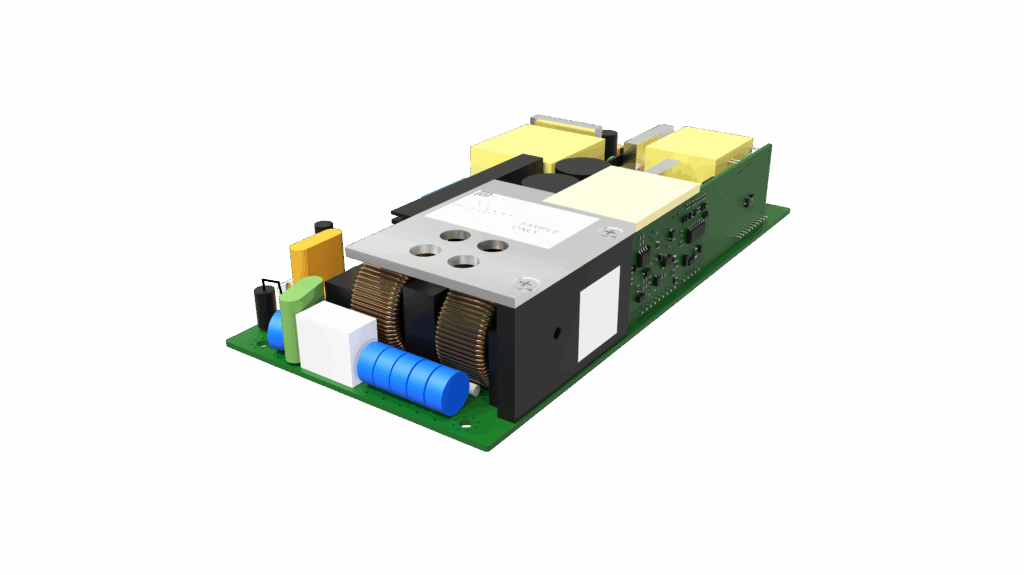
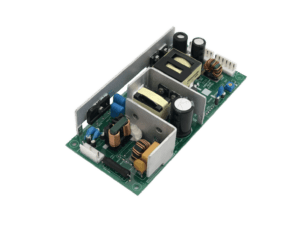
BF550-234A-R
- Output Power - 550W
- Output Volt - 12Vdc / 54.5Vdc
- Features - Universal AC Input range, Class I Design , Class B EMI , High Efficiency Performance , OVP, OCP, SCP, OTP Protections , Operating Altitude: 5,000M
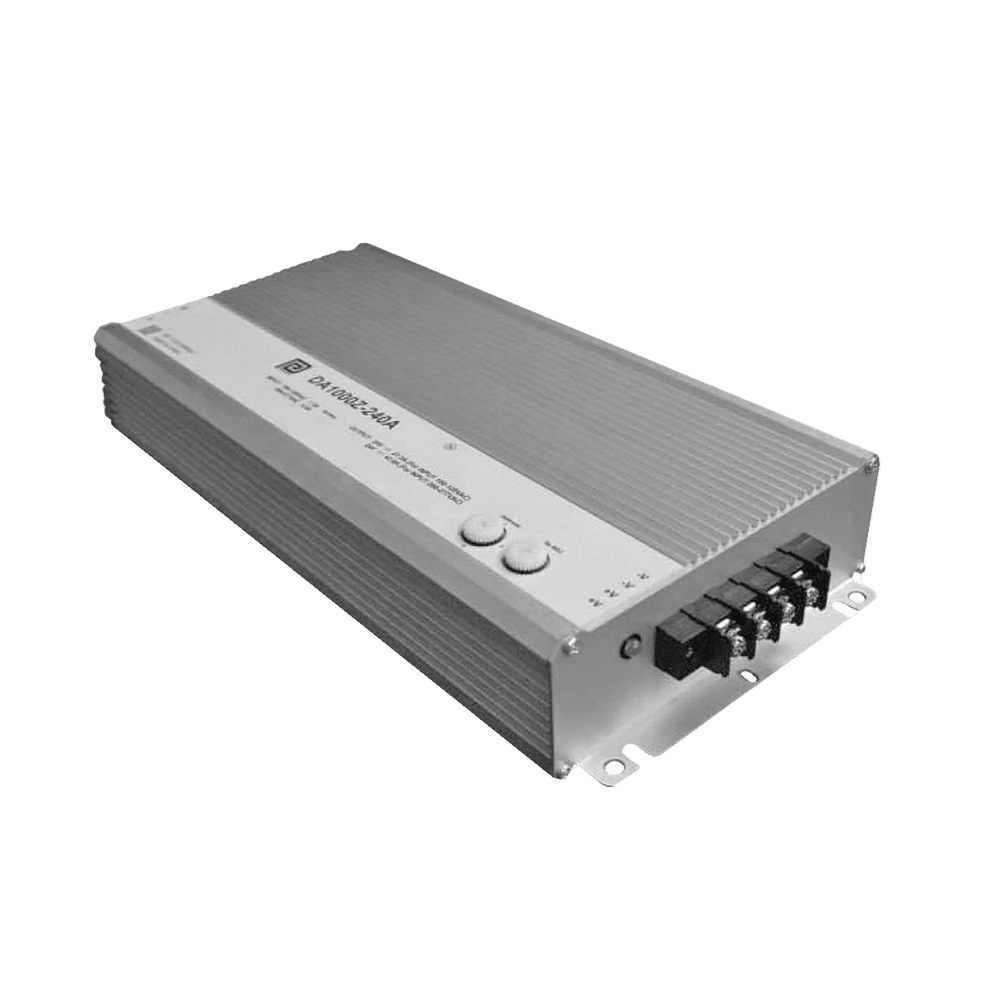
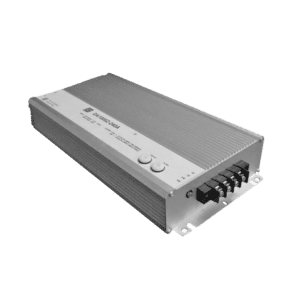
DA1000Z-240AEV-R
- Output Power - 1000W
- Output Volt - 24V
- Output Current - 1000W
- Features - Extended operating temperature range of -40℃ to 70℃, Fan-less aluminum case filled with heat conductive glue, Able to withstand 10G vibration, Power on LED indicator, Short Circuit, Over Current, Over Voltage, and Over Temperature Protections, & Adjustable output through potentiomete
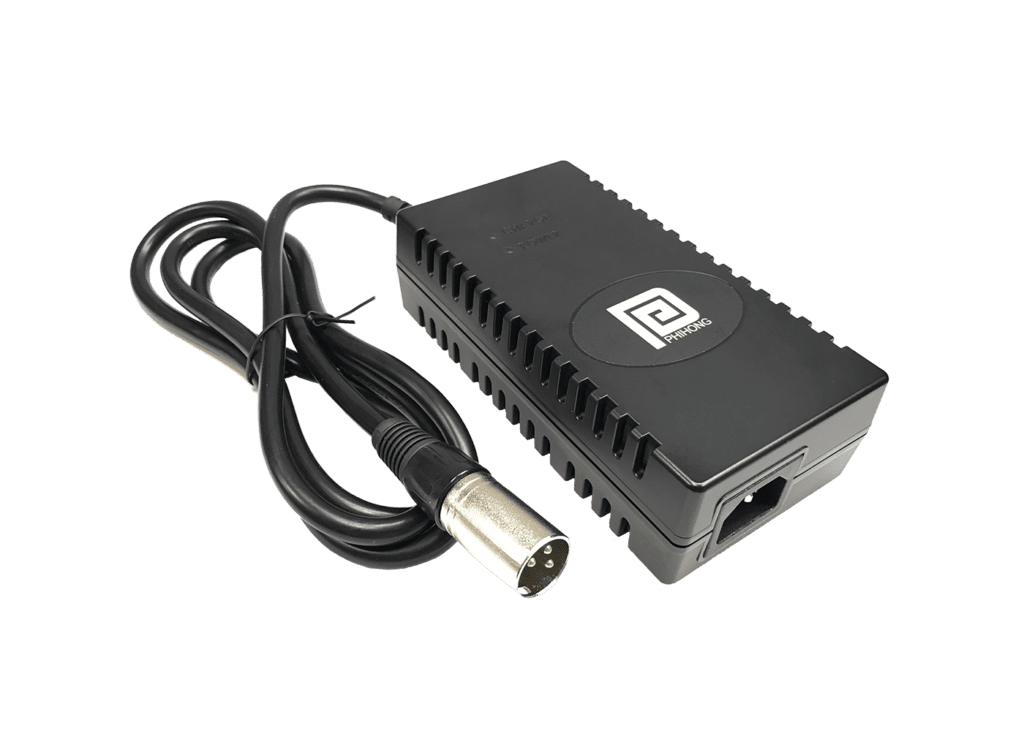
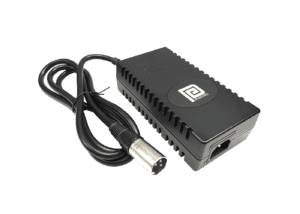
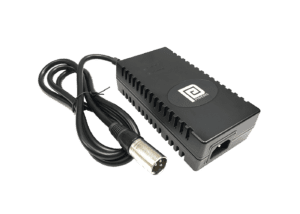
DA60U-240A-R
- Output Power - 60W
- Output Volt - 24V
- Output Current - 2.5A
- # of ports - 1
- Features - RESNA Compliant, CEC Compliant, LED Indicators Charge State, OVP, OTP, SCP, Charges AGM Batteries, Max 12hrs Charging Time
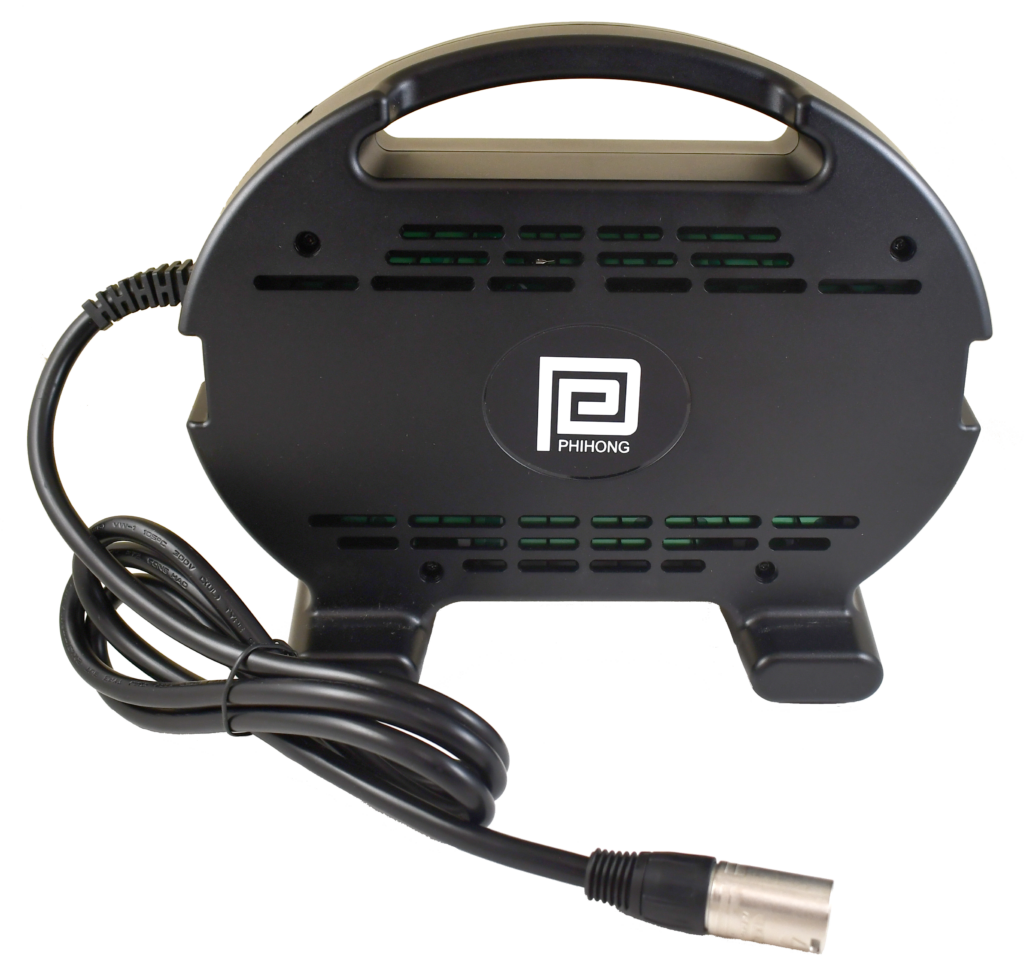
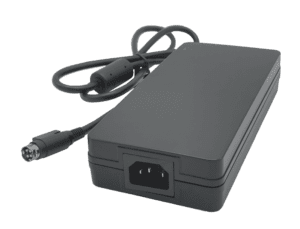
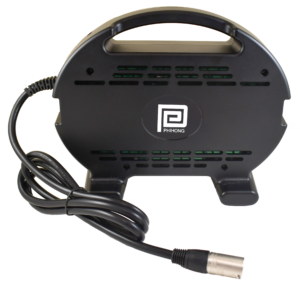
DA200U-250A-R
- Output Power - 200W
- Output Volt - 24V
- Output Current - 8A
- # of ports - 1
- Features - RESNA Compliant, CEC Compliant, LED Indicators Charge State, OVP, OTP, SCP, Dual-Mode Charger, Charges GEL or AGM batteries, Max 12hrs Charging Time
How does efficiency directly impact thermal performance in compact DC/DC modules?
Efficiency and thermal behavior are inseparable in compact DC/DC designs. Every percentage point of inefficiency becomes heat that must be dissipated. In small form factors, even minor efficiency losses can result in significant temperature rise because there is less surface area and airflow to remove heat. For OEMs, this means that a converter with slightly lower efficiency may derate much sooner than expected, even if its nominal power rating appears sufficient.
Higher efficiency reduces internal power loss, which lowers junction temperatures of switching devices, inductors, and control ICs. This not only delays the onset of thermal derating but also improves long-term reliability by reducing stress on temperature-sensitive components. In compact designs used for industrial controls, robotics, IoT gateways, and embedded computing, improved efficiency often determines whether active cooling is required—or whether passive cooling is enough.
Efficiency also affects EMI behavior and component aging. Excess heat can change switching characteristics, increase noise, and accelerate capacitor degradation. OEMs that prioritize efficiency as a thermal management strategy gain benefits beyond energy savings, including more predictable performance and longer service life.
Top Benefits
-
Reduces heat generation and delays thermal derating
-
Extends component lifespan in high-density designs
-
Improves stability under continuous or peak loads
Best Practices
-
Compare efficiency across the full load range, not only at peak
-
Evaluate efficiency at elevated ambient temperatures
-
Select converters optimized for high-density, low-loss operation
By treating efficiency as a thermal control tool, OEMs can push compact DC/DC modules further without compromising reliability or safety.
(Suggested Links: https://www.phihong.com/products/battery-chargers/ | https://www.phihong.com/products/usb-power-delivery/)
What role do enclosure design and airflow play in DC/DC thermal derating?
Enclosure design and airflow often determine whether a compact DC/DC converter operates at full power or enters derating early. Even the most efficient converter will struggle if heat becomes trapped inside a poorly ventilated housing. OEMs must consider enclosure material, internal layout, venting strategy, and proximity to other heat-generating components when evaluating thermal performance.
Metal enclosures can act as heat spreaders if properly coupled, while plastic housings often retain heat unless ventilation is provided. The placement of DC/DC converters relative to CPUs, motor drivers, or other power electronics can compound thermal stress. In fanless systems, natural convection paths must be intentionally designed to move heat away from sensitive areas.
Airflow—forced or passive—has a dramatic effect on derating curves. Datasheet ratings are often specified with a certain airflow assumption. When real airflow is lower, derating begins sooner. OEMs that validate thermal performance in the final enclosure, rather than on an open bench, gain a far more accurate understanding of usable power limits.
Top Benefits
-
Maintains full power delivery longer under elevated temperatures
-
Reduces reliance on oversizing converters
-
Improves overall system thermal balance
Best Practices
-
Validate derating behavior inside the final enclosure
-
Position converters to leverage natural convection paths
-
Use thermal vias, heat spreaders, or enclosure coupling where possible
Thoughtful enclosure and airflow design allows compact DC/DC converters to operate closer to their rated limits without sacrificing reliability or efficiency.
(Suggested Links: https://www.phihong.com/products/open-frame-internal-psu/ | https://www.phihong.com/internal-power-supply/)
CLIENT'S QUOTE
Phihong's Power-Over-Ethernet solutions have transformed our network, boosting efficiency and reducing costs. Their seamless integration has simplified both installation and maintenance.
Thermal derating curves define the true usable power of compact DC/DC converters
Thermal derating curves are one of the most important yet misunderstood parts of a DC/DC converter datasheet. They show how much output power a converter can safely deliver as ambient temperature rises. For compact modules, these curves often reveal that full rated power is only available at lower temperatures, with output current gradually reduced to prevent overheating as conditions become more severe. OEMs that ignore these curves risk designing systems that work in the lab but fail in the field.
In real applications, compact DC/DC converters are rarely operating at 25°C ambient. Industrial cabinets, sealed enclosures, and edge devices routinely operate at 40°C to 70°C ambient or higher. At those temperatures, derating may significantly reduce available power. If the system load remains constant while the converter output is reduced, voltage drops, instability, or shutdowns can occur. This can manifest as intermittent resets, communication failures, or unexplained performance degradation that is difficult to diagnose.
Understanding derating curves allows OEMs to size converters correctly. Instead of relying on headline wattage ratings, designers can identify the true continuous power available at their worst-case operating temperature. This often leads to better decisions around power headroom, parallelization, or thermal mitigation strategies that keep systems stable across all conditions.
Top Benefits
-
Reveals real-world power limits under elevated temperatures
-
Prevents unexpected brownouts and system instability
-
Improves long-term reliability in compact designs
Best Practices
-
Always size converters based on worst-case ambient temperature
-
Use derated power values, not nominal ratings, for load calculations
-
Validate behavior at temperature extremes during testing
Thermal derating curves turn power selection from guesswork into a predictable engineering decision, helping OEMs avoid hidden performance limits.
(Suggested Links: https://www.phihong.com/internal-power-supply/ | https://www.phihong.com/products/open-frame-internal-psu/)
Component selection and layout strongly influence thermal efficiency
While converter topology sets the baseline for efficiency, component selection and PCB layout determine how much heat is actually generated and how effectively it is removed. High-quality inductors, low-loss MOSFETs, and capacitors rated for elevated temperatures all contribute to lower internal losses. In compact DC/DC modules, even small inefficiencies compound quickly, making component quality a critical factor in thermal performance.
Layout plays an equally important role. Poor copper distribution, inadequate thermal vias, and congested component placement trap heat near critical junctions. OEMs designing compact boards must think of copper planes not just as electrical conductors, but as thermal pathways. Strategic use of copper pours, stitching vias, and component spacing can dramatically reduce hotspot temperatures and delay the onset of derating.
Component aging is another consideration. As capacitors degrade over time, ESR increases, which raises losses and heat generation. Designing with sufficient thermal margin ensures the converter remains stable over its full service life, not just at initial deployment.
Top Benefits
-
Reduces internal temperature rise at equivalent power levels
-
Extends usable power range before derating begins
-
Improves reliability over long product lifecycles
Best Practices
-
Select components rated for high-temperature operation
-
Use PCB copper and vias as intentional heat spreaders
-
Avoid clustering multiple heat sources in tight areas
Thoughtful component selection and layout amplify efficiency gains and help compact DC/DC converters operate reliably in demanding thermal environments.
(Suggested Links: https://www.phihong.com/products/battery-chargers/ | https://www.phihong.com/internal-power-supply/)
Balancing power density, efficiency, and reliability is key to scalable designs
High power density is attractive, but it always comes with thermal tradeoffs. Compact DC/DC converters push more power through smaller volumes, which raises the importance of efficiency and thermal management. OEMs must balance the desire for smaller modules against the realities of heat dissipation, airflow limitations, and long-term reliability. Over-optimizing for size alone often leads to converters that derate aggressively or fail prematurely in real deployments.
A scalable design approach considers the full operating envelope. This includes startup surges, peak loads, ambient temperature extremes, and aging effects. In many cases, slightly oversizing a converter or choosing a higher-efficiency topology reduces total system cost by eliminating the need for active cooling, service calls, or redesigns. Reliability-focused design decisions often outperform minimal-size solutions over the product lifecycle.
OEMs that take a holistic view of power density, efficiency, and thermal margin create products that scale across markets and environments without repeated engineering changes. This approach supports smoother global deployment and higher customer satisfaction.
Top Benefits
-
Improves system uptime and field reliability
-
Reduces need for active cooling or redesigns
-
Supports consistent performance across global deployments
Best Practices
-
Design with thermal and electrical headroom, not minimum ratings
-
Evaluate peak and continuous loads separately
-
Consider lifecycle reliability, not just initial size targets
Balancing density with efficiency and thermal margin ensures compact DC/DC designs remain robust, scalable, and dependable in real-world applications.
(Suggested Links: https://www.phihong.com/products/open-frame-internal-psu/ | https://www.phihong.com/products/usb-power-delivery/)
How Phihong supports thermal-robust and efficient compact DC/DC converter designs
Phihong supports OEMs by designing DC/DC converter solutions that account for thermal derating and efficiency constraints from the earliest stages of development. Their compact DC/DC modules are engineered with high efficiency topologies, controlled switching behavior, and carefully selected components to minimize heat generation in space constrained designs. This focus helps delay thermal derating and maintain stable output power under elevated ambient temperatures common in industrial control systems, robotics, and embedded electronics.
Phihong also emphasizes predictable thermal behavior across operating conditions. Detailed datasheets include derating information, efficiency curves, and temperature ratings that allow OEMs to make informed decisions during system design. Their engineering teams assist OEMs in evaluating enclosure conditions, airflow limitations, and load profiles so that converters are selected with appropriate headroom rather than relying on nominal ratings alone.
With global manufacturing consistency and long product lifecycles, Phihong enables OEMs to scale compact DC/DC designs across regions without repeated redesigns. Whether used in sealed enclosures, fanless systems, or high density control boards, Phihong converters help OEMs balance efficiency, thermal performance, and long term reliability.
Suggested links
https://www.phihong.com/internal-power-supply/
https://www.phihong.com/contact/

FEATURED RESOURCE
Phihong's Power-Over-Ethernet solutions have transformed our network, boosting efficiency and reducing costs.
FAQ
Why do compact DC/DC converters derate earlier than larger power modules?
Compact DC/DC converters concentrate switching components, magnetics, and control circuitry into a smaller physical volume. This higher power density limits how quickly heat can be dissipated, especially in enclosures with little airflow. As internal temperatures rise, converters must reduce output current to stay within safe operating limits. This behavior is defined by thermal derating curves.
Larger modules have more surface area, greater copper mass, and often better airflow paths, allowing them to operate at full power across a wider temperature range. Compact modules trade this thermal margin for size, making derating unavoidable under elevated ambient conditions. OEMs that rely solely on nominal power ratings without considering temperature effects often encounter unexpected power limitations in the field.
Understanding this tradeoff allows OEMs to design with realistic expectations. By selecting compact converters with sufficient efficiency and headroom, or by improving enclosure heat dissipation, OEMs can delay derating and maintain reliable system performance.
How does efficiency influence thermal derating in DC/DC converter designs?
Efficiency directly determines how much heat a DC/DC converter generates. Every percentage point of lost efficiency becomes heat that must be dissipated. In compact designs, even small losses can lead to significant temperature rise because there is limited space for airflow and heat spreading.
Higher efficiency converters generate less internal heat, which delays the onset of thermal derating and allows the module to deliver closer to its rated output power for longer periods. This is especially important in fanless systems, sealed enclosures, and high ambient environments where thermal margins are limited.
Efficiency also affects long term reliability. Lower operating temperatures reduce stress on capacitors, semiconductors, and magnetic components, extending service life. For OEMs, prioritizing efficiency is not only about energy savings but also about maintaining stable power delivery and avoiding premature failures caused by thermal overstress.
What role do thermal derating curves play in DC/DC converter selection?
Thermal derating curves show how much output power a converter can deliver as ambient temperature increases. These curves provide a realistic picture of usable power under actual operating conditions rather than ideal lab environments. OEMs should treat derating curves as primary selection tools, not secondary reference data.
In many applications, ambient temperature inside the final enclosure may be far higher than room temperature. Without consulting derating curves, OEMs may unknowingly design systems that exceed the converter’s thermal limits, leading to voltage dropouts, resets, or shutdowns during peak loads.
By selecting converters based on worst case ambient temperature and continuous load requirements, OEMs ensure adequate power margin and predictable behavior. Derating curves help engineers decide whether to oversize the converter, improve cooling, or redesign enclosure airflow.
How can enclosure design help mitigate thermal derating in compact DC/DC modules?
Enclosure design plays a major role in thermal performance. Even an efficient DC/DC converter can derate early if heat becomes trapped inside the housing. Material choice, ventilation strategy, component placement, and proximity to other heat sources all influence internal temperature rise.
Metal enclosures can act as heat spreaders when properly coupled to the converter through thermal pads or mounting surfaces. Plastic enclosures may require vents or airflow channels to prevent heat buildup. OEMs should also consider how nearby components such as CPUs, motor drivers, or regulators contribute to overall thermal load.
Validating thermal behavior inside the final enclosure is critical. Bench testing alone does not reflect real conditions. OEMs that account for enclosure effects early can maintain higher usable power and reduce the need for active cooling or late stage redesigns.
Why should OEMs work with Phihong for compact DC/DC converter thermal design?
Phihong brings extensive experience in designing compact DC/DC converters that balance efficiency, thermal performance, and long term reliability. Their products are engineered with predictable derating behavior, high efficiency across load ranges, and components selected for elevated temperature operation.
OEMs benefit from clear documentation, stable manufacturing processes, and engineering support that helps align converter selection with real world thermal conditions. Phihong also supports long product lifecycles, reducing the risk of redesign when scaling across markets or extending production timelines.
By partnering with Phihong, OEMs gain access to power solutions that perform reliably in compact, thermally challenging environments without sacrificing safety or efficiency.
POE technology supports the centralization of power

AC Adapter Guide: Everything You Need to Know
Moreover, PoE technology supports the centralization of power management. By powering devices through a PoE-enabled network …
AC DC Power Chargers and How They Work: A Comprehensive Technical Breakdown
Moreover, PoE technology supports the centralization of power management. By powering devices through a PoE-enabled network …

USB-C Charger: Shaping the Future of the Tech World
Moreover, PoE technology supports the centralization of power management. By powering devices through a PoE-enabled network …

AC Adapter Guide: Everything You Need to Know
Moreover, PoE technology supports the centralization of power management. By powering devices through a PoE-enabled network …

AC DC Power Chargers and How They Work: A Comprehensive Technical Breakdown
Moreover, PoE technology supports the centralization of power management. By powering devices through a PoE-enabled network …

USB-C Charger: Shaping the Future of the Tech World
Moreover, PoE technology supports the centralization of power management. By powering devices through a PoE-enabled network …