








BLOG
How Thermal Design Affects Open-Frame Medical Power Supply Performance
QUICK LINKS

Why does thermal design matter so much in open-frame medical power supplies?
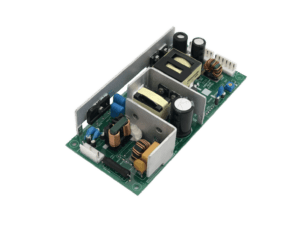
Thermal design is one of the biggest reasons an open-frame medical power supply performs differently in the finished product than it did during early bench evaluation. In embedded healthcare equipment, the PSU is often installed near processors, displays, motors, batteries, sensors, or other heat-generating components inside a compact enclosure. That means the local thermal environment around the power supply can be much more demanding than the room-temperature assumptions used during first-pass selection.
This matters even more in medical equipment because open-frame power supplies rely on the host system for much of their thermal management. They do not hide thermal stress behind a sealed external housing. If airflow is restricted, component placement is crowded, or the internal ambient temperature rises higher than expected, the available power margin can shrink quickly. A unit that appears comfortably rated on paper may derate earlier, run hotter, or show reduced long-term stability once it is operating inside the real enclosure.
For OEM engineers and sourcing teams, this means thermal design is not a secondary cleanup issue. It is part of the actual power selection decision. If the thermal assumptions are wrong, the system can lose usable headroom, reduce service life, or trigger redesign work later in development. In medical products, where reliability expectations are higher, thermal planning needs to begin much earlier.
Why This Matters
• Thermal conditions directly affect usable output power, long-term reliability, and overall system stability.
• Open-frame PSUs depend heavily on enclosure design, airflow, and nearby component heat.
• Poor thermal assumptions can create performance and validation problems that only appear late in development.
What OEMs Should Do Now
• Evaluate the PSU as part of the enclosure’s full thermal environment, not as a standalone part.
• Review nearby heat sources, airflow restrictions, and internal ambient conditions before final selection.
• Treat thermal validation as part of power qualification from the beginning of the design cycle.
Mini Q&A
Why does thermal design matter more in open-frame power supplies?
Because open-frame designs depend more directly on the host enclosure, airflow path, and surrounding heat sources.
Can a PSU pass bench testing and still fail thermally in the final device?
Yes. Real enclosure conditions often create much higher internal temperatures than early lab testing suggests.
Is thermal design only an engineering issue, or does it affect sourcing too?
It affects both, because thermal limits influence product fit, usable wattage, reliability margin, and redesign risk.
Thermal performance starts with system context, not just the datasheet.
Useful Links
Related Links
- How to Validate Thermal Performance of Open-Frame Power Supplies in Real Enclosures
- Best Guide to Open-Frame Internal Power Supplies: How to Choose the Right Internal PSU for Industrial Equipment
- Why Do DC-DC Converters Overheat in Compact Designs and How Can Engineers Prevent Failure?
FEATURED PRODUCTS
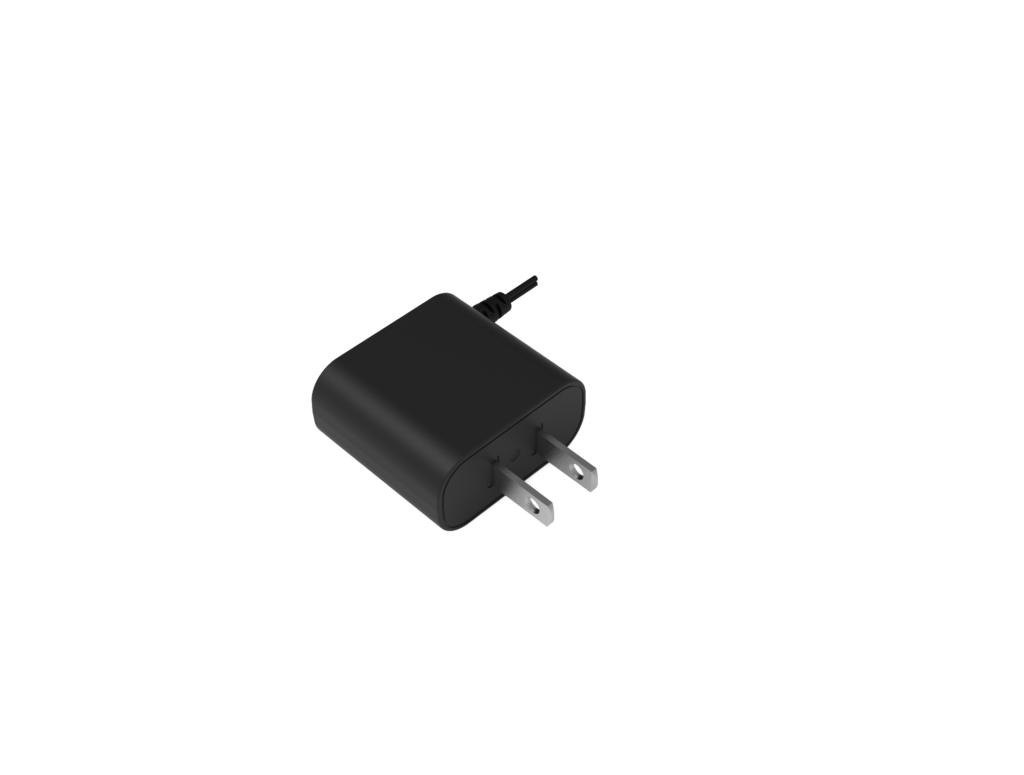
AA03A-075A-R
- Output Power - 2.75W
- Output Volt - 7.5V
- Output Current - 0.366A
- Features - Fixed Blade AC Input, Limited Power Source, Class B EMI, Level VI Efficiency, Standard Barrel Connector
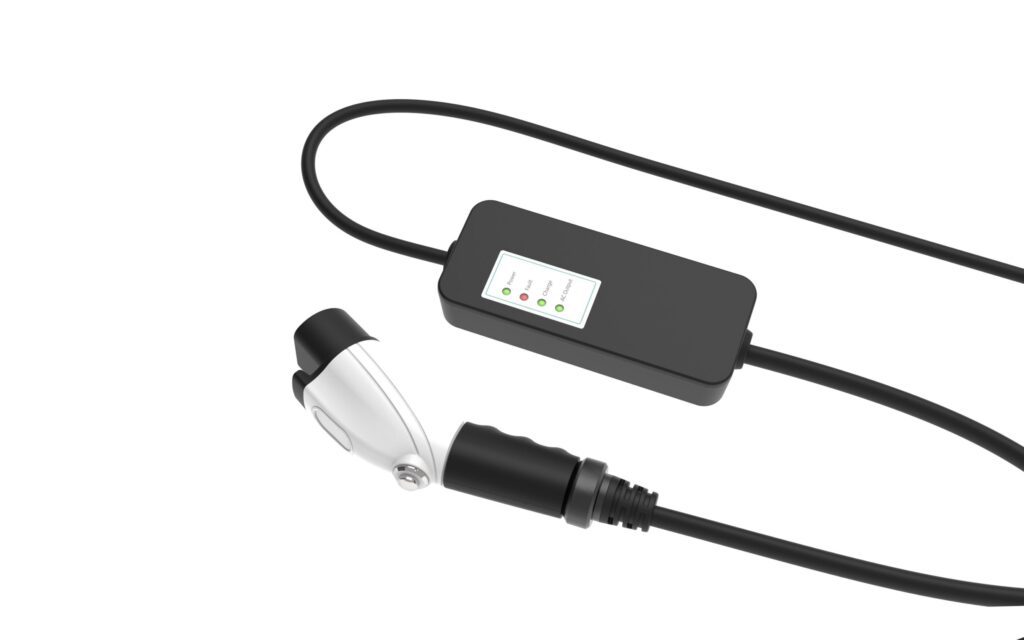
AC Series
- Output Current - 16A
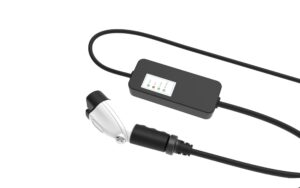
- Features - Mode 2-chargers can use a circuit ranging from 8Amp to 16Amp with a local standard AC input plug installed for operation, Provides overcurrent, over voltage and short circuit protection, Protected against strong jets of water from all directions, Continuously monitors/supervises the ground connection between the AC supply and EV to ensure safe and reliable charging
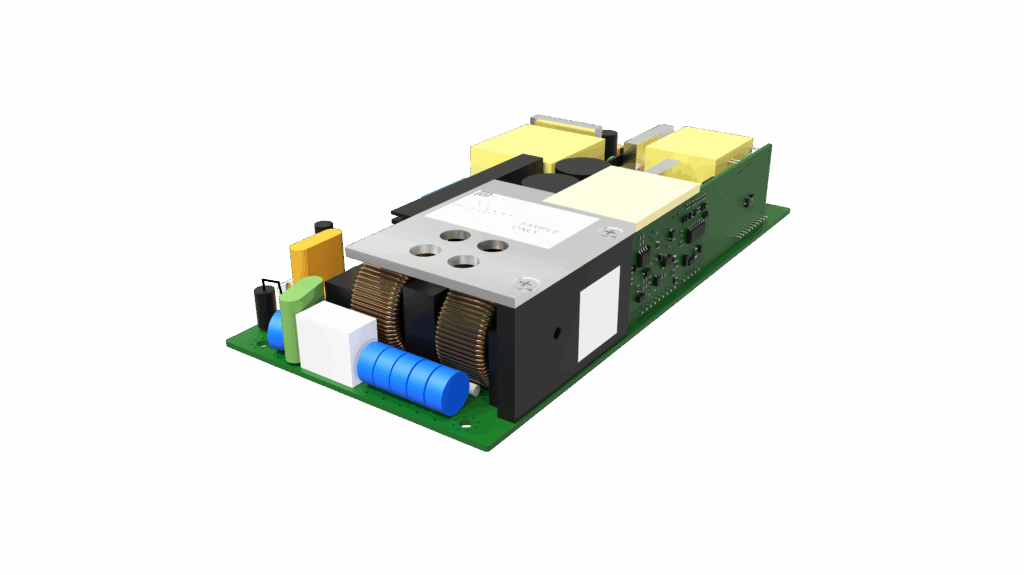
BF550-234A-R
- Output Power - 550W
- Output Volt - 12Vdc / 54.5Vdc
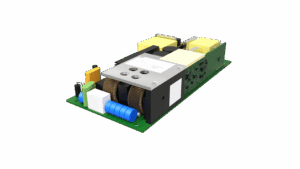
- Features - Universal AC Input range, Class I Design , Class B EMI , High Efficiency Performance , OVP, OCP, SCP, OTP Protections , Operating Altitude: 5,000M
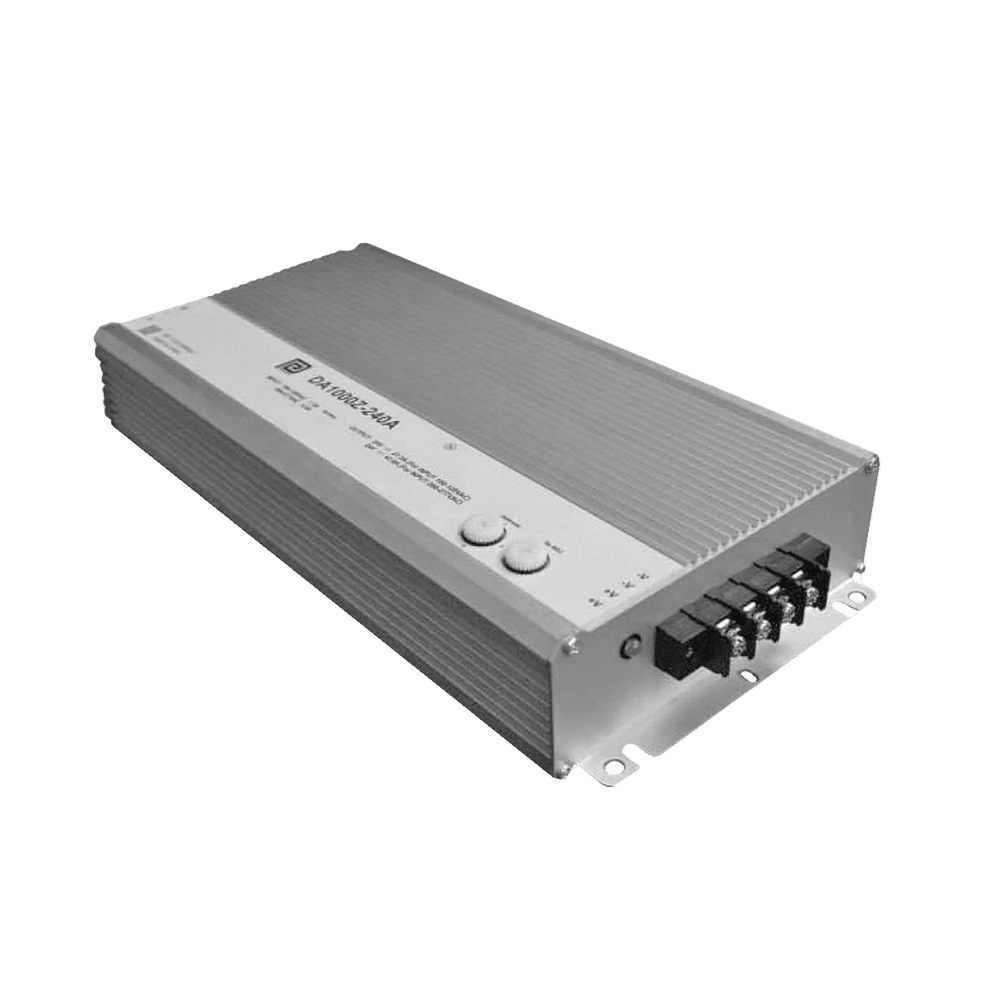
DA1000Z-240AEV-R
- Output Power - 1000W
- Output Volt - 24V
- Output Current - 1000W
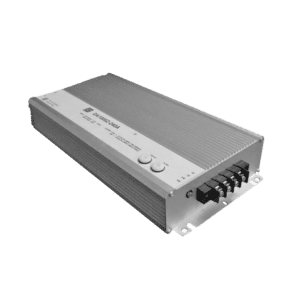
- Features - Extended operating temperature range of -40℃ to 70℃, Fan-less aluminum case filled with heat conductive glue, Able to withstand 10G vibration, Power on LED indicator, Short Circuit, Over Current, Over Voltage, and Over Temperature Protections, & Adjustable output through potentiomete
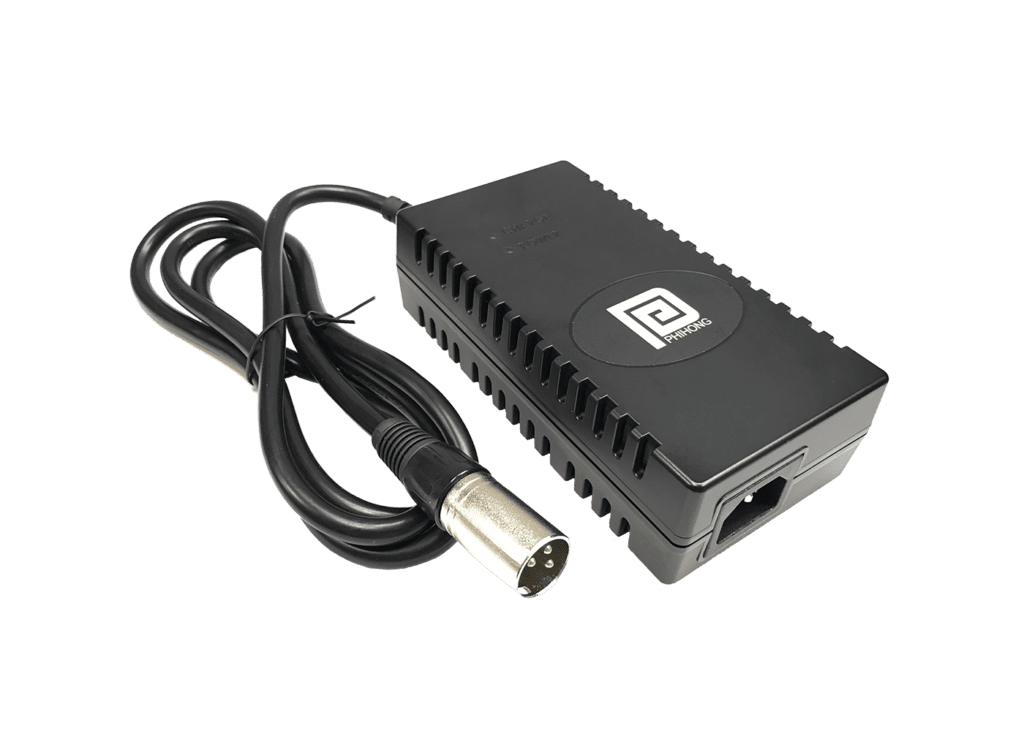
DA60U-240A-R
- Output Power - 60W
- Output Volt - 24V
- Output Current - 2.5A
- # of ports - 1
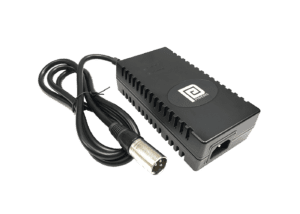
- Features - RESNA Compliant, CEC Compliant, LED Indicators Charge State, OVP, OTP, SCP, Charges AGM Batteries, Max 12hrs Charging Time
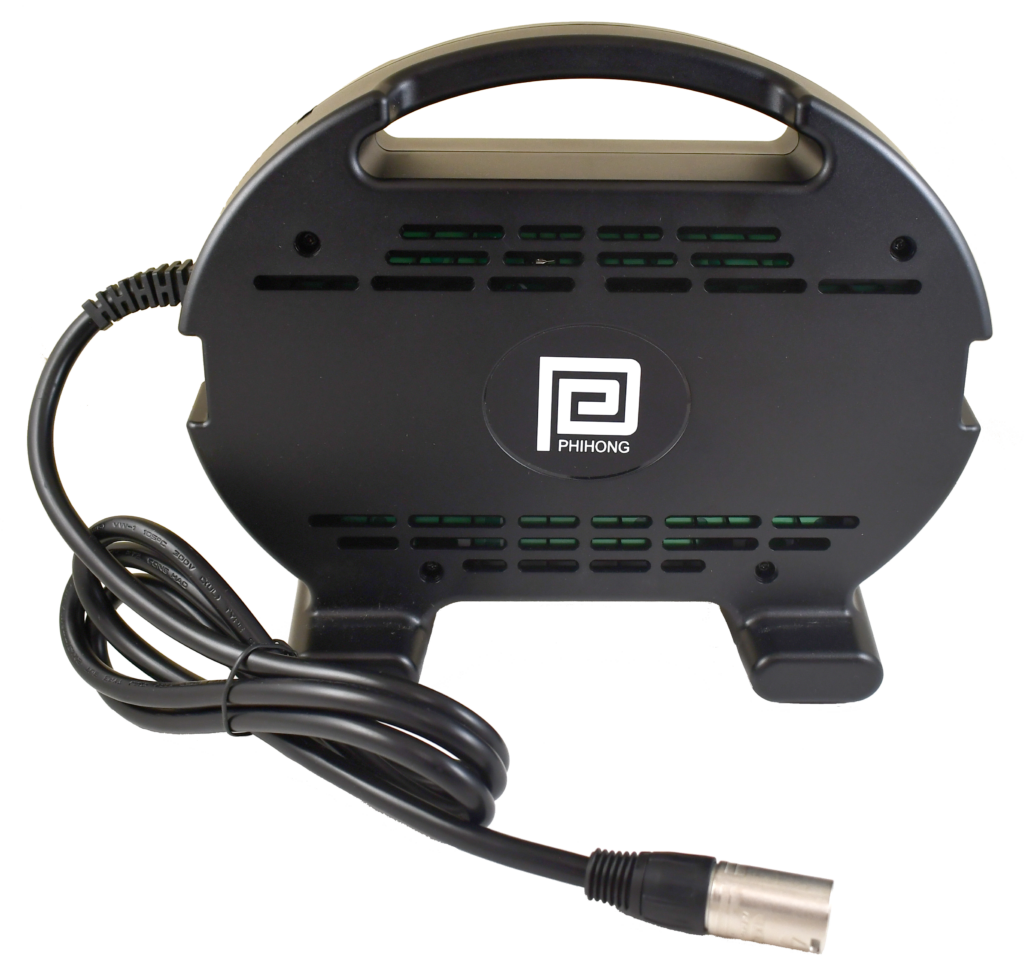
DA200U-250A-R
- Output Power - 200W
- Output Volt - 24V
- Output Current - 8A
- # of ports - 1
- Features - RESNA Compliant, CEC Compliant, LED Indicators Charge State, OVP, OTP, SCP, Dual-Mode Charger, Charges GEL or AGM batteries, Max 12hrs Charging Time
How do enclosure airflow and component placement change real PSU performance?
In open-frame medical designs, enclosure airflow and component placement often determine whether the power supply performs at its rated potential or begins to derate early. A PSU may be specified for a certain output under ideal thermal conditions, but once it is surrounded by displays, processors, battery packs, control boards, or motor assemblies, the real thermal map of the device changes quickly. Heat does not distribute evenly inside compact healthcare equipment, which is why physical placement matters much more than many teams expect.
Component placement can either support or weaken thermal stability. A power supply mounted near the top of a cramped enclosure may collect rising heat from several subsystems. A unit placed beside a processor board, display driver, or battery section may face a higher local ambient temperature even if the overall system still seems manageable. Restricted cable routing, blocked vents, tight board spacing, or fanless housing decisions can reduce airflow enough to turn a stable design into a thermal bottleneck.
For OEM teams, this is where mechanical design and power design have to work together. A good PSU choice can still underperform if enclosure layout works against it. The power supply should be reviewed as part of the enclosure’s thermal map, not as the component that gets installed wherever space happens to remain after everything else is fixed.
Why This Matters
• Enclosure airflow and placement can reduce real PSU margin even when nominal wattage looks safe.
• Heat from nearby electronics can raise local ambient temperature enough to trigger earlier derating.
• Mechanical packaging decisions have a direct effect on medical PSU reliability and long-term performance.
What’s Driving This Shift
• Embedded healthcare products are becoming denser, with more electronics packed into smaller housings.
• Fanless or low-noise medical designs often limit airflow options inside the enclosure.
• More OEM teams are discovering that mechanical packaging and power performance are tightly connected.
What OEMs Should Do Now
• Review PSU placement as part of the enclosure airflow plan, not as leftover layout space.
• Identify nearby heat-generating components before freezing the internal arrangement.
• Validate the power supply in the same mechanical configuration the finished product will actually use.
Mini Q&A
Does component placement really affect PSU performance that much?
Yes. Nearby heat sources and poor airflow can significantly reduce usable thermal margin.
Can airflow problems exist even in a low-power medical device?
Yes. Compact layouts and enclosed housings can create heat buildup even at modest power levels.
Who should own this issue, mechanical or electrical engineering?
Both. Thermal success usually depends on coordination between enclosure layout and power architecture.
A well-rated PSU can still struggle if enclosure design works against it.
Useful Links
Related Links
- How to Validate Thermal Performance of Open-Frame Power Supplies in Real Enclosures
- Why High Power Density OEM Designs Are Rethinking DC-DC Converter Selection
- Best Guide to Open-Frame Internal Power Supplies: How to Choose the Right Internal PSU for Industrial Equipment
Why thermal derating matters more than nameplate wattage in medical equipment
Nameplate wattage gives OEM teams a starting point, but it does not tell the full story of how an open-frame medical power supply will behave inside real healthcare equipment. Thermal derating is what turns the published rating into a usable rating. As temperature rises or airflow decreases, the supply may no longer be able to safely deliver the same output level it appeared to support in a cooler, more open environment.
This is especially important in medical equipment because many products are expected to operate continuously, maintain stable output over long periods, and perform reliably in compact housings. A PSU that looks comfortably sized during specification review can lose effective headroom once it is exposed to higher internal ambient temperatures. That can lead to reduced performance margin, thermal shutdown behavior, or shorter service life long before teams suspect the wattage choice itself was too optimistic.
For OEM engineers, this means the real question is not only what the rated wattage is, but under what thermal conditions that wattage can actually be delivered. Procurement teams benefit from this view as well, because it helps prevent decisions based only on catalog ratings that may not reflect the final enclosure reality.
Why This Matters
• Rated wattage does not always reflect what the PSU can deliver inside a warm, compact medical enclosure.
• Thermal derating can reduce usable output long before teams identify a formal electrical limitation.
• Understanding derating early helps prevent oversights in sizing, reliability planning, and validation.
What OEMs Should Do Now
• Review derating behavior alongside wattage during PSU selection, not after the part is chosen.
• Compare rated output to expected enclosure temperature and airflow assumptions.
• Use real operating conditions to decide whether the selected wattage still provides enough practical headroom.
Mini Q&A
What is thermal derating in simple terms?
It means the PSU may deliver less usable power as temperature rises or airflow becomes more restricted.
Why is nameplate wattage not enough by itself?
Because the published rating may assume conditions that do not exist inside the final medical device.
Can derating affect reliability even before the PSU fails?
Yes. Reduced thermal margin can increase stress, shorten life, and make performance less stable over time.
In medical design, usable wattage matters more than optimistic wattage.
Useful Links
Related Links
- The Power Supply Decisions OEMs Regret Most and Why They’re Hard to Fix Later
- Best Guide to Open-Frame Internal Power Supplies: How to Choose the Right Internal PSU for Industrial Equipment
- How to Validate Thermal Performance of Open-Frame Power Supplies in Real Enclosures
How Phihong supports thermal design decisions for open-frame medical power selection
For OEM teams working through thermal questions, Phihong can be most useful as a combination of product path and technical education path. The open-frame internal power category helps narrow the hardware side of the conversation, while supporting technical articles help teams understand derating, validation, airflow, and enclosure effects before they lock in the final architecture. That combination is especially helpful for medical equipment programs where thermal margin needs to be understood in the context of both reliability and compliance.
For this topic, the strongest Phihong pathway starts with internal and medical power categories, then moves into supporting content focused on real-enclosure testing, compact design heat issues, and power selection tradeoffs. That gives engineers and procurement teams a clearer way to compare options without treating wattage alone as the whole answer. It also strengthens the internal content structure for future cluster topics, because thermal design naturally connects with headroom, EMC, and architecture decisions.
In practical terms, Phihong can support this topic by helping OEM teams review open-frame medical power options, compare thermal implications across product paths, and use supporting articles to guide earlier design decisions. That keeps the article useful and grounded while giving readers a logical path into deeper product and application research.
Why This Matters
• Strong technical pathways help OEM readers connect product selection with real-world thermal behavior.
• Category pages and related articles can support both product research and enclosure-level design planning.
• Neutral technical guidance is more useful when thermal performance still needs to be validated in the target device.
What OEMs Should Do Now
• Start with category pages, then use technical articles to understand thermal tradeoffs before narrowing into exact models.
• Compare product paths in the context of enclosure airflow, ambient conditions, and expected duty cycle.
• Build the shortlist around real thermal fit, not just nameplate output or familiarity with a product family.
Mini Q&A
What is the most useful first step on the Phihong site for this thermal topic?
Starting with the internal and medical power categories usually makes it easier to compare product paths before drilling into detailed thermal questions.
Should thermal evaluation begin with a product page or a technical article?
Usually both. Product pages help narrow hardware fit, while technical articles explain the design risks that affect final performance.
Why do supporting thermal articles matter so much here?
Because they help connect airflow, derating, enclosure layout, and product selection in a way a single catalog page usually cannot.
A stronger internal path makes thermal design decisions easier to evaluate before costly redesigns appear.
Useful Links
Related Links
- How to Validate Thermal Performance of Open-Frame Power Supplies in Real Enclosures
- Why Do DC-DC Converters Overheat in Compact Designs and How Can Engineers Prevent Failure?
- Best Guide to Open-Frame Internal Power Supplies: How to Choose the Right Internal PSU for Industrial Equipment
Thermal design is not a detail that gets solved after the PSU is chosen. In open-frame medical equipment, it is one of the conditions that determines whether the chosen supply will actually perform the way the team expects in the final product.
As embedded medical devices continue to become smaller, quieter, and more integrated, thermal validation will keep moving earlier in the design process. OEM teams that connect enclosure design, airflow planning, and PSU selection sooner will be better positioned to avoid late surprises and build more reliable medical products.
CLIENT'S QUOTE
Phihong’s custom OEM power solutions have transformed our product development, boosting performance and reducing overhead. Their expert engineering support has simplified both the design and manufacturing phases.
How does ambient temperature change open-frame medical power supply performance?
Ambient temperature has a direct effect on how an open-frame medical power supply performs inside real healthcare equipment. A PSU may be rated for a certain output under a specific thermal condition, but that rating does not mean the same performance will hold once the surrounding air inside the enclosure becomes warmer. In compact medical devices, internal ambient temperature can rise quickly because of processors, displays, motor systems, batteries, and other nearby electronics.
This matters because open-frame power supplies are more exposed to the thermal environment of the host system than enclosed external adapters. If the local ambient temperature is higher than expected, usable output margin can shrink even when the electrical load has not changed. That can affect long-term reliability, lead to earlier derating, or create unstable behavior under continuous operation. In medical equipment, where consistent performance matters more, that is a serious design issue.
For OEM teams, the key point is that ambient temperature should be treated as a real operating variable, not a background assumption. The power supply should be selected and validated based on the true temperature conditions inside the product, not on a best-case lab environment that may never exist in field use.
Why This Matters
• Higher internal ambient temperature can reduce usable power margin even when the PSU appears correctly sized.
• Open-frame supplies are more directly affected by enclosure heat than more isolated power formats.
• Ambient temperature assumptions can influence reliability, derating, and long-term system stability.
What OEMs Should Do Now
• Measure real internal ambient temperature near the PSU instead of assuming room-temperature behavior.
• Compare expected device conditions to the PSU’s actual thermal operating range and derating behavior.
• Validate the power supply under sustained load in the same temperature conditions the product will face in use.
Mini Q&A
Why does ambient temperature matter so much for an open-frame PSU?
Because the PSU is directly affected by the air temperature inside the enclosure, which can be much higher than room temperature.
Can a small medical device still have serious ambient heat issues?
Yes. Compact products often trap heat more easily, especially when airflow is limited and multiple electronics sit close together.
Should ambient temperature be measured near the PSU itself?
Yes. That gives a much more accurate picture than relying on general enclosure or room temperature assumptions.
Ambient temperature is not a side note. It is part of the real operating condition of the power supply.
Useful Links
Related Links
- How to Validate Thermal Performance of Open-Frame Power Supplies in Real Enclosures
- Why Do DC-DC Converters Overheat in Compact Designs and How Can Engineers Prevent Failure?
- Best Guide to Open-Frame Internal Power Supplies: How to Choose the Right Internal PSU for Industrial Equipment
Why thermal derating matters more than nameplate wattage in medical equipment
Nameplate wattage gives OEM teams a starting point, but it does not tell the full story of how an open-frame medical power supply will behave inside real healthcare equipment. Thermal derating is what turns the published rating into a usable rating. As temperature rises or airflow decreases, the supply may no longer be able to safely deliver the same output level it appeared to support in a cooler, more open environment.
This is especially important in medical equipment because many products are expected to operate continuously, maintain stable output over long periods, and perform reliably in compact housings. A PSU that looks comfortably sized during specification review can lose effective headroom once it is exposed to higher internal ambient temperatures. That can lead to reduced performance margin, thermal shutdown behavior, or shorter service life long before teams suspect the wattage choice itself was too optimistic.
For OEM engineers, this means the real question is not only what the rated wattage is, but under what thermal conditions that wattage can actually be delivered. Procurement teams benefit from this view as well, because it helps prevent decisions based only on catalog ratings that may not reflect the final enclosure reality.
Why This Matters
• Rated wattage does not always reflect what the PSU can deliver inside a warm, compact medical enclosure.
• Thermal derating can reduce usable output long before teams identify a formal electrical limitation.
• Understanding derating early helps prevent oversights in sizing, reliability planning, and validation.
What OEMs Should Do Now
• Review derating behavior alongside wattage during PSU selection, not after the part is chosen.
• Compare rated output to expected enclosure temperature and airflow assumptions.
• Use real operating conditions to decide whether the selected wattage still provides enough practical headroom.
Mini Q&A
What is thermal derating in simple terms?
It means the PSU may deliver less usable power as temperature rises or airflow becomes more restricted.
Why is nameplate wattage not enough by itself?
Because the published rating may assume conditions that do not exist inside the final medical device.
Can derating affect reliability even before the PSU fails?
Yes. Reduced thermal margin can increase stress, shorten life, and make performance less stable over time.
In medical design, usable wattage matters more than optimistic wattage.
Useful Links
Related Links
- The Power Supply Decisions OEMs Regret Most and Why They’re Hard to Fix Later
- Best Guide to Open-Frame Internal Power Supplies: How to Choose the Right Internal PSU for Industrial Equipment
- How to Validate Thermal Performance of Open-Frame Power Supplies in Real Enclosures
How Phihong supports thermal design decisions for open-frame medical power selection
For OEM teams working through thermal questions, Phihong can be most useful as a combination of product path and technical education path. The open-frame internal power category helps narrow the hardware side of the conversation, while supporting technical articles help teams understand derating, validation, airflow, and enclosure effects before they lock in the final architecture. That combination is especially helpful for medical equipment programs where thermal margin needs to be understood in the context of both reliability and compliance.
For this topic, the strongest Phihong pathway starts with internal and medical power categories, then moves into supporting content focused on real-enclosure testing, compact design heat issues, and power selection tradeoffs. That gives engineers and procurement teams a clearer way to compare options without treating wattage alone as the whole answer. It also strengthens the internal content structure for future cluster topics, because thermal design naturally connects with headroom, EMC, and architecture decisions.
In practical terms, Phihong can support this topic by helping OEM teams review open-frame medical power options, compare thermal implications across product paths, and use supporting articles to guide earlier design decisions. That keeps the article useful and grounded while giving readers a logical path into deeper product and application research.
Why This Matters
• Strong technical pathways help OEM readers connect product selection with real-world thermal behavior.
• Category pages and related articles can support both product research and enclosure-level design planning.
• Neutral technical guidance is more useful when thermal performance still needs to be validated in the target device.
What OEMs Should Do Now
• Start with category pages, then use technical articles to understand thermal tradeoffs before narrowing into exact models.
• Compare product paths in the context of enclosure airflow, ambient conditions, and expected duty cycle.
• Build the shortlist around real thermal fit, not just nameplate output or familiarity with a product family.
Mini Q&A
What is the most useful first step on the Phihong site for this thermal topic?
Starting with the internal and medical power categories usually makes it easier to compare product paths before drilling into detailed thermal questions.
Should thermal evaluation begin with a product page or a technical article?
Usually both. Product pages help narrow hardware fit, while technical articles explain the design risks that affect final performance.
Why do supporting thermal articles matter so much here?
Because they help connect airflow, derating, enclosure layout, and product selection in a way a single catalog page usually cannot.
A stronger internal path makes thermal design decisions easier to evaluate before costly redesigns appear.
Useful Links
Related Links
- How to Validate Thermal Performance of Open-Frame Power Supplies in Real Enclosures
- Why Do DC-DC Converters Overheat in Compact Designs and How Can Engineers Prevent Failure?
- Best Guide to Open-Frame Internal Power Supplies: How to Choose the Right Internal PSU for Industrial Equipment
Thermal design is not a detail that gets solved after the PSU is chosen. In open-frame medical equipment, it is one of the conditions that determines whether the chosen supply will actually perform the way the team expects in the final product.
As embedded medical devices continue to become smaller, quieter, and more integrated, thermal validation will keep moving earlier in the design process. OEM teams that connect enclosure design, airflow planning, and PSU selection sooner will be better positioned to avoid late surprises and build more reliable medical products.

CONTACT US TODAY
From concept to production, Phihong delivers custom OEM power solutions tailored to your specifications.
FAQ
What is the biggest thermal mistake OEMs make with open-frame medical power supplies?
One of the biggest mistakes is assuming the published wattage rating will hold inside the final enclosure without verifying airflow, nearby heat sources, and internal ambient temperature. In real embedded medical equipment, the PSU may sit beside processors, displays, batteries, or motor-control hardware that raise local heat far above room-temperature assumptions. That can reduce usable output power, shorten component life, and create late-stage validation issues. OEM teams that wait too long to check real thermal conditions often end up redesigning layout, airflow, or power selection much later than they wanted. The smarter approach is to treat thermal performance as part of early product architecture rather than something to check after the rest of the hardware is already locked.
How do you test thermal performance for an open-frame medical PSU correctly?
The best approach is to test the PSU inside the actual enclosure or a highly accurate prototype using the real load profile, mounting position, and airflow path expected in production. Bench testing in open air is useful for early electrical screening, but it does not represent how heat behaves in a compact medical device. OEM teams should validate under worst-case operating conditions, including continuous use, elevated internal ambient temperature, and nearby heat-generating components. It also helps to review derating behavior against real measured temperatures, not just assumptions from the datasheet. Good testing should answer whether the PSU still provides enough stable, usable power once installed in the exact thermal conditions the end product will create.
Why is thermal derating such a big issue in medical equipment?
Thermal derating matters because many medical devices are expected to operate reliably for long periods inside compact and often quiet enclosures with limited airflow. A PSU that looks comfortably sized during specification review may lose usable headroom once it runs in a warmer environment than expected. In medical equipment, that can affect not just uptime, but also reliability, compliance margin, and long-term product performance. Thermal derating becomes especially important when the product includes sensitive electronics, patient-adjacent functions, or strict reliability expectations. OEM teams need to understand that nameplate wattage is only part of the story. The real question is how much power the supply can safely deliver inside the final device under sustained real-world operating conditions.
Can enclosure design really change how a medical power supply performs?
Yes, enclosure design can change PSU performance dramatically. The same power supply can behave very differently depending on where it is mounted, what components surround it, and how airflow moves through the product. Tight board spacing, blocked vents, fanless layouts, rising heat pockets, and nearby heat sources can all raise local temperature around the PSU. That can reduce usable output, increase thermal stress, or shorten service life. In compact medical equipment, even small layout choices can create larger-than-expected thermal effects. That is why enclosure planning and power planning should not happen in separate silos. Mechanical design, thermal design, and power selection need to be reviewed together so the PSU is evaluated in the same physical conditions it will actually face in use.
When should OEM teams compare open-frame, external, and custom power options for thermal reasons?
They should compare those options early, before the enclosure design is fully committed. Thermal tradeoffs are easier to solve when the architecture is still flexible. An open-frame supply may be the best fit when internal integration and packaging efficiency matter most, but an external adapter may reduce heat concentration inside the device and simplify airflow planning. A custom power design may be more appropriate if the device has unusual mechanical constraints, strict thermal limits, or application-specific requirements. Waiting too long to evaluate these paths can force the team into awkward compromises later. Thermal behavior is one of the most important reasons to compare power architectures early, because it directly affects reliability, compliance planning, and how much redesign risk the OEM is carrying into later development stages.
POE technology supports the centralization of power

AC Adapter Guide: Everything You Need to Know
Moreover, PoE technology supports the centralization of power management. By powering devices through a PoE-enabled network …
AC DC Power Chargers and How They Work: A Comprehensive Technical Breakdown
Moreover, PoE technology supports the centralization of power management. By powering devices through a PoE-enabled network …

USB-C Charger: Shaping the Future of the Tech World
Moreover, PoE technology supports the centralization of power management. By powering devices through a PoE-enabled network …

AC Adapter Guide: Everything You Need to Know
Moreover, PoE technology supports the centralization of power management. By powering devices through a PoE-enabled network …

AC DC Power Chargers and How They Work: A Comprehensive Technical Breakdown
Moreover, PoE technology supports the centralization of power management. By powering devices through a PoE-enabled network …

USB-C Charger: Shaping the Future of the Tech World
Moreover, PoE technology supports the centralization of power management. By powering devices through a PoE-enabled network …