







BLOG
How to Choose an Open-Frame Medical Power Supply for Embedded Healthcare Equipment
QUICK LINKS

Why does choosing the right open-frame medical power supply matter for embedded healthcare equipment?
In embedded healthcare equipment, the power supply is not a background component that gets selected at the end of the design cycle. It affects safety planning, PCB layout, enclosure size, airflow, compliance preparation, serviceability, and long-term reliability. When OEMs design compact products such as patient monitors, portable diagnostic devices, therapy systems, imaging modules, and laboratory instruments, the power stage influences much more than output voltage. It can determine whether the product moves through validation with confidence or gets delayed by redesigns, thermal surprises, or certification issues.
That is why open-frame medical power supplies need to be evaluated differently from standard internal power solutions. Medical equipment brings stricter expectations around leakage current, isolation, EMC behavior, and overall safety architecture. A PSU that looks acceptable for industrial embedded electronics may not be the right fit for healthcare equipment if it does not align with the full insulation strategy, enclosure design, and intended use case. For engineering teams, the choice starts with system design. For sourcing teams, cost and lead time cannot be the only filters.
Open-frame designs remain attractive because they let OEMs embed power directly into the equipment and preserve valuable enclosure space. That is especially helpful when a product has several internal boards, displays, communication modules, and constrained airflow paths. But once the power supply moves inside the device, the OEM also takes on more of the thermal, mechanical, and compliance burden. That tradeoff sits at the center of a sound medical power decision.
Why This Matters
• The power supply influences safety, EMC, thermal margin, and enclosure design at the system level.
• Open-frame integration saves space, but it also increases OEM responsibility for validation and design execution.
• Early power decisions can affect certification timelines, sourcing flexibility, and redesign cost.
What OEMs Should Do Now
• Treat the power supply as a front-end architecture decision, not a late purchasing item.
• Evaluate leakage, isolation, thermal behavior, and EMC fit before narrowing choices by price.
• Align engineering, sourcing, and compliance teams around the same selection criteria from the start.
Mini Q&A
Why is medical power supply selection more important than standard embedded power selection?
Because medical devices have stricter safety and integration requirements, and the PSU affects certification readiness as much as electrical performance.
Are open-frame power supplies common in embedded medical products?
Yes, especially where internal integration and space savings matter, but they require more careful thermal and safety planning.
When should the PSU be chosen in a medical device program?
Ideally at the front end of development, before enclosure, airflow, and compliance assumptions become fixed.
A medical power decision should start with system risk, not just wattage.
Useful Links
Related Links
- Medical Power Supply: How to Choose the Best Solution for Safe, Reliable Medical Devices
- Best Guide to Medical Power Supplies for Modern Medical Devices
- Medical Power Supply vs Medical Power Adapter: What’s the Difference and Which One Do You Need?
FEATURED PRODUCTS
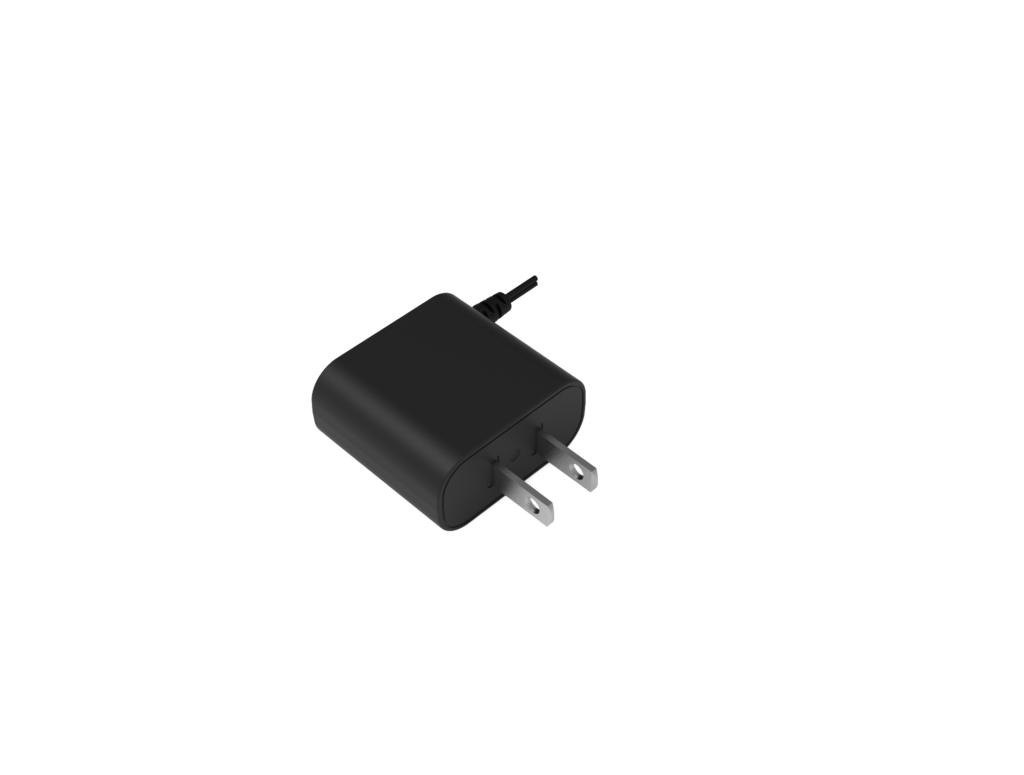
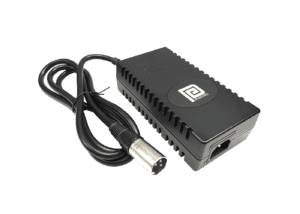
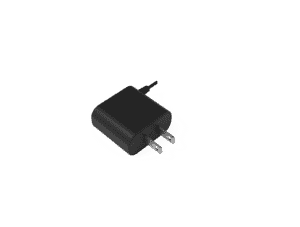
AA03A-075A-R
- Output Power - 2.75W
- Output Volt - 7.5V
- Output Current - 0.366A
- Features - Fixed Blade AC Input, Limited Power Source, Class B EMI, Level VI Efficiency, Standard Barrel Connector
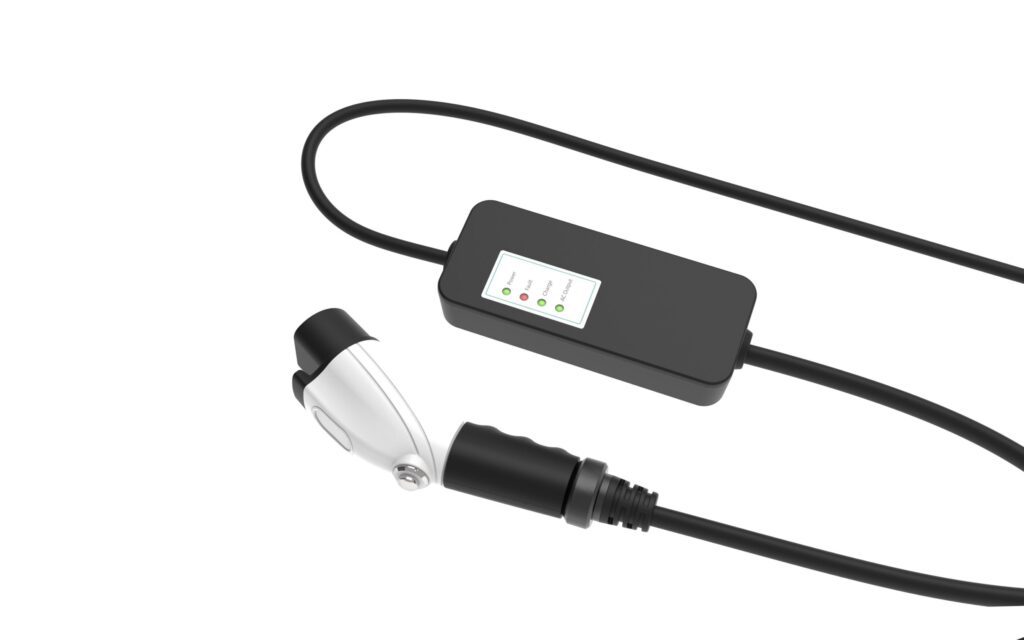
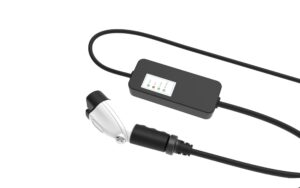
AC Series
- Output Current - 16A
- Features - Mode 2-chargers can use a circuit ranging from 8Amp to 16Amp with a local standard AC input plug installed for operation, Provides overcurrent, over voltage and short circuit protection, Protected against strong jets of water from all directions, Continuously monitors/supervises the ground connection between the AC supply and EV to ensure safe and reliable charging
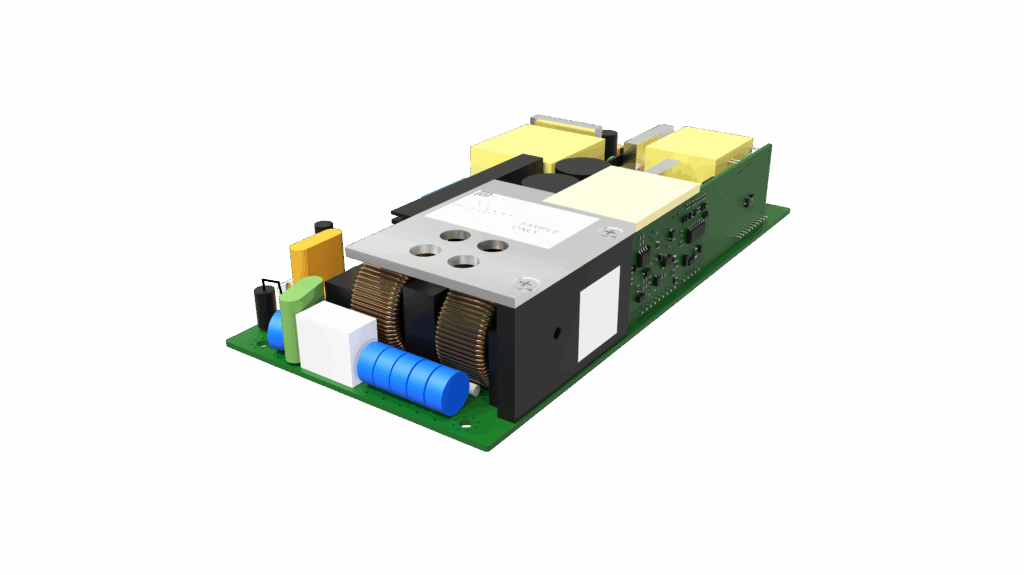
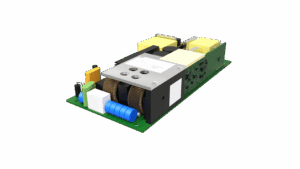
BF550-234A-R
- Output Power - 550W
- Output Volt - 12Vdc / 54.5Vdc
- Features - Universal AC Input range, Class I Design , Class B EMI , High Efficiency Performance , OVP, OCP, SCP, OTP Protections , Operating Altitude: 5,000M
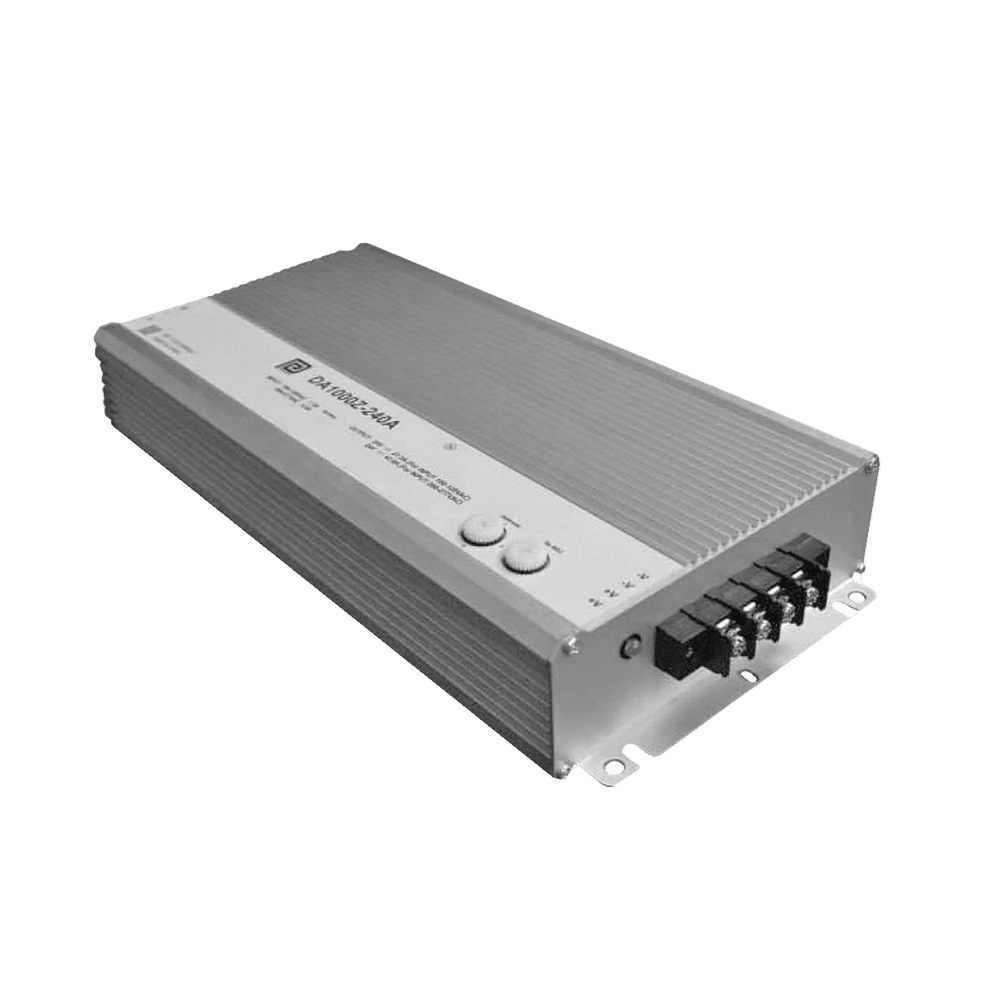
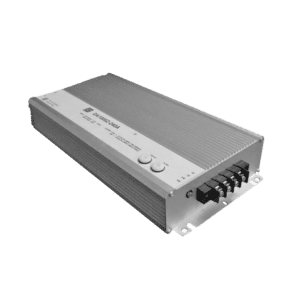
DA1000Z-240AEV-R
- Output Power - 1000W
- Output Volt - 24V
- Output Current - 1000W
- Features - Extended operating temperature range of -40℃ to 70℃, Fan-less aluminum case filled with heat conductive glue, Able to withstand 10G vibration, Power on LED indicator, Short Circuit, Over Current, Over Voltage, and Over Temperature Protections, & Adjustable output through potentiomete
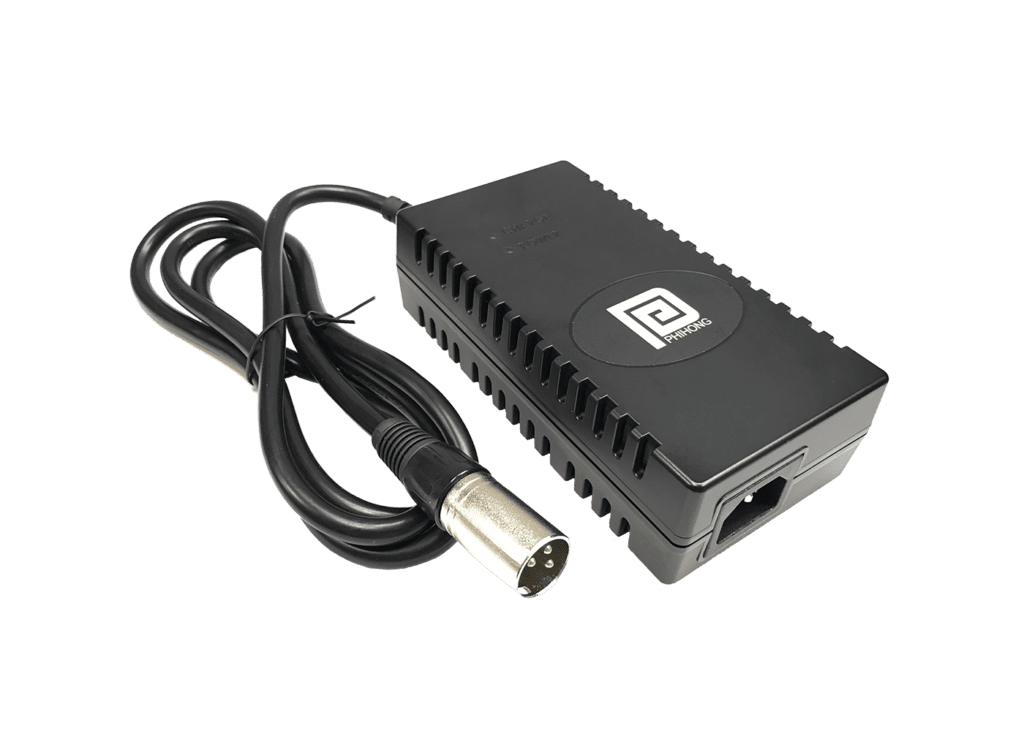
DA60U-240A-R
- Output Power - 60W
- Output Volt - 24V
- Output Current - 2.5A
- # of ports - 1
- Features - RESNA Compliant, CEC Compliant, LED Indicators Charge State, OVP, OTP, SCP, Charges AGM Batteries, Max 12hrs Charging Time
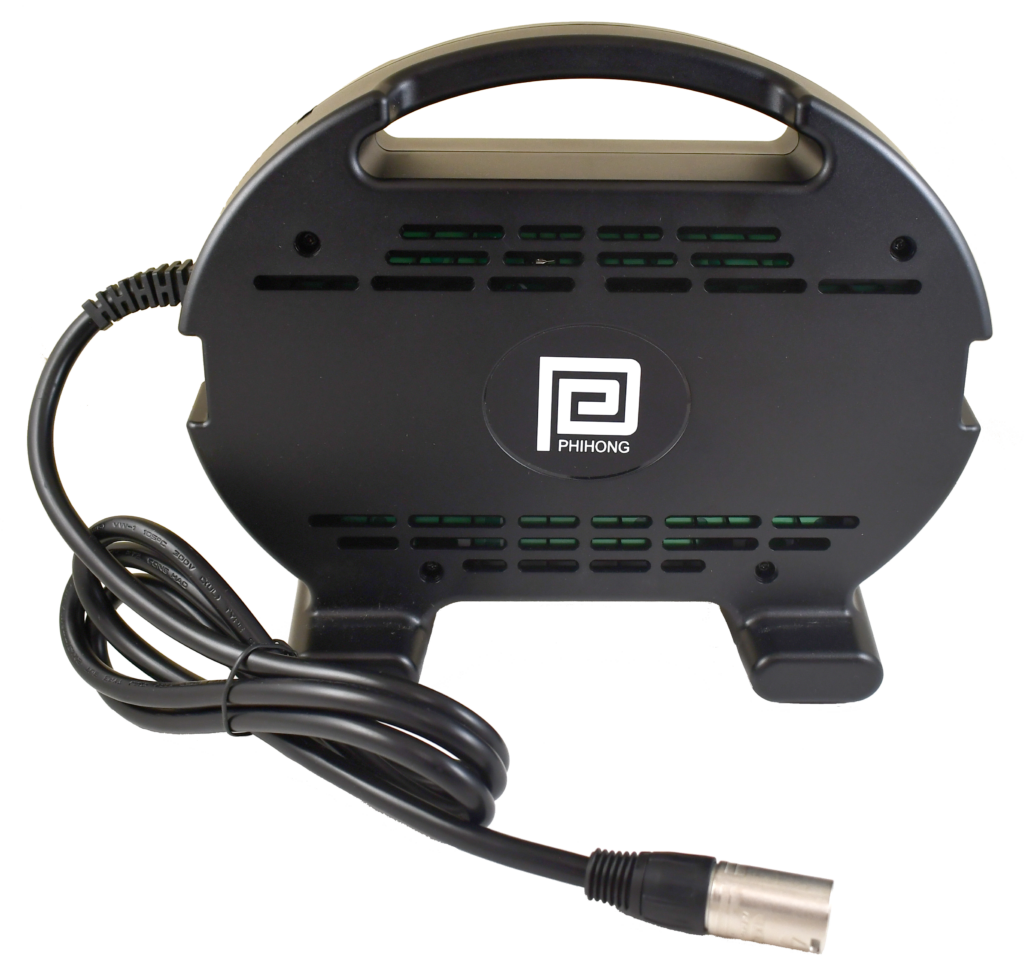
DA200U-250A-R
- Output Power - 200W
- Output Volt - 24V
- Output Current - 8A
- # of ports - 1
- Features - RESNA Compliant, CEC Compliant, LED Indicators Charge State, OVP, OTP, SCP, Dual-Mode Charger, Charges GEL or AGM batteries, Max 12hrs Charging Time
What safety standards should an open-frame medical power supply meet?
One of the first questions buyers and engineers ask is whether a power supply is truly suitable for medical equipment or simply described that way. In practical terms, the starting point is whether the unit is intended for medical applications under IEC 60601 requirements. That framework shapes how product teams think about insulation, isolation, leakage current, creepage, clearance, accessible parts, and overall safety design. It remains one of the most important screening filters when evaluating a PSU for embedded healthcare use.
But safety alone is not enough. OEMs also need to think about EMC expectations tied to medical equipment design. A supply can satisfy basic electrical requirements and still create trouble during system-level testing if it introduces emissions issues or lacks immunity margin inside a tightly integrated enclosure. Embedded healthcare equipment often includes displays, processors, communication modules, analog circuitry, motors, and multiple cable paths. All of that can amplify power-related noise and integration issues if the PSU is not well matched to the final product.
Another important point is that a medical-rated power supply does not automatically make the final device compliant. It can support the compliance path, but the end product is still evaluated as a complete system. That includes housing design, grounding, wiring, patient-accessible parts, I/O behavior, environmental conditions, and intended use. Strong OEM teams treat the PSU as one compliance building block, not the entire compliance strategy.
Why This Matters
• IEC 60601 remains a key screening standard for medical electrical equipment power design.
• EMC readiness matters because many embedded medical products run into issues at the system level, not only on paper.
• A medical-grade PSU helps reduce risk, but end-product compliance still depends on total device design.
What’s Driving This Shift
• Medical devices now contain more electronics in smaller enclosures, increasing EMC and thermal sensitivity.
• OEMs want to reduce late-stage compliance failures and costly redesign cycles.
• Procurement teams need clearer ways to distinguish medically appropriate power products from generic alternatives.
What OEMs Should Do Now
• Confirm that shortlisted supplies are intended for medical use under IEC 60601 expectations.
• Review EMC suitability early, not after the rest of the hardware has been frozen.
• Evaluate the power supply within the complete system safety architecture, not as a standalone part.
Mini Q&A
What is the main safety standard for medical power supplies?
IEC 60601 is the main framework most OEM teams use to screen medical electrical safety suitability.
Does EMC really matter for a low-power medical device?
Yes. Even low-power embedded devices can run into emissions or immunity issues once displays, processors, cables, and sensors are added.
Does a medical-rated PSU certify the final medical device?
No. It supports the path, but the complete device still needs system-level compliance evaluation.
A compliant-looking part is not the same as a compliance-ready system.
Useful Links
Related Links
- What Is IEC 60601 and Why It Matters for Medical Power Supply Design?
- Medical Power Supply: How to Choose the Best Solution for Safe, Reliable Medical Devices
- Best Guide to Medical Power Supplies for Modern Medical Devices
2 x MOPP, leakage current, and isolation are baseline requirements
This is one of the most important fact-check areas for any OEM evaluating medical power. Terms like 2 x MOPP, leakage current, and isolation are not premium extras. They are baseline screening requirements for many embedded healthcare applications. If a product team ignores them early, it can create problems later in safety review, test planning, and certification. These parameters need to be understood before comparing mechanical fit, pricing, or supplier preference.
2 x MOPP matters because medical electrical systems are judged differently when patient protection becomes part of the design picture. Leakage current matters because even small unintended current paths can become serious concerns in healthcare environments. Isolation matters because the power supply has to fit into the overall insulation architecture of the device, not just convert power efficiently. These are not abstract datasheet terms. They directly affect how the end equipment is designed, tested, documented, and approved.
Many teams make the mistake of using 2 x MOPP as a shorthand answer for everything. It is a very important requirement, but it does not solve the full problem by itself. The product still needs to be evaluated in the context of patient-accessible parts, grounding paths, enclosure construction, interfaces, cabling, and the intended use case. A good power supply can support the safety strategy, but it cannot replace sound system design.
Why This Matters
• 2 x MOPP, leakage current, and isolation often determine whether the design has a realistic compliance path.
• Leakage and insulation decisions affect the entire system architecture, not just the PSU selection sheet.
• These parameters help OEMs separate true medical-fit options from generic embedded power products.
What OEMs Should Do Now
• Treat MOPP, leakage, and isolation as front-end requirements, not late-stage checks.
• Match these parameters to the actual medical device architecture and use environment.
• Involve compliance, hardware, and sourcing teams in the same evaluation process before selecting a supplier.
Mini Q&A
What does 2 x MOPP mean in simple terms?
It refers to two means of patient protection, which is a core medical safety concept used in electrical design.
Why is leakage current such a big issue in medical equipment?
Because healthcare devices may operate close to patients and sensitive circuits, so unintended current paths matter much more.
Is 2 x MOPP enough by itself to approve a power supply choice?
No. It is essential, but it still has to fit the full system safety and insulation strategy.
These are the protections that should be treated as non-negotiable.
Useful Links
Related Links
- What Is IEC 60601 and Why It Matters for Medical Power Supply Design?
- Best Guide to Medical Power Supplies for Modern Medical Devices
- Medical Power Supply vs Medical Power Adapter: What’s the Difference and Which One Do You Need?
CLIENT'S QUOTE
Phihong’s custom OEM power solutions have transformed our product development, boosting performance and reducing overhead. Their expert engineering support has simplified both the design and manufacturing phases.
How much power headroom should you plan for in embedded medical equipment?
One of the most common sourcing mistakes in embedded healthcare design is choosing a power supply too close to nominal load. On a bench, the numbers may look acceptable. In the real product, startup behavior, display spikes, motor loads, communication bursts, thermal rise, and long operating cycles can quickly narrow the margin. That is why power headroom should not be treated as a luxury buffer. In medical equipment, it is often part of basic risk planning.
For embedded medical systems, power headroom supports more than simple uptime. It helps maintain stability when processors spike, displays brighten, pumps start, communication modules transmit, or future revisions increase total load. A supply that appears properly sized during early testing can become a redesign trigger once the full system is evaluated inside the actual enclosure. That is especially true when the device runs continuously, supports multiple functions at once, or operates in warmer internal conditions than the team first expected.
This matters even more in healthcare equipment because reliability expectations are higher and late-stage fixes are more expensive. If the PSU runs too close to its practical ceiling, the product may still power on and function during early development, but reliability margin, thermal margin, and compliance margin can all shrink at once. For OEM teams, power sizing should be tied to worst-case conditions and longer product life expectations, not just first-release electrical load.
Why This Matters
• Nominal power draw rarely tells the full story in embedded healthcare equipment with startup surges, variable loads, and continuous duty cycles.
• Insufficient headroom can reduce thermal margin and long-term reliability even before outright failure appears.
• Power sizing decisions made too narrowly often become expensive to fix later.
What OEMs Should Do Now
• Size the PSU against worst-case load, not average operating draw.
• Account for startup peaks, accessory expansion, continuous-duty operation, and future revisions before locking in wattage.
• Review power headroom together with thermal behavior so the chosen rating reflects actual enclosure conditions.
Mini Q&A
How much headroom should a medical power supply have?
There is no single number that fits every device, but OEMs should size to worst-case operating conditions rather than nominal bench load.
Why does a power supply that works on the bench fail in the final product?
Because enclosure heat, airflow limits, startup peaks, and real system loads often expose far less margin than early numbers suggest.
Should procurement choose the lowest-wattage supply that barely meets spec?
Usually not, because narrow margin can increase redesign risk and reduce reliability headroom later.
A good wattage choice leaves room for real operating conditions, not just spreadsheet math.
Useful Links
Related Links
- The Power Supply Decisions OEMs Regret Most and Why They’re Hard to Fix Later
- Best Guide to Open-Frame Internal Power Supplies: How to Choose the Right Internal PSU for Industrial Equipment
- Medical Power Supply: How to Choose the Best Solution for Safe, Reliable Medical Devices
Thermal derating can decide whether your power supply really works
Thermal performance is one of the biggest hidden risks in open-frame power selection. Because open-frame supplies do not have a sealed enclosure of their own, their usable output depends heavily on how they are mounted, how air moves through the product, and what nearby components are doing thermally. A supply that looks comfortable on paper can behave very differently once it is installed next to processors, displays, batteries, motor drivers, or other heat-generating boards inside a compact medical device.
This is especially important in embedded healthcare equipment because many products use low-noise, compact, or partially enclosed housings. Free-air assumptions can be misleading in those environments. A unit that seems generously rated at room temperature may run hotter than expected under sustained load inside the real enclosure. Over time, that can lead to derating, shutdowns, shortened service life, or unstable behavior under continuous operation. Thermal limitations often appear before electrical limitations, which is why teams that focus only on voltage and current can miss the true bottleneck.
Good OEM practice is to validate thermal behavior in the actual enclosure with the expected load profile, mounting orientation, and airflow path. That does not just protect reliability. It also supports smoother compliance work, because heat can influence component stress, safety margin, and even EMC behavior. In medical equipment, a power supply should not be considered fully proven until it has been tested in the same thermal reality the end user will experience.
Why This Matters
• Open-frame PSU performance depends heavily on enclosure temperature and airflow, not just the published wattage line.
• Compact medical equipment can reach thermal limits before electrical limits.
• Poor thermal validation can create reliability and redesign problems late in development.
What’s Driving This Shift
• More embedded medical products use dense layouts and constrained airflow paths.
• Higher power density means smaller design mistakes create larger thermal consequences.
• OEMs are paying more attention to real-enclosure validation because lab assumptions often miss the actual operating environment.
What OEMs Should Do Now
• Review derating curves early and treat them as core selection data, not footnotes.
• Validate the PSU inside the actual enclosure with real load conditions and mounting assumptions.
• Keep thermal planning connected to reliability, service life, and compliance review.
Mini Q&A
What is thermal derating in a power supply?
It means the supply may deliver less usable power as temperature rises or airflow decreases.
Why is thermal derating a bigger issue for open-frame power supplies?
Because open-frame designs depend more directly on the host enclosure and airflow environment.
Should medical OEMs thermal-test the power supply in the final enclosure?
Yes, because internal ambient conditions and nearby heat sources often change real performance significantly.
In open-frame design, thermal reality matters more than nameplate confidence.
Useful Links
Related Links
- How to Validate Thermal Performance of Open-Frame Power Supplies in Real Enclosures
- Why Do DC-DC Converters Overheat in Compact Designs and How Can Engineers Prevent Failure?
- Best Guide to Open-Frame Internal Power Supplies: How to Choose the Right Internal PSU for Industrial Equipment
How do EMI and EMC affect open-frame medical power supply selection?
EMI and EMC problems often begin at the power stage, then spread through the rest of the product. In medical equipment, that risk is amplified by dense electronics, cable routing, sensitive analog signals, communication interfaces, and demanding compliance expectations. A power supply can look electrically stable during early evaluation and still create trouble later if it contributes to emissions issues or weak immunity performance in the final integrated system.
That is why OEMs should never evaluate an open-frame PSU as an isolated electrical part. The supply interacts with grounding strategy, enclosure construction, I/O routing, shielding, cable exits, and the behavior of nearby components. A seemingly minor design choice, such as placement near a processor board or sensor interface, can change emissions performance or immunity margin. In practical terms, EMC success depends on how well the PSU fits into the whole system, not merely whether it looks acceptable as a standalone item on a datasheet.
For embedded healthcare equipment, this makes early EMC planning essential. Waiting until formal testing to think about emissions or susceptibility often leads to expensive fixes, such as added filtering, shielding revisions, layout changes, cable-routing changes, or mechanical rework. Power supplies selected with low-noise behavior, medical-safety alignment, and realistic integration planning can reduce those surprises. For OEM teams, the better approach is to treat EMC as part of the architecture review from the start, not as a cleanup step at the end.
Why This Matters
• Medical EMC expectations are high, and the power stage is often a major contributor to emissions and susceptibility behavior.
• Open-frame PSUs interact with cable routing, grounding, shielding, and enclosure design more directly than many teams expect.
• Late EMC fixes are expensive and can delay certification and launch plans.
What OEMs Should Do Now
• Evaluate EMC fit at the same time as safety, power rating, and thermal planning.
• Review grounding, cable routing, shielding, and board placement together with PSU choice.
• Prefer power architectures that reduce the chance of late filtering or enclosure rework.
Mini Q&A
Why does EMC matter so much in a medical power supply?
Because excessive noise or poor immunity can disrupt device function and create test failures in regulated healthcare environments.
Can an open-frame PSU cause EMI problems even if the output is stable?
Yes, because emissions and coupling issues depend on the full system layout, grounding, and enclosure integration.
When should EMC be considered during PSU selection?
At the beginning, not after hardware and mechanical decisions are already locked.
A medical PSU should be chosen for clean system behavior, not just electrical conversion.
Useful Links
Related Links
- What Compliance Engineers Look for in Internal PSUs: EMI, EMS, and Safety Basics
- What Is IEC 60601 and Why It Matters for Medical Power Supply Design?
- Medical Power Supply: How to Choose the Best Solution for Safe, Reliable Medical Devices
How Phihong supports open-frame medical power supply selection for embedded healthcare OEMs
For OEM teams evaluating this category, Phihong’s value is most useful when viewed through product fit, application fit, and technical navigation rather than broad promotional claims. The medical power category, internal power category, and supporting educational pages together create a practical path for engineers and sourcing teams that need to compare architectures before narrowing into exact models. That structure supports a more informed evaluation process, especially when the product requirements are still being refined.
For this topic, the strongest Phihong pathway starts with broad medical and internal power categories, then moves into supporting technical content around safety standards, thermal validation, EMC expectations, and architecture tradeoffs. That helps readers go from general research into more specific review without losing context. It also supports a smarter internal-link ecosystem for future cluster content, because each supporting article can reinforce a different part of the OEM selection process.
In practical terms, Phihong can support this topic best by helping OEM teams compare medical power formats, understand internal integration tradeoffs, and identify relevant product families for deeper technical review. That keeps the article useful and neutral while still giving the reader a logical path into the right product and support pages.
Why This Matters
• Strong internal pathways help OEM readers move from general research to product-family evaluation more efficiently.
• Category pages and technical articles can support both procurement screening and engineering review.
• Neutral guidance is more credible when the product fit still needs to be validated by the OEM team.
What OEMs Should Do Now
• Start with broad category pages before narrowing into exact models or custom requirements.
• Use supporting technical articles to compare safety, thermal, and architecture tradeoffs in context.
• Build a shortlist based on actual application fit, not just category familiarity or wattage alone.
Mini Q&A
What is the most useful first step on the Phihong site for this topic?
Starting with the broader medical power category usually makes it easier to compare architecture paths before drilling into individual product families.
Should engineers go straight to a product page first?
Not always. In many cases it is smarter to begin with category and supporting technical pages, then narrow down based on fit.
Why do related internal articles matter for this topic?
Because they help connect safety, thermal, EMC, and integration tradeoffs in a way a single product page usually cannot.
A strong internal path makes technical evaluation easier and more useful.
Useful Links
Related Links
- Medical Power Supply: How to Choose the Best Solution for Safe, Reliable Medical Devices
- Best Guide to Medical Power Supplies for Modern Medical Devices
- Custom Power Supplies: How to Reduce OEM Time to Market with Custom Power Supply Manufacturing
Choosing an open-frame medical power supply is ultimately a system decision. The strongest teams evaluate safety, leakage, isolation, headroom, thermal derating, EMC behavior, and architecture fit together instead of treating them as separate checklist items. When those factors are reviewed early, the path to a more stable embedded healthcare design becomes much clearer.
As embedded healthcare equipment keeps getting smaller, smarter, and more integrated, power selection will keep moving upstream in the design process. OEMs that build a stronger screening framework now will be in a better position to reduce redesign risk, speed evaluation, and make cleaner sourcing decisions on future medical platforms.

CONTACT US TODAY
From concept to production, Phihong delivers custom OEM power solutions tailored to your specifications.
POE technology supports the centralization of power

AC Adapter Guide: Everything You Need to Know
Moreover, PoE technology supports the centralization of power management. By powering devices through a PoE-enabled network …
AC DC Power Chargers and How They Work: A Comprehensive Technical Breakdown
Moreover, PoE technology supports the centralization of power management. By powering devices through a PoE-enabled network …

USB-C Charger: Shaping the Future of the Tech World
Moreover, PoE technology supports the centralization of power management. By powering devices through a PoE-enabled network …

AC Adapter Guide: Everything You Need to Know
Moreover, PoE technology supports the centralization of power management. By powering devices through a PoE-enabled network …

AC DC Power Chargers and How They Work: A Comprehensive Technical Breakdown
Moreover, PoE technology supports the centralization of power management. By powering devices through a PoE-enabled network …

USB-C Charger: Shaping the Future of the Tech World
Moreover, PoE technology supports the centralization of power management. By powering devices through a PoE-enabled network …