






BLOG
Medical vs Industrial Power Adapters: How Safety Approvals and Leakage Current Affect Device Compliance
QUICK LINKS

What’s the difference between medical and industrial power adapter safety standards?
Medical and industrial power adapters serve different environments and are held to very different safety expectations. Medical devices operate around patients and healthcare staff, where even small electrical currents could cause harm. As a result, medical power adapters must meet strict safety standards such as IEC 60601-1, which governs insulation, creepage distances, and leakage current limits to protect patients and operators. Industrial adapters, in contrast, are covered by standards like IEC 62368-1 or IEC 60950-1, which emphasize equipment safety and durability under harsh operating conditions rather than patient protection.
These distinctions extend beyond certification. Medical adapters often feature double or reinforced insulation, tighter leakage current limits (as low as 100–500 µA), and stricter EMI filtering to prevent interference with sensitive diagnostic or monitoring devices. Industrial adapters, on the other hand, prioritize mechanical robustness and tolerance to higher surge voltages or fluctuating mains power. Choosing the wrong type can result in compliance violations or safety risks—especially if industrial-grade adapters are used in patient-care settings.
Top Benefits
-
Prevents patient risk by meeting IEC 60601-1 medical safety standards
-
Ensures equipment longevity and compliance with proper approvals
-
Reduces electromagnetic interference in sensitive environments
Best Practices
-
Verify IEC and UL certifications before deployment
-
Avoid substituting industrial adapters in medical-grade equipment
-
Consult with manufacturers for proper use-case certification guidance
Understanding the fundamental safety differences between medical and industrial adapters helps ensure compliance, protect users, and maintain the reliability of connected devices.
(Suggested Links: Medical Power Supplies | Internal Power Supply Guide)
FEATURED PRODUCTS
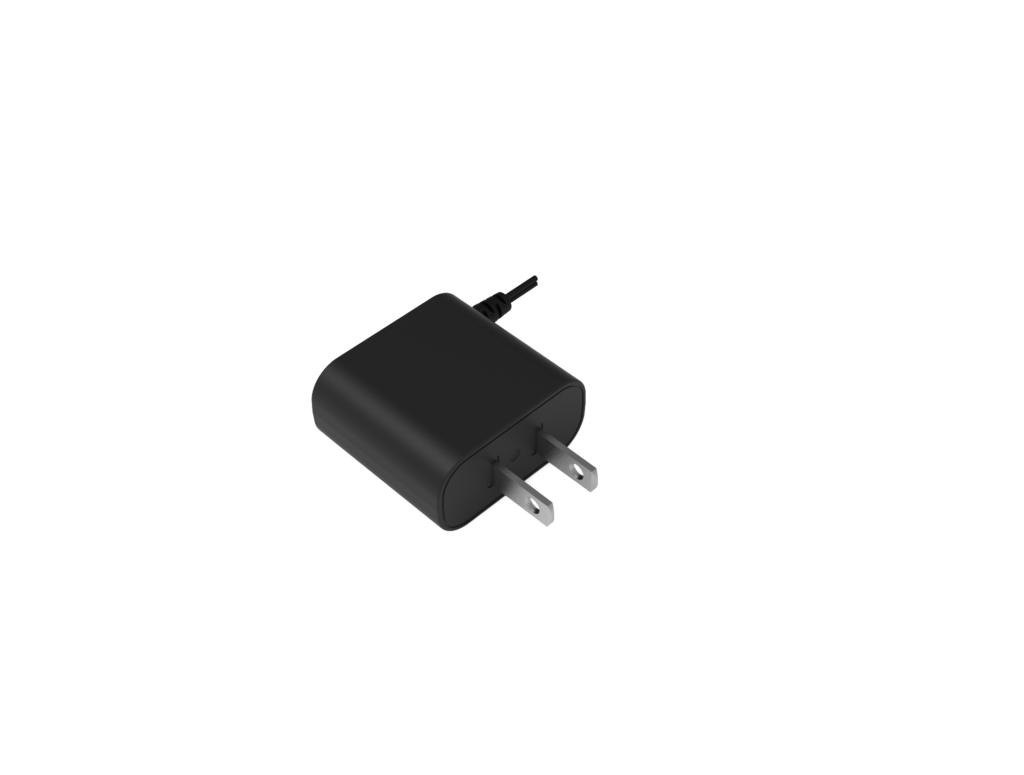
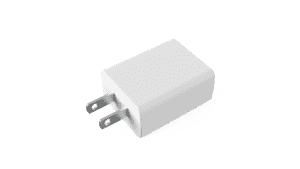
AA03A-075A-R
- Output Power - 2.75W
- Output Volt - 7.5V
- Output Current - 0.366A
- Features - Fixed Blade AC Input, Limited Power Source, Class B EMI, Level VI Efficiency, Standard Barrel Connector
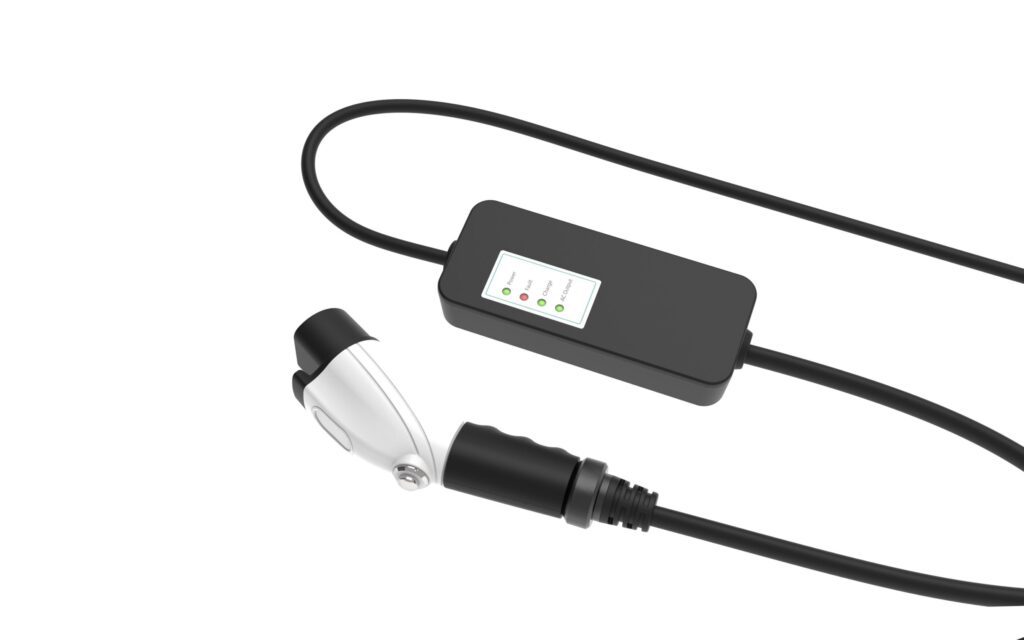
AC Series
- Output Current - 16A
- Features - Mode 2-chargers can use a circuit ranging from 8Amp to 16Amp with a local standard AC input plug installed for operation, Provides overcurrent, over voltage and short circuit protection, Protected against strong jets of water from all directions, Continuously monitors/supervises the ground connection between the AC supply and EV to ensure safe and reliable charging
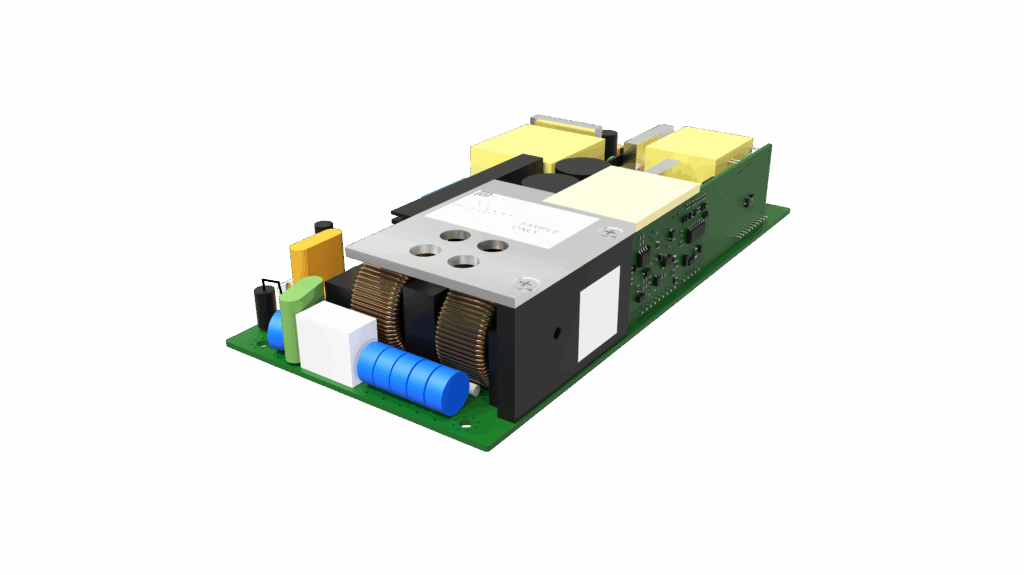
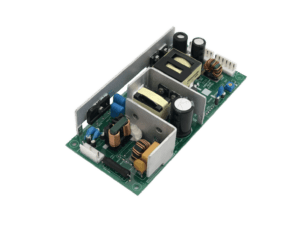
BF550-234A-R
- Output Power - 550W
- Output Volt - 12Vdc / 54.5Vdc
- Features - Universal AC Input range, Class I Design , Class B EMI , High Efficiency Performance , OVP, OCP, SCP, OTP Protections , Operating Altitude: 5,000M
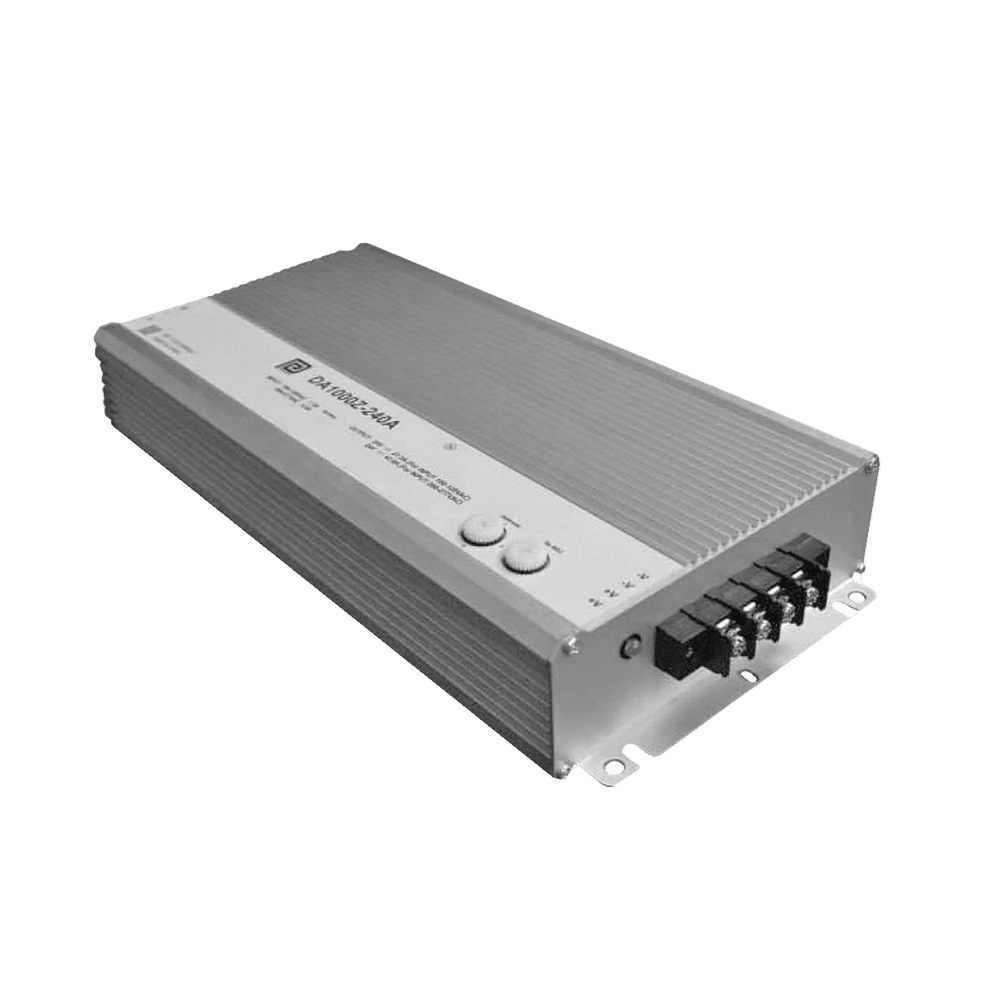
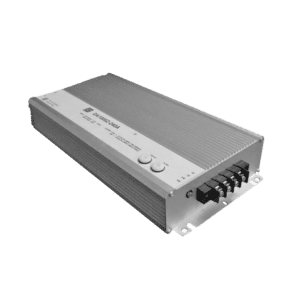
DA1000Z-240AEV-R
- Output Power - 1000W
- Output Volt - 24V
- Output Current - 1000W
- Features - Extended operating temperature range of -40℃ to 70℃, Fan-less aluminum case filled with heat conductive glue, Able to withstand 10G vibration, Power on LED indicator, Short Circuit, Over Current, Over Voltage, and Over Temperature Protections, & Adjustable output through potentiomete
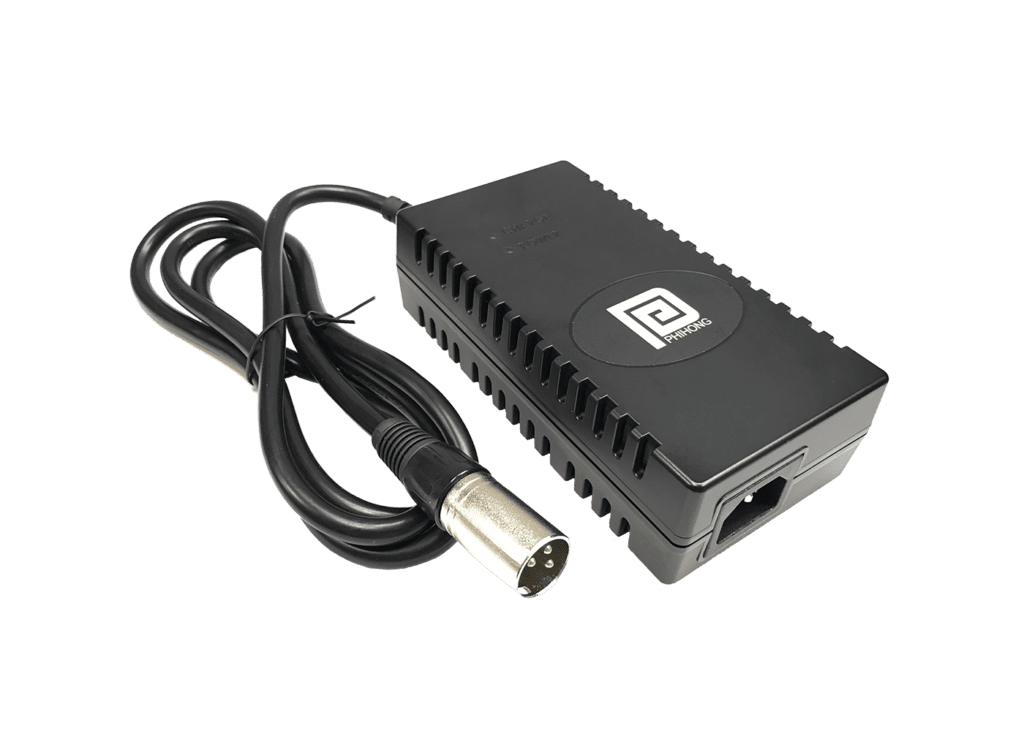
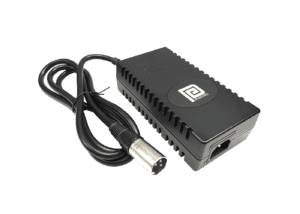
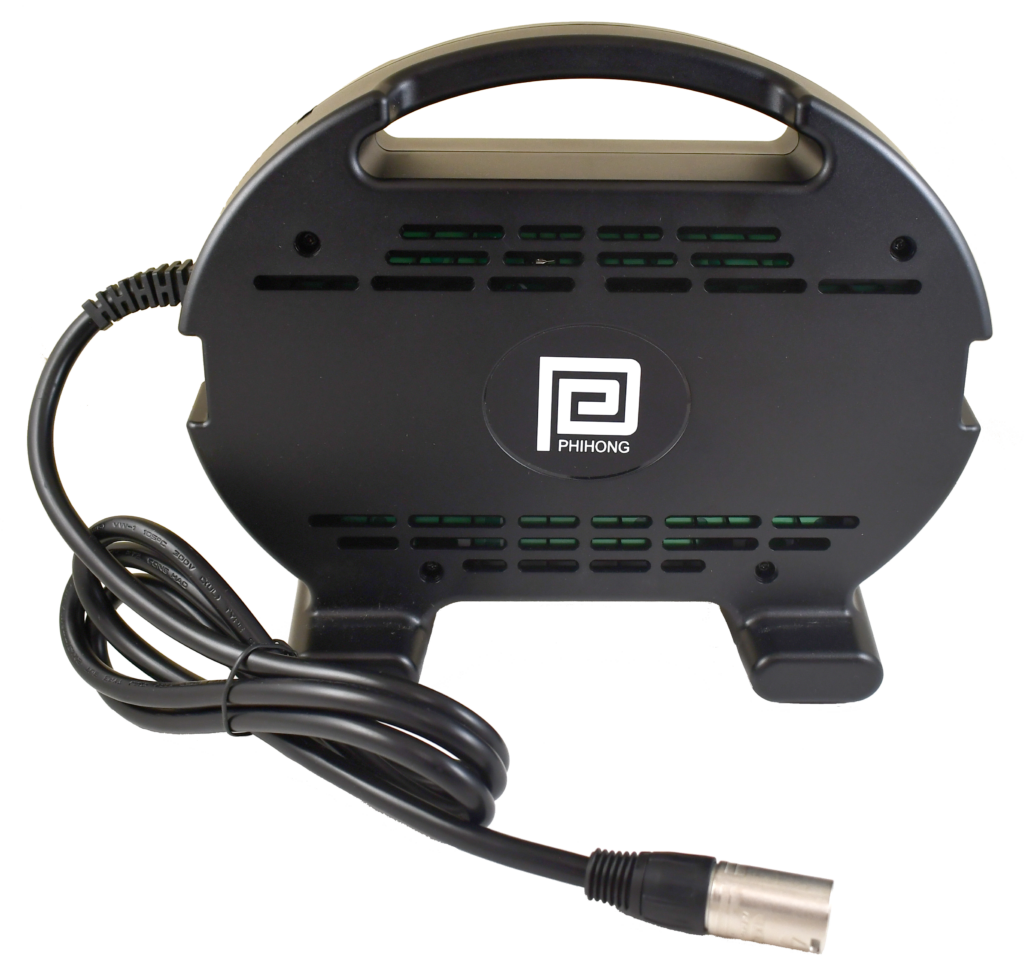
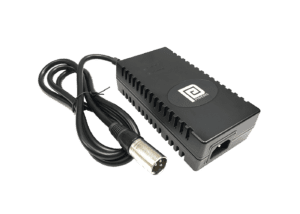
DA60U-240A-R
- Output Power - 60W
- Output Volt - 24V
- Output Current - 2.5A
- # of ports - 1
- Features - RESNA Compliant, CEC Compliant, LED Indicators Charge State, OVP, OTP, SCP, Charges AGM Batteries, Max 12hrs Charging Time
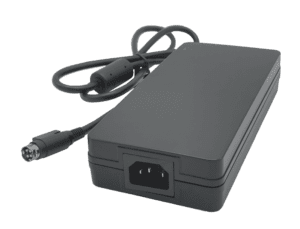
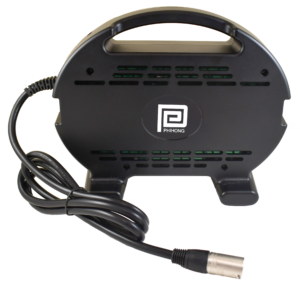
DA200U-250A-R
- Output Power - 200W
- Output Volt - 24V
- Output Current - 8A
- # of ports - 1
- Features - RESNA Compliant, CEC Compliant, LED Indicators Charge State, OVP, OTP, SCP, Dual-Mode Charger, Charges GEL or AGM batteries, Max 12hrs Charging Time
Why is leakage current control so critical in medical adapters?
Leakage current refers to the small amount of unintended electrical flow that can pass from a device into the human body or surrounding equipment. In medical environments, where patients may be connected directly to electrical devices, leakage control is vital. Standards such as IEC 60601-1 specify maximum allowable limits—often 100 µA for patient-applied parts—to prevent harmful shocks or disruptions to vital monitoring equipment.
Medical adapters use reinforced insulation, advanced grounding methods, and protective barriers to keep leakage within safe limits. Manufacturers test these devices extensively to confirm compliance under worst-case conditions, including high humidity and voltage fluctuations. By contrast, industrial power supplies typically allow higher leakage thresholds (up to 3.5 mA), which are safe for equipment but not for patients.
Without proper control of leakage current, medical devices could malfunction, give false readings, or endanger lives. Engineers and procurement specialists must therefore verify compliance documentation and leakage test results before integrating adapters into medical systems.
Top Benefits
-
Protects patients from electrical shock and interference risks
-
Ensures compliance with IEC 60601-1 leakage current limits
-
Improves device reliability and signal integrity in sensitive equipment
Best Practices
-
Conduct regular leakage current tests in real operating conditions
-
Use double-insulated Class II power adapters for patient-contact devices
-
Maintain accurate compliance documentation for audits and safety checks
Leakage current control is a non-negotiable requirement for medical applications—it safeguards both patients and the credibility of the manufacturer supplying the equipment.
(Suggested Links: Innovations in Medical Power Supply Design | Battery Chargers)
How do insulation and isolation design differ between medical and industrial adapters?
Insulation and isolation are critical safety features that define how power adapters protect users and equipment from electrical hazards. In medical adapters, reinforced insulation and double isolation barriers are mandatory to prevent even microamp-level current from reaching the patient. Medical-grade designs typically include multiple insulation layers, larger creepage distances, and lower dielectric strength thresholds to comply with IEC 60601-1.
Industrial adapters, while robust, focus more on protecting machinery and operators from high-voltage surges, electrostatic discharge, and mechanical stress. Isolation barriers exist primarily to prevent short circuits or system failures rather than direct human harm. The insulation materials used may tolerate higher temperatures or mechanical wear but do not necessarily meet the strict leakage and isolation requirements of medical-grade designs.
Understanding these differences is essential during product selection. Using a non-medical adapter in patient-connected equipment could result in certification failure or serious liability issues. Conversely, deploying medical adapters in industrial settings might unnecessarily increase costs without added benefit.
Top Benefits
-
Enhanced patient safety through double and reinforced insulation
-
Compliance with strict IEC creepage and clearance distance standards
-
Improved reliability for both medical and industrial systems
Best Practices
-
Match insulation levels to intended operating environments
-
Review creepage and clearance distances during design validation
-
Partner with certified manufacturers for verified isolation testing
Proper insulation and isolation design are fundamental to safe operation. Knowing which specifications apply ensures compliance while avoiding costly requalification or redesign.
(Suggested Links: Open-Frame Power Supplies | Medical Power Supplies)
CLIENT'S QUOTE
Phihong's Power-Over-Ethernet solutions have transformed our network, boosting efficiency and reducing costs. Their seamless integration has simplified both installation and maintenance.
Medical-grade certifications ensure patient safety
Medical-grade power adapters undergo far stricter certification processes than their industrial counterparts. Standards like IEC 60601-1, ES60601-1, and UL60601-1 require extensive testing for leakage current, insulation resilience, mechanical durability, and electromagnetic compatibility. These certifications are mandatory for any device that comes into physical contact with patients, whether directly (patient-applied parts) or indirectly (monitoring, imaging, or life-support equipment). The approval process can involve hundreds of test points, each designed to prevent situations where electricity could harm a patient.
Industrial power adapters, in contrast, typically comply with IEC 62368-1 or older standards like IEC 60950-1. These approvals focus on protecting operators and equipment—not vulnerable patients. While industrial devices are tested for shock and fire hazards, they are not required to limit leakage current to microamp levels or achieve medical-grade creepage distances. That makes them unsuitable—and unsafe—for patient-connected environments.
Top Benefits
-
Protects patients from electrical hazards through strict IEC 60601-1 requirements
-
Reduces compliance risks for hospitals and medical device manufacturers
-
Ensures consistent performance around sensitive diagnostic and monitoring equipment
Best Practices
-
Verify IEC 60601-1 approvals directly from manufacturer documentation
-
Use medical-grade adapters for any patient-applied or patient-adjacent device
-
Avoid mixing medical and industrial adapters within the same healthcare environment
Medical-grade certifications provide a safety foundation that industrial adapters simply cannot match. By choosing the right certified solution, manufacturers protect patients, reduce liability, and ensure devices meet global regulatory expectations.
(Suggested Links: Medical Power Supplies | Internal Power Supply Guide)
Industrial adapters prioritize durability and performance
Industrial environments place unique demands on power adapters—heavy machinery, fluctuating mains voltage, dust, vibration, and temperature extremes. Industrial-grade power adapters are built for mechanical toughness, with reinforced housings, wider operating temperature ranges, higher surge tolerance, and protection against electrical noise. These designs comply with standards like IEC 62368-1, which emphasize functional safety, fire protection, and equipment reliability rather than patient safety.
Unlike medical adapters, industrial units often allow higher leakage current, sometimes up to several milliamps, because the equipment they power is not directly connected to a human body. This allows engineers to optimize performance, efficiency, and thermal handling without needing the advanced insulation and component spacing required by medical-grade devices. Industrial adapters must still meet safety criteria, but the focus shifts toward longevity in harsh conditions rather than microamp-level electrical thresholds.
Top Benefits
-
Higher tolerance for temperature, vibration, and electrical noise
-
Reliable performance in demanding industrial settings
-
Lower cost structure compared to medical-grade designs
Best Practices
-
Match the adapter’s operating temperature range with the installation environment
-
Choose adapters with surge and transient protection suitable for industrial lines
-
Review durability ratings when powering motors, actuators, or heavy automation
Industrial power adapters deliver proven durability and cost-efficiency for factories, warehouses, and rugged applications. They excel in performance-focused environments where reliability under stress matters more than ultra-low leakage thresholds.
(Suggested Links: Open-Frame Power Supplies | PoE Injectors)
Matching the right adapter to the right application
Selecting between medical and industrial power adapters requires understanding the specific environment and regulatory expectations of your application. Devices used near patients—or those touching the body—must use IEC 60601-1 certified medical adapters. These ensure safe leakage current levels, proper insulation, and strict EMI control. Using an industrial adapter in this setting not only violates safety standards but exposes patients to risk and device manufacturers to liability.
Conversely, using a medical adapter in a heavy industrial setting may offer unnecessary protection at a higher cost. Industrial applications typically benefit more from ruggedness, surge handling, and resistance to environmental contaminants. Engineers must weigh safety, performance, and cost to select the right category.
Top Benefits
-
Ensures compliance with regional and industry-specific safety regulations
-
Improves device longevity and performance by matching the correct specification
-
Reduces risk of product recalls, failures, or certification violations
Best Practices
-
Identify whether the device is patient-applied, patient-adjacent, or equipment-only
-
Review leakage current requirements before selecting a power adapter
-
Choose manufacturers that offer both medical and industrial product lines
Matching the correct adapter to each application prevents safety hazards, certification failures, and costly redesigns. Proper selection ensures both compliance and optimal performance across medical and industrial environments.
(Suggested Links: Medical Power Supplies | Battery Chargers)
How Phihong supports both medical and industrial power requirements
Phihong offers a broad portfolio of power adapters specifically designed to meet the distinct requirements of both medical and industrial applications. For medical devices, Phihong designs adapters that comply with IEC 60601-1 and related global standards, with reinforced insulation, low leakage current, and carefully controlled EMI performance. These medical-grade solutions help OEMs bring patient-connected and patient-adjacent devices to market faster, while meeting strict safety approvals demanded by hospitals, clinics, and regulatory bodies.
On the industrial side, Phihong manufactures adapters and open-frame power supplies that focus on durability, surge protection, and long-term reliability in harsh environments. These products are built to withstand temperature variations, electrical noise, and mechanical stress often found in factories, warehouses, automation systems, and robotics. By offering both medical and industrial lines under one brand, Phihong makes it easier for engineering teams to select exactly the right adapter type for each application while maintaining consistent quality and documentation across product families.
For OEMs, this dual expertise means fewer sourcing headaches and a smoother compliance path. Whether you need ultra-low leakage current for a patient monitor or a robust, high-reliability adapter for an industrial controller, Phihong provides tested, certified solutions supported by experienced engineering teams and global approvals.
(Suggested Links: Medical Power Supplies | Open-Frame and Industrial Power Supplies)

FEATURED RESOURCE
Phihong's Power-Over-Ethernet solutions have transformed our network, boosting efficiency and reducing costs.
RATED FIVE STARS


Phihong's Power-Over-Ethernet solutions have transformed our network, boosting efficiency and reducing costs....
 Kimberly K.
 POE technology supports the centralization of power

AC Adapter Guide: Everything You Need to Know
Moreover, PoE technology supports the centralization of power management. By powering devices through a PoE-enabled network …
AC DC Power Chargers and How They Work: A Comprehensive Technical Breakdown
Moreover, PoE technology supports the centralization of power management. By powering devices through a PoE-enabled network …

USB-C Charger: Shaping the Future of the Tech World
Moreover, PoE technology supports the centralization of power management. By powering devices through a PoE-enabled network …

AC Adapter Guide: Everything You Need to Know
Moreover, PoE technology supports the centralization of power management. By powering devices through a PoE-enabled network …

AC DC Power Chargers and How They Work: A Comprehensive Technical Breakdown
Moreover, PoE technology supports the centralization of power management. By powering devices through a PoE-enabled network …

USB-C Charger: Shaping the Future of the Tech World
Moreover, PoE technology supports the centralization of power management. By powering devices through a PoE-enabled network …