









BLOG
Top 10 Features OEMs Should Look for in a High-Density GaN Power Adapter
QUICK LINKS
Why High-Density GaN Power Adapters Are Now a Core OEM Decision
High-density GaN power adapters are no longer a niche upgrade. They are becoming a core requirement for OEMs building compact, high-performance devices across commercial, industrial, and medical categories. As devices become thinner, more powerful, and more portable, the pressure on the power supply increases. Engineers are no longer just selecting wattage. They are evaluating efficiency, thermal behavior, form factor, and long-term reliability all at once.
Phihong’s GaN-focused content reinforces this shift. Its GaN articles highlight improved efficiency, reduced thermal output, and higher power density as key advantages that directly support modern device design. These benefits are especially relevant for OEMs working with USB-C PD platforms and high-performance adapters in the 65W to 300W+ range. High-density GaN solutions allow teams to deliver more power in less space while maintaining safe and stable operation.
For OEMs, choosing the right GaN adapter is not just about performance. It is about selecting a platform that integrates cleanly into the product, supports global deployment, and scales across future device generations.
Useful Links
- https://www.phihong.com/best-guide-to-gan-power-supplies-for-oems-industrial-medical-telecom/
- https://www.phihong.com/products/adapters/
- https://www.phihong.com/how-gallium-nitride-gan-is-powering-the-next-generation-of-compact-high-efficiency-robot-power-supplies/
Related Articles
- https://www.phihong.com/top-10-reasons-oems-are-switching-to-65w-usb-c-pd-gan-power-adapters/
- https://www.phihong.com/top-10-ways-gan-is-changing-thermal-design-in-compact-high-power-adapters/
- https://www.phihong.com/how-to-choose-the-best-power-adapter-supplier-for-oems-key-factors-for-safety-reliability-and-compliance/
FEATURED PRODUCTS
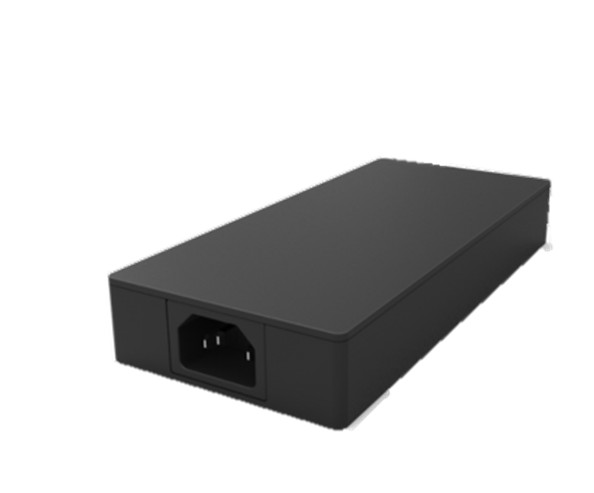
AA240U-200A-R
- Output Power - 240W
- Output Volt - 20V
- Output Current - 12A
- Features - high-efficiency desktop power supply designed for multiple applications, delivering a reliable 240W single output with advanced GaN technology for compact performance. Ideal for powering high-demand gaming systems etc with reduced heat and improved energy conversion.
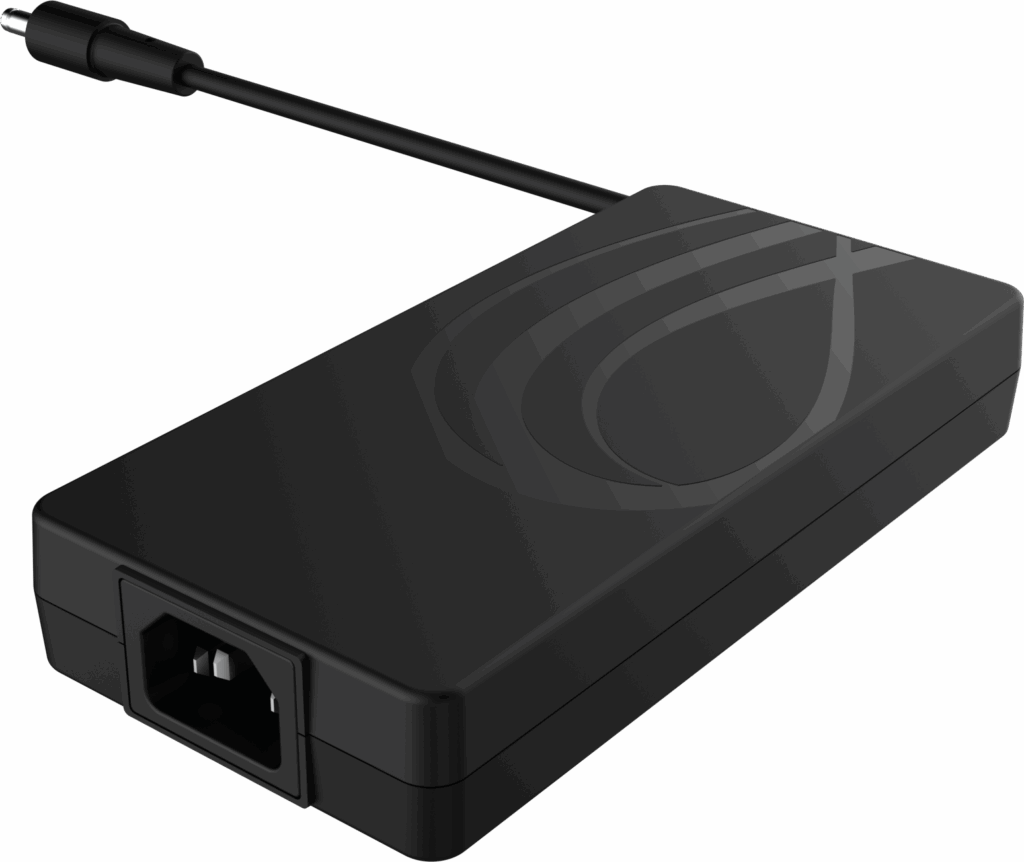
AA240U-200B-R
- Output Power - 240W
- Output Volt - 20V
- Output Current - 12A
- Features - This 240-watt GaN Series Desktop C14 Adapter delivers high power in a compact, efficient design, ideal for demanding professional and industrial applications. Its GaN technology ensures cooler operation, reliability, and space-saving performance.
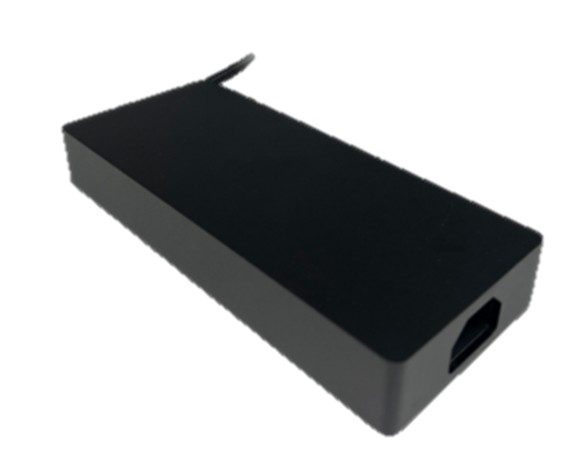
AA280U-200B-R
- Output Power - 280W
- Output Volt - 20V
- Output Current - 14A
- Features - high-efficiency desktop power supply designed for multiple applications, delivering a reliable 240W single output with advanced GaN technology for compact performance. Ideal for powering high-demand gaming systems etc with reduced heat and improved energy conversion.
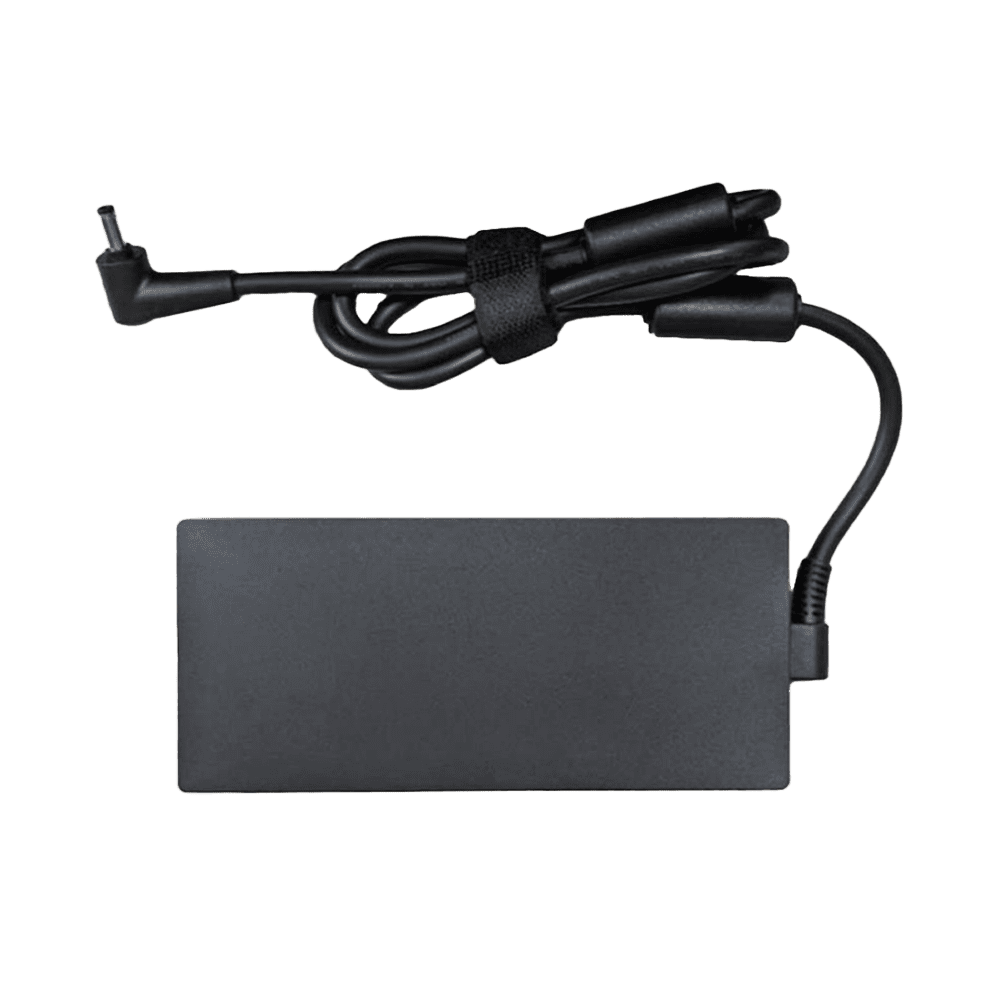
AM330U-200B(A)-R
- Output Power - 330W
- Output Volt - 20V
- Output Current - 16.5A
- Features - GaN (Gallium Nitride) Technology, DoE Level VI Compliance, 5,000 Meters Operating Altitude, Peak Load Capability, & 1” Low Profile Splash-Proof Case with IEC 60320 C14 Inlet

AQ18A-59CFC-H
- Output Power - 18W
- Output Volt - 5V/9V/12V/15V
- Output Current - 3A/2A/1.5A/1.2A
- Features - USB-C PD 3.0 Certified, Small Form Factor/High Power Density, DOE VII , Class B EMI, utilizes GAN technology to have an improved efficiency and faster charging while decreasing the size and weight of the product
- Application: Mobile Phone • Networking Devices • Tablet • Monitor etc

AQ18E-59CFC-H
- Output Power - 18W
- Output Volt - 5V/9V/12V/15V
- Output Current - 3A/2A/1.5A/1.2A
- # of ports - 1
- Features - USB-C PD 3.0 Certified, Small Form Factor/High Power Density, DOE VII , Class B EMI, COC Version 5 Tier 6, utilizes GAN technology to have an improved efficiency and faster charging while decreasing the size and weight of the product
- Application: Mobile Phone • Networking Devices • Tablet • Monitor

AQ18K-59CFC-H
- Output Power - 18W
- Output Volt - 5V/9V/12V/15V
- Output Current - 3A/2A/1.5A/1.2A
- # of ports - 1
- Features - USB-C PD 3.0 Certified, Small Form Factor/High Power Density, DOE VII , Class B EMI, COC Version 5 Tier 7,utilizes GAN technology to have an improved efficiency and faster charging while decreasing the size and weight of the product
- Application: Mobile Phone • Networking Devices • Tablet • Monitor etc
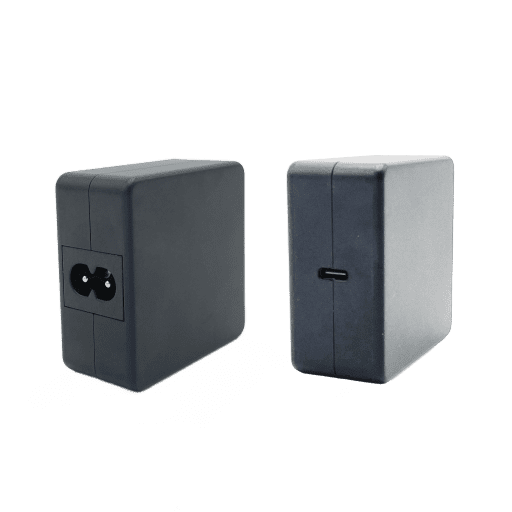
AQ60W-59FKKA-R
- Output Power - 60W
- Output Volt - 5V/9V/15V/20V
- Output Current - 3A/3A/3A/3A
- # of ports - 1
- Features - GaN Technology, USB Power Delivery 3.0, DoE Level VI Compliance, CoC Version 5 Tier 2 Compliance, 5,000 Meters Operating Altitude, Suitable for commercial and consumer electronic products

AQ65A-59FKB-R
- Output Power - 65W
- Output Volt - 5V/9V/15V/20V (PPS : 3.3V~21V)
- Output Current - 3A/3A/3A/3A
- # of ports - 1
- Features - GaN Technology, USB Power Delivery 3.0, DoE Level VI Compliance, CoC Version 5 Tier 2 Compliance, 5,000 Meters Operating Altitude, Suitable for commercial and consumer electronic products

AQ65E-59FKB-R
- Output Power - 65W
- Output Volt - 5V/9V/15V/20V (PPS : 3.3V~21V)
- Output Current - 3A/3A/3A/3A
- # of ports - 1
- Features - GaN Technology, USB Power Delivery 3.0, DoE Level VI Compliance, CoC Version 5 Tier 2 Compliance, 5,000 Meters Operating Altitude, Suitable for commercial and consumer electronic products

AQ65F-59FKA-R
- Output Power - 65W
- Output Volt - 5V/9V/15V/20V
- Output Current - 3A/3A/3A/3.25A
- # of ports - 1
- Features - GaN Technology, USB Type-C Foldable DoE Level VI Compliance, 5,000 Meters Operating Altitude, Suitable for commercial and consumer electronic products

AQ65K-59FKB-R
- Output Power - 65W
- Output Volt - 5V/9V/15V/20V (PPS : 3.3V~21V)
- Output Current - 3A/3A/3A/3A
- # of ports - 1
- Features - GaN Technology, USB Power Delivery 3.0, DoE Level VI Compliance, CoC Version 5 Tier 2 Compliance, 5,000 Meters Operating Altitude, Suitable for commercial and consumer electronic products

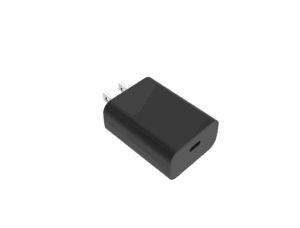
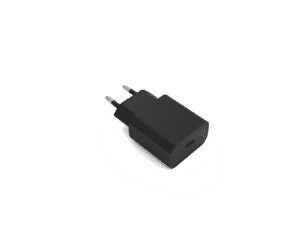
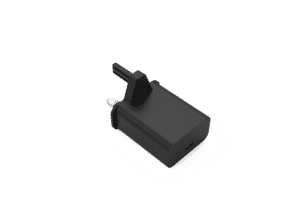
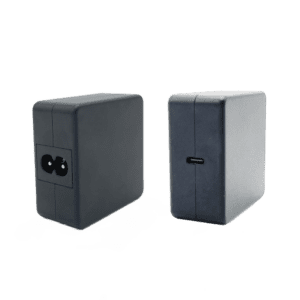
What Defines a “High-Density” GaN Power Adapter in Today’s Market?
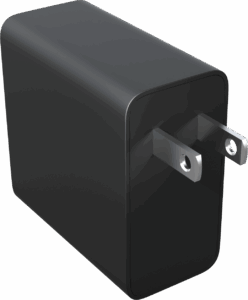
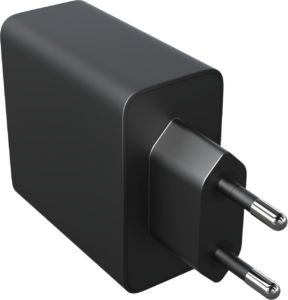
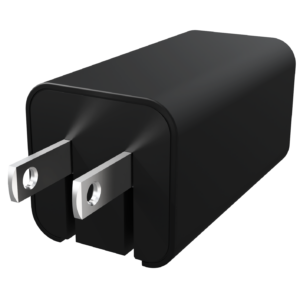
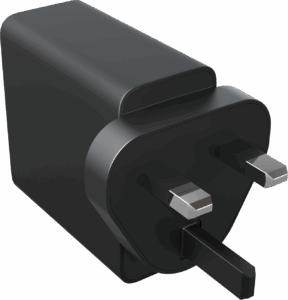
High-density power adapters are defined by how much power they can deliver relative to their size and weight. In practical terms, this means higher wattage in smaller enclosures without sacrificing efficiency or safety. GaN technology makes this possible by reducing switching losses and enabling smaller internal components.
However, density alone is not enough. A high-density adapter must also maintain thermal stability, support clean power delivery, and include robust protection features. Without these, increased density can lead to overheating, reduced lifespan, or unstable performance.
Phihong’s approach to GaN design reflects this balance. Its adapter platforms are designed to deliver high power output while maintaining efficiency, reliability, and compliance. For OEMs, this means selecting a solution that not only meets power requirements but also supports long-term product performance and user expectations.
Useful Links
- https://www.phihong.com/products/adapters/
- https://www.phihong.com/usb-c-charger-shaping-the-future-of-the-tech-world/
- https://www.phihong.com/how-to-choose-the-best-oem-power-supply-manufacturer-for-medical-devices-key-factors-for-compliance-and-performance/
Related Articles
- https://www.phihong.com/best-guide-to-medical-power-supplies-for-modern-medical-devices/
- https://www.phihong.com/medical-power-supply-how-to-choose-the-best-solution-for-safe-reliable-medical-devices/
- https://www.phihong.com/medical-power-supply-vs-medical-power-adapter-whats-the-difference-and-which-one-do-you-need/
CLIENT'S QUOTE
Phihong’s custom OEM power solutions have transformed our product development, boosting performance and reducing overhead. Their expert engineering support has simplified both the design and manufacturing phases.
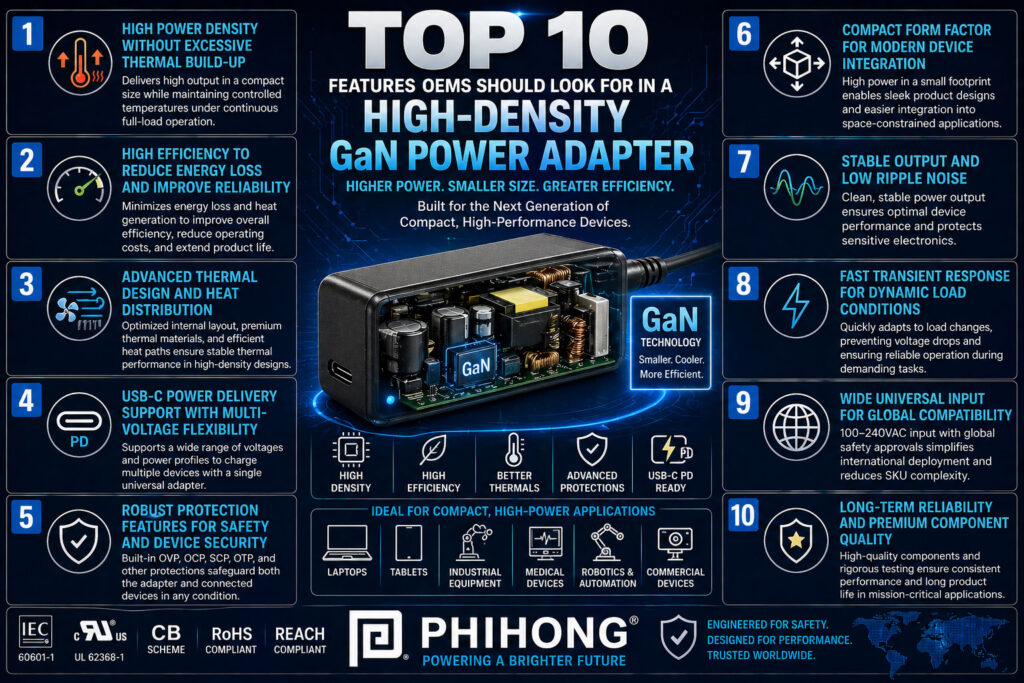
Top 10 Features OEMs Should Look for in a High-Density GaN Power Adapter
1. High Power Density Without Excessive Thermal Build-Up
A true high-density GaN adapter must deliver strong output while maintaining controlled thermal behavior. High power density is only useful if the adapter can sustain performance without overheating. GaN technology reduces switching losses, which helps limit heat generation even at higher wattages.
OEMs should evaluate how well the adapter manages heat under continuous load, not just peak conditions. This includes looking at enclosure temperature, internal component stress, and long-duration stability. Poor thermal performance can lead to early failure or reduced efficiency over time.
Adapters like Phihong’s GaN platforms are designed to balance density with thermal control, allowing OEMs to achieve compact designs without compromising reliability. This balance is essential for devices that operate in confined spaces or under sustained workloads.
2. High Efficiency to Reduce Energy Loss and Improve Reliability
Efficiency directly impacts both thermal performance and long-term durability. High-efficiency GaN adapters waste less energy as heat, which reduces internal stress on components. This is particularly important in high-density designs where space for heat dissipation is limited.
OEMs should prioritize adapters that meet modern efficiency standards and maintain performance across a range of loads. Consistent efficiency helps ensure stable operation and reduces the risk of overheating during extended use.
In addition to improving reliability, higher efficiency also supports sustainability goals and energy compliance requirements. This makes it a critical feature for both technical and regulatory reasons.
3. Advanced Thermal Design and Heat Distribution
Thermal design goes beyond efficiency. It includes how heat is distributed within the adapter and how it is transferred to the surrounding environment. High-density designs require careful layout and material selection to prevent localized hot spots.
OEMs should look for adapters that use optimized internal layouts, high-quality thermal materials, and effective heat paths. These features help maintain consistent temperatures and prevent performance degradation.
Phihong’s GaN design approach emphasizes thermal stability, which supports reliable operation in compact and high-performance applications.
4. Support for USB-C Power Delivery and Multi-Voltage Output
Modern devices often require flexible power delivery. USB-C PD allows adapters to provide multiple voltage levels based on device requirements. This flexibility simplifies design and improves compatibility across product lines.
OEMs should ensure that the adapter supports the necessary PD profiles and can handle dynamic power negotiation. This is especially important for devices that operate across different power states or require fast charging.
USB-C PD also helps standardize the user experience, reducing the need for proprietary connectors and simplifying accessory management.
5. Robust Protection Features for Safe Operation
Safety and reliability depend on strong protection mechanisms. High-density GaN adapters should include over-voltage, over-current, short-circuit, and thermal protection features.
These safeguards help prevent damage to both the adapter and the connected device. They also ensure safe operation under fault conditions, which is critical in commercial and medical applications.
OEMs should evaluate how these protections are implemented and whether they provide both immediate response and long-term reliability.
6. Compact and Lightweight Form Factor
One of the main advantages of GaN technology is reduced size and weight. OEMs should look for adapters that maximize portability without sacrificing performance.
A smaller, lighter adapter improves the overall product experience, especially for mobile devices. It also simplifies packaging and transportation.
High-density designs should maintain structural integrity and durability while minimizing bulk.
7. Stable Output for Sensitive Electronics
Clean and stable power output is essential for device performance. Noise, ripple, and instability can affect sensitive electronics, leading to reduced accuracy or system errors.
OEMs should choose adapters that provide low-noise output and maintain voltage stability under varying loads. This is particularly important for devices with precision components or high-performance processing.
Stable power delivery ensures consistent operation and improves overall product quality.
8. Fast Transient Response for Dynamic Load Conditions
Devices with varying power demands require adapters that can respond quickly to changes. GaN technology supports faster switching, which improves transient response.
OEMs should consider how well the adapter handles rapid load changes, such as during startup or high-performance tasks. Poor response can lead to voltage drops or instability.
A strong transient response ensures smooth operation and supports demanding applications.
9. Global Input Compatibility for International Use
High-density adapters should support a wide range of input voltages to enable global deployment. This reduces the need for region-specific designs and simplifies logistics.
OEMs should verify that the adapter can operate reliably across different power grids. This is especially important for products intended for international markets.
Global compatibility also supports scalability and reduces inventory complexity.
10. Long-Term Reliability and Component Quality
Reliability is a critical factor in adapter selection. High-density designs place more stress on components, so quality and durability are essential.
OEMs should look for adapters built with high-quality materials and tested for long-term performance. This includes evaluating MTBF and overall build quality.
Reliable adapters reduce maintenance costs and improve customer satisfaction.
High-density GaN power adapters are redefining what is possible in compact power design. By combining efficiency, thermal performance, and advanced features, they enable OEMs to build smaller, more powerful devices without compromising reliability.
How Phihong Helps OEMs Select High-Density GaN Power Solutions
Phihong’s GaN adapter platforms provide OEMs with proven solutions for high-density power applications. By focusing on efficiency, thermal management, and reliability, Phihong helps reduce design complexity and improve product performance.
The company’s expertise in power supply design and global manufacturing support allows OEMs to scale production while maintaining quality. This makes it easier to adopt advanced technologies like GaN without increasing risk.
As demand for compact, high-performance devices continues to grow, high-density GaN adapters will play an increasingly important role in OEM design strategies.

CONTACT US TODAY
From concept to production, Phihong delivers custom OEM power solutions tailored to your specifications.
POE technology supports the centralization of power

AC Adapter Guide: Everything You Need to Know
Moreover, PoE technology supports the centralization of power management. By powering devices through a PoE-enabled network …
AC DC Power Chargers and How They Work: A Comprehensive Technical Breakdown
Moreover, PoE technology supports the centralization of power management. By powering devices through a PoE-enabled network …

USB-C Charger: Shaping the Future of the Tech World
Moreover, PoE technology supports the centralization of power management. By powering devices through a PoE-enabled network …

AC Adapter Guide: Everything You Need to Know
Moreover, PoE technology supports the centralization of power management. By powering devices through a PoE-enabled network …

AC DC Power Chargers and How They Work: A Comprehensive Technical Breakdown
Moreover, PoE technology supports the centralization of power management. By powering devices through a PoE-enabled network …

USB-C Charger: Shaping the Future of the Tech World
Moreover, PoE technology supports the centralization of power management. By powering devices through a PoE-enabled network …