









BLOG
130W vs 200W Open-Frame Power Supplies: Which 3×2-Inch Model Fits Your Power Budget?
QUICK LINKS
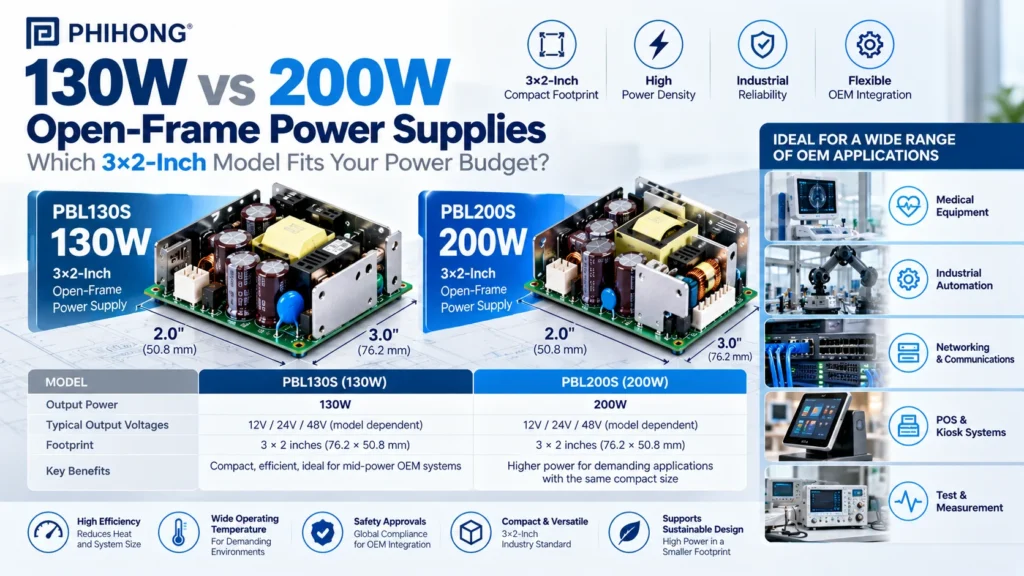
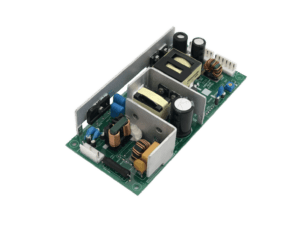
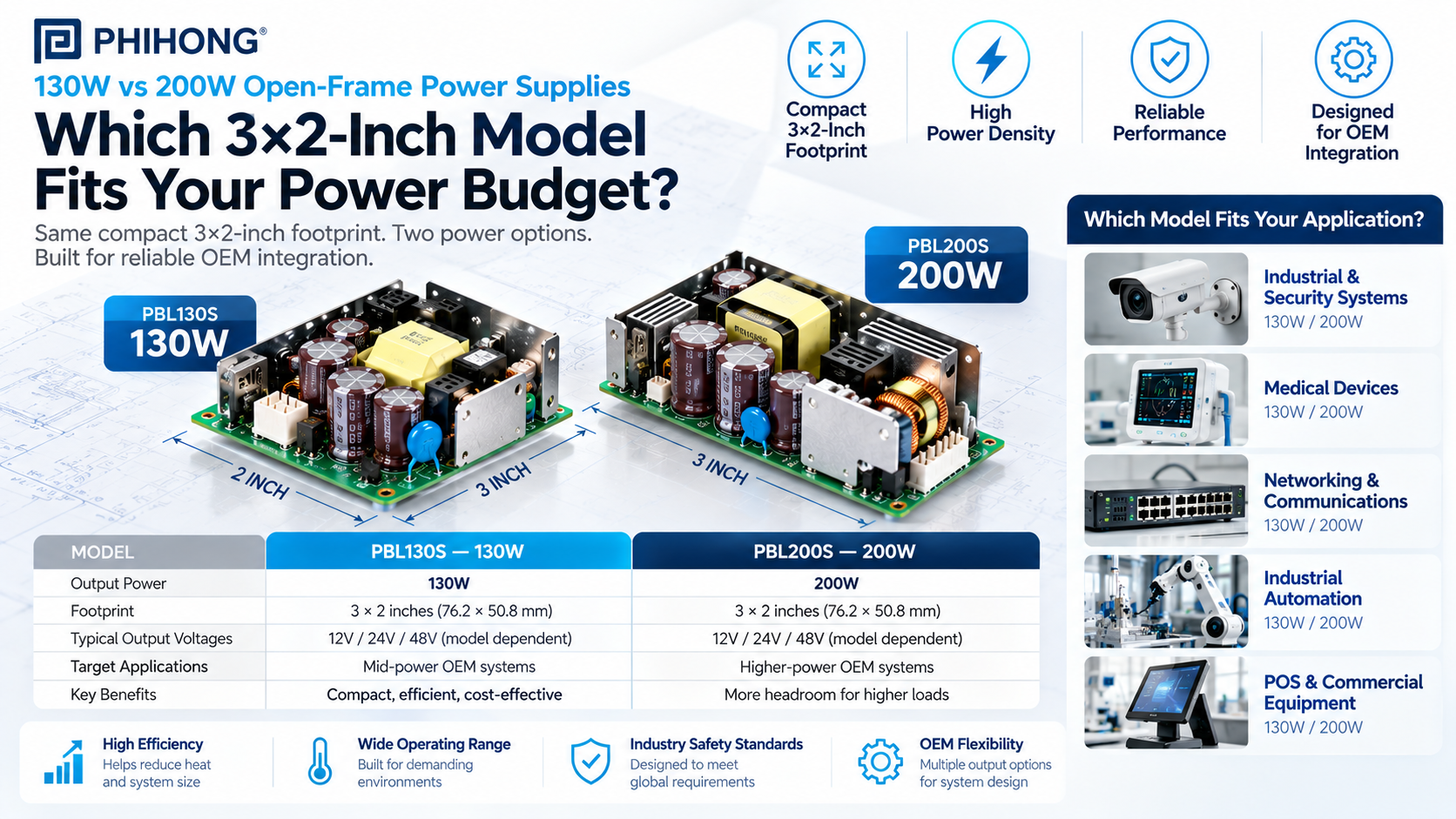
A PBL130S or PBL200S supply fits a power budget only when the selected voltage, load and qualified cooling arrangement agree. Compare the cooling-dependent output rather than the family number alone. The PBL130S datasheet lists 100W with convection and 130W with forced cooling; PBL200S lists 150W with convection and 200W with fan cooling.
That distinction changes an OEM selection before any preference for a smaller or larger power class. A convection-cooled PBL200S candidate offers a different documented budget from a forced-cooled PBL130S candidate even though both occupy the 3×2-inch board class. The steps below turn those family references into a defined selection and test plan.
Which cooling-qualified rating should enter the budget?
Define the intended cooling configuration first. If the product is designed for convection, use the convection figure as the screening reference. If forced cooling is part of the design, obtain the conditions supporting the higher rating. Neither family’s concise document provides a complete airflow rate, fan direction or detailed thermal derating curve.
Keep voltage variant and cooling mode together. The datasheets name separate 12V, 24V and 48V models. A shared family label does not replace the exact variant limits or released documentation. The PBL130S output-summary row contains a foreign model label, so do not assign its ambiguous exact value to the 48V variant or derive a current limit from it.
| Cooling mode | PBL130S | PBL200S | Required confirmation |
|---|---|---|---|
| Convection | 100W listed | 150W listed | Exact model and installed thermal conditions |
| Forced/fan cooling | 130W listed | 200W listed | Airflow basis and applicable derating |
These references do not authorize operation outside the supplier’s conditions. Use the current released configuration to settle the design requirement, particularly when the operating load approaches a listed ceiling.
Why This Matters
- The cooling choice can change the usable comparison more than the family name suggests.
- An ambiguous exact-model entry should not become a procurement current specification.
What OEMs Should Do Now
- State the voltage variant and cooling mode on the power-budget sheet.
- Request the exact model limit and conditions supporting the chosen rating.
Useful Links
PBL130S cooling and output references and PBL200S cooling and output references
FEATURED PRODUCTS
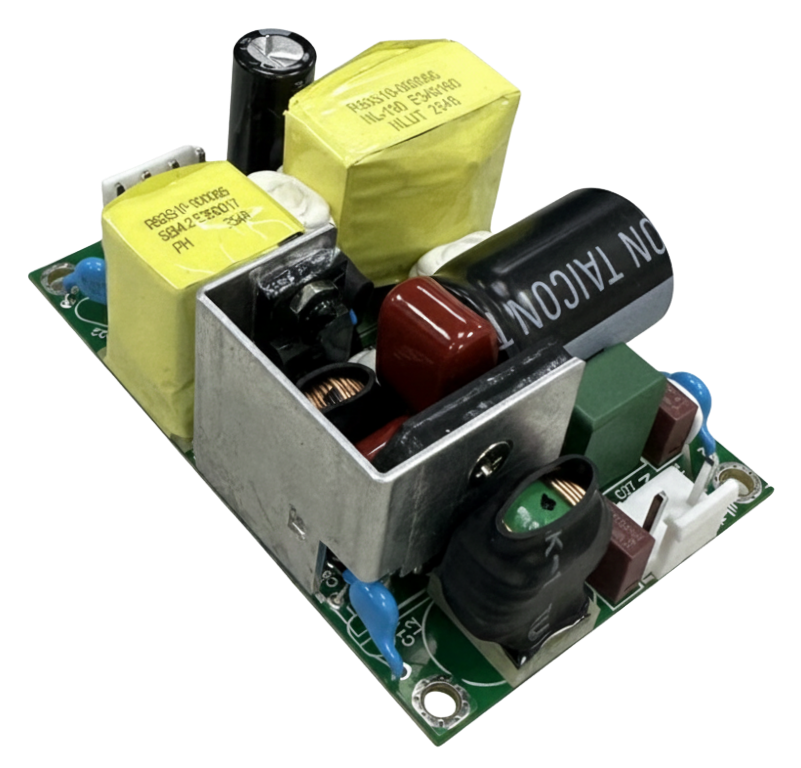
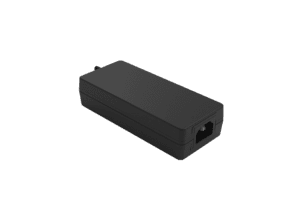
PBL130S-120
- Output Power - 130W(with Fan)
- Output Volt - 12Vdc
- Features - Class B EMI , High Efficiency Performance , OVP, OCP, SCP, OTP Protections , Operating Altitude: 5,000M
PBL130S-240
- Output Power - 130W(with Fan)
- Output Volt - 24Vdc
- Features - Class B EMI , High Efficiency Performance , OVP, OCP, SCP, OTP Protections , Operating Altitude: 5,000M
PBL130S-480
- Output Power - 130W(with Fan)
- Output Volt - 48Vdc
- Features - Class B EMI , High Efficiency Performance , OVP, OCP, SCP, OTP Protections , Operating Altitude: 5,000M
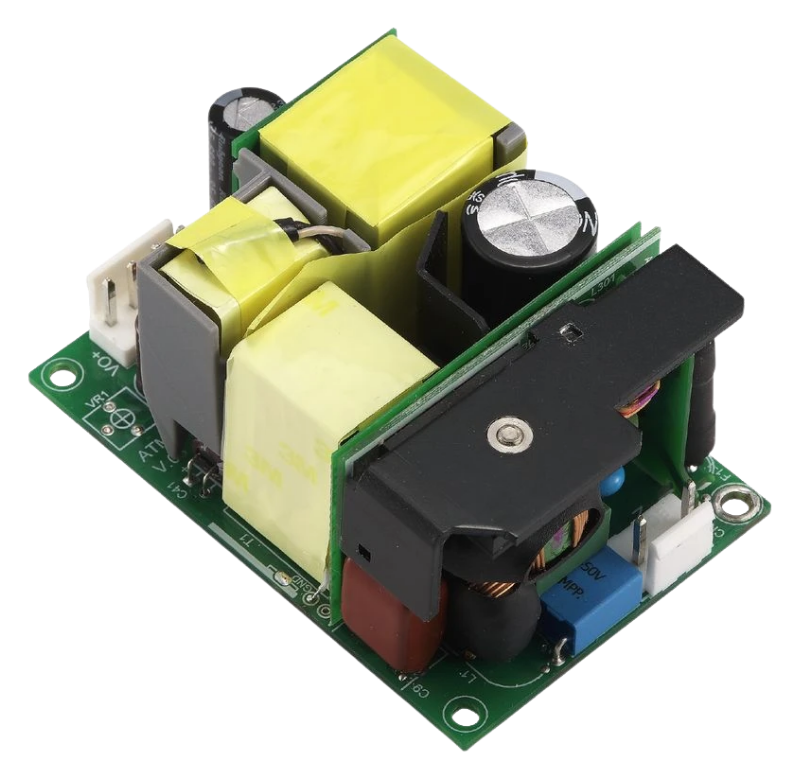
PBL200S-120
- Output Power - 200W(with Fan)
- Output Volt - 12Vdc
- Features - Class B EMI , High Efficiency Performance , OVP, OCP, SCP, OTP Protections , Operating Altitude: 5,000M
PBL200S-240
- Output Power - 200W(with Fan)
- Output Volt - 24Vdc
- Features - Class B EMI , High Efficiency Performance , OVP, OCP, SCP, OTP Protections , Operating Altitude: 5,000M
PBL200S-480
- Output Power - 200W(with Fan)
- Output Volt - 48Vdc
- Features - Class B EMI , High Efficiency Performance , OVP, OCP, SCP, OTP Protections , Operating Altitude: 5,000M
How do continuous load and startup demand change the choice?
Build the continuous requirement from the equipment configuration that will ship. Identify the DC loads, their concurrent operating states and any downstream converter losses. State the measurement point. A wall-side AC power reading is not interchangeable with a DC output requirement, and a processor-only estimate does not include the rest of the equipment.
Record startup and short load events separately. A device may have a modest sustained demand but require a particular power sequence or input behavior during boot. A rounded output class does not establish an overload allowance. The reviewed family documents do not provide enough detail to turn their protection or timing statements into a guaranteed startup reserve for your equipment.
| State | Budget evidence | Acceptance question |
|---|---|---|
| Normal operation | Measured or justified concurrent DC demand | Does the selected configuration sustain the required functions? |
| Demanding supported workload | All relevant loads and conversion losses | Is capacity sufficient under qualified cooling? |
| Startup | Load sequence and observed output behavior | Does the equipment start as intended? |
| Rapid load change | Current step and output waveform | Do voltage and equipment behavior remain acceptable? |
Distinguish a requirement supported by calculation from a result measured on a prototype. Both can inform a shortlist, but a calculated estimate should remain visibly identified until the relevant test is complete.
Why This Matters
- A continuous wattage total can miss startup and concurrent-load conditions.
- Protection thresholds and typical response times are not evidence of an approved overload budget.
What OEMs Should Do Now
- Define the measurement boundary and load states before comparing families.
- Test startup and significant load transitions without assuming undocumented peak capacity.
Useful Links
TI guidance on load-transient testing
How should an OEM calculate and justify headroom?
Subtract the defined requirement from the capacity available under the selected cooling conditions. Keep both values at the same power boundary. The result is an arithmetic margin, not proof of thermal fit, startup acceptance or reliability. Engineering should justify the margin using load variation, environmental conditions, measurement uncertainty and the product’s functional requirement.
The examples below use hypothetical DC requirements against the family cooling references. They are not Phihong or customer test results. A positive difference still needs qualification; a negative one shows that the stated continuous requirement exceeds that screening reference.
| Hypothetical requirement | 100W reference | 130W reference | 150W reference | 200W reference |
|---|---|---|---|---|
| 90W | 10W remaining | 40W remaining | 60W remaining | 110W remaining |
| 120W | 20W short | 10W remaining | 30W remaining | 80W remaining |
| 170W | 70W short | 40W short | 20W short | 30W remaining |
A 120W example therefore changes the cooling decision: it exceeds the PBL130S convection reference, sits below its forced-cooling reference and sits below the PBL200S convection reference. That does not prove any installation has passed. It identifies which configurations deserve further model-specific review.
Why This Matters
- A visible margin makes the cooling and power assumptions understandable to engineering and sourcing.
- A universal spare-power percentage can conceal missing load or thermal evidence.
What OEMs Should Do Now
- Label example calculations and actual measured requirements separately.
- Justify the selected margin and record which operating variations it covers.
Related Links
Phihong’s enclosure thermal validation guide and Phihong’s broader open-frame power supply selection guide
What tradeoffs remain when both families meet the load?
If both candidates appear sufficient, compare the complete installation rather than declaring the higher-rated family automatically preferable. The listed footprints match, but the millimetre heights differ: 28mm for PBL130S and 38.1mm for PBL200S. The latter document’s inch height conflicts with its millimetre value, so a released drawing is needed before final clearance approval.
Cooling hardware, wiring, connector access and service arrangements can also change the practical fit. Evaluate those requirements alongside the power budget. Do not infer a cost, efficiency, noise or lifetime advantage from wattage alone. Any commercial comparison requires current supplier terms, and performance comparisons require the relevant model conditions and tests.
| Item | Evidence to compare |
|---|---|
| Mechanical fit | Released dimensions, mounting and connector envelope |
| Cooling implementation | Qualified airflow arrangement and associated equipment requirements |
| Functional behavior | Startup, load-step and interruption test results |
| Sourcing | Current availability, approved revision and commercial information |
Both families’ listed operating range is −20°C to +50°C, but that statement alone is not a complete full-load derating specification. Retain the source’s limits and ask for the missing conditions instead of assuming the same output at every temperature.
Why This Matters
- Unused nameplate capacity does not settle mechanical, thermal or commercial tradeoffs.
- Drawing and derating gaps matter even after a numerical budget looks sufficient.
What OEMs Should Do Now
- Compare candidates in the actual enclosure and required cooling arrangement.
- Resolve mechanical and operating-condition questions before approving a substitution.
Useful Links
PBL200S environmental and mechanical information
How should Phihong review the final power-budget selection?
Provide Phihong the required voltage, sustained DC demand, startup sequence, dynamic-load cases and cooling concept. For a 24V design, the PBL130S-240 and PBL200S-240 are model-specific candidates to compare. The same process applies to the documented 12V and 48V variants, with exact limits verified for each selected part number.
Ask for the rating conditions, released drawings and current documentation needed to close the selection. Name any uncertainty rather than obscuring it in a broad family description. If the existing source contains a model-label or dimensional inconsistency, request clarification before converting the article’s screening values into a manufacturing requirement.
Current product pages and the Coming Soon pipeline do not establish stock or production availability. Confirm release status and commercial timing for the intended purchase. Record the selected variant and cooling conditions in the bill of materials and qualification file so purchasing preserves the configuration engineering accepted.
Why This Matters
- A requirement package gives the supplier a concrete capacity question to evaluate.
- Exact model and cooling traceability prevent an unreviewed family substitution.
What OEMs Should Do Now
- Send the source assumptions, measured load states and unresolved conditions to Phihong.
- Approve the variant only after the relevant power, installation and documentation criteria are closed.
Useful Links
Discuss a PBL power-budget selection with Phihong
Select the family whose verified configuration meets the complete requirement with justified margin. Treat the cooling mode as part of that choice and retain the evidence supporting it. Contact Phihong with the specific budget and installation constraints that remain unresolved.
Frequently Asked Questions
Is PBL130S a 130W convection-cooled supply?
The reviewed family datasheet lists 100W with convection and 130W with forced cooling. Do not use the higher figure in a fanless continuous budget. Confirm the exact variant and its rating conditions, then qualify the installed configuration. The family name alone does not establish the available output.
Would a 120W load always require PBL200S?
No universal conclusion follows. The example exceeds the PBL130S convection reference but falls below its forced-cooling family reference. PBL200S has a listed 150W convection reference. The exact model, thermal conditions, startup behavior and justified margin determine which configuration can satisfy the actual requirement.
Can the supply briefly exceed its family power rating?
Do not assume an overload allowance from the reviewed information. Protection functions and typical transient response do not establish a guaranteed peak-output capability or duration. Obtain the exact model’s relevant limits and test the equipment startup and dynamic requirements using agreed conditions.
Is there one recommended headroom percentage for every OEM?
No universal percentage is established by these datasheets. Justify margin from load variation, cooling, environmental conditions and measurement uncertainty. Keep calculations at a defined power boundary and validate the required equipment behavior. A positive arithmetic difference alone is not evidence of thermal or dynamic acceptance.
What should remain on the purchasing record?
Retain the full model number, released revision, required cooling arrangement and the documentation basis used for qualification. Include confirmed release and availability information. Any substitution affecting voltage, physical installation or rating conditions should be reviewed against the accepted configuration rather than approved solely by the family wattage.