











BLOG
Top 10 Hidden Risks of Using Untested “Off-the-Shelf” GaN Adapters for Enterprise Devices
QUICK LINKS
Why Cheap Off-the-Shelf GaN Adapters Create Serious Risks for OEMs
GaN technology has rapidly become one of the most desirable advancements in power electronics. Its higher efficiency, smaller size, and reduced thermal output make it attractive for everything from enterprise laptops to medical devices and industrial systems. But the rapid popularity of GaN has also created a growing problem in the OEM market: the rise of low-cost, insufficiently tested off-the-shelf adapters that prioritize price and appearance over long-term reliability and compliance.
Many of these adapters look impressive on paper. They advertise high wattage, compact size, and USB-C Power Delivery support. However, beneath the surface, they often lack the engineering validation required for enterprise-grade deployment. This becomes especially dangerous in professional environments where reliability, safety, and compliance are mission-critical.
Organizations such as the International Electrotechnical Commission (IEC) (https://www.iec.ch) and Underwriters Laboratories (UL) (https://www.ul.com) define strict standards for electrical safety, thermal stability, and electromagnetic compatibility. Untested adapters frequently fail to meet these standards consistently, particularly under sustained real-world operating conditions.
Phihong’s OEM-focused power strategy emphasizes validated engineering, compliance testing, and long-term reliability rather than simply chasing smaller form factors or lower costs. For enterprise OEMs, this distinction is critical because power failures do not just affect charging. They affect product reputation, system stability, and customer trust.
Useful Links
- https://www.phihong.com/how-to-choose-the-best-power-adapter-supplier-for-oems-key-factors-for-safety-reliability-and-compliance/
- https://www.phihong.com/products/adapters/
- https://www.phihong.com/best-guide-to-gan-power-supplies-for-oems-industrial-medical-telecom/
Related Articles
- https://www.phihong.com/top-10-fatal-emi-and-compliance-mistakes-oems-make-when-switching-to-gan/
- https://www.phihong.com/top-10-features-oems-should-look-for-in-a-high-density-gan-power-adapter/
- https://www.phihong.com/top-10-gan-power-supply-trends-oems-need-to-know-in-2026-and-beyond/
FEATURED PRODUCTS
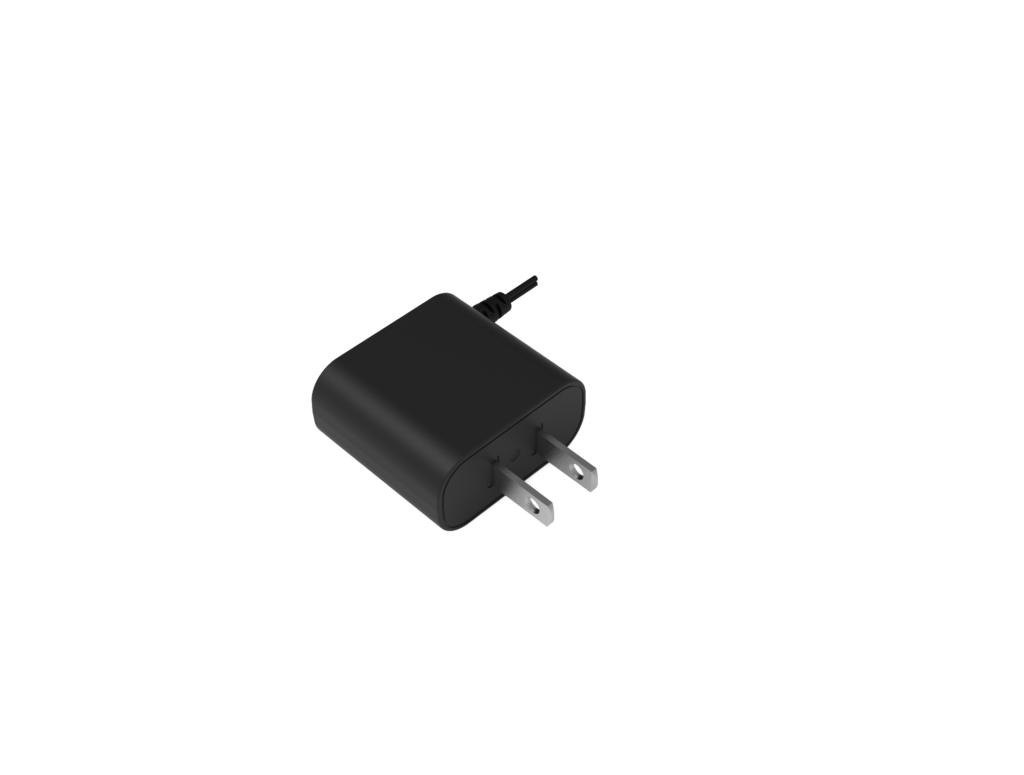
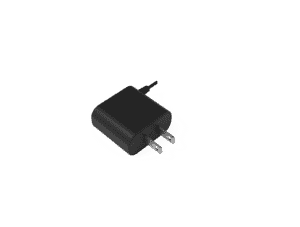
AA03A-075A-R
- Output Power - 2.75W
- Output Volt - 7.5V
- Output Current - 0.366A
- Features - Fixed Blade AC Input, Limited Power Source, Class B EMI, Level VI Efficiency, Standard Barrel Connector
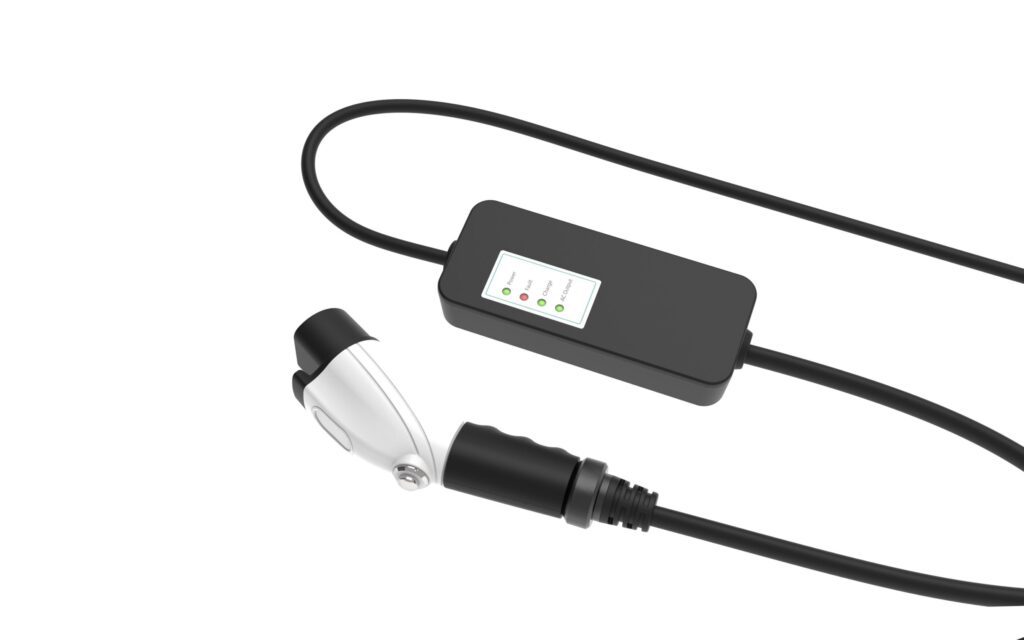
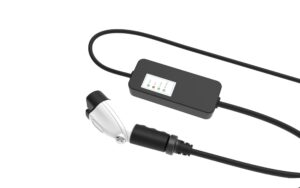
AC Series
- Output Current - 16A
- Features - Mode 2-chargers can use a circuit ranging from 8Amp to 16Amp with a local standard AC input plug installed for operation, Provides overcurrent, over voltage and short circuit protection, Protected against strong jets of water from all directions, Continuously monitors/supervises the ground connection between the AC supply and EV to ensure safe and reliable charging
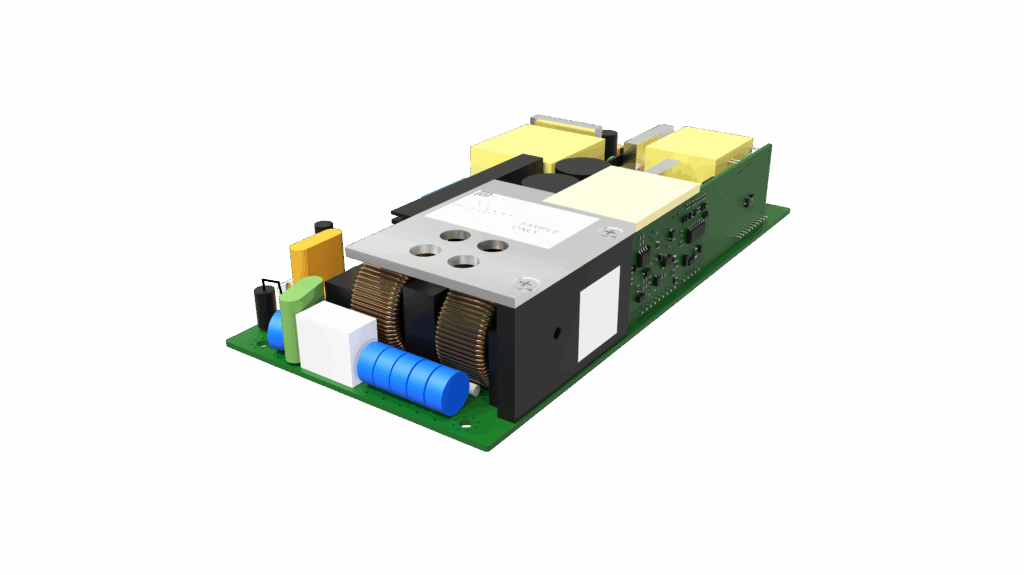
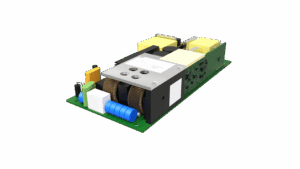
BF550-234B-R
- Output Power - 550W
- Output Volt - 12Vdc / 54.5Vdc
- Features - Universal AC Input range, Class I Design , Class B EMI , High Efficiency Performance , OVP, OCP, SCP, OTP Protections , Operating Altitude: 5,000M
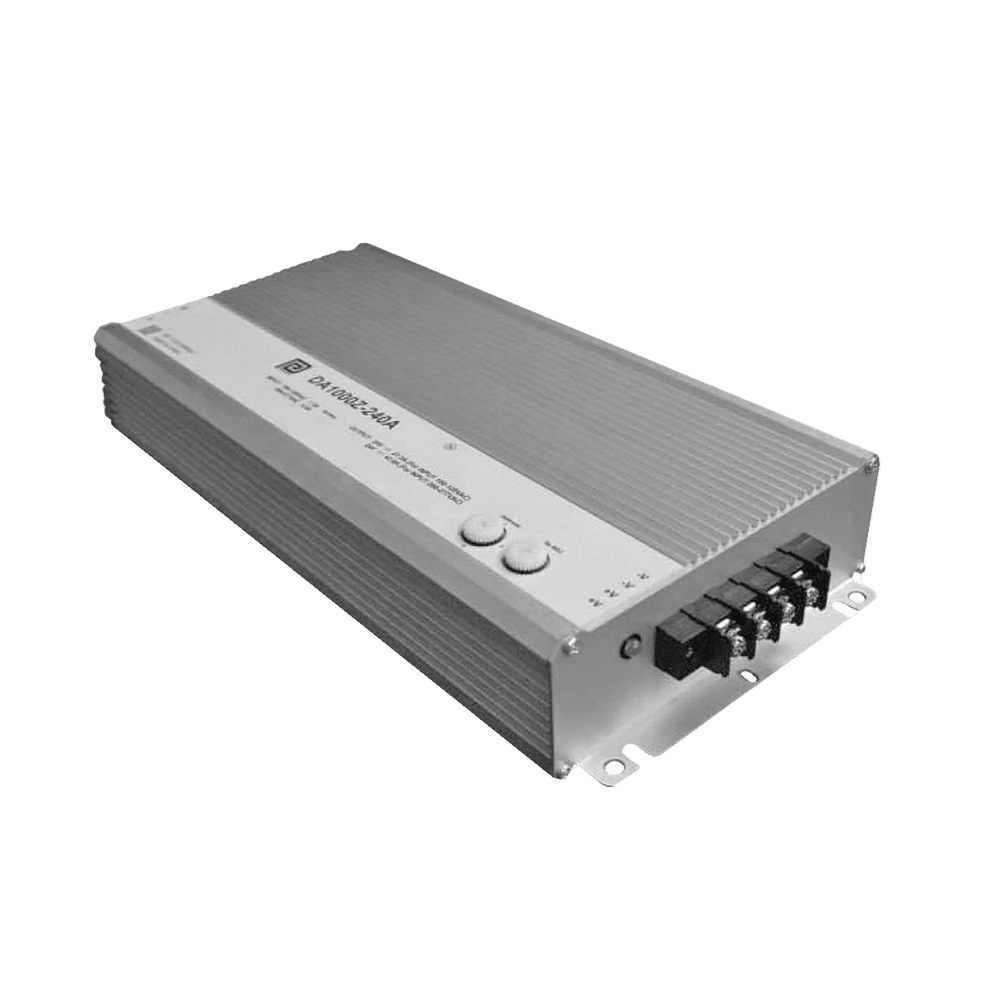
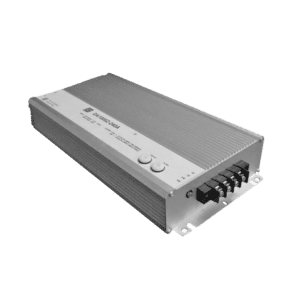
DA1000Z-240AEV-R
- Output Power - 1000W
- Output Volt - 24V
- Output Current - 42A
- Features - Extended operating temperature range of -40℃ to 70℃, Fan-less aluminum case filled with heat conductive glue, Able to withstand 10G vibration, Power on LED indicator, Short Circuit, Over Current, Over Voltage, and Over Temperature Protections, & Adjustable output through potentiomete
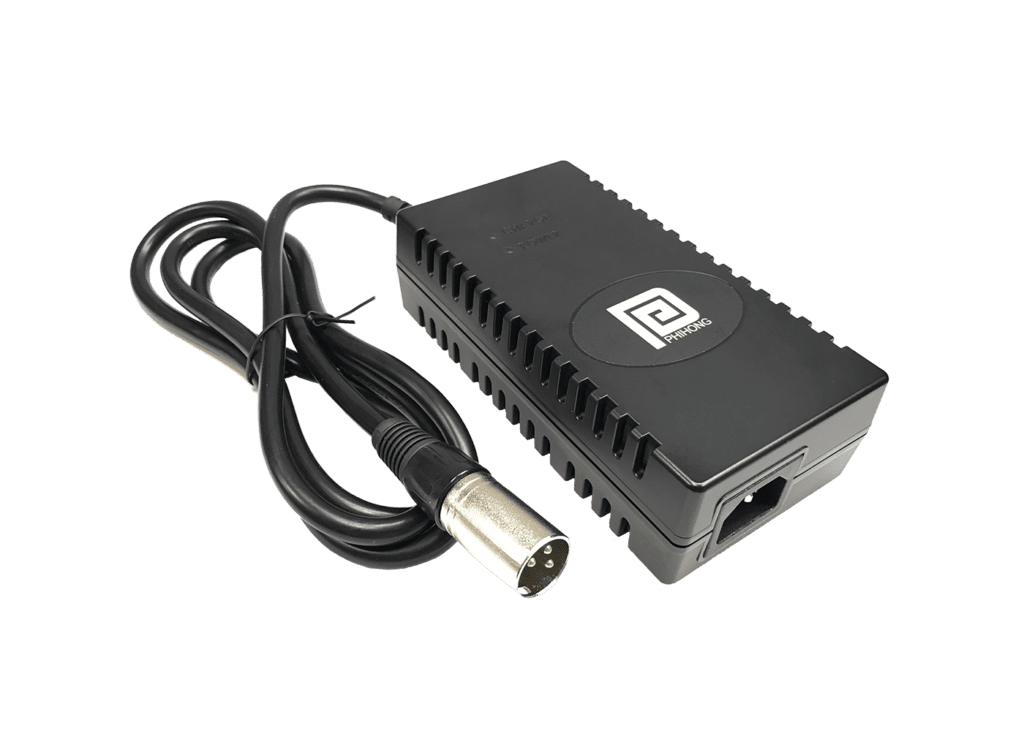
DA60U-240A-R
- Output Power - 60W
- Output Volt - 24V
- Output Current - 2.5A
- # of ports - 1
- Features - RESNA Compliant, CEC Compliant, LED Indicators Charge State, OVP, OTP, SCP, Charges AGM Batteries, Max 12hrs Charging Time
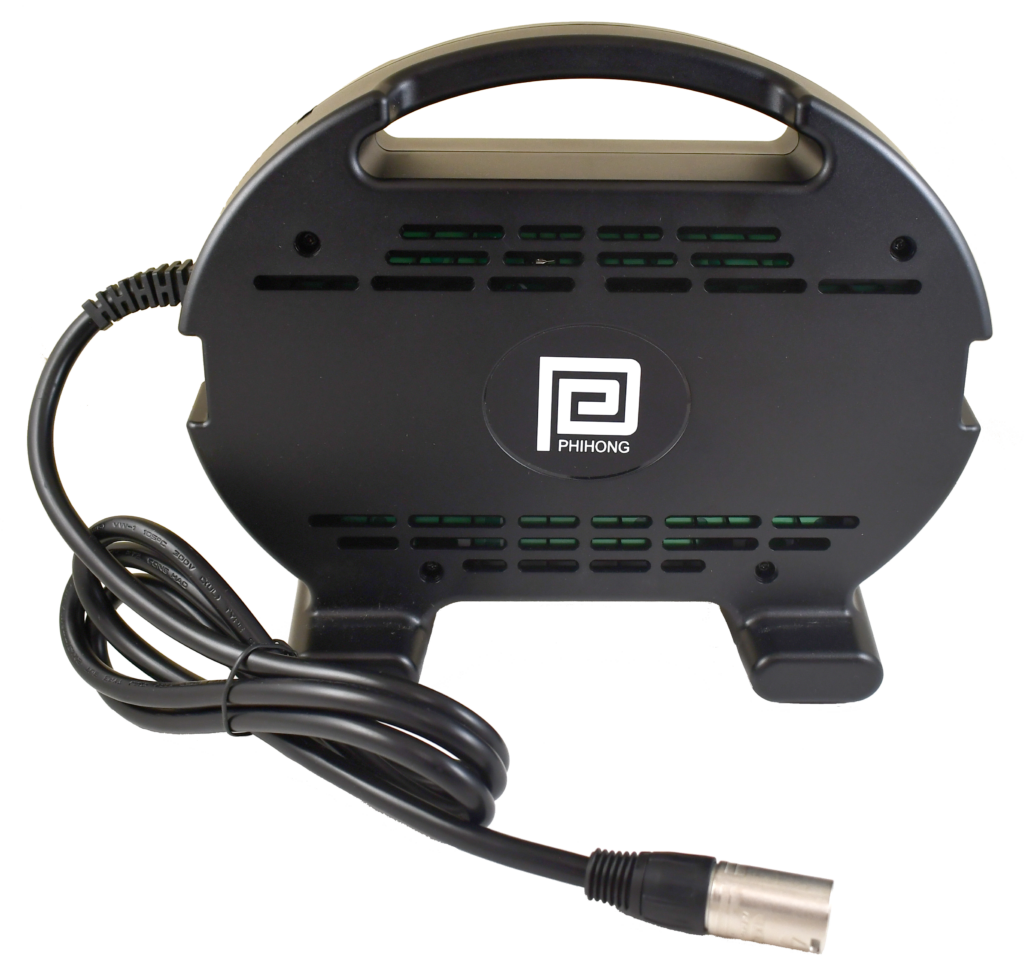
DA200U-250A-R
- Output Power - 200W
- Output Volt - 24V
- Output Current - 8A
- # of ports - 1
- Features - RESNA Compliant, CEC Compliant, LED Indicators Charge State, OVP, OTP, SCP, Dual-Mode Charger, Charges GEL or AGM batteries, Max 12hrs Charging Time
Why Enterprise Devices Require More Than Basic GaN Power Specifications
Enterprise devices operate under very different conditions compared to consumer electronics. They often run continuously, support higher workloads, and are deployed across global environments with varying power conditions. This means the power adapter must be validated not just for peak performance, but for long-term stability and predictable behavior.
One of the biggest misconceptions is that all GaN adapters are fundamentally equal because they use similar semiconductor technology. In reality, the quality of PCB layout, thermal design, EMI filtering, grounding, component selection, and protection circuits can vary dramatically between manufacturers.
Engineering organizations such as IEEE (https://www.ieee.org) and the Power Sources Manufacturers Association (PSMA) (https://www.psma.com) consistently emphasize that power supply reliability depends on system-level design, not just semiconductor choice. A poorly engineered GaN adapter can still exhibit thermal instability, EMI failures, transient response issues, and shortened lifespan.
For OEMs, this means selecting a GaN adapter based solely on wattage or cost is a dangerous shortcut. Enterprise deployment requires validated engineering, robust compliance, and proven reliability under real-world conditions.
Useful Links
- https://www.phihong.com/how-gallium-nitride-gan-is-powering-the-next-generation-of-compact-high-efficiency-robot-power-supplies/
- https://www.phihong.com/usb-c-charger-shaping-the-future-of-the-tech-world/
- https://www.phihong.com/how-to-design-internal-medical-power-systems-isolation-emc-and-compliance-explained/
Related Articles
- https://www.phihong.com/top-10-ways-gan-is-changing-thermal-design-in-compact-high-power-adapters/
- https://www.phihong.com/top-10-thermal-design-mistakes-oems-make-when-using-high-density-power-adapters/
- https://www.phihong.com/top-10-reasons-oems-are-switching-to-65w-usb-c-pd-gan-power-adapters/
CLIENT'S QUOTE
Phihong’s custom OEM power solutions have transformed our product development, boosting performance and reducing overhead. Their expert engineering support has simplified both the design and manufacturing phases.
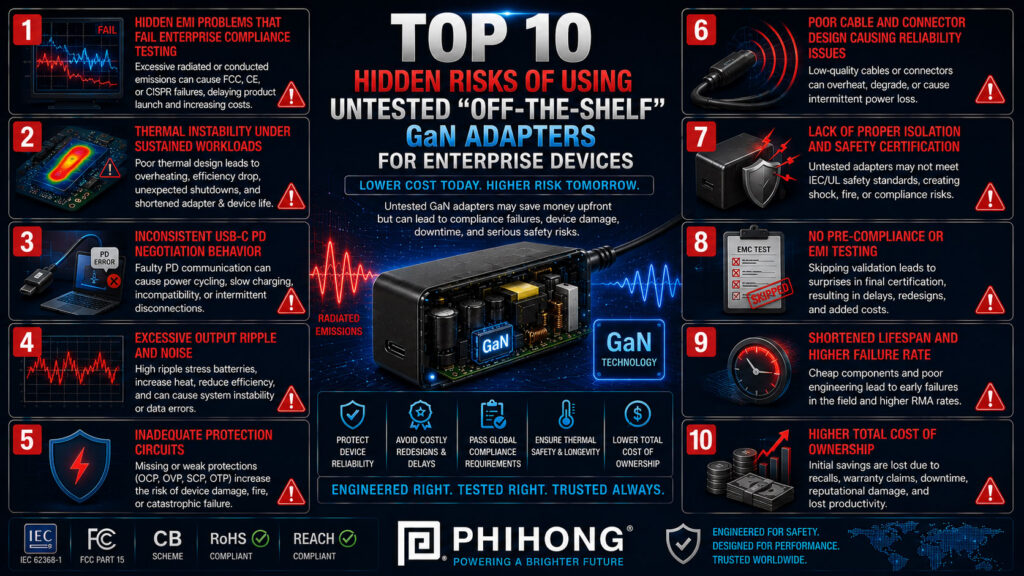
Top 10 Hidden Risks of Using Untested “Off-the-Shelf” GaN Adapters for Enterprise Devices
1. Hidden EMI Problems That Fail Enterprise Compliance Testing
One of the most dangerous issues with untested GaN adapters is excessive electromagnetic interference. Because GaN switches at very high frequencies, poorly designed adapters can generate significant radiated and conducted noise.
These EMI issues may not appear during casual testing but often become obvious during formal FCC or CE certification. According to FCC Part 15 requirements (https://www.fcc.gov/oet/ea/rules/part15), devices must remain within strict emission limits. Failure to comply can block products from entering the market.
For OEMs, this can lead to expensive redesigns and delayed product launches. Proper EMI validation is essential before deploying any GaN power solution into enterprise environments.
2. Thermal Instability Under Sustained Enterprise Workloads
Many off-the-shelf adapters are tested only under short-duration or ideal conditions. In enterprise environments, devices may run continuously for hours or days at elevated loads.
Poor thermal design can lead to overheating, reduced efficiency, or premature shutdowns. In extreme cases, excessive heat can damage both the adapter and the connected device.
Phihong’s GaN strategy focuses heavily on thermal optimization because long-term thermal stability is one of the biggest factors in enterprise reliability.
3. Inconsistent USB-C PD Negotiation Behavior
USB-C Power Delivery requires precise communication between the adapter and the device. Untested adapters may exhibit inconsistent negotiation behavior, causing charging interruptions or unstable power delivery.
This becomes particularly problematic in enterprise laptops and docking stations where stable power is critical for productivity.
OEMs should validate PD behavior across multiple devices and operating conditions to ensure compatibility and reliability.
4. Poor Transient Response During Dynamic Loads
Enterprise devices often experience rapid changes in power demand. A poorly designed GaN adapter may struggle to respond quickly to these changes, resulting in voltage instability.
This can cause system crashes, reduced performance, or unexpected shutdowns. Proper transient response testing is essential for high-performance enterprise systems.
5. Inferior Component Quality and Reduced Lifespan
Some low-cost GaN adapters use lower-grade capacitors, transformers, and thermal materials to reduce cost. While the adapter may function initially, long-term reliability can suffer significantly.
Component degradation is accelerated in high-temperature environments, leading to shorter lifespan and higher failure rates.
Enterprise deployments require components that are validated for continuous operation and long service life.
6. Weak Protection Circuits That Fail Under Fault Conditions
Protection circuits such as over-voltage, over-current, and thermal shutdown are critical for enterprise safety. Untested adapters may include minimal or poorly implemented protections.
This increases the risk of catastrophic failure during abnormal conditions such as surges or short circuits.
OEMs should ensure that protection systems are robust and thoroughly validated.
7. Excessive Ripple and Power Noise
Low-quality GaN adapters may produce excessive ripple and electrical noise. This can interfere with sensitive electronics, especially in enterprise systems with high-performance processors or displays.
Stable and clean power delivery is essential for system reliability. Excessive noise can lead to unpredictable behavior and reduced performance.
8. Lack of Global Compliance Validation
Enterprise products are often deployed internationally. Untested adapters may lack proper certification for different regions, creating legal and logistical risks.
Organizations like IEC and UL establish global safety frameworks that enterprise products are expected to meet. OEMs must verify compliance before deployment.
9. Inadequate Mechanical and Connector Durability
Enterprise adapters are frequently plugged, unplugged, transported, and used in demanding environments. Weak connectors or poor enclosure construction can lead to mechanical failures.
This can result in downtime, increased support costs, and poor user experience.
Durability testing is essential for enterprise-grade reliability.
10. Supply Chain and Manufacturing Inconsistency
Many low-cost adapter suppliers lack strict manufacturing controls. This can lead to inconsistent performance between production batches.
For OEMs, inconsistent manufacturing creates significant quality control risks. Even if one batch performs well, later batches may not meet the same standards.
Phihong’s manufacturing and validation processes are designed to provide consistent quality across large-scale deployments.
The hidden risks of untested off-the-shelf GaN adapters extend far beyond simple charging problems. They can impact compliance, reliability, thermal stability, and long-term enterprise performance.
For OEMs, the lesson is clear: GaN technology alone does not guarantee quality. The engineering, validation, and manufacturing behind the adapter matter just as much as the semiconductor itself.

CONTACT US TODAY
From concept to production, Phihong delivers custom OEM power solutions tailored to your specifications.
POE technology supports the centralization of power

AC Adapter Guide: Everything You Need to Know
Moreover, PoE technology supports the centralization of power management. By powering devices through a PoE-enabled network …
AC DC Power Chargers and How They Work: A Comprehensive Technical Breakdown
Moreover, PoE technology supports the centralization of power management. By powering devices through a PoE-enabled network …

USB-C Charger: Shaping the Future of the Tech World
Moreover, PoE technology supports the centralization of power management. By powering devices through a PoE-enabled network …

AC Adapter Guide: Everything You Need to Know
Moreover, PoE technology supports the centralization of power management. By powering devices through a PoE-enabled network …

AC DC Power Chargers and How They Work: A Comprehensive Technical Breakdown
Moreover, PoE technology supports the centralization of power management. By powering devices through a PoE-enabled network …

USB-C Charger: Shaping the Future of the Tech World
Moreover, PoE technology supports the centralization of power management. By powering devices through a PoE-enabled network …