








BLOG
Top 10 Reasons Edge AI Devices Need High-Density GaN Power Adapters
QUICK LINKS
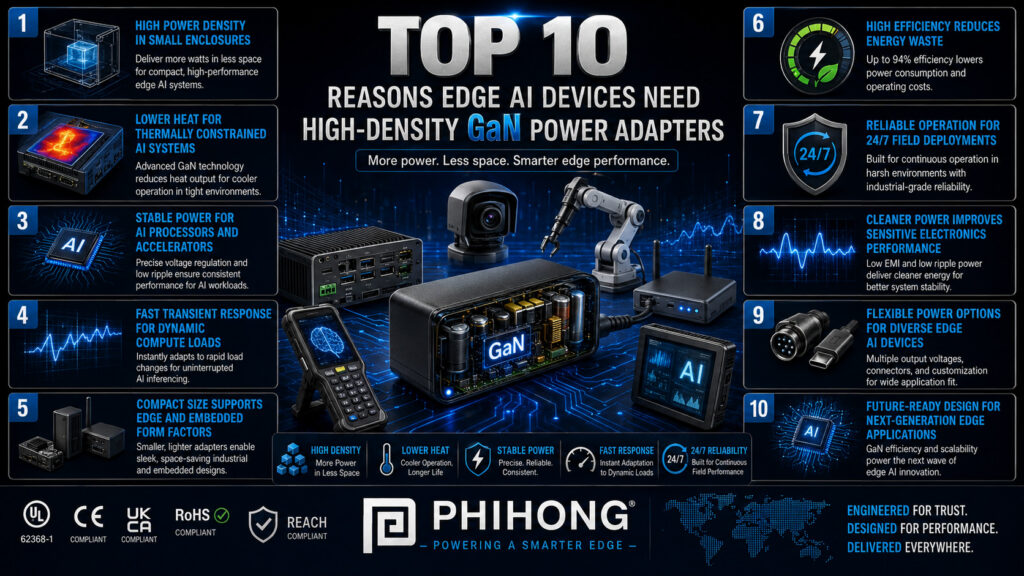
Why Edge AI Devices Are Creating New Power Adapter Requirements
Edge AI devices are shifting more intelligence from the cloud into local hardware. Instead of sending every task to a data center, devices such as AI cameras, robotic systems, industrial gateways, smart medical devices, retail kiosks, and mobile workstations are now expected to process data locally. This improves latency, privacy, and uptime, but it also creates a much more demanding power profile. Edge AI workloads are often bursty, processor-intensive, and thermally constrained, especially when CPUs, GPUs, NPUs, sensors, memory, and wireless modules are all active at the same time.
This is why the power adapter is no longer a basic accessory. It becomes part of the performance architecture. Recent edge AI research continues to show that sustained local inference is tightly constrained by power, heat, and device-level efficiency, especially when models are running repeatedly under warm operating conditions. A high-density GaN adapter helps OEMs support those requirements by delivering more power in a smaller, cooler, and more efficient package.
For OEMs designing edge AI systems, the right adapter can improve runtime stability, reduce thermal bottlenecks, support fast charging, and simplify global deployment. That makes GaN especially important for compact devices that need serious compute power without oversized power bricks.
Useful Links
- https://www.phihong.com/best-guide-to-gan-power-supplies-for-oems-industrial-medical-telecom/
- https://www.phihong.com/products/adapters/
- https://www.phihong.com/top-10-features-oems-should-look-for-in-a-high-density-gan-power-adapter/
Related Articles
- https://www.phihong.com/top-10-gan-power-supply-trends-oems-need-to-know-in-2026-and-beyond/
- https://www.phihong.com/top-10-ways-gan-is-changing-thermal-design-in-compact-high-power-adapters/
- https://www.phihong.com/top-10-design-advantages-of-330w-gan-power-adapters/
What Makes Edge AI Power Different from Standard Device Power?
Standard devices often have predictable power needs. Edge AI devices do not. They may sit idle for long periods, then suddenly spike when processing video, audio, sensor data, robotic movement, security analytics, or local language models. These dynamic workloads require stable transient response, clean output, strong thermal control, and enough power headroom to prevent throttling or resets. A weak adapter can limit the entire device, even if the processor and software stack are well designed.
Edge AI also puts more pressure on power efficiency. New research on edge intelligence shows that energy-aware orchestration, heterogeneous compute, and thermal budgets are becoming central to edge deployment, not secondary concerns. This is exactly where high-density GaN adapters become useful. GaN reduces switching losses, improves efficiency, and supports smaller internal components, allowing OEMs to design power systems that are compact but still capable of handling sustained AI loads.
Industry organizations such as IEEE (https://www.ieee.org), the Power Sources Manufacturers Association (PSMA) (https://www.psma.com), and the International Electrotechnical Commission (IEC) (https://www.iec.ch) provide the broader engineering and standards context around efficient, safe, and reliable power design. For edge AI OEMs, those principles translate directly into better uptime, better thermal behavior, and better user trust.
Useful Links
- https://www.phihong.com/top-10-reasons-oems-are-switching-to-65w-usb-c-pd-gan-power-adapters/
- https://www.phihong.com/top-10-hidden-risks-of-using-untested-off-the-shelf-gan-adapters-for-enterprise-devices/
- https://www.phihong.com/how-to-choose-the-best-power-adapter-supplier-for-oems-key-factors-for-safety-reliability-and-compliance/
Related Articles
- https://www.phihong.com/top-10-thermal-design-mistakes-oems-make-when-using-high-density-power-adapters/
- https://www.phihong.com/top-10-fatal-emi-and-compliance-mistakes-oems-make-when-switching-to-gan/
- https://www.phihong.com/top-10-ways-poor-gan-adapter-integration-can-destroy-your-devices-battery-health/
FEATURED PRODUCTS
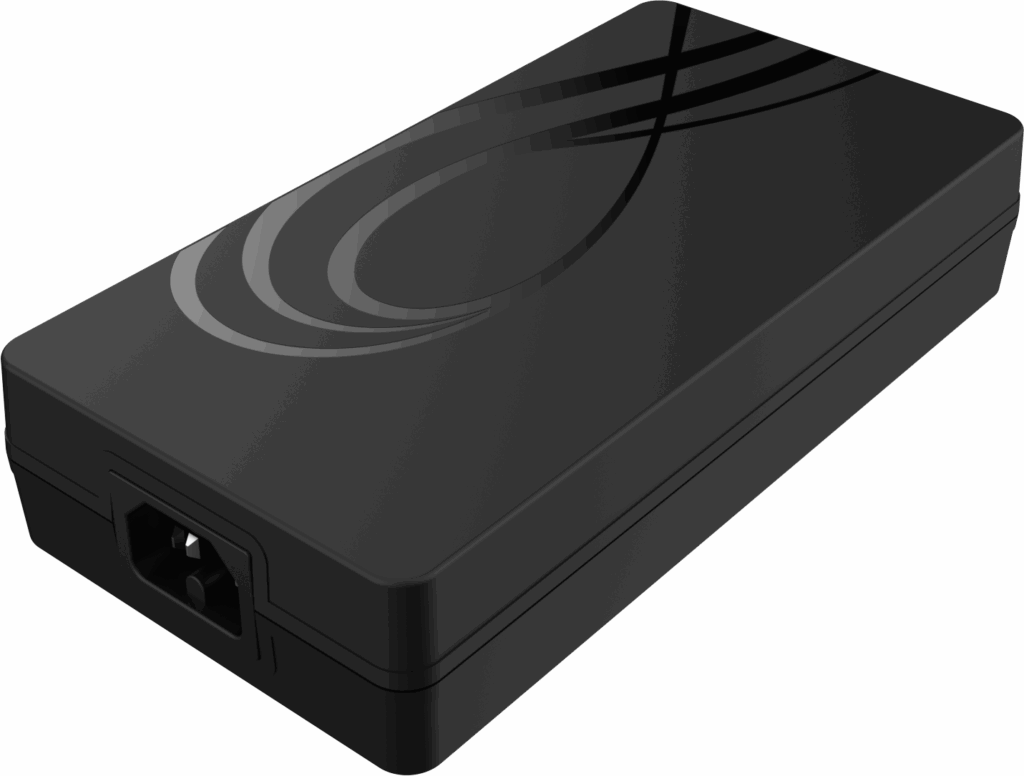
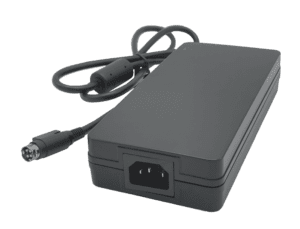
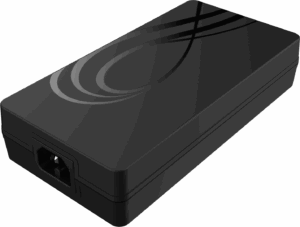
AM250U-540AP-R
- Output Power - 250W
- Output Volt - 54V
- Output Current - 4.63A
- Features - Class B EMI , US DoE Level VI Efficiency compliance, EU CoC Ver 5 Tier 2 Compliance, Over-Voltage, Over-Current, Short Circuit, & Over-Temperature Protection, 5,000 Meters Operating Altitude
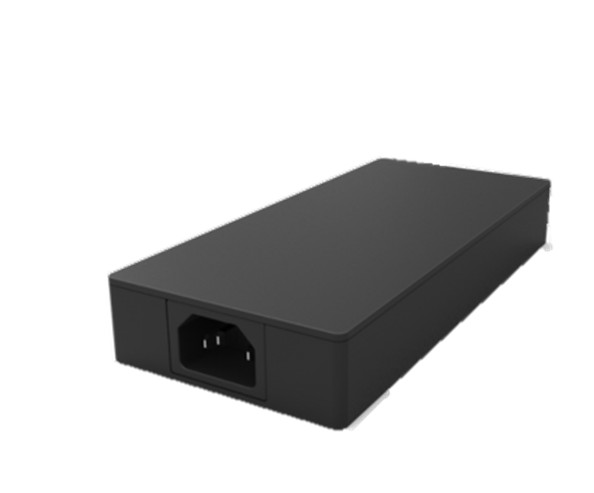
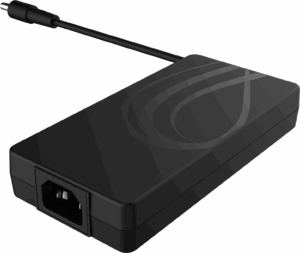
AA240U-200A-R
- Output Power - 240W
- Output Volt - 20V
- Output Current - 12A
- Features - high-efficiency desktop power supply designed for multiple applications, delivering a reliable 240W single output with advanced GaN technology for compact performance. Ideal for powering high-demand gaming systems etc with reduced heat and improved energy conversion.
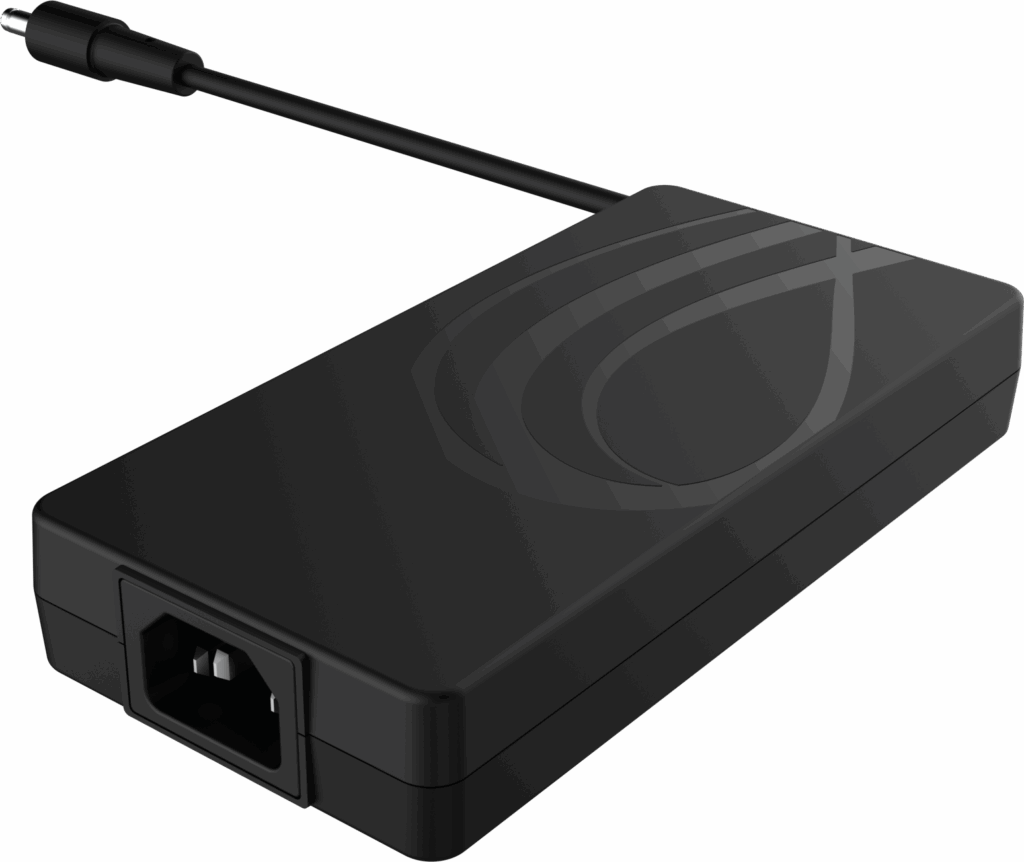
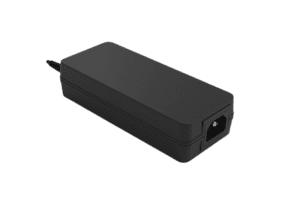
AA240U-200B-R
- Output Power - 240W
- Output Volt - 20V
- Output Current - 12A
- Features - This 240-watt GaN Series Desktop C14 Adapter delivers high power in a compact, efficient design, ideal for demanding professional and industrial applications. Its GaN technology ensures cooler operation, reliability, and space-saving performance.
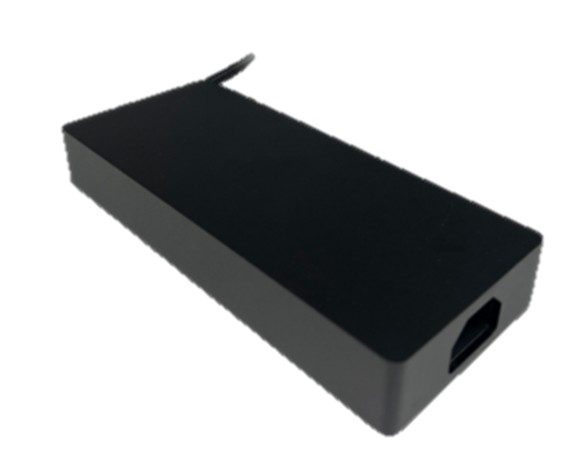
AA280U-200B-R
- Output Power - 280W
- Output Volt - 20V
- Output Current - 14A
- Features - high-efficiency desktop power supply designed for multiple applications, delivering a reliable 240W single output with advanced GaN technology for compact performance. Ideal for powering high-demand gaming systems etc with reduced heat and improved energy conversion.
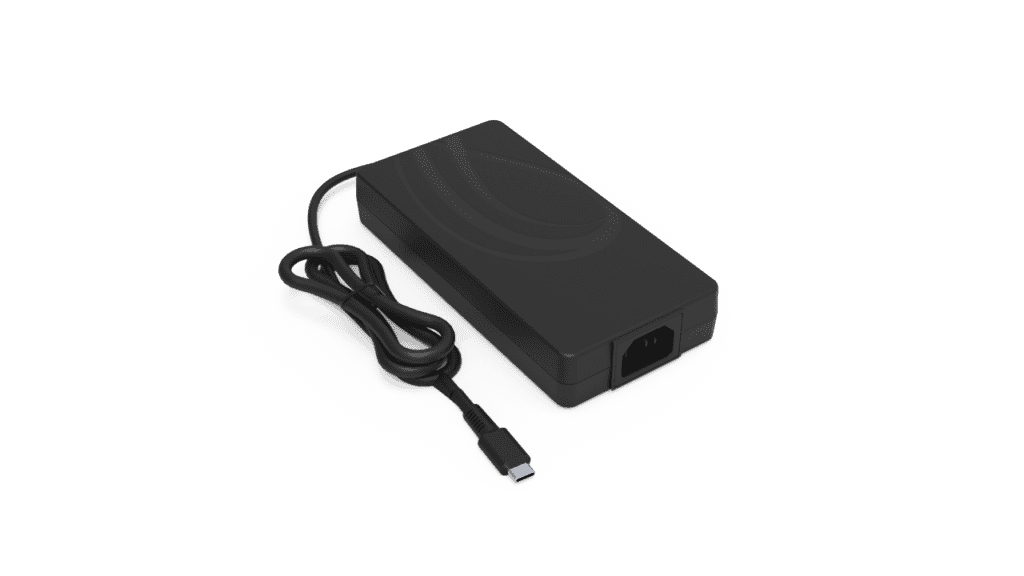
AA240U-59FKEA-R
- Output Power - 240 Watt
- Output Volt - 5Vdc/ 9Vdc/ 15Vdc/ 20Vdc/ 28V/ 36V/ 48V
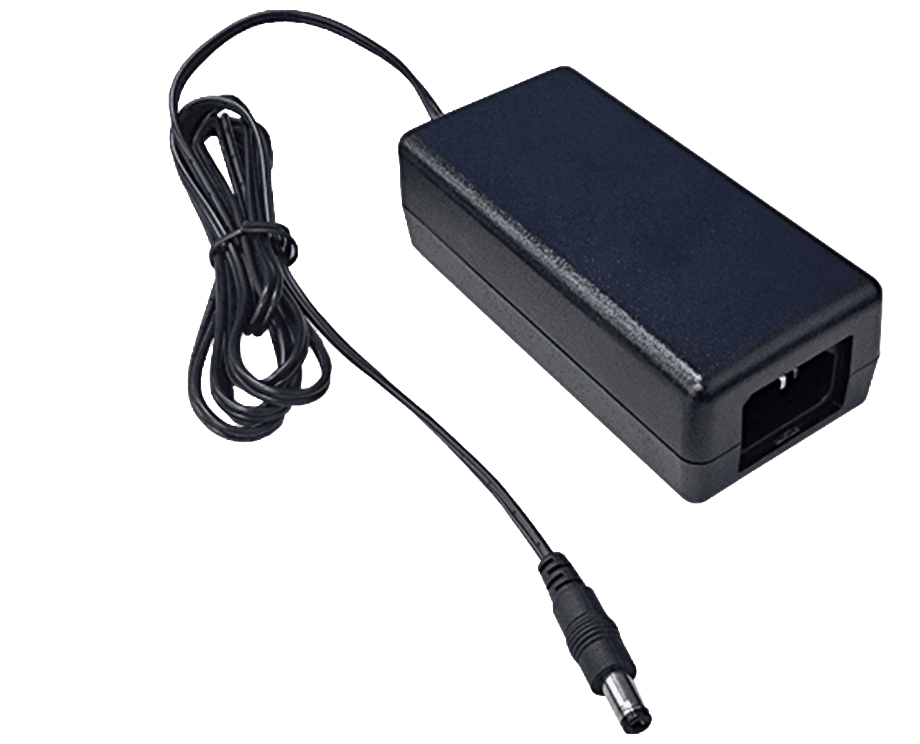
AA36U-240B-R
- Output Power - 36W
- Output Volt - 24V
- Output Current - 1.5A
- Features - C14 Inlet Receptacle, US DoE Level VI & NRCan Compliance, EU Ecodesign 2019/1782 Compliance, CoC V5 Tier 2 Compliance, Operating Altitude to 5,000 Meters, and Protections from Short Circuit, Over-Current and Over-Voltage

CLIENT'S QUOTE
Phihong’s custom OEM power solutions have transformed our product development, boosting performance and reducing overhead. Their expert engineering support has simplified both the design and manufacturing phases.
Top 10 Reasons Edge AI Devices Need High-Density GaN Power Adapters
1. Edge AI Workloads Create Sudden Power Spikes
Edge AI devices do not draw power in a simple, flat pattern. They often move between standby, sensing, inference, wireless transmission, display activity, and charging states. When an AI accelerator or GPU ramps up for local inference, the device may experience a fast power spike that a weak adapter cannot support cleanly.
A high-density GaN adapter helps manage these spikes because GaN technology supports fast switching and strong transient response. This allows the adapter to respond quickly when the device suddenly demands more current. For OEMs, that means fewer brownouts, fewer random resets, and more consistent performance during real AI workloads.
This is especially important for devices such as AI vision systems, robotic controllers, portable diagnostic tools, and edge gateways. These products cannot afford unstable power during active inference. A compact GaN adapter gives the system enough headroom without forcing the OEM to ship a bulky power brick.
2. High-Density Power Helps Prevent AI Performance Throttling
Thermal throttling is one of the biggest problems in compact edge AI hardware. When processors, memory, sensors, and batteries heat up, the system may reduce performance to protect itself. That can hurt latency, frame rate, inference speed, or user experience. Research on sustained edge inference shows that thermal behavior can become a primary constraint, even when the hardware is technically capable of higher peak performance.
A high-density GaN adapter helps by delivering efficient power with less wasted heat. Less heat from the adapter reduces the total thermal burden on the system, especially in compact enclosures or fanless products. This gives engineers more room to manage heat from the actual AI processor.
For OEMs, this matters because product performance is judged under real use, not just peak lab conditions. A device that runs fast for two minutes but throttles during sustained workloads will disappoint users. GaN supports more stable long-duration operation by improving the power side of the thermal equation.
3. Compact Form Factors Need Smaller Power Bricks
Edge AI products are often deployed in space-constrained environments. They may be mounted on robots, kiosks, medical carts, retail shelves, security systems, drones, or industrial panels. A large traditional adapter can become a mechanical and usability problem, especially when the device itself is designed to be compact.
GaN makes high-density power possible because it reduces component size and improves efficiency. That allows OEMs to deliver meaningful wattage in a smaller adapter housing. For the end user, this means less clutter, easier installation, and better portability.
This is not just an aesthetic benefit. In enterprise and industrial environments, smaller adapters are easier to route, mount, package, and replace. They also reduce shipping volume and simplify deployment kits. For OEMs building edge AI systems at scale, the physical size of the power adapter can affect logistics, installation time, and customer satisfaction.
4. Edge AI Systems Need Stable Power for Sensors and Inference Hardware
Edge AI systems often combine high-performance compute with sensitive sensor inputs. Cameras, microphones, LiDAR modules, medical sensors, industrial inputs, and wireless radios all depend on stable power. If the adapter introduces ripple, noise, or voltage instability, the AI model may receive degraded input data or the system may experience intermittent faults.
High-density GaN adapters must therefore deliver more than wattage. They must provide clean, stable output under variable loads. This is where quality design matters. A poorly engineered adapter can create power noise that affects sensors, displays, data buses, or charging systems.
Engineering communities such as IEEE (https://www.ieee.org) often discuss power integrity as a system-level requirement because unstable power can affect performance far beyond the supply itself. For edge AI OEMs, clean power helps protect the accuracy and stability of the full device, not just the charging function.
5. GaN Improves Efficiency for Always-On AI Devices
Many edge AI devices are always on. Security cameras, industrial monitors, medical gateways, smart building systems, and retail analytics devices may operate 24/7. In these products, efficiency directly affects heat, electricity cost, component wear, and long-term reliability.
GaN adapters improve efficiency by reducing switching losses. Over long operating periods, even small efficiency gains matter because wasted energy becomes heat. Less heat improves adapter lifespan and reduces stress on the device enclosure.
This is especially important as edge intelligence becomes more energy-aware. Recent research on edge AI efficiency emphasizes that power consumption and thermal limits are central to successful local inference deployment. For OEMs, a high-efficiency GaN adapter supports a more sustainable and reliable product architecture, especially in deployments with hundreds or thousands of devices.
6. High-Density GaN Supports Portable Edge AI Products
Portable edge AI devices need strong power delivery without sacrificing mobility. Examples include mobile inspection systems, handheld diagnostic tools, field service terminals, smart retail devices, rugged tablets, and portable robotics controllers. These devices may need to charge quickly, run compute-heavy tasks, and remain easy to carry.
A high-density GaN adapter supports that use case by reducing adapter size and weight while maintaining meaningful power output. This improves the total user experience because the charger no longer feels like a burden compared with the device itself.
For OEMs, portable AI products require careful balance. Too little power limits performance. Too much adapter bulk hurts usability. GaN helps solve that tension by offering higher power density in a travel-friendly format. This can become a real differentiator in competitive device categories where portability is part of the value proposition.
7. GaN Helps Support USB-C PD and Multi-Voltage Platforms
Many edge AI devices are moving toward USB-C Power Delivery because it simplifies charging and power compatibility. USB-C PD can negotiate different voltage and current profiles, making it useful for device families with varied power needs. When paired with GaN, OEMs can deliver flexible power in a smaller, more efficient adapter.
This is valuable for edge AI ecosystems where one product family may include a tablet, dock, sensor hub, gateway, and accessory modules. A well-designed GaN USB-C PD adapter can reduce the number of separate chargers required across the system.
The key is proper validation. USB-C PD must be stable across battery states, operating modes, and load changes. If negotiation is poor, the device may experience charging interruptions or performance instability. A qualified high-density GaN adapter helps OEMs get the benefits of USB-C standardization without introducing unnecessary reliability risks.
8. High-Density Power Supports AI Cameras and Vision Systems
AI cameras and vision systems are among the strongest use cases for GaN adapters. They often combine image sensors, onboard processors, neural accelerators, storage, networking, and sometimes motorized pan-tilt hardware. That creates a demanding and variable power profile.
A traditional adapter may be physically larger, hotter, or less efficient than ideal for these deployments. A high-density GaN adapter gives OEMs the power headroom needed for image processing and inference while keeping the external power solution compact.
This matters in security, retail analytics, robotics, smart manufacturing, and medical imaging-adjacent applications. Vision systems often run continuously and may be installed in places where airflow or service access is limited. A cooler, smaller, more efficient adapter can improve both installation flexibility and long-term reliability.
9. Edge AI Devices Need Better Thermal Headroom for Future Models
AI workloads tend to grow over time. A device that runs one model today may be expected to support larger models, better frame rates, more sensors, or more frequent inference tomorrow. If the power adapter is already operating near its limits, future software updates can expose thermal or stability problems.
High-density GaN adapters give OEMs more power flexibility without dramatically increasing size. This helps future-proof the platform. Even if the current product does not use the full available power at all times, extra efficiency and headroom can support firmware updates, new AI features, or accessory expansion.
This is especially important because edge AI is evolving quickly. Research continues to show that hardware-aware routing, memory bandwidth, power limits, and thermal constraints all influence edge inference performance. A strong GaN power foundation gives OEMs more room to evolve without redesigning the adapter every generation.
10. Enterprise Edge AI Deployments Require Validated, Reliable Power
Enterprise customers do not evaluate adapters the way consumers do. They care about uptime, safety, compliance, replacement logistics, thermal behavior, and long-term consistency. A cheap adapter that works in a short demo can fail in real deployments where devices run continuously, operate in warm environments, or experience frequent load changes.
A high-density GaN adapter designed for OEM use gives enterprise devices a stronger foundation. It can support higher efficiency, better EMI control, better thermal management, and more consistent manufacturing quality. This matters because power instability can lead to device downtime, service calls, and customer dissatisfaction.
Regulatory and safety organizations such as UL (https://www.ul.com), IEC (https://www.iec.ch), and the FCC Part 15 framework for unintentional radiators (https://www.fcc.gov/oet/ea/rules/part15) help define the environment that enterprise products must operate within. For OEMs, choosing a validated GaN adapter is not just a technical decision. It is a risk-management decision.
Edge AI devices are pushing power design into a more demanding era. They require compact size, high efficiency, clean output, fast transient response, thermal stability, and long-term reliability. GaN technology supports these needs better than traditional silicon adapters in many compact high-power applications.
For OEMs, the lesson is clear: AI performance depends on more than processors and models. It depends on the entire power ecosystem. A high-density GaN adapter helps ensure that the edge device has the stable, efficient, and scalable power foundation it needs.
Useful Links
- https://www.phihong.com/products/adapters/
- https://www.phihong.com/best-guide-to-gan-power-supplies-for-oems-industrial-medical-telecom/
- https://www.phihong.com/how-to-choose-the-best-power-adapter-supplier-for-oems-key-factors-for-safety-reliability-and-compliance/
Related Articles
- https://www.phihong.com/top-10-hidden-risks-of-using-untested-off-the-shelf-gan-adapters-for-enterprise-devices/
- https://www.phihong.com/top-10-thermal-design-mistakes-oems-make-when-using-high-density-power-adapters/
- https://www.phihong.com/top-10-fatal-emi-and-compliance-mistakes-oems-make-when-switching-to-gan/
How Phihong Helps OEMs Power Edge AI Devices with High-Density GaN Adapters
Phihong’s GaN adapter platforms are well aligned with the power requirements of edge AI devices. By focusing on high efficiency, compact design, stable output, and validated reliability, Phihong helps OEMs build AI-enabled products that can perform consistently under real-world conditions.
This matters because edge AI power is not only about wattage. It is about supporting dynamic workloads, reducing thermal pressure, enabling smaller deployment kits, protecting battery systems, and maintaining stable power for sensitive sensors and compute hardware. Phihong’s experience in OEM power design gives product teams a stronger path from concept to production.
As edge AI expands across industrial, medical, commercial, security, retail, and robotics applications, high-density GaN adapters will become a key part of successful product architecture. OEMs that choose the right power partner early can reduce integration risk and build more reliable AI-enabled systems.

CONTACT US TODAY
From concept to production, Phihong delivers custom OEM power solutions tailored to your specifications.
FAQ
1. Why do Edge AI devices require more advanced power adapters than traditional embedded systems?
Edge AI devices process data locally rather than sending every workload to the cloud. This means they often run AI accelerators, GPUs, NPUs, high-resolution cameras, and wireless communication modules simultaneously. These workloads create rapid fluctuations in power demand that standard embedded power solutions were never designed to handle. A high-density GaN power adapter provides the efficiency, transient response, and thermal performance necessary to support these dynamic workloads. For OEMs, the benefit extends beyond performance. Better power delivery improves reliability, reduces heat generation, and helps maintain stable operation during continuous inference processing. As Edge AI adoption increases across healthcare, industrial automation, and smart infrastructure, power quality becomes a critical part of overall system design.
2. How does GaN technology improve thermal performance in Edge AI applications?
Traditional silicon power supplies lose a larger percentage of energy as heat during switching operations. GaN devices switch significantly faster and more efficiently, reducing these losses. This allows high-density GaN adapters to deliver more power while generating less heat. In Edge AI deployments, where devices are often installed in compact enclosures or remote locations with limited airflow, lower thermal output directly improves reliability. Reduced heat also minimizes processor throttling and extends component lifespan. For OEMs, this means smaller cooling systems, improved enclosure flexibility, and more consistent performance under sustained AI workloads. Thermal efficiency is one of the primary reasons GaN technology is becoming the preferred power architecture for Edge AI platforms.
3. Can a high-density GaN adapter improve AI inference performance?
Indirectly, yes. While the adapter does not perform inference itself, it provides the stable power foundation required for AI processors to operate at full performance. If power delivery is unstable, processors may throttle, reset, or experience performance degradation. High-density GaN adapters are designed to handle rapid load changes while maintaining consistent output voltage and current. This helps ensure that AI accelerators, GPUs, and NPUs receive the power they need during peak computational demand. In practical terms, stable power delivery allows Edge AI systems to process data more reliably and maintain predictable performance during real-world deployments.
4. What industries benefit most from GaN-powered Edge AI devices?
Several industries are rapidly adopting Edge AI and can benefit significantly from GaN power technology. Industrial automation uses AI for predictive maintenance and machine vision. Healthcare uses Edge AI for portable diagnostics and imaging systems. Retail environments deploy AI-powered analytics and smart kiosks. Security systems increasingly rely on intelligent video processing at the edge. Robotics applications require local decision-making with minimal latency. In each of these markets, devices must process data efficiently while operating in compact form factors. High-density GaN adapters help enable these systems by reducing power supply size, improving thermal performance, and supporting higher power levels without increasing physical footprint.
5. What should OEMs look for when selecting a GaN adapter for Edge AI devices?
OEMs should evaluate more than just wattage. Important considerations include power density, thermal performance, transient response, USB-C Power Delivery compatibility, efficiency ratings, EMI performance, and long-term reliability. A high-quality GaN adapter should also provide strong protection features, including over-voltage, over-current, and thermal protection. Compliance certifications and global deployment readiness are equally important for commercial products. OEMs should work with suppliers that provide proven validation data and consistent manufacturing quality. As Edge AI workloads become more demanding, selecting the right power platform early in development can significantly reduce integration challenges and improve long-term product performance.
More Power Resources

AC Adapter Guide: Everything You Need to Know
Moreover, PoE technology supports the centralization of power management. By powering devices through a PoE-enabled network …
AC DC Power Chargers and How They Work: A Comprehensive Technical Breakdown
Moreover, PoE technology supports the centralization of power management. By powering devices through a PoE-enabled network …

USB-C Charger: Shaping the Future of the Tech World
Moreover, PoE technology supports the centralization of power management. By powering devices through a PoE-enabled network …

AC Adapter Guide: Everything You Need to Know
Moreover, PoE technology supports the centralization of power management. By powering devices through a PoE-enabled network …

AC DC Power Chargers and How They Work: A Comprehensive Technical Breakdown
Moreover, PoE technology supports the centralization of power management. By powering devices through a PoE-enabled network …

USB-C Charger: Shaping the Future of the Tech World
Moreover, PoE technology supports the centralization of power management. By powering devices through a PoE-enabled network …