









BLOG
Top 10 Thermal Design Mistakes OEMs Make When Using High-Density Power Adapters
QUICK LINKS
Why Thermal Mistakes Still Derail High-Density Power Designs
High-density power adapters, especially GaN-based platforms in the 65W–330W range, give OEMs a powerful advantage in size and efficiency. But that advantage comes with tighter thermal margins. When more power is packed into a smaller volume, even minor thermal miscalculations can lead to instability, reduced lifespan, or outright failure.
The most common issue is not a lack of power capability. It is a mismatch between the adapter’s thermal behavior and the real-world enclosure environment. Engineers often validate performance on a bench, only to discover problems once the unit is installed inside a compact chassis with restricted airflow.
Standards bodies such as the International Electrotechnical Commission (IEC) (https://www.iec.ch) emphasize thermal stability as a critical part of safe electrical design, not just efficiency. Yet in practice, thermal design is often treated as a secondary step instead of a core system requirement.
Phihong’s recent content around GaN efficiency, internal power integration, and real-world thermal validation reflects this reality. The goal is not just to make adapters smaller. It is to make them perform reliably under real operating conditions.
Useful Links
- https://www.phihong.com/how-thermal-design-affects-open-frame-medical-power-supply-performance/
- https://www.phihong.com/best-guide-to-gan-power-supplies-for-oems-industrial-medical-telecom/
- https://www.phihong.com/products/adapters/
Related Articles
- https://www.phihong.com/top-10-ways-gan-is-changing-thermal-design-in-compact-high-power-adapters/
- https://www.phihong.com/top-10-features-oems-should-look-for-in-a-high-density-gan-power-adapter/
- https://www.phihong.com/top-10-design-advantages-of-330w-gan-power-adapters/
FEATURED PRODUCTS
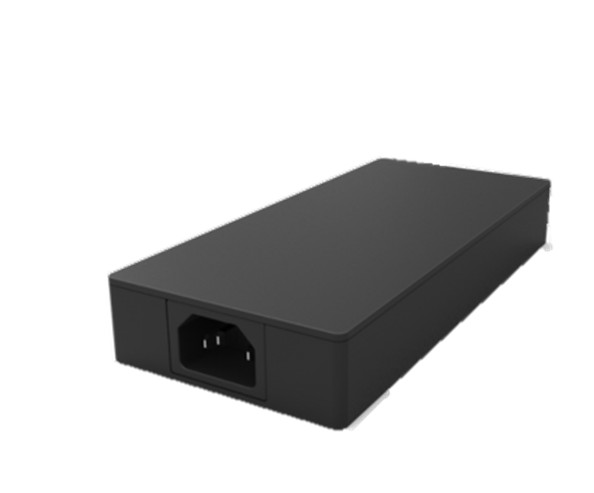
AA240U-200A-R
- Output Power - 240W
- Output Volt - 20V
- Output Current - 12A
- Features - high-efficiency desktop power supply designed for multiple applications, delivering a reliable 240W single output with advanced GaN technology for compact performance. Ideal for powering high-demand gaming systems etc with reduced heat and improved energy conversion.
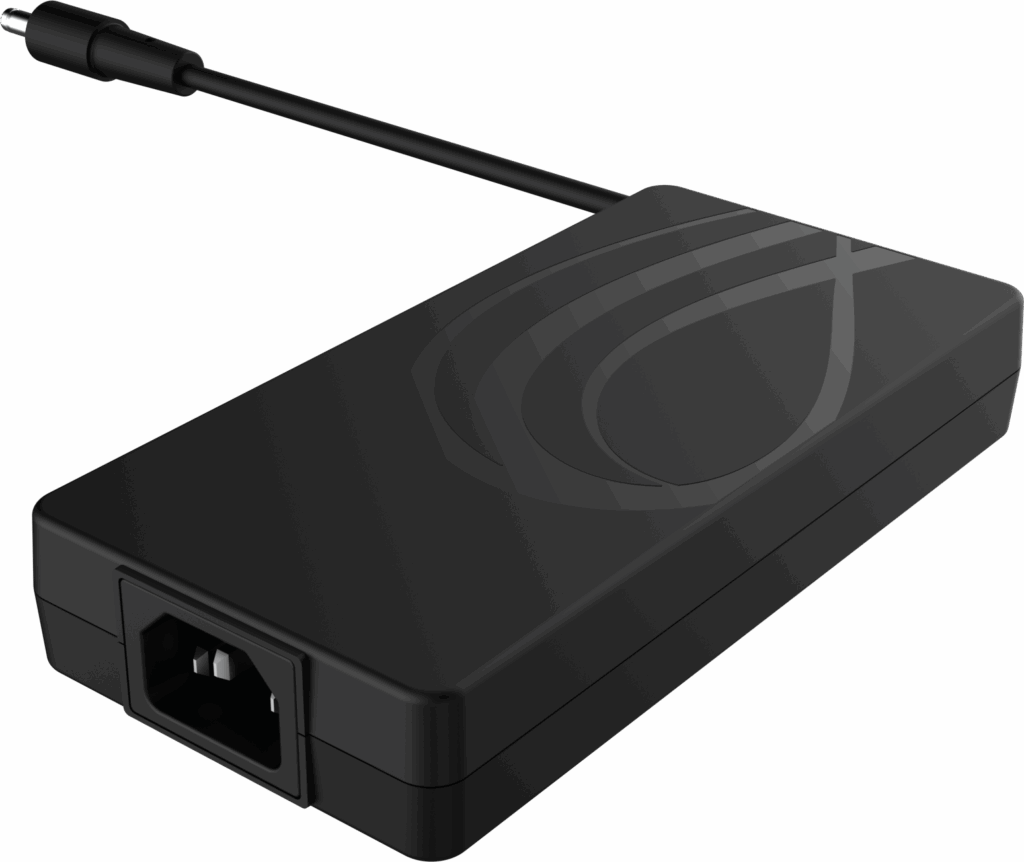
AA240U-200B-R
- Output Power - 240W
- Output Volt - 20V
- Output Current - 12A
- Features - This 240-watt GaN Series Desktop C14 Adapter delivers high power in a compact, efficient design, ideal for demanding professional and industrial applications. Its GaN technology ensures cooler operation, reliability, and space-saving performance.
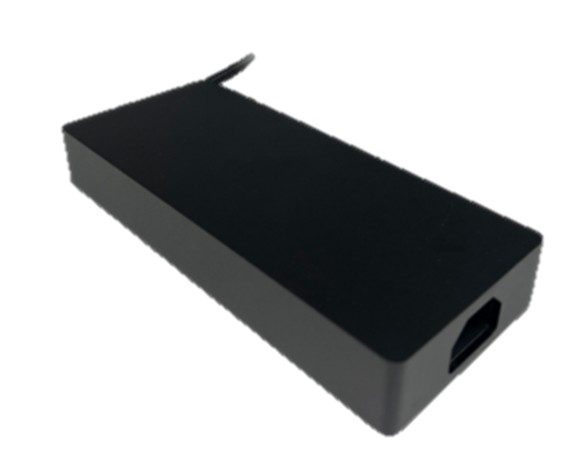
AA280U-200B-R
- Output Power - 280W
- Output Volt - 20V
- Output Current - 14A
- Features - high-efficiency desktop power supply designed for multiple applications, delivering a reliable 240W single output with advanced GaN technology for compact performance. Ideal for powering high-demand gaming systems etc with reduced heat and improved energy conversion.
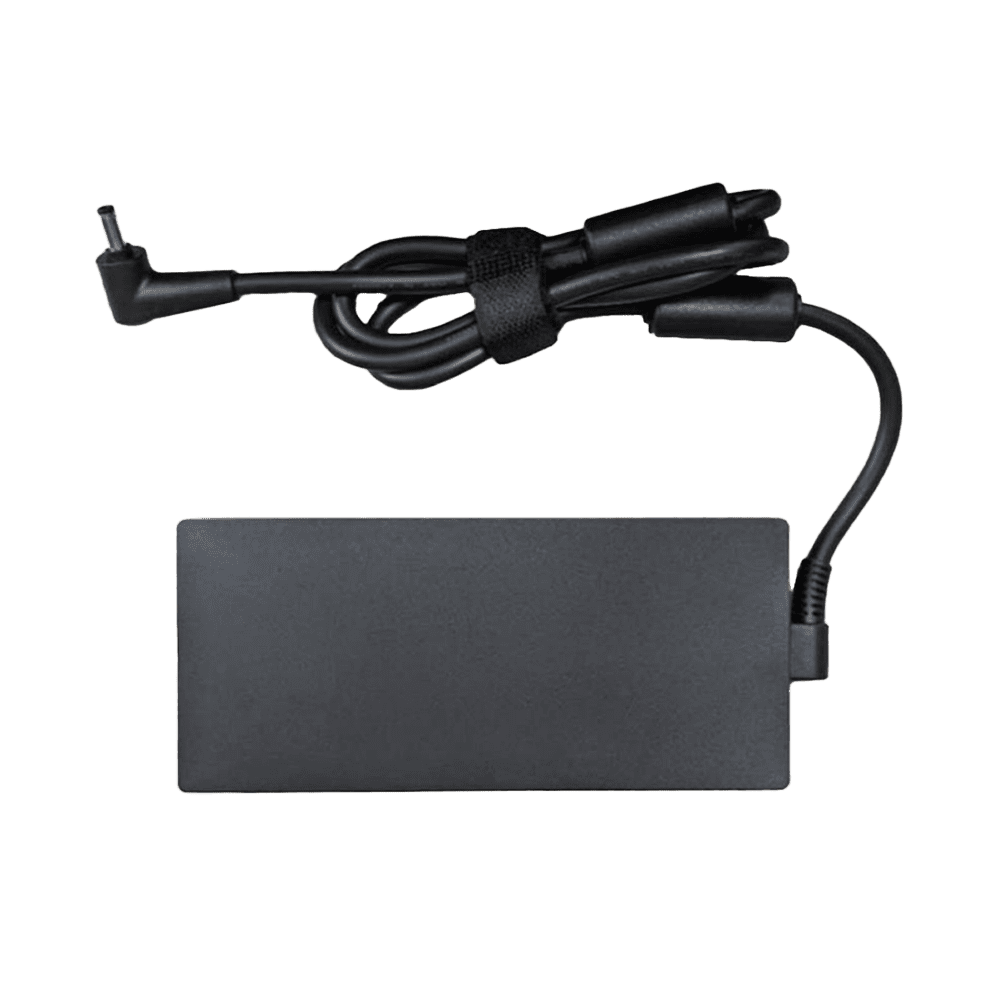
AM330U-200B(A)-R
- Output Power - 330W
- Output Volt - 20V
- Output Current - 16.5A
- Features - GaN (Gallium Nitride) Technology, DoE Level VI Compliance, 5,000 Meters Operating Altitude, Peak Load Capability, & 1” Low Profile Splash-Proof Case with IEC 60320 C14 Inlet

AQ18A-59CFC-H
- Output Power - 18W
- Output Volt - 5V/9V/12V/15V
- Output Current - 3A/2A/1.5A/1.2A
- Features - USB-C PD 3.0 Certified, Small Form Factor/High Power Density, DOE VII , Class B EMI, utilizes GAN technology to have an improved efficiency and faster charging while decreasing the size and weight of the product
- Application: Mobile Phone • Networking Devices • Tablet • Monitor etc

AQ18E-59CFC-H
- Output Power - 18W
- Output Volt - 5V/9V/12V/15V
- Output Current - 3A/2A/1.5A/1.2A
- # of ports - 1
- Features - USB-C PD 3.0 Certified, Small Form Factor/High Power Density, DOE VII , Class B EMI, COC Version 5 Tier 6, utilizes GAN technology to have an improved efficiency and faster charging while decreasing the size and weight of the product
- Application: Mobile Phone • Networking Devices • Tablet • Monitor

AQ18K-59CFC-H
- Output Power - 18W
- Output Volt - 5V/9V/12V/15V
- Output Current - 3A/2A/1.5A/1.2A
- # of ports - 1
- Features - USB-C PD 3.0 Certified, Small Form Factor/High Power Density, DOE VII , Class B EMI, COC Version 5 Tier 7,utilizes GAN technology to have an improved efficiency and faster charging while decreasing the size and weight of the product
- Application: Mobile Phone • Networking Devices • Tablet • Monitor etc
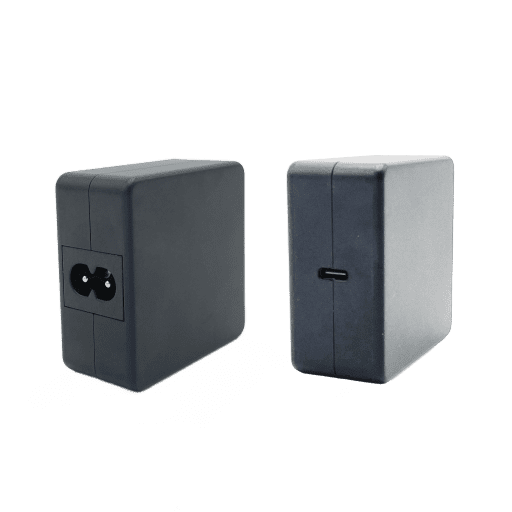
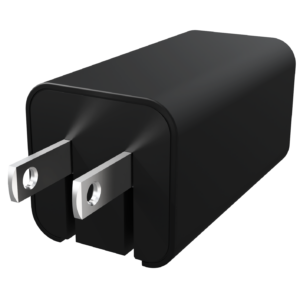
AQ60W-59FKKA-R
- Output Power - 60W
- Output Volt - 5V/9V/15V/20V
- Output Current - 3A/3A/3A/3A
- # of ports - 1
- Features - GaN Technology, USB Power Delivery 3.0, DoE Level VI Compliance, CoC Version 5 Tier 2 Compliance, 5,000 Meters Operating Altitude, Suitable for commercial and consumer electronic products

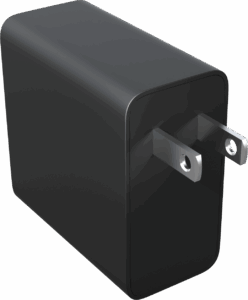
AQ65A-59FKB-R
- Output Power - 65W
- Output Volt - 5V/9V/15V/20V (PPS : 3.3V~21V)
- Output Current - 3A/3A/3A/3A
- # of ports - 1
- Features - GaN Technology, USB Power Delivery 3.0, DoE Level VI Compliance, CoC Version 5 Tier 2 Compliance, 5,000 Meters Operating Altitude, Suitable for commercial and consumer electronic products

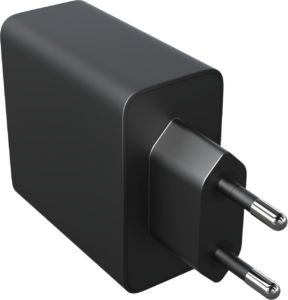
AQ65E-59FKB-R
- Output Power - 65W
- Output Volt - 5V/9V/15V/20V (PPS : 3.3V~21V)
- Output Current - 3A/3A/3A/3A
- # of ports - 1
- Features - GaN Technology, USB Power Delivery 3.0, DoE Level VI Compliance, CoC Version 5 Tier 2 Compliance, 5,000 Meters Operating Altitude, Suitable for commercial and consumer electronic products

AQ65F-59FKA-R
- Output Power - 65W
- Output Volt - 5V/9V/15V/20V
- Output Current - 3A/3A/3A/3.25A
- # of ports - 1
- Features - GaN Technology, USB Type-C Foldable DoE Level VI Compliance, 5,000 Meters Operating Altitude, Suitable for commercial and consumer electronic products

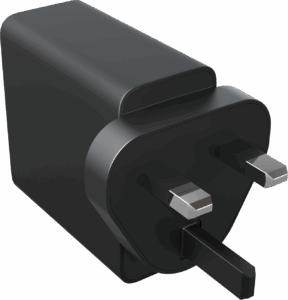
AQ65K-59FKB-R
- Output Power - 65W
- Output Volt - 5V/9V/15V/20V (PPS : 3.3V~21V)
- Output Current - 3A/3A/3A/3A
- # of ports - 1
- Features - GaN Technology, USB Power Delivery 3.0, DoE Level VI Compliance, CoC Version 5 Tier 2 Compliance, 5,000 Meters Operating Altitude, Suitable for commercial and consumer electronic products

What Causes Most Thermal Failures in Compact Power Adapter Designs?
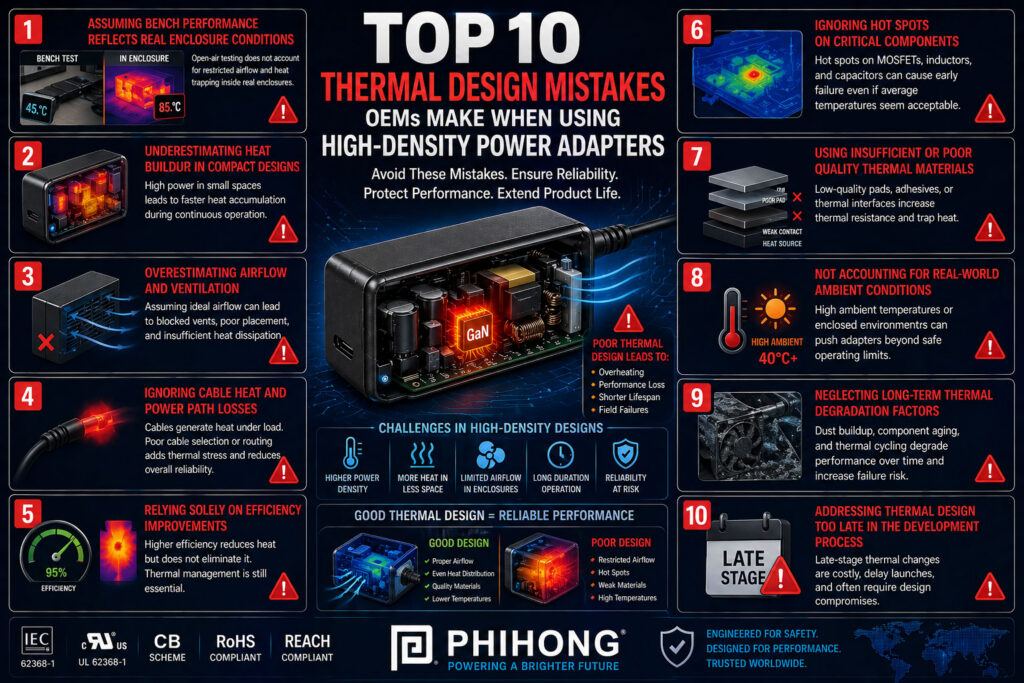
Most thermal failures are not caused by a single catastrophic mistake. They are the result of multiple small assumptions that compound under real conditions. These include underestimating heat buildup, overestimating airflow, ignoring cable heat paths, or assuming that efficiency alone solves thermal challenges.
Organizations like the Power Sources Manufacturers Association (PSMA) (https://www.psma.com) and IEEE (https://www.ieee.org) consistently emphasize that thermal design must be treated as a system-level discipline. Power conversion, enclosure design, airflow, materials, and user behavior all influence thermal outcomes.
Phihong’s design philosophy aligns with this approach. Its GaN platforms focus on reducing heat at the source, but they also rely on proper system integration to achieve optimal performance.
For OEMs, understanding these common mistakes is critical. Avoiding them early can save months of redesign and significantly improve product reliability.
Useful Links
- https://www.phihong.com/how-to-design-internal-medical-power-systems-isolation-emc-and-compliance-explained/
- https://www.phihong.com/how-to-choose-the-best-power-adapter-supplier-for-oems-key-factors-for-safety-reliability-and-compliance/
- https://www.phihong.com/usb-c-charger-shaping-the-future-of-the-tech-world/
Related Articles
- https://www.phihong.com/medical-power-supply-how-to-choose-the-best-solution-for-safe-reliable-medical-devices/
- https://www.phihong.com/medical-power-supply-vs-medical-power-adapter-whats-the-difference-and-which-one-do-you-need/
- https://www.phihong.com/best-guide-to-medical-power-supplies-for-modern-medical-devices/
CLIENT'S QUOTE
Phihong’s custom OEM power solutions have transformed our product development, boosting performance and reducing overhead. Their expert engineering support has simplified both the design and manufacturing phases.
Top 10 Thermal Design Mistakes OEMs Make When Using High-Density Power Adapters
1. Assuming Bench Performance Reflects Real Enclosure Conditions
One of the most common mistakes is validating thermal performance in open-air conditions and assuming those results will translate to real-world use. In reality, enclosures restrict airflow and trap heat.
Once installed inside a device, temperature can rise significantly due to limited ventilation and nearby components. This difference can push the adapter beyond safe operating limits.
OEMs should always test in final enclosure conditions to ensure accurate thermal performance.
2. Underestimating Heat Buildup in Compact Designs
High-density adapters concentrate more power into smaller spaces. Even with GaN efficiency, heat accumulation can become significant over time.
Designers often underestimate how quickly heat builds up during continuous operation. This can lead to unexpected shutdowns or degraded performance.
Accurate thermal modeling and long-duration testing are essential to avoid this issue.
3. Overestimating Airflow and Ventilation
Many designs assume ideal airflow that does not exist in real use. Blocked vents, poor placement, or user behavior can reduce airflow significantly.
Without sufficient airflow, heat cannot dissipate effectively. This leads to higher internal temperatures and reduced reliability.
OEMs should design for worst-case airflow conditions, not ideal scenarios.
4. Ignoring Cable Heat and Power Path Losses
Cables are often overlooked in thermal design. However, power loss in cables can generate heat, especially in high-current applications.
Poor cable quality or excessive length can increase resistance and contribute to thermal issues. This heat can affect both the adapter and the device.
Proper cable selection and routing are critical for maintaining thermal stability.
5. Relying Solely on Efficiency Improvements
While GaN improves efficiency, it does not eliminate heat entirely. Some OEMs assume that efficiency gains alone will solve thermal challenges.
In reality, even high-efficiency designs require proper thermal management. Ignoring this can lead to overheating under sustained loads.
Thermal design must still be treated as a critical engineering discipline.
6. Poor Component Placement Leading to Hot Spots
Component layout plays a major role in thermal performance. Placing heat-generating components too close together can create hot spots.
These localized temperature increases can damage components and reduce overall reliability. Proper spacing and layout optimization are essential.
OEMs should use thermal simulation tools to identify and mitigate hot spots early in the design process.
7. Inadequate Use of Thermal Interface Materials
Thermal interface materials help transfer heat away from components. Using low-quality or insufficient materials can reduce heat dissipation.
This can lead to higher operating temperatures and reduced performance. Selecting the right materials is critical for effective thermal management.
OEMs should evaluate thermal materials as part of the overall design, not as an afterthought.
8. Neglecting User Environment Variability
Real-world environments vary widely. Devices may be used in hot rooms, enclosed spaces, or areas with limited airflow.
Designing only for controlled environments can lead to failures in real use. OEMs must consider a range of operating conditions.
This includes temperature extremes and user behavior that may affect airflow and heat dissipation.
9. Overlooking Long-Term Thermal Degradation
Thermal performance can change over time as components age. Dust accumulation, material wear, and repeated thermal cycling can degrade performance.
Ignoring these factors can lead to unexpected failures later in the product lifecycle. Long-term testing is essential to ensure reliability.
OEMs should design with durability in mind to maintain performance over time.
10. Failing to Integrate Thermal Design Early in Development
Thermal design is often addressed late in the development process. This can lead to costly redesigns and delays.
Integrating thermal considerations early allows for better optimization and fewer compromises. It also improves overall product quality.
OEMs should treat thermal design as a core part of the engineering process from the beginning.
Thermal design mistakes are rarely obvious at first. They often appear as subtle issues that grow over time. By understanding these common pitfalls, OEMs can design more reliable and efficient products.
Useful Links
- https://www.phihong.com/how-thermal-design-affects-open-frame-medical-power-supply-performance/
- https://www.phihong.com/best-guide-to-gan-power-supplies-for-oems-industrial-medical-telecom/
- https://www.phihong.com/products/adapters/
Related Articles
- https://www.phihong.com/top-10-ways-gan-is-changing-thermal-design-in-compact-high-power-adapters/
- https://www.phihong.com/top-10-features-oems-should-look-for-in-a-high-density-gan-power-adapter/
- https://www.phihong.com/top-10-design-advantages-of-330w-gan-power-adapters/
How Phihong Helps OEMs Avoid Thermal Design Pitfalls
Phihong’s GaN adapter platforms are designed to reduce thermal challenges at the source through improved efficiency and optimized layouts. This helps OEMs start with a strong thermal foundation.
In addition, Phihong’s technical resources and design guidance support OEMs in integrating these solutions effectively. This includes considerations for airflow, enclosure design, and real-world operating conditions.
By combining advanced technology with practical engineering support, Phihong helps OEMs avoid common mistakes and build more reliable products.

CONTACT US TODAY
From concept to production, Phihong delivers custom OEM power solutions tailored to your specifications.
POE technology supports the centralization of power

AC Adapter Guide: Everything You Need to Know
Moreover, PoE technology supports the centralization of power management. By powering devices through a PoE-enabled network …
AC DC Power Chargers and How They Work: A Comprehensive Technical Breakdown
Moreover, PoE technology supports the centralization of power management. By powering devices through a PoE-enabled network …

USB-C Charger: Shaping the Future of the Tech World
Moreover, PoE technology supports the centralization of power management. By powering devices through a PoE-enabled network …

AC Adapter Guide: Everything You Need to Know
Moreover, PoE technology supports the centralization of power management. By powering devices through a PoE-enabled network …

AC DC Power Chargers and How They Work: A Comprehensive Technical Breakdown
Moreover, PoE technology supports the centralization of power management. By powering devices through a PoE-enabled network …

USB-C Charger: Shaping the Future of the Tech World
Moreover, PoE technology supports the centralization of power management. By powering devices through a PoE-enabled network …