








BLOG
Top 10 Overlooked Impact Factors of Power Supply Noise on Diagnostic Signal Integrity
QUICK LINKS
Why Does Power Supply Noise Matter So Much in Medical Diagnostic Design?
In medical electronics, the power supply does more than energize the system. It shapes the electrical environment that every sensor, amplifier, display, touchscreen, and communication path has to live inside. That matters because many diagnostic devices are trying to detect extremely small biological or imaging signals, often in the presence of motors, processors, wireless radios, and switching power components. If the power path is noisy, the device may still turn on and technically function, but the quality of the information it produces can begin to drift in subtle ways. Those small degradations are often where engineers lose time during validation because the system appears stable until ghost artifacts, false spikes, jitter, display noise, or intermittent interference begin to show up.
Phihong’s recent medical content does not talk only about passing safety requirements. It repeatedly ties leakage current, EMC, internal architecture, and thermal behavior back to real system performance inside healthcare equipment. That makes this topic a good fit because it moves the conversation from “is the unit compliant?” to “is the power clean enough for sensitive medical electronics to perform as intended?” That is a much higher-value discussion for system engineers, hardware designers, and OEM teams building diagnostic and monitoring products.
Useful Links
- What IEC 60601 means for medical power supply design
- How low leakage current affects medical power supply selection
- How to design internal medical power systems: isolation, EMC, and compliance explained
Related Articles
- Medical power supply: how to choose the best solution for safe, reliable medical devices
- How thermal design affects open-frame medical power supply performance
- Medical power supply vs. medical power adapter: what’s the difference and which one do you need
Which Noise-Related Power Issues Are Most Likely to Distort Diagnostic Signals?
The most overlooked problems are usually not the dramatic failures. They are the quiet ones. Power ripple that slightly modulates an analog front end, grounding decisions that create measurement drift, shielding gaps that let DC cables act like antennas, and switching artifacts that appear only when the backlight, touchscreen, battery charger, or wireless module becomes active. These are the issues that can leave teams chasing intermittent faults because the product seems electrically safe and broadly functional, yet the measured data quality is not as stable or repeatable as it should be. That is especially dangerous in products that depend on precise waveform capture, sensor calibration, imaging clarity, or touch responsiveness.
Phihong’s current medical articles support several pieces of that puzzle directly. The company’s newer posts emphasize leakage current, EMC behavior, enclosure-level thermal reality, and the difference between internal and external power approaches. Taken together, those topics help explain why signal integrity can be affected by power design decisions long before a system fully fails compliance. Noise is not just a lab annoyance. In the wrong place, it becomes a product quality problem, a validation delay, and sometimes a clinical trust issue.
Useful Links
- Open-frame vs. external medical power: which one fits the medical product better
- How to choose an open-frame medical power supply for embedded healthcare equipment
- How to validate thermal performance of open-frame power supplies in real enclosures
Related Articles
- What is IEC 60601 and why it matters for medical power supply design
- Medical power solution: how low leakage current affects medical power supply selection
- How to design internal medical power systems: isolation, EMC, and compliance explained
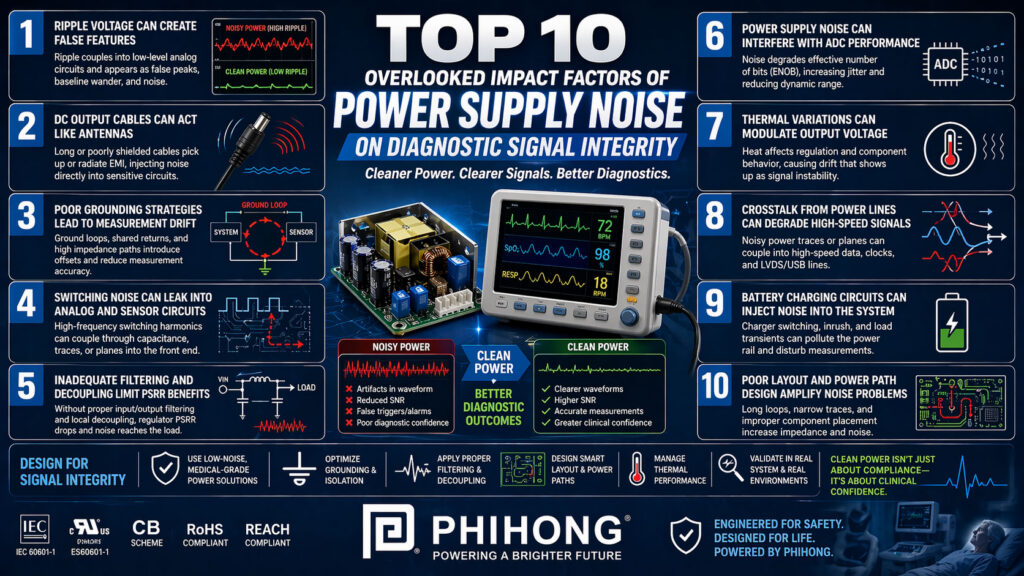
Top 10 Overlooked Impact Factors of Power Supply Noise on Diagnostic Signal Integrity
Before getting into the list, the key point is that signal integrity problems often begin as power integrity problems. If the supply is electrically dirty, poorly isolated, thermally unstable, or badly integrated into the enclosure, the sensor chain may never get the clean environment it needs to produce trustworthy data.
1. Ripple Voltage Can Create False Features in Low-Level Physiological Signals
Ripple is often treated like a basic power-quality metric, but in sensitive diagnostic systems it can show up as visible or measurable distortion. In ECG, EMG, EEG, and other low-amplitude biopotential applications, even modest power ripple can leak into the analog front end and become part of the captured waveform if filtering, grounding, and layout are not well controlled. That can create false peaks, baseline wander, or unstable signal interpretation that looks like a sensor issue even when the real culprit is power contamination. This is especially frustrating because the product can pass functional checks while still producing questionable signal quality during more sensitive validation work.
The reason this gets overlooked is that ripple rarely announces itself as a dramatic failure. It appears as noise floor elevation, odd periodic artifacts, or inconsistency between units and test setups. Engineers may first suspect firmware or electrode placement before tracing the issue back to the power path. In practical terms, clean regulation and low-noise output matter not just for efficiency, but for data credibility.
2. DC Output Cables Can Act Like Antennas and Bring Noise Straight Into the Device
The DC cord is easy to underestimate, especially when the power adapter itself already looks compliant on paper. But cable length, routing, shielding, and proximity to other noisy electronics can turn that cord into a large antenna that either radiates noise outward or picks up interference and feeds it back toward the load. In compact medical systems, that matters because the cable often runs near displays, sensor leads, touch circuitry, radios, or analog boards where susceptibility is already high.
This is one reason external power architecture sometimes improves one problem while creating another. Moving conversion outside the enclosure may reduce internal heat and high-voltage complexity, but the cable then becomes a more important EMI path that must be designed carefully. Connector quality, ferrite choices, shielding strategy, and cable placement all influence whether the output lead behaves like a clean supply path or a noise delivery route. In real-world integration, the cord is part of the electrical system, not just an accessory.
3. Leakage Current Can Interfere with Both Safety Margins and Signal Cleanliness
Leakage current is usually discussed as a safety issue under IEC 60601, and it absolutely is. But it also matters for signal integrity because unwanted current paths can disturb the electrical reference environment around patient-connected or body-adjacent circuits. Phihong’s recent medical article makes clear that leakage current is shaped by isolation, filtering, and grounding decisions. Those same design choices can influence how quiet or noisy the overall system feels from the perspective of sensitive analog measurement.
This is especially important when designers add filtering to improve EMC performance. Better emissions behavior can sometimes come with leakage tradeoffs, and that tension can affect the full system in unexpected ways. In some devices, the result is not a failed safety test but a degraded signal environment, unstable sensor readings, or touch-performance oddities that only appear under certain conditions. That is why leakage should be treated as both a compliance variable and a signal-quality variable.
4. Poor Grounding Strategy Can Turn Normal Switching Activity Into Measurement Errors
Grounding errors often masquerade as random system behavior. In diagnostic products, poor grounding can create loops, reference instability, and coupling paths that let normal switching activity show up where it should not. The power supply itself may be performing within spec, yet the way it is referenced into the enclosure, board stackup, sensor front end, and shield connections can determine whether switching artifacts stay contained or become visible in measurement data.
This is one reason internal medical power design requires more than simply selecting a compliant PSU. Phihong’s internal medical design article emphasizes isolation, EMC, and system-level integration, and that is exactly the right lens here. Good grounding is not a cosmetic layout decision. It is part of the measurement architecture. A stable analog system usually depends on a stable reference environment, and the power design has a major influence on whether that environment stays clean under changing loads and operational states.
5. Switching Frequency Interactions Can Produce Ghost Artifacts on Displays and Imaging Paths
Some noise problems are not broadband. They happen when switching frequencies, harmonics, refresh cycles, sampling windows, or sensor clocks interact in unfortunate ways. That can create ghost patterns, moving bands, faint flicker, or periodic image artifacts that are hard to reproduce consistently. In medical imaging and display-driven diagnostic products, these interactions can be especially misleading because the artifact may look optical, algorithmic, or display-related before anyone suspects the power architecture.
The reason this matters is that a medically compliant supply is not automatically spectrally invisible to the rest of the device. If the switching profile overlaps with sensitive subsystems and shielding or layout is weak, the user may see symptoms that degrade trust even though the unit technically works. Signal integrity review should therefore include not only voltage and current behavior, but also frequency-domain thinking. Quiet operation is about what the supply emits across the system, not just whether it powers up correctly.
FEATURED PRODUCTS
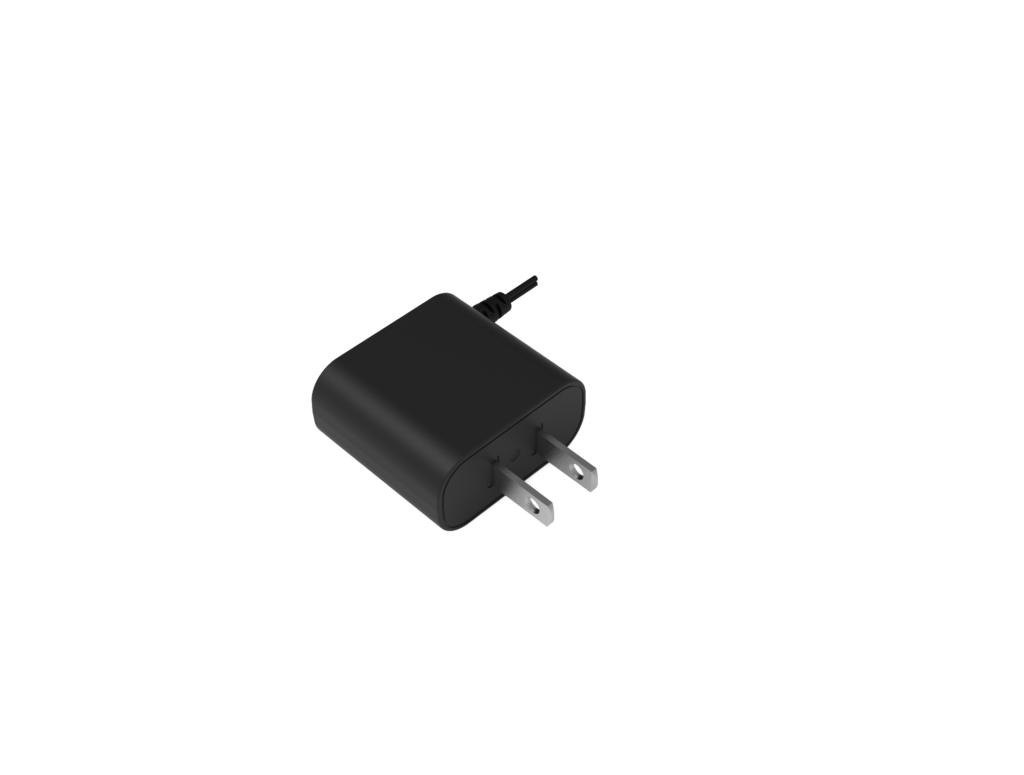
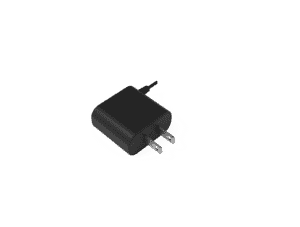
AA03A-075A-R
- Output Power - 2.75W
- Output Volt - 7.5V
- Output Current - 0.366A
- Features - Fixed Blade AC Input, Limited Power Source, Class B EMI, Level VI Efficiency, Standard Barrel Connector
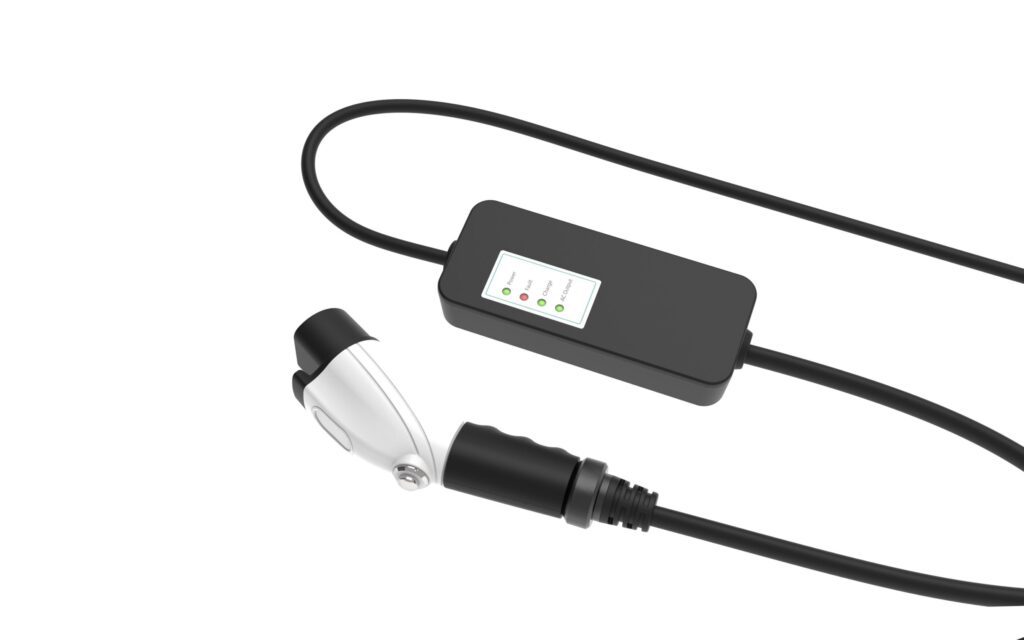
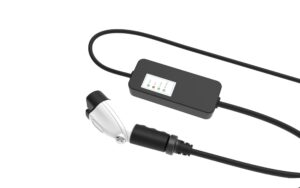
AC Series
- Output Current - 16A
- Features - Mode 2-chargers can use a circuit ranging from 8Amp to 16Amp with a local standard AC input plug installed for operation, Provides overcurrent, over voltage and short circuit protection, Protected against strong jets of water from all directions, Continuously monitors/supervises the ground connection between the AC supply and EV to ensure safe and reliable charging
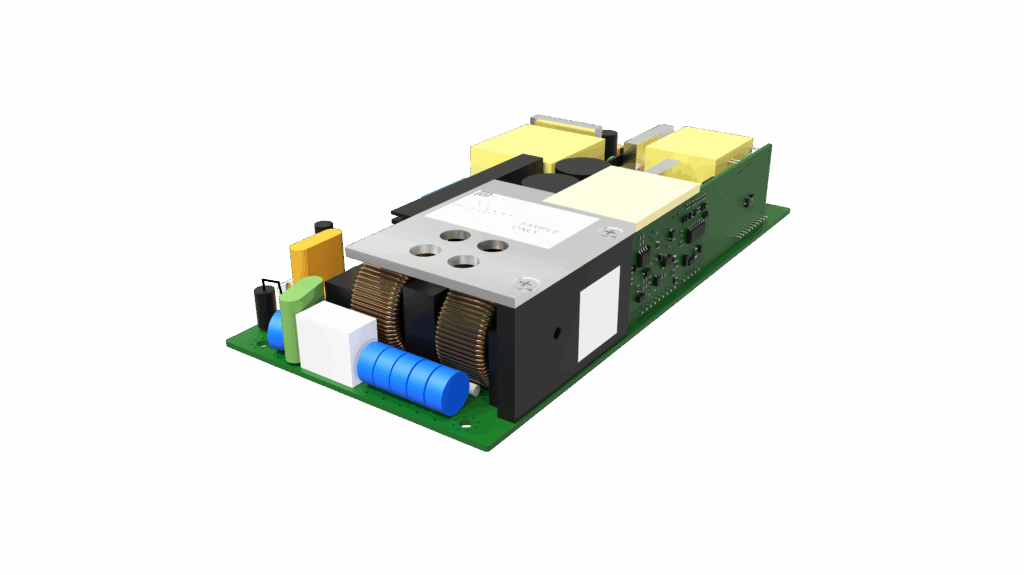
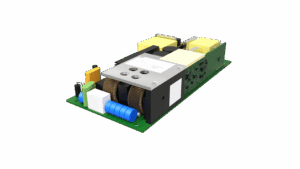
BF550-234B-R
- Output Power - 550W
- Output Volt - 12Vdc / 54.5Vdc
- Features - Universal AC Input range, Class I Design , Class B EMI , High Efficiency Performance , OVP, OCP, SCP, OTP Protections , Operating Altitude: 5,000M
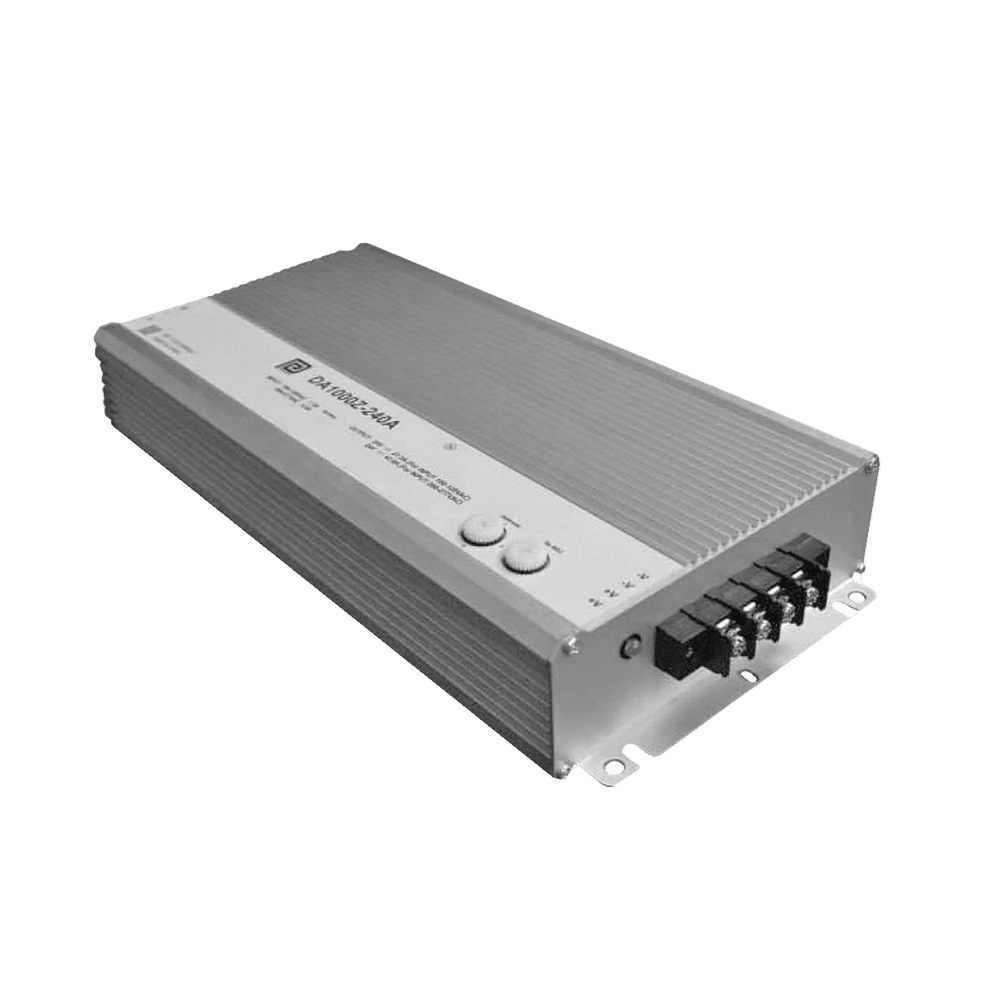
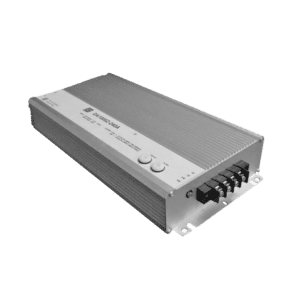
DA1000Z-240AEV-R
- Output Power - 1000W
- Output Volt - 24V
- Output Current - 42A
- Features - Extended operating temperature range of -40℃ to 70℃, Fan-less aluminum case filled with heat conductive glue, Able to withstand 10G vibration, Power on LED indicator, Short Circuit, Over Current, Over Voltage, and Over Temperature Protections, & Adjustable output through potentiomete
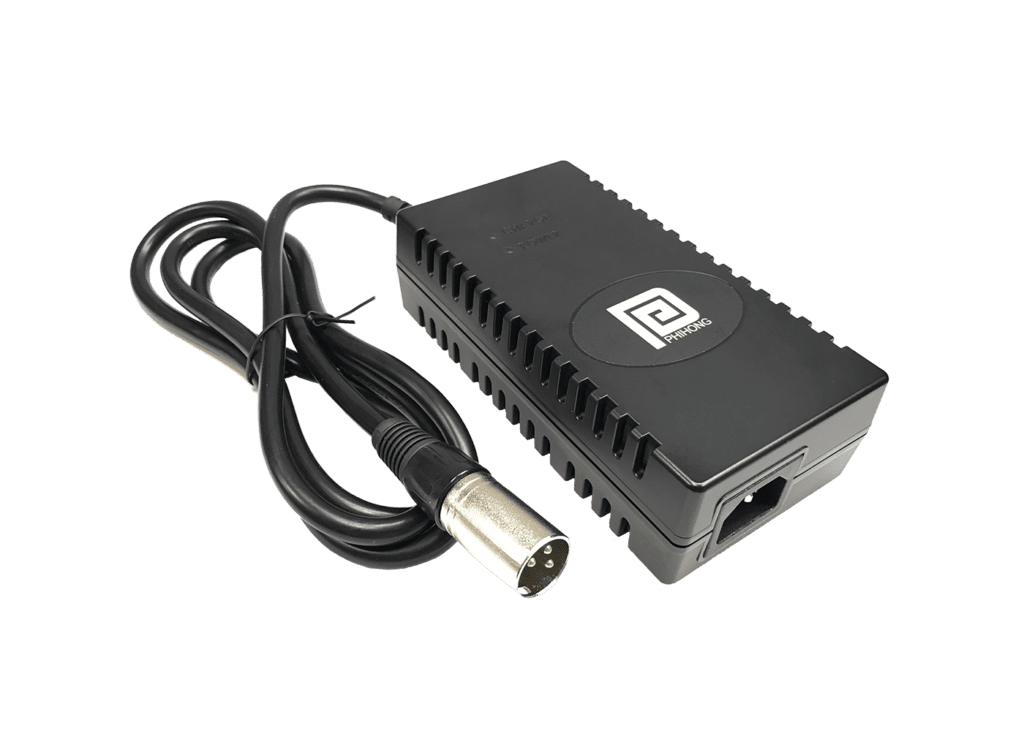
DA60U-240A-R
- Output Power - 60W
- Output Volt - 24V
- Output Current - 2.5A
- # of ports - 1
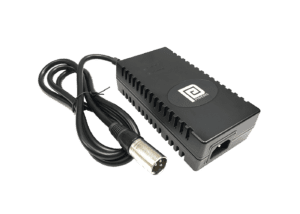
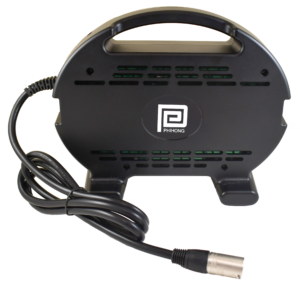
- Features - RESNA Compliant, CEC Compliant, LED Indicators Charge State, OVP, OTP, SCP, Charges AGM Batteries, Max 12hrs Charging Time
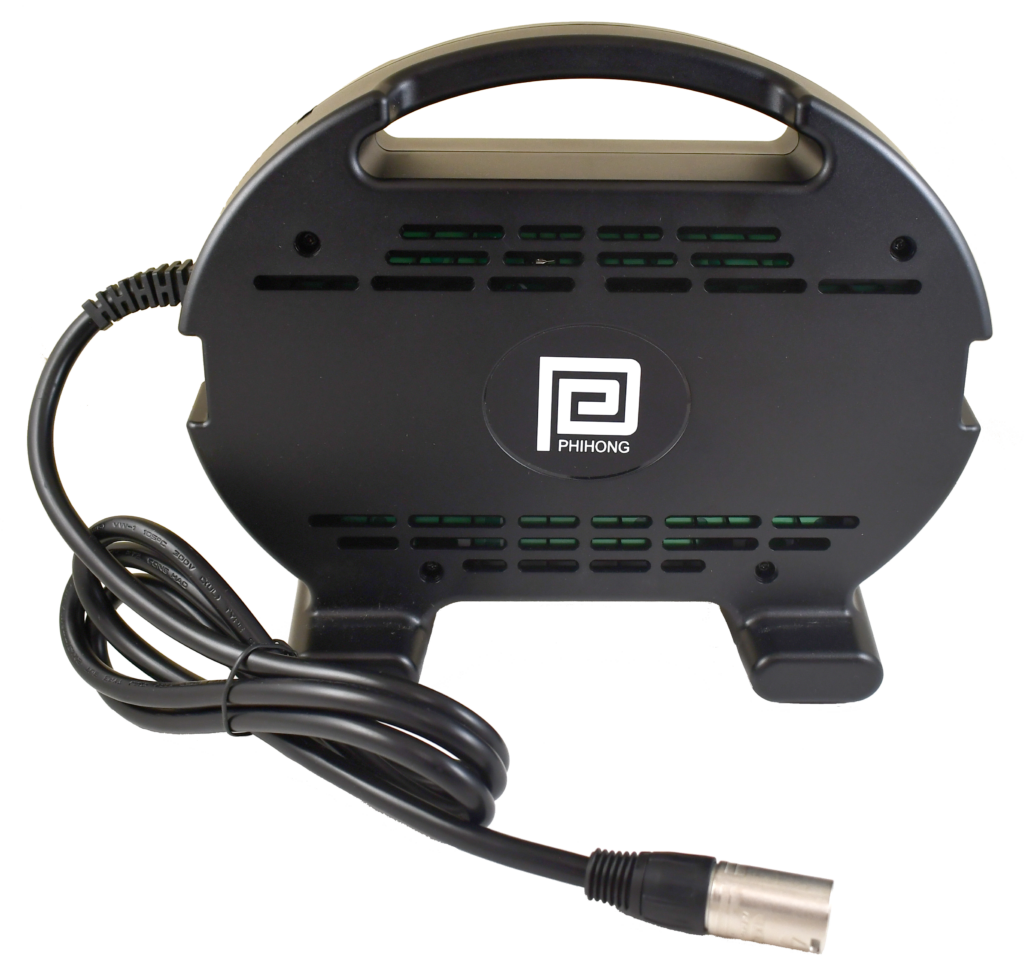
DA200U-250A-R
- Output Power - 200W
- Output Volt - 24V
- Output Current - 8A
- # of ports - 1
- Features - RESNA Compliant, CEC Compliant, LED Indicators Charge State, OVP, OTP, SCP, Dual-Mode Charger, Charges GEL or AGM batteries, Max 12hrs Charging Time
CLIENT'S QUOTE
Phihong’s custom OEM power solutions have transformed our product development, boosting performance and reducing overhead. Their expert engineering support has simplified both the design and manufacturing phases.
6. Acoustic Noise Can Undermine Perceived Quality in Quiet Care Environments
Coil whine and other acoustic byproducts are often dismissed because they do not always show up in standard electrical summary specs. But in a recovery room, home-use setting, or bedside environment, audible noise can affect perceived quality and patient comfort. If a charger or internal supply emits a high-pitched tone during charging, standby transitions, or light-load operation, users may interpret that as device instability, poor quality, or impending failure even when the unit is electrically safe.
This matters more in healthcare than in many consumer categories because patients, caregivers, and clinicians may be using the device in quiet spaces where subtle sounds are more noticeable and more stressful. Acoustic behavior is often tied to switching operation, magnetics, mechanical mounting, and load transitions. That means it sits close to the same design territory as electrical noise. In premium medical products, “clean power” increasingly includes not just low EMI and low ripple, but low audible distraction as well.
7. Thermal Drift Can Quietly Change Noise Performance Over Time
A power supply that behaves acceptably when cool may not behave the same way once the enclosure reaches real operating temperature. Phihong’s recent thermal article makes this point clearly for open-frame designs: ratings and expectations change once the supply is installed in an actual system with real airflow, neighboring heat sources, and recirculation zones. That matters for signal integrity because thermal drift can alter regulation stability, component behavior, switching characteristics, and noise margin over time.
This kind of issue is easy to miss during short bench tests. Engineers may confirm a clean signal path early, then discover new artifacts after long-duration operation or in warm ambient conditions. The lesson is that noise validation should not happen only at room temperature and first power-up. It should be checked under realistic thermal conditions where the PSU and surrounding electronics have reached steady-state behavior.
8. Touchscreen Responsiveness Can Be Affected by Noisy Power and Reference Instability
Touchscreens in medical devices depend on stable electrical reference behavior, and power noise can interfere with that more than teams expect. If leakage, grounding noise, switching artifacts, or cable coupling disturb the local reference environment, the user may experience missed touches, false triggers, or inconsistent responsiveness. In devices where touch is part of the diagnostic or therapy workflow, that can feel like a software problem even when the real cause is electrical.
This becomes even more relevant in compact portable systems where the display, processor, battery charging path, and power conversion are all tightly packed together. The closer everything sits, the more carefully the power and grounding environment has to be managed. When a UI becomes unreliable, trust in the entire product falls quickly. That is why touchscreen stability should be considered part of signal integrity validation, not just part of the UI test plan.
9. External Adapters Can Reduce Internal Noise Pressure, but Integration Still Matters
External adapters are often chosen to keep heat and mains complexity outside the enclosure, and that can improve the internal electrical environment. Phihong’s recent architecture articles make that tradeoff clear. External power can simplify replacement and reduce internal thermal density, which in turn can support cleaner system behavior in compact devices. But moving the conversion stage outside does not eliminate signal-integrity risk. It changes where the risk lives.
Once the adapter is external, the DC lead, connector path, and entry filtering become more important. If those are weak, the benefit of externalization can be partially lost. The correct takeaway is not that external is always cleaner. It is that the entire path from wall to load must be treated as one electrical system. Architecture choice matters, but integration quality matters just as much.
10. Compliance Success Does Not Guarantee Clean Diagnostic Performance
One of the most overlooked realities in medical design is that passing a compliance test does not automatically mean the device has ideal signal integrity. A power supply can meet safety and EMC thresholds and still leave the product vulnerable to subtle waveform distortion, image artifacts, UI instability, or intermittent interference under certain operating states. Compliance is necessary, but it is not the same thing as clinical signal excellence.
That distinction is where higher-value power discussions begin. OEMs that only ask whether the supply is approved may miss whether it is quiet enough for their actual diagnostic chain. The better question is whether the full integration creates a clean electrical environment for the product’s most sensitive functions. That is why noise behavior, not just safety performance, deserves a place in early design reviews.
Signal integrity problems rarely come from one dramatic mistake. More often, they come from several “small” power-related decisions that seem acceptable in isolation but add up to a noisy system once the product is assembled and exercised under real conditions. That is what makes this topic so valuable for engineers. It forces the team to look at the power supply as part of the measurement system, not just the energy source.
For medical OEMs, that mindset shift can save time and improve product quality. It leads to better questions about ripple, leakage, shielding, thermal drift, grounding, architecture choice, and cable behavior much earlier in development. And in sensitive diagnostic equipment, those earlier questions often make the difference between a system that merely works and one that works cleanly and consistently.
Useful Links
- Medical power supply archive
- Phihong medical blog archive
- How to choose the best power adapter supplier for OEMs: safety, reliability, and compliance
Related Articles
- What is IEC 60601 and why it matters for medical power supply design
- How to design internal medical power systems: isolation, EMC, and compliance explained
- How thermal design affects open-frame medical power supply performance
How Phihong Can Help OEMs Reduce Noise-Related Signal Integrity Risk
Phihong’s recent medical content positions the company well for this conversation because it already addresses the building blocks behind cleaner signal environments: leakage current control, IEC 60601 design requirements, internal power integration, architecture tradeoffs, and enclosure-level thermal behavior. Those are exactly the areas engineers need to evaluate when diagnostic performance is being affected by subtle power-related interference rather than obvious electrical failure.
For OEM teams working on diagnostic monitors, imaging-adjacent electronics, wearable sensing products, or compact devices with touch and wireless features, Phihong can help frame the right questions earlier. The value is not only in providing a compliant medical power solution. It is in helping select and integrate a power approach that supports a cleaner measurement environment, better EMC behavior, and more stable real-world system performance.
As medical electronics keep shrinking and adding more sensing, display, and connectivity functions, noise-sensitive design will only become more important. Power quality will keep moving closer to the center of product quality, especially in devices where trust depends on the clarity of the data being shown.

CONTACT US TODAY
From concept to production, Phihong delivers custom OEM power solutions tailored to your specifications.
POE technology supports the centralization of power

AC Adapter Guide: Everything You Need to Know
Moreover, PoE technology supports the centralization of power management. By powering devices through a PoE-enabled network …
AC DC Power Chargers and How They Work: A Comprehensive Technical Breakdown
Moreover, PoE technology supports the centralization of power management. By powering devices through a PoE-enabled network …

USB-C Charger: Shaping the Future of the Tech World
Moreover, PoE technology supports the centralization of power management. By powering devices through a PoE-enabled network …

AC Adapter Guide: Everything You Need to Know
Moreover, PoE technology supports the centralization of power management. By powering devices through a PoE-enabled network …

AC DC Power Chargers and How They Work: A Comprehensive Technical Breakdown
Moreover, PoE technology supports the centralization of power management. By powering devices through a PoE-enabled network …

USB-C Charger: Shaping the Future of the Tech World
Moreover, PoE technology supports the centralization of power management. By powering devices through a PoE-enabled network …