










BLOG
What Is Class B EMI and Why Does Level VII Efficiency Matter in a 24V Power Adapter?
QUICK LINKS
What Is Class B EMI in a 24V Power Adapter?
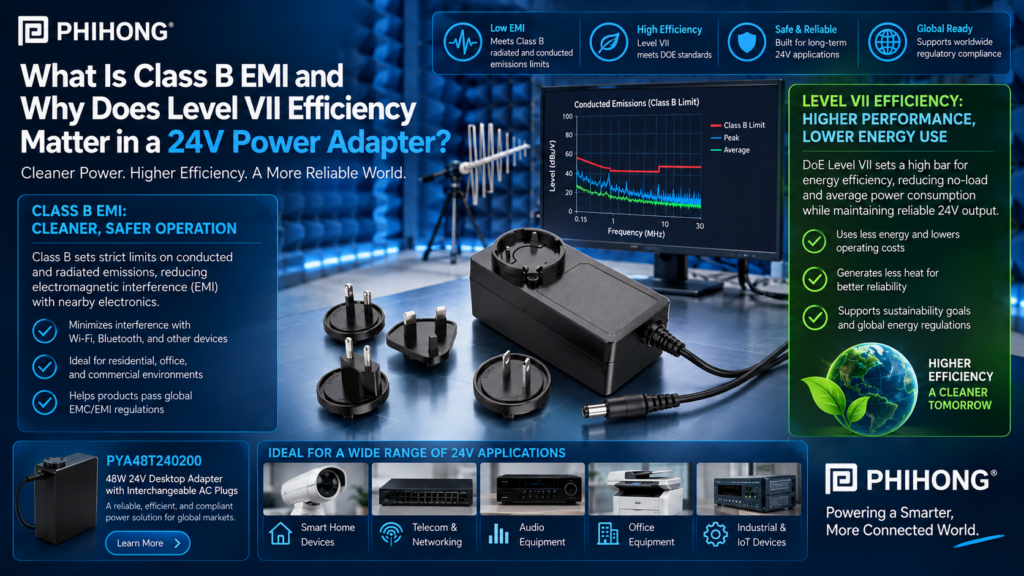
Class B EMI refers to a stricter emissions category commonly associated with electronic equipment intended for residential or similar environments. In practical terms, it addresses how much unwanted electromagnetic energy a power adapter is allowed to put onto power lines or radiate into the surrounding environment. For OEMs, this matters because the external adapter becomes part of the complete device’s electromagnetic compatibility strategy.
A 24V power adapter may electrically deliver the correct voltage and current but still create integration problems if emissions are poorly controlled. Networking equipment, smart home devices, telecom products, office electronics and audio equipment can all contain sensitive circuitry or operate near other electronic systems. Phihong’s documentation for both the PYA48T240200 and AA36U series references Class B emissions requirements. The PYA48T240200 datasheet specifically lists FCC Part 15 Class B, CAN ICES-003(B)/NMB-003(B) and EN 55032 Class B. Phihong
| Class B EMI Area | Why It Matters | What OEM Teams Should Review |
|---|---|---|
| Conducted emissions | Noise can travel back through AC power lines | Adapter filtering, line conditions and complete-system testing |
| Radiated emissions | Switching electronics can emit electromagnetic energy | Adapter placement, cable routing and nearby circuitry |
| DC output cable | The cable can influence system-level EMI behavior | Cable length, routing, connector and equipment enclosure |
| Final equipment | Adapter compliance does not replace complete-product validation | Device electronics, cables, peripherals and installation |
Why This Matters
- Class B EMI can be important when 24V-powered equipment operates in homes, offices or other environments with nearby electronics.
- Selecting an adapter with documented EMI performance can give OEM teams a stronger starting point for system-level compliance work.
What OEMs Should Do Now
- Review the adapter’s documented EMI standards before finalizing the power platform.
- Test the adapter with the production-intent device, cable routing and peripheral configuration rather than relying on adapter documentation alone.
Relevant Phihong Products
PYA48T240200
48W, 24V, 2A interchangeable wall-mount adapter with documented Class B EMI positioning.
AA36U-240B-R
36W, 24V, 1.5A desktop C14 adapter from a series whose datasheet documents Class B emissions requirements.
Useful Links
PYA48T240200 Product Page: www.phihong.com/products/adapters/pya48t240200/
PYA48T240200 Datasheet: www.phihong.com/wp-content/uploads/New-datasheet-PYA48T240200-_08262025.pdf
AA36U Series Datasheet: www.phihong.com/wp-content/uploads/AA36U.pdf
Power Adapter Product Line: www.phihong.com/products/adapters/
Related Links
Best Guide to 24V Power Adapters for Smart Home, Telecom, Networking, Audio, and Office Equipment: www.phihong.com/best-guide-to-24v-power-adapters-for-smart-home-telecom-networking-audio-and-office-equipment/
What Is the Difference Between 36W and 48W 24V Power Adapters?: www.phihong.com/what-is-the-difference-between-36w-and-48w-24v-power-adapters/
FEATURED PRODUCTS
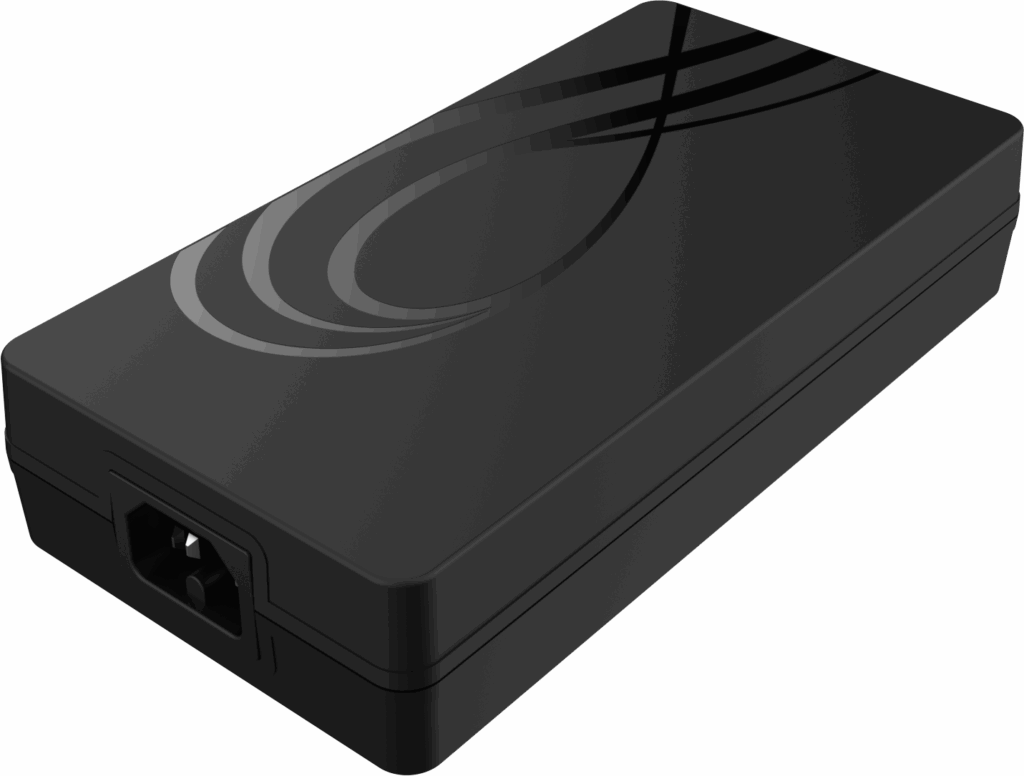
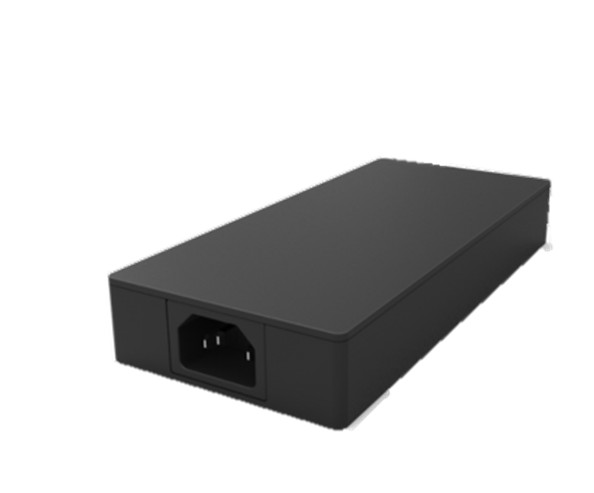
AM250U-540AP-R
- Output Power - 250W
- Output Volt - 54V
- Output Current - 4.63A
- Features - Class B EMI , US DoE Level VI Efficiency compliance, EU CoC Ver 5 Tier 2 Compliance, Over-Voltage, Over-Current, Short Circuit, & Over-Temperature Protection, 5,000 Meters Operating Altitude
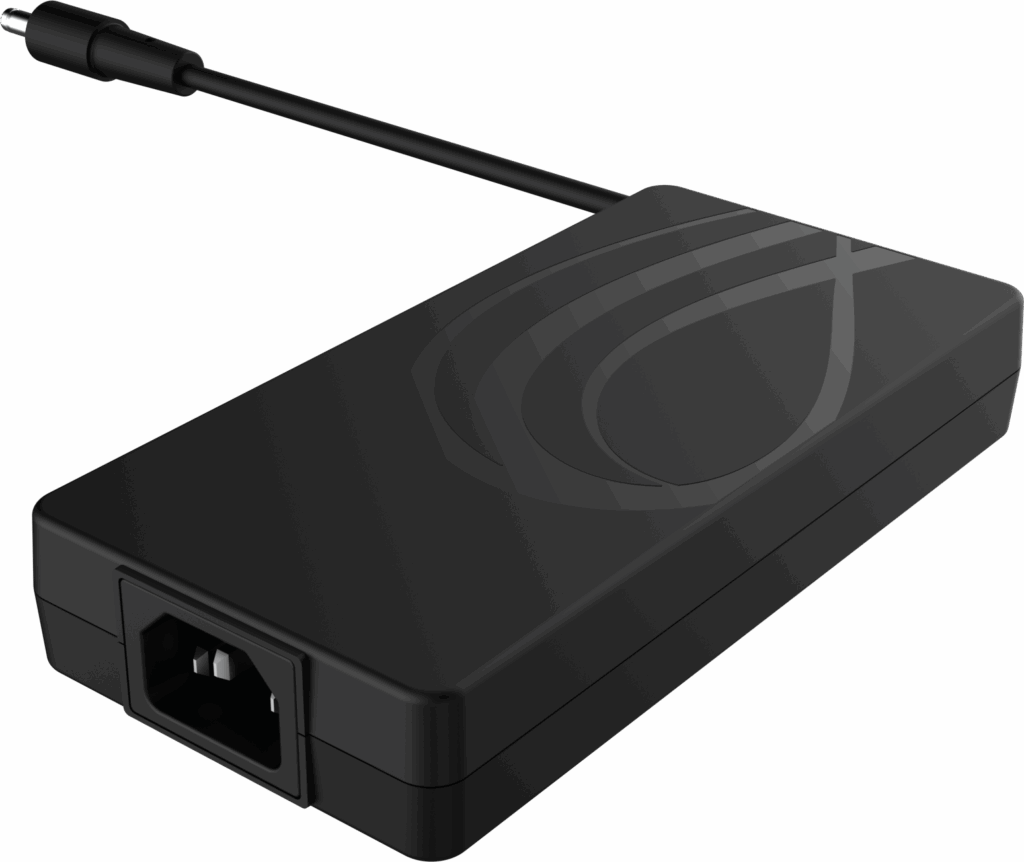
AA240U-200A-R
- Output Power - 240W
- Output Volt - 20V
- Output Current - 12A
- Features - high-efficiency desktop power supply designed for multiple applications, delivering a reliable 240W single output with advanced GaN technology for compact performance. Ideal for powering high-demand gaming systems etc with reduced heat and improved energy conversion.
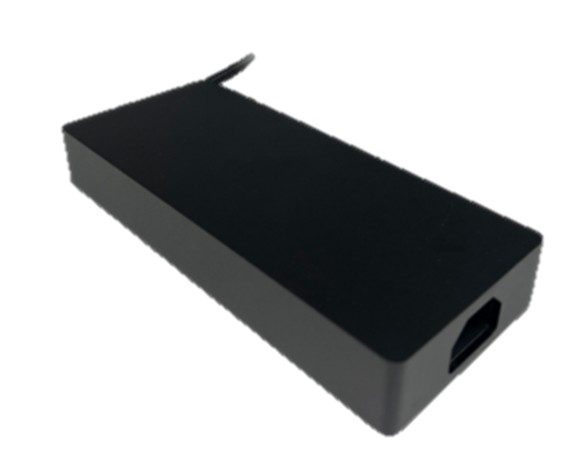
AA240U-200B-R
- Output Power - 240W
- Output Volt - 20V
- Output Current - 12A
- Features - This 240-watt GaN Series Desktop C14 Adapter delivers high power in a compact, efficient design, ideal for demanding professional and industrial applications. Its GaN technology ensures cooler operation, reliability, and space-saving performance.
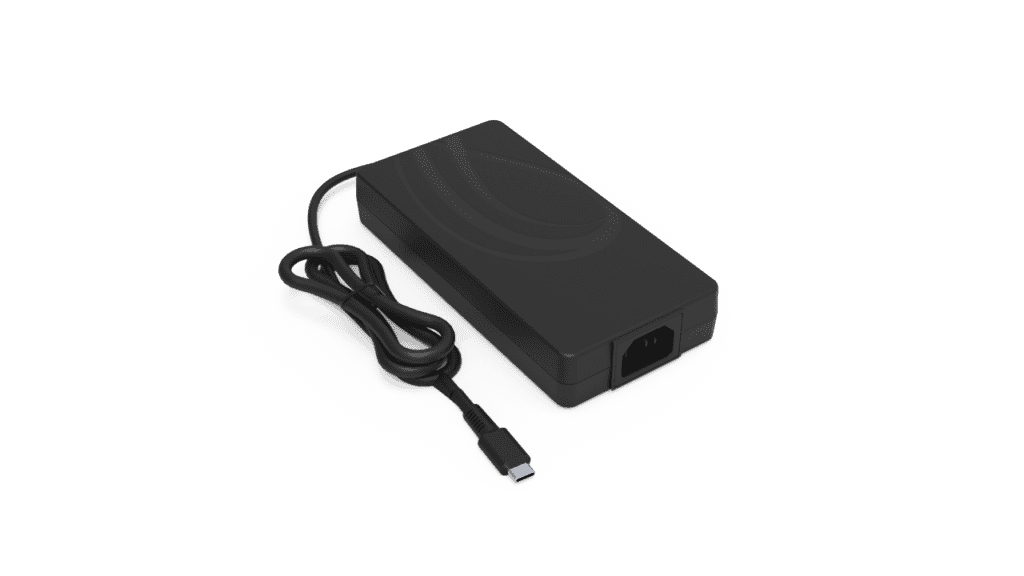
AA280U-200B-R
- Output Power - 280W
- Output Volt - 20V
- Output Current - 14A
- Features - high-efficiency desktop power supply designed for multiple applications, delivering a reliable 240W single output with advanced GaN technology for compact performance. Ideal for powering high-demand gaming systems etc with reduced heat and improved energy conversion.
AA240U-59FKEA-R
- Output Power - 240 Watt
- Output Volt - 5Vdc/ 9Vdc/ 15Vdc/ 20Vdc/ 28V/ 36V/ 48V
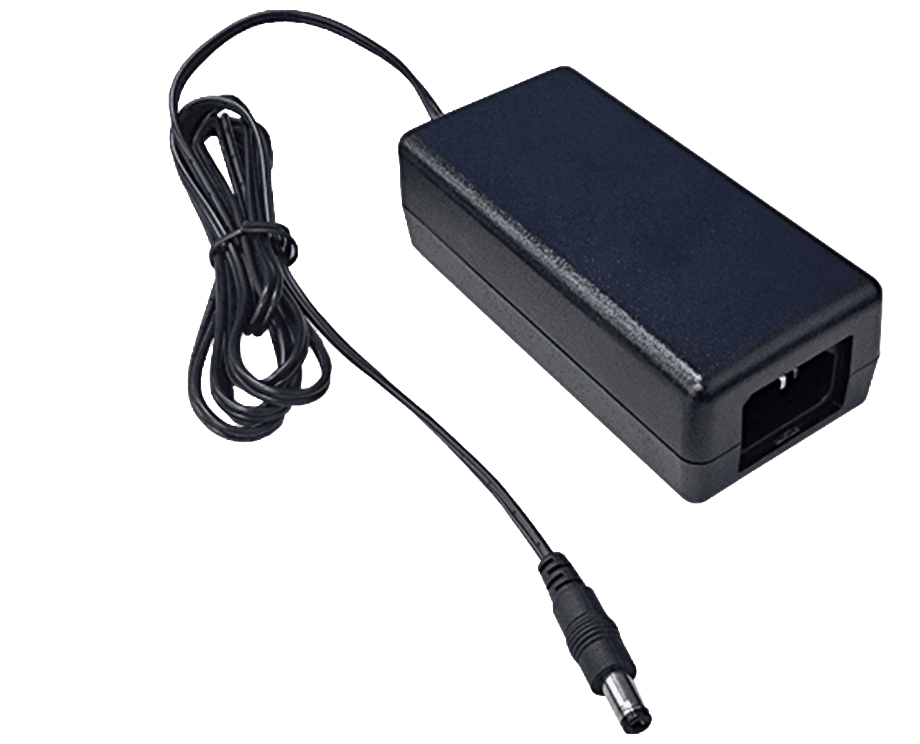
AA36U-240B-R
- Output Power - 36W
- Output Volt - 24V
- Output Current - 1.5A
- Features - C14 Inlet Receptacle, US DoE Level VI & NRCan Compliance, EU Ecodesign 2019/1782 Compliance, CoC V5 Tier 2 Compliance, Operating Altitude to 5,000 Meters, and Protections from Short Circuit, Over-Current and Over-Voltage

What Does Level VII Efficiency Mean for a 24V Power Adapter?
Efficiency describes how effectively the adapter converts incoming AC power into usable DC output. The difference between input power and useful output ultimately becomes losses, primarily heat. This makes efficiency important for external adapters because commercial equipment may remain powered for long periods, including smart home devices, networking equipment, telecommunications systems and office electronics.
Phihong’s PYA48T240200 datasheet specifically states US DoE Level VII Efficiency compliance and lists efficiency above 88.97% in its technical summary. Phihong also identifies EU Ecodesign 2019/1782 compliance for this product. These statements should be used exactly as documented rather than assuming that every 24V adapter carries the same efficiency designation. Phihong
| Efficiency Consideration | Why It Matters | What OEM Teams Should Review |
|---|---|---|
| Conversion losses | Energy not delivered to the load becomes loss and heat | Efficiency at relevant load conditions |
| No-load consumption | Always-connected adapters may spend time without active load | No-load specification and device duty cycle |
| Thermal behavior | Higher losses can increase internal and surface temperatures | Ambient temperature, placement and ventilation |
| Energy requirements | Markets may impose external-power-supply efficiency requirements | Target region and applicable documentation |
| Device lifecycle | Commercial devices may remain connected for years | Operating profile and cumulative energy use |
Why This Matters
- Efficiency affects heat, operating energy and the overall power profile of equipment that may remain connected continuously.
- OEM teams should verify the exact efficiency specification of the selected adapter rather than applying one efficiency label across an entire product family.
What OEMs Should Do Now
- Review efficiency at the device’s typical and maximum operating loads.
- Confirm which efficiency requirements and documentation apply in every target market.
Relevant Phihong Products
PYA48T240200
The primary product for the Level VII portion of this cluster because its current Phihong datasheet explicitly states US DoE Level VII efficiency compliance.
AA36U-240B-R
A related 36W 24V option whose datasheet provides defined efficiency performance but should be evaluated according to its own documented specification.
Useful Links
PYA48T240200 Datasheet: www.phihong.com/wp-content/uploads/New-datasheet-PYA48T240200-_08262025.pdf
AA36U Series Datasheet: www.phihong.com/wp-content/uploads/AA36U.pdf
Product Finder: www.phihong.com/product-finder/
Contact Phihong: www.phihong.com/contact
Related Links
How Do Interchangeable AC Plugs Help 24V Power Adapters Support Global Deployment?: www.phihong.com/how-do-interchangeable-ac-plugs-help-24v-power-adapters-support-global-deployment/
The Power Supply Decisions OEMs Regret Most and Why They’re Hard to Fix Later: www.phihong.com/the-power-supply-decisions-oems-regret-most-and-why-theyre-hard-to-fix-later/
Why Do EMI and Efficiency Need to Be Evaluated Together?
EMI and efficiency are different engineering requirements, but they interact inside the same power adapter. A switching power supply uses high-frequency power conversion to reduce size and improve efficiency, yet switching activity also creates electrical noise that must be controlled. Engineers therefore have to balance conversion performance, filtering, magnetics, component placement and thermal behavior instead of optimizing one metric in isolation.
This becomes especially important in compact commercial adapters. Additional filtering can affect component count, space and losses. Switching choices that improve efficiency can influence EMI behavior. Cable length, grounding, connector layout and the powered device itself can also change system-level results. For OEM teams, the best adapter is therefore not simply the one with the highest efficiency number or an EMI statement on the datasheet. It is the adapter that meets the electrical, thermal and compliance needs of the complete equipment design.
| Design Tradeoff | Efficiency Impact | EMI Impact |
|---|---|---|
| Switching strategy | Can reduce conversion losses | Influences switching-noise spectrum |
| Magnetics | Affect conduction and core losses | Can influence common-mode and differential-mode noise |
| Filtering | Adds components and some loss | Helps control conducted emissions |
| PCB layout | Affects current paths and thermal distribution | Strongly affects noise coupling |
| Output cable | Adds resistance and voltage drop | Can behave as an EMI coupling path or antenna |
Why This Matters
- High efficiency does not automatically mean low EMI, and low EMI does not automatically mean high efficiency.
- OEM teams should evaluate both requirements with the final device because the adapter is only one part of the power system.
What OEMs Should Do Now
- Compare EMI, efficiency and thermal performance together when evaluating 24V adapter candidates.
- Include production-intent cables, connectors and device electronics during compliance testing.
Relevant Phihong Products
PYA48T240200
Useful for evaluating the combination of documented Class B EMI, efficiency requirements and 48W interchangeable 24V power.
AA36U-240B-R
Useful as the related 36W desktop/C14 option when the equipment needs lower output current or a different mechanical installation strategy.
Useful Links
PYA48T240200 Datasheet: www.phihong.com/wp-content/uploads/New-datasheet-PYA48T240200-_08262025.pdf
AA36U Series Datasheet: www.phihong.com/wp-content/uploads/AA36U.pdf
Contact Phihong: www.phihong.com/contact
Related Links
What Compliance Engineers Look for in Internal PSUs: EMI, EMS, and Safety Basics: www.phihong.com/what-compliance-engineers-look-for-in-internal-psus-emi-ems-and-safety-basics/
How to Validate Thermal Performance of Open-Frame Power Supplies in Real Enclosures: www.phihong.com/how-to-validate-thermal-performance-of-open-frame-power-supplies-in-real-enclosures/
CLIENT'S QUOTE
Phihong’s custom OEM power solutions have transformed our product development, boosting performance and reducing overhead. Their expert engineering support has simplified both the design and manufacturing phases.
Which 24V Applications Benefit Most From Class B EMI and Higher Efficiency?
Class B EMI performance and external-power-supply efficiency become particularly relevant when a 24V adapter is used with equipment that operates for long periods or shares an electrical environment with other electronics. Smart home hubs, networking devices, telecom equipment, office systems and audio products may remain connected for many hours each day, making both electromagnetic compatibility and power-conversion losses practical design considerations.
The requirements still depend on the finished product. A networking gateway operating continuously may put more emphasis on efficiency and thermal behavior. Audio equipment may be especially sensitive to unwanted electrical noise. Smart home and office products may need to coexist with numerous other electronic devices in residential or commercial environments. This is why OEM teams should evaluate the power adapter as part of the final system rather than treating Class B EMI or an efficiency designation as standalone purchasing features.
| Application | Why EMI Matters | Why Efficiency Matters |
|---|---|---|
| Smart home equipment | Operates near wireless and consumer electronics | Devices may remain powered continuously |
| Networking equipment | Noise can affect system-level compliance planning | Routers and gateways often operate 24/7 |
| Telecom equipment | Multiple electronic subsystems may share the environment | Long operating hours increase the importance of losses |
| Audio equipment | Electrical noise can be an important integration concern | Lower losses can help reduce adapter heat |
| Office equipment | Many electronic devices may operate nearby | Energy use and standby behavior can matter at scale |
Why This Matters
- The value of EMI and efficiency performance depends on how and where the 24V equipment will operate.
- Always-on commercial devices can make small differences in power loss and heat more meaningful over time.
What OEMs Should Do Now
- Define the device duty cycle, operating environment and nearby electronics before final adapter selection.
- Include EMI, efficiency, thermal behavior and no-load operation in the same power-supply review.
Relevant Phihong Products
PYA48T240200
The primary product when the application needs 24V at up to 2A, interchangeable AC plugs, documented Class B EMI performance and the efficiency requirements stated in its current datasheet.
AA36U-240B-R
A related 36W desktop 24V option for equipment that fits within the 1.5A output envelope and benefits from a C14 AC input architecture.
Useful Links
PYA48T240200 Product Page: www.phihong.com/products/adapters/pya48t240200/
PYA48T240200 Datasheet: www.phihong.com/wp-content/uploads/New-datasheet-PYA48T240200-_08262025.pdf
AA36U Series Datasheet: www.phihong.com/wp-content/uploads/AA36U.pdf
Power Adapter Product Line: www.phihong.com/products/adapters/
Related Links
What Compliance Engineers Look for in Internal PSUs: EMI, EMS, and Safety Basics: www.phihong.com/what-compliance-engineers-look-for-in-internal-psus-emi-ems-and-safety-basics/
The Power Supply Decisions OEMs Regret Most and Why They’re Hard to Fix Later: www.phihong.com/the-power-supply-decisions-oems-regret-most-and-why-theyre-hard-to-fix-later/
How Does Phihong Support Class B EMI and Efficiency Requirements in 24V Power Adapters?
Phihong’s 24V commercial-power options give OEM teams different ways to combine electrical performance with mechanical format. The PYA48T240200 provides 24V at 2A for 48W in an interchangeable wall-mount design. Its current Phihong documentation specifically identifies Class B EMI performance and US DoE Level VII efficiency compliance, making it the primary product example for this topic.
The AA36U-240B-R provides a related 24V platform at 1.5A and 36W in a desktop format with a C14 inlet. Its documentation also addresses Class B emissions and efficiency performance, but the two products should be evaluated according to their own specifications rather than assuming identical efficiency classifications. For OEM engineers, this distinction matters because compliance terminology, adapter format and electrical capacity all need to match the actual product program.
| Phihong Product | Output | Format | Why It Is Relevant |
|---|---|---|---|
| PYA48T240200 | 24V, 2A, 48W | Interchangeable wall-mount | Primary Class B EMI and Level VII example |
| AA36U-240B-R | 24V, 1.5A, 36W | Desktop with C14 inlet | Related Class B 24V commercial-power option |
| Phihong adapter portfolio | Application dependent | Multiple formats | Lets OEMs compare output, installation and compliance needs |
| OEM engineering support | Application dependent | Application specific | Supports discussion of EMI, efficiency and integration requirements |
Why This Matters
- Compliance claims should be tied to the exact adapter model and its current documentation.
- Phihong’s 24V portfolio gives OEM teams more than one mechanical and power-level option for commercial equipment.
What OEMs Should Do Now
- Compare the device requirements against the exact datasheet for the adapter being considered.
- Contact Phihong when the project requires clarification around efficiency, EMI, connector, regional deployment or application requirements.
Relevant Phihong Products
PYA48T240200
Hero product for the Level VII and Class B EMI discussion.
AA36U-240B-R
Related 36W desktop/C14 alternative within the same 24V Commercial Power authority group.
Useful Links
PYA48T240200 Product Page: www.phihong.com/products/adapters/pya48t240200/
PYA48T240200 Datasheet: www.phihong.com/wp-content/uploads/New-datasheet-PYA48T240200-_08262025.pdf
AA36U Series Datasheet: www.phihong.com/wp-content/uploads/AA36U.pdf
Contact Phihong: www.phihong.com/contact
Related Links
What Compliance Engineers Look for in Internal PSUs: EMI, EMS, and Safety Basics: www.phihong.com/what-compliance-engineers-look-for-in-internal-psus-emi-ems-and-safety-basics/
How to Validate Thermal Performance of Open-Frame Power Supplies in Real Enclosures: www.phihong.com/how-to-validate-thermal-performance-of-open-frame-power-supplies-in-real-enclosures/
Class B EMI and Level VII efficiency address different parts of 24V adapter performance. Class B EMI focuses on controlling unwanted electromagnetic emissions, while efficiency requirements address how effectively the adapter converts AC input into useful DC output and how much power is consumed under defined conditions.
For OEM teams, neither specification should be evaluated in isolation. The adapter must still match the required 24V output, current demand, connector, installation environment, thermal conditions and target markets. The strongest selection process considers electrical compatibility, EMI, efficiency and mechanical integration together.
If your team is evaluating a 24V power adapter for smart home, telecom, networking, audio or office equipment, contact Phihong to discuss the requirements of your application.

CONTACT US TODAY
From concept to production, Phihong delivers custom OEM power solutions tailored to your specifications.
FAQ
What does Class B EMI mean for a power adapter?
Class B EMI refers to electromagnetic emissions limits commonly associated with equipment used in residential and similar environments. A power adapter contains high-frequency switching electronics that can generate conducted and radiated noise. Class B performance indicates that the adapter has been evaluated against applicable emissions requirements identified in its documentation. The finished OEM device should still undergo appropriate system-level compliance evaluation.
Is Class B EMI better than Class A EMI?
Class B generally uses tighter emissions limits because it is intended for environments where electronic equipment may operate closer to radios, communications devices and consumer electronics. That does not mean Class B is automatically the correct requirement for every product. OEM teams should identify which emissions requirements apply to the finished equipment and target markets.
What does Level VII efficiency mean for a 24V power adapter?
Level VII refers to an external-power-supply efficiency requirement identified in Phihong’s current PYA48T240200 documentation. Efficiency requirements address how effectively AC input power is converted into usable DC output and can also include limits related to no-load power consumption. OEM teams should verify the exact efficiency designation and test conditions for the specific adapter rather than assuming every Phihong 24V model carries the same classification.
Why does power adapter efficiency matter for always-on devices?
Power-conversion losses become heat and consume energy without reaching the powered device. For smart home hubs, networking equipment, telecom systems and other products that remain connected for long periods, efficiency can influence adapter temperature and cumulative energy consumption. Actual impact depends on load level, operating time and the adapter’s efficiency across those operating conditions.
Does a Class B power adapter guarantee that my finished product will pass EMI testing?
No. The adapter is only one part of the complete system. The powered device, output cable, enclosure, grounding, PCB design, peripherals and installation configuration can all influence conducted and radiated emissions. Using an adapter with documented Class B performance can provide a stronger starting point, but OEM teams should still validate the production-intent system.
POE technology supports the centralization of power

AC Adapter Guide: Everything You Need to Know
Moreover, PoE technology supports the centralization of power management. By powering devices through a PoE-enabled network …
AC DC Power Chargers and How They Work: A Comprehensive Technical Breakdown
Moreover, PoE technology supports the centralization of power management. By powering devices through a PoE-enabled network …

USB-C Charger: Shaping the Future of the Tech World
Moreover, PoE technology supports the centralization of power management. By powering devices through a PoE-enabled network …

AC Adapter Guide: Everything You Need to Know
Moreover, PoE technology supports the centralization of power management. By powering devices through a PoE-enabled network …

AC DC Power Chargers and How They Work: A Comprehensive Technical Breakdown
Moreover, PoE technology supports the centralization of power management. By powering devices through a PoE-enabled network …

USB-C Charger: Shaping the Future of the Tech World
Moreover, PoE technology supports the centralization of power management. By powering devices through a PoE-enabled network …