









BLOG
When Should You Choose a 280W GaN Desktop Adapter Instead of a 240W Model?
QUICK LINKS
What Is the Difference Between a 240W and 280W GaN Desktop Adapter?
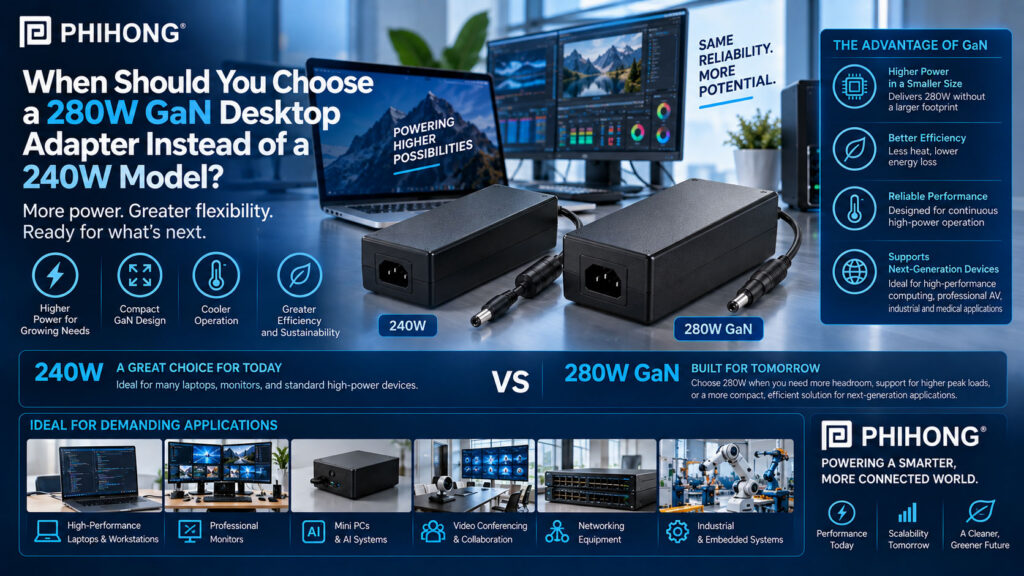
For a 20V system, the key difference between a 240W and 280W adapter is available current. Phihong’s AA240U-200A-R and AA240U-200B-R provide 20V at up to 12A for 240W, while the AA280U-200B-R increases output to 20V at 14A for 280W.
That extra 2A gives the 280W platform approximately 16.7% more rated continuous power than a 240W model. For an OEM, however, the decision should not be based on percentage alone. The important question is whether the device’s sustained load, transient demand and required engineering margin actually exceed what a 240W adapter can comfortably support.
| Comparison | 240W GaN Desktop Adapter | 280W GaN Desktop Adapter |
|---|---|---|
| Output Voltage | 20V | 20V |
| Maximum Current | 12A | 14A |
| Rated Power | 240W | 280W |
| Added Current Capacity | Baseline | +2A |
| Added Rated Power | Baseline | +40W |
| Primary Question | Does the system stay comfortably within 12A? | Does the system need more sustained 20V current or additional margin? |
Because both options are built around a 20V architecture, this is a much more direct comparison than choosing between a 20V adapter and a 54V commercial-power platform.
Why This Matters
- The 280W adapter is not simply “more powerful.” It provides additional continuous current capacity at the same 20V output.
- OEM teams should determine whether the extra 40W is actually required by the device.
What OEMs Should Do Now
- Measure maximum sustained system current at 20V.
- Compare the measured load against the 12A and 14A continuous ratings rather than selecting from nominal wattage alone.
Relevant Phihong Products
AA240U-200A-R
240W, 20V, 12A GaN desktop adapter.
AA240U-200B-R
Related 240W, 20V, 12A GaN desktop platform.
AA280U-200B-R
280W, 20V, 14A GaN desktop option for systems requiring additional continuous current capacity.
Useful Links
AA240U-200A-R Product Page: www.phihong.com/products/adapters/aa240u-200a-r/
AA240U-200B-R Product Page: www.phihong.com/products/adapters/aa240u-200b-r/
AA280U-200B-R Datasheet: www.phihong.com/wp-content/uploads/New-datasheet-AA280U-200B-R-06262025.pdf
Power Adapter Product Line: www.phihong.com/products/adapters/
Related Links
How Do You Choose a 240W, 250W, or 280W Desktop Power Adapter?: Add pillar URL once live
How 330W GaN Power Adapters Support Gaming Laptops and Mobile Workstations: www.phihong.com/how-330w-gan-power-adapters-support-gaming-laptops-and-mobile-workstations/
FEATURED PRODUCTS
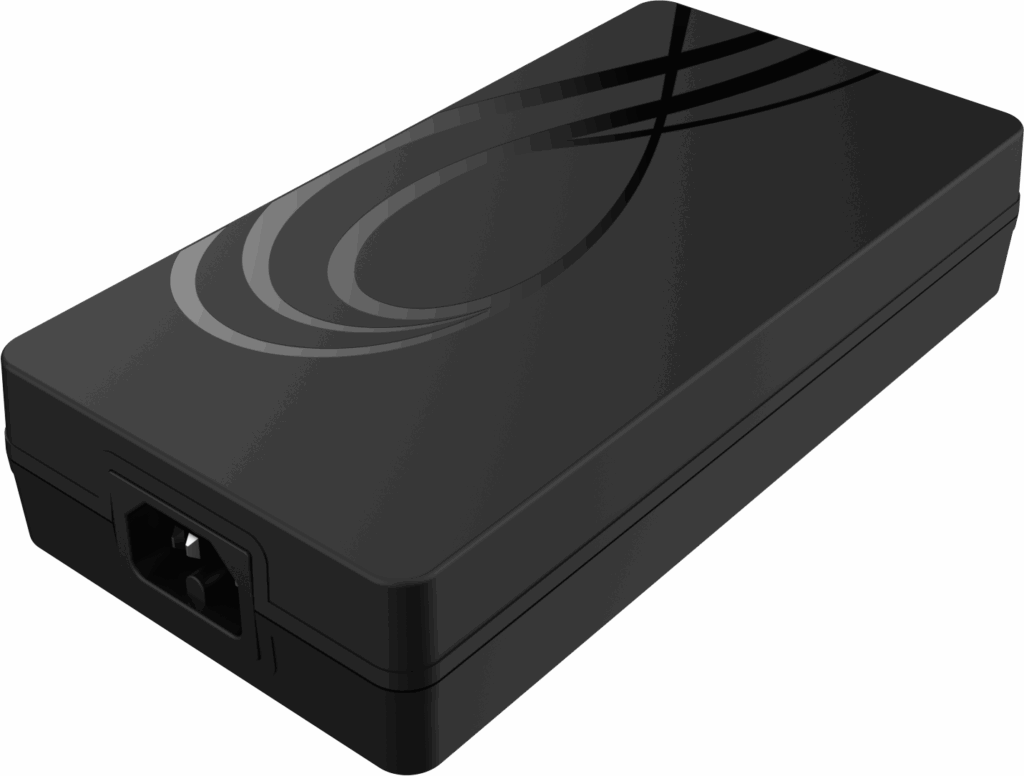
AM250U-540AP-R
- Output Power - 250W
- Output Volt - 54V
- Output Current - 4.63A
- Features - Class B EMI , US DoE Level VI Efficiency compliance, EU CoC Ver 5 Tier 2 Compliance, Over-Voltage, Over-Current, Short Circuit, & Over-Temperature Protection, 5,000 Meters Operating Altitude
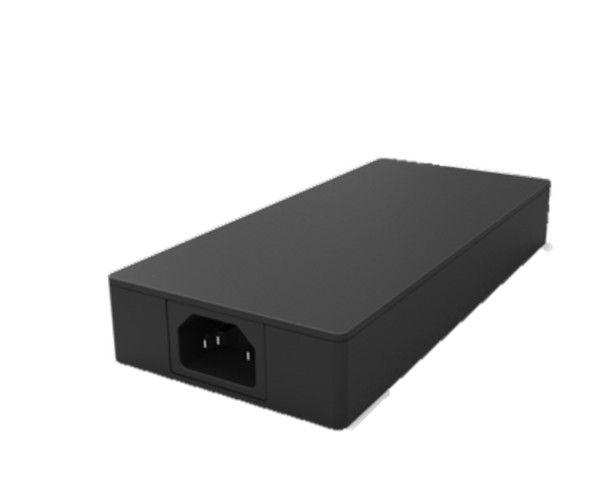
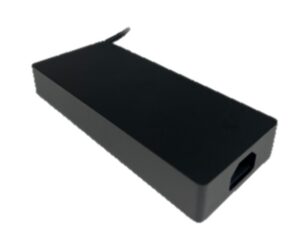
AA240U-200A-R
- Output Power - 240W
- Output Volt - 20V
- Output Current - 12A
- Features - high-efficiency desktop power supply designed for multiple applications, delivering a reliable 240W single output with advanced GaN technology for compact performance. Ideal for powering high-demand gaming systems etc with reduced heat and improved energy conversion.
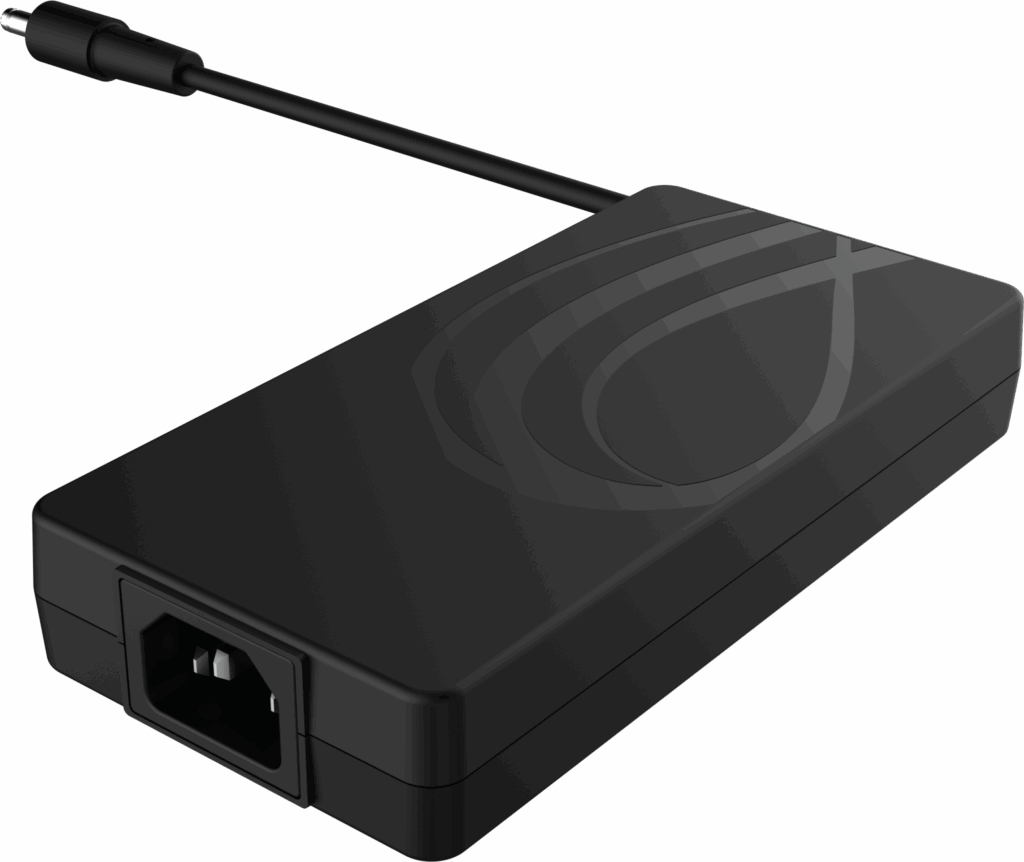
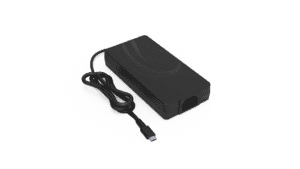
AA240U-200B-R
- Output Power - 240W
- Output Volt - 20V
- Output Current - 12A
- Features - This 240-watt GaN Series Desktop C14 Adapter delivers high power in a compact, efficient design, ideal for demanding professional and industrial applications. Its GaN technology ensures cooler operation, reliability, and space-saving performance.
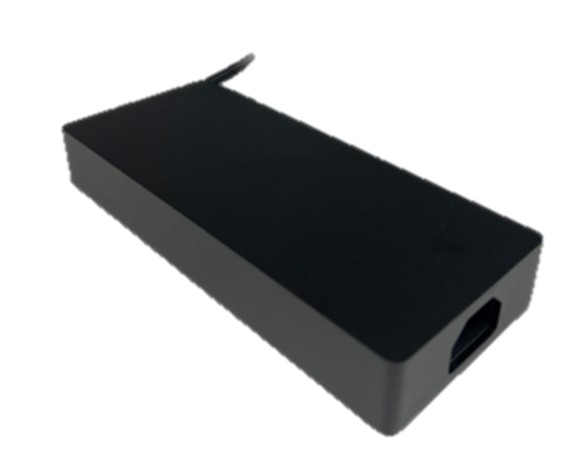
AA280U-200B-R
- Output Power - 280W
- Output Volt - 20V
- Output Current - 14A
- Features - high-efficiency desktop power supply designed for multiple applications, delivering a reliable 240W single output with advanced GaN technology for compact performance. Ideal for powering high-demand gaming systems etc with reduced heat and improved energy conversion.
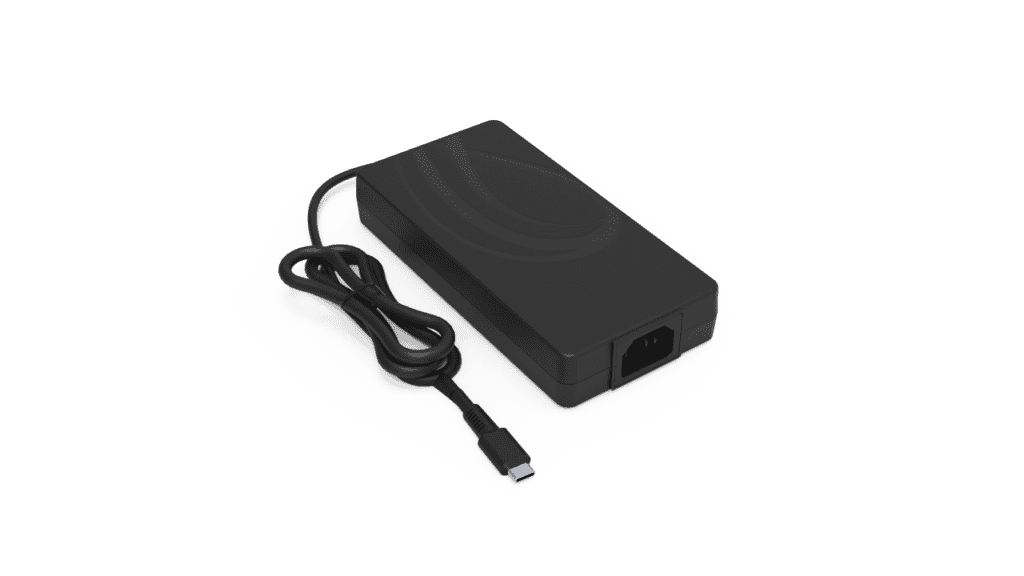
AA240U-59FKEA-R
- Output Power - 240 Watt
- Output Volt - 5Vdc/ 9Vdc/ 15Vdc/ 20Vdc/ 28V/ 36V/ 48V
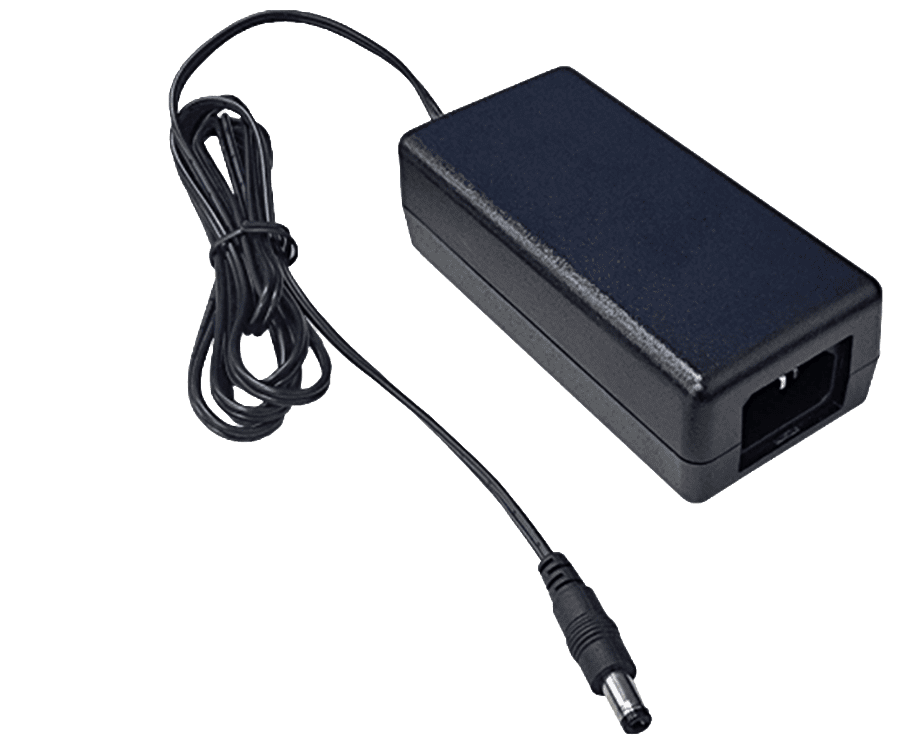
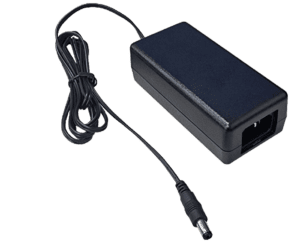
AA36U-240B-R
- Output Power - 36W
- Output Volt - 24V
- Output Current - 1.5A
- Features - C14 Inlet Receptacle, US DoE Level VI & NRCan Compliance, EU Ecodesign 2019/1782 Compliance, CoC V5 Tier 2 Compliance, Operating Altitude to 5,000 Meters, and Protections from Short Circuit, Over-Current and Over-Voltage

When Is 240W Enough for a High-Demand 20V System?
A 240W adapter can be the better choice when the device remains comfortably inside a 20V, 12A continuous-power envelope under its real operating conditions. That means engineers should look beyond average consumption and measure the system during maximum processor load, graphics activity, charging, peripheral use, startup and any other operating mode that increases power demand.
If the system normally operates well below 240W and only experiences very short transient spikes, moving automatically to a 280W adapter may not be necessary. Phihong’s 240W GaN platforms also include short-duration peak-load capability in their supplied specifications, making transient behavior an important part of the qualification process. Peak capability, however, should never be treated as additional continuous wattage.
| 240W Selection Question | What OEM Teams Should Determine |
|---|---|
| Maximum continuous load | Does the device remain below 240W under sustained worst-case operation? |
| Maximum current | Does sustained current remain comfortably below 12A? |
| Peak-load behavior | Are higher demands brief and within documented transient capability? |
| Thermal performance | Does the adapter remain within operating limits at full system load? |
| Future configuration | Will peripherals, upgrades or accessories increase power demand later? |
This is especially important for high-performance electronics because maximum system demand can be different from the product’s advertised processor or component power rating. Displays, storage, charging circuits, fans, peripherals and internal conversion losses all contribute to the total power seen by the external adapter.
Why This Matters
- A 240W adapter can be completely appropriate for a high-performance device if the complete system load remains within its continuous capability.
- Choosing 280W when it is not needed may add unnecessary size, cost or packaging requirements.
What OEMs Should Do Now
- Test the complete device rather than estimating adapter size from one component’s power rating.
- Include worst-case sustained operation and realistic accessory configurations in the measurement.
Relevant Phihong Products
AA240U-200A-R
Primary 240W comparison model.
AA240U-200B-R
Related 240W GaN platform for high-demand commercial equipment.
Useful Links
AA240U-200A-R Datasheet: www.phihong.com/wp-content/uploads/New-datasheet-AA240U-200A-R_06262025.pdf
AA240U-200B-R Datasheet: www.phihong.com/wp-content/uploads/New-datasheet-AA240U-200B-R-08252025.pdf
Contact Phihong: www.phihong.com/contact
Related Links
Best Guide to GaN Power Adapters: What Modern Devices Need From Compact, High-Density Power: www.phihong.com/best-guide-to-gan-power-adapters-what-modern-devices-need-from-compact-high-density-power/
The Power Supply Decisions OEMs Regret Most and Why They’re Hard to Fix Later: www.phihong.com/the-power-supply-decisions-oems-regret-most-and-why-theyre-hard-to-fix-later/
When Does a 20V System Actually Need a 280W Adapter?
A 280W adapter becomes more relevant when a 20V device needs more than the 12A continuous capacity available from a 240W platform, or when the system would otherwise operate too close to that limit during sustained high-demand conditions. The AA280U-200B-R provides 20V at 14A, adding 2A of rated current and 40W of continuous output compared with the 240W models.
The extra capacity can matter in systems with higher sustained processor and graphics loads, multiple internal subsystems, charging requirements, connected peripherals, or product configurations that are expected to expand. The important distinction is sustained demand. A brief transient above 240W does not automatically mean the system needs a 280W continuous rating.
| System Behavior | 240W Direction | 280W Direction |
|---|---|---|
| Sustained load comfortably below 240W | Strong candidate | Extra capacity may not be necessary |
| Sustained load approaches 240W | Requires careful margin review | May provide more continuous margin |
| Sustained current approaches 12A | Near 240W platform limit | 14A platform provides additional capacity |
| Brief millisecond-scale peaks | Review documented transient capability | Do not size only from momentary peaks |
| Future hardware adds load | Recalculate total demand | 280W may support additional headroom |
OEM teams should also avoid treating headroom as an arbitrary percentage. The appropriate margin depends on load variability, thermal environment, product lifecycle, manufacturing tolerances and system behavior. A measured 220W device with predictable operation is a different engineering case from a system that repeatedly moves between 210W and nearly 240W for long periods.
Why This Matters
- The strongest reason to move from 240W to 280W is additional sustained 20V current capacity, not simply the desire for a bigger number.
- Continuous load and transient load should be analyzed separately.
What OEMs Should Do Now
- Measure how long the device remains near its highest power level, not just the maximum instantaneous reading.
- Consider the 280W platform when sustained operation or future system configurations create insufficient margin on a 240W supply.
Relevant Phihong Products
AA280U-200B-R
Hero product for the higher-power side of this comparison, providing 20V at 14A for 280W.
AA240U-200A-R / AA240U-200B-R
The direct 20V / 12A / 240W comparison platforms.
Useful Links
AA280U-200B-R Datasheet: www.phihong.com/wp-content/uploads/New-datasheet-AA280U-200B-R-06262025.pdf
AA240U-200A-R Product Page: www.phihong.com/products/adapters/aa240u-200a-r/
AA240U-200B-R Product Page: www.phihong.com/products/adapters/aa240u-200b-r/
Contact Phihong: www.phihong.com/contact
Related Links
How 330W GaN Power Adapters Support Gaming Laptops and Mobile Workstations: www.phihong.com/how-330w-gan-power-adapters-support-gaming-laptops-and-mobile-workstations/
Best Guide to GaN Power Adapters: What Modern Devices Need From Compact, High-Density Power: www.phihong.com/best-guide-to-gan-power-adapters-what-modern-devices-need-from-compact-high-density-power/
CLIENT'S QUOTE
Phihong’s custom OEM power solutions have transformed our product development, boosting performance and reducing overhead. Their expert engineering support has simplified both the design and manufacturing phases.
How Should OEMs Compare Thermal Performance and Power Margin Between 240W and 280W Adapters?
Thermal behavior becomes more important as a system operates closer to an adapter’s continuous output limit. A 240W adapter may be electrically capable of powering a device, but if the system spends long periods near 240W, the adapter will operate under heavier thermal stress than it would at a lower load. Moving to a 280W platform can create additional continuous power margin, but the benefit depends on the actual load profile and installation environment.
This is why OEM teams should compare more than nameplate wattage. The same device should be tested with the intended adapter under realistic ambient temperature, cable routing, desk placement and ventilation conditions. A system drawing 210W continuously is a different thermal case from one that averages 150W and only reaches 220W for short periods.
| Thermal and Margin Question | 240W Adapter | 280W Adapter |
|---|---|---|
| Device operates well below 240W | Likely appropriate if other requirements are met | Additional margin may not be necessary |
| Device spends long periods near 240W | Requires careful thermal review | May provide more continuous operating margin |
| High ambient temperature | Validate temperature and derating behavior | Validate temperature and derating behavior |
| Restricted airflow | Greater need for real installation testing | Extra wattage does not replace thermal validation |
| Frequent high-load operation | Review sustained adapter temperature | Higher continuous rating may be useful |
The extra 40W of rated capacity should therefore be treated as an engineering option, not a substitute for thermal testing. A larger adapter can still experience elevated temperature if it is installed in a poor environment, while a properly matched 240W design may perform well when the actual device load remains comfortably below its limit.
Why This Matters
- Power margin and thermal margin are related, but they are not the same thing.
- A 280W adapter may provide useful continuous capacity, but OEMs still need to validate the real thermal environment.
What OEMs Should Do Now
- Measure adapter temperature during sustained worst-case device operation.
- Compare both electrical headroom and thermal behavior before deciding that 280W is necessary.
Relevant Phihong Products
AA240U-200A-R / AA240U-200B-R
240W GaN desktop platforms for 20V systems that remain within a 12A continuous envelope.
AA280U-200B-R
280W GaN desktop platform for 20V systems requiring up to 14A continuous current.
Useful Links
AA240U-200A-R Product Page: www.phihong.com/products/adapters/aa240u-200a-r/
AA240U-200B-R Product Page: www.phihong.com/products/adapters/aa240u-200b-r/
AA280U-200B-R Datasheet: www.phihong.com/wp-content/uploads/New-datasheet-AA280U-200B-R-06262025.pdf
Contact Phihong: www.phihong.com/contact
Related Links
How to Validate Thermal Performance of Open-Frame Power Supplies in Real Enclosures: www.phihong.com/how-to-validate-thermal-performance-of-open-frame-power-supplies-in-real-enclosures/
Best Guide to GaN Power Adapters: What Modern Devices Need From Compact, High-Density Power: www.phihong.com/best-guide-to-gan-power-adapters-what-modern-devices-need-from-compact-high-density-power/
How Does Phihong Support 240W vs 280W GaN Desktop Adapter Selection?
Phihong’s 240W and 280W GaN desktop platforms give OEM teams a direct way to compare two power levels within the same 20V system architecture. The AA240U-200A-R and AA240U-200B-R provide 20V at 12A for 240W, while the AA280U-200B-R provides 20V at 14A for 280W.
That means the selection can stay focused on the real engineering question: how much continuous current does the device need, how close does it operate to the 240W limit and whether the additional 2A of available current in the 280W model provides meaningful system margin.
| Phihong Product | Output | Rated Current | Selection Direction |
|---|---|---|---|
| AA240U-200A-R | 20V / 240W | 12A | High-demand systems within a 240W continuous envelope |
| AA240U-200B-R | 20V / 240W | 12A | Related professional 240W GaN platform |
| AA280U-200B-R | 20V / 280W | 14A | Systems requiring additional sustained 20V current |
For OEM teams, this is a cleaner comparison than mixing in a 54V 250W adapter because the voltage architecture remains constant. Engineers can focus on continuous load, peak behavior, thermal performance, connector requirements and future power growth without first resolving a voltage mismatch.
Why This Matters
- The 240W and 280W platforms support the same 20V architecture but different continuous current levels.
- The strongest reason to move to 280W is a documented need for more sustained current or additional system margin.
What OEMs Should Do Now
- Compare the device’s measured current profile directly against the 12A and 14A ratings.
- Contact Phihong to review whether the 240W or 280W GaN platform better matches the application.
Relevant Phihong Products
AA240U-200A-R
240W, 20V, 12A GaN desktop adapter.
AA240U-200B-R
Related 240W, 20V, 12A GaN desktop option.
AA280U-200B-R
280W, 20V, 14A GaN desktop adapter and hero product for the higher-power side of this comparison.
Useful Links
AA240U-200A-R Product Page: www.phihong.com/products/adapters/aa240u-200a-r/
AA240U-200B-R Product Page: www.phihong.com/products/adapters/aa240u-200b-r/
Power Adapter Product Line: www.phihong.com/products/adapters/
Contact Phihong: www.phihong.com/contact
Related Links
How 330W GaN Power Adapters Support Gaming Laptops and Mobile Workstations: www.phihong.com/how-330w-gan-power-adapters-support-gaming-laptops-and-mobile-workstations/
The Power Supply Decisions OEMs Regret Most and Why They’re Hard to Fix Later: www.phihong.com/the-power-supply-decisions-oems-regret-most-and-why-theyre-hard-to-fix-later/
Choosing a 280W GaN desktop adapter instead of a 240W model should come down to measured sustained power demand, current requirement and system margin. Both platforms operate at 20V, so the decision is primarily about whether 12A and 240W are enough or whether the device benefits from the 14A and 280W capability of the higher-power model.
For OEM teams, the best approach is to measure the actual system under worst-case continuous operation, separate transient peaks from sustained demand and verify thermal performance in the intended installation. If the system remains comfortably within the 240W envelope, a 240W model may be the better fit. If sustained demand approaches or exceeds that range, the 280W platform may provide the additional capacity the system needs.

CONTACT US TODAY
From concept to production, Phihong delivers custom OEM power solutions tailored to your specifications.
FAQ
What is the difference between a 240W and 280W GaN desktop adapter?
The main difference in this Phihong comparison is rated continuous current at the same 20V output. The 240W models provide up to 12A, while the AA280U-200B-R provides up to 14A. That gives the 280W adapter 40W more rated continuous output capacity.
When should I choose a 280W adapter instead of a 240W adapter?
A 280W adapter becomes more relevant when the system’s sustained power demand approaches the 240W limit, when continuous current approaches 12A, or when future hardware configurations require additional margin. OEM teams should base the decision on measured system behavior rather than choosing the larger adapter automatically.
Is 280W always better than 240W?
No. More available power is not automatically better. If the device operates comfortably within the 240W adapter’s continuous capability, the larger adapter may not provide a meaningful benefit. Size, cost, packaging, thermal behavior and system requirements should all be considered.
Does a short power spike mean I need a 280W adapter?
Not necessarily. Short transient peaks and continuous power demand should be analyzed separately. Phihong’s high-wattage adapters may include documented short-duration peak capability, but that is not the same as continuous output. Engineers should measure the duration and repetition of the peak before changing adapter size.
How much more current does a 280W 20V adapter provide?
At 20V, a 240W adapter provides up to 12A while a 280W adapter provides up to 14A. That is an additional 2A of rated current capacity, or 40W of additional continuous output.
POE technology supports the centralization of power

AC Adapter Guide: Everything You Need to Know
Moreover, PoE technology supports the centralization of power management. By powering devices through a PoE-enabled network …
AC DC Power Chargers and How They Work: A Comprehensive Technical Breakdown
Moreover, PoE technology supports the centralization of power management. By powering devices through a PoE-enabled network …

USB-C Charger: Shaping the Future of the Tech World
Moreover, PoE technology supports the centralization of power management. By powering devices through a PoE-enabled network …

AC Adapter Guide: Everything You Need to Know
Moreover, PoE technology supports the centralization of power management. By powering devices through a PoE-enabled network …

AC DC Power Chargers and How They Work: A Comprehensive Technical Breakdown
Moreover, PoE technology supports the centralization of power management. By powering devices through a PoE-enabled network …

USB-C Charger: Shaping the Future of the Tech World
Moreover, PoE technology supports the centralization of power management. By powering devices through a PoE-enabled network …