






BLOG
Why Supply Chain Resilience Is Now a Power Supply Design Requirement for OEMs
QUICK LINKS

Why Has Supply Chain Resilience Become a Core Power Supply Design Requirement?
Supply chain resilience has become a core design requirement because power supply performance is no longer defined solely by electrical specifications. Availability, sourcing flexibility, and lifecycle continuity now directly influence whether a product can be manufactured, delivered, and supported over time. OEMs are recognizing that even the best-designed power supply has limited value if it cannot be produced consistently.
Power supplies are particularly sensitive because they depend on tightly integrated global component networks. Semiconductors, magnetics, and passive components often come from different regions, making them vulnerable to disruption. A shortage or delay in one component can halt production of the entire system.
This shift is changing how OEMs approach design. Instead of optimizing purely for performance and cost, they are incorporating supply chain considerations into early engineering decisions. Resilience is no longer a procurement issue. It is part of the design process.
FEATURED PRODUCTS
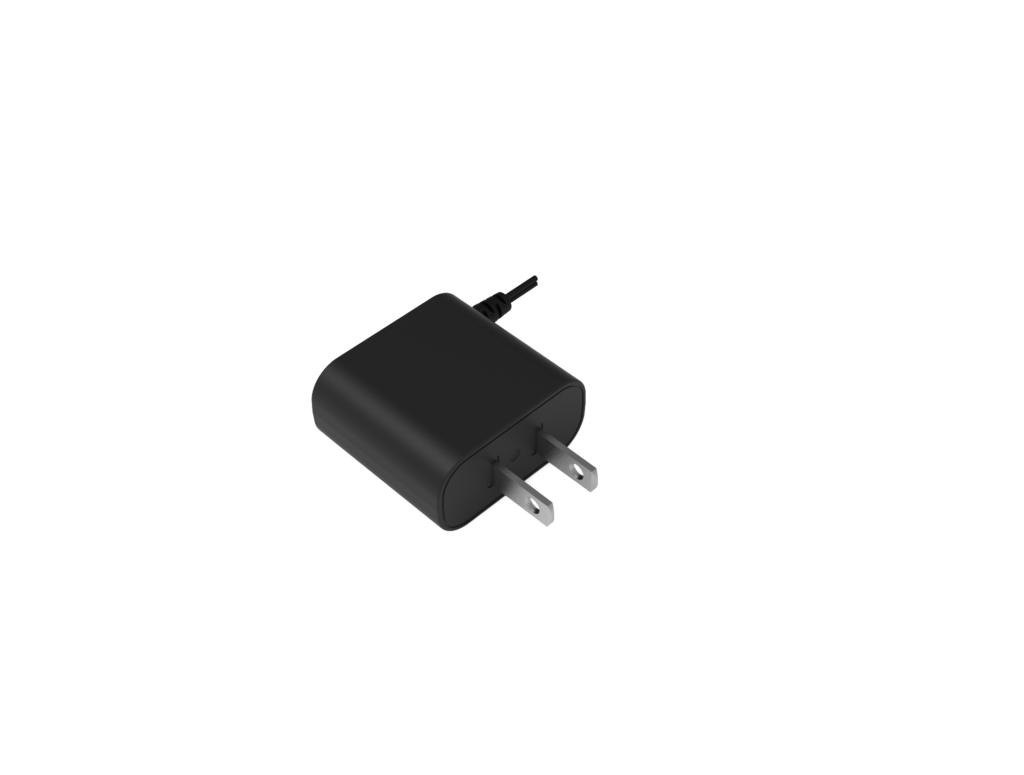
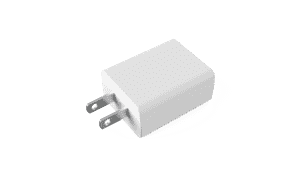
AA03A-075A-R
- Output Power - 2.75W
- Output Volt - 7.5V
- Output Current - 0.366A
- Features - Fixed Blade AC Input, Limited Power Source, Class B EMI, Level VI Efficiency, Standard Barrel Connector
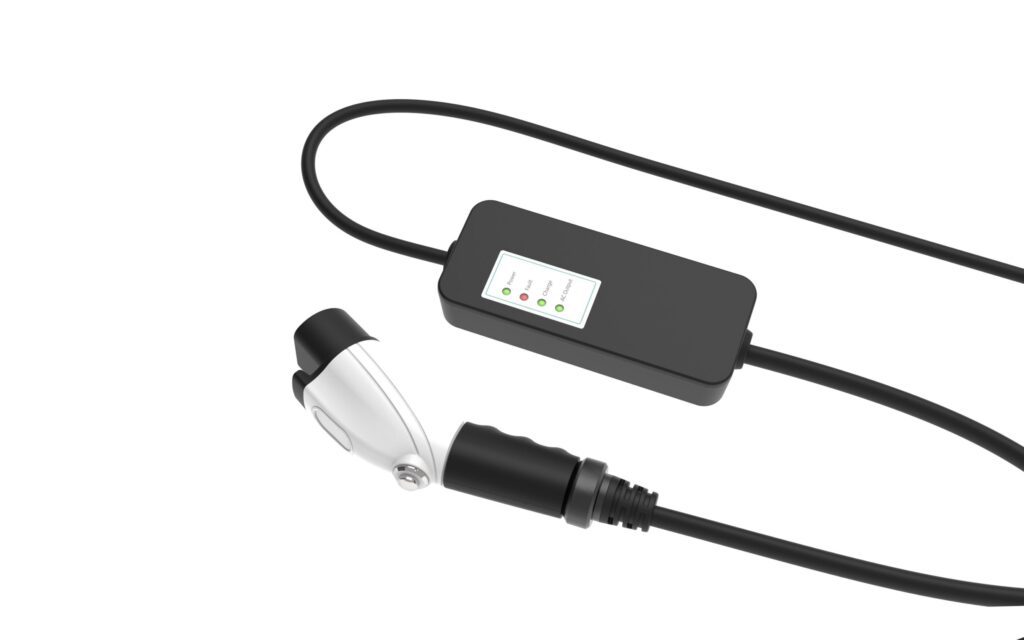
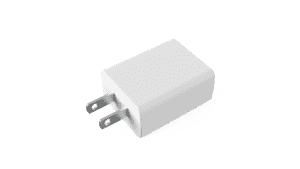
AC Series
- Output Current - 16A
- Features - Mode 2-chargers can use a circuit ranging from 8Amp to 16Amp with a local standard AC input plug installed for operation, Provides overcurrent, over voltage and short circuit protection, Protected against strong jets of water from all directions, Continuously monitors/supervises the ground connection between the AC supply and EV to ensure safe and reliable charging
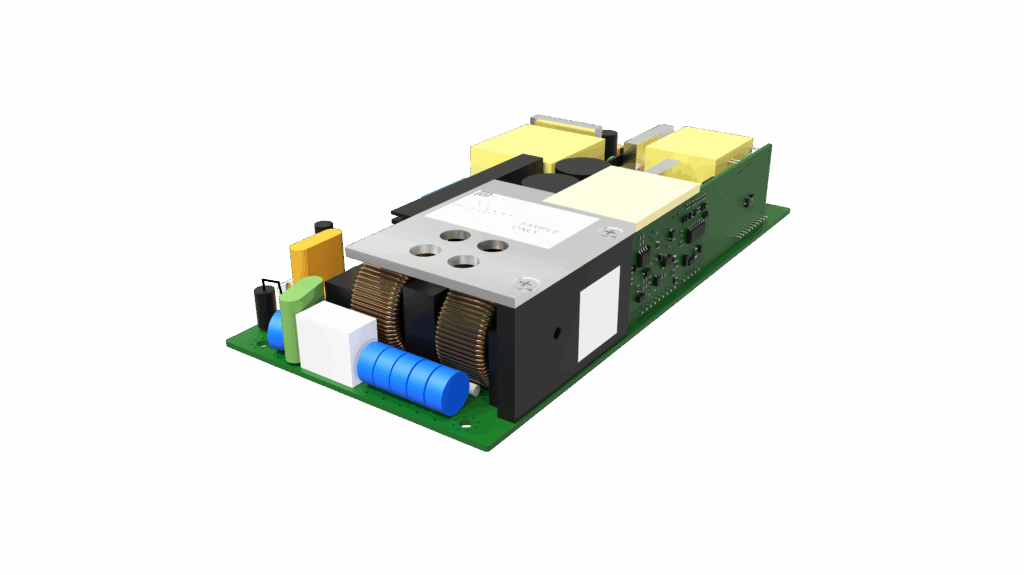
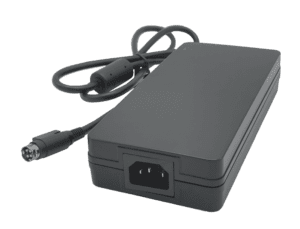
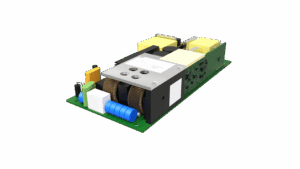
BF550-234A-R
- Output Power - 550W
- Output Volt - 12Vdc / 54.5Vdc
- Features - Universal AC Input range, Class I Design , Class B EMI , High Efficiency Performance , OVP, OCP, SCP, OTP Protections , Operating Altitude: 5,000M
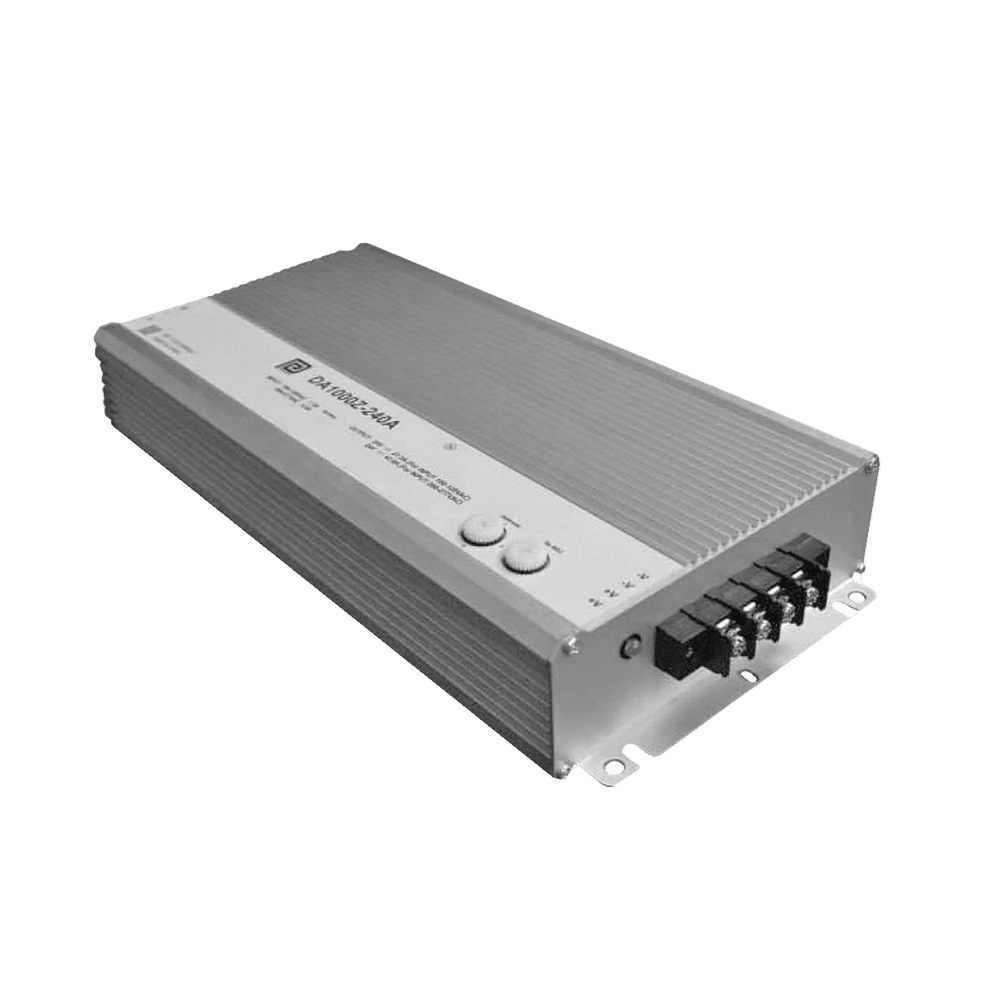
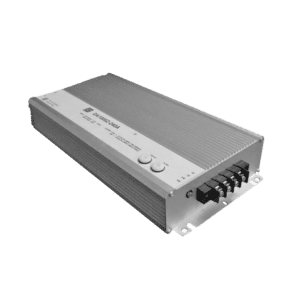
DA1000Z-240AEV-R
- Output Power - 1000W
- Output Volt - 24V
- Output Current - 1000W
- Features - Extended operating temperature range of -40℃ to 70℃, Fan-less aluminum case filled with heat conductive glue, Able to withstand 10G vibration, Power on LED indicator, Short Circuit, Over Current, Over Voltage, and Over Temperature Protections, & Adjustable output through potentiomete
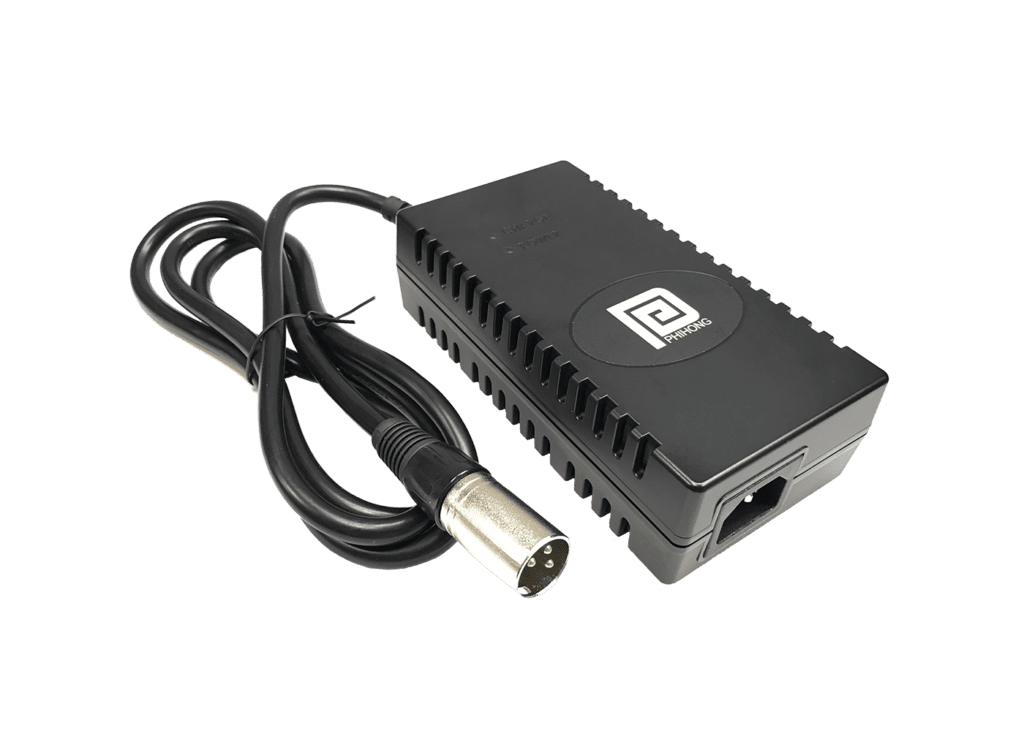
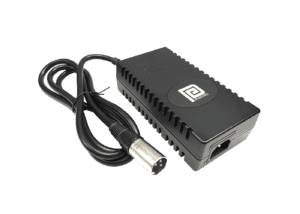
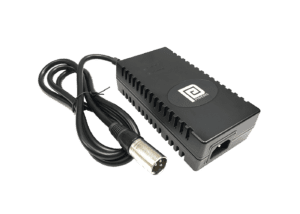
DA60U-240A-R
- Output Power - 60W
- Output Volt - 24V
- Output Current - 2.5A
- # of ports - 1
- Features - RESNA Compliant, CEC Compliant, LED Indicators Charge State, OVP, OTP, SCP, Charges AGM Batteries, Max 12hrs Charging Time
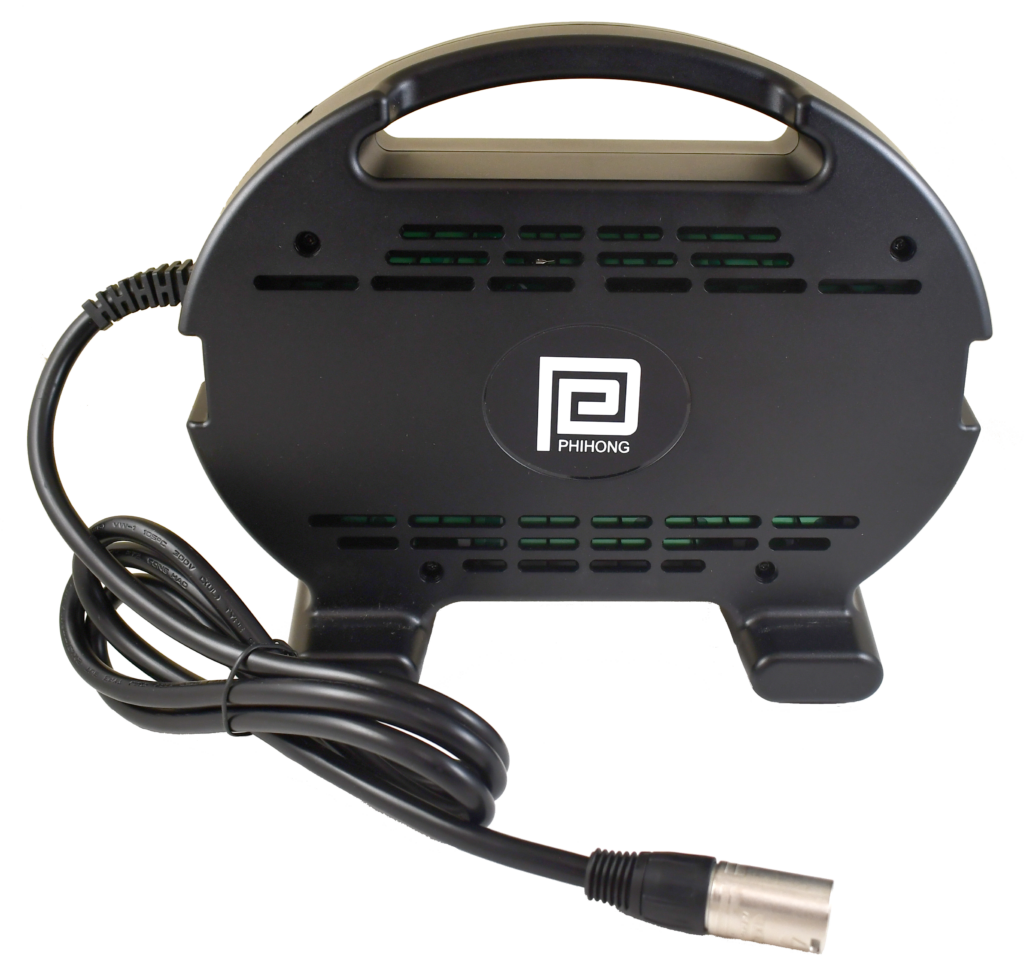
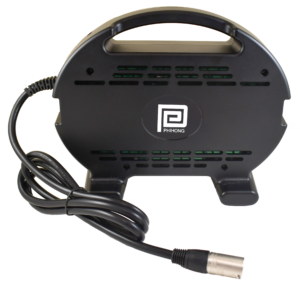
DA200U-250A-R
- Output Power - 200W
- Output Volt - 24V
- Output Current - 8A
- # of ports - 1
- Features - RESNA Compliant, CEC Compliant, LED Indicators Charge State, OVP, OTP, SCP, Dual-Mode Charger, Charges GEL or AGM batteries, Max 12hrs Charging Time
Why This Matters
• Design decisions now directly affect manufacturing continuity
• Component availability influences product viability
• Supply chain risk can override performance advantages
What’s Driving This Shift
• Increased frequency of global supply disruptions
• Growing complexity of multi-tier sourcing networks
• Demand for long-lifecycle product stability
What OEMs Should Do Now
• Integrate supply chain considerations into design decisions
• Identify high-risk components early in development
• Align engineering with procurement and sourcing strategy
Mini Q&A
Why is resilience now part of design, not just procurement?
Because availability directly affects product viability.
Are power supplies more affected than other subsystems?
Yes, due to complex component dependencies.
Can design decisions reduce supply risk?
Yes, when flexibility is built in early.
Resilience is becoming a defining characteristic of effective power supply design.
How Do Power Supply Design Choices Influence Supply Chain Risk?
Power supply design choices influence supply chain risk by determining how dependent a product is on specific components, suppliers, and regions. Designs that rely on tightly specified, single-source components create bottlenecks that are difficult to resolve when shortages occur. Conversely, flexible designs allow OEMs to adapt sourcing without major redesign.
Component selection is one of the most critical factors. Choosing parts with limited availability or short lifecycles increases exposure to disruption. Designing with interchangeable components or validated alternates improves resilience and provides procurement teams with more options.
Manufacturing compatibility also plays a role. Power supplies designed to be built in multiple regions allow OEMs to shift production as needed. This reduces dependency on any single location and improves continuity during disruptions.
Why This Matters
• Design choices determine sourcing flexibility
• Component selection affects long-term availability
• Manufacturing compatibility influences resilience
What’s Driving This Shift
• Recognition of design as a supply chain constraint
• Increasing need for adaptable sourcing strategies
• Greater emphasis on long-term availability
What OEMs Should Do Now
• Select components with multiple sourcing options
• Validate alternates during development
• Design for multi-region manufacturing capability
Mini Q&A
Can design reduce supply chain risk?
Yes, flexible designs improve adaptability.
What is the biggest design risk?
Single-source component dependency.
Should alternates be validated early?
Yes, to avoid delays later.
Design flexibility is a key enabler of supply chain resilience.
What Risks Do OEMs Face When Power Supply Designs Lack Resilience?
When power supply designs lack resilience, OEMs face risks that extend beyond procurement into production, compliance, and customer delivery. A component shortage can halt production lines, delay shipments, and disrupt entire product portfolios. These risks are amplified in industrial and long-lifecycle products.
Redesign is often the only solution when flexibility is not built in. However, redesign introduces its own challenges, including revalidation, compliance testing, and potential performance changes. These processes are time-consuming and costly, especially when performed under pressure.
Lack of resilience also affects long-term support. OEMs may struggle to maintain service or replacement programs if components become unavailable. This impacts customer trust and can lead to premature product end-of-life decisions.
Why This Matters
• Lack of resilience leads to production disruption
• Redesign increases cost and delays
• Long-term support becomes difficult
What’s Driving This Shift
• Increased exposure to component shortages
• Growing complexity of compliance and validation
• OEM need to maintain long-term product support
What OEMs Should Do Now
• Identify resilience gaps in existing designs
• Prioritize flexibility in new product development
• Plan for lifecycle continuity early
Mini Q&A
What happens when a critical component becomes unavailable?
Production may stop until alternatives are validated.
Is redesign always avoidable?
Not always, but early planning reduces need.
Can lack of resilience affect customer relationships?
Yes, through delays and support issues.
Resilience gaps can quickly become operational and strategic risks.
CLIENT'S QUOTE
Phihong's Power-Over-Ethernet solutions have transformed our network, boosting efficiency and reducing costs. Their seamless integration has simplified both installation and maintenance.
How Must Engineering and Procurement Align to Build Supply Chain Resilience?
Engineering and procurement must operate as a unified decision-making system to build true supply chain resilience. In traditional models, engineering defined the design while procurement sourced components afterward. This separation is no longer effective in volatile supply environments, especially for power supplies with tightly coupled component dependencies.
Alignment ensures that design choices reflect sourcing realities. Engineering teams must understand supplier constraints, lifecycle risks, and availability trends, while procurement must understand technical requirements and acceptable alternates. Without this alignment, designs can unintentionally create bottlenecks that are difficult to resolve later.
Cross-functional collaboration also improves response time. When disruptions occur, aligned teams can evaluate alternatives quickly and implement changes without unnecessary delays.
Why This Matters
• Reduces disconnect between design and sourcing decisions
• Improves flexibility in responding to shortages
• Enables faster decision-making during disruptions
What’s Driving This Shift
• Increasing complexity of global supply chains
• Need for faster response to changing conditions
• Recognition of supply chain as a design constraint
What OEMs Should Do Now
• Integrate procurement into early design discussions
• Establish shared metrics for design and sourcing decisions
• Create processes for ongoing cross-functional collaboration
Mini Q&A
Why is alignment between teams critical now?
Because design decisions directly affect sourcing flexibility.
Can procurement influence design choices?
Yes, especially regarding component availability.
Does alignment improve response time?
Yes, it enables faster adaptation to change.
Engineering and procurement alignment is essential for building resilient power supply strategies.
How Does Multi-Region Manufacturing Strengthen Power Supply Design Resilience?
Multi-region manufacturing strengthens resilience by allowing OEMs to distribute production across different geographic locations. This reduces dependency on any single region and provides flexibility to shift production in response to disruptions, tariffs, or supply constraints.
For power supplies, multi-region capability requires designs that can be produced consistently across different facilities. This includes standardization, validated alternates, and compatibility with regional sourcing. Without these design considerations, shifting production can require costly redesign and requalification.
OEMs are increasingly treating multi-region manufacturing as a design requirement rather than a contingency plan. This approach improves continuity and reduces the risk of disruption.
Why This Matters
• Reduces reliance on single-region manufacturing
• Improves ability to adapt to disruptions
• Supports global production flexibility
What’s Driving This Shift
• Geopolitical and trade-related uncertainties
• Growth of alternative manufacturing regions
• OEM need for diversified production strategies
What OEMs Should Do Now
• Design power supplies for multi-region compatibility
• Validate production across different facilities
• Align manufacturing strategy with global deployment plans
Mini Q&A
Does multi-region manufacturing eliminate risk?
No, but it significantly reduces dependency risk.
Can designs be used across regions without changes?
Only if designed and validated for that purpose.
Is multi-region manufacturing becoming standard?
Yes, especially for global OEMs.
Multi-region strategies transform resilience from a reactive measure into a built-in capability.
How Should OEMs Design for Long-Term Supply Chain Stability?
Designing for long-term stability requires OEMs to think beyond immediate production needs and consider how supply chains will evolve over time. Power supply designs must account for component lifecycle, potential obsolescence, and changes in manufacturing conditions.
Stability comes from flexibility. Designs that support alternate components, adaptable sourcing, and consistent performance across conditions are better positioned to withstand disruption. OEMs must also establish processes for continuous monitoring and adjustment as supply conditions change.
Long-term stability is not achieved through a single decision. It is the result of ongoing alignment between design, procurement, and manufacturing strategy.
Why This Matters
• Supports long-term production and product availability
• Reduces risk of repeated redesign cycles
• Improves overall supply chain resilience
What’s Driving This Shift
• Increasing component lifecycle variability
• Growing importance of long-term planning
• Need for continuous adaptation to change
What OEMs Should Do Now
• Incorporate lifecycle planning into design decisions
• Build flexibility into power supply architectures
• Establish processes for continuous supply chain monitoring
Mini Q&A
Can OEMs fully stabilize supply chains?
No, but they can significantly reduce risk.
Is long-term planning more important than short-term optimization?
Yes, for sustained stability.
Should supply chain strategy evolve over time?
Yes, continuous adjustment is required.
Long-term stability is achieved through proactive design and ongoing strategy alignment.
How Phihong Supports OEMs Designing for Supply Chain Resilience
Phihong supports OEMs by aligning power supply design with real-world supply chain conditions rather than static sourcing assumptions. By maintaining multi-region manufacturing capabilities and consistent quality systems, Phihong enables OEMs to build products that remain manufacturable even as global conditions shift.
Power supply solutions are developed with flexibility and lifecycle continuity in mind, including support for alternate components and compatibility across production environments. This allows OEMs to adapt sourcing strategies without requiring redesign or requalification, reducing both cost and disruption.
Phihong also emphasizes long-term collaboration and transparency. Through engineering support, documentation continuity, and supply chain visibility, OEMs can anticipate changes and respond proactively, ensuring stable production and product performance over time.
Why This Matters
• Supports consistent manufacturing across changing conditions
• Reduces disruption from supply chain shifts
• Enables long-term product stability
What’s Driving This Shift
• OEM demand for resilient and adaptable supply chains
• Increasing volatility in global sourcing environments
• Need for long-term alignment between design and manufacturing
What OEMs Should Do Now
• Prioritize suppliers with multi-region capabilities
• Align design strategy with sourcing flexibility
• Build long-term supplier partnerships
Phihong’s approach enables OEMs to design for resilience rather than react to disruption.

FEATURED RESOURCE
Phihong's Power-Over-Ethernet solutions have transformed our network, boosting efficiency and reducing costs.
FAQ
What does supply chain resilience mean in power supply design?
It means designing power supplies that can be manufactured and supported despite changes in sourcing, availability, or manufacturing location. This includes flexibility in components and production.
Resilience ensures continuity over time.
Why is supply chain resilience now a design requirement?
Because sourcing constraints directly impact whether products can be built. Design decisions determine how easily OEMs can adapt to changes.
Design and supply chain are now interconnected.
How can OEMs improve resilience without increasing cost too much?
By applying flexibility selectively, focusing on critical components, and using hybrid sourcing strategies. Not all parts require the same level of redundancy.
Balanced strategies optimize both cost and risk.
Does multi-region manufacturing guarantee resilience?
No, but it significantly reduces dependency on a single region. It must be combined with flexible design and strong processes.
It is one part of a broader strategy.
What is the biggest risk in ignoring supply chain resilience?
The biggest risk is production disruption, which can lead to delays, lost revenue, and customer dissatisfaction. These impacts often outweigh initial cost savings.
Planning early reduces this risk.
POE technology supports the centralization of power

AC Adapter Guide: Everything You Need to Know
Moreover, PoE technology supports the centralization of power management. By powering devices through a PoE-enabled network …
AC DC Power Chargers and How They Work: A Comprehensive Technical Breakdown
Moreover, PoE technology supports the centralization of power management. By powering devices through a PoE-enabled network …

USB-C Charger: Shaping the Future of the Tech World
Moreover, PoE technology supports the centralization of power management. By powering devices through a PoE-enabled network …

AC Adapter Guide: Everything You Need to Know
Moreover, PoE technology supports the centralization of power management. By powering devices through a PoE-enabled network …

AC DC Power Chargers and How They Work: A Comprehensive Technical Breakdown
Moreover, PoE technology supports the centralization of power management. By powering devices through a PoE-enabled network …

USB-C Charger: Shaping the Future of the Tech World
Moreover, PoE technology supports the centralization of power management. By powering devices through a PoE-enabled network …