






BLOG
Top 10 Clinical Applications for 60W–65W Medical Power Supplies
QUICK LINKS

Why Is the 60W–65W Range So Useful in Modern Medical Equipment?
The 60W–65W range sits in a practical middle ground for medical devices. It is high enough to support displays, processors, small motors, battery charging, and continuous operation, but still compact enough to work well in portable, cart-based, and bedside systems. Your draft frames this wattage range as a critical utility bracket, and Phihong’s live medical catalog supports that positioning with multiple 60W–65W medical open-frame models in the PML065 family.
Those current Phihong product pages also reinforce why this range works so well in healthcare design. The listed 60W–65W medical models are Class II designs, meet DOE Level VI, include Class B EMI performance, OVP, SCP, and OCP, and specify touch current below 100 µA. That combination makes the range especially relevant where safety, moderate power density, and clean integration matter more than sheer wattage.
Useful Links
- Phihong medical power supplies and adapters catalog
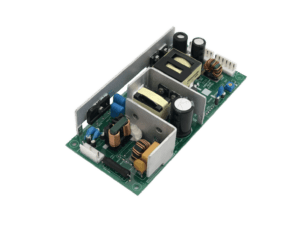
- 65W 15V open-frame medical power supply
- 60W–65W adapter and power supply catalog listings
Related Articles
- Best guide to medical power supplies for modern medical devices
- Medical power supply: how to choose the best solution for safe, reliable medical devices
- What is IEC 60601 and why it matters for medical power supply design
Which Clinical Devices Most Commonly Fit the 60W–65W Medical Power Class?
This power class tends to fit devices that need more than simple sensor power, but less than large stationary imaging or surgical systems. It is especially useful when the product needs to run a display, charge an internal battery, support mobile operation, or tolerate moderate surge loads from motors or pumps. Your uploaded draft points to portable and motorized applications as the natural home for this bracket, and that aligns well with how Phihong positions its medical power content around architecture choice, thermal behavior, and intended use.
Phihong’s recent medical articles also help frame why this category matters. Its April 2026 articles emphasize choosing power architecture based on safety, thermal constraints, leakage current, and application fit, while the live catalog shows that Phihong’s current medical range spans 5W to 60W, with 65W-class models visible in the individual PML065 product family. That makes 60W–65W a strong niche topic for OEM readers evaluating real device classes rather than abstract wattage alone.
Useful Links
- How to choose an open-frame medical power supply for embedded healthcare equipment
- Medical power supply vs. adapter: what’s the difference
- IEC 60601 explained for medical power supplies
Related Articles
- How thermal design affects open-frame medical power supply performance
- How to choose an open-frame medical power supply for embedded healthcare equipment
- Medical power supply selection guide for OEMs
Before getting into the list, the main takeaway is that 60W–65W is not just a number on a datasheet. It is a power class that often matches the real needs of portable, battery-supported, motor-assisted, and display-heavy medical products that still need medically appropriate safety and EMI behavior.
1. Portable CPAP and BiPAP Machines
Portable CPAP and BiPAP systems are a strong fit for this wattage range because they often need to run airflow hardware while also supporting user controls, alarms, and sometimes heated humidification. Your draft places these devices near the top of the list, and that makes sense because respiratory support products often sit in the overlap between portability and continuous-use reliability.
This application also aligns with the kinds of specs visible on Phihong’s current medical 60W–65W family, including Class II design, low touch current, and DOE Level VI efficiency on the PML065 series. Those traits are useful in products that may be used for long periods and in home-care-like settings where quiet operation and dependable thermal behavior matter.
2. Infusion and Insulin Pump Systems
Infusion and insulin pump platforms often combine display electronics, control logic, alarms, battery support, and motorized delivery mechanisms. That makes the 60W–65W class a practical fit where the design needs enough electrical headroom without moving into oversized power territory. Your source file correctly emphasizes motor support and fault protection here.
Phihong’s 60W–65W medical product pages explicitly list OVP, SCP, and OCP in the PML065 family, which reinforces the value of this wattage class for controlled delivery systems where stable output and protection behavior matter.
3. Portable Ultrasound Systems
Portable ultrasound is one of the clearest examples of why this bracket matters. These systems often need display power, processing capability, and battery charging support in a form factor that still has to remain mobile. Your draft calls out tablet-sized ultrasound as a key application, and that aligns well with the broader industry pattern of compact, power-dense diagnostic hardware.
Phihong’s recent medical articles also support the architecture logic behind this use case, especially where open-frame and external options are evaluated based on thermal, EMC, and integration tradeoffs. For ultrasound-type devices, the ability to move heat and mains complexity outside the handheld or clinician-facing unit can be a significant design advantage.
4. Patient Vital Sign Monitors
Vital sign monitors are a natural fit for this range because they typically combine multi-parameter sensing with displays, alarm systems, communication functions, and sometimes battery backup. Your uploaded draft is right to stress the importance of low leakage and stable power behavior in this category.
That point also aligns with Phihong’s recent article on leakage current and its IEC 60601 content, both of which connect low leakage and isolation design directly to medical applications involving patient-connected measurement systems.
5. Portable and Transport Ventilators
Transport ventilators need enough power to run turbines or blower assemblies, control electronics, alarms, and battery charging while remaining compact and reliable. That makes 60W–65W a strong application band for many portable respiratory systems. Your draft positions this as a high-duty-cycle use case, which fits the practical demands of transport and mobile care.
The relevance of this bracket is reinforced by Phihong’s current medical power messaging around safe architecture selection, thermal management, and low touch current in medically compliant supplies. Those are all valuable characteristics in products expected to operate for long intervals in clinical and transport conditions.
FEATURED PRODUCTS
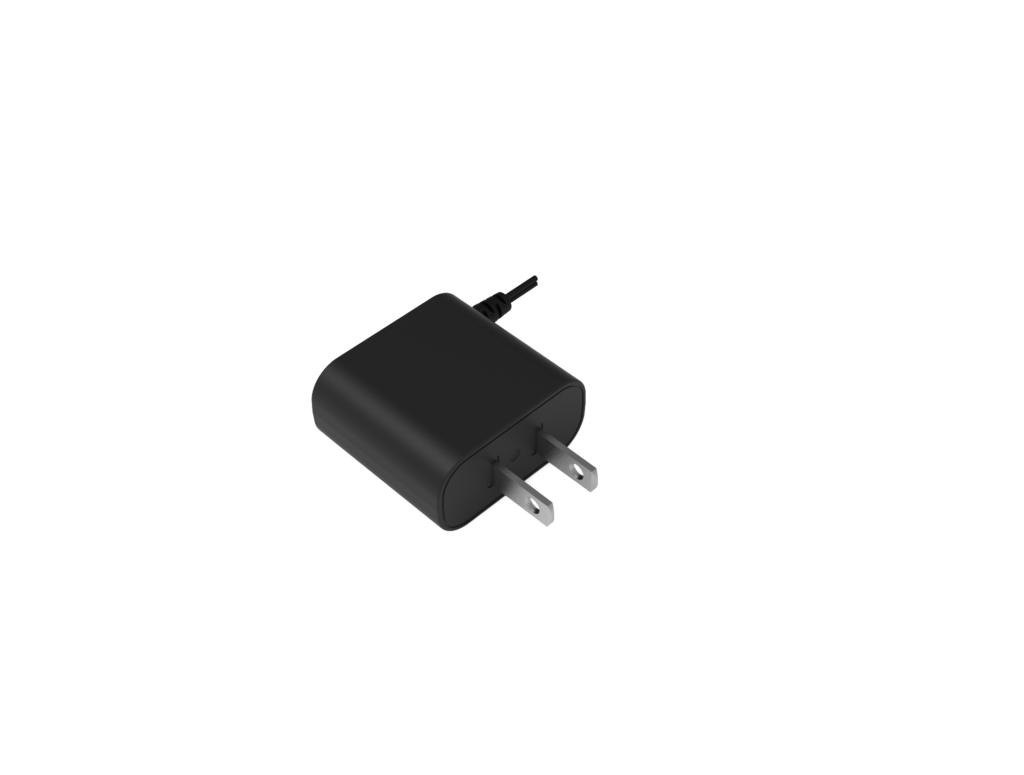
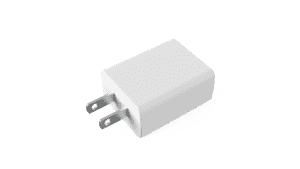
AA03A-075A-R
- Output Power - 2.75W
- Output Volt - 7.5V
- Output Current - 0.366A
- Features - Fixed Blade AC Input, Limited Power Source, Class B EMI, Level VI Efficiency, Standard Barrel Connector
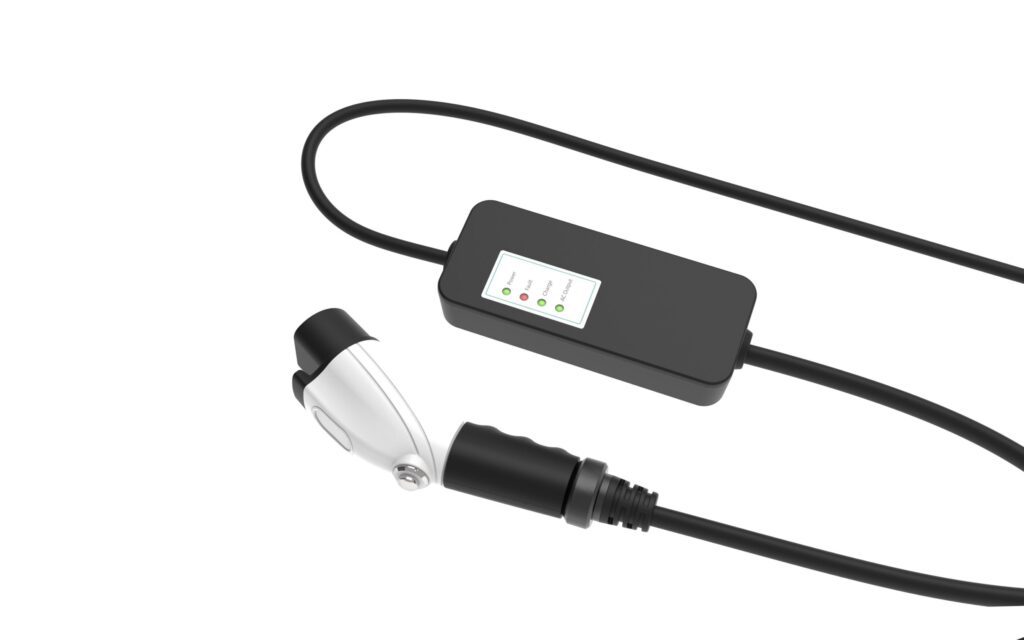
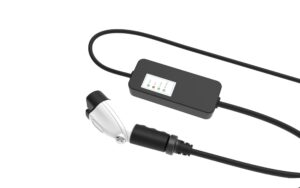
AC Series
- Output Current - 16A
- Features - Mode 2-chargers can use a circuit ranging from 8Amp to 16Amp with a local standard AC input plug installed for operation, Provides overcurrent, over voltage and short circuit protection, Protected against strong jets of water from all directions, Continuously monitors/supervises the ground connection between the AC supply and EV to ensure safe and reliable charging
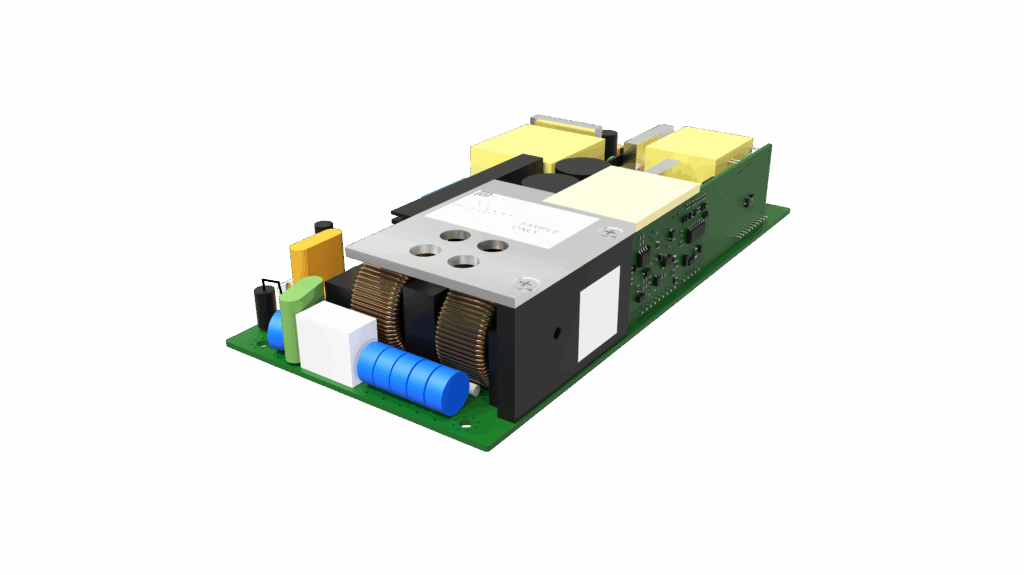
BF550-234A-R
- Output Power - 550W
- Output Volt - 12Vdc / 54.5Vdc
- Features - Universal AC Input range, Class I Design , Class B EMI , High Efficiency Performance , OVP, OCP, SCP, OTP Protections , Operating Altitude: 5,000M
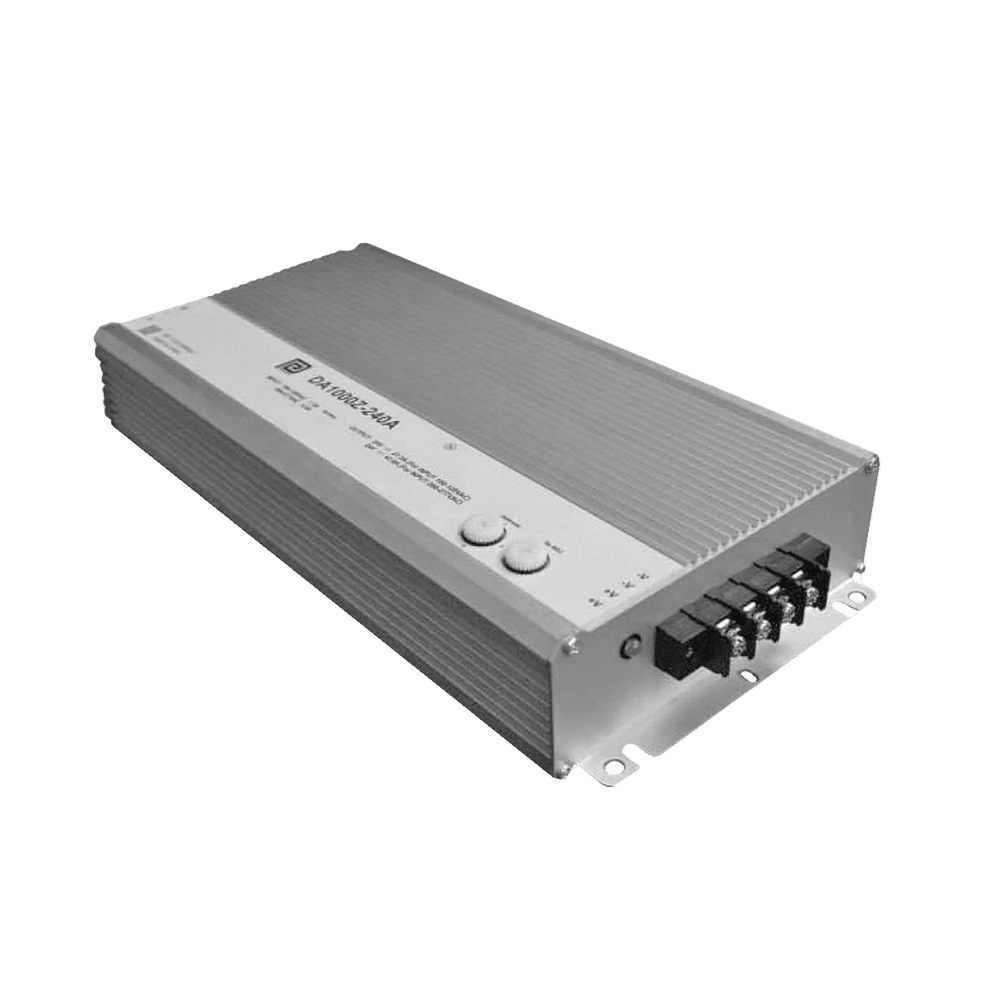
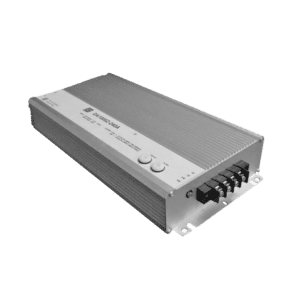
DA1000Z-240AEV-R
- Output Power - 1000W
- Output Volt - 24V
- Output Current - 1000W
- Features - Extended operating temperature range of -40℃ to 70℃, Fan-less aluminum case filled with heat conductive glue, Able to withstand 10G vibration, Power on LED indicator, Short Circuit, Over Current, Over Voltage, and Over Temperature Protections, & Adjustable output through potentiomete
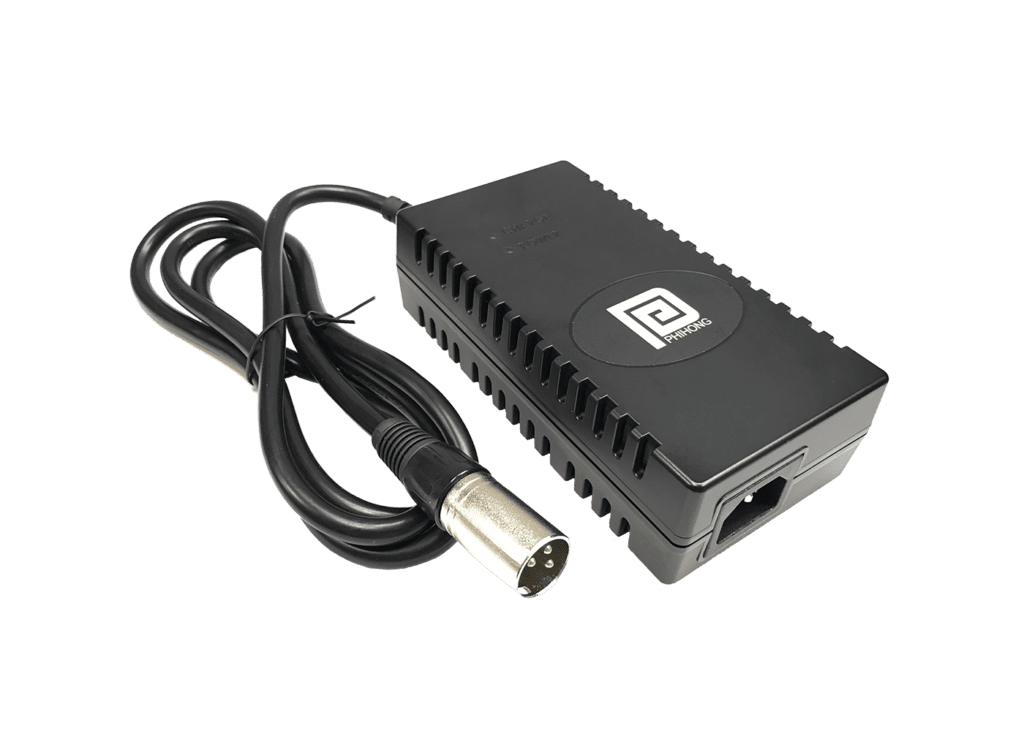
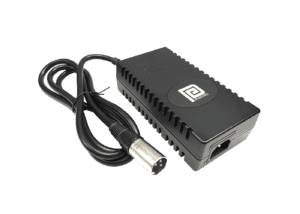
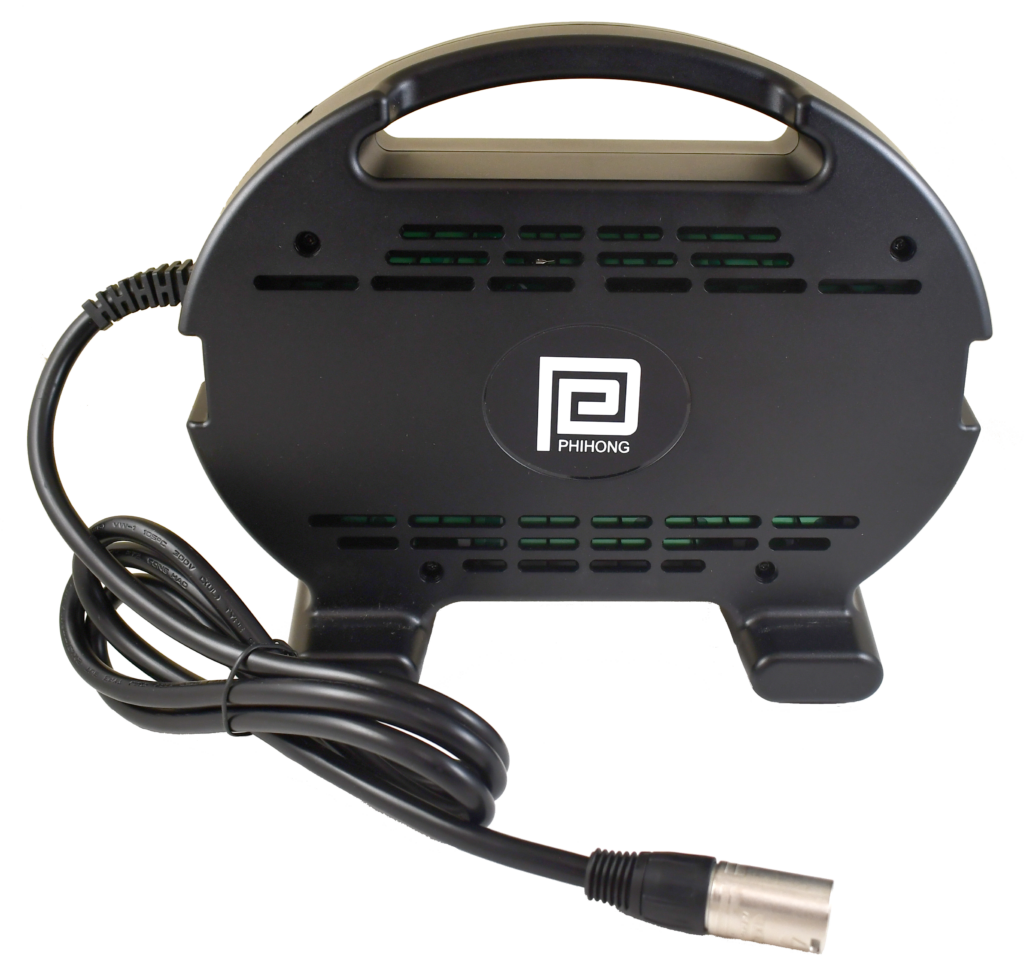
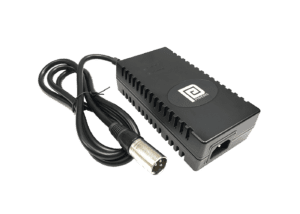
DA60U-240A-R
- Output Power - 60W
- Output Volt - 24V
- Output Current - 2.5A
- # of ports - 1
- Features - RESNA Compliant, CEC Compliant, LED Indicators Charge State, OVP, OTP, SCP, Charges AGM Batteries, Max 12hrs Charging Time
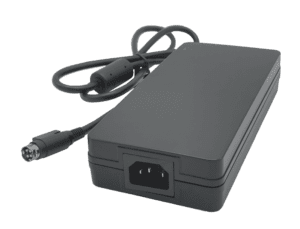
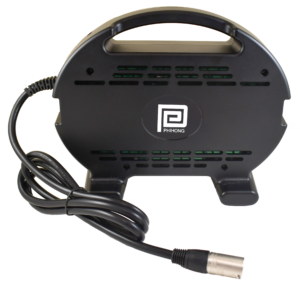
DA200U-250A-R
- Output Power - 200W
- Output Volt - 24V
- Output Current - 8A
- # of ports - 1
- Features - RESNA Compliant, CEC Compliant, LED Indicators Charge State, OVP, OTP, SCP, Dual-Mode Charger, Charges GEL or AGM batteries, Max 12hrs Charging Time
CLIENT'S QUOTE
Phihong’s custom OEM power solutions have transformed our product development, boosting performance and reducing overhead. Their expert engineering support has simplified both the design and manufacturing phases.
6. Surgical and Procedure LED Lighting Systems
LED lighting systems used in clinical and procedure settings benefit from stable, flicker-conscious power and compact integration. Your draft includes surgical LED lighting as one of the stronger fits for this class, and that is a useful inclusion because these systems often need precise electrical behavior more than extreme wattage.
Phihong’s current 60W–65W open-frame family lists Class B EMI and protection features, which makes the range credible for applications where electromagnetic behavior and output stability matter in electronically crowded environments.
7. Dental Handpieces and Dental Curing Equipment
Dental equipment often needs a compact, durable power solution that can support motors, illumination, or curing functions without introducing excess bulk. Your source file places dental handpieces and curing lights in this range, which is a reasonable and practical fit for medium-power clinical tools.
This application also connects well to the value of Class II design, compact size, and protective features in the medical 60W–65W family. Even when the exact end product varies, the need for dependable moderate-power delivery in a tightly used clinical setting makes this bracket relevant.
8. Negative Pressure Wound Therapy Devices
Negative pressure wound therapy systems often depend on pumps, pressure monitoring, alarms, and portable operation. That makes them a strong fit for a wattage range that can support both mechanical and electronic needs without becoming excessively large. Your draft’s inclusion of NPWT devices is a good one because these products often sit right at the intersection of portability and continuous-use reliability.
The Phihong medical family characteristics visible on current product pages, especially low touch current, Class II design, and protection functions, support the general case for this category where safe patient-adjacent operation matters.
9. Portable Oxygen Concentrators
Portable oxygen concentrators are another strong example of this power class in action. They often need to support compressors, control electronics, user displays, and battery charging while still being portable enough for personal use. Your uploaded draft correctly highlights them as mobility-oriented devices that benefit from this bracket.
This application also pairs well with export and architecture discussions on Phihong’s site, especially where wide-input and portable external medical power approaches are useful. Even though the exact product fit depends on system design, the broader power profile makes this a credible and valuable use case.
10. Sequential Compression Devices
Sequential compression devices use pumps and control logic over long operating cycles, which makes reliability and moderate power capacity especially important. Your draft includes SCDs as a long-duration therapeutic device class, and that is a smart inclusion because it shows how the 60W–65W range serves not only diagnostic tools but also therapy-support products.
Phihong’s current 60W–65W medical family, with OVP, SCP, OCP, Class B EMI, and low touch current, fits well with the kind of continuous, dependable operation required in compression therapy systems.
The 60W–65W class works so well because it supports a broad middle layer of medical devices that need more than basic sensing power but less than large stationary platforms. Your uploaded draft captures that well by combining portable diagnostics, motor-driven therapy systems, and clinician-facing display products in a single power category.
For OEMs, this wattage range is attractive because it often gives enough headroom for real-world use without forcing the form factor, heat, or complexity penalties that come with higher-power solutions. In practice, that makes 60W–65W one of the most useful design brackets in modern medical electronics.
Useful Links
- 65W 15V open-frame medical power supply
- 60W 12V medical open-frame power supply
- 65W 24V medical open-frame power supply
Related Articles
- Best guide to medical power supplies for modern medical devices
- How to choose an open-frame medical power supply for embedded healthcare equipment
- Medical power supply selection guide for OEMs
How Phihong Can Help OEMs Match the Right 60W–65W Supply to the Right Clinical Device
Phihong’s current catalog and recent medical content make it easier for OEMs to think about this wattage range as a real application category rather than just a spec range. The live product pages show multiple 60W–65W medical open-frame options with Class II design, DOE Level VI efficiency, protection features, Class B EMI, and touch current under 100 µA, while the newer articles help frame how architecture, leakage, EMC, and enclosure design affect actual device integration.
That is valuable because choosing a medical power supply in this range is rarely just about output wattage. It is about matching the supply to the device’s mobility, safety class, thermal environment, display load, motor behavior, and user setting. For OEMs building portable monitors, respiratory devices, wound therapy systems, and compact diagnostic platforms, that application-fit approach can reduce risk and speed up design decisions.
As medical products keep moving toward portability and multi-function operation, the 60W–65W range will likely remain one of the most practical classes in the market. It gives designers useful headroom without pushing the system into a less manageable size and thermal bracket.

CONTACT US TODAY
From concept to production, Phihong delivers custom OEM power solutions tailored to your specifications.
FAQ
POE technology supports the centralization of power

AC Adapter Guide: Everything You Need to Know
Moreover, PoE technology supports the centralization of power management. By powering devices through a PoE-enabled network …
AC DC Power Chargers and How They Work: A Comprehensive Technical Breakdown
Moreover, PoE technology supports the centralization of power management. By powering devices through a PoE-enabled network …

USB-C Charger: Shaping the Future of the Tech World
Moreover, PoE technology supports the centralization of power management. By powering devices through a PoE-enabled network …

AC Adapter Guide: Everything You Need to Know
Moreover, PoE technology supports the centralization of power management. By powering devices through a PoE-enabled network …

AC DC Power Chargers and How They Work: A Comprehensive Technical Breakdown
Moreover, PoE technology supports the centralization of power management. By powering devices through a PoE-enabled network …

USB-C Charger: Shaping the Future of the Tech World
Moreover, PoE technology supports the centralization of power management. By powering devices through a PoE-enabled network …