









BLOG
Top 10 Must-Have Specs for Modern Home-Healthcare Devices
QUICK LINKS
What Makes Home-Healthcare Power Design Different from Standard Medical Power?
As more medical devices move from hospitals into bedrooms, kitchens, and living rooms, the power supply has to do more than meet baseline medical safety rules. Home-use equipment must handle unpredictable outlets, non-professional users, nearby consumer electronics, and more exposure to dust, spills, and daily wear. Your draft correctly centers this topic on the shift from controlled clinical environments to real-world residential use, where safety and ease of use have to work together.
That broader shift is reflected in Phihong’s recent medical content, which now emphasizes IEC 60601 compliance, leakage current control, portable device design, and architecture choices for devices used beyond traditional clinical settings. Phihong’s site also shows active coverage of portable and home medical device power topics, and older certification materials for its medical adapters reference IEC 60601-1-11 support for home healthcare applications.
Useful Links
- What IEC 60601 means for medical power supply design
- How to choose medical power supplies for safe, reliable devices
- How to manufacture IEC 60601-1 medical power supplies
Related Articles
- Best guide to medical power supplies for modern medical devices
- Medical power solution: how low leakage current affects medical power supply selection
- Medical power supply vs. medical power adapter: what’s the difference and which one do you need
Which Specs Matter Most When a Medical Device Is Used in the Home?
The most important specs are the ones that protect the patient, simplify everyday use, and reduce failure risk in unpredictable household conditions. That includes insulation strategy, ingress protection, EMC immunity, leakage current, connector durability, efficiency, and a form factor that does not make the device harder to live with. Your uploaded outline captures that balance well by combining strict safety requirements with user-centered design expectations.
Phihong’s current medical pages reinforce several of those priorities directly. Recent articles focus on leakage current, IEC 60601 design requirements, portability, and internal versus external architecture, while product and certification pages show support for features such as DOE Level VI efficiency, Class B EMI performance, IEC 60601-1-11 references, IP22 ratings on some medical adapters, and compact USB-based medical power designs.
Useful Links
- How low leakage current affects medical power supply selection
- How to choose an open-frame medical power supply for embedded healthcare equipment
- Open-frame vs. external medical power: which one fits the medical product better
Related Articles
- How thermal design affects open-frame medical power supply performance
- How to design internal medical power systems: isolation, EMC, and compliance explained
- What is IEC 60601 and why it matters for medical power supply design
Before getting into the list, the key idea is simple: home-healthcare power design is not just smaller medical power design. It is a separate use-case with its own risk profile, user behavior, and environmental demands. The right specs help protect compliance, reliability, and the everyday patient experience.
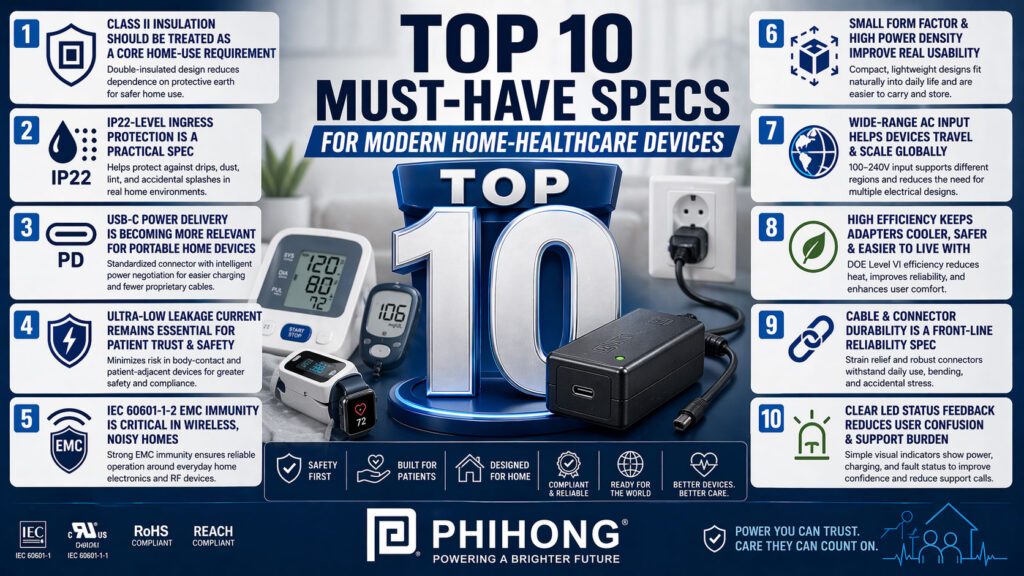
1. Class II Insulation Should Be Treated as a Core Home-Use Requirement
In home environments, OEMs cannot assume the wall outlet is perfectly grounded or that the user understands electrical best practices. That is why Class II insulation matters so much. A double-insulated design reduces dependence on protective earth and gives home-use equipment a safer baseline in residential settings. Your source draft frames this as one of the most important differences between standard medical and home-healthcare power.
This is also consistent with Phihong’s older home-healthcare-related compliance materials and medical adapter documentation, which reference IEC 60601-1-11 and support home-use applications that prioritize safe operation outside controlled clinical electrical infrastructure. For portable or bedside devices, Class II is not just a certification checkbox. It is one of the clearest ways to design for real-world residential safety from the beginning.
2. IP22-Level Ingress Protection Is a Practical Spec, Not Just a Lab Spec
Home-use devices are far more likely to encounter drips, dust, lint, accidental splashes, and casual handling than devices used only in formal care settings. That makes ingress protection an important real-world spec. Your draft correctly positions IP22 as a meaningful threshold for adapters and home-healthcare power products because it helps account for ordinary household exposure rather than ideal bench conditions.
Phihong’s medical adapter materials support this point directly. Its 10W USB medical adapter datasheet lists an IP22 rating and also names home-style applications such as blood glucose meters, blood pressure monitors, and wearable monitoring devices. That kind of alignment between rating and application is exactly what OEMs should look for when designing products expected to spend years in home environments.
3. USB-C Power Delivery Is Becoming More Relevant for Portable Home Devices
Patients increasingly expect home medical devices to be easier to charge, easier to carry, and less dependent on odd proprietary accessories. USB-C PD helps by supporting standardized connectors, intelligent power negotiation, and more modern charger ecosystems. Your draft frames USB-C as both a user-experience improvement and a practical way to reduce cable complexity for portable home devices.
Phihong’s USB-C charger product pages and broader USB-C content show how the company is already building around that ecosystem, with PD-certified models featuring small form factor design, DOE Level VI efficiency, and programmable power capabilities on some SKUs. For home-healthcare products, the caution remains the same: the connector may be universal, but the power design still needs to meet medical-grade safety and compliance requirements.
4. Ultra-Low Leakage Current Remains Essential for Patient Trust and Safety
Leakage current is one of the most critical specs in medical power design, and that does not become less important when the device leaves the clinic. In fact, for body-contact and patient-adjacent home equipment, low leakage can be even more important because non-professional users are less tolerant of anything that feels abnormal or unsafe. Your source draft puts this clearly in the must-have category.
Phihong’s recent medical article on leakage current emphasizes that leakage comes from insulation, filtering, and switching behavior, and that it directly affects IEC 60601 compliance. Its manufacturing content also highlights low-leakage medical power solutions as part of OEM support. For home-healthcare products, this is a spec that influences both certification and long-term confidence in the device.
5. IEC 60601-1-2 EMC Immunity Is Critical in Wireless, Noisy Homes
A home is packed with routers, phones, tablets, televisions, microwaves, and smart devices, which means home-use medical electronics operate in a far noisier electromagnetic environment than many people realize. That is why strong EMC performance is a must-have spec, not a nice-to-have. Your draft correctly emphasizes 4th Edition EMC expectations for devices expected to work reliably near everyday consumer electronics.
Phihong’s recent medical content repeatedly connects EMC performance with medical compliance, especially where filtering, leakage, and stable operation intersect. For home devices, immunity matters as much as emissions because the device must continue to operate correctly in cluttered RF environments. False alarms, unstable readings, or shutdowns are much more serious than a failed bench test.
FEATURED PRODUCTS
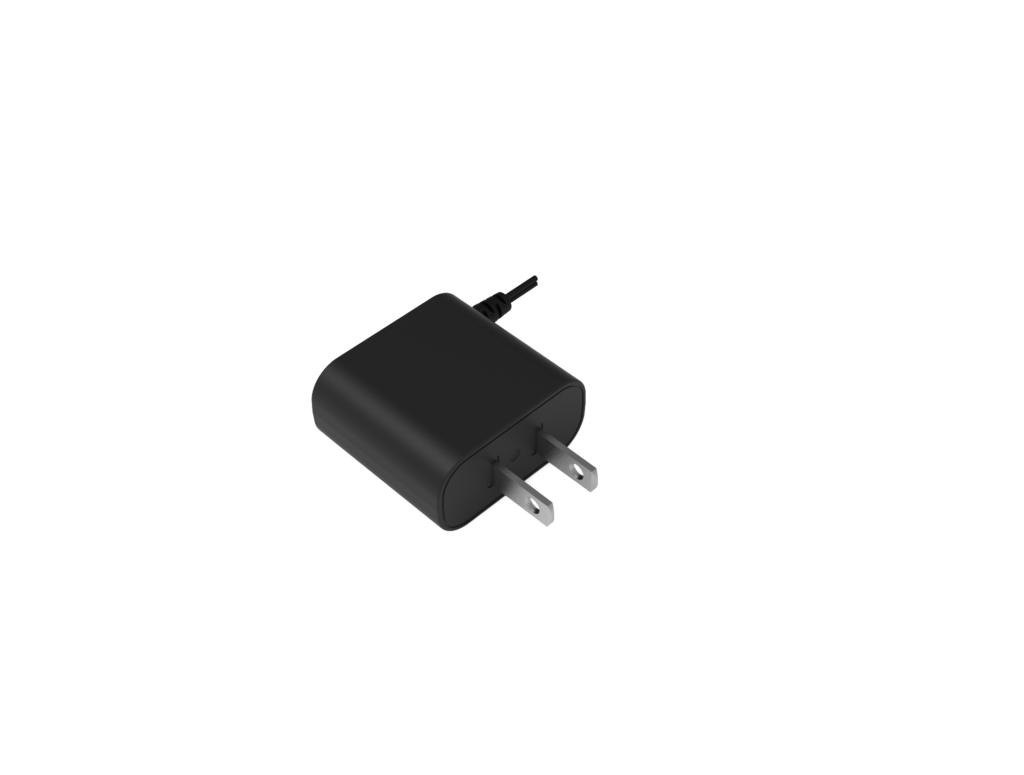
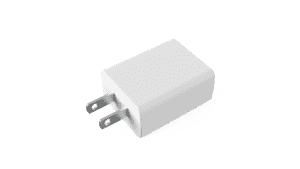
AA03A-075A-R
- Output Power - 2.75W
- Output Volt - 7.5V
- Output Current - 0.366A
- Features - Fixed Blade AC Input, Limited Power Source, Class B EMI, Level VI Efficiency, Standard Barrel Connector
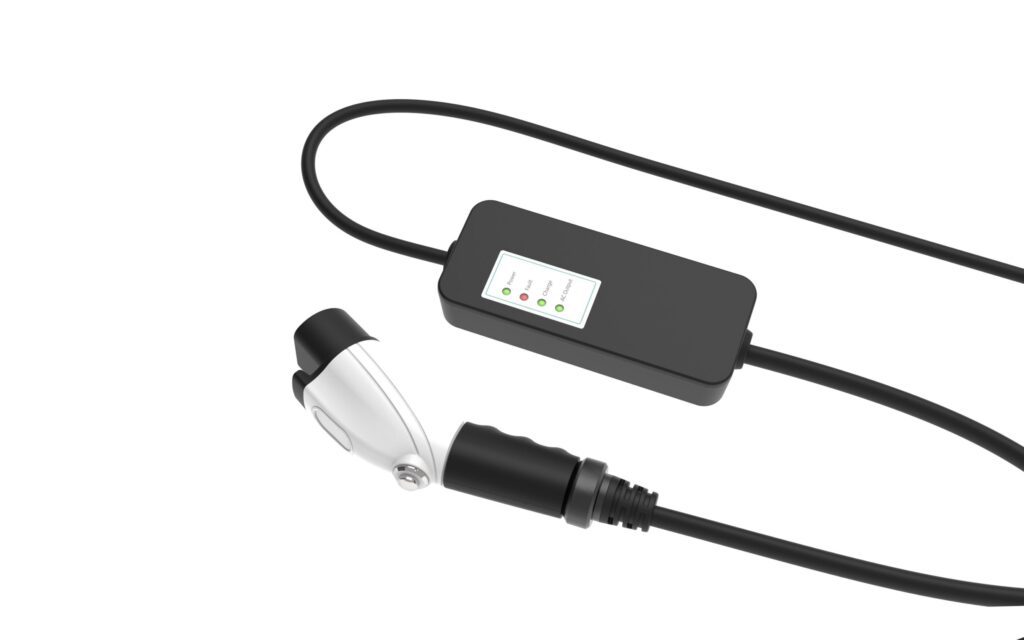
AC Series
- Output Current - 16A
- Features - Mode 2-chargers can use a circuit ranging from 8Amp to 16Amp with a local standard AC input plug installed for operation, Provides overcurrent, over voltage and short circuit protection, Protected against strong jets of water from all directions, Continuously monitors/supervises the ground connection between the AC supply and EV to ensure safe and reliable charging
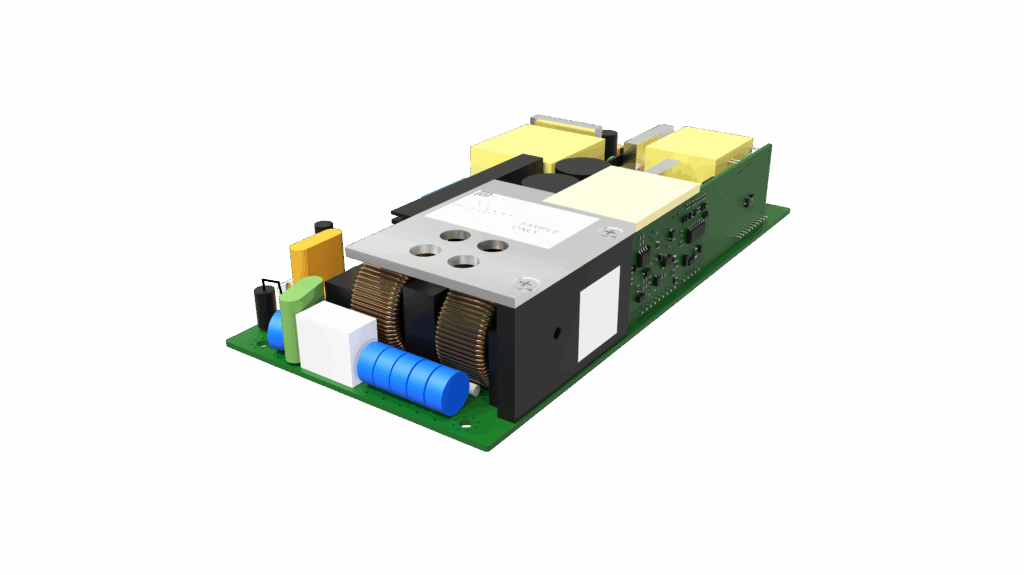
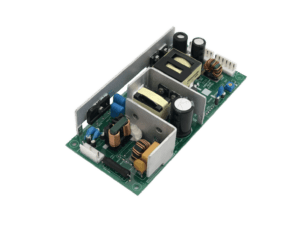
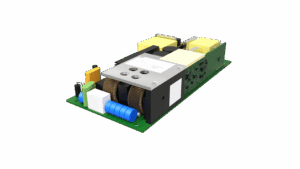
BF550-234B-R
- Output Power - 550W
- Output Volt - 12Vdc / 54.5Vdc
- Features - Universal AC Input range, Class I Design , Class B EMI , High Efficiency Performance , OVP, OCP, SCP, OTP Protections , Operating Altitude: 5,000M
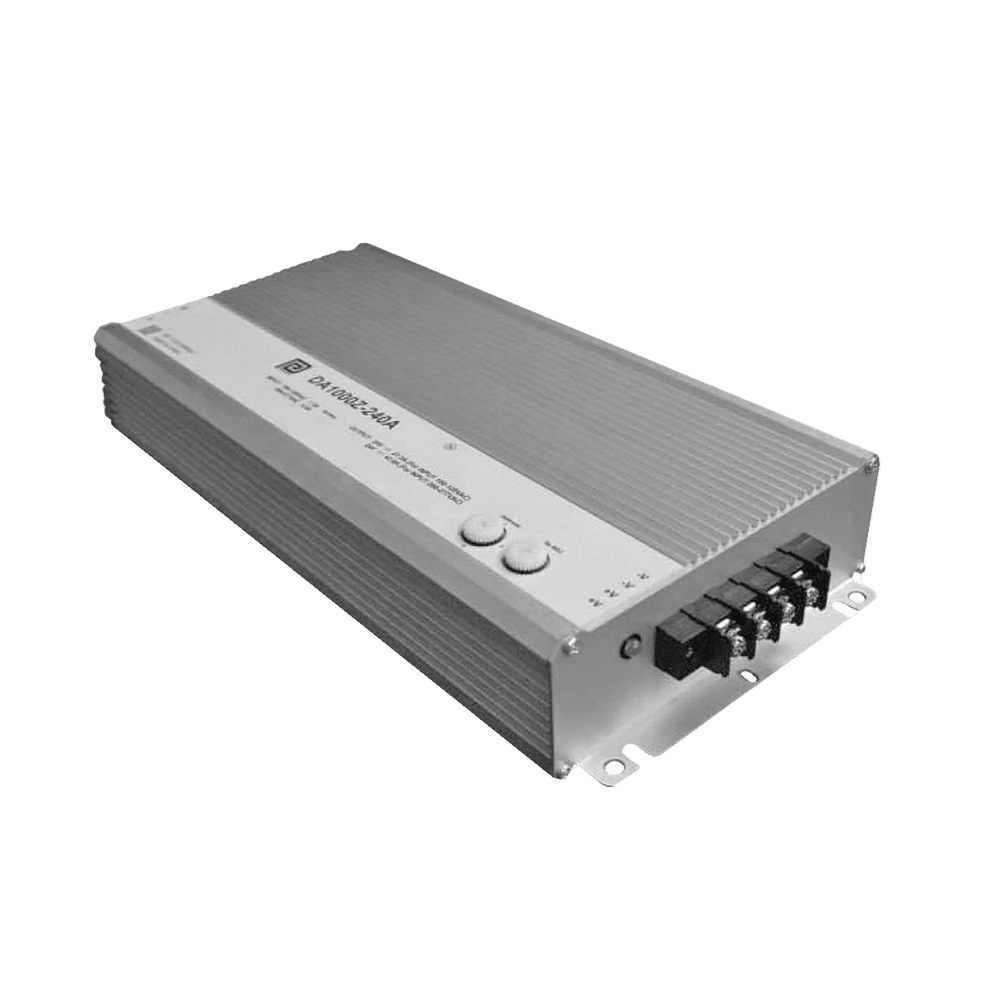
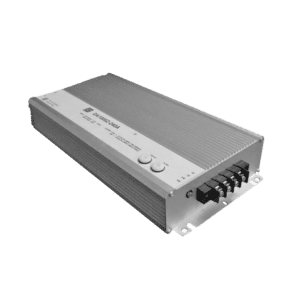
DA1000Z-240AEV-R
- Output Power - 1000W
- Output Volt - 24V
- Output Current - 42A
- Features - Extended operating temperature range of -40℃ to 70℃, Fan-less aluminum case filled with heat conductive glue, Able to withstand 10G vibration, Power on LED indicator, Short Circuit, Over Current, Over Voltage, and Over Temperature Protections, & Adjustable output through potentiomete
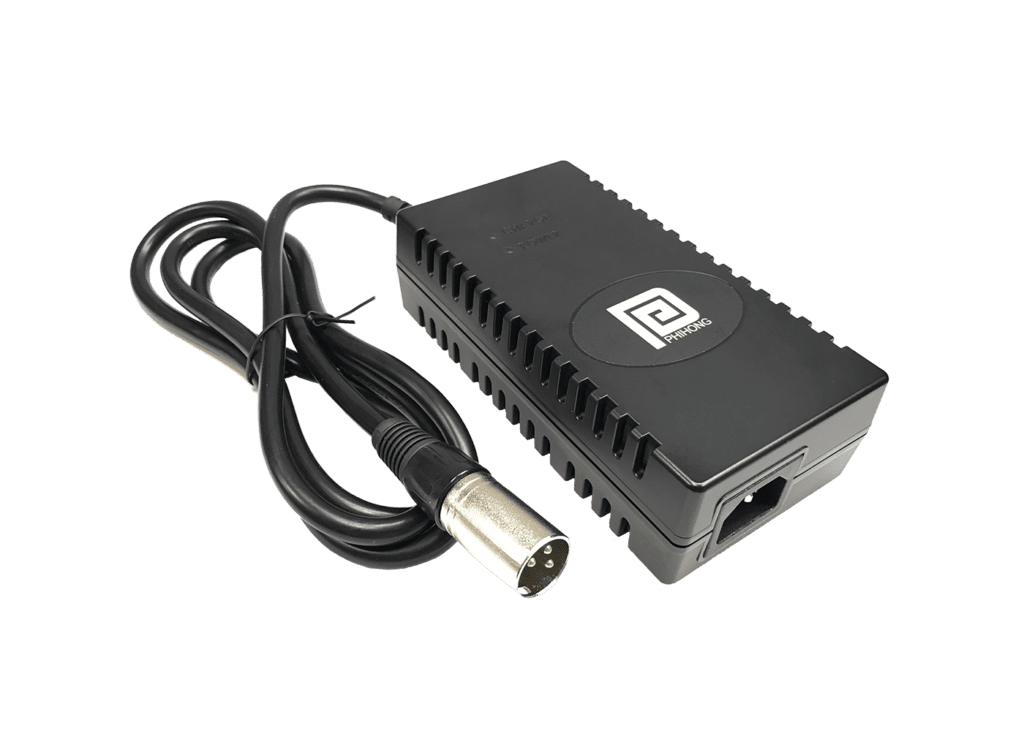
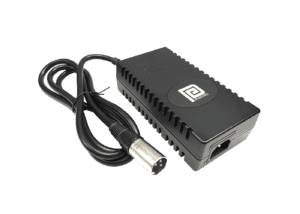
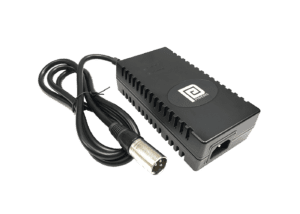
DA60U-240A-R
- Output Power - 60W
- Output Volt - 24V
- Output Current - 2.5A
- # of ports - 1
- Features - RESNA Compliant, CEC Compliant, LED Indicators Charge State, OVP, OTP, SCP, Charges AGM Batteries, Max 12hrs Charging Time
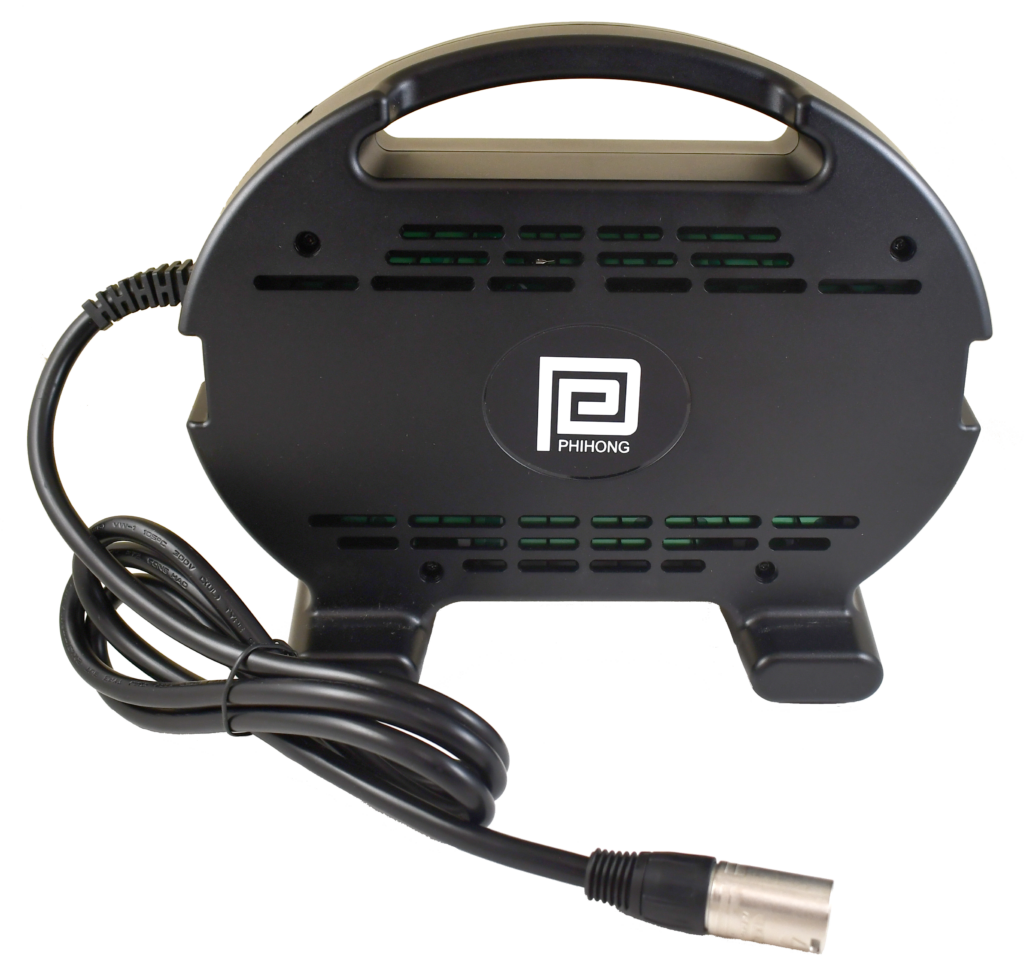
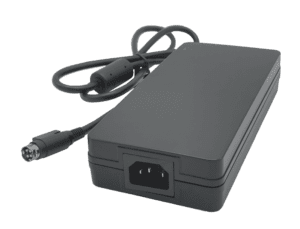
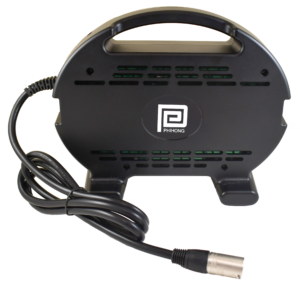
DA200U-250A-R
- Output Power - 200W
- Output Volt - 24V
- Output Current - 8A
- # of ports - 1
- Features - RESNA Compliant, CEC Compliant, LED Indicators Charge State, OVP, OTP, SCP, Dual-Mode Charger, Charges GEL or AGM batteries, Max 12hrs Charging Time
CLIENT'S QUOTE
Phihong’s custom OEM power solutions have transformed our product development, boosting performance and reducing overhead. Their expert engineering support has simplified both the design and manufacturing phases.
6. Small Form Factor and High Power Density Improve Real Home Usability
Home-healthcare products need to fit naturally into daily life. Large bricks, awkward desk-bound adapters, and bulky cords make devices harder to use, harder to store, and less welcome in personal spaces. That is why compact size and strong power density are important product specs, especially for portable and battery-supported devices. Your draft ties this well to portability and the patient experience.
Phihong’s USB-C and GaN-related product ecosystem supports the broader direction toward smaller, denser power solutions, and its current medical blog stream repeatedly reinforces the rise of portable and home medical equipment. For OEMs, compact power is not just about aesthetics. It reduces friction in real usage, especially when the device travels between rooms, clinics, and homes.
7. Wide-Range AC Input Helps Devices Travel and Scale Globally
Many home-use devices are sold across regions, travel with patients, or are deployed by OEMs into multiple markets. A wide AC input range helps the same platform operate across different household power environments without forcing separate electrical redesigns. Your draft treats this as a practical global-ready spec, and that is the right framing.
Phihong certification documents and medical adapter datasheets show wide input ranges on home-related and medical-grade products, including 100 to 240V input examples tied to IEC 60601 and IEC 60601-1-11 documentation. For OEMs, this is not just about convenience. It reduces SKU fragmentation and simplifies international rollout planning.
8. High Efficiency Helps Keep Adapters Cooler, Safer, and Easier to Live With
Efficiency ratings matter in home healthcare because wasted energy becomes heat, and heat becomes discomfort, reliability stress, and more difficult enclosure behavior. Your draft rightly links high efficiency with cooler operation in small, fanless adapters used near the body or near bedding and furniture.
Phihong product pages for smaller USB-C chargers and medical adapters highlight DOE Level VI and, in some cases, CoC alignment, while recent medical articles reinforce the importance of thermal performance and real enclosure conditions. For home-use products, efficiency is part of safety, not just sustainability. Cooler operation usually means a better long-term experience for the patient and less stress on the device.
9. Cable and Connector Durability Is a Front-Line Reliability Spec
In homes, cables get bent sharply, wrapped too tightly, stepped on, and plugged in by tired users at odd angles. That makes connector durability and strain relief much more important than many teams assume early in development. Your draft calls out cable-entry failure as a major practical weak point, and that is absolutely worth emphasizing in a must-have list.
This spec is especially important for portable monitors, pumps, chargers, and bedside products that are handled often. Even a well-designed medical adapter creates frustration and support costs if the cable and connector system is not built for repeated daily use. In home healthcare, small mechanical failures often become large user-experience failures.
10. Clear LED Status Feedback Reduces User Confusion and Support Burden
A simple visual status light may seem minor compared with insulation or leakage current, but in home healthcare it can make a big difference. Patients and caregivers need easy confirmation that the adapter is powered, charging, or experiencing a fault. Your draft correctly treats status feedback as a user-centered spec rather than an afterthought.
This kind of low-friction design matters because home users do not troubleshoot like trained technicians. A clean LED signal can reduce avoidable support calls, clarify whether the issue is wall power or device-side behavior, and make the product feel more dependable. For home-use devices, better communication is part of better safety and better adherence.
Selecting the right specs for home-healthcare power is not just about passing regulatory review. It is about building a product that keeps working safely and predictably in normal homes, with normal users, under normal daily stress. Your source draft does a strong job of tying those specs back to real use, not just engineering theory.
The strongest home-healthcare designs usually combine strict medical safety expectations with consumer-like ease of use. That is why this top 10 list matters. The best specs are the ones that protect compliance, improve reliability, and remove friction from everyday use at the same time.
Useful Links
- 10W USB medical grade adapter with IP22 and home-use applications
- 18W medical grade adapter with IEC 60601-1-11 references
- Low-cost USB medical adapters for medical applications
Related Articles
- Best guide to medical power supplies for modern medical devices
- Medical power solution: how low leakage current affects medical power supply selection
- How thermal design affects open-frame medical power supply performance
How Phihong Can Help OEMs Design Better Home-Healthcare Power Systems
Phihong’s recent medical content and existing medical adapter materials make it well suited for OEM teams designing for home use. The company’s current articles focus on IEC 60601 compliance, leakage current, portable device design, thermal behavior, and architecture selection, while its medical adapter documents and older certifications show concrete alignment with home-healthcare-related requirements such as IEC 60601-1-11 references, IP22 on some models, and low-power compact formats for home-type applications.
For OEMs building bedside monitors, portable diagnostic tools, wearable support devices, or other home-care products, that mix of compliance support and application-specific design guidance is valuable. It helps narrow the gap between passing a test report and building a device that actually performs well in a home for years. That is where power design becomes part of product quality, not just a line item on the BOM.
As home healthcare keeps growing, the power supply will continue to shape how safe, quiet, compact, and intuitive the overall product feels. The OEMs that define the right specs early will have a better shot at building devices that are easier to certify, easier to use, and easier to trust.

CONTACT US TODAY
From concept to production, Phihong delivers custom OEM power solutions tailored to your specifications.
POE technology supports the centralization of power

AC Adapter Guide: Everything You Need to Know
Moreover, PoE technology supports the centralization of power management. By powering devices through a PoE-enabled network …
AC DC Power Chargers and How They Work: A Comprehensive Technical Breakdown
Moreover, PoE technology supports the centralization of power management. By powering devices through a PoE-enabled network …

USB-C Charger: Shaping the Future of the Tech World
Moreover, PoE technology supports the centralization of power management. By powering devices through a PoE-enabled network …

AC Adapter Guide: Everything You Need to Know
Moreover, PoE technology supports the centralization of power management. By powering devices through a PoE-enabled network …

AC DC Power Chargers and How They Work: A Comprehensive Technical Breakdown
Moreover, PoE technology supports the centralization of power management. By powering devices through a PoE-enabled network …

USB-C Charger: Shaping the Future of the Tech World
Moreover, PoE technology supports the centralization of power management. By powering devices through a PoE-enabled network …