










BLOG
Why 5,000-Meter Operating Altitude Matters in 250W Desktop Adapter Selection
QUICK LINKS
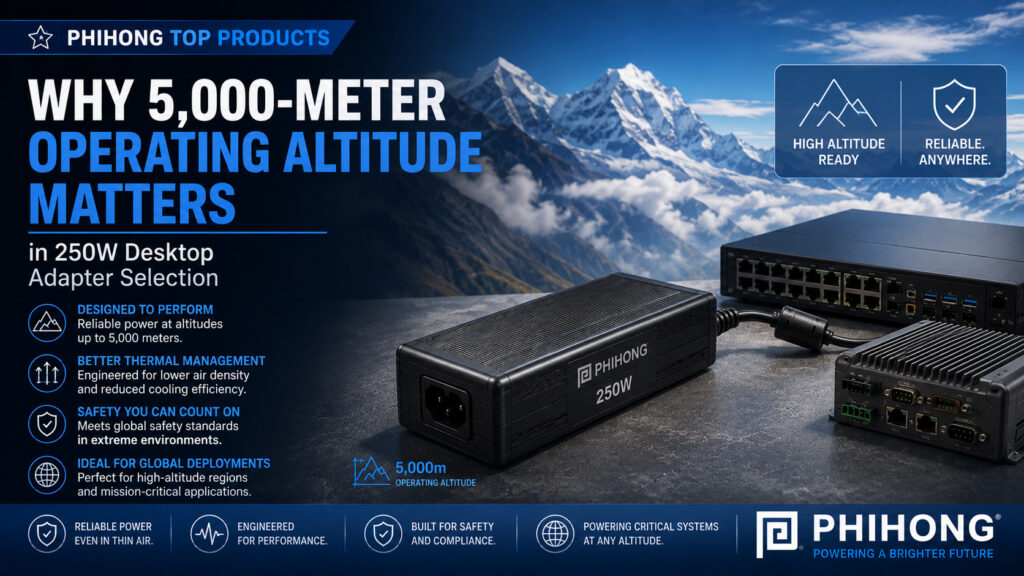
Why should OEMs care about operating altitude in a desktop power adapter?
Operating altitude is easy to overlook when OEMs compare desktop power adapters, but it can affect whether the adapter is suitable for the real deployment environment. A 250W desktop adapter may be used with networking equipment, commercial monitors, notebook-related systems, telecom hardware, industrial controls, automation devices, or other equipment that may ship into regions with different elevation conditions. If altitude is ignored until late in the design cycle, the power adapter may become a hidden qualification risk.
For product teams, a 5,000-meter operating altitude rating is especially relevant when equipment may be used in high-elevation cities, industrial facilities, transportation environments, remote infrastructure sites, telecom installations, or global commercial deployments. The altitude rating helps define where the adapter is intended to operate under specified conditions. It should be reviewed together with temperature, humidity, load profile, enclosure placement, safety requirements, EMI expectations, and long-term reliability goals.
| Altitude Review Area | Why It Matters for OEMs | What Teams Should Review |
|---|---|---|
| Deployment region | Products may be sold or installed in high-elevation markets. | Target countries, city elevations, regional deployment plans, and environmental requirements. |
| Commercial installations | Equipment may be used in offices, telecom rooms, labs, factories, or remote facilities. | Installation location, operating hours, user access, and service model. |
| Safety margin | Altitude can affect insulation, spacing, thermal behavior, and system qualification planning. | Safety documentation, product category, connector strategy, and final compliance pathway. |
| Product lifecycle | Global products may be redeployed or serviced in environments different from the original launch market. | Warranty assumptions, spare adapters, service documentation, and replacement planning. |
Why This Matters
• Operating altitude helps OEMs evaluate whether a desktop adapter fits real commercial and industrial deployment conditions.
• A 5,000-meter rating can be valuable for products intended for global markets, infrastructure environments, and high-elevation regions.
What OEMs Should Do Now
• Add operating altitude to the adapter selection checklist instead of reviewing only wattage, voltage, and price.
• Compare the adapter’s altitude rating against the product’s intended regions, installation settings, and service model.
Useful Links
AM250U-540AP-R Product Page: www.phihong.com/products/adapters/am250u-540ap-r/
AM250U-540AP-R 250W Desktop Adapter Datasheet: www.phihong.com/wp-content/uploads/New-datasheet-AM250U-540AP-R_11102025.pdf
Power Adapter Product Line: www.phihong.com/products/adapters/
FEATURED PRODUCTS
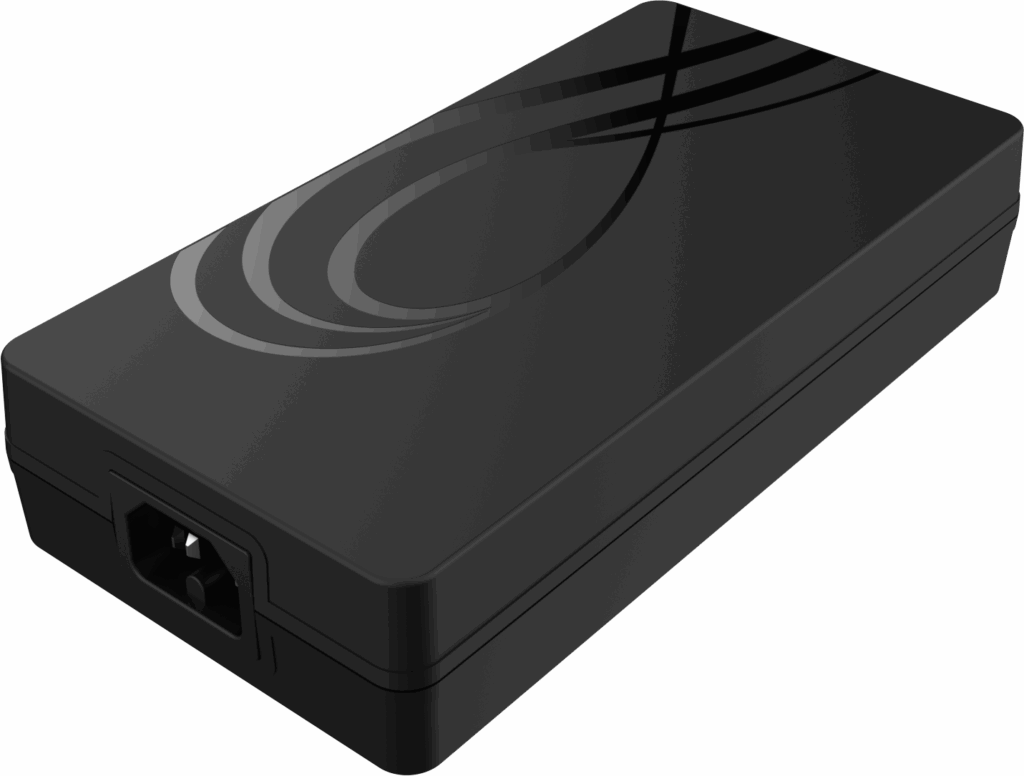
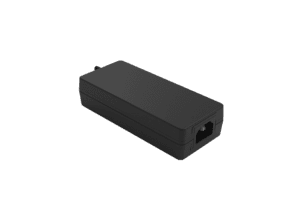
AM250U-540AP-R
- Output Power - 250W
- Output Volt - 54V
- Output Current - 4.63A
- Features - Class B EMI , US DoE Level VI Efficiency compliance, EU CoC Ver 5 Tier 2 Compliance, Over-Voltage, Over-Current, Short Circuit, & Over-Temperature Protection, 5,000 Meters Operating Altitude
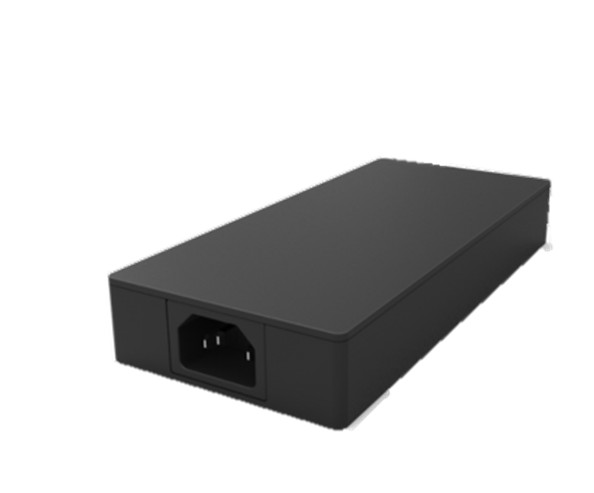
AA240U-200A-R
- Output Power - 240W
- Output Volt - 20V
- Output Current - 12A
- Features - high-efficiency desktop power supply designed for multiple applications, delivering a reliable 240W single output with advanced GaN technology for compact performance. Ideal for powering high-demand gaming systems etc with reduced heat and improved energy conversion.
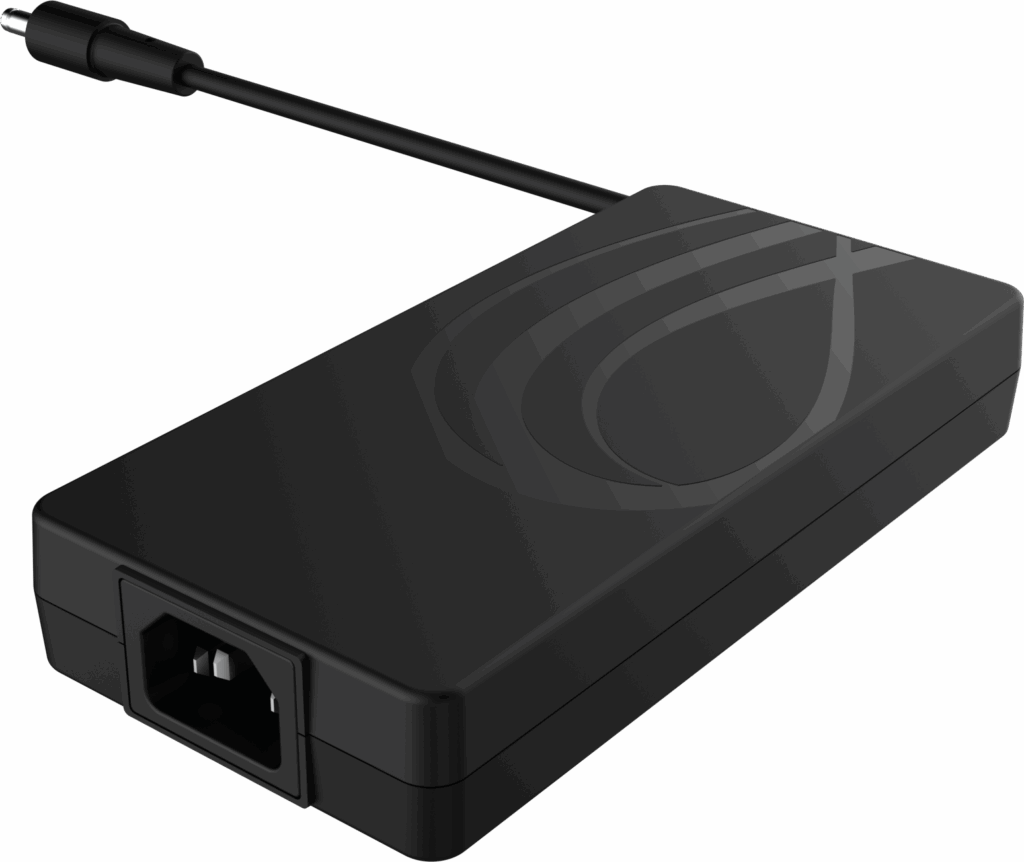
AA240U-200B-R
- Output Power - 240W
- Output Volt - 20V
- Output Current - 12A
- Features - This 240-watt GaN Series Desktop C14 Adapter delivers high power in a compact, efficient design, ideal for demanding professional and industrial applications. Its GaN technology ensures cooler operation, reliability, and space-saving performance.
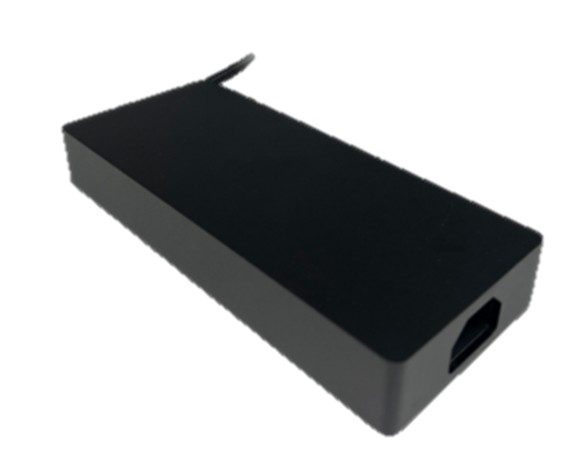
AA280U-200B-R
- Output Power - 280W
- Output Volt - 20V
- Output Current - 14A
- Features - high-efficiency desktop power supply designed for multiple applications, delivering a reliable 240W single output with advanced GaN technology for compact performance. Ideal for powering high-demand gaming systems etc with reduced heat and improved energy conversion.
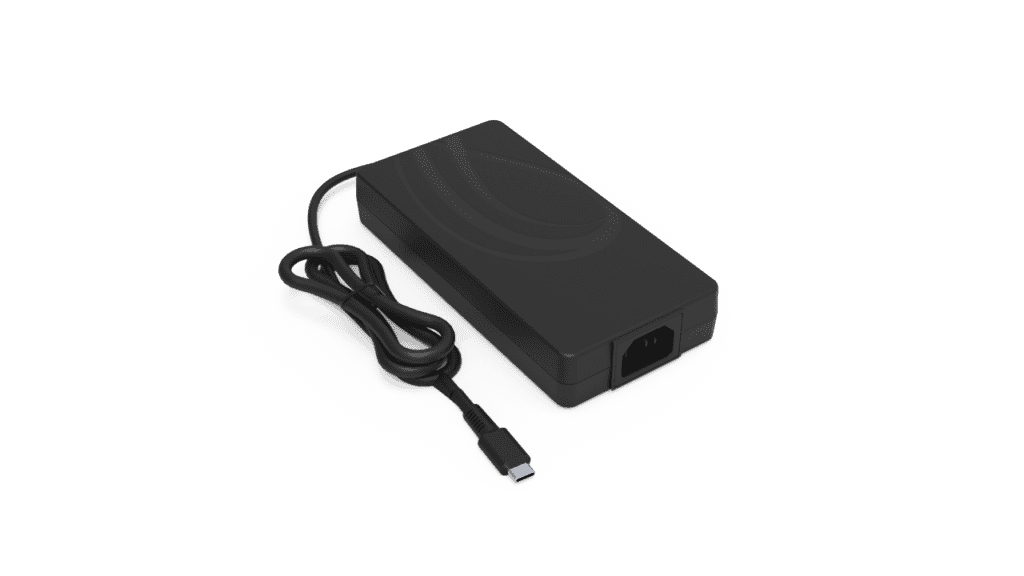
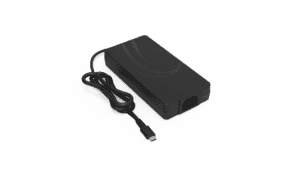
AA240U-59FKEA-R
- Output Power - 240 Watt
- Output Volt - 5Vdc/ 9Vdc/ 15Vdc/ 20Vdc/ 28V/ 36V/ 48V
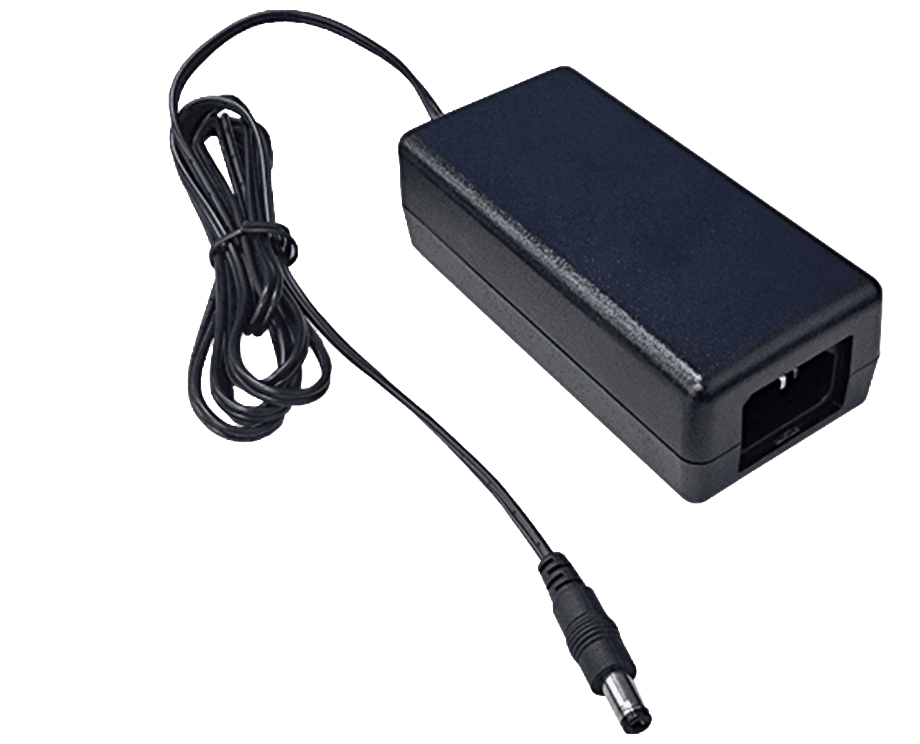
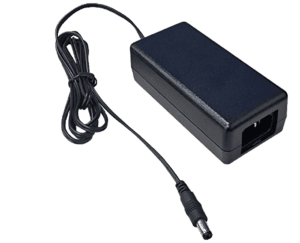
AA36U-240B-R
- Output Power - 36W
- Output Volt - 24V
- Output Current - 1.5A
- Features - C14 Inlet Receptacle, US DoE Level VI & NRCan Compliance, EU Ecodesign 2019/1782 Compliance, CoC V5 Tier 2 Compliance, Operating Altitude to 5,000 Meters, and Protections from Short Circuit, Over-Current and Over-Voltage

How does altitude affect power adapter performance and safety planning?
Altitude matters because electrical and thermal behavior can change as elevation increases. Air density decreases at higher altitudes, which can affect cooling assumptions and the way heat is removed from power components. For a higher-output external adapter, that makes altitude part of the broader reliability and safety review, especially when the adapter may operate at meaningful load for long periods.
OEM teams should not treat altitude rating as a decorative datasheet feature. It should be connected to real design questions: Where will the device be used? Will the adapter sit behind a monitor, under a desk, inside an equipment room, near industrial machinery, or in a restricted airflow location? Will the product be shipped globally? Will it be used by enterprise customers with distributed sites? These questions help determine whether altitude should be a major selection factor.
| Technical Area | Why Altitude Can Matter | What OEM Teams Should Review |
|---|---|---|
| Thermal behavior | Higher altitude can reduce natural cooling effectiveness. | Full-load operation, adapter placement, ambient temperature, and airflow. |
| Electrical safety | Altitude can influence insulation and spacing considerations in power design. | Safety standard alignment, documentation, approvals, and system-level review. |
| Reliability planning | Long operating hours at elevation can affect real-world performance expectations. | Duty cycle, load percentage, service life, and field replacement strategy. |
| Compliance review | Finished products may need documentation that supports real deployment conditions. | Datasheets, certificates, test conditions, labels, and technical files. |
Why This Matters
• Altitude should be reviewed as part of thermal, safety, and reliability planning for commercial power adapters.
• A 250W desktop adapter may be used in environments where cooling, spacing, and operating conditions need extra attention.
What OEMs Should Do Now
• Review altitude together with temperature, humidity, load conditions, surface temperature, and expected operating hours.
• Validate the adapter in the actual product configuration before assuming the rating covers every deployment scenario.
Useful Links
AM250U-540AP-R 250W Desktop Adapter Datasheet: www.phihong.com/wp-content/uploads/New-datasheet-AM250U-540AP-R_11102025.pdf
AM250U-540AP-R Product Page: www.phihong.com/products/adapters/am250u-540ap-r/
Power Adapter Product Line: www.phihong.com/products/adapters/
Related Links
How to Validate Thermal Performance of Open-Frame Power Supplies in Real Enclosures: www.phihong.com/how-to-validate-thermal-performance-of-open-frame-power-supplies-in-real-enclosures/
What Compliance Engineers Look for in Internal PSUs: EMI, EMS, and Safety Basics: www.phihong.com/what-compliance-engineers-look-for-in-internal-psus-emi-ems-and-safety-basics/
How Class B EMI and IEC 62368-1 Shape 250W Adapter Selection for Commercial Devices: [cluster article]
Which devices benefit most from a 5,000-meter adapter rating?
A 5,000-meter operating altitude rating can be especially relevant for devices that are not limited to one controlled, low-elevation environment. Networking equipment, telecom devices, commercial monitors, notebook docking systems, industrial controllers, automation equipment, test systems, and infrastructure electronics may all be deployed across different regions and facility types. For OEMs, this makes altitude a product planning issue, not just a datasheet detail.
This is especially important for products sold through distribution or deployed by enterprise customers. The OEM may not always know the final installation location in advance. A device that begins in one market may later be used in a higher-elevation city, industrial site, laboratory, warehouse, transportation facility, or telecom room. Selecting an adapter with a defined high-altitude operating rating can help product teams plan for broader deployment assumptions.
| Device Category | Why Altitude Rating Can Matter | What OEMs Should Review |
|---|---|---|
| Networking equipment | Network devices may be deployed across enterprise, telecom, and infrastructure sites. | Installation location, uptime requirements, airflow, and service access. |
| Industrial equipment | Industrial systems may operate in facilities with varied environmental conditions. | Ambient temperature, cabinet placement, dust exposure, and duty cycle. |
| Commercial monitors | Displays may be used in offices, control rooms, retail, labs, and public installations. | Adapter placement, ventilation, cord routing, and full-load operating time. |
| Notebook-related systems | Docking and workstation setups may be used globally in business environments. | Power draw, regional deployment, user access, and replacement process. |
Why This Matters
• High-altitude operating ratings are useful for products that may be deployed globally or in varied commercial environments.
• Networking, industrial, monitor, and notebook-related systems often need power adapters that support more than one fixed installation assumption.
What OEMs Should Do Now
• Identify whether the product may be sold, installed, or serviced in high-altitude regions during its lifecycle.
• Match the adapter rating to the most demanding realistic deployment environment, not just the first launch location.
Useful Links
AM250U-540AP-R Product Page: www.phihong.com/products/adapters/am250u-540ap-r/
Power Adapter Product Line: www.phihong.com/products/adapters/
AM250U-540AP-R 250W Desktop Adapter Datasheet: www.phihong.com/wp-content/uploads/New-datasheet-AM250U-540AP-R_11102025.pdf
CLIENT'S QUOTE
Phihong’s custom OEM power solutions have transformed our product development, boosting performance and reducing overhead. Their expert engineering support has simplified both the design and manufacturing phases.
What should OEMs verify before relying on a 5,000-meter altitude rating?
OEMs should verify the exact conditions behind the altitude rating before assuming it applies to every use case. A desktop adapter may list operation up to 5,000 meters, but teams still need to review operating temperature, load percentage, installation location, ventilation, humidity, cable routing, and product-level safety requirements. Altitude is one important specification, but it should not be separated from the rest of the adapter’s environmental profile.
For a 250W desktop adapter, this review becomes more important because higher output power can create more heat and stronger integration demands. A product that operates at full load in a warm office, telecom room, industrial cabinet, or high-elevation facility may behave differently than one used in a cool lab environment. OEM teams should treat altitude rating as part of a complete qualification process that includes thermal validation, safety review, EMI expectations, and field service planning.
| Verification Area | Why It Matters for OEMs | What Teams Should Confirm |
|---|---|---|
| Operating conditions | Altitude rating depends on how and where the adapter is used. | Temperature, humidity, load, airflow, and installation environment. |
| Full-load behavior | Higher output power can increase thermal stress during long operation. | 250W load conditions, adapter placement, surface temperature, and duty cycle. |
| Safety documentation | Altitude can affect how safety requirements are interpreted. | IEC 62368-1 relevance, approval records, labels, and technical files. |
| Field service planning | Products may be used in regions or facilities different from the original test plan. | Replacement process, spare adapters, customer documentation, and warranty assumptions. |
Why This Matters
• A 5,000-meter rating is most useful when OEM teams understand the conditions behind it.
• Altitude should be reviewed with thermal, safety, mechanical, and service requirements before production.
What OEMs Should Do Now
• Confirm whether the altitude rating aligns with the product’s real operating temperature, load, and installation conditions.
• Include altitude, airflow, ambient temperature, and duty cycle in the adapter qualification checklist.
Useful Links
AM250U-540AP-R Product Page: www.phihong.com/products/adapters/am250u-540ap-r/
AM250U-540AP-R 250W Desktop Adapter Datasheet: www.phihong.com/wp-content/uploads/New-datasheet-AM250U-540AP-R_11102025.pdf
Power Adapter Product Line: www.phihong.com/products/adapters/
Related Links
The Power Supply Decisions OEMs Regret Most and Why They’re Hard to Fix Later: www.phihong.com/the-power-supply-decisions-oems-regret-most-and-why-theyre-hard-to-fix-later/
How Phihong supports 5,000-meter operating altitude requirements in 250W adapter selection
For OEM teams evaluating high-altitude deployment requirements, Phihong’s AM250U-540AP-R provides a specific product reference for 250W desktop adapter selection. The product is listed with 54V output, 4.63A current, C14 desktop format, Class B EMI, IEC 62368-1 reference, protection features, and 5,000-meter operating altitude. That combination makes it relevant for commercial and industrial device teams that need to compare power, compliance, environmental, and integration requirements together.
The strongest use case is not simply “any product that needs 250W.” The better fit is equipment designed around a 54V external DC input that may be deployed in networking, monitor, notebook-related, telecom, infrastructure, or industrial environments. When altitude, temperature, EMI, safety, and serviceability are part of the selection process from the beginning, OEM teams are less likely to discover late-stage power adapter limitations during compliance testing or customer deployment planning.
| Phihong Selection Area | Why It Helps OEM Teams | What Teams Should Review |
|---|---|---|
| AM250U-540AP-R | Provides a product-specific 250W 54V desktop adapter reference. | Output, current, C14 format, protections, EMI, safety, and altitude rating. |
| Environmental review | Helps teams evaluate where the adapter can realistically operate. | Operating altitude, temperature, humidity, storage range, and duty cycle. |
| Commercial device fit | Supports power planning for devices used in varied deployment environments. | Networking, monitors, notebook systems, telecom, industrial, and automation use cases. |
| Documentation pathway | Gives engineering and sourcing teams a stronger starting point for review. | Datasheet, product page, compliance records, and internal qualification checklist. |
Why This Matters
• Product-specific altitude data helps OEM teams evaluate real deployment conditions instead of relying on generic adapter assumptions.
• The AM250U-540AP-R gives engineers and sourcing teams a focused 250W desktop adapter reference for environmental review.
What OEMs Should Do Now
• Start with the AM250U-540AP-R datasheet and compare altitude, temperature, safety, EMI, and electrical details against the final product plan.
• Validate the adapter with the actual device configuration before sourcing, certification, or global deployment decisions.
Useful Links
AM250U-540AP-R Product Page: www.phihong.com/products/adapters/am250u-540ap-r/
AM250U-540AP-R 250W Desktop Adapter Datasheet: www.phihong.com/wp-content/uploads/New-datasheet-AM250U-540AP-R_11102025.pdf
Power Adapter Product Line: www.phihong.com/products/adapters/
Related Links
Best Guide to 250W Desktop Power Adapters: What Modern Networking, Monitor, Notebook, and Industrial Devices Need
Why C14 Desktop Power Adapters Make Integration Easier for Monitors, Notebook and Industrial Equipment
How Class B EMI and IEC 62368-1 Shape 250W Adapter Selection for Commercial Devices
Operating altitude should not be treated as a small datasheet detail. For commercial and industrial devices that may ship globally or operate in varied installation environments, a 5,000-meter rating can become an important part of adapter selection, compliance planning, and long-term product support.
A stronger adapter review process looks at altitude together with voltage, current, wattage, temperature, humidity, EMI, safety, cable routing, and serviceability. When OEM teams evaluate those requirements together, they can choose a 250W desktop adapter that better matches the device’s real-world operating conditions.

CONTACT US TODAY
From concept to production, Phihong delivers custom OEM power solutions tailored to your specifications.
FAQ
What does 5,000-meter operating altitude mean for a power adapter?
A 5,000-meter operating altitude rating means the adapter is specified for operation up to that elevation under the conditions defined by the manufacturer. For OEMs, this matters when products may be sold or installed in high-elevation regions, infrastructure sites, telecom rooms, industrial facilities, or global commercial environments. Teams should still review temperature, load, humidity, airflow, and final system conditions before assuming the adapter fits every deployment.
Why does altitude affect power adapter selection?
Altitude can affect cooling, insulation considerations, and long-term reliability planning. As elevation increases, air density decreases, which may reduce natural cooling effectiveness. For a 250W desktop adapter, that makes altitude important when the adapter may run at meaningful load for long periods. OEM teams should evaluate altitude together with temperature, humidity, load profile, airflow, and safety documentation.
What products benefit from a 5,000-meter altitude rating?
Products that may ship globally or be deployed in varied environments can benefit from a defined high-altitude operating rating. This may include networking equipment, telecom devices, commercial monitors, notebook-related systems, industrial controllers, automation equipment, and infrastructure electronics. The rating is especially useful when the OEM cannot fully control every final installation location during the product lifecycle.
Is altitude rating enough to prove an adapter will work in harsh environments?
No. Altitude rating is only one part of environmental suitability. OEMs should also check operating temperature, humidity, storage limits, load conditions, airflow, surface temperature, EMI behavior, safety approvals, cable routing, and service conditions. A product used at high altitude and high temperature may require more careful validation than one used in a controlled office environment.
What should OEMs check before choosing a 250W adapter for high-altitude use?
OEMs should review output voltage, continuous power, current, operating altitude, temperature range, humidity, safety standard references, EMI class, protection features, dimensions, weight, connector strategy, and documentation availability. They should also validate the adapter with the actual end device, cable configuration, load profile, and installation environment before final sourcing or certification decisions.
POE technology supports the centralization of power

AC Adapter Guide: Everything You Need to Know
Moreover, PoE technology supports the centralization of power management. By powering devices through a PoE-enabled network …
AC DC Power Chargers and How They Work: A Comprehensive Technical Breakdown
Moreover, PoE technology supports the centralization of power management. By powering devices through a PoE-enabled network …

USB-C Charger: Shaping the Future of the Tech World
Moreover, PoE technology supports the centralization of power management. By powering devices through a PoE-enabled network …

AC Adapter Guide: Everything You Need to Know
Moreover, PoE technology supports the centralization of power management. By powering devices through a PoE-enabled network …

AC DC Power Chargers and How They Work: A Comprehensive Technical Breakdown
Moreover, PoE technology supports the centralization of power management. By powering devices through a PoE-enabled network …

USB-C Charger: Shaping the Future of the Tech World
Moreover, PoE technology supports the centralization of power management. By powering devices through a PoE-enabled network …